Yanagisawa Pass
A majestic mountain pass offering iconic Mt. Fuji views and renowned birdwatching, accessible via a scenic drive.
Highlights
Must-see attractions

Social
From TikTok & Reddit
Best Time
Prime birdwatching season
Yanagisawa Pass
Best Time
Prime birdwatching season
Highlights
Must-see attractions
A majestic mountain pass offering iconic Mt. Fuji views and renowned birdwatching, accessible via a scenic drive.
"Unobstructed Mt. Fuji views and incredible birdwatching make Yanagisawa Pass a must-visit."
🚗 Check Road Conditions
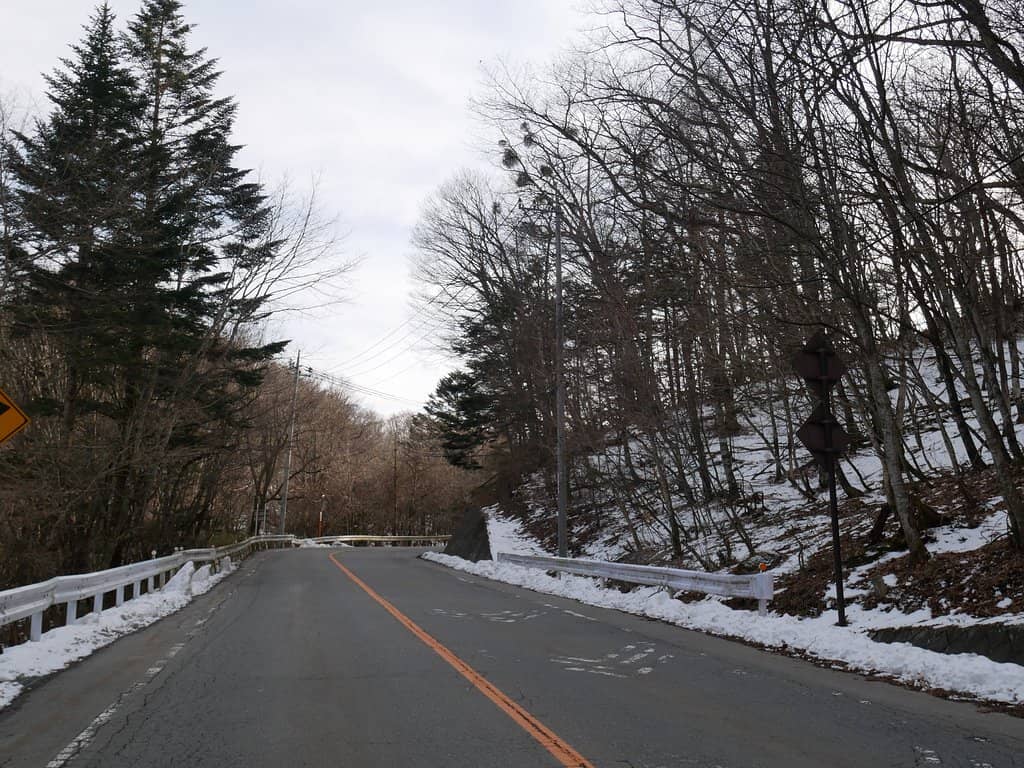
Winter can bring snow/ice. Always check before driving!
🐦 Bring Binoculars
Essential for spotting the diverse birdlife. Early summer is best!
Quick Facts
Rating
4.4 · 78 reviews
Type
Natural Feature
Highlights
Discover the most iconic attractions and experiences
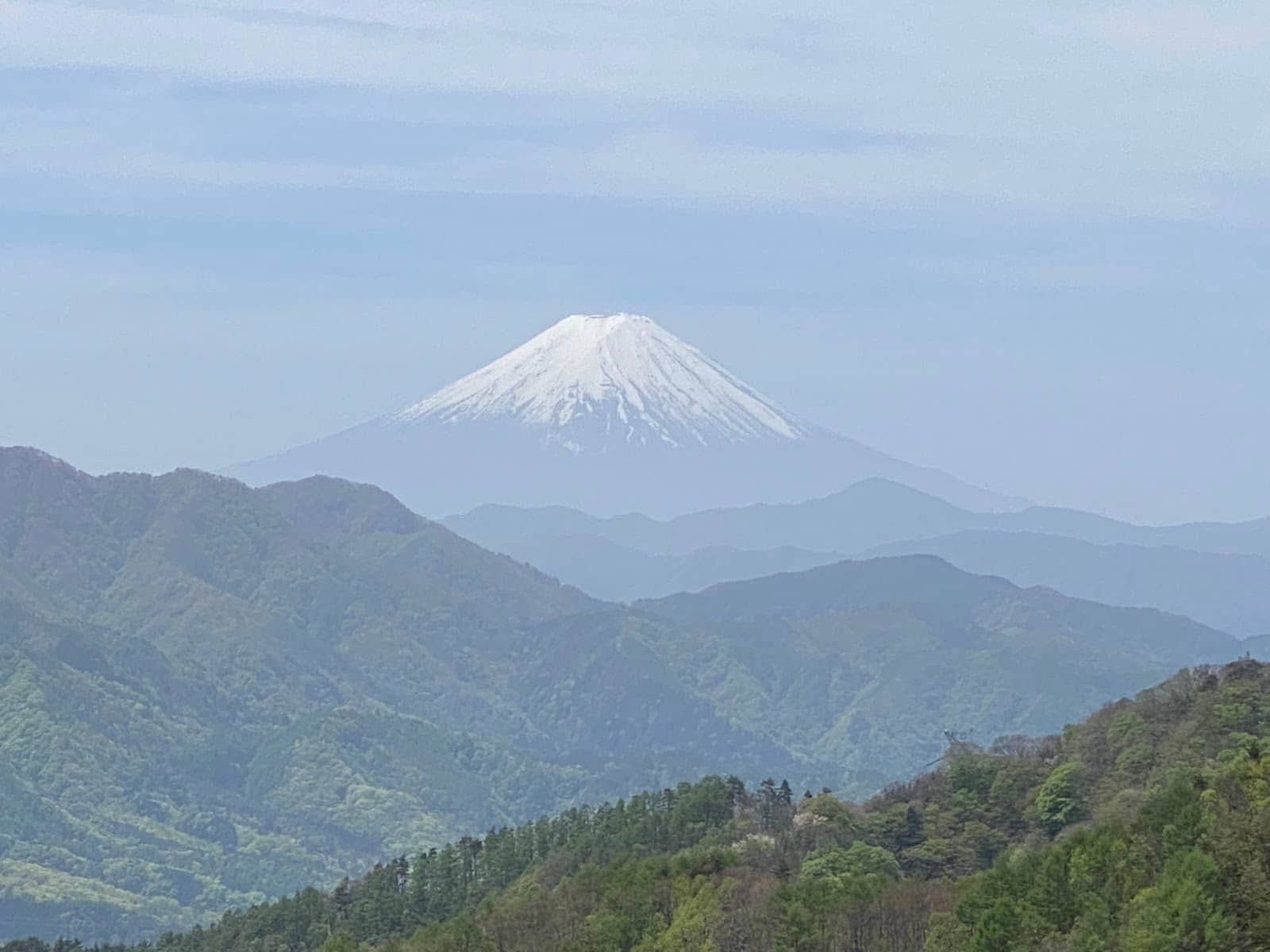
Panoramic Mt. Fuji Views
Yanagisawa Pass Summit
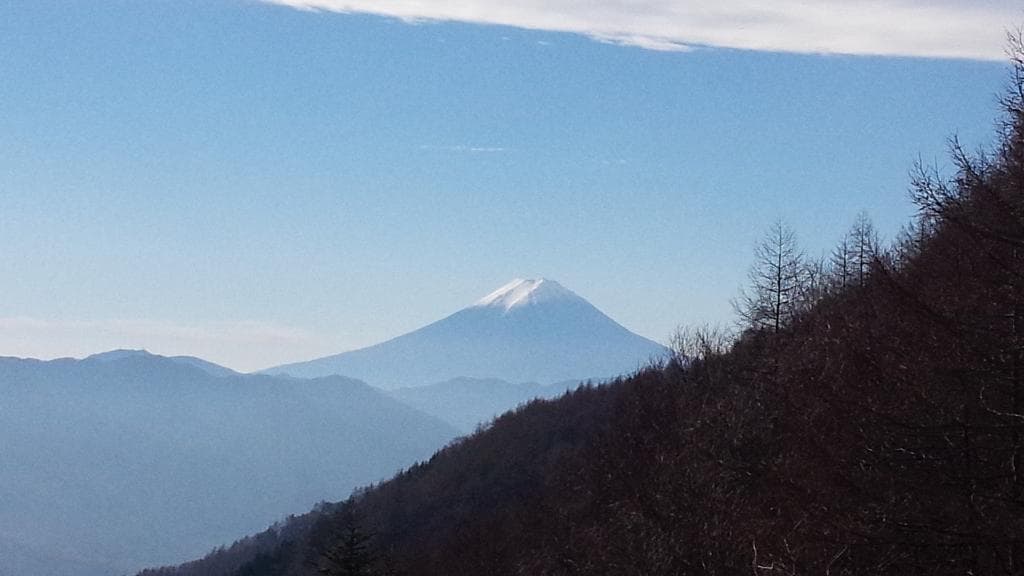
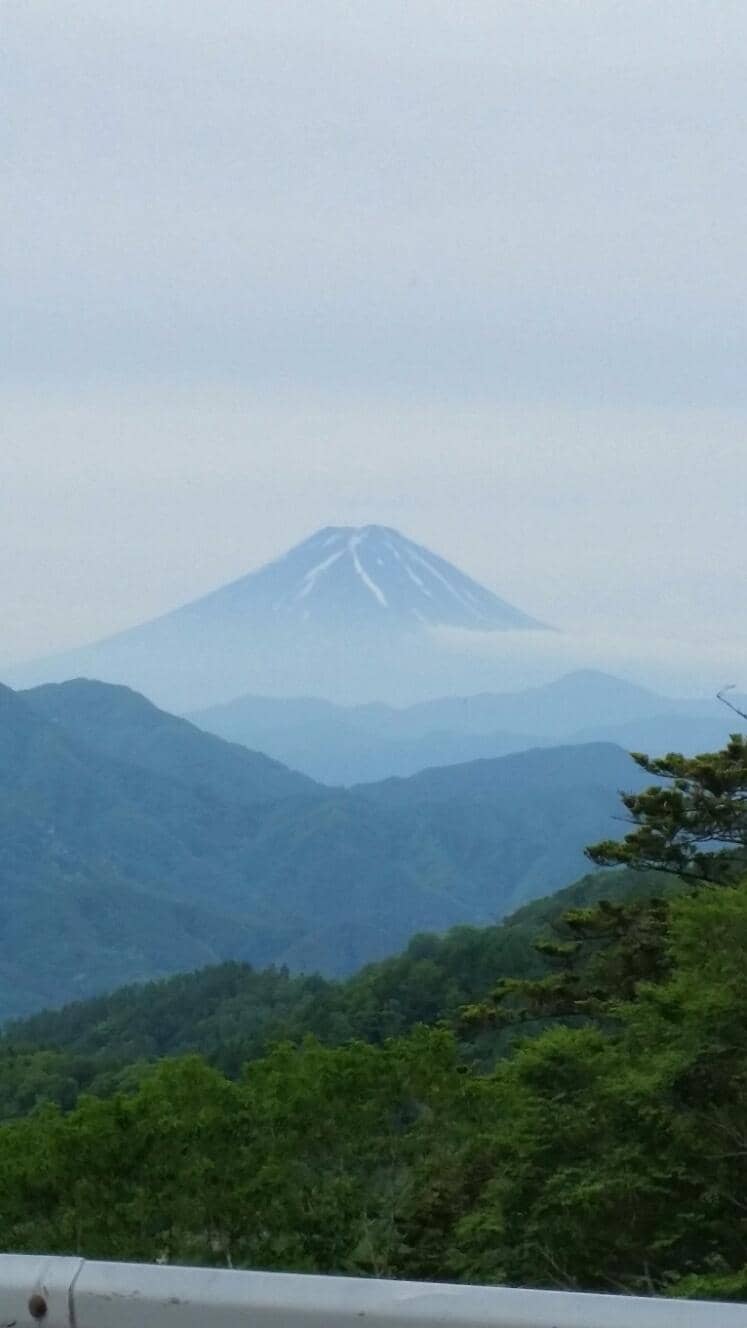
Breathtaking, unobstructed vistas of the iconic Mt. Fuji. A photographer's dream!
Birdwatching Paradise
Surrounding Forests
Famous for Japanese Robin, Eurasian Wren, and Narcissus Flycatcher sightings. Some birds are fed.

Scenic Mountain Road
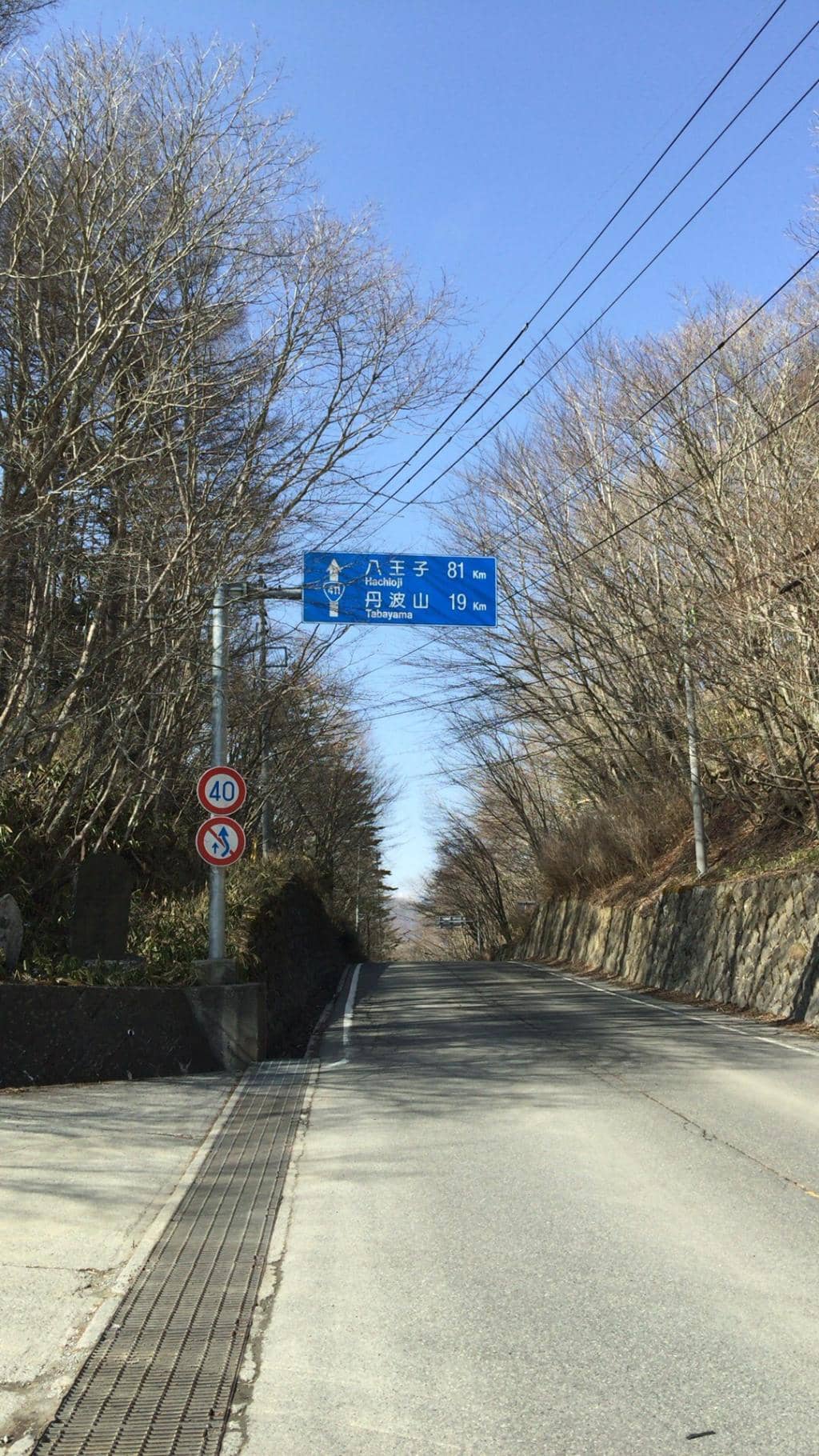
National Route 411 (Ome Kaido)
A picturesque drive or cycle, connecting Tokyo and Yamanashi with winding roads and natural beauty.
Plans like a pro.
Thinks like you
Planning Your Visit
Best Views of Mt. Fuji
Seasonal Considerations
 Early summer is prime birdwatching season, with many species flocking to the area.
Best Times
Insider Tips
from TikTok, Instagram & Reddit
🚗 Check Road Conditions
Winter can bring snow/ice. Always check before driving!
🐦 Bring Binoculars
Essential for spotting the diverse birdlife. Early summer is best!
📸 Capture Mt. Fuji
Clear days offer incredible views. Aim for morning or late afternoon light.
☕ Teahouse Break
Enjoy a rest and refreshments at the teahouse on the pass.
Tips
from all over the internet
🚗 Check Road Conditions
Winter can bring snow/ice. Always check before driving!
🐦 Bring Binoculars
Essential for spotting the diverse birdlife. Early summer is best!
📸 Capture Mt. Fuji
Clear days offer incredible views. Aim for morning or late afternoon light.
☕ Teahouse Break
Enjoy a rest and refreshments at the teahouse on the pass.
🚴 Cycle Safely
The pass is popular with cyclists. Be aware of road conditions and other vehicles.
What Travellers Say
Reviews Summary
Visitors consistently praise Yanagisawa Pass for its breathtaking, unobstructed views of Mt. Fuji and its appeal to birdwatchers, especially in early summer. The scenic drive and the opportunity to experience a high mountain pass are also highlights. However, some note that road conditions can be challenging, particularly in winter, and that certain bird species may be habituated due to feeding.
"Famous place for shooting Japanse Robin, Eurasian Wren, Narcissus Flycatcher and other wild birds here in early summer.
Some of them are fed so not 100% wild ones."
Hit U (HIT-1)
"Yanagisawa Pass is 1427m above sea level. It is about 1000m up from Shioyama. From Shioyama, the altitude increases rapidly. The road has been improved to make the gradient gentler and the road wider, but the distance has increased. You can see Mt. Fuji and the scenery is nice. You can also climb from the Okutama side, but it is quite difficult because there are many narrow and long tunnels. The road is also undergoing improvement work. The elevation is gained along the river all the way, so the only open area is just before the pass. The photo was taken in June 2025. I first climbed it by bicycle in 1993, and the Shioyama side had not yet been improved. I did several time trials, but I was unable to beat my predecessor's record."
藤岡康裕
"This is the highest point on National Route 411, commonly known as Ome Kaido, which connects Tokyo and Yamanashi.
The altitude is 1,427m. On the Yamanashi side, it is called the Daibosatsu Line.
There is a teahouse at the pass. Behind it is a large public parking lot and toilets.
This is a rest spot. There is a good view of Mt. Fuji from here. The shape of Mt. Fuji is also beautiful. It is also an observation spot for Mt. Fuji.
It was more than 30 years ago that I first drove through Yanagisawa Pass. I passed through it on the way back from Shiozawa to Tokyo.
Recently, on my way back from Yamanashi, I sometimes cross Yanagisawa Pass on this road to head to Tokyo instead of using the highway. When I do, I take a break at Yanagisawa Pass. And look at Mt. Fuji.
Many pass names are memorable. Yanagisawa Pass is one of them. Daibosatsu Pass is nearby."
稲岡慶郎
What People Like
What People Dislike
Frequently Asked Questions
🚇 🗺️ Getting There
You can drive via National Route 411 (Ome Kaido), which takes approximately 2-3 hours depending on traffic. Cycling is also a popular option, though the climb can be challenging.
Public transport to Yanagisawa Pass is not straightforward. You'll likely need to take trains to Okutama or Shioyama and then arrange local bus services or taxis, which can be infrequent. Driving or cycling is generally recommended for easier access.
The most common driving route is via National Route 411, also known as Ome Kaido. This road offers scenic views but can be narrow and winding in parts. Be prepared for potential road improvement work.
If you choose to use expressways for part of your journey, there will be tolls. However, driving directly via National Route 411 from the Tokyo metropolitan area generally avoids significant toll roads, making it a more budget-friendly option.
Yes, Yanagisawa Pass is a popular cycling destination, offering a challenging but rewarding climb with beautiful scenery.
🎫 🎫 Tickets & Entry
No, Yanagisawa Pass itself is a natural scenic area and a mountain pass, so there is no entrance fee to visit or drive through it. Access to the pass and its viewpoints is free.
Yanagisawa Pass is an open mountain pass and is accessible 24/7. However, driving conditions can be hazardous in winter due to snow and ice, so it's advisable to visit during daylight hours and check weather forecasts.
No advance booking is required as there are no admission tickets. It's a public road and natural area. However, if you plan to visit during peak birdwatching season, consider arriving early to secure parking.
Generally, there are no specific restrictions for visiting Yanagisawa Pass. However, always be mindful of local regulations, especially regarding wildlife and environmental protection. Road closures can occur due to severe weather.
Yes, you can visit in winter, but extreme caution is advised. Snow and ice can make the roads treacherous. Ensure your vehicle is equipped for winter driving, and check road conditions before you go. The scenery can be magical, though.
📸 📸 Photography
The summit of Yanagisawa Pass offers the most iconic views of Mt. Fuji. Look for clearings and viewpoints along the road for varied perspectives.
For Mt. Fuji, early morning or late afternoon light provides the most dramatic and beautiful shots. For bird photography, dawn and dusk are often the most active times for the birds.
A telephoto lens is highly recommended for birdwatching. For landscape shots of Mt. Fuji, a wide-angle lens can capture the grandeur of the scenery. A sturdy tripod is useful for low-light conditions or long exposures.
No photography permits are required for general visitor photography at Yanagisawa Pass. However, if you plan on commercial shoots or drone photography, it's always best to check with local authorities for any specific regulations.
Yes, Yanagisawa Pass is renowned for its birdlife. Please maintain a respectful distance from the animals and avoid using flash photography, which can disturb them. Some birds are habituated to people, but it's important not to overstep.
🎫 🌲 Nature & Wildlife
Yanagisawa Pass is famous for its bird species, including the Japanese Robin, Eurasian Wren, and Narcissus Flycatcher, particularly in early summer. You might also encounter other small forest animals.
Early summer is considered the prime season for birdwatching at Yanagisawa Pass, as many migratory birds are present and active. Dawn and dusk are typically the best times of day to spot them.
While many birds are wild, some reviews suggest that certain birds at Yanagisawa Pass are fed by visitors, which can make them less wary. It's still a fantastic location for observing bird behavior in a natural setting.
While Yanagisawa Pass is primarily known as a scenic drive and viewpoint, there are opportunities for short walks and exploration around the pass. For more extensive hiking, consider nearby areas like Daibosatsu Pass.
Yanagisawa Pass is generally considered safe for solo travelers, especially if you are driving or cycling during daylight hours. It's a popular spot, so you're unlikely to be completely alone. However, always exercise standard travel precautions.
Social
from TikTok, Instagram & Reddit