
Koyasan (Mount Koya)
Sacred mountain sanctuary, home to Shingon Buddhism, offering unique temple stays and the mystical Okunoin Cemetery.
Highlights
Must-see attractions

Social
From TikTok & Reddit
Best Time
Cherry blossoms and mild weather
Koyasan (Mount Koya)
Best Time
Cherry blossoms and mild weather
Highlights
Must-see attractions
Sacred mountain sanctuary, home to Shingon Buddhism, offering unique temple stays and the mystical Okunoin Cemetery.
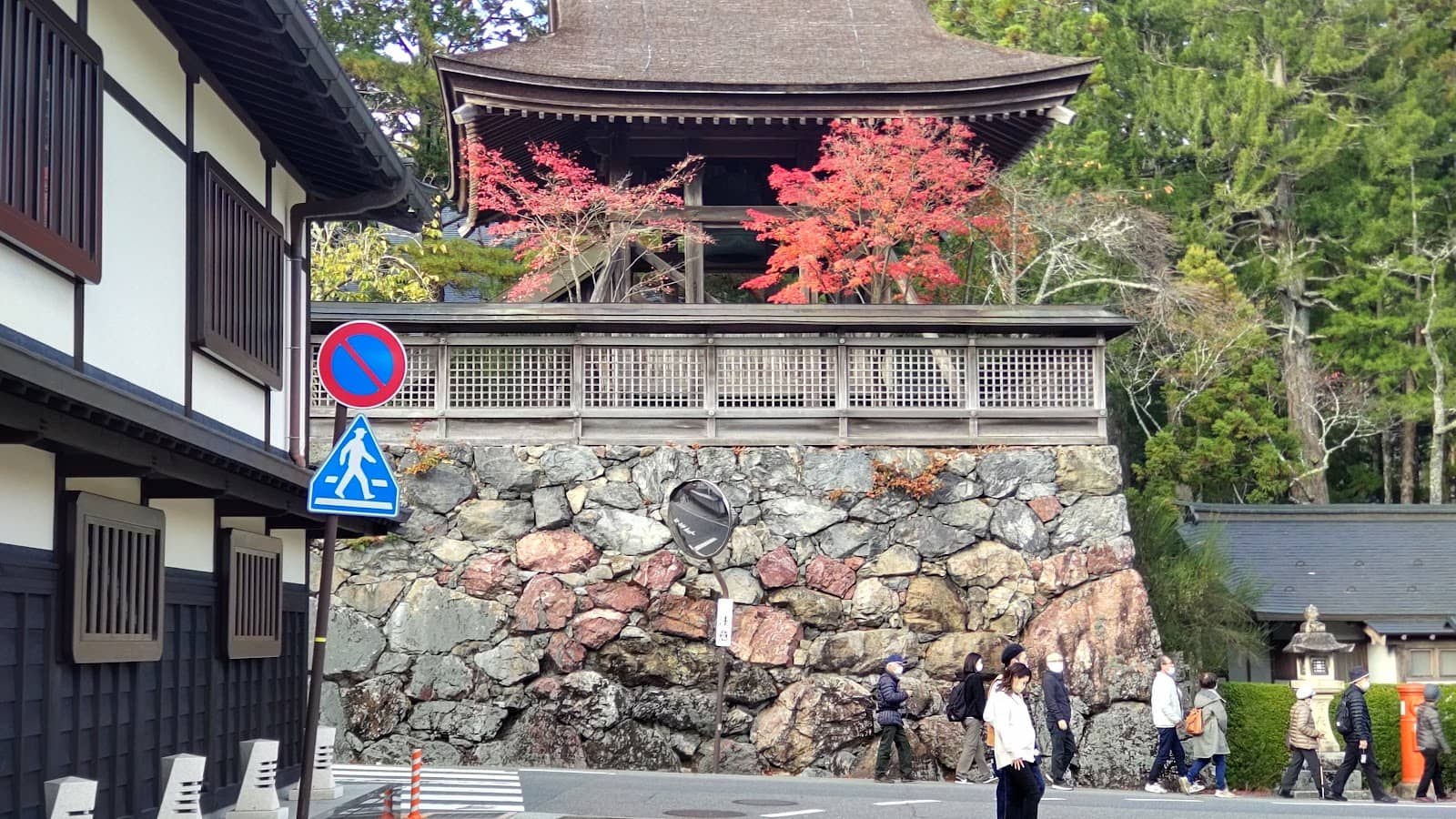
Book Shukubo in Advance
Temple stays are highly sought after; book your Shukubo early, especially for weekends or holidays.
Comfortable Walking Shoes
You'll be doing a lot of walking on temple grounds and cemetery paths.
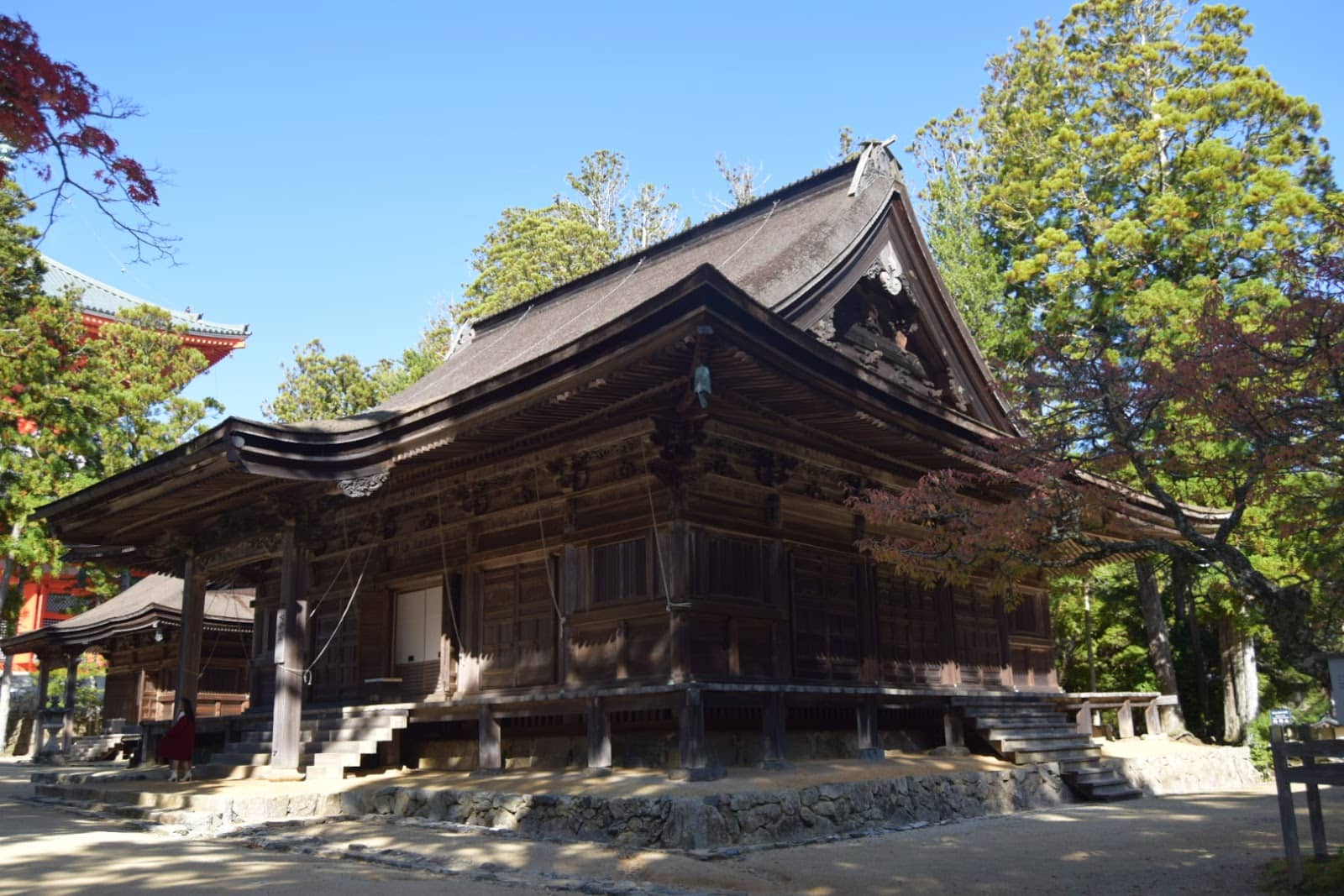
Quick Facts
Highlights
Discover the most iconic attractions and experiences
Okunoin Cemetery
Koyasan
Japan's largest cemetery, a mystical 2km path lined with moss-covered tombstones leading to Kobo Daishi's mausoleum.

Shukubo (Temple Lodging)
Various temples across Koyasan
Experience monastic life, enjoy vegetarian Buddhist cuisine, and participate in morning prayers and rituals.
+1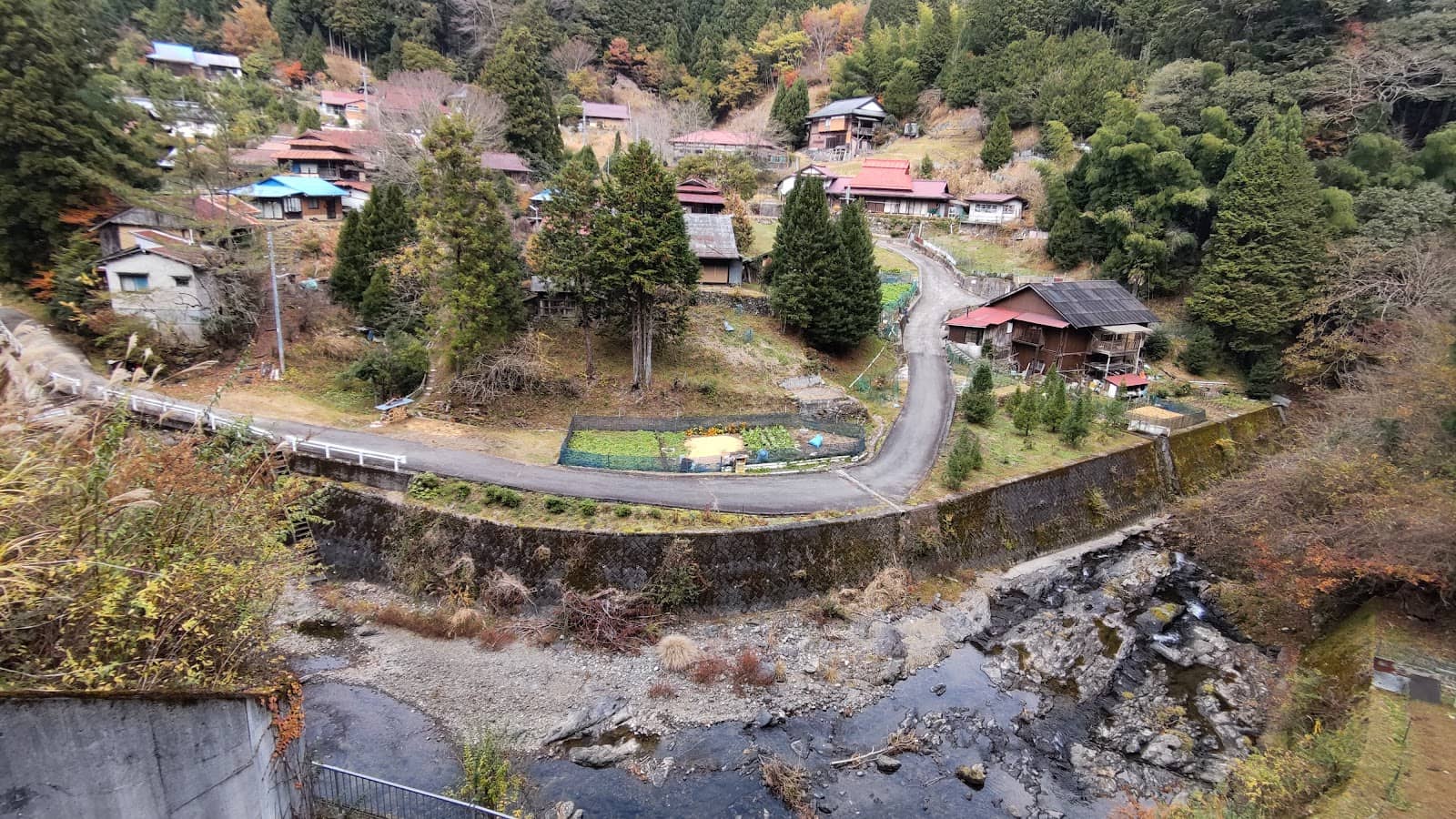
Kongobu-ji Temple
Koyasan
The head temple of Shingon Buddhism, featuring stunning screen paintings and Japan's largest rock garden.
Goma Fire Ritual
Ekoin Temple and other temples
Witness a powerful and mesmerizing ritual where monks burn wooden plates inscribed with prayers.
Plans like a pro.
Thinks like you
Planning Your Visit
Embrace the Serenity: Book Your Temple Stay Early
Prepare for a Mountainous Journey
+1Best Times
Insider Tips
from TikTok, Instagram & Reddit
Book Shukubo in Advance
Temple stays are highly sought after; book your Shukubo early, especially for weekends or holidays.
Comfortable Walking Shoes
You'll be doing a lot of walking on temple grounds and cemetery paths.
Embrace Vegetarian Cuisine
Enjoy delicious and healthy Shojin Ryori (vegetarian Buddhist cuisine) during your temple stay.
Pack for Cooler Temps
Koyasan is at a higher elevation, so it can be cooler than surrounding cities.
Tips
from all over the internet
Book Shukubo in Advance
Temple stays are highly sought after; book your Shukubo early, especially for weekends or holidays.
Comfortable Walking Shoes
You'll be doing a lot of walking on temple grounds and cemetery paths.
Embrace Vegetarian Cuisine
Enjoy delicious and healthy Shojin Ryori (vegetarian Buddhist cuisine) during your temple stay.
Pack for Cooler Temps
Koyasan is at a higher elevation, so it can be cooler than surrounding cities.
Respectful Conduct
Remember you are in a sacred place; dress modestly and be mindful of temple etiquette.
What Travellers Say
Reviews Summary
Visitors consistently praise Koyasan for its profound spiritual atmosphere, unique temple stays (Shukubo), and the mystical beauty of Okunoin Cemetery. The serene mountain setting and the opportunity to experience monastic life are major highlights. Some find the journey a bit long for a day trip and note that amenities are limited compared to cities.
What People Like
What People Dislike
Frequently Asked Questions
🚇 🗺️ Getting There
The most common route from Osaka involves taking a Nankai Line train from Namba or Shin-Imamiya Station to Gokurakubashi Station (approx. 1.5 hours, ¥1,230). From Gokurakubashi, you'll take the Koyasan Cable Car up the mountain to Koyasan Station. From there, local buses connect you to the main temple areas. +2
While possible, a day trip to Koyasan is quite rushed. Many visitors recommend staying overnight to fully experience a Shukubo and explore the sacred sites without feeling hurried.
Yes, you can travel from Kyoto to Koyasan. It typically involves taking a train to Osaka and then following the route from Osaka. The journey can take around 2-3 hours.
Once you reach Koyasan Station, local buses are the most convenient way to get around the main temple areas and attractions. Walking is also a great option for exploring specific areas like Okunoin Cemetery.
The journey involves multiple modes of transport (train, cable car, bus), but it's well-signposted and a common route for tourists. The scenic cable car ride is part of the experience. +1
🎫 🎫 Tickets & Entry
Koyasan itself is a town and a sacred site, so there's no general admission ticket to enter. However, individual temples may have entrance fees for specific halls or gardens. Your Shukubo stay will typically include access to the temple's facilities.
Prices for Shukubo vary depending on the temple and room type, but generally range from ¥8,000 to ¥20,000 per person per night, often including dinner and breakfast. Booking in advance is highly recommended.
Most temples are open to visitors during daylight hours, typically from around 9 AM to 5 PM. However, if you are staying overnight in a Shukubo, you will have access to the temple grounds and facilities outside of these hours.
Consider the Nankai Koyasan World Heritage Ticket, which can cover round-trip train fare from Osaka to Gokurakubashi, the cable car, and unlimited bus rides within Koyasan for a set period.
Yes, Okunoin Cemetery is accessible at night, and many find it particularly atmospheric and spiritual after dark. Guided night tours are also available.
🎫 🧭 Onsite Experience
A Shukubo is a temple lodging where you sleep in traditional tatami rooms, wear yukata, enjoy vegetarian Buddhist meals (Shojin Ryori), and can participate in morning prayers, meditation, and sometimes fire rituals. It's a deeply spiritual and peaceful experience.
While staying at a Shukubo, you'll likely be provided with a yukata (light cotton kimono). For exploring the temple grounds and cemetery, comfortable, modest clothing is recommended. Avoid revealing attire.
Key highlights include Okunoin Cemetery, Kongobu-ji Temple, the Garan temple complex, and experiencing a Shukubo. The entire area is a UNESCO World Heritage Site, so simply wandering is also rewarding.
Absolutely! Koyasan offers a tranquil and safe environment, perfect for solo travelers seeking reflection and a unique cultural experience. The Shukubo stays are also a great way to connect with others. +1
Activities include staying in a Shukubo, participating in morning prayers and meditation, witnessing the Goma fire ritual, exploring Okunoin Cemetery, visiting various temples, and enjoying the serene mountain atmosphere.
🍽️ 🍽️ Food & Dining
The primary culinary experience in Koyasan is Shojin Ryori, traditional vegetarian Buddhist cuisine served at Shukubo accommodations. It's healthy, flavorful, and beautifully presented.
Yes, there are some restaurants and small eateries in Koyasan town, but options are more limited than in larger cities. Many visitors opt to dine at their Shukubo for dinner and breakfast.
Koyasan is a vegetarian paradise due to its Buddhist roots. Shojin Ryori is inherently vegetarian, and most places will cater to vegetarian diets.
Shojin Ryori is a refined, plant-based cuisine developed by Buddhist monks. It emphasizes seasonal ingredients and avoids strong flavors like garlic and onion, focusing on balance and harmony.
Convenience stores are scarce in Koyasan compared to urban areas. It's advisable to bring any specific snacks or drinks you might need, though your Shukubo will provide meals.
📸 📸 Photography
Okunoin Cemetery, especially the path lined with ancient cedar trees and mossy gravestones, is incredibly photogenic. The temple grounds, pagodas, and the serene mountain landscapes also offer beautiful shots.
Photography is generally allowed in outdoor areas and temple exteriors. However, photography inside temple buildings, especially during rituals or in sacred halls, is often prohibited. Always check for signage.
Early morning light, especially during sunrise or when mist hangs in the air, can create a magical atmosphere. The soft light of late afternoon is also excellent for Okunoin Cemetery.
Photography during the Goma fire ritual might be restricted or discouraged to maintain the solemnity of the ceremony. It's best to observe and ask permission if unsure.
Drone usage is likely restricted in sacred sites and residential areas to respect the peace and privacy of the monks and visitors. It's best to avoid using drones.
Social
from TikTok, Instagram & Reddit