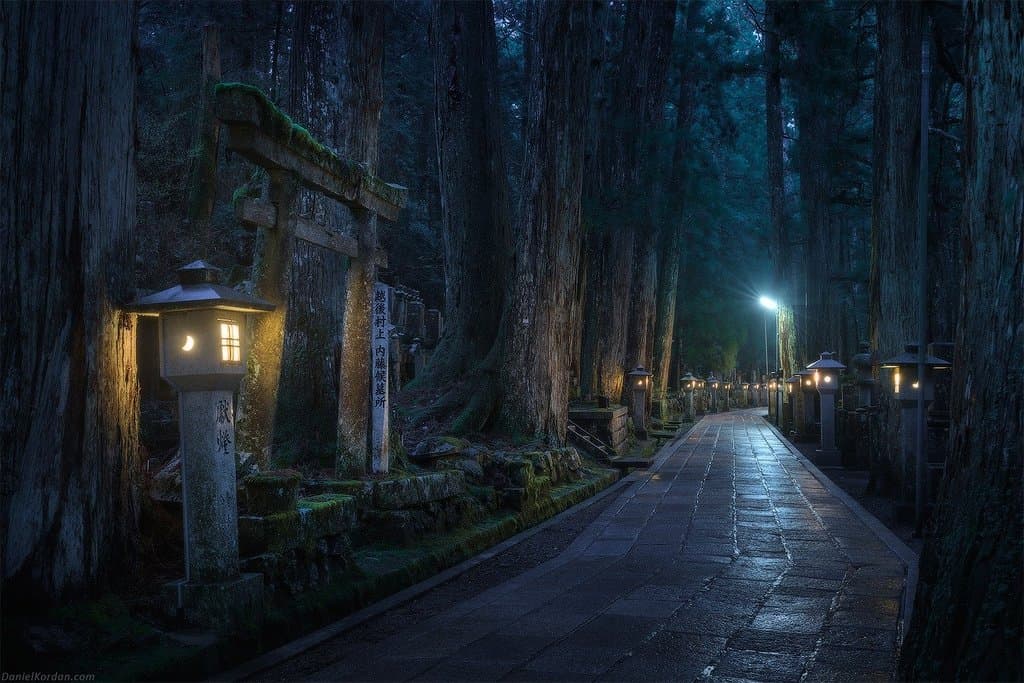
Okunoin Cemetery Osaka
Japan's largest cemetery, an atmospheric walk among ancient cedars and over 200,000 graves leading to Kobo Daishi's sacred mausoleum.
Highlights
Must-see attractions

Social
From TikTok & Reddit
Best Time
Fewer crowds, serene atmosphere
Okunoin Cemetery Osaka
Best Time
Fewer crowds, serene atmosphere
Highlights
Must-see attractions
Japan's largest cemetery, an atmospheric walk among ancient cedars and over 200,000 graves leading to Kobo Daishi's sacred mausoleum.
"An otherworldly experience, especially at night, that feels like stepping back in time."
🚶♀️ Walk the Sides
Stick to the sides of paths in sacred areas; the center is for deities .
✨ Respectful Bow
Bow before entering sacred gates to show respect .
Quick Facts
Hours
Rating
4.8 · 440 reviews
Type
Cemetery
Highlights
Discover the most iconic attractions and experiences
Okunoin Cemetery
Koyasan
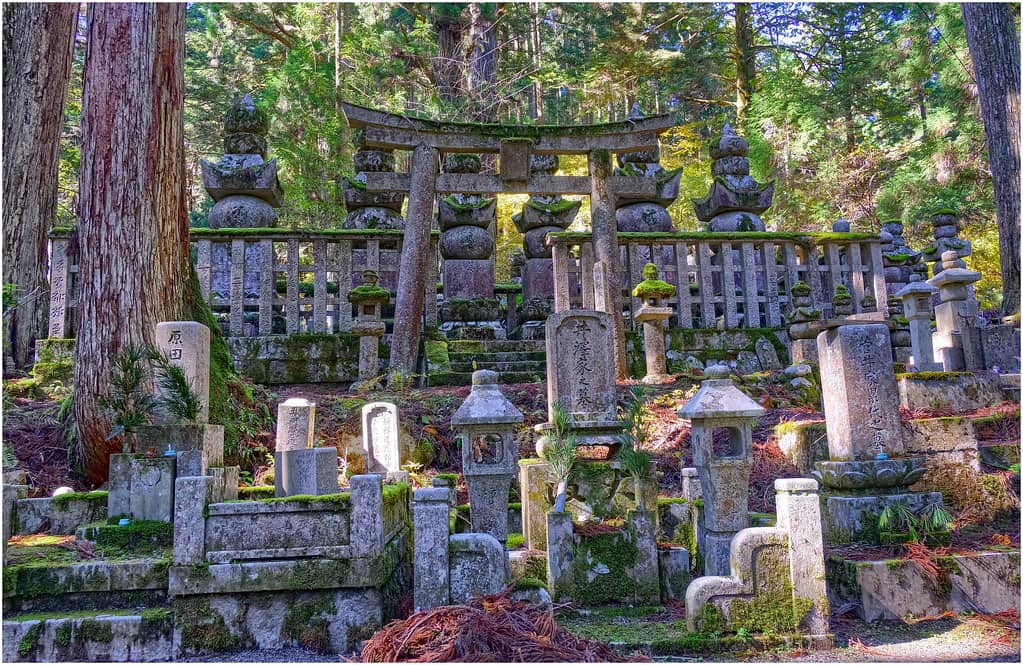
Japan's largest cemetery, an atmospheric walk among ancient cedars and over 200,000 graves.
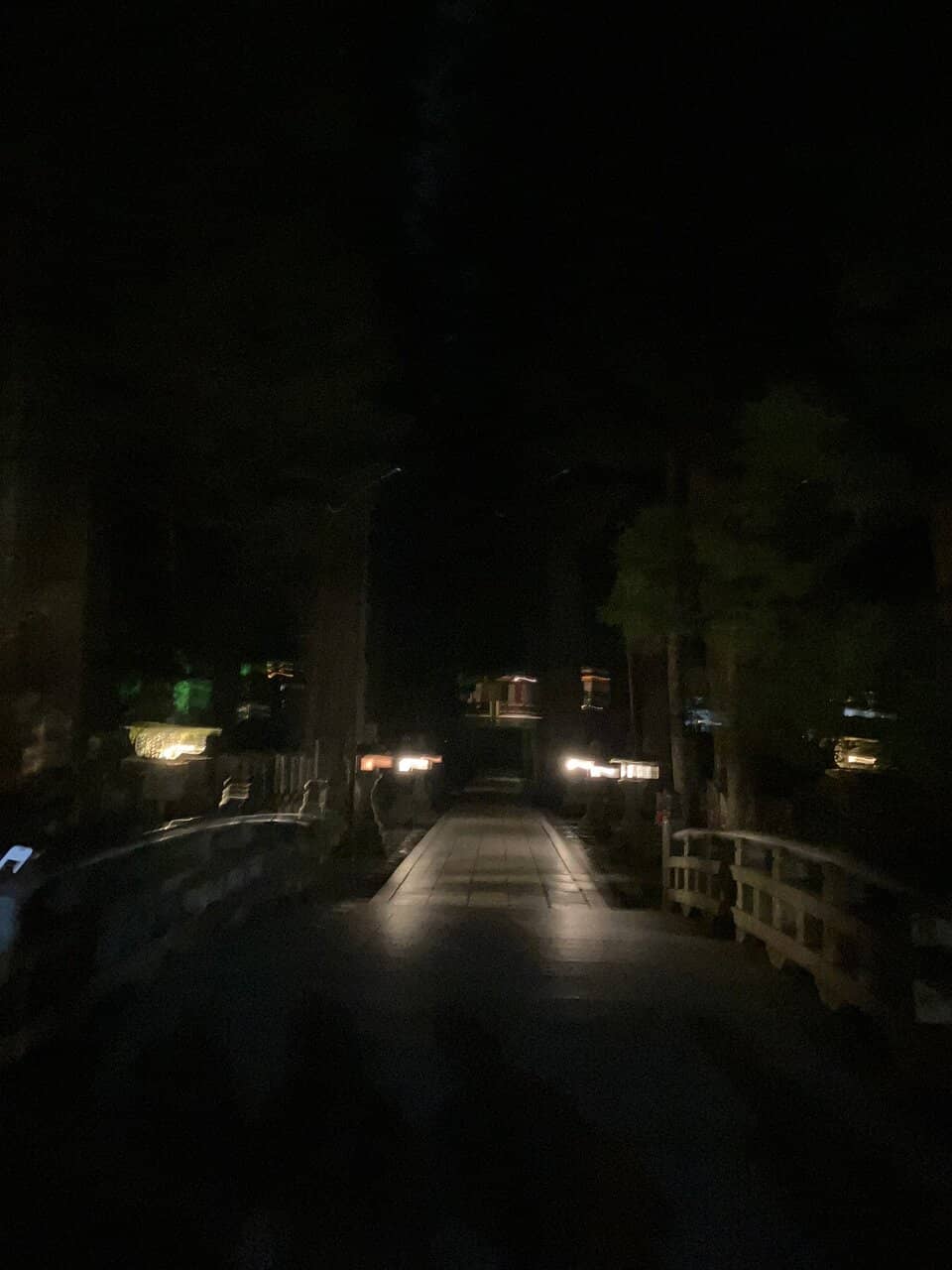
Kobo Daishi Mausoleum
End of Okunoin Cemetery
The sacred heart of Koyasan, believed to be where Kobo Daishi rests in eternal meditation.
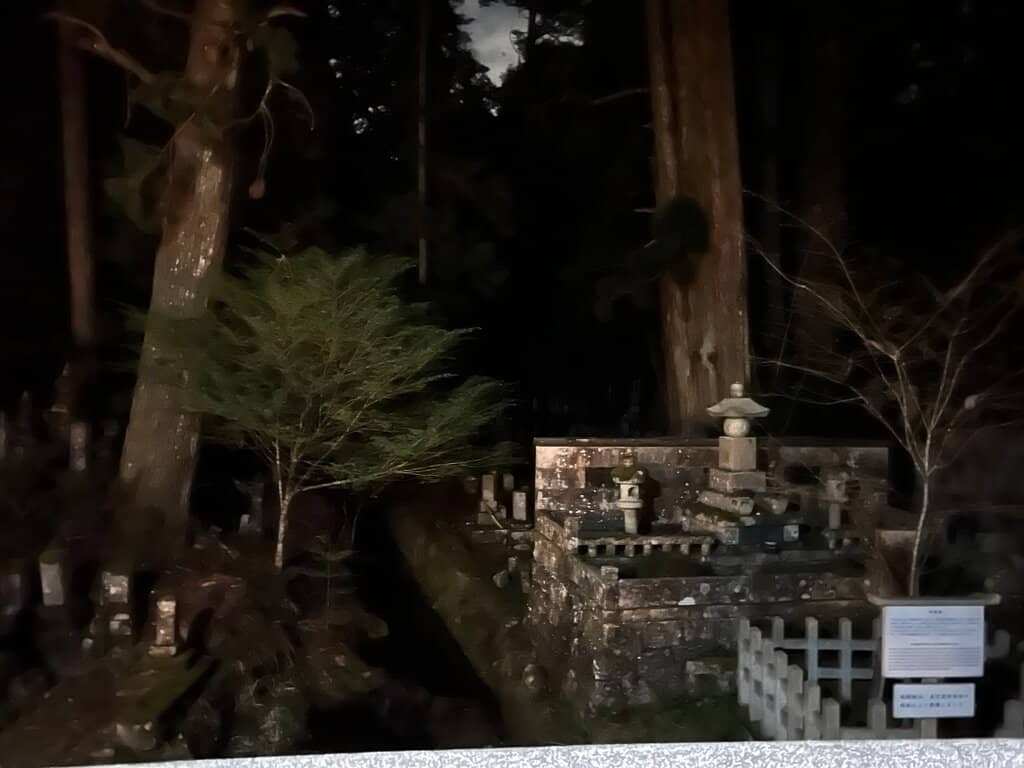
Torii Gate
Entrance to Okunoin Cemetery
A striking red torii gate marking the entrance to this sacred and historic burial ground.
Plans like a pro.
Thinks like you
Planning Your Visit
Embrace the Journey to Koyasan
Night vs. Day Exploration
Best Times
Insider Tips
from TikTok, Instagram & Reddit
🚶♀️ Walk the Sides
Stick to the sides of paths in sacred areas; the center is for deities.
✨ Respectful Bow
Bow before entering sacred gates to show respect.
🌙 Midnight Solo Walk
Explore Okunoin Cemetery alone at midnight for a truly memorable experience.+1
🎟️ World Heritage Ticket
Consider the Koyasan World Heritage Ticket for convenient transport from Osaka.
Tips
from all over the internet
🚶♀️ Walk the Sides
Stick to the sides of paths in sacred areas; the center is for deities.
✨ Respectful Bow
Bow before entering sacred gates to show respect.
🌙 Midnight Solo Walk
Explore Okunoin Cemetery alone at midnight for a truly memorable experience.+1
🎟️ World Heritage Ticket
Consider the Koyasan World Heritage Ticket for convenient transport from Osaka.
🙏 Night Tour Insights
Monk-led night tours offer unique historical context.
What Travellers Say
Reviews Summary
Okunoin Cemetery is widely praised for its unique, atmospheric, and spiritual ambiance, especially during nighttime visits. While the journey can be a bit involved, most visitors find it well worth the effort for the unforgettable experience. Some find the sheer scale and quietude overwhelming, while others are captivated by the mystical allure.
"It is a sacred Buddhist site and cemetery on Mount Kōya, in Wakayama Prefecture, Japan. Opened in 835, it houses the mausoleum of Kūkai, founder of the Shingon school of Buddhism. The cemetery spans over 2 km (1.2 mi) in length and is in a forest of tall conifers and has more than 200,000 graves. His resting place in Okunuin has since become a place of pilgrimage, and Buddhist monks bring him ritual offerings and meals twice a day. Uneven terrain, lot of walking. Lots of locals, fair number of tourists and pilgrims. Wear comfy shoes, take water, wear hat, sunscreen. Parking is easy. Free entry. Toilets available. Interesting photography place."
s vivekananda
"Okunoin is deeply spiritual. Walking among over cedar trees and mossy cemetery, I wondered how many years it took for each to become so beautiful. A must-visit in Japan!"
Pornthip Chukitkosol
"To me, this was the main reason to visit Koyasan, which we did on a day trip from Osaka. It would have been cool to spend the night in Koyasan and see more, but we were very happy with our day trip, where we spent most of our time in Okunoin. We took the bus to the city center and walked to the traditional Okunoin entrance at the Western bridge, and took our time walking the path through the cemetery. The whole place felt old and magical/spiritual, probably because of the massive towering trees surrounding us. I highly recommend a visit to Korasan and take your time enjoying Okunoin!"
Jeff Howard
What People Like
What People Dislike
Frequently Asked Questions
🚇 🗺️ Getting There
The journey to Koyasan, where Okunoin Cemetery is located, typically involves taking a train from Osaka Namba Station to Gokurakubashi Station, followed by a cable car and then a bus to the cemetery. The entire trip can take around 1.5 to 2 hours. Consider the Koyasan World Heritage Ticket for a convenient and cost-effective travel option.
Yes, Koyasan is definitely doable as a day trip from Osaka. Many visitors make the journey for a few hours to explore Okunoin Cemetery and other key sites. Taking an early train from Namba Station will give you ample time.
The Koyasan World Heritage Ticket is a special pass that covers round-trip transportation from Osaka Namba Station to Koyasan, including the Nankai Line trains and the cable car. It's a popular choice for visitors looking for a hassle-free way to reach the sacred mountain.
The travel time from Osaka to Koyasan is approximately 1.5 to 2 hours, depending on your chosen route and connections. This includes train rides and a cable car ascent.+1
While there isn't a single direct train, you can take a train from Osaka Namba Station towards Koyasan, which usually involves a transfer to a cable car for the final ascent. The Koyasan World Heritage Ticket simplifies this process.
🎫 🎫 Tickets & Entry
Okunoin Cemetery itself is generally free to enter and explore. However, if you plan to participate in a guided night tour or visit specific temples within Koyasan, separate tickets or reservations may be required.+1
Okunoin Cemetery is accessible 24 hours a day, making it possible to visit at any time. However, the most atmospheric experiences are often reported during the early morning or late at night.
There is no admission fee to walk through Okunoin Cemetery. The primary costs associated with visiting Koyasan are transportation and any optional tours or temple stays.
Yes, guided tours of Okunoin Cemetery are available, often led by monks from local temples. These tours provide historical context and a unique perspective, especially at night.+1 Booking in advance is recommended, as availability can be limited.
While generally open, it's important to be respectful of the sacred nature of the cemetery. Avoid loud noises, littering, and touching gravestones. Some social media content advises against certain behaviors at Japanese shrines and temples.
🎫 🧭 Onsite Experience
Many visitors recommend exploring Okunoin Cemetery both during the day and at night. A guided night tour offers a mystical atmosphere and historical insights from monks, while a solo walk at midnight can be profoundly serene and spooky.
+1 Daytime visits allow for easier navigation and photography.
While some visitors report hearing strange sounds and feeling a bit spooked, most find visiting Okunoin Cemetery at night to be a safe and memorable experience. The cemetery is well-lit in parts, and there are often a few other visitors around, even late at night.
+1
Comfortable walking shoes are essential, as you'll be doing a lot of walking on uneven paths. Dress in layers as the weather can change in the mountains. Modest attire is recommended out of respect for the sacred site.
Besides Okunoin Cemetery, key attractions in Koyasan include Kongobu-ji Temple (the head temple of Shingon Buddhism), the Danjo Garan temple complex, and the charming streets of the temple town itself. Many also enjoy the experience of a temple stay (shukubo).
+1
Photography is generally permitted in Okunoin Cemetery, but always be mindful of your surroundings and avoid disturbing other visitors or the sanctity of the site. Some areas, particularly within temples, may have photography restrictions.

📸 📸 Photography
The long, moss-covered paths lined with ancient cedar trees and countless gravestones offer incredible photographic opportunities. The Torii gate at the entrance and the Kobo Daishi Mausoleum at the end are iconic spots. The atmosphere changes dramatically between day and night, offering different visual experiences.
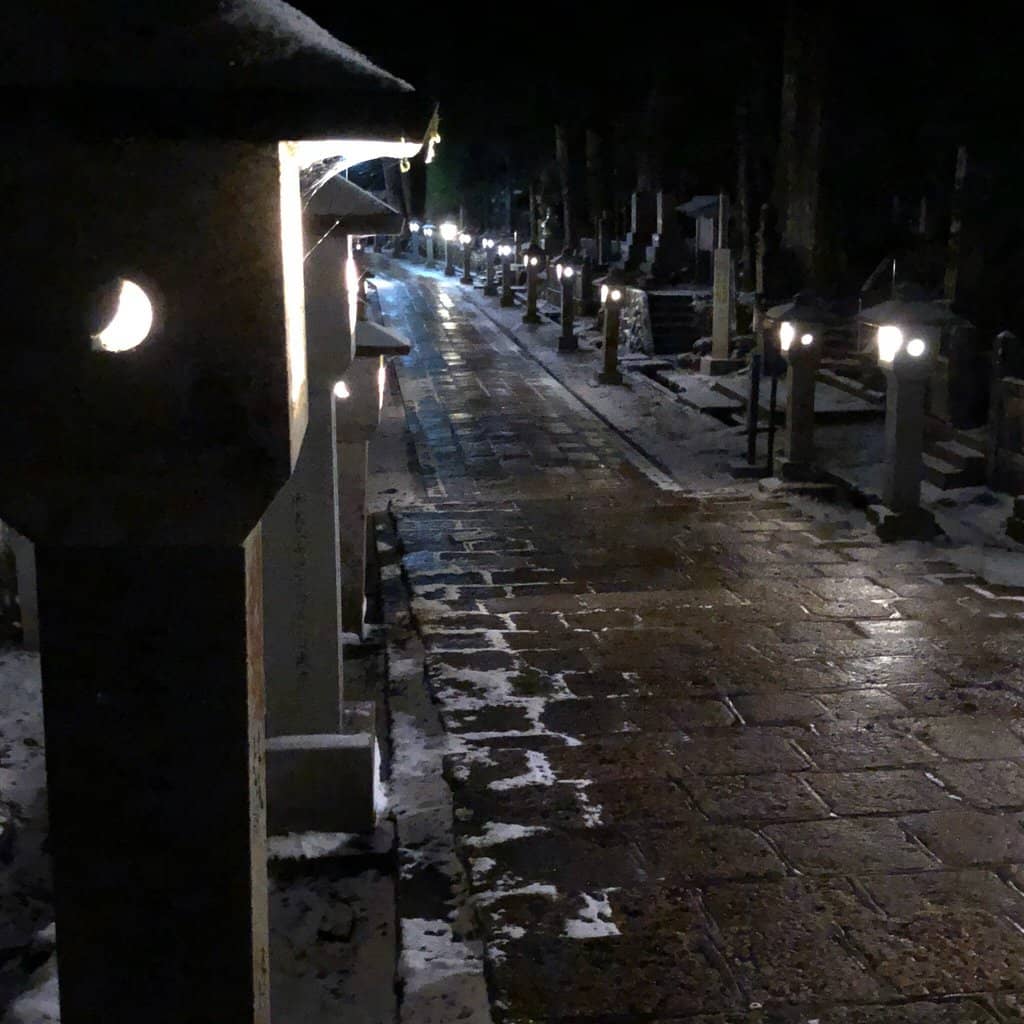
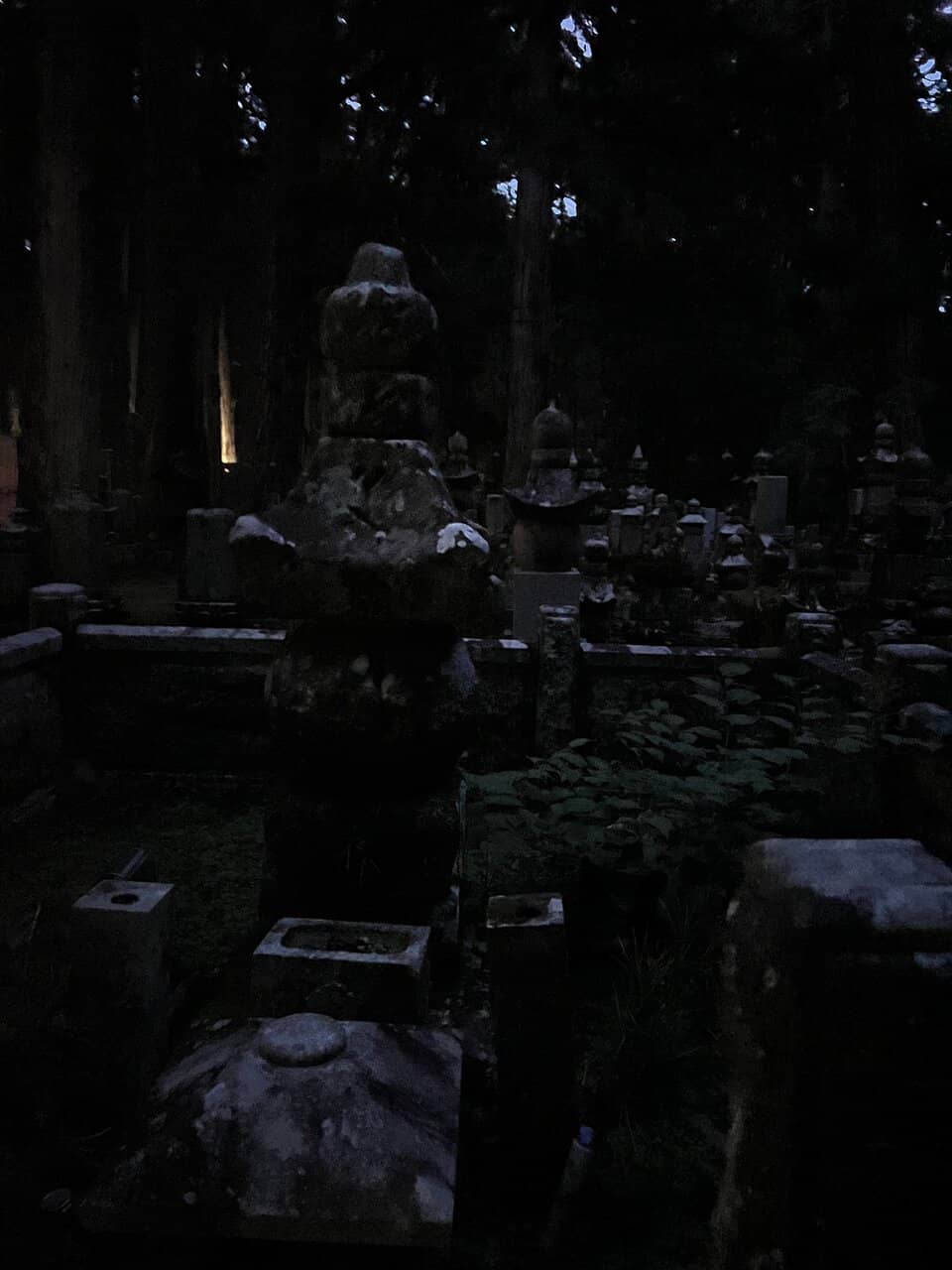
Both day and night offer unique photographic potential. Daytime provides clear views of the ancient cedars and detailed gravestones. Nighttime, especially with a guided tour or a solo exploration, can capture a more mystical and atmospheric mood, with lanterns casting eerie shadows.
A wide-angle lens is useful for capturing the expansive paths and towering trees. A tripod can be beneficial for low-light photography at night, but be mindful of space and other visitors. A camera with good low-light performance will also be advantageous for night shots.
Always be respectful. Avoid using flash photography in sensitive areas or when it might disturb others. Be mindful of gravestones and mausoleums, and refrain from intrusive photography. Focus on capturing the atmosphere and grandeur of the site respectfully.
Drone usage is generally prohibited in sacred sites and cemeteries in Japan to maintain peace and respect. It's best to assume drones are not allowed and to rely on traditional photography methods.



Social
from TikTok, Instagram & Reddit