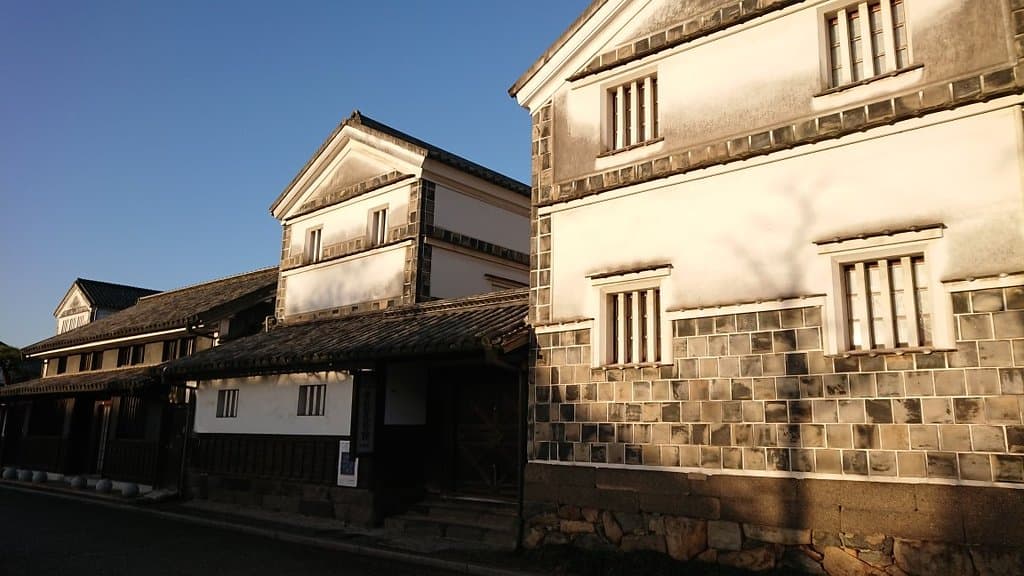
Kurashiki School of Traditional Crafts Kurashiki Japan
Discover centuries of Japanese folk artistry in a serene 18th-century granary, showcasing everyday tools and crafts.
Highlights
Must-see attractions

Social
From TikTok & Reddit
Best Time
Fewer crowds, more peaceful viewing
Kurashiki School of Traditional Crafts Kurashiki Japan
Best Time
Fewer crowds, more peaceful viewing
Highlights
Must-see attractions
Discover centuries of Japanese folk artistry in a serene 18th-century granary, showcasing everyday tools and crafts.
"A beautiful collection of traditional crafts in a stunning historic setting, though explanations are limited."
📚 Pre-visit Folk Craft Research
Understanding the mingei movement enhances appreciation for the exhibits.
🗣️ Limited English Explanations
Be prepared for minimal English text; consider a translation app.
Quick Facts
Hours
Rating
4.1 · 116 reviews
Type
Museum
Highlights
Discover the most iconic attractions and experiences
Traditional Everyday Tools
Main exhibition halls
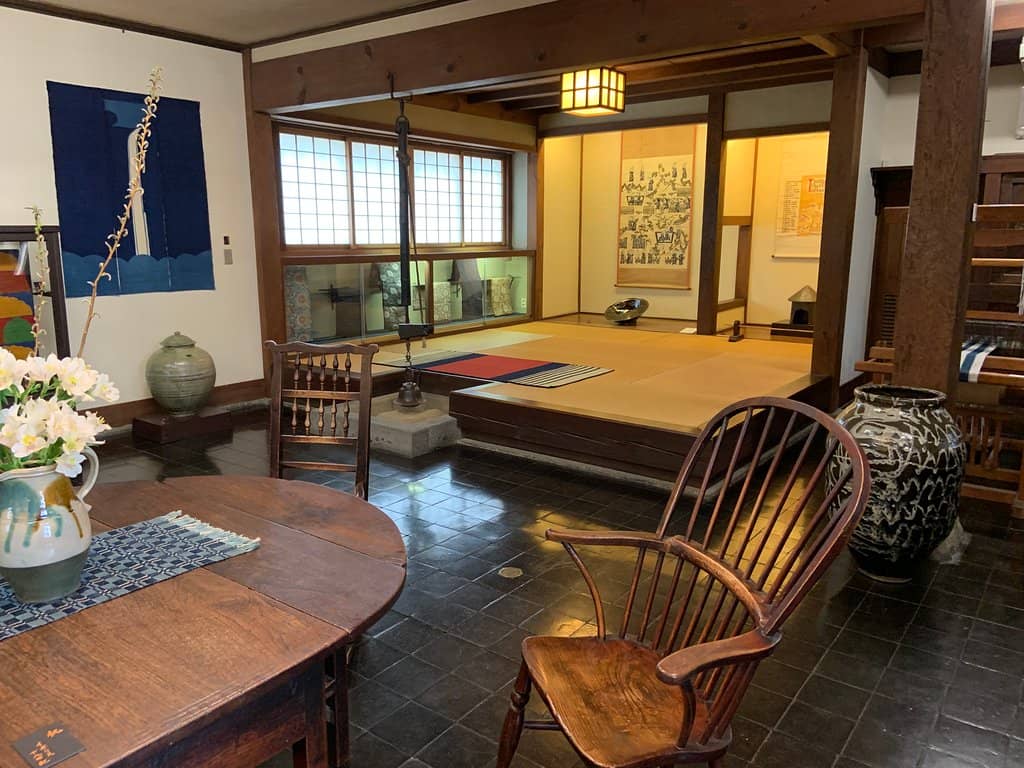
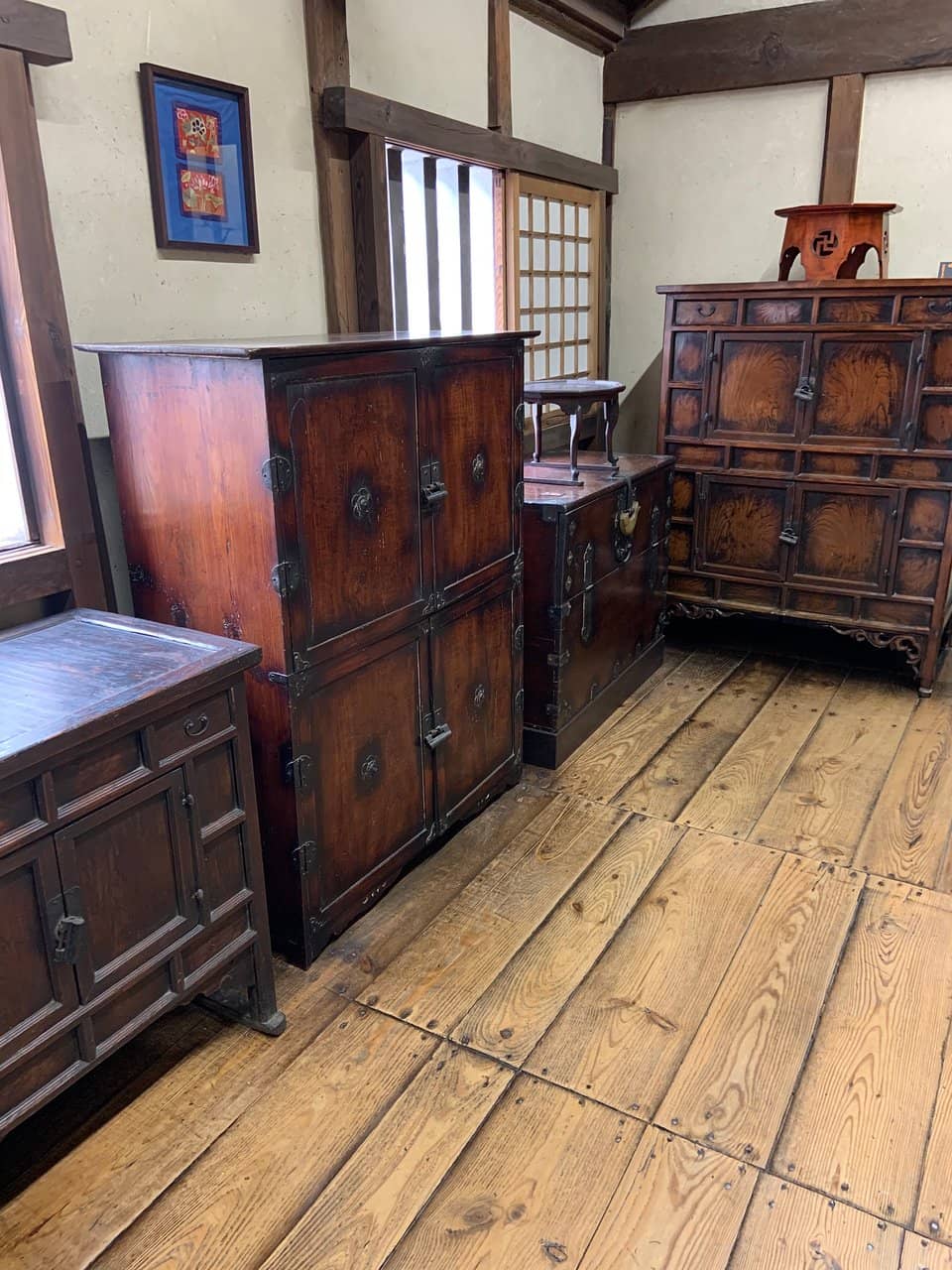
Discover centuries-old tools, ceramics, and textiles that reveal the artistry of daily life.
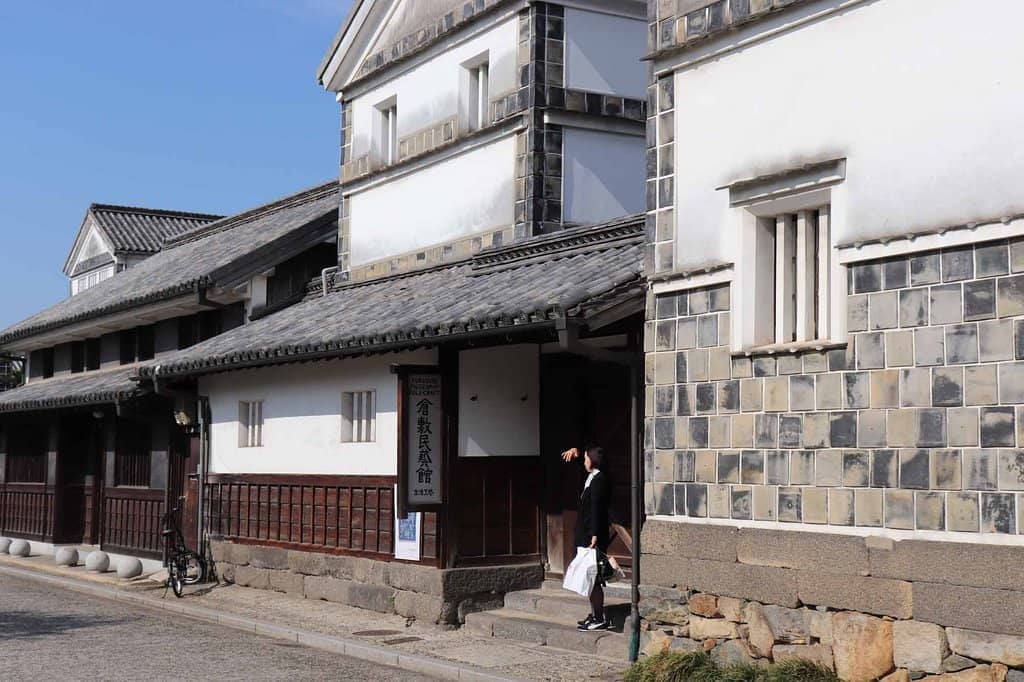
Architectural Ambiance
18th-century rice granary building
Experience the serene atmosphere within a beautifully preserved historic building.
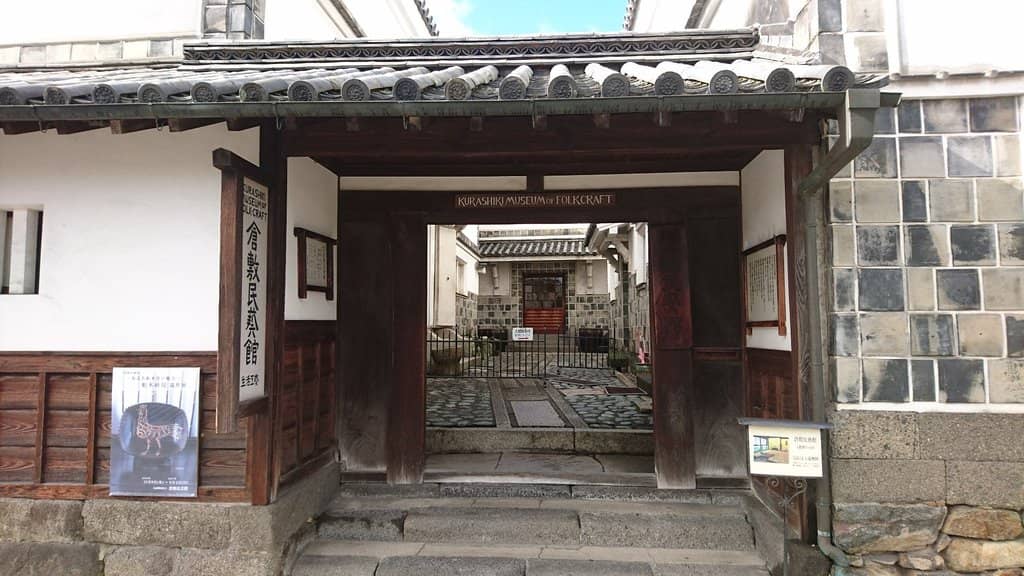
Curated Pottery Collection
Ceramics section
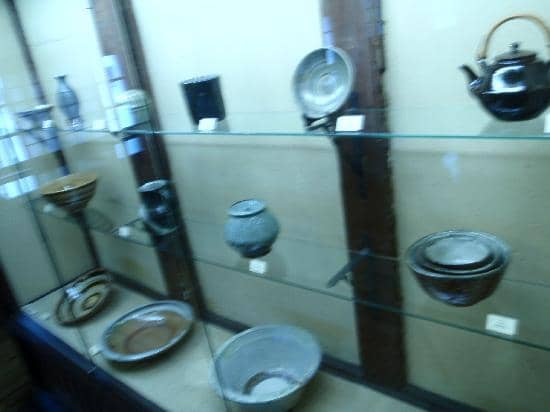
Admire a well-curated selection of pottery, showcasing local and international craftsmanship.
Plans like a pro.
Thinks like you
Planning Your Visit
Understand the Folk Craft Movement
Manage Expectations on Information
Best Times
Insider Tips
from TikTok, Instagram & Reddit
📚 Pre-visit Folk Craft Research
Understanding the mingei movement enhances appreciation for the exhibits.
🗣️ Limited English Explanations
Be prepared for minimal English text; consider a translation app.
🛍️ Interesting Museum Shop
The shop offers well-curated potteries and crafts, a highlight for some.
🏛️ Combine with Historical Square
Visit the nearby historical Bikan Quarter for a fuller experience.
Tips
from all over the internet
📚 Pre-visit Folk Craft Research
Understanding the mingei movement enhances appreciation for the exhibits.
🗣️ Limited English Explanations
Be prepared for minimal English text; consider a translation app.
🛍️ Interesting Museum Shop
The shop offers well-curated potteries and crafts, a highlight for some.
🏛️ Combine with Historical Square
Visit the nearby historical Bikan Quarter for a fuller experience.
What Travellers Say
Reviews Summary
Visitors appreciate the museum's serene atmosphere and the beautiful preservation of traditional crafts and the historic granary building. However, some find the admission fee steep given the limited English explanations and basic information provided for the exhibits, suggesting pre-visit research is beneficial. The museum shop is noted as a positive aspect for those interested in purchasing crafts.
"I very much enjoyed the folkcraft museum!
It was a great collection of traditional everyday tools throughout the centuries also outside Japan.
The atmosphere and architecture of the space is very beautiful and calm and let‘s you enjoy all the details 🌞
It‘s also a much bigger space than I expected and I felt like it had a bigger (and more interesting) collection than the one in Tokyo."
Mona
"It was a bit underwhelming but that may be because I missed things on translation. However, if you are researching folk craft, it could be helpful. I feel that compared to other folk craft museums, there's less explanation of origins, methods, adaptation and current use. I don't think it's worth the entrance fee, which is the same as the Ukiyo-e museum."
Dd Haryaty
"not worth the 1200 yen admission fee. There is no english explanation and even in Japanese it was very lacking.
No explanation of what basic Folkcraft is and when you enter it was rows of weaved basket, different potteries.
unless I google I wouldnt have gained much knowledge sadly.
The shop however is very fun in my opinion, although also lacking in many ways.
But potteries were well curated."
Agnes Nata
What People Like
What People Dislike
Frequently Asked Questions
🚇 🗺️ Getting There
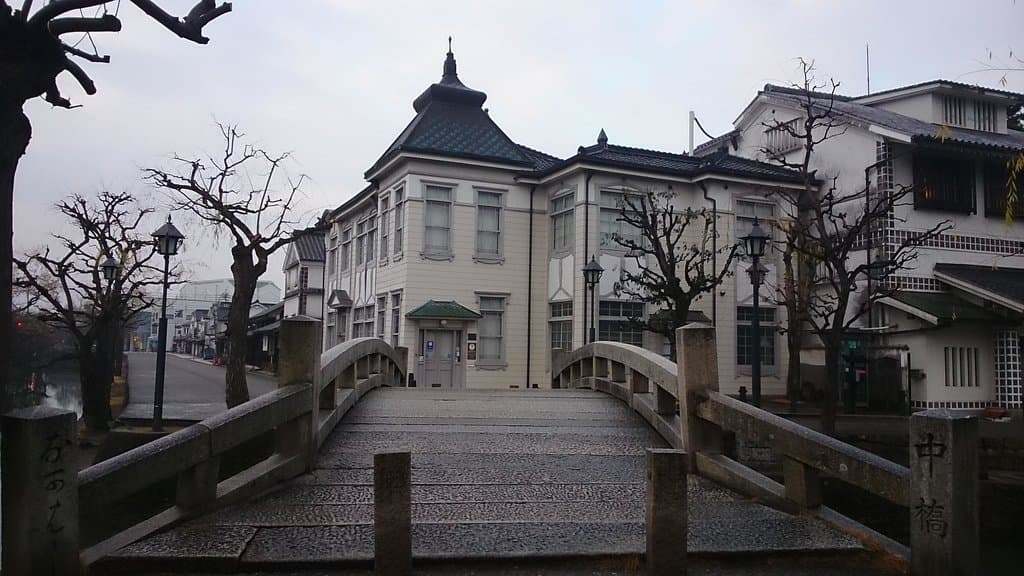
The museum is located in the historic Bikan Quarter of Kurashiki City, Okayama Prefecture. You can reach Kurashiki Station by Shinkansen (bullet train) from major cities like Osaka or Tokyo. From Kurashiki Station, it's a pleasant walk or a short bus/taxi ride to the Bikan Quarter where the museum is situated.
Absolutely! Kurashiki, often called the 'Venice of Japan,' is a popular day trip from Osaka and other nearby cities. Its charming canals and historic buildings make it a worthwhile visit.
Many visitors enjoy strolling along the willow-lined canals and exploring the traditional storehouses. Boat rides are also available for a unique perspective. +1
🎫 🎫 Tickets & Entry
The admission fee is 1200 yen. Some visitors feel it's a bit high given the limited explanations, while others find the collection and atmosphere worth the price.
Information on discounts is not widely available. It's advisable to check the official website or inquire at the ticket counter upon arrival.
The museum typically opens around 9 AM and closes at 5 PM, but it's always best to verify the current hours on their official website before your visit.
Tickets are generally available for purchase at the museum's entrance. Advance booking is usually not necessary unless there are special exhibitions.
🎫 🏛️ Onsite Experience
The museum displays a wide range of traditional Japanese folk crafts, including ceramics, textiles, basketry, lacquerware, and everyday tools from various regions and eras.
Explanations are primarily in Japanese. While some items might have basic labels, detailed information in English is limited, which can be a drawback for international visitors.
A visit can take anywhere from 1 to 2 hours, depending on your interest in folk crafts and how much time you spend examining the exhibits and the museum shop.
While children can appreciate the visual aspects of the crafts, the lack of interactive elements and limited English explanations might make it less engaging for younger visitors.
The mingei movement, championed by Soetsu Yanagi, celebrates the beauty and artistry of everyday, utilitarian objects made by anonymous craftspeople. It emphasizes simplicity, natural materials, and functionality.
🍽️ 🛍️ Shopping & Dining
Yes, the museum has a shop that offers a selection of pottery and crafts. Some visitors find it well-curated, though others note it also has its limitations.
The Bikan Quarter is filled with charming cafes and restaurants. You can find local specialties, including delicious onigiri at Shisui teahouse, or try unique denim-themed food. +2
Kurashiki is known for its denim culture, so you might find denim-themed ice cream or pork buns. For a memorable breakfast, consider Shisui, a cozy teahouse. +1



Social
from TikTok, Instagram & Reddit