
Kuwana-juku Old Tokaido
Step back in time at Kuwana-juku, a historic Tokaido post town with unique colored pavement and remnants of its ferry terminal past.
Highlights
Must-see attractions

Social
From TikTok & Reddit
Best Time
Fewer crowds, peaceful stroll
Kuwana-juku Old Tokaido
Best Time
Fewer crowds, peaceful stroll
Highlights
Must-see attractions
Step back in time at Kuwana-juku, a historic Tokaido post town with unique colored pavement and remnants of its ferry terminal past.
"The ground wasn't asphalt, so it had a great atmosphere!"

🚶♀️ Stroll on Colored Pavement
Enjoy the unique colored pavement that marks the historic Tokaido road, adding charm to your walk.
🏰 Visit Banryu Yagura
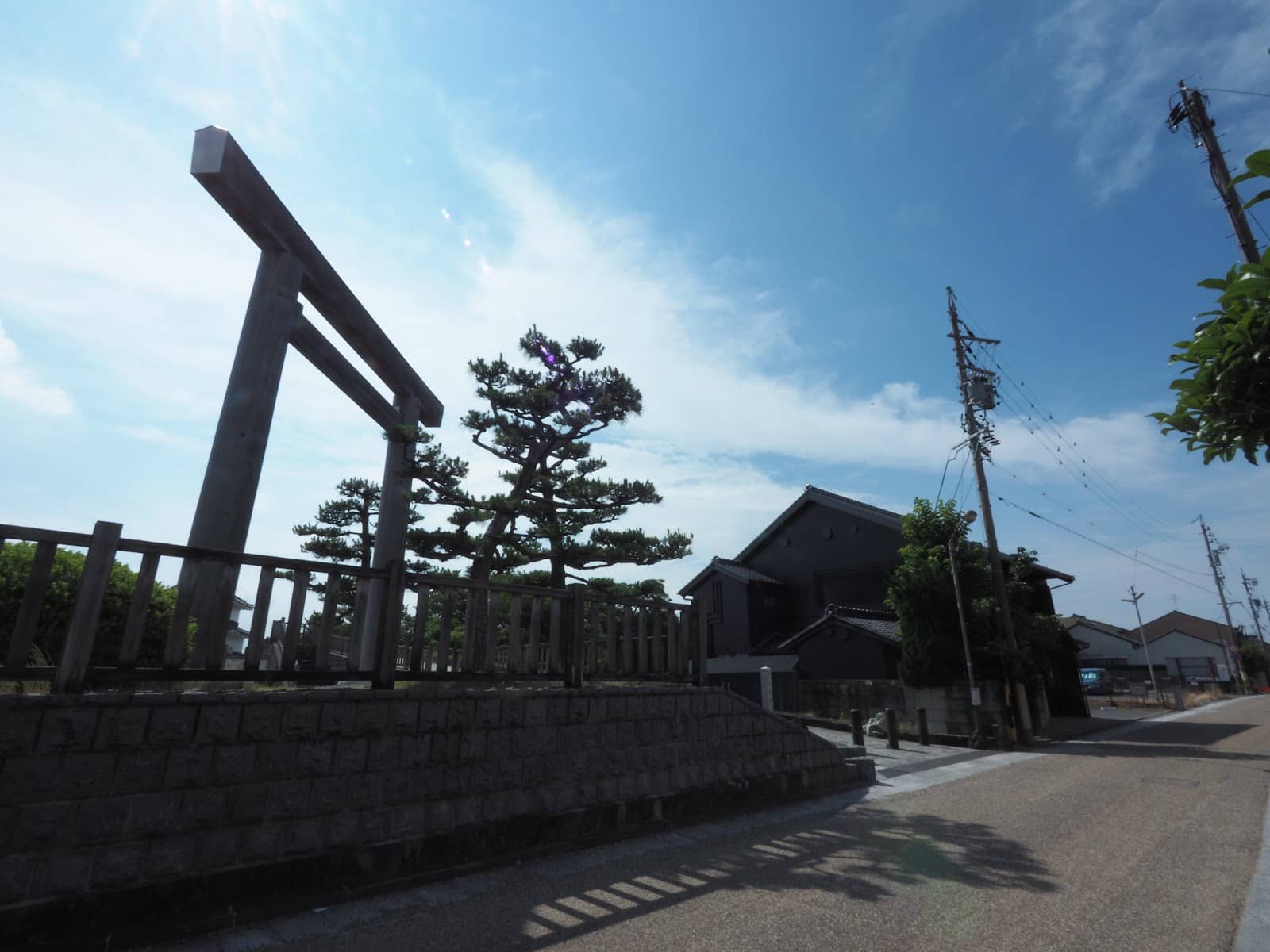
Explore the reconstructed Banryu Yagura tower, a nod to Kuwana Castle and the town's past as a ferry hub.
Quick Facts
Hours
Rating
4.6 · 5 reviews
Type
Tourist Attraction
Highlights
Discover the most iconic attractions and experiences
Tokaido Road Colored Pavement
Kuwana-juku
Walk on charming colored pavement marking the historic Tokaido route, a unique touch that preserves the old town's atmosphere.
Banryu Yagura (Banryu Tower)
Kuwana-juku
See the reconstructed tower, a replica of Kuwana Castle's Banryu Yagura, evoking the town's historical significance as a ferry terminal.

Otsuka Honjin Site
Kuwana-juku
Visit the former site of the Otsuka Honjin, a traditional inn that inspired literary works, adding a cultural layer to your visit.
Plans like a pro.
Thinks like you
Planning Your Visit
Embrace the Past on the Tokaido
Kuwana's Ferry Town Legacy
Best Times
Insider Tips
from TikTok, Instagram & Reddit
🚶♀️ Stroll on Colored Pavement
Enjoy the unique colored pavement that marks the historic Tokaido road, adding charm to your walk.
🏰 Visit Banryu Yagura
Explore the reconstructed Banryu Yagura tower, a nod to Kuwana Castle and the town's past as a ferry hub.
☕️ Discover Local Cafes
The area has many restaurants and cafes, making it a pleasant place to explore and relax.
🗺️ Get a Seal
Collect the Onshukuba Seal No. 1 for a unique souvenir of your visit.
Tips
from all over the internet
🚶♀️ Stroll on Colored Pavement
Enjoy the unique colored pavement that marks the historic Tokaido road, adding charm to your walk.
🏰 Visit Banryu Yagura
Explore the reconstructed Banryu Yagura tower, a nod to Kuwana Castle and the town's past as a ferry hub.
☕️ Discover Local Cafes
The area has many restaurants and cafes, making it a pleasant place to explore and relax.
🗺️ Get a Seal
Collect the Onshukuba Seal No. 1 for a unique souvenir of your visit.
What Travellers Say
Reviews Summary
Visitors praise Kuwana-juku for its charming atmosphere, particularly the unique colored pavement that evokes the historical Tokaido road. The reconstructed Banryu Yagura and the remnants of the post town's past are highlighted as significant attractions. While the old townscape was lost to war, the preserved elements offer a tangible connection to Edo-period Japan.
"I visited early on a weekend morning, and there were hardly any people around, allowing for a leisurely stroll. The roads, instead of asphalt, were paved with colored pavement, adding a touch of charm.
About Kuwana-juku:
Kuwana-juku is the 42nd post town counting from Edo's Nihonbashi Bridge. Like Atsuta-juku (Nagoya City, Aichi Prefecture), Kuwana-juku flourished as a ferry terminal for the Shichiri-no-Watashi ferry, and at its peak, it was a bustling post town with over 120 inns.
The remains of the Shichiri-no-Watashi ferry terminal have been reconstructed to resemble the Banryu Yagura (Banryu Tower) of Kuwana Castle, a sight once enjoyed by Edo residents. A traditional Japanese inn opened at the site of the Otsuka Honjin (Otsuka Honjin) wharf, and this area became the setting for Izumi Kyoka's "Taandon." While the old townscape was lost in the war, parts of the street layout remain, and the Tokaido road within the station is marked with colored pavement."
tae aki
"I visited on a Saturday morning.
It was a place that still had the atmosphere of old Kuwana-juku. The ground wasn't asphalt, so it had a great atmosphere!
It was a fun road to walk along with lots of restaurants and cafes, so I'd like to go again🙆🏻♂️"
鳥居寛
"Onshukuba Seal No. 1
I was told about this by someone at the tourist information center."
多田政則
What People Like
What People Dislike
Frequently Asked Questions
🚇 🗺️ Getting There
Kuwana-juku is accessible by public transport. From major cities like Nagoya or Osaka, take a train to Kuwana Station. From there, it's a short walk or bus ride to the historic post town area. Check local bus routes for the most direct access to the main attractions.
Yes, the main historical area of Kuwana-juku is very walkable. The colored pavement guides you along the old Tokaido road, making it easy to explore the key sites on foot.
While specific parking details can vary, there are typically public parking lots available in Kuwana city. It's advisable to check local parking information or use navigation apps to find the closest options to the historic district.
Cycling is a great way to explore Kuwana and its surroundings. You can rent bicycles in Kuwana city and enjoy a leisurely ride along the Tokaido route and nearby areas.
From Nagoya Station, take the JR Kansai Main Line or Kintetsu Nagoya Line to Kuwana Station. The journey typically takes around 30-45 minutes. From Kuwana Station, it's a short walk to the historic post town.
🎫 🎫 Tickets & Entry
The main historical streets and the colored pavement of Kuwana-juku are open to the public and do not require an entrance fee. Some specific attractions within the area might have separate admission fees.
Kuwana-juku itself is an open area and can be visited at any time. However, individual shops, cafes, and any museums or reconstructed buildings may have their own operating hours. It's best to check these individually if you plan to visit specific establishments.
The Banryu Yagura is a reconstructed landmark and generally accessible as part of the historical streetscape. While entry to the tower itself might be free, it's always good to confirm on-site for any specific access details or potential small fees.
Tourist information centers in Kuwana, including potentially one near the station or within the historic district, often provide maps and brochures detailing the sights of Kuwana-juku.
Kuwana occasionally hosts events, such as the BigShell Fireworks Festival mentioned in a TikTok video. It's worth checking local event calendars for Kuwana to see if any festivals or historical reenactments are scheduled during your visit.
🎫 🧭 Onsite Experience
To truly feel the atmosphere, visit early on a weekend morning when there are fewer people, allowing for a leisurely stroll. The unique colored pavement adds to the historical ambiance.
Key sites include the reconstructed Banryu Yagura, the former site of the Otsuka Honjin, and the marked Tokaido road with its distinctive colored pavement.
The colored pavement itself makes for unique photos. The Banryu Yagura and the traditional streetscapes offer excellent opportunities for capturing the historical essence of the post town.
The Onshukuba Seal No. 1 is a collectible stamp or seal associated with historical post towns. Obtaining it is a popular activity for visitors interested in the history of the Tokaido road.
Yes, Kuwana-juku is an excellent destination for a day trip, offering a glimpse into Japan's Edo period history. You can easily explore the main sites within a few hours.
🍽️ 🍽️ Food & Dining
The area around Kuwana-juku has numerous restaurants and cafes, offering a variety of dining options. You can find local Japanese cuisine and other choices to suit your taste.
While the old townscape was lost in the war, a traditional Japanese inn has been opened at the site of the Otsuka Honjin. This offers a unique opportunity to experience historical accommodation.
Kuwana is known for its seafood, particularly clams (asahigai). You might also find local specialties and traditional Japanese dishes in the restaurants around the post town.
Options can vary, but many Japanese restaurants offer vegetable-based dishes like tempura or tofu. It's always a good idea to inquire about ingredients when ordering.
Yes, the area is described as having lots of cafes, perfect for a relaxing break while exploring the historic streets.
📸 📸 Photography
The most distinctive photo opportunities are the colored pavement marking the Tokaido road, the reconstructed Banryu Yagura, and the traditional streetscapes. Capturing the historical atmosphere is key.
While the area is open at night, the lighting might be limited in some parts. However, the Banryu Yagura might be illuminated, offering a different photographic perspective.
Early morning, especially on a weekend, offers soft light and fewer people, ideal for capturing the serene historical ambiance. Golden hour in the late afternoon can also provide beautiful light.
Generally, photography is allowed in public areas. However, always be respectful of private businesses and residents. Some indoor attractions might have specific photography rules.
Drone usage is often restricted in populated areas and historical sites due to privacy and safety concerns. It's essential to check local regulations before flying a drone.

Social
from TikTok, Instagram & Reddit