Chion-in Kyoto
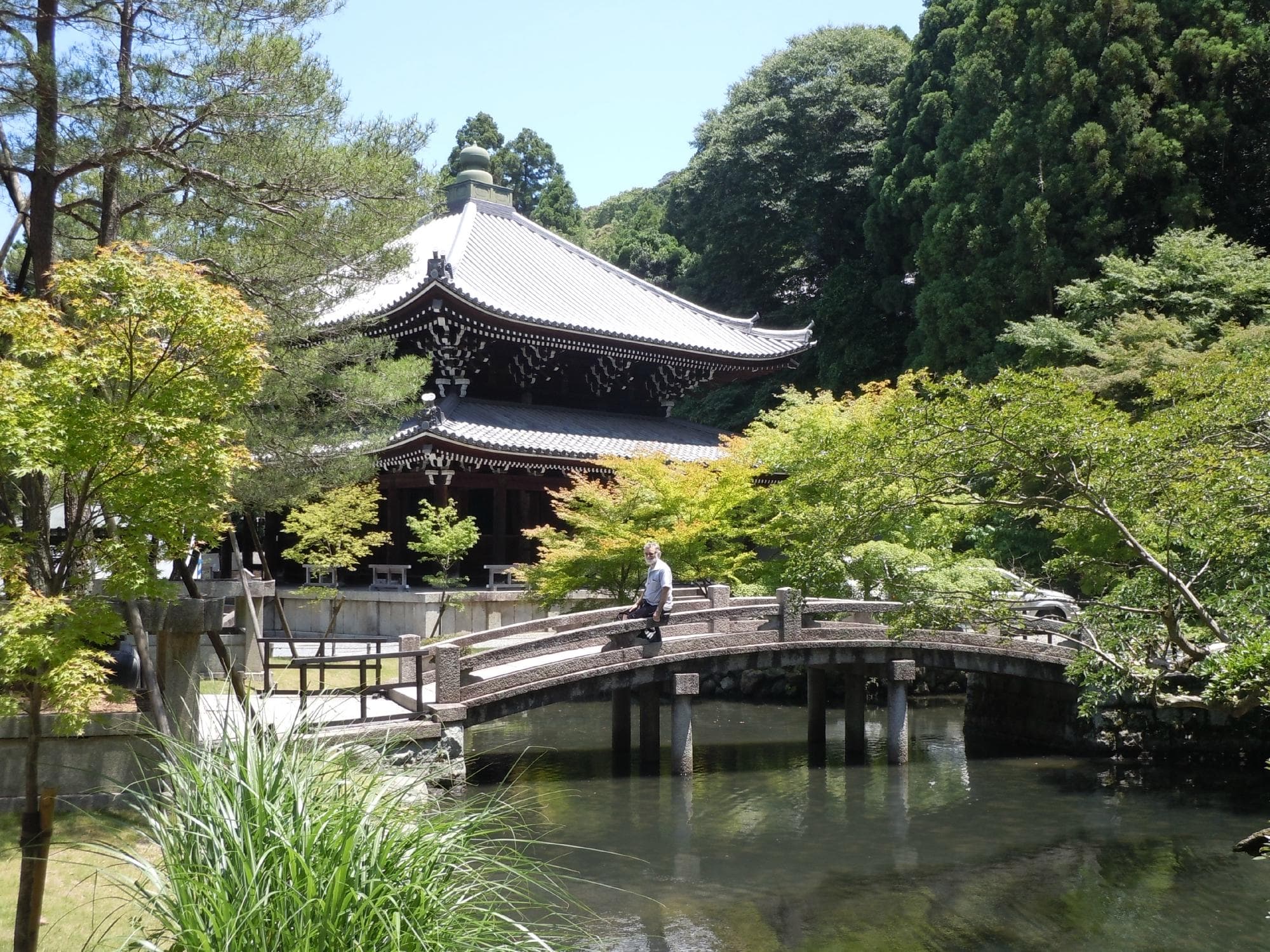
Expansive 17th-century Jodo Shu Buddhist headquarters with Japan's largest wooden gate and serene gardens.
Highlights
Must-see attractions

Social
From TikTok & Reddit
Best Time
Escape the crowds
Chion-in Kyoto
Best Time
Escape the crowds
Highlights
Must-see attractions
Expansive 17th-century Jodo Shu Buddhist headquarters with Japan's largest wooden gate and serene gardens.
"A beautiful, tranquil, and pristine area, genuinely offering a sense of peace."
👟 Comfortable Shoes Essential
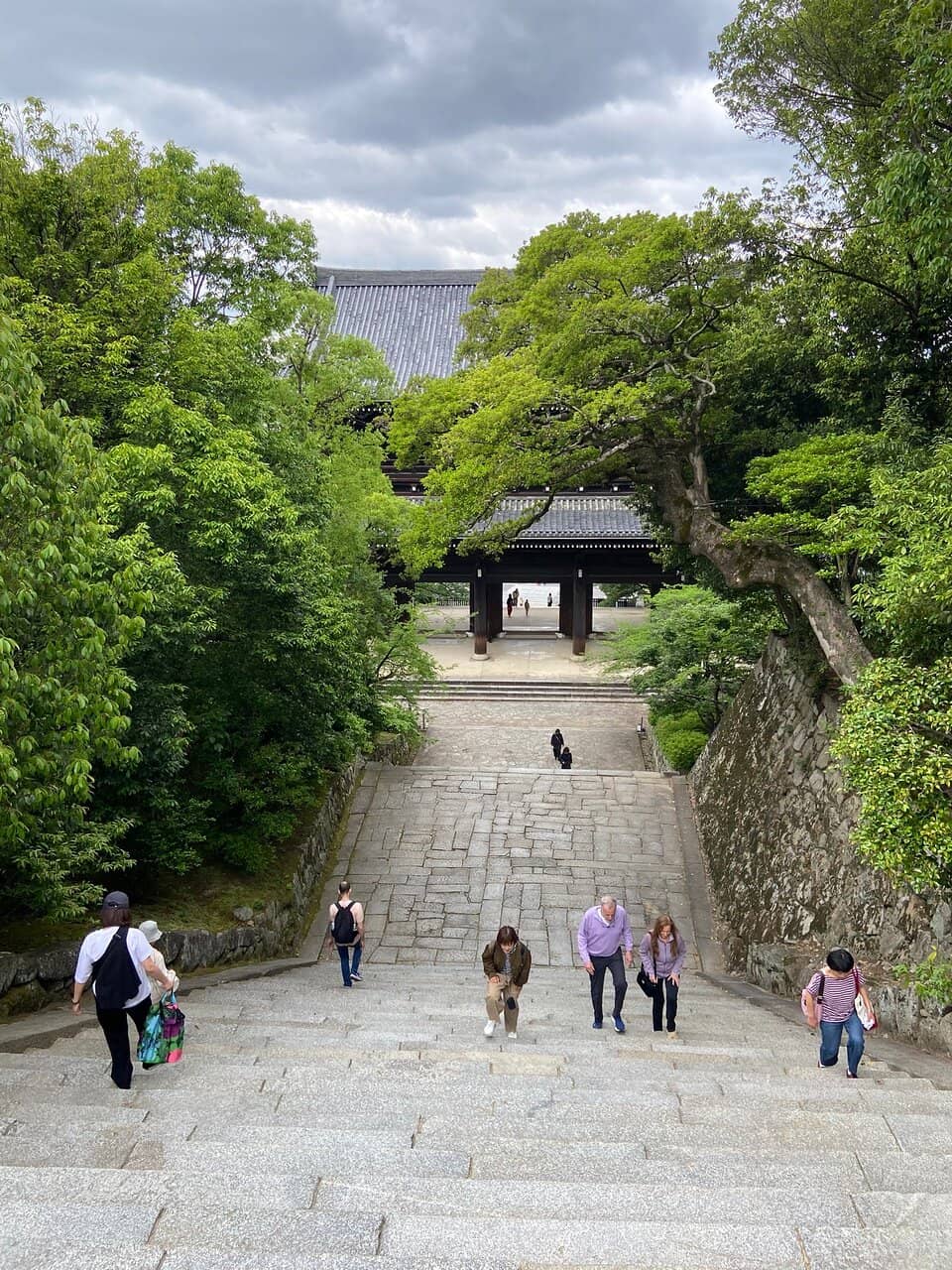
The temple grounds are vast with stairs. Prioritize comfort for exploring!
🌸 Visit During Sakura Season
Experience magical evening illuminations of the grounds.
Quick Facts
Hours
Rating
4.5 · 8,052 reviews
Type
Buddhist Temple
Highlights
Discover the most iconic attractions and experiences
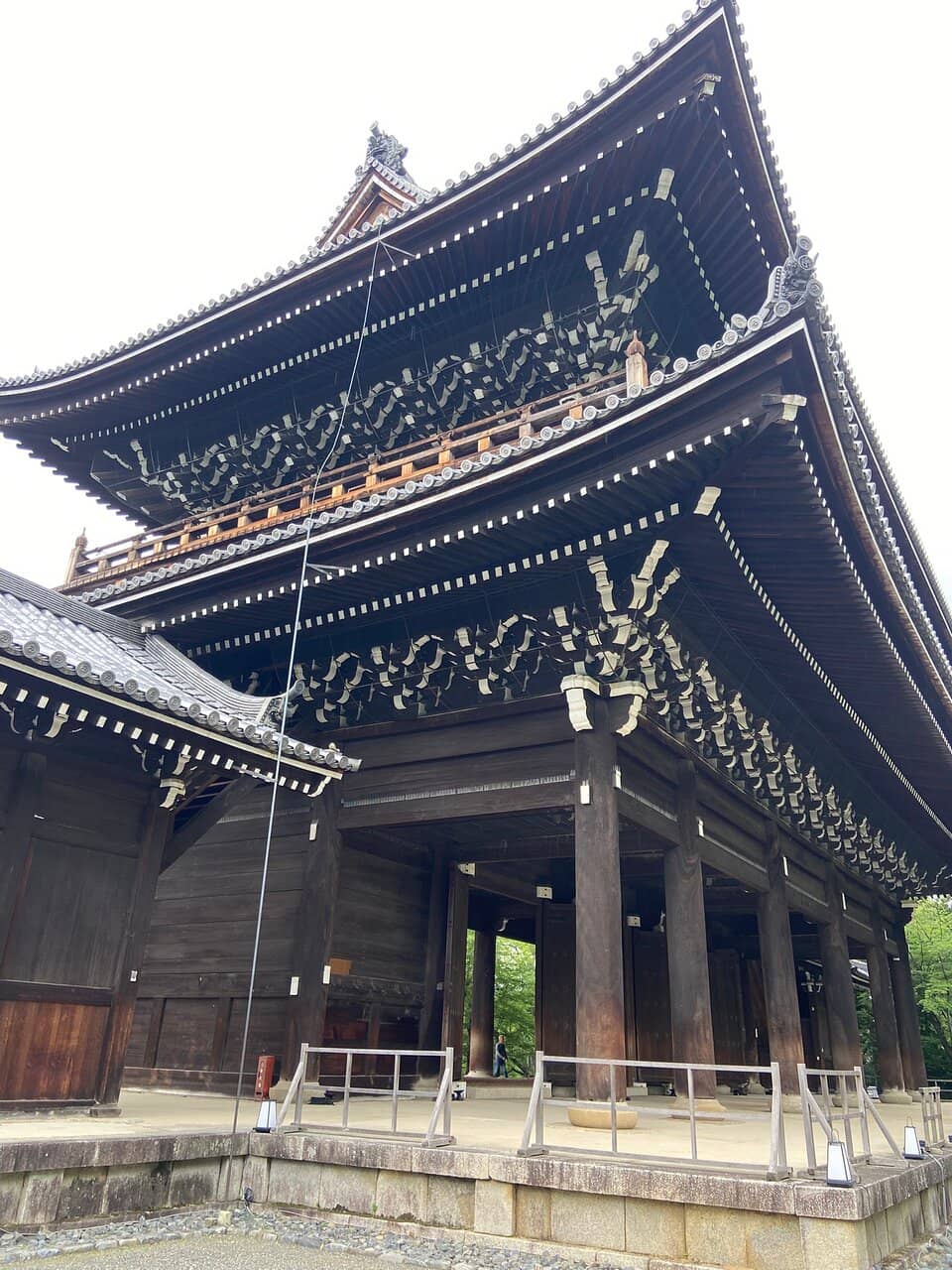
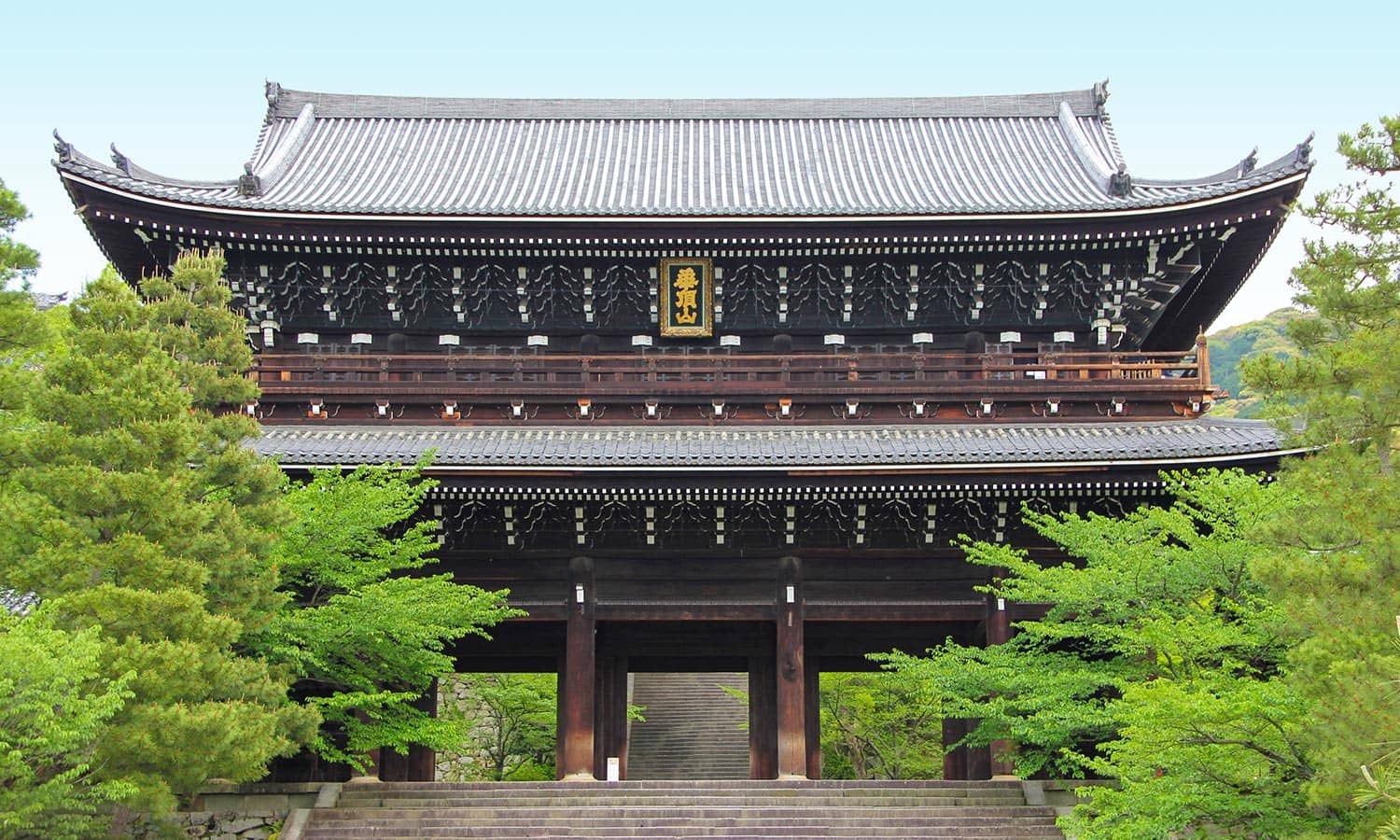
Sanmon Gate
Main Entrance
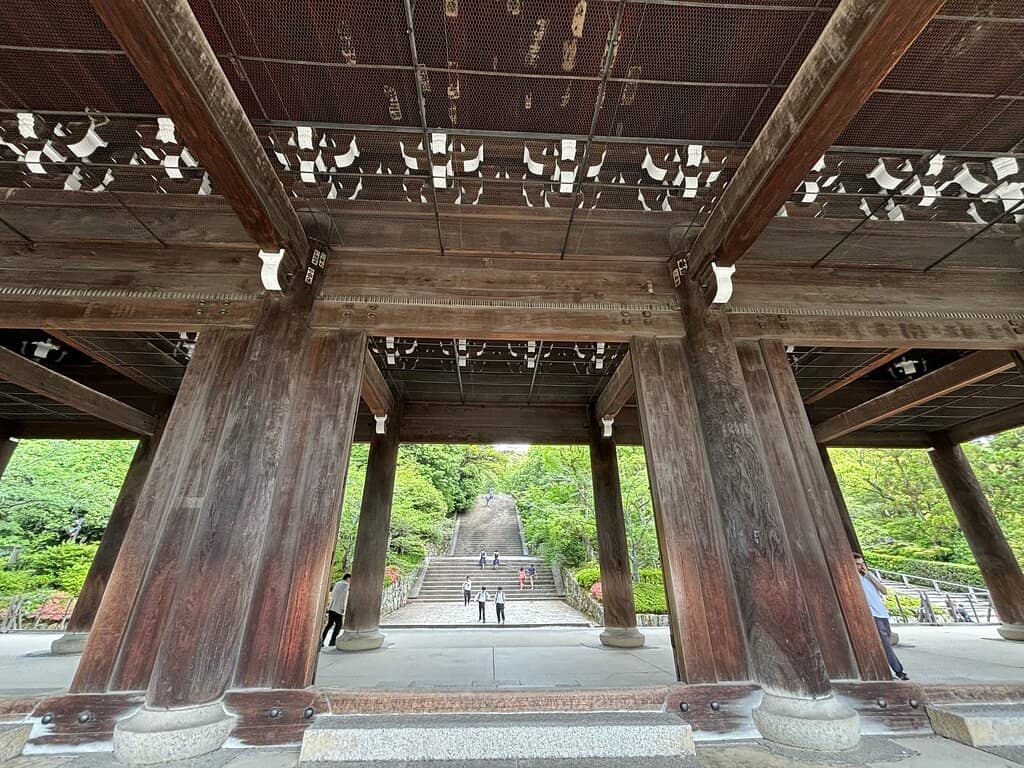
Japan's largest wooden temple gate, a colossal and awe-inspiring structure dating back to the early 1600s.
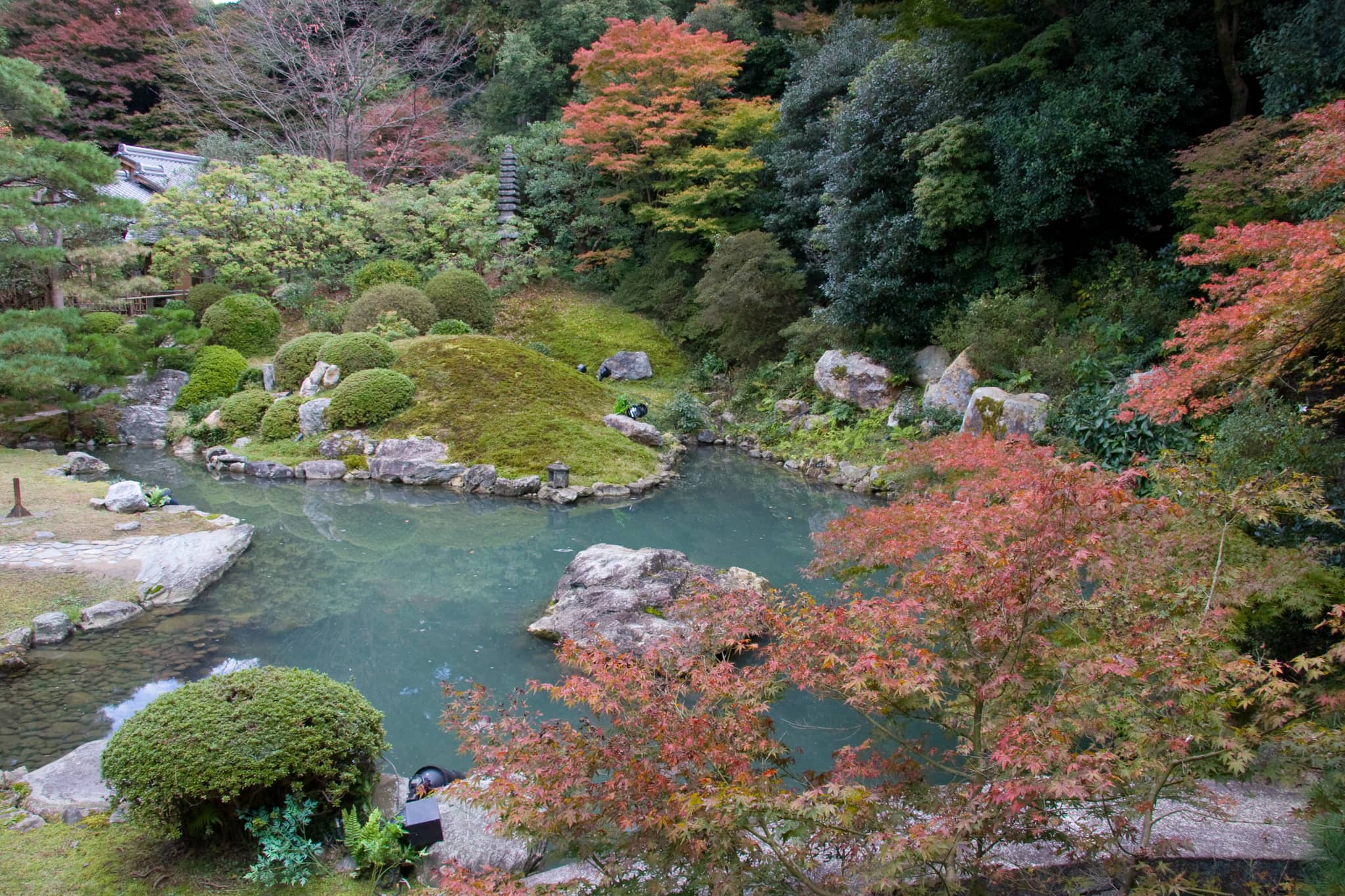
Shoren-in Garden
Adjacent Garden
A modern Japanese garden, meticulously designed over two decades, offering a tranquil escape with lush greenery.

Lotus Flower Displays
Temple Grounds
Admire the vibrant and large lotus flowers in bloom during the season, adding a splash of color to the serene grounds.
Sliding Door Paintings
Main Hall
Modern artworks by Hideki Kimura, featuring deep blue lotuses, harmoniously integrated with the temple's traditional architecture.
Plans like a pro.
Thinks like you
Planning Your Visit
Timing Your Visit for Tranquility
Navigating the Grand Scale
Best Times
Insider Tips
from TikTok, Instagram & Reddit
👟 Comfortable Shoes Essential
The temple grounds are vast with stairs. Prioritize comfort for exploring!
🌸 Visit During Sakura Season
Experience magical evening illuminations of the grounds.
✨ Consider the Rock Garden
A small fee grants access to a beautiful adjacent rock garden.
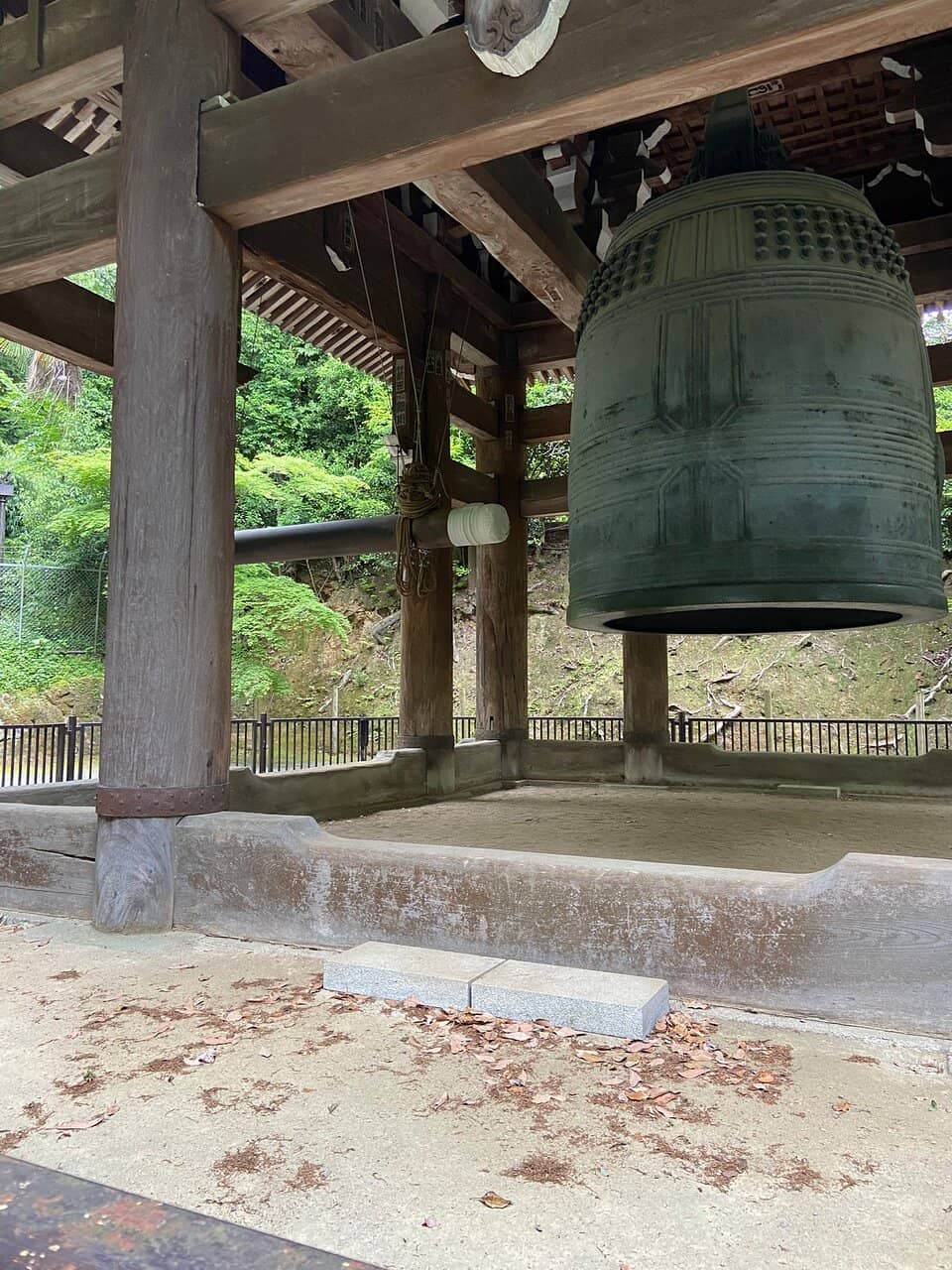
🔔 NYE Joya-no-kane
Book in advance for this popular bell-ringing ceremony; limited spots.
Tips
from all over the internet
👟 Comfortable Shoes Essential
The temple grounds are vast with stairs. Prioritize comfort for exploring!
🌸 Visit During Sakura Season
Experience magical evening illuminations of the grounds.
✨ Consider the Rock Garden
A small fee grants access to a beautiful adjacent rock garden.
🔔 NYE Joya-no-kane
Book in advance for this popular bell-ringing ceremony; limited spots.
🚶♀️ Explore with a Map
Navigate the expansive grounds and appreciate the history.
What Travellers Say
Reviews Summary
Visitors praise Chion-in Temple for its beautiful, tranquil, and well-maintained grounds, highlighting the impressive scale of the Sanmon Gate and the serene Shoren-in Garden. Its proximity to Gion is a plus, though the extensive walking and stairs can be tiring. Special events like evening illuminations are highly recommended.
"This is a beautiful, tranquil, and pristine area, genuinely offering a sense of peace. It's clear the place has been well-maintained and renovated. Its proximity to the city center makes it easily reachable. While climbing the stairs might be a bit exhausting, the experience is absolutely worthwhile."
Burak Kayabaşı
"We visited the Chionin Temple as part of our walking tour of the historic district in Kyoto. The main gate is massive and so impressive leading into the larger area where the main temple is.
Chionin is the head temple of the Jodo sect of Japanese Buddhism, one of the most popular Buddhist sects in Japan. The temple has spacious grounds and large buildings.
The Sanmon Gate, Chionin's main entrance gate, stands 24 meters tall and 50 meters wide, it is the largest wooden temple gate in Japan and dates back to the early 1600s.
The grounds are very beautiful including many other buildings and a display of large Lotus flowers in bloom.
Worth a short visit if you are in Kyoto."
Jamie Wojciechowski
"Beautiful temple design is worth visiting, but make sure to go through the right stair path. The left one from the entrance is for men, and the right one is for ladies. (Use the right side path if you're using kimono/dress)"
itzwine
What People Like
What People Dislike
Frequently Asked Questions
🚇 🗺️ Getting There
Chion-in Temple is conveniently located near Gion and Maruyama Park. You can reach it by bus from Kyoto Station, with several lines stopping nearby. It's also a pleasant walk from the Gion area.
While there isn't a direct train station at Chion-in, it's accessible via subway. The nearest stations are Higashiyama Station (Tozai Line) or Keage Station (Tozai Line), both requiring a short walk.
The temple grounds are extensive, so comfortable walking shoes are a must. For longer distances within the temple complex, you might consider local taxis or buses if needed, but walking is the best way to soak in the atmosphere.
Limited parking may be available, but it's generally recommended to use public transportation due to the temple's central location and potential for congestion.
Absolutely! Chion-in is very close to Gion, Maruyama Park, and Yasaka Shrine, making it easy to create a walking tour of the historic eastern Kyoto area.
🎫 🎫 Tickets & Entry
The main temple grounds and the Sanmon Gate are generally free to enter. However, specific areas like the adjacent rock garden and special evening illuminations during seasons like Sakura require a separate fee.
Opening hours can vary by season and specific buildings within the complex. It's best to check the official Chion-in website for the most up-to-date information before your visit.
For general entry to the main grounds, advance booking is usually not required. However, for special events like the New Year's Eve Joya-no-kane bell-ringing ceremony, advance subscription is mandatory due to limited capacity.
Yes, Chion-in hosts significant events, most notably the Joya-no-kane on New Year's Eve, where visitors can participate in ringing the temple bell. Special seasonal illuminations, like during cherry blossom season, are also popular.
To experience the temple's tranquility, aim for early mornings on weekdays. Visiting during the off-season or outside of major Japanese holidays will also result in fewer crowds.
🎫 🧭 Onsite Experience
Don't miss the colossal Sanmon Gate, the largest wooden gate in Japan. Explore the serene Shoren-in Garden and admire the modern sliding door paintings by Hideki Kimura. The expansive grounds themselves are a highlight. 
While there isn't a strict path, visitors often note specific stair paths. Some advice suggests a 'right' path for those in dresses or kimonos, and a 'left' path for men, though this is more of a traditional suggestion than a strict rule.
Chion-in is the headquarters of the Jodo Shu (Pure Land) sect of Japanese Buddhism, one of the most influential Buddhist schools in Japan. It was founded by Honen, the founder of Jodo Shu.
Photography is generally permitted in most outdoor areas and gardens. However, check for specific signage regarding photography restrictions inside certain halls or during ceremonies.
This is a traditional New Year's Eve ceremony where 108 temple bells are rung to cleanse the 108 worldly desires. Visitors can participate in ringing the bell, but it requires advance booking.
📸 📸 Photography
The Sanmon Gate offers a dramatic perspective. The Shoren-in Garden provides beautiful natural light and serene compositions. The sliding door paintings are also unique photographic subjects.
Photography rules can vary. While outdoor areas are generally fine, it's wise to look for signs indicating restrictions inside temple buildings to respect the sacred space.
Morning light is soft and ideal for gardens. Late afternoon offers a warm, golden glow. Special evening illuminations during events like Sakura season provide dramatic and unique photographic opportunities.
The temple's architecture, the serene gardens, the large lotus flowers, and the modern art installations like the sliding door paintings offer diverse photographic themes.
Early morning offers quiet solitude and soft light, perfect for capturing the temple's peaceful ambiance. Late afternoon provides a warm, inviting light that enhances the architectural details.





Social
from TikTok, Instagram & Reddit