Ebisu Shrine
A centuries-old shrine dedicated to Ebisu-sama, god of prosperity, famous for its coin-tossing ritual and lucky bamboo.
Highlights
Must-see attractions

Social
From TikTok & Reddit
Best Time
Experience Toka Ebisu festival
Ebisu Shrine
Best Time
Experience Toka Ebisu festival
Highlights
Must-see attractions
A centuries-old shrine dedicated to Ebisu-sama, god of prosperity, famous for its coin-tossing ritual and lucky bamboo.
"A must go during the new year period for a lunar new year celebration feel."
🎯 Festival Crowds
Toka Ebisu (Jan 10th) is packed! Go early or be ready for a lively, crowded experience.
🎋 Lucky Bamboo Purchase
During Toka Ebisu, buy 'Fuku Sasa' for business luck. It's a popular tradition!
Highlights
Discover the most iconic attractions and experiences
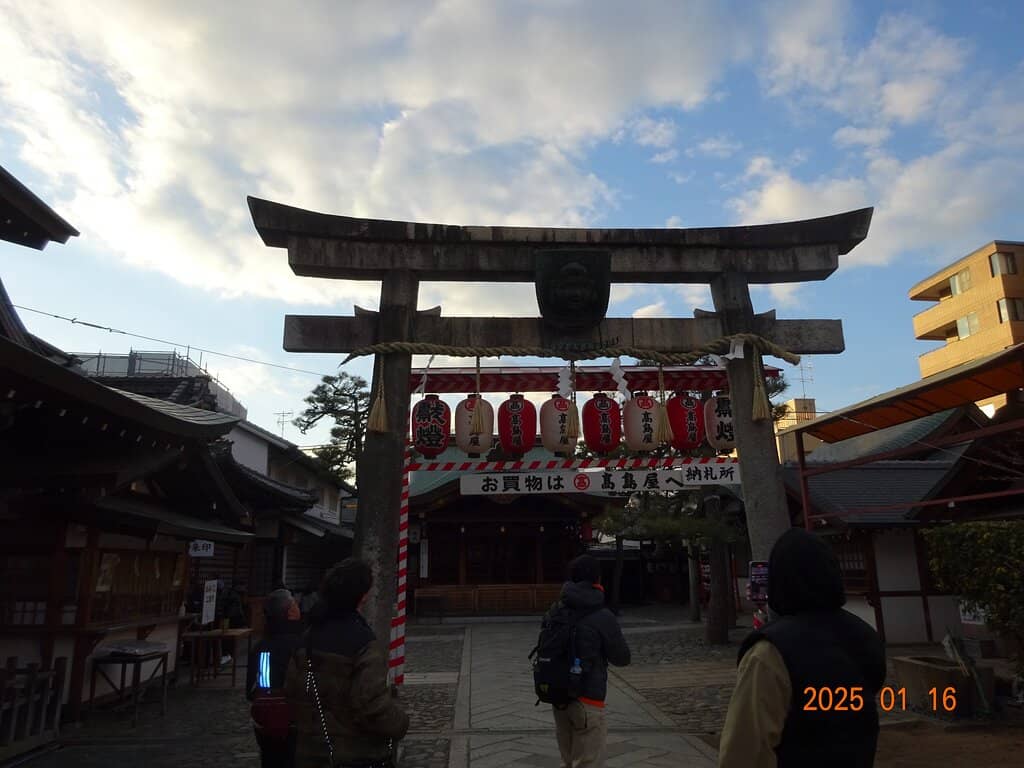
Coin Toss for Luck
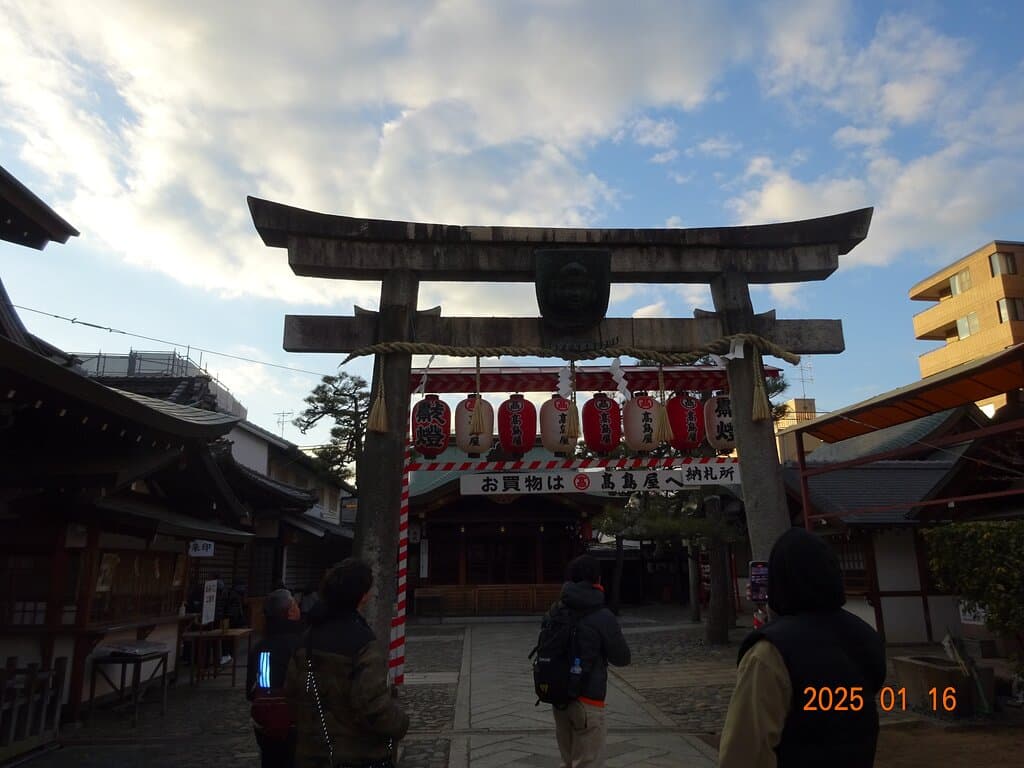
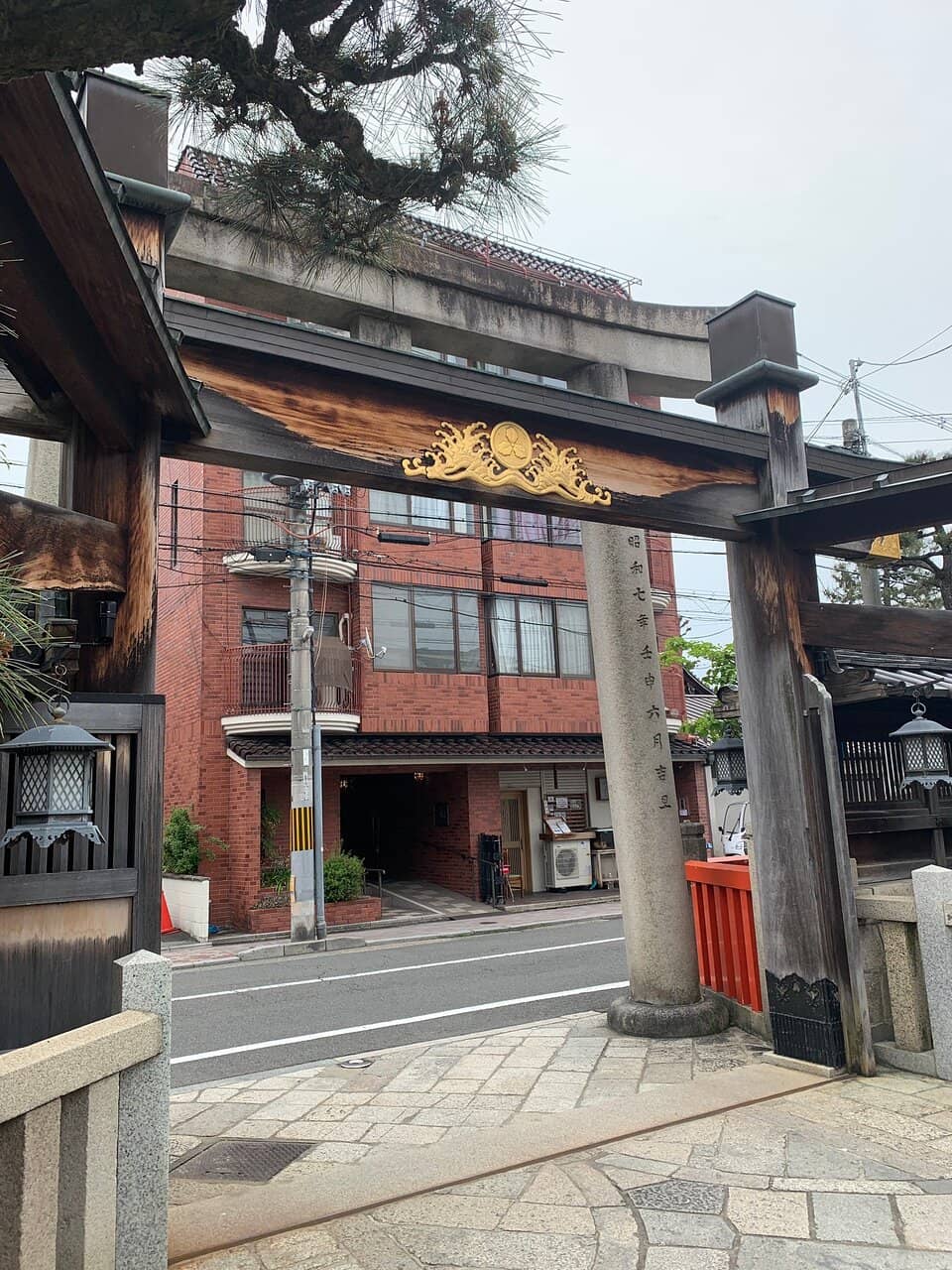
Second Torii Gate
Test your aim by tossing a coin into the rake or basket for a chance at good fortune. A fun, interactive ritual!
Lucky Bamboo (Fuku Sasa)
Festival stalls (during Toka Ebisu)
Purchase bundles of lucky bamboo, symbolizing prosperity and business growth. A popular New Year's tradition.

Toka Ebisu Festival
Shrine grounds
Experience the vibrant energy of this January festival, dedicated to Ebisu-sama, the god of prosperity. Features include a giant tuna dedication.
Plans like a pro.
Thinks like you
Planning Your Visit
Timing is Everything for Toka Ebisu
Beyond the Festival: A Local Gem
Best Times
Insider Tips
from TikTok, Instagram & Reddit
🎯 Festival Crowds
Toka Ebisu (Jan 10th) is packed! Go early or be ready for a lively, crowded experience.
🎋 Lucky Bamboo Purchase
During Toka Ebisu, buy 'Fuku Sasa' for business luck. It's a popular tradition!
📸 Photo Opportunities
While small, it offers decent photo ops, especially during festivals.
🙏 Coin Toss Challenge
Try to toss a coin into the rake for good luck! It's a fun ritual.
Tips
from all over the internet
🎯 Festival Crowds
Toka Ebisu (Jan 10th) is packed! Go early or be ready for a lively, crowded experience.
🎋 Lucky Bamboo Purchase
During Toka Ebisu, buy 'Fuku Sasa' for business luck. It's a popular tradition!
📸 Photo Opportunities
While small, it offers decent photo ops, especially during festivals.
🙏 Coin Toss Challenge
Try to toss a coin into the rake for good luck! It's a fun ritual.
What Travellers Say
Reviews Summary
Ebisu Shrine is a small, local Japanese shrine, often described as 'just okay' for general visits but truly shines during the Toka Ebisu Festival in January. Visitors appreciate the traditional rituals like the coin toss and the opportunity to purchase lucky bamboo, especially during the festive, crowded atmosphere of the festival. It's a place that offers a glimpse into local customs and a chance to pray for prosperity.
"Small and simple shrine, nothing out of the ordinary, just a local Japanese shrine. This place is also just ok for some photos. I wouldn't spend a long time here."
David “The Explorer” Hogan Jr
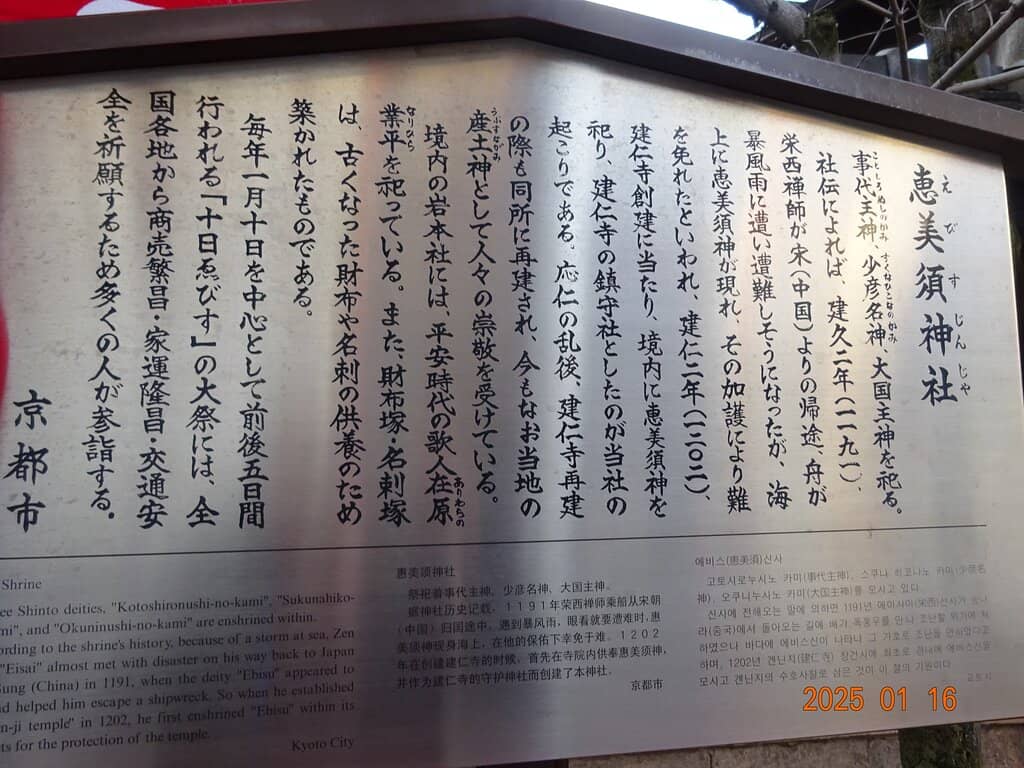
"We visited the Jinja for Toka Ebisu Festival which is held on 10th January (Toka means 10th day of the month).One of the Seven Deities of Good Fortune, for Ebisu-sama. One of the features of the festival is a very big fresh tuna is dedicated to Ebisu-sama.
ln here the good fortune ritual is in here, it is believed that if you succeed in throwing a coin into the rake or basket of on the second Tori Gate (through the entrance)where there is face of Ebisu-sama with a basket, your wish will come true. Unfortunately, since it was very crowded we couldn't do it. l keep it for next time. We just pray for Success as the rest of the People gathered on this day to pray for the success of their business. ln here people also buy lucky bamboo branches at the Toka Ebisu Festival as the symbol of rise of family fortune and thriving business, because bamboo trees grow straight to the sky, and they are so flexible that they don’t break easily as my friend and just shared you the photo."
B. A.
"Visiting Kyoto Ebisu Shrine right after the New Year was an experience steeped in tradition and cultural richness, embodying the spirit of 'Hatsumode,' the first shrine visit of the New Year observed by many Japanese. This time-honored practice felt even more special at Ebisu Shrine, known for its association with prosperity and good fortune, attracting visitors from all walks of life seeking blessings for the year ahead.
The atmosphere at the shrine was electric, filled with the anticipation and hope of the new year. Engaging in the traditional ritual of drawing omikuji (fortune-telling slips) added a personal touch to the visit, where I had the chance to contemplate my luck and prospects for the coming year. The experience was both humbling and exciting, offering a moment of reflection amid the festive buzz.
Adding to the charm of the occasion was the New Year's market set up on the shrine grounds. The market was a feast for the senses, showcasing an array of food stalls that offered everything from traditional Japanese New Year delicacies to street food favorites. Sampling the various offerings, each more delicious than the last, was a highlight of the visit, allowing me to indulge in the culinary delights that are a hallmark of Japanese New Year celebrations.
Kyoto Ebisu Shrine during the New Year period is more than just a place of worship; it's a vibrant cultural hub that brings together tradition, community, and gastronomy. Whether you're participating in Hatsumode, seeking a glimpse into your future through fortune-telling, or simply there to enjoy the festive market, the shrine offers a uniquely enriching experience that captures the essence of Japanese New Year traditions."
Emerson Barros
What People Like
What People Dislike
Frequently Asked Questions
🚇 🗺️ Getting There
Ebisu Shrine is accessible by public transport. From major stations like Osaka or Kyoto, you can take local trains to stations near the shrine. Check local transit maps for the most convenient route from your accommodation.
It's a local shrine, so it might not be as prominently signposted as larger attractions. Using a GPS app on your phone is recommended.
During the Toka Ebisu festival, expect significant crowds. Public transport is advised, but be prepared for busy trains and potential walking detours.
🎫 🎫 Tickets & Entry
No, entry to Ebisu Shrine is generally free. You can wander the grounds and participate in rituals without an admission fee.
Shrines typically have open grounds accessible throughout the day. Specific building hours may vary, but the main prayer areas are usually accessible.
The festival itself is free to attend. However, you may wish to purchase lucky charms, food, or participate in specific rituals which will incur costs.
Yes, visiting Ebisu Shrine for Hatsumode (first shrine visit of the year) is a popular tradition. Expect large crowds during the New Year period.
🎫 🧭 Onsite Experience
At the second torii gate, you can attempt to toss a coin into a rake or basket featuring Ebisu-sama. Success is believed to bring good fortune.
'Fuku Sasa' is a lucky bamboo grass bundle, symbolizing prosperity and business growth. It's commonly sold at stalls during the Toka Ebisu Festival.
For a quick visit and photos, 30-60 minutes is usually sufficient. If attending a festival, you might spend longer soaking in the atmosphere.
Yes, it's a smaller shrine, making it ideal for a brief stop if you're exploring the local area or have limited time.
Outside of festivals, it's a quiet, local shrine. During Toka Ebisu, it's very lively, crowded, and festive, with many people praying for business success.
🍽️ 🍽️ Food & Dining
During major festivals like Toka Ebisu, food stalls are often set up on the shrine grounds, offering various Japanese New Year delicacies and street food.
You can expect a variety of festival foods, similar to other Japanese festivals, including traditional New Year's treats and popular street snacks.
Being a local shrine, there might be smaller eateries nearby. For a wider selection, you'd likely need to head to a more commercial district.
📸 📸 Photography
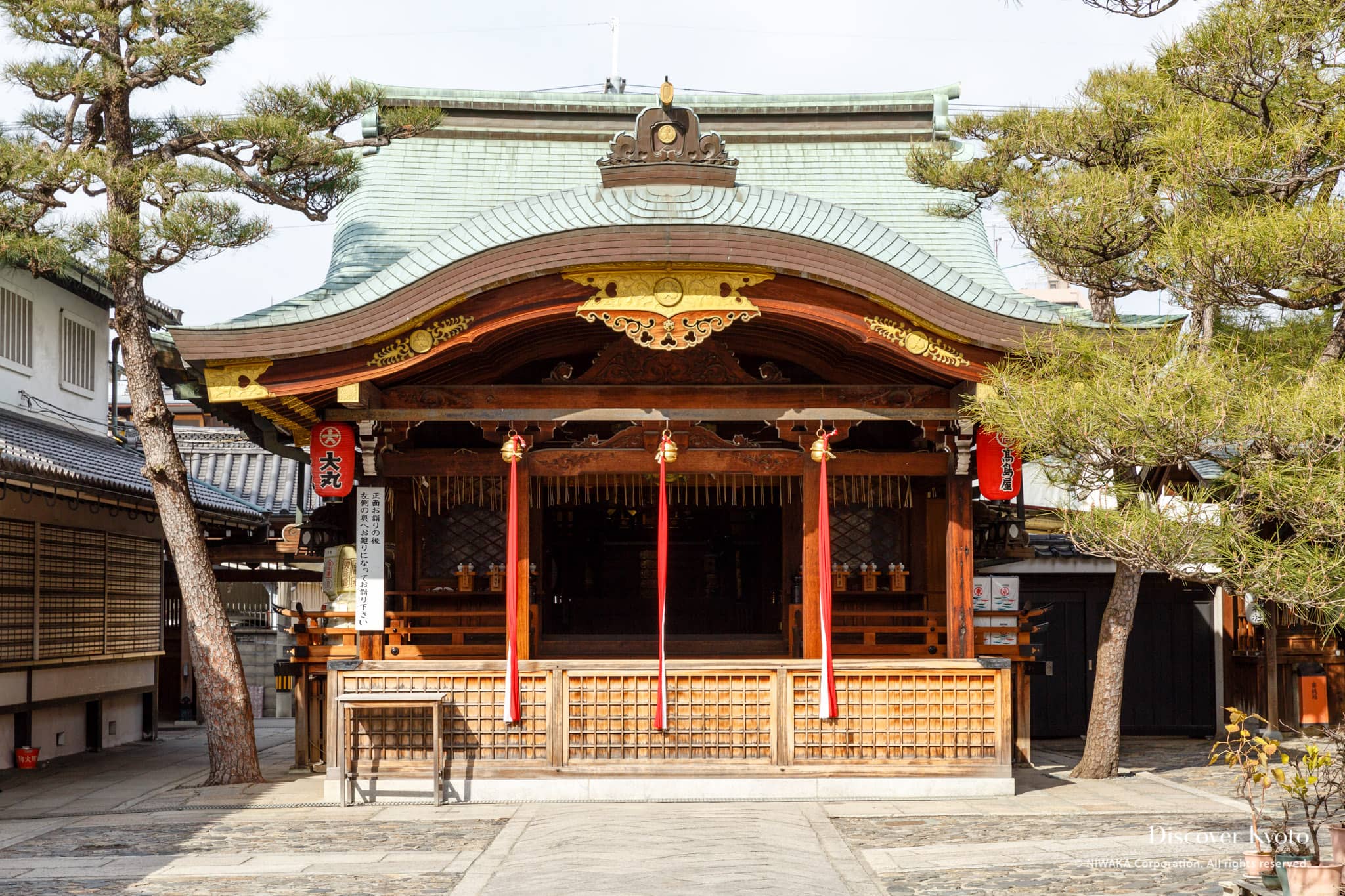
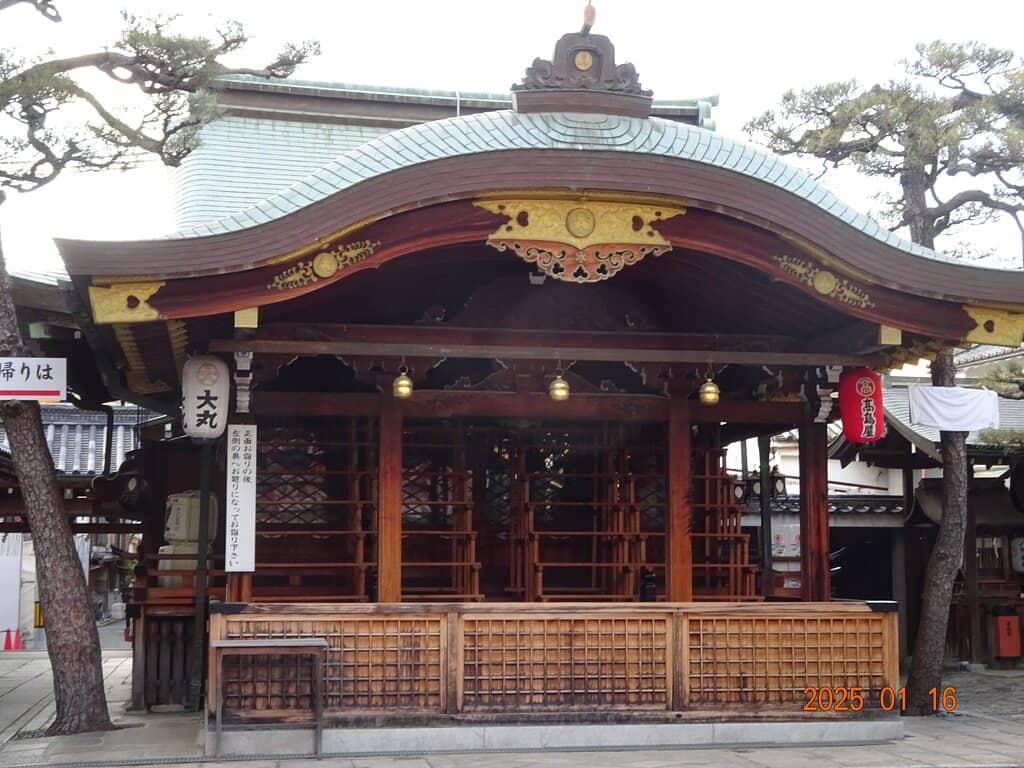
The main torii gates, the central shrine building, and the coin toss target offer good photographic opportunities. During festivals, the bustling crowds and decorations provide unique shots.
Generally, photography is allowed on the shrine grounds. However, be respectful of worshippers and avoid taking photos during prayer ceremonies.
Early morning offers softer light and fewer people. During festivals, the vibrant atmosphere itself is a photographic subject, but it will be crowded.
For Different Travelers
Tailored advice for your travel style
👨👩👧 Families with Kids
💰 Budget Travelers
Deep Dives
In-depth insights and expert knowledge
The Significance of Ebisu-sama
During the Toka Ebisu Festival, held around January 10th, the shrine experiences its peak activity. This festival is a major event where people pray for a prosperous year ahead. A key ritual involves purchasing 'Fuku Sasa' (lucky bamboo grass), which is believed to bring wealth and thriving business. The vibrant atmosphere, complete with dedicated tuna and bustling stalls, highlights the deep cultural importance of Ebisu-sama in Japanese society.
Experiencing the Toka Ebisu Festival
Visitors can engage in several key rituals. The most iconic is the coin toss challenge, where participants aim to throw coins into a rake or basket for luck. Another significant tradition is acquiring 'Fuku Sasa', a bundle of lucky bamboo grass adorned with auspicious items, symbolizing prosperity and business growth. The festival often features a grand dedication of a fresh tuna to Ebisu-sama, a striking visual that underscores the deity's connection to abundance. The presence of numerous food stalls offering traditional New Year's delicacies and street food further enhances the festive experience, making it a sensory delight.


Social
from TikTok, Instagram & Reddit