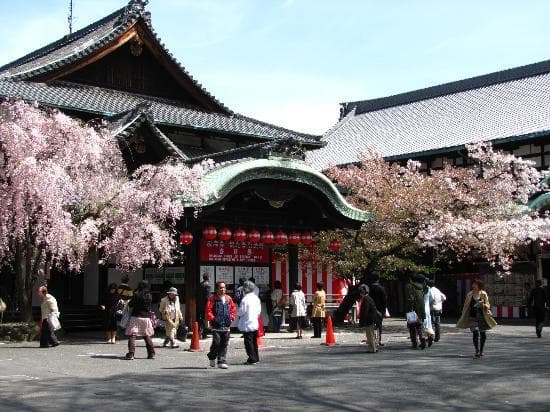
Gion Kobu Kaburenjo Theater Kyoto
Experience Kyoto's geiko and maiko artistry at the Gion Kobu Kaburenjo Theater, showcasing traditional dances and culture.
Highlights
Must-see attractions

Social
From TikTok & Reddit
Best Time
Miyako Odori season
Gion Kobu Kaburenjo Theater Kyoto
Best Time
Miyako Odori season
Highlights
Must-see attractions
Experience Kyoto's geiko and maiko artistry at the Gion Kobu Kaburenjo Theater, showcasing traditional dances and culture.
"An amazing experience! The song, music and costumes were all wonderful and a truly quintessentially Japanese experience."
🎟️ Book Ahead!
Popular shows sell out; book tickets well in advance to avoid disappointment.
🎧 Audio Guide Recommended
Rent an English audio guide to understand the dances and cultural context.
Highlights
Discover the most iconic attractions and experiences
Miyako Odori Performance
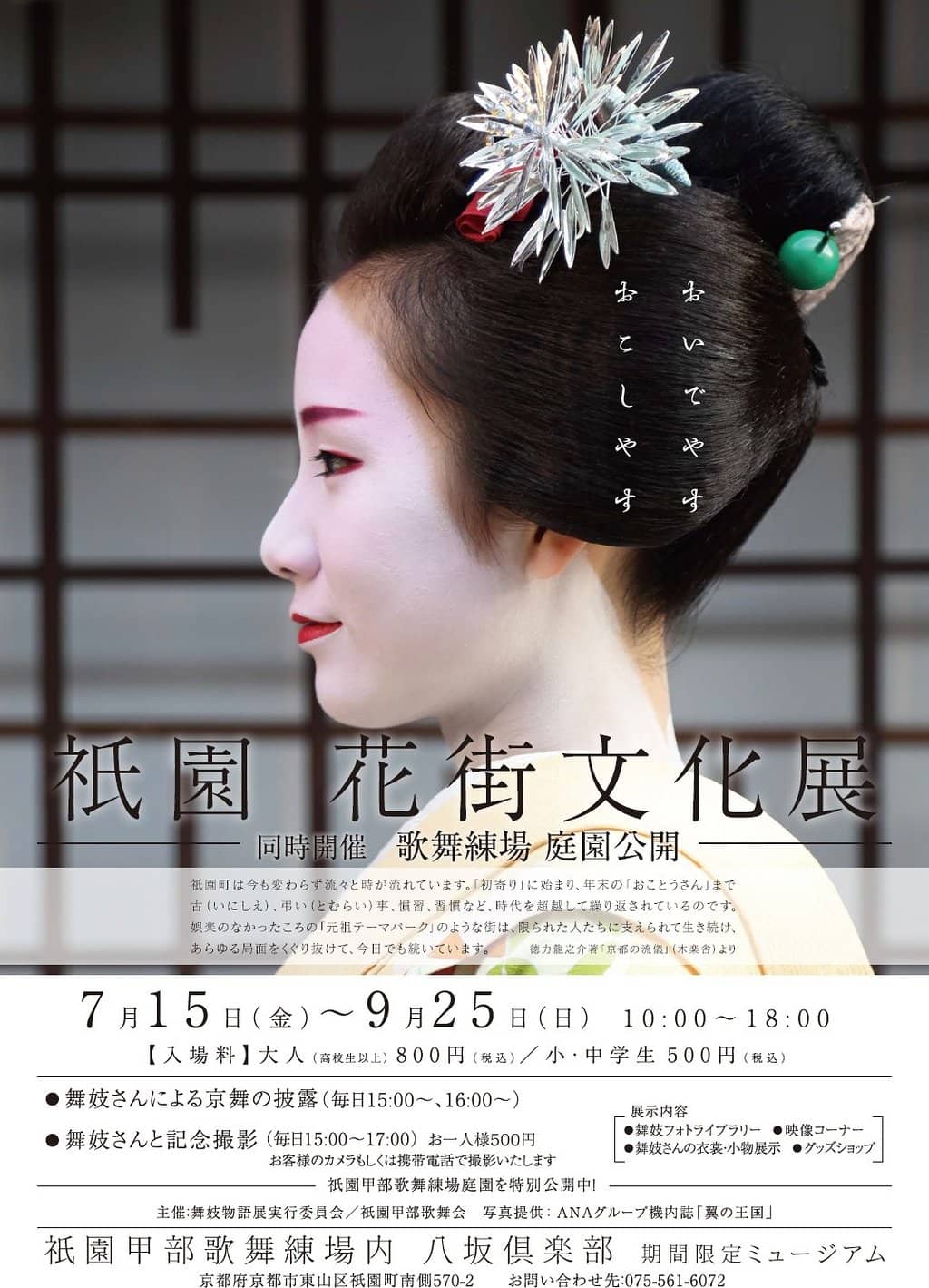
Experience traditional Kyoto geiko and maiko dances with stunning costumes and music. A quintessential Japanese cultural immersion.
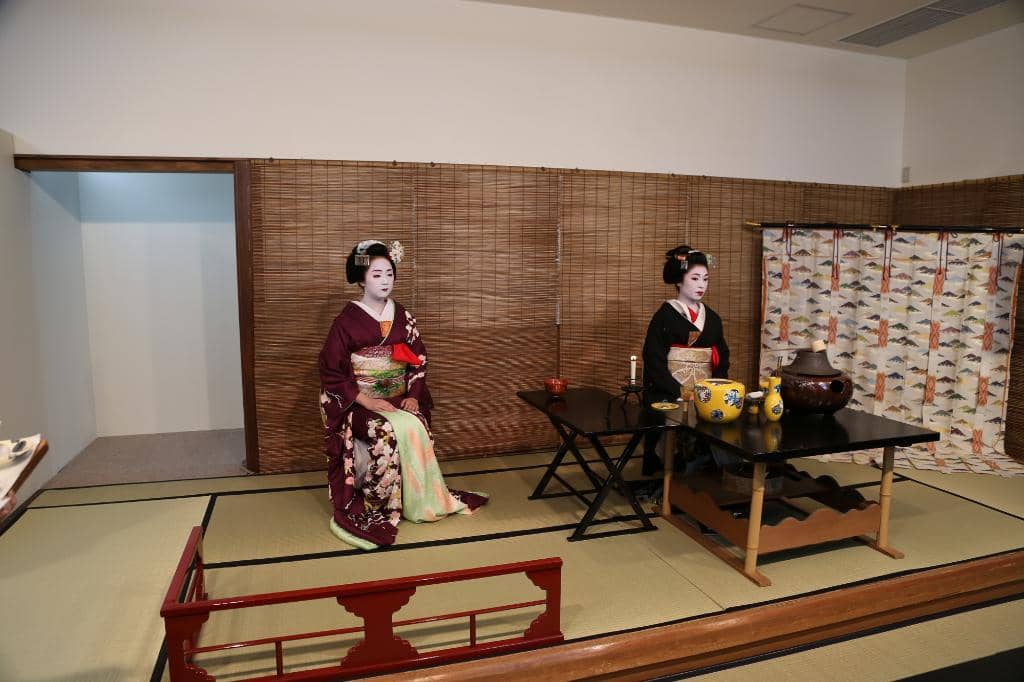
Tea Ceremony
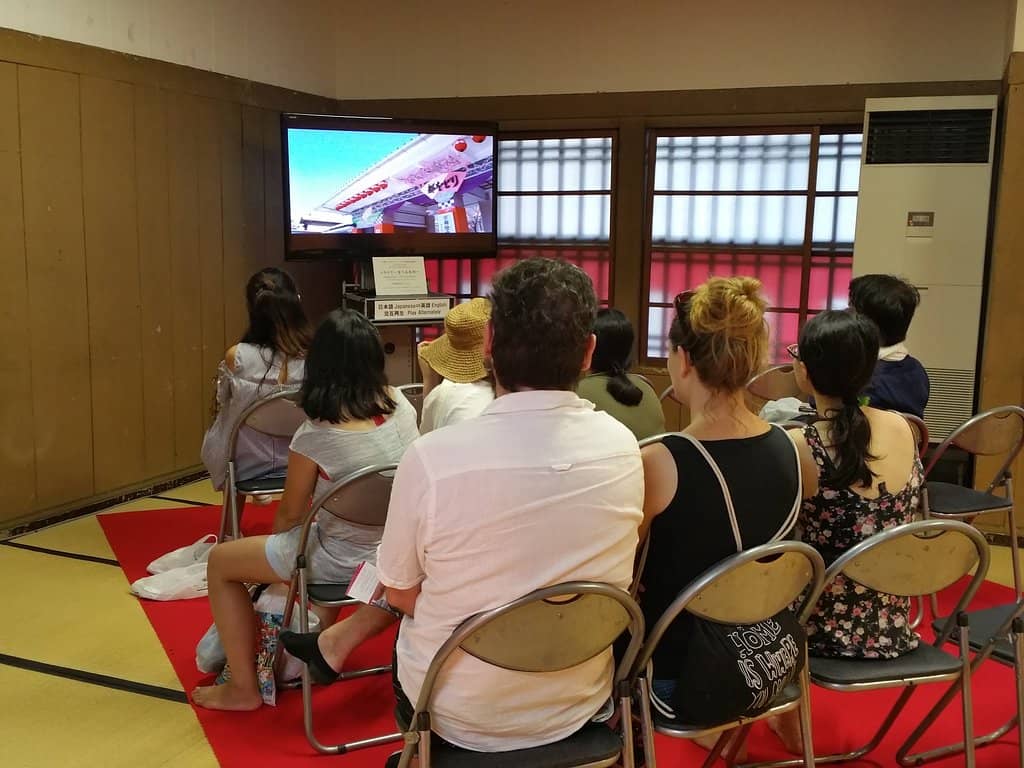
Participate in a brief, traditional tea ceremony before the show. A moment of calm, though some find it hurried.
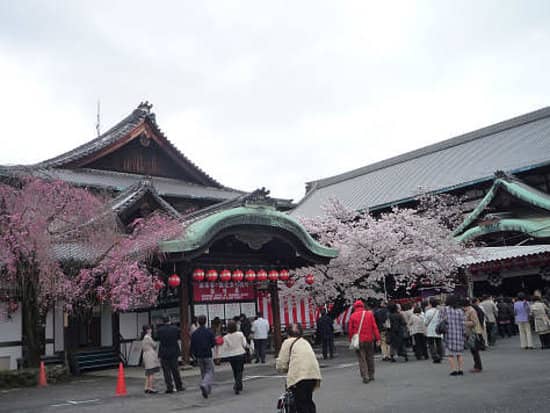
Beautiful Garden
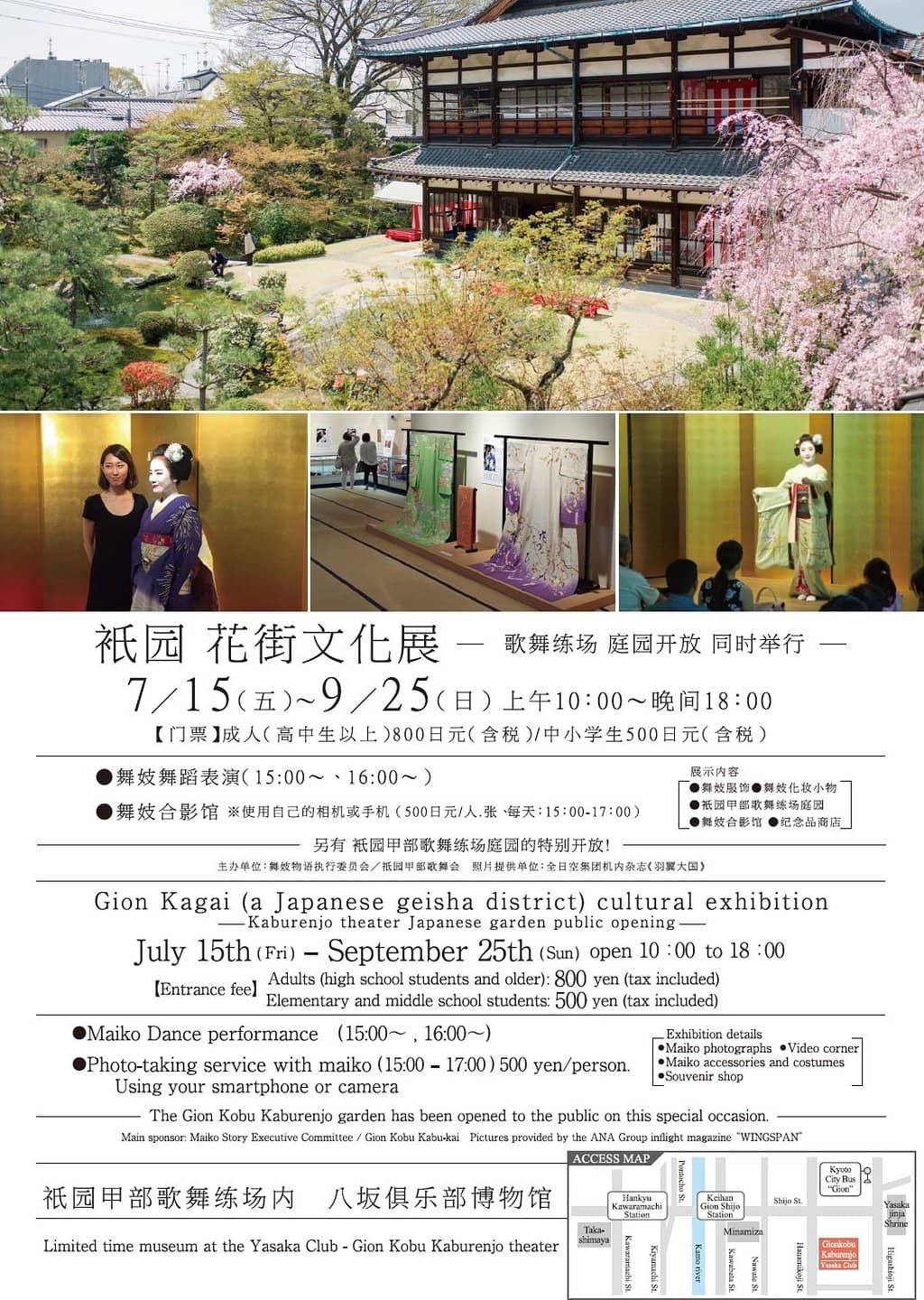
Wander through a meticulously kept garden with water features and greenery, offering a serene prelude to the performance.
Plans like a pro.
Thinks like you
Planning Your Visit
Book Tickets in Advance
Dress Code & Arrival
Best Times
Insider Tips
from TikTok, Instagram & Reddit
祇園甲部Gion Kōbu Kaburenjō theatre in Kyoto
🎟️ Book Ahead!
Popular shows sell out; book tickets well in advance to avoid disappointment.
🎧 Audio Guide Recommended
Rent an English audio guide to understand the dances and cultural context.
Gion Odori in Kyoto
Kyoto - Gion Corner, GEAR, neither or something else?
⏰ Arrive Early
Explore the garden and museum before the show for a fuller experience.
🍵 Tea Ceremony Note
Enjoy the tea ceremony, but be aware it's brief and can feel rushed.
What do people usually wear to Gion Odori, aside from kimono?
Tips
from all over the internet
🎟️ Book Ahead!
Popular shows sell out; book tickets well in advance to avoid disappointment.
🎧 Audio Guide Recommended
Rent an English audio guide to understand the dances and cultural context.
⏰ Arrive Early
Explore the garden and museum before the show for a fuller experience.
🍵 Tea Ceremony Note
Enjoy the tea ceremony, but be aware it's brief and can feel rushed.
👗 Dress Comfortably
Casual attire is perfectly fine; no need for formal wear.
What Travellers Say
Reviews Summary
Visitors praise the Gion Kobu Kaburenjo Theater for its stunning traditional performances, particularly the Miyako Odori, highlighting the beautiful costumes and music. The garden is also a frequently mentioned positive aspect. However, some find the included tea ceremony to be rushed and not a highlight.
"Enjoyable way to pass the afternoon. The show is performed annually in spring and was very interesting. There are audio headphones you can rent to understand what's happening in the dances. I bought the ticket with the tea ceremony. I don't recommend doing the tea ceremony as it was very rushed and they don't explain what to do. You move from space to space as you wait your turn but the ceremony itself lasts 5 minutes at most. The show was great though."
Diana “Dee” Falvo
"The Miyako Odori at Gion Corner is a beautifully presented show, with stunning costumes and great attention to detail. Coming from a culture where dance involves more vigorous movement, I found the style here quite slow and understated, which made it harder for me personally to connect with the performance. Nonetheless, the artistry and tradition behind it are clear and admirable. A respectful experience, even if not entirely suited to my taste. I will NOT strongly recommend this program."
swapan mondal
"We went to the Miyako Odori. What an amazing experience! The song, music and costumes were all wonderful and a truly quintessentially Japanese experience. Highly recommended!
We went to the included tea ceremony. That was very nice, but a crowded experience. If we went again, we probably would not include this tea ceremony.
The show is very popular so it is recommend to arrive a bit before the shows starts. Additionally, prior to the show you are also allowed a tour of their beautiful garden and some souvenirs, which is why it can be worth it to arrive a bit early too."
Fredrik Steen
What People Like
What People Dislike
Frequently Asked Questions
🚇 🗺️ Getting There
The theater is easily accessible by public transport. Take a bus to Gion bus stop, which is a short walk away. It's also a pleasant walk from Kiyomizu-dera Temple or Yasaka Shrine if you're exploring the Higashiyama district.
On-site parking is generally not available. It's best to use public transportation or a taxi. There are paid parking lots in the Gion area, but they can be expensive and fill up quickly.
Yes, the theater is centrally located in the Gion district. It's a walkable distance from Yasaka Shrine and the eastern end of Shijo Street. Many visitors combine a visit with exploring the historic Gion streets.
From Kyoto Station, the most convenient way is to take a city bus (e.g., routes 100 or 206) to the Gion bus stop. The journey takes about 20-30 minutes depending on traffic.
While the theater itself has seating, navigating the surrounding streets and potentially the garden area might present challenges. It's advisable to contact the venue directly for specific accessibility information.
🎫 🎫 Tickets & Entry
Tickets can be purchased online through official ticketing websites or at the venue's box office. It's highly recommended to buy tickets in advance, especially for popular events like Miyako Odori, as they often sell out.
Ticket prices vary depending on the performance and seating. Expect to pay around ¥3,000-¥5,000 for standard show tickets. Packages including a tea ceremony or audio guides may cost more.
The theater's operating hours are primarily tied to performance schedules. Shows typically run in the afternoon and evening during specific seasons. It's best to check the official website for the most up-to-date performance times.
Often, the tea ceremony is offered as an add-on or part of a package when purchasing show tickets. You can usually select this option during the ticket booking process.
Refund policies vary by ticketing platform and event. Generally, tickets are non-refundable unless the event is canceled by the venue. Check the terms and conditions at the time of purchase.
🎫 🎭 Onsite Experience
The theater is most famous for hosting the annual Miyako Odori (Cherry Blossom Dance) and other seasonal performances by Kyoto's geiko (geisha) and maiko (apprentice geisha). It's a showcase of traditional Japanese arts.
While kimonos are traditional, casual and smart casual attire is perfectly acceptable. Many visitors wear comfortable, neat clothing. The key is to be respectful of the cultural setting.
Yes, an English audio guide is usually available for rent (for a fee) that provides explanations of the dances and their cultural significance. This is highly recommended if you don't understand Japanese.
The tea ceremony is a brief, traditional ritual. While enjoyable, some visitors find it to be quite rushed and more of a quick cultural stop than a deeply meditative experience.
Photography and videography are typically prohibited during the performances to avoid disturbing the artists and other audience members. Check for specific signage or announcements regarding photo policies.
📸 📸 Photography
The beautifully maintained garden is a prime spot for photography before the show. The exterior of the traditional building also offers picturesque opportunities. Remember, photography is usually not allowed inside during performances.
While you might see geiko and maiko in the Gion district, photographing them without permission can be considered intrusive. Inside the theater, it's strictly prohibited during performances.
For the garden and exterior, a standard DSLR or mirrorless camera with a versatile lens (like a 24-70mm) is ideal. If you're attempting low-light shots inside (where permitted, e.g., before the show), a lens with a wide aperture can be helpful.
Yes, drone usage is heavily restricted in urban areas like Kyoto, especially around cultural sites. It's best to avoid flying drones near the theater to comply with local regulations.
During performances, the lighting is theatrical and focused on the stage. Before the show, ambient lighting in the lobby and garden areas is generally good for casual photography.
For Different Travelers
Tailored advice for your travel style
👨👩👧 Families with Kids
While the tea ceremony is an option, its rushed nature might not be ideal for families. The beautiful garden offers a pleasant space for children to explore before the show. Ensure children are aware of the rules regarding photography and noise during the performance to maintain a respectful environment for all attendees.
💰 Budget Travelers
Consider visiting during the off-season if possible, though the main performances are seasonal. To experience Gion without the theater cost, simply exploring the historic streets, visiting Yasaka Shrine, and enjoying the atmosphere of the district can be a rewarding and budget-friendly alternative.
💖 Couples
While the tea ceremony can be a bit rushed, it can still be a shared moment of cultural immersion. Afterward, a leisurely stroll through the atmospheric Gion district, perhaps along the Shirakawa Canal, can be a perfect way to cap off the evening, enjoying the traditional ambiance of Kyoto together.
Deep Dives
In-depth insights and expert knowledge
Understanding the Performances
Beyond Miyako Odori, the theater may host other seasonal performances or events. These performances are a rare opportunity for the public to witness the refined artistry of the geiko and maiko in a formal setting. While the performances are entirely in Japanese, the visual spectacle of the costumes, the evocative music, and the expressive dance movements convey a powerful narrative. Renting an English audio guide is highly recommended to gain deeper insights into the cultural context and stories behind each piece.
It's important to note that the style of dance is quite different from Western ballet or contemporary dance. It's more about subtle gestures, posture, and the overall aesthetic. Even if you don't fully grasp the narrative, the artistry, dedication, and cultural significance are palpable, making it a unique and memorable experience.
The Tea Ceremony Experience
However, it's crucial to manage expectations. Based on traveler reviews, the tea ceremony at the Gion Kobu Kaburenjo can feel quite rushed. Due to the popularity of the shows and the need to move large groups through efficiently, the actual ceremony might last only a few minutes. Explanations of the ritual or the tea itself may be minimal, especially if you're not in a small, dedicated group.
While it offers a glimpse into a significant Japanese tradition, some visitors feel it's more of a quick cultural stop rather than a deeply immersive experience. If you're seeking a prolonged, meditative tea ceremony, you might consider seeking out a dedicated tea house in Kyoto. Nevertheless, for many, it's a pleasant, albeit brief, addition to the overall theater experience.
Exploring the Gion District
Walking through Gion, especially in the early evening, offers a chance to soak in the atmosphere. You might even catch a glimpse of geiko or maiko gracefully making their way to appointments, though it's important to be respectful and avoid intrusive photography. The area around the theater, including the Shirakawa Canal and Hanamikoji Street, are particularly picturesque and offer a sense of stepping back in time.
Combine your theater visit with a stroll through these historic streets, perhaps stopping for a meal or a drink at one of the many establishments. The proximity of the theater to other major attractions like Yasaka Shrine and Kiyomizu-dera Temple makes it easy to incorporate into a broader exploration of Kyoto's cultural heritage.
Social
from TikTok, Instagram & Reddit