Kurama Kyoto
Discover spiritual tranquility and natural beauty on Mount Kurama, known for its reiki origins and scenic hikes.
Highlights
Must-see attractions

Social
From TikTok & Reddit
Best Time
Fewer crowds, serene atmosphere
Kurama Kyoto
Best Time
Fewer crowds, serene atmosphere
Highlights
Must-see attractions
Discover spiritual tranquility and natural beauty on Mount Kurama, known for its reiki origins and scenic hikes.
"An underrated gem offering a peaceful escape with a palpable spiritual energy."
👟 Wear Proper Hiking Shoes
Trails can be steep and uneven. Good grip is essential, especially if it's rained.
💧 Pack Water & Snacks
Stay energized for the uphill climbs! Bring plenty of water and some energy boosters.
Quick Facts
Rating
4.7 · 308 reviews
Type
Mountain Peak
Highlights
Discover the most iconic attractions and experiences
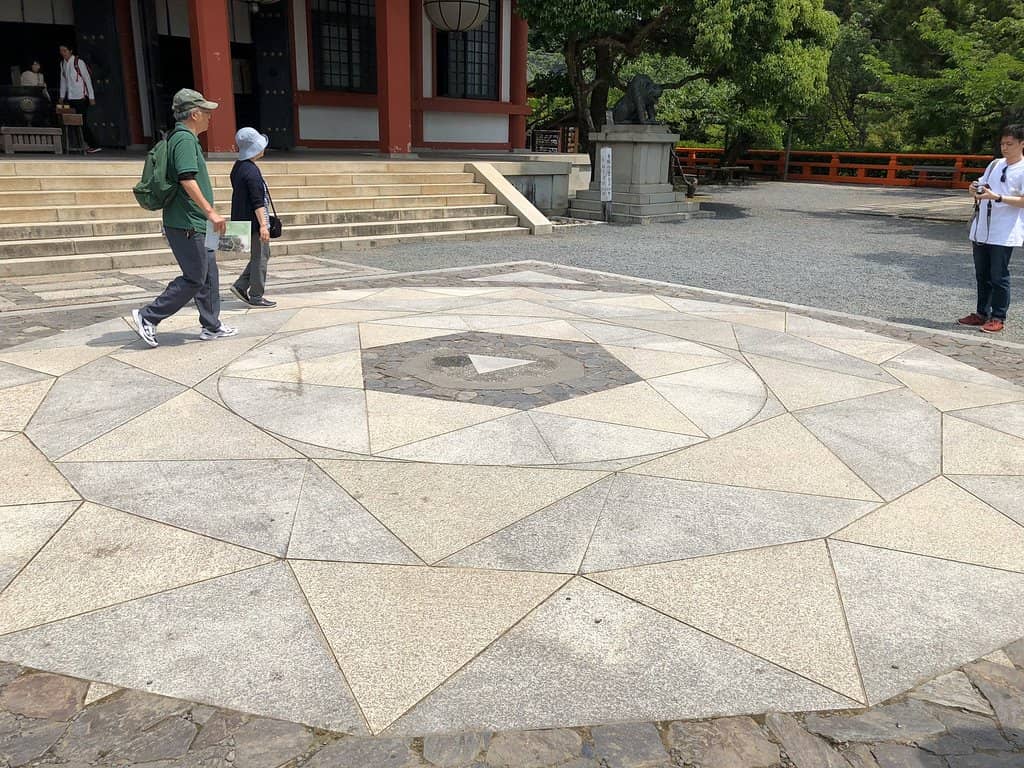
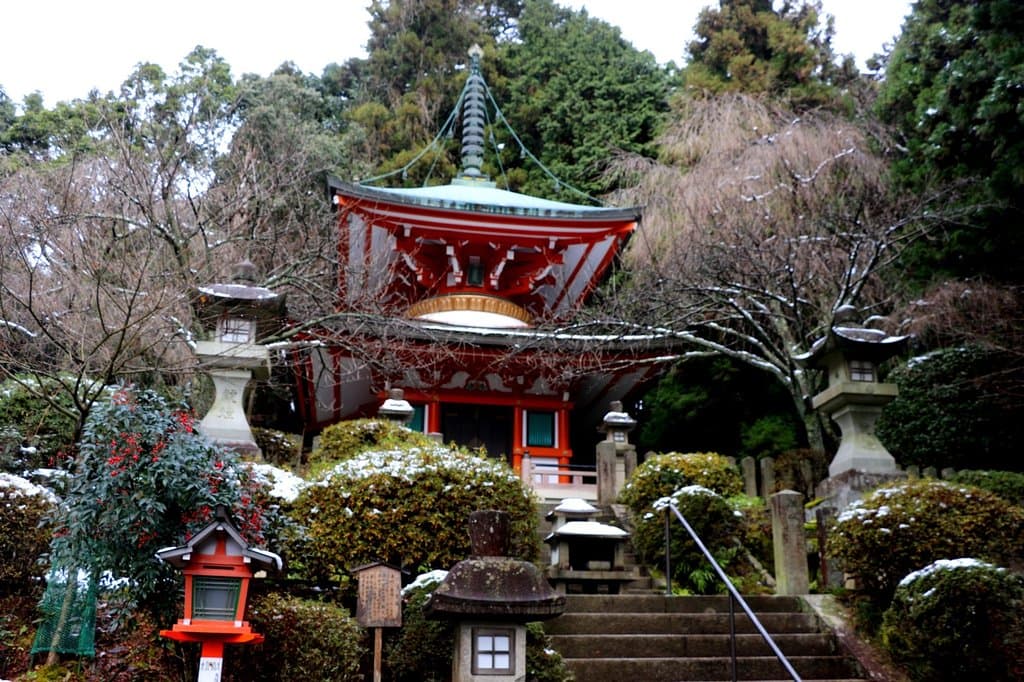
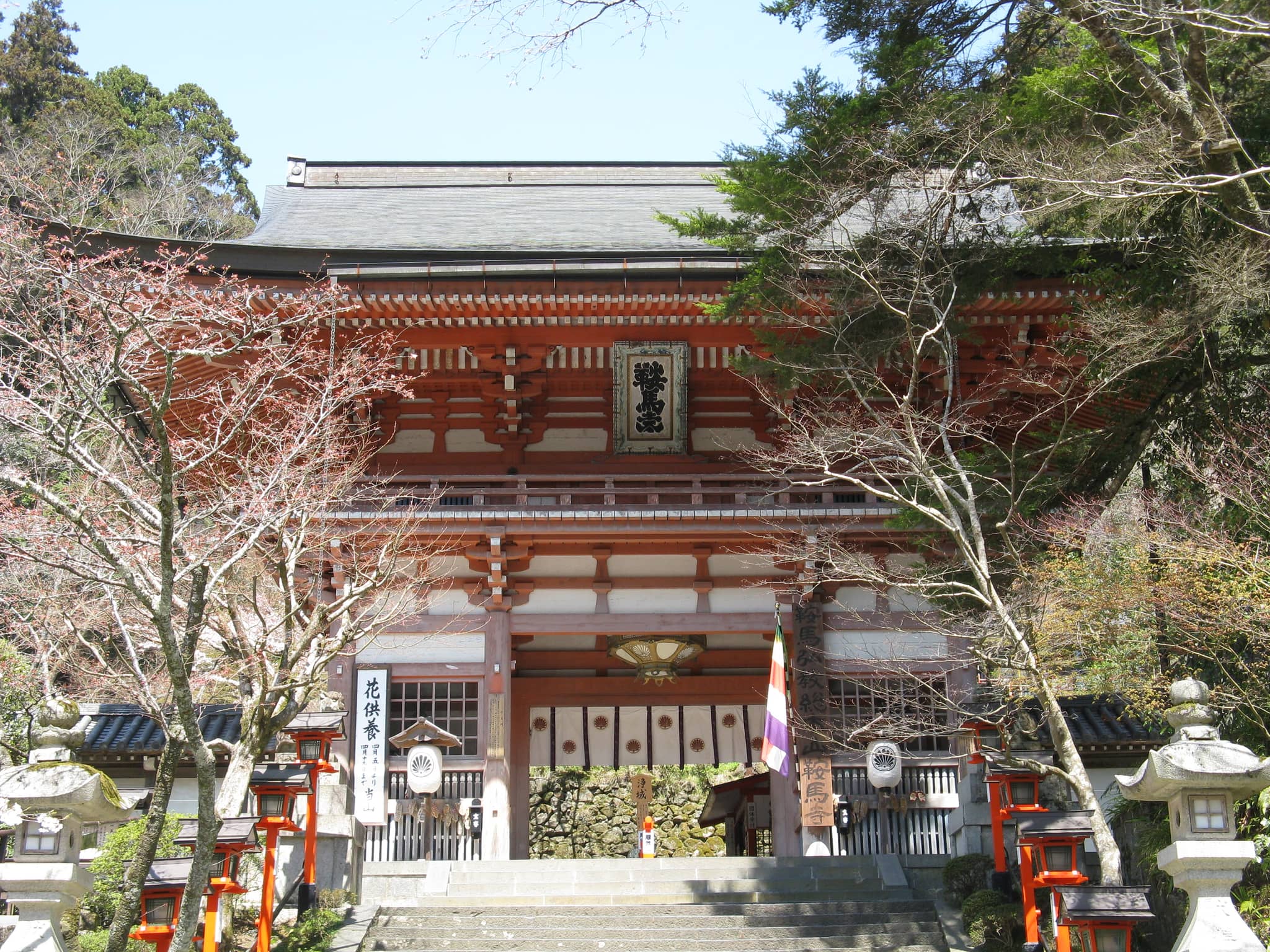
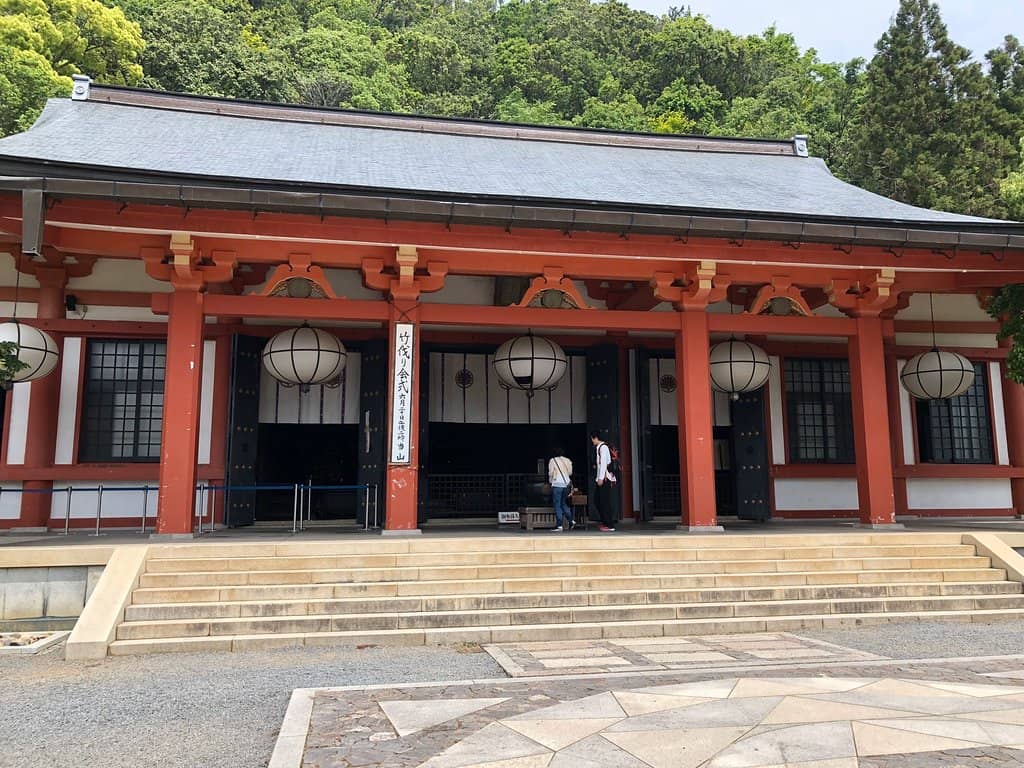
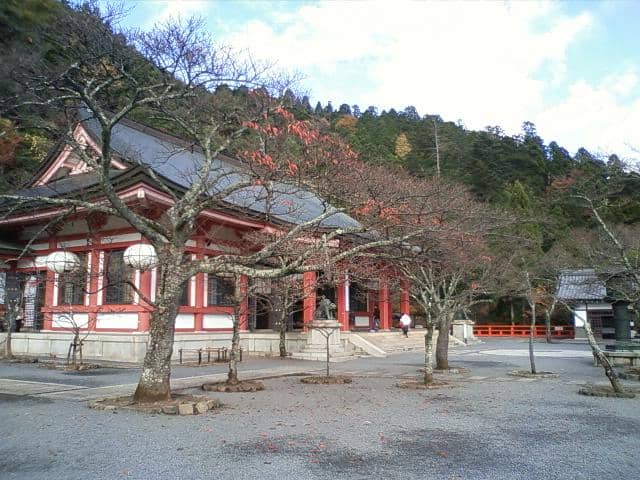
Kurama-dera Temple
Summit of Mount Kurama
A sacred mountain temple with stunning views and a palpable spiritual energy.

Kurama to Kibune Hike
Connecting trail between Kurama and Kibune
A scenic 5km forest trail through ancient cedar groves and past shrines.
+1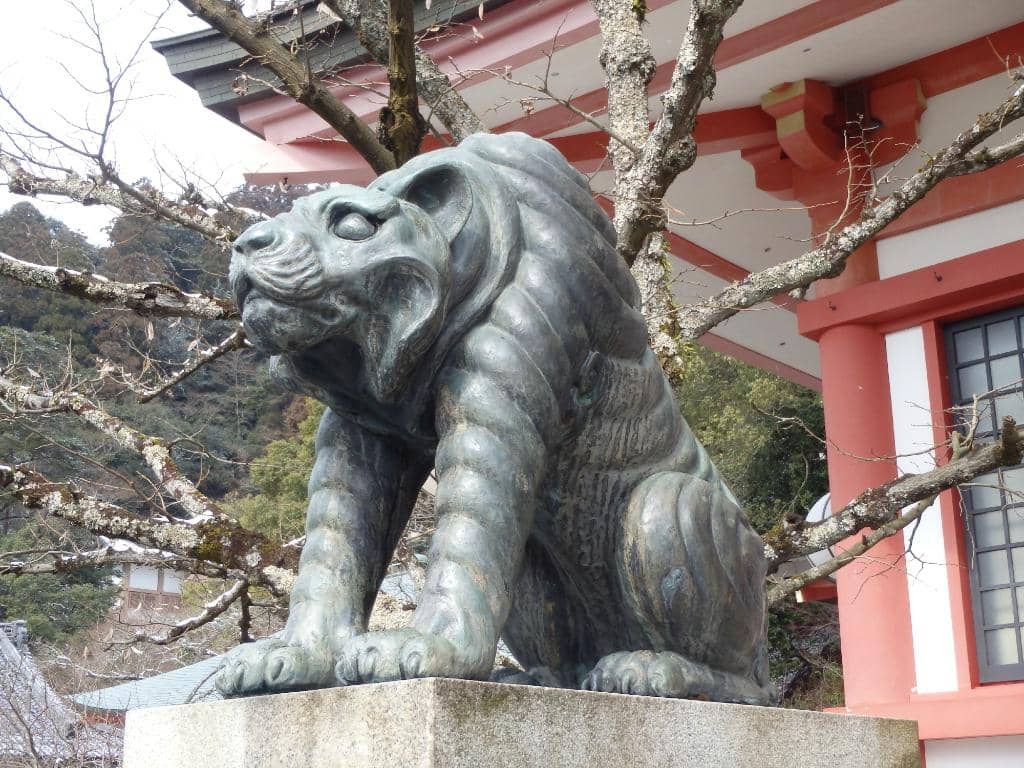
Kibune Shrine
Kibune town
Famous for its lantern-lit stone steps and dedication to water deities.
Eizan Electric Railway
Scenic train line from Kyoto
A picturesque journey through the countryside to reach Kurama.
Plans like a pro.
Thinks like you
Planning Your Visit
Embrace the Hike: Energy & Footwear
Timing is Key for Tranquility
Best Times
Insider Tips
from TikTok, Instagram & Reddit
👟 Wear Proper Hiking Shoes
Trails can be steep and uneven. Good grip is essential, especially if it's rained.
💧 Pack Water & Snacks
Stay energized for the uphill climbs! Bring plenty of water and some energy boosters.
🚶♀️ Hike Kurama to Kibune
This 5km trail offers stunning nature and is less crowded than the main temple areas.
✨ Feel the Energy
Many visitors report feeling a strong spiritual energy, especially at Kurama-dera.
Tips
from all over the internet
👟 Wear Proper Hiking Shoes
Trails can be steep and uneven. Good grip is essential, especially if it's rained.
💧 Pack Water & Snacks
Stay energized for the uphill climbs! Bring plenty of water and some energy boosters.
🚶♀️ Hike Kurama to Kibune
This 5km trail offers stunning nature and is less crowded than the main temple areas.
✨ Feel the Energy
Many visitors report feeling a strong spiritual energy, especially at Kurama-dera.
🎟️ Small Entry Fee
There's a small fee to enter Kurama-dera temple grounds.
☀️ Summer Heat Relief
Kibune is a great summer escape from Kyoto's heat, with riverside dining.
What Travellers Say
Reviews Summary
Visitors rave about the peaceful, spiritual atmosphere and the beautiful nature, especially the Kurama to Kibune hike. Many find it an underrated gem offering a serene escape from Kyoto's busier attractions. Some note the physical demands of the hike, particularly the stairs, and recommend proper preparation.
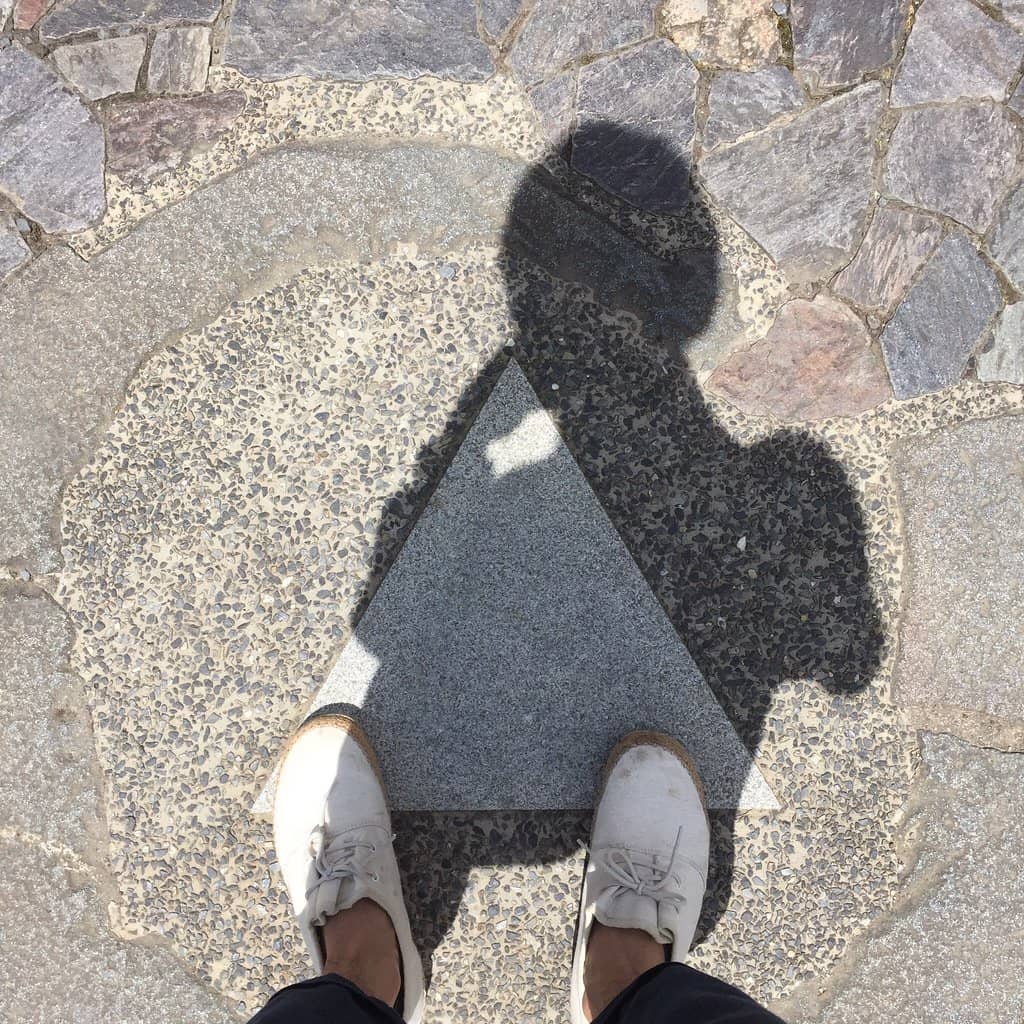
"A peaceful but, bring your energy jelly and Pocari Sweat, because you're going to sweat and feel older than you are (unless you have good endurance at going uphill on stairs) 🤭 but it's a beautiful walk/ hike, recommend it, and at top at Kurama Temple, step in the middle of the star on that triangle, if you're one of those people that can feel energies, you will definitely feel it there the flow of Chi, it's fascinating how it feels"
Mar's Wabi-Sabi World
"The hike was absolutely perfect! So underrated, quiet, and peaceful! As a areiki master myself this was a very special hike. Would definitely recommend if you’re looking for something less touristy"
Jenna Kaplan
"This is one of my favorite mountains in the Kansai region, It is quite easily accesable from the kyoto stations letting you combine it with an enjoyable day trip. There is quite a popular shrine down the bottom of the mountain, but there are many tourists there and it is not very pretty. If you follow up the main path to the temple, a roughly 15 minute hike, you arrive to the first big temple complex with amazing sights down the mountain. Slightly further up you can find more temple buildings which are also an enjoyable sight. The entire hike can be completed towards the other side of the mountain, making for a fun and peaceful walk. Highly recommended!"
Kees
What People Like
What People Dislike
Frequently Asked Questions
🚇 🗺️ Getting There
The easiest way is to take the Eizan Electric Railway from Demachiyanagi Station in Kyoto. The scenic ride to Kurama Station takes about 30 minutes.
Limited parking is available near Kurama Station, but it can fill up quickly, especially on weekends. The Eizan Railway is a more reliable option.
Yes, a day trip is very feasible. You can hike between the two towns or use the Eizan Railway to travel between them.
The most popular option is the 5km hike through the forest. Alternatively, you can take the Eizan Railway back from Kurama to Kibuneguchi Station and then a bus.
Absolutely! The Eizan Electric Railway offers beautiful views of the countryside and mountains as you travel towards Kurama.
🎫 🎫 Tickets & Entry
Yes, there is a small entrance fee to access the main temple grounds of Kurama-dera.
The hike itself is free to access. However, you will need to pay the entrance fee for Kurama-dera Temple if you start your hike from there.
Kurama-dera Temple is generally open from around 9 AM to 5 PM, but it's always a good idea to check the official website for the most up-to-date hours.
No, the Eizan Electric Railway is a private line and is not covered by the Japan Rail Pass. You will need to purchase separate tickets.
Yes, there is a small fee for the cable car that can take you part of the way up to Kurama-dera Temple, saving you some climbing.
🎫 🚶 Onsite Experience
The hike typically takes about 2 to 3 hours at a leisurely pace, depending on your fitness level and how often you stop to admire the scenery.
It's considered a moderate hike. There are many stairs and uphill sections, especially on the ascent to Kurama-dera. The descent to Kibune can be steeper and more uneven.
Comfortable, sturdy hiking shoes are highly recommended due to the uneven terrain. Dress in layers as the temperature can change with elevation.
Some visitors have reported seeing wild deer along the trail, particularly in the winter. Be aware of your surroundings.
While Kurama is less crowded than central Kyoto, the main temple area can get busy. The hike itself and Kibune tend to be more peaceful.
🍽️ 🍽️ Food & Dining
Kibune is famous for its 'Kawadoko' restaurants, which are built over the river, offering a unique dining experience, especially in summer.
'Kawadoko' refers to restaurants built on platforms over rivers, providing a cool and refreshing dining experience, particularly popular during the hot summer months.
Options might be limited, especially at traditional restaurants. It's advisable to check with restaurants in advance or look for simpler noodle dishes.
You might find some local snacks and drinks available near the train station and at the temple entrance.
'Flowing somen' (nagashi somen) is a fun summer dish where thin noodles are served on a bamboo slide and caught with chopsticks. It's a popular experience in Kibune.
📸 📸 Photography
The lantern-lit steps of Kibune Shrine are iconic. The views from Kurama-dera Temple and the scenic train ride also offer great photo opportunities.
Yes, the forest trail, ancient cedar trees, and occasional glimpses of shrines provide beautiful, natural photo opportunities.
Early morning or late afternoon can offer softer light and fewer crowds. The evening ambiance at Kibune Shrine is also magical.
Drone usage is generally restricted in and around temples, shrines, and natural parks in Japan. It's best to assume they are not allowed to avoid issues.
Photography is usually permitted in most outdoor areas of Kurama-dera, but always be respectful and check for any specific signage regarding restricted areas.
Social
from TikTok, Instagram & Reddit