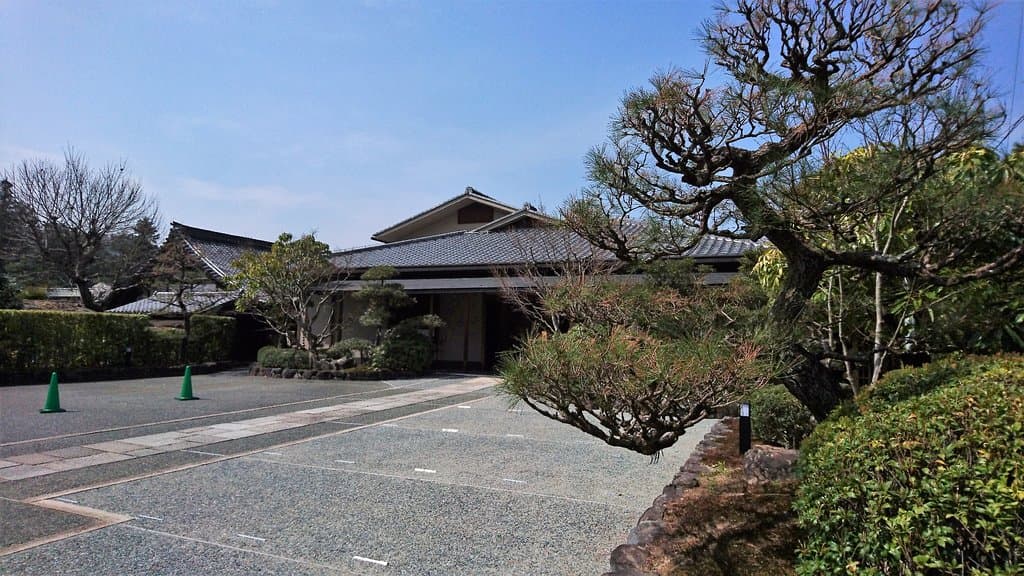
Nomura Art Museum Kyoto
A serene Kyoto gem showcasing exquisite tea ceremony artifacts, Noh costumes, and unique underground architecture.
Highlights
Must-see attractions

Social
From TikTok & Reddit
Best Time
Fewer crowds, peaceful atmosphere
Nomura Art Museum Kyoto
Best Time
Fewer crowds, peaceful atmosphere
Highlights
Must-see attractions
A serene Kyoto gem showcasing exquisite tea ceremony artifacts, Noh costumes, and unique underground architecture.
"Discover rare tea implements and Noh costumes in a tranquil, architecturally stunning underground museum."
🍵 Book the Tea Ceremony
Highly recommended! Enjoy a peaceful tea experience with wagashi, even with limited Japanese.
✨ Check Seasonal Exhibitions
The museum hosts special exhibits, like Mika Ninagawa's work, which are very popular.
Quick Facts
Hours
Rating
4.2 · 179 reviews
Type
Museum
Highlights
Discover the most iconic attractions and experiences
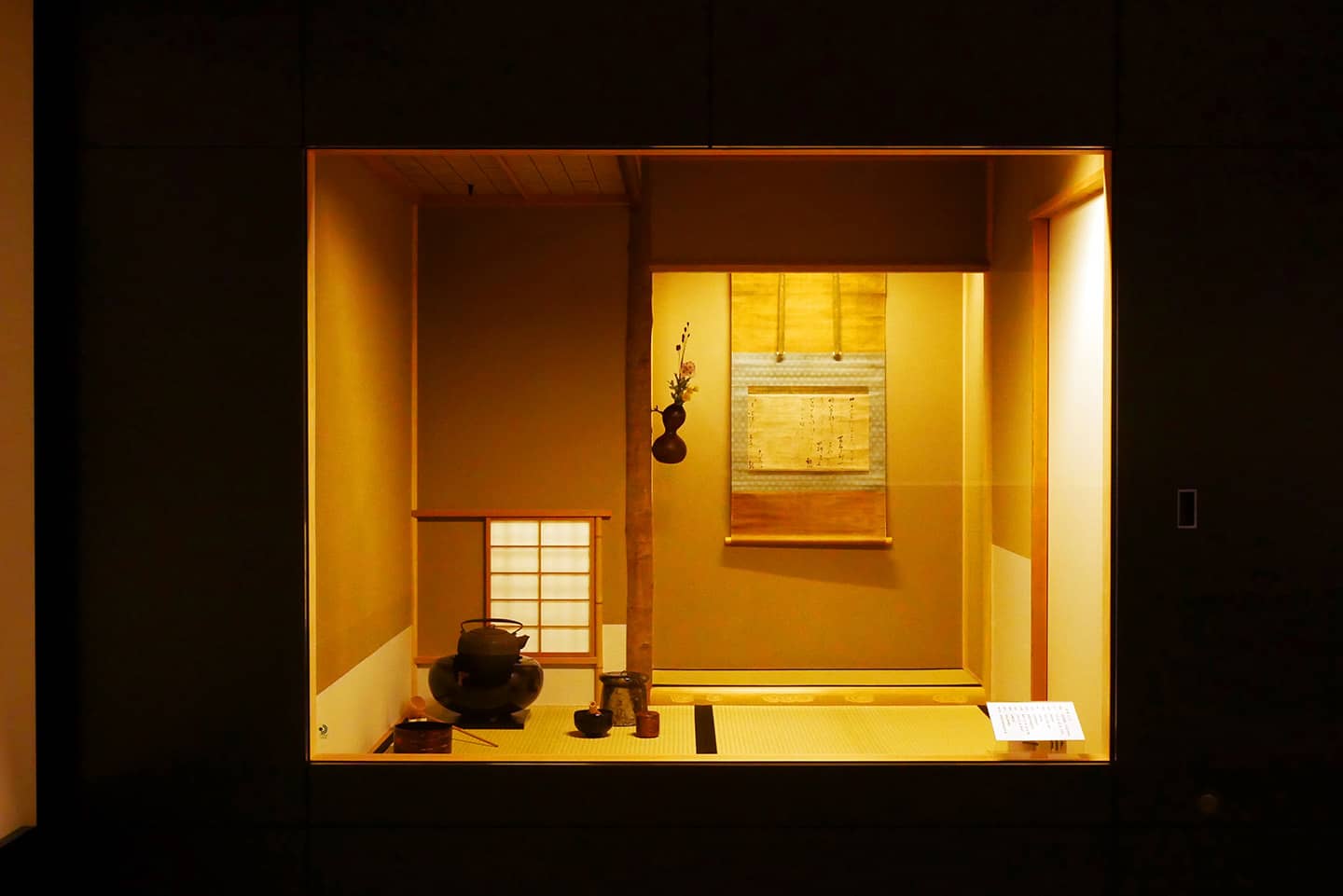
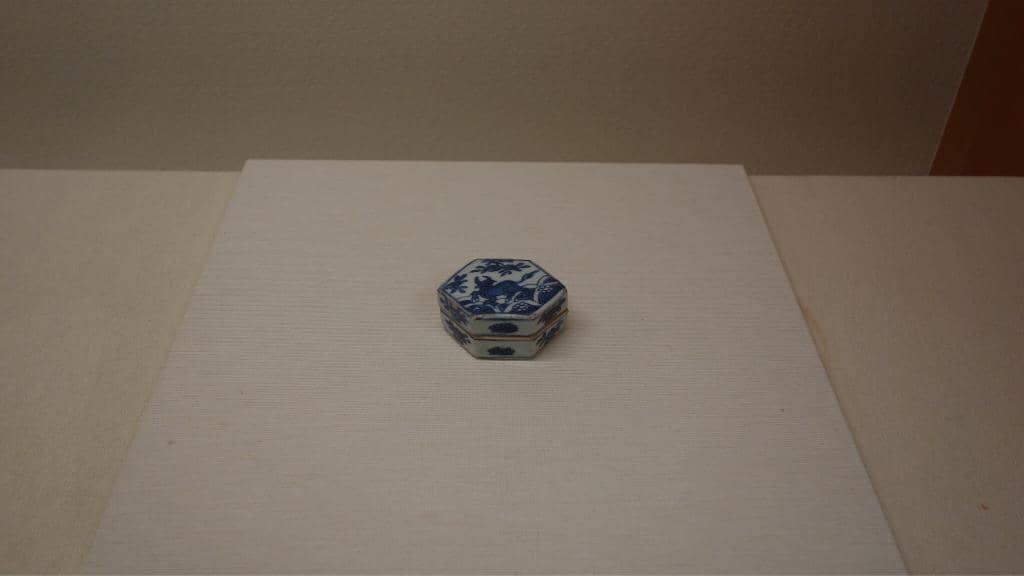
Exquisite Tea Ceremony Implements
Tea Room
Discover rare artifacts, including beautiful Chinese pieces from the Southern Song dynasty.
Elegant Noh Costumes and Calligraphy
Exhibition Halls
Be captivated by the beauty and nobility of traditional Noh costumes and intricate calligraphy.
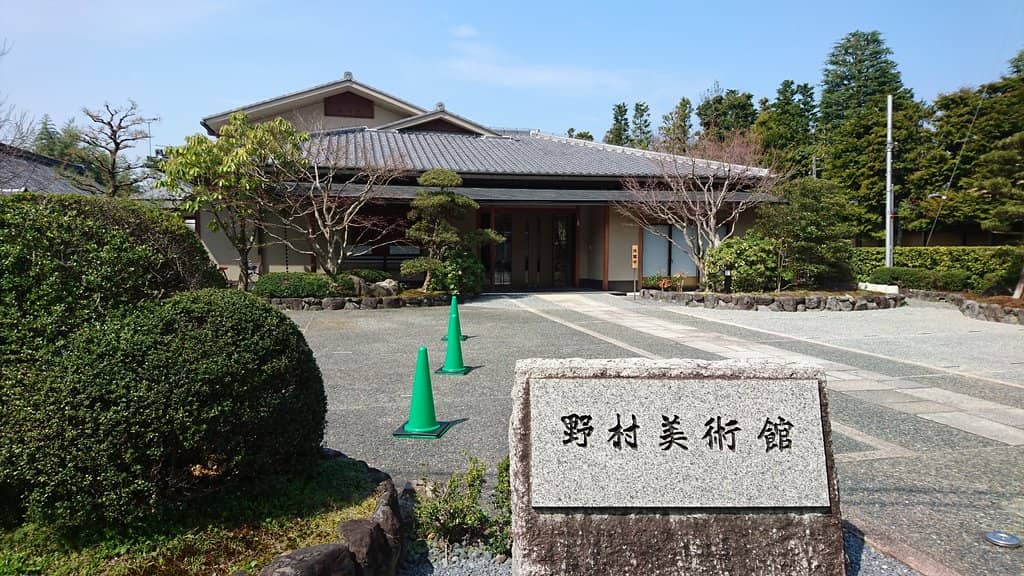
Villa Hekiunso's Architectural Beauty
Museum Grounds
Explore the stunning underground architecture designed to preserve the beauty of the surrounding Higashiyama area.
Plans like a pro.
Thinks like you
Planning Your Visit
Timing is Key for a Serene Visit
Embrace the Tea Ceremony Experience
Best Times
Insider Tips
from TikTok, Instagram & Reddit
🍵 Book the Tea Ceremony
Highly recommended! Enjoy a peaceful tea experience with wagashi, even with limited Japanese.
✨ Check Seasonal Exhibitions
The museum hosts special exhibits, like Mika Ninagawa's work, which are very popular. 
🚶♀️ Explore the Grounds
The underground architecture and surrounding villa grounds offer a unique, serene experience.
🗣️ Limited Japanese Okay
Staff are friendly and accommodating, making communication possible even with basic Japanese.
Tips
from all over the internet
🍵 Book the Tea Ceremony
Highly recommended! Enjoy a peaceful tea experience with wagashi, even with limited Japanese.
✨ Check Seasonal Exhibitions
The museum hosts special exhibits, like Mika Ninagawa's work, which are very popular.
🚶♀️ Explore the Grounds
The underground architecture and surrounding villa grounds offer a unique, serene experience.
🗣️ Limited Japanese Okay
Staff are friendly and accommodating, making communication possible even with basic Japanese.
What Travellers Say
Reviews Summary
Visitors praise the Nomura Art Museum for its exquisite collection of tea ceremony implements and Noh costumes, as well as its unique underground architecture. The tea ceremony experience is frequently highlighted as a serene and enjoyable highlight, with friendly staff making it accessible even for non-Japanese speakers. Some note its small size, making it a perfect, focused visit.
"A small museum, I came for the Tea implements, and they have some beauties. I was surprised to see beautiful Noh costumes and calligraphy as well. I paid for the Tea experience. You are served seated bench. So if seiza is uncomfortable for you, do not worry. The staff were friendly and from the Enso school. I speak limited Japanese but am familiar Chadou, so we communicated a little and they even brought out a book with pictures of their collection. When I showed interest in an oribe clog shaped piece they brought it out to show me. I was also served a tasty wagashi. Wonderful visit."
Daniel Safer
"SOFT and NOBLE, 優美
It was surprising that Fumihide and Harukata Nomura, at the end 70s, the
museum in the earth to build, in order to avoid any obstacle on beauty of surrounding Higashiyama East Mountain, the Nanzenji 南禅寺 Area.
It is remarkable, because the new building of the outstanding
Rietberg Museum has been built a decades later under ground on the Rietberg, Zürich.
The Underground space add Stillness to the observer.
Instead of dominant Tea ceremony schools in Kyoto under Sen Style, Senke Style 千家 introduced by Tanaka 田中、Nomura preferred to
Yabunouchi 藪の内 which was founded by the famous
Ceramic Artist Oribe 織部。
Unlike very strict formality of Sen 千, I found Yabu no chi school, very smooth, fluent like water flowes.
Mr.Tokushichi Nomura, the grand father of those Nomura
brothers and sister, he, as founder of Nomura Imperium, not only money
but his taste was of the finest art is the highest level, So that he has built Villa Hekiunso 碧雲荘, with several Tea Cottages including Yuushiki 又織、 and even to taste Ous お薄 in the House boat 屋形船 on the Pond.
Tokushichi Nomura has also built his own Noh 能 Theatre in his Hekiunso Villa, as he performed himself Benkei 弁慶 in the Kanjinchou.
勧進帳。
One never can enough underline, how large their contribution to defend
Japanse Culture, when the Westerization after the great war, was
overwhelming.
appendix:
Every year, at the end of January,, I have visited Salzburg, because of
Mozart Festival. I was very surprised to watch the Ceremony at
Jacob Church,. The Priest proceed with smelling of wood. 脂 やに of
Desert in Jemen. Then the Priest bring Silver Wine Cup in snow white cloth. He wipes the Wine cup with white cloth so politely. In this moment I had to remember of Fukusa Sabaki 袱紗 捌き in the
Tea Ceremony. Nabu no Uschi 藪の内 Tea Manner do not force
to hard on Formality but more fluent natural way of Tea Tasting.
Young man born in the family of Fish dealer, had he not notice the
Ceremony of Portuguese in the Harbour of Settsu 摂津 ?
And Title Sen 千 one Thousand, from the name of his
grand father Tanaka Sen Ami 田中 千阿弥 ?
Michihiko Inoue , born in Kyoto 1933 live in Germany. ( 89 years old )
May I add a bit more ? May be late Mr.Fumihide ( Nomura ) want that I add a bit more knowledge.
I would like to add 23 more Fotos, of Villa Hekiunso 碧雲荘 as it is the
foundation before the Museum.
Foto with a sitting woman is in the House boat 屋形舟 on the Pond.
Here will be served with Tea. After Tea, she would be served with a lunch
box on the red cloth seated bench. The Lunch box is being served from
the restaurant Hyotei 瓢亭 with specially light but very selected lunch after Tea Ceremony called Kaiseki 懐石料理。
Another thing I should add is the not well known small gate called
Furomon 不老門 the gate where one does not get old.
Mr. Fumihide ( Nomura ) and I had both birthday in April and only
difference of 3 days. So We have never forgot our birthday over 50
years of friendship. One day, he suggested to follow him to he west but far from the Main Gate. It was rather very smallest gate of Hekiunso villa.
As he opened the small wooden door, then I saw a marvellous tunnel of
Sherry blossoms . I went through this Tunnel of Cherry blossoms, which
I never would forget all my life.
Also what I never forget is the Tea on the House Boat which late grand
mother ordered to Tea Mistress RENJi-san れんじ 。
After the Tea, I openned the small sliding paper windows.
I though clean water from Shirakawa 白川 white from Higashiyama
mountain. Eastern Mountains. There white clouds are moving on
on the clear blue water.
Visiting Alhambra Palace in Granada, I was convinced, that we do have
Villas in Kyoto, which are not minor.
If you consider Katsura imperial Palace is the best as Bruno Taut
" Wieder Entdeckung von japanischen Schönheit " 日本美の 再発見consider, then I would say, consider seriously, as Hekiunso has
more Tea Cottages, and one the House Boat Yakata Bune 屋形舟 for Tea, and Noh Theatre. 能舞台。 Who has it ?"
Michihiko Inoue
"Small private collection of implements used in Japanese tea ceremony. Includes nearly a dozen rare artifacts from Southern Song dynasty (13th century) China."
Charlie C
What People Like
What People Dislike
Frequently Asked Questions
🚇 🗺️ Getting There
The Nomura Art Museum is located in the Higashiyama area of Kyoto. It's accessible by public transport, with bus stops nearby. Consider using a navigation app for the most direct route from your accommodation.
Information on specific parking availability can be limited. It's generally recommended to use public transportation in Kyoto to avoid parking hassles.
From Kyoto Station, you can take a bus towards the Higashiyama area. Check local bus routes and schedules for the most convenient option.
Depending on your starting point, walking might be an option, especially if you are exploring the Higashiyama district. However, distances can be significant.
While there isn't a direct train station at the museum's doorstep, several stations are within a reasonable distance, requiring a short bus or taxi ride.
🎫 🎫 Tickets & Entry
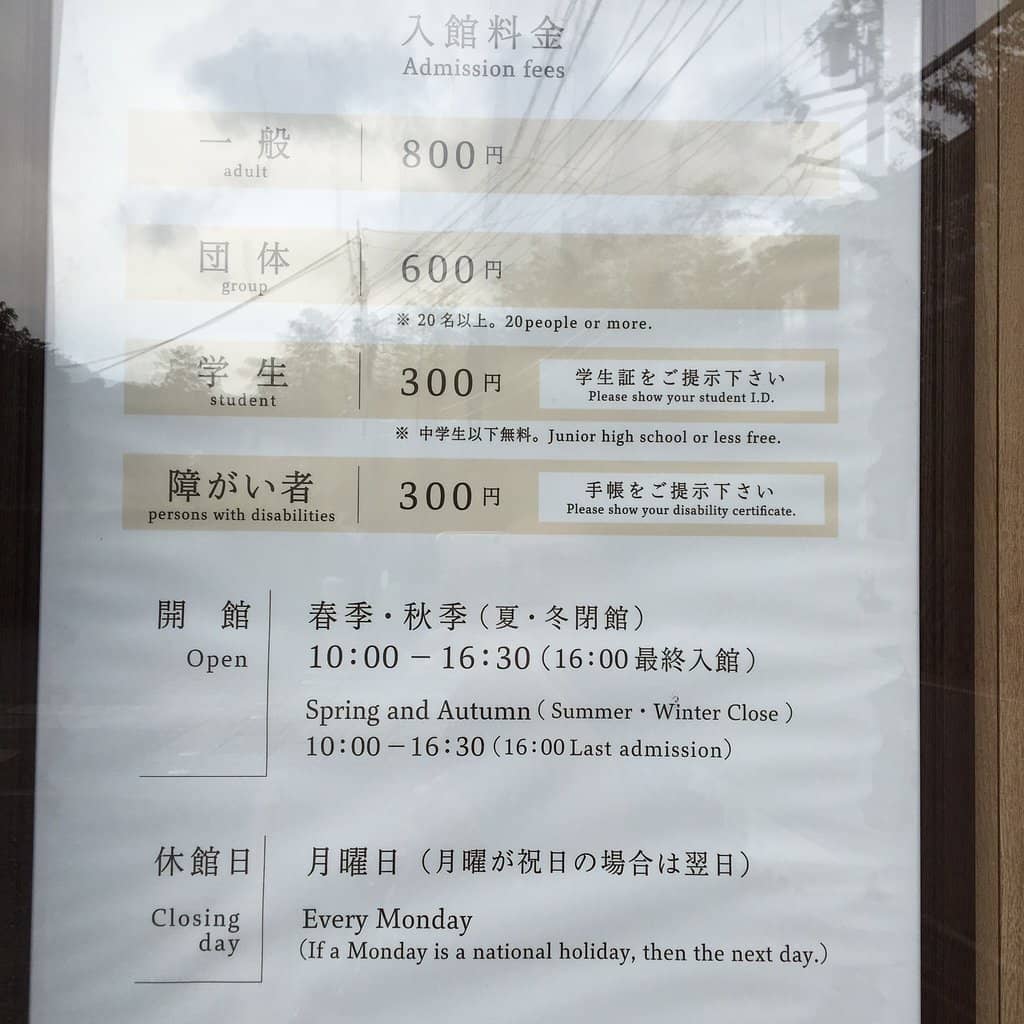
Admission fees can vary, especially for special exhibitions. It's advisable to check the official museum website or recent visitor information for current pricing.
For general admission, booking in advance might not be strictly necessary, but it's recommended, especially during peak seasons or for popular exhibitions. For the tea ceremony, advance booking is highly advised.
Museum hours can change seasonally or for special events. Always verify the current opening and closing times on their official website before your visit.
Information on discounts for students, seniors, or groups is usually available on the museum's official website. It's worth checking for any available offers.
Typically, tickets can be purchased at the museum's entrance. However, for special exhibitions or the tea ceremony, pre-booking is often the best approach.
🎫 🏛️ Onsite Experience
The museum is renowned for its collection of tea ceremony implements, Noh costumes, calligraphy, and its unique underground architecture.
While the museum focuses on traditional arts, the serene atmosphere and unique exhibits might appeal to older children interested in Japanese culture. The tea ceremony could also be an engaging experience.
As a small museum, a visit can typically be completed in 1-2 hours, depending on your interest level and whether you participate in the tea ceremony.
Information on guided tours is not widely publicized. However, the staff are known to be helpful and may offer insights if approached.
The museum features a remarkable underground architectural design, intended to blend harmoniously with the surrounding Higashiyama landscape.
🍽️ ☕ Food & Dining
The museum itself offers a delightful tea ceremony experience where wagashi (Japanese sweets) are served. For full meals, you'll find numerous restaurants in the surrounding Higashiyama district.
During the tea ceremony, you can expect to be served a tasty wagashi, a traditional Japanese confectionary.
It's generally not permitted to consume outside food within museum exhibition spaces. Please check the museum's specific policies.
Kyoto has a growing number of restaurants offering vegetarian and vegan options. Exploring the Higashiyama area will likely provide diverse culinary choices.
While the museum focuses on tea ceremony and art, the historical Villa Hekiunso was known to serve Kaiseki meals, often associated with tea ceremonies. However, this is not a standard offering at the museum itself.
📸 📸 Photography
Photography policies can vary. It's essential to look for signage within the museum or ask staff. Often, photography is allowed in certain areas but not in others, especially for special exhibitions.
Generally, photography during the tea ceremony itself is discouraged to maintain the serene atmosphere. However, you might be able to take photos of the tea implements or the setting before or after.
The unique underground architecture and the serene tea room are often highlighted. The exterior grounds of Villa Hekiunso also offer picturesque views.
Flash photography is almost always prohibited in art museums to protect the artworks from damage. Always adhere to the museum's guidelines.
Drone usage is typically restricted in urban areas and around cultural sites. It's best to avoid flying drones near the museum.
Social
from TikTok, Instagram & Reddit