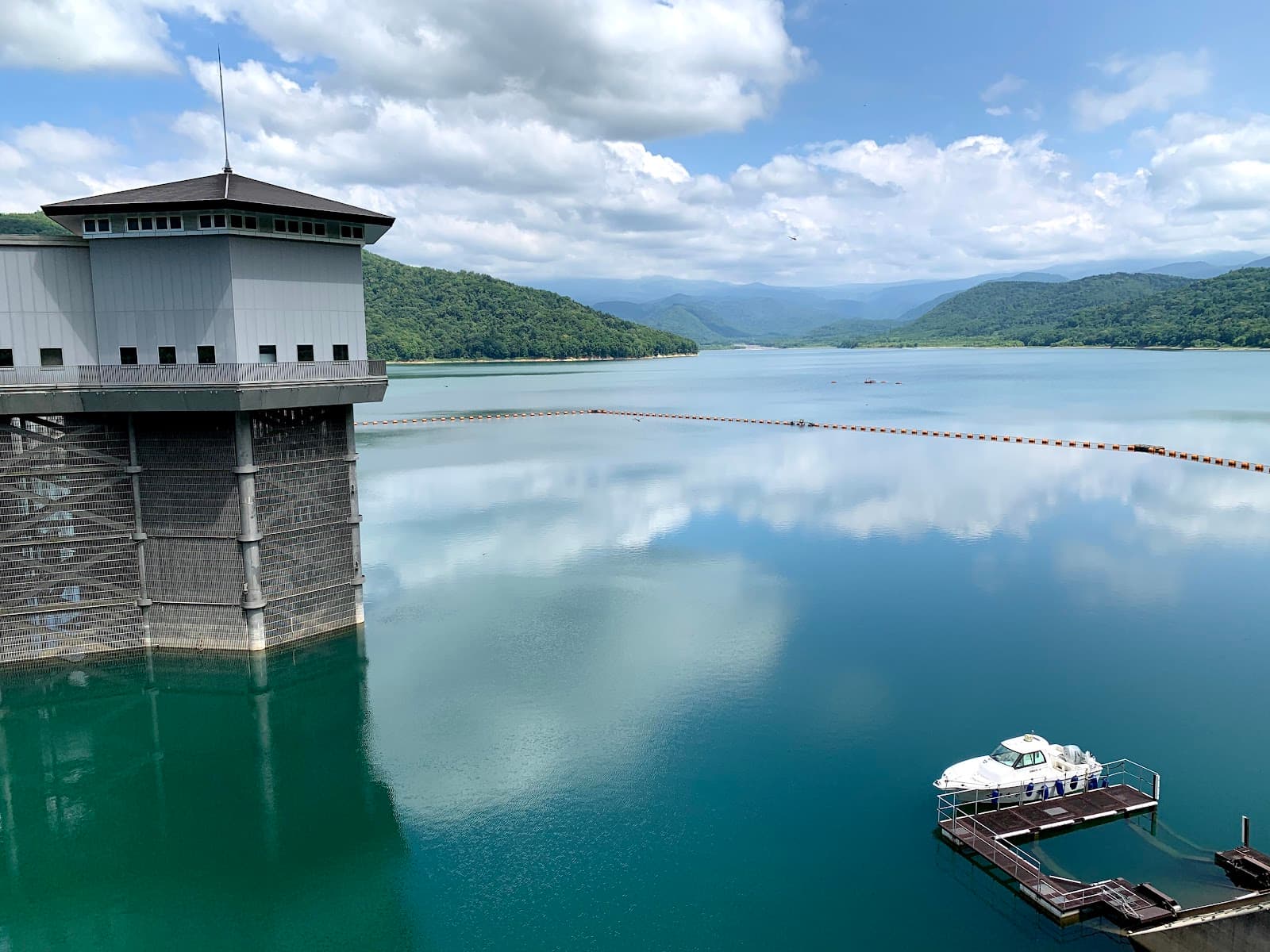
Lake Chubetsu Hokkaido
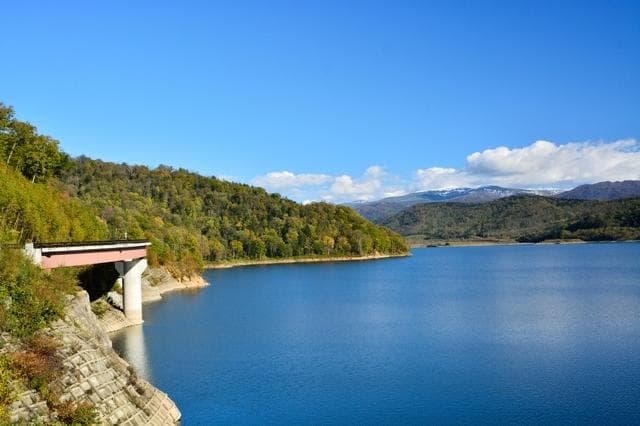
An artificial lake created by the Chubetsuko Dam, offering a unique ecosystem for diverse wildlife and stunning scenic views.
Highlights
Must-see attractions

Social
From TikTok & Reddit
Best Time
Migratory birds arrive
Lake Chubetsu Hokkaido
Best Time
Migratory birds arrive
Highlights
Must-see attractions
An artificial lake created by the Chubetsuko Dam, offering a unique ecosystem for diverse wildlife and stunning scenic views.
"A spectacular natural site where dam engineering meets a thriving ecosystem."

📸 Bridge Views
Get the best lake views from Chubetsu Bridge, but watch out for traffic! :camerawithflash:
🦊 Wildlife Caution
Observe foxes from afar, never feed them. They can carry diseases and lose their wild instincts. :seenoevil:

Highlights
Discover the most iconic attractions and experiences
Chubetsuko Dam
An impressive feat of engineering, this dam creates a stunning artificial lake with a unique ecosystem.
Lake Chubetsu Vista
Chubetsu Bridge
Enjoy breathtaking views of the serene lake from the nearby Chubetsu Bridge. A perfect spot for quiet contemplation.

Wildlife Encounters
Waterside Park
Keep an eye out for local wildlife, including migratory birds and foxes. Remember to observe from a distance and never feed them.
Plans like a pro.
Thinks like you
Planning Your Visit
Dam Lake's Dual Nature
River Confluence Curiosity
Best Times
Insider Tips
from TikTok, Instagram & Reddit
📸 Bridge Views
Get the best lake views from Chubetsu Bridge, but watch out for traffic! :camerawithflash:
🦊 Wildlife Caution
Observe foxes from afar, never feed them. They can carry diseases and lose their wild instincts. :seenoevil:
🏞️ Dam Museum
Check out the dam's museum for insights into its construction and the local environment. :museum:
Tips
from all over the internet
📸 Bridge Views
Get the best lake views from Chubetsu Bridge, but watch out for traffic! :camerawithflash:
🦊 Wildlife Caution
Observe foxes from afar, never feed them. They can carry diseases and lose their wild instincts. :seenoevil:
🏞️ Dam Museum
Check out the dam's museum for insights into its construction and the local environment. :museum:
What Travellers Say
Reviews Summary
Visitors appreciate the serene beauty of Lake Chubetsu and the impressive Chubetsuko Dam. The opportunity to observe wildlife, like migratory birds and foxes, adds to the natural appeal. However, some note the potential for wildlife dependency due to feeding and advise caution.
"Chubetsuko Dam was built on the Chubetsu River, a tributary of the Ishikari River. Lake Chubetsuko is an artificial lake created by the dam. It's located right on the border between Higashikawa Town and Biei Town. Is the water primarily used to irrigate Higashikawa Town's rice fields? It's a fairly large dam lake and a truly spectacular natural site.
While the destruction of nature caused by dam construction has long been talked about, and there are certainly negative aspects to this, it's also true that the slower flow attracts many creatures that don't live in rapids. Many fish and waterfowl live here, and with migratory birds arriving in early spring, it's now a natural treasure trove. Lake Chubetsuko and the Chubetsuko River are essential places to visit when discussing the natural environment of the Ishikari River system.
As mentioned above, the Chubetsuko River is a tributary of the Ishikari River, but its relationship with the Biei River, another tributary of the Ishikari River, is a bit strange. The Chubetu River and Biei River merge to form a single river, which then merges with the Ishikari River. So does that mean the Chubetu River is a tributary of the Biei River? Or is the Biei River a tributary of the Chubetu River? Wikipedia lists the Biei River as a tributary of the Chubetu River, but the Biei River is actually longer. However, I've also heard that length doesn't particularly matter when it comes to the relationship between a main stream and a tributary. It seems that under current definitions, both the Chubetu River and the Biei River are generally classified as tributaries of the Ishikari River.
Lake Chubetu, which you can see when you go to Tenjinkyo. I sometimes like to just stare at it."
インドリコテリウム
"On the way back from spring skiing at Mt. Asahidake, we encountered a wild fox near the waterside park.
It seems that the fox comes out onto the road in search of food given to it by tourists, and unfortunately it no longer hunts in the wild, which weakens its body and shortens its lifespan.
As it is prone to echinococcus infection, it is best to never touch or feed it, but just watch over it."
ZAGATO TAKIZAWA
"You can't see much from the parking lot because it's covered in trees, but you can see it beautifully from the nearby Chubetsu Bridge!
Please be careful of cars on the bridge."
ようこちゃん
What People Like
What People Dislike
Frequently Asked Questions
🚇 🗺️ Getting There
Lake Chubetsu is located on the border of Higashikawa and Biei towns. Access is typically by car, as public transport options are limited. Renting a car in nearby cities like Asahikawa or Furano is recommended for flexibility. The drive offers scenic views of the Hokkaido countryside.
Yes, there are parking areas available, particularly near the Chubetsuko Dam and waterside parks. These lots can fill up during peak seasons, so arriving earlier is advisable.
Absolutely! Lake Chubetsu makes for a wonderful day trip from both Furano and Biei. The drive is scenic and relatively short, allowing ample time to explore the dam, lake, and surrounding areas.
🎫 🎫 Tickets & Entry
Lake Chubetsu itself and the surrounding natural areas are generally free to access. There are no admission fees for viewing the lake or dam from public areas. Some facilities within the dam complex might have separate charges, but this is uncommon.
Lake Chubetsu is an outdoor natural attraction and is accessible year-round, 24 hours a day. However, visitor facilities like information centers or museums may have specific operating hours, typically during daylight hours.
No, advance booking is not required for visiting Lake Chubetsu. It's a natural attraction, and you can visit spontaneously. If you plan to visit any specific facilities within the dam area, it's worth checking their individual hours.
🎫 🏞️ Onsite Experience
Visitors can admire the impressive Chubetsuko Dam, enjoy the scenic views of the artificial lake, and explore the surrounding natural environment. It's a great spot for photography, birdwatching, and enjoying the tranquility of nature. The Chubetsu Bridge offers excellent vantage points.
While there aren't extensive marked hiking trails directly around the dam, the area offers opportunities for walking and exploring the lakeside. The terrain can be uneven, so sturdy footwear is recommended. The waterside park provides pleasant walking paths.
Fishing regulations can vary, and it's best to check local guidelines before attempting to fish. The lake is known to support various fish species due to its ecosystem. Always ensure you have the necessary permits if required.
The lake is a haven for diverse wildlife, including many fish and waterfowl. Migratory birds are common, especially in spring. Visitors have also reported sightings of wild foxes near the waterside park, though it's crucial not to feed them.
Yes, Lake Chubetsu can be a pleasant destination for families. The open spaces and natural beauty offer a relaxing environment. Children might enjoy spotting birds and observing the dam's scale. Ensure supervision, especially near water and on bridges.
📸 📸 Photography
The Chubetsu Bridge offers panoramic views of the lake and dam, making it a prime photography location. The dam itself provides dramatic architectural shots. The surrounding natural landscape, especially during spring and autumn, also offers beautiful photographic opportunities.
Early morning and late afternoon often provide the best light for photography, with softer shadows and warmer tones. Sunrise and sunset can create stunning reflections on the water. Midday sun can be harsh, but can still be used for dramatic shots of the dam.
Drone usage regulations can be strict in Japan, especially near dams and natural reserves. It's essential to check the latest regulations from the dam authority or local government before flying a drone. Unauthorized drone use can lead to penalties.
For Different Travelers
Tailored advice for your travel style
👨👩👧 Families with Kids
📸 Photographers
🚗 Road Trippers
Deep Dives
In-depth insights and expert knowledge
The Chubetsuko Dam: Engineering Meets Ecology
This slower-moving water body has become a sanctuary for many creatures that wouldn't thrive in faster rapids. It attracts a variety of fish and waterfowl, and in early spring, it becomes a vital stopover for migratory birds. This transformation has turned Lake Chubetsu into a significant natural treasure within the Ishikari River system, showcasing how human infrastructure can, in some ways, coexist with and even support biodiversity.
Visitors can learn more about the dam's engineering and its environmental impact at the small museum often associated with such structures. The dam's imposing presence is a testament to human ingenuity, while the life it now sustains highlights the resilience of nature. It’s a fascinating juxtaposition to observe firsthand.
Navigating the River Confluence
This confluence leads to questions about which river is considered the main stream and which is the tributary. While Wikipedia lists the Biei River as a tributary of the Chubetsu River, the Biei is actually longer. Traditionally, length isn't always the sole determinant of a tributary relationship; other factors can be considered. Ultimately, under current geographical definitions, both the Chubetsu River and the Biei River are generally classified as tributaries of the Ishikari River.
Understanding this unique river system adds another layer of appreciation when visiting Lake Chubetsu. It’s a reminder of the complex and interconnected natural processes that shape the landscape of Hokkaido.
Wildlife Watching: A Delicate Balance
A particularly notable sighting is that of wild foxes. These encounters, often occurring near the waterside park, have led to concerns among locals and visitors. It's been observed that some foxes have become accustomed to receiving food from tourists, which can lead to a decline in their natural hunting instincts. This dependency can weaken them and shorten their lifespan, making them more vulnerable.
It is crucial for visitors to remember the importance of never feeding the wildlife. Foxes, like all wild animals, are susceptible to echinococcus infection. The safest and most responsible approach is to admire them from a distance, taking photos without disturbing their natural behavior. This ensures their well-being and preserves the delicate balance of the local ecosystem.


Social
from TikTok, Instagram & Reddit