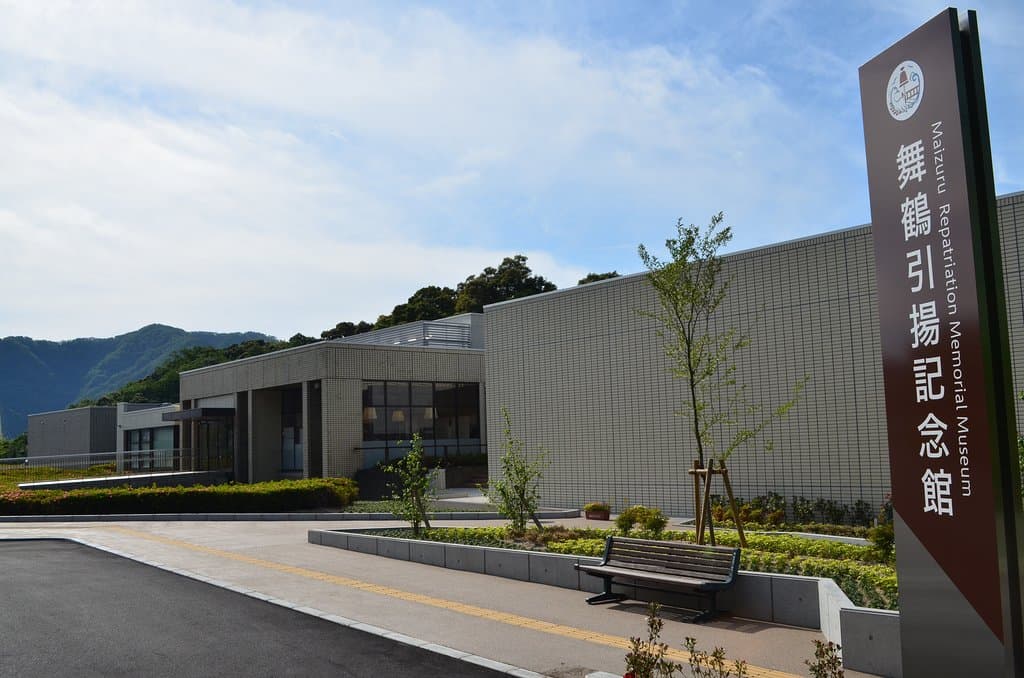
JMSDF Maizuru Museum
Explore the poignant stories of Japanese soldiers repatriated from Siberian labor camps after WWII through preserved letters and uniforms.
Highlights
Must-see attractions

Social
From TikTok & Reddit
Best Time
Fewer crowds for a reflective visit
JMSDF Maizuru Museum
Best Time
Fewer crowds for a reflective visit
Highlights
Must-see attractions
Explore the poignant stories of Japanese soldiers repatriated from Siberian labor camps after WWII through preserved letters and uniforms.
"Offers a specific, compelling look at repatriation, though some find the historical narrative incomplete."
🚗 Taxi or Car Recommended
The museum is far from the town center. A taxi or car is the most convenient way to get there.
🌐 Use Google Translate
Limited English explanations. Free WiFi is available, so use your phone's translation app.
Quick Facts
Hours
Rating
4.2 · 1,554 reviews
Type
Museum
Highlights
Discover the most iconic attractions and experiences
Siberian Labor Camp Exhibits
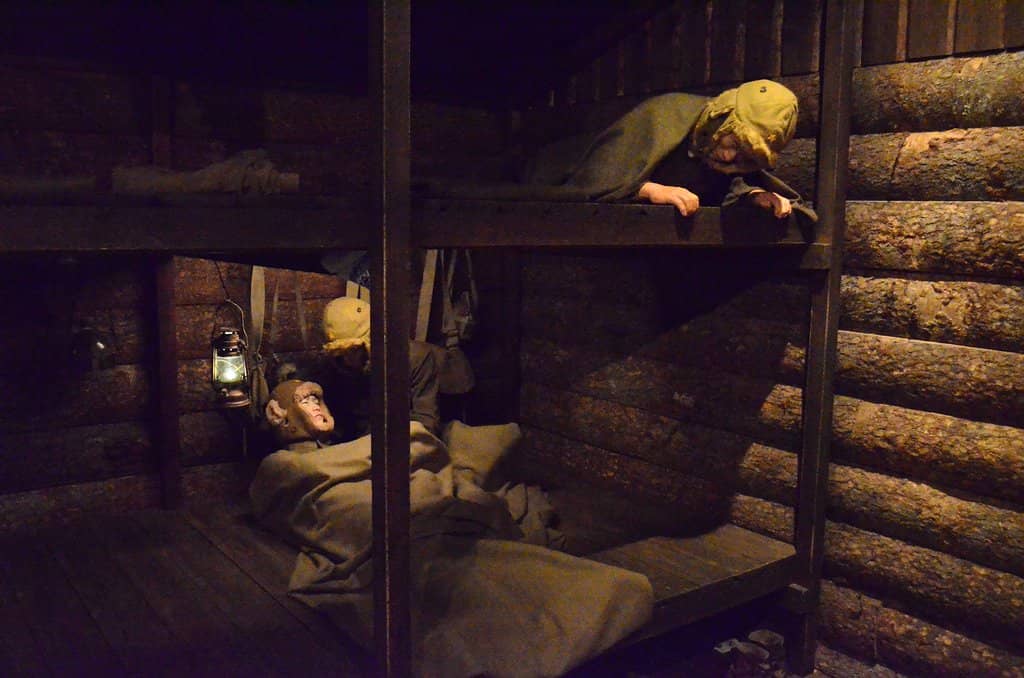
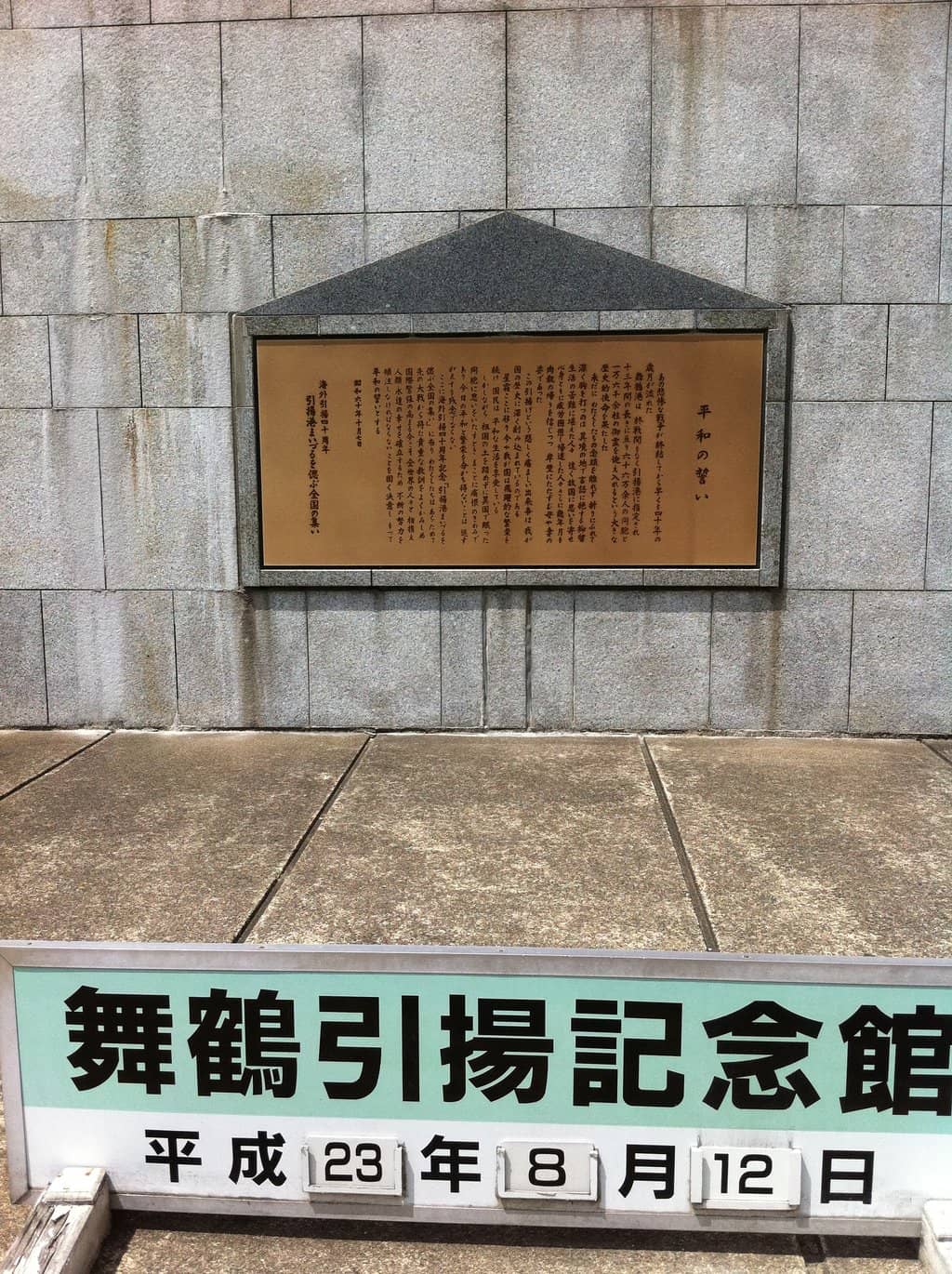
See real, preserved artifacts detailing the harsh realities faced by Japanese soldiers in Soviet labor camps.
Repatriation Stories
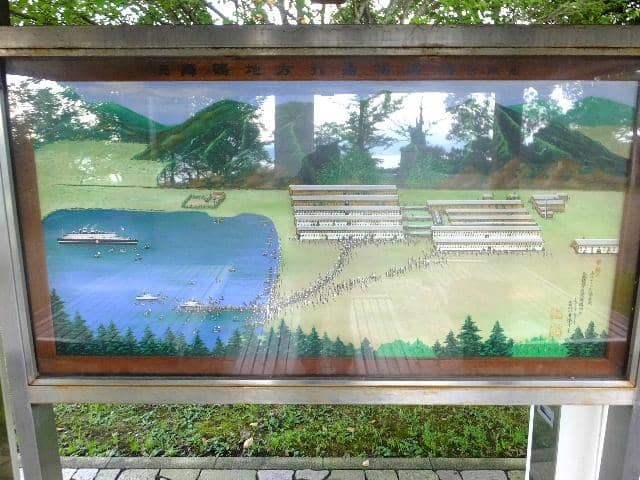
Understand the compelling narratives of Japanese soldiers and civilians returning home after WWII.
Uniforms and Letters
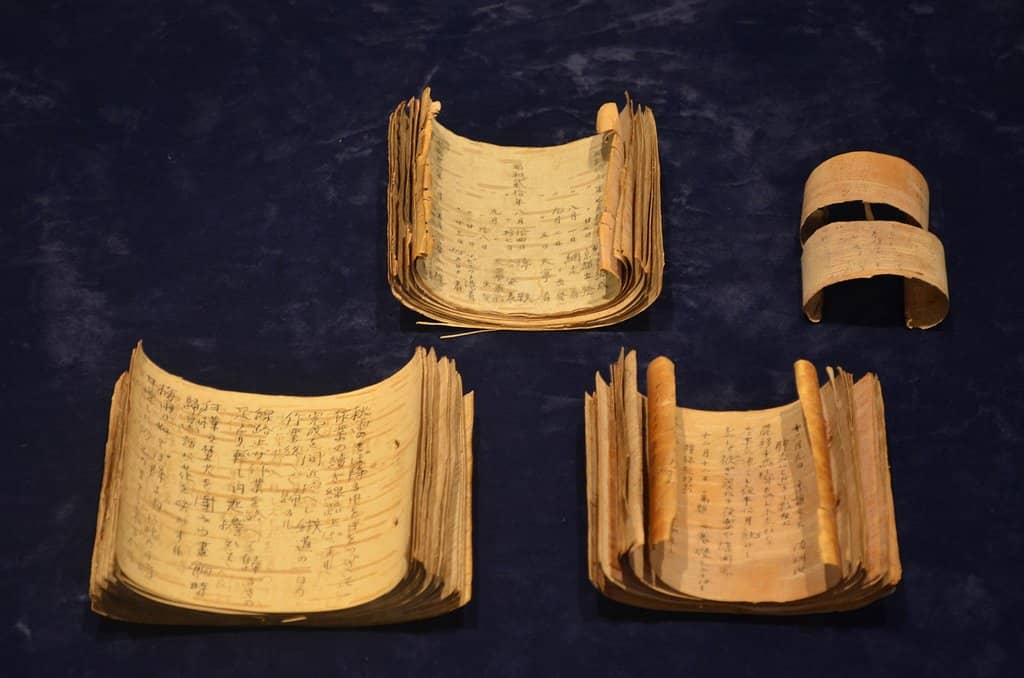
View authentic uniforms and personal letters that offer a glimpse into the lives of returning soldiers.
Plans like a pro.
Thinks like you
Planning Your Visit
Getting There: Plan Your Journey
Understanding the Exhibits
Best Times
Insider Tips
from TikTok, Instagram & Reddit
🚗 Taxi or Car Recommended
The museum is far from the town center. A taxi or car is the most convenient way to get there.
🌐 Use Google Translate
Limited English explanations. Free WiFi is available, so use your phone's translation app.
🤔 Consider the Perspective
The museum focuses on repatriation. Be aware it may not offer a complete historical account of WWII.
🕊️ Visit for Global Peace
Reflect on the human cost of conflict and the importance of peace.
Tips
from all over the internet
🚗 Taxi or Car Recommended
The museum is far from the town center. A taxi or car is the most convenient way to get there.
🌐 Use Google Translate
Limited English explanations. Free WiFi is available, so use your phone's translation app.
🤔 Consider the Perspective
The museum focuses on repatriation. Be aware it may not offer a complete historical account of WWII.
🕊️ Visit for Global Peace
Reflect on the human cost of conflict and the importance of peace.
What Travellers Say
Reviews Summary
Visitors find the JMSDF Maizuru Museum offers a compelling look at the repatriation of Japanese soldiers from Siberian labor camps, with well-preserved exhibits detailing harsh conditions. However, many note the museum's narrative is one-sided, focusing solely on the repatriation experience without addressing Japanese wartime actions or accountability, leading to a less complete historical understanding.
"Balanced explanation of Japanese soldier and civilians repatriated from the colonies and occupied states after the war and the life under Soviets labour camps, with real and well-preserved exhibits that might not be leant from the history textbooks.
Quite far from the town centre so better travel to this museum by car or taxi."
Wai Yat Lo
"This museum tells you about the repatriation of the Japanese who were sent to Russia during WWII. It gives you an insight about their point of view in limited English. The museum tells about the terrible and harsh circumstances the Japanese has to endure in -30 °C in Siberia, for example. But there's absolutely no word about the cruelty and numerous war crimes of the Japanese themselves during WWII. There's no accountability of their roles of the extreme and terrible things they did to human kind that actually explains why they were sent off.
So, because this museum lacks explaining about the Japanese part and the war crimes they have committed, this museum doesn't give you an honest, truthful and complete history lesson.
There's free WiFi, so you can use your Google translate by the way."
Wicked Sheila
"you should visit here for global peace."
Kiyoshi Swaine Fukushima Oliveira Pereira
What People Like
What People Dislike
Frequently Asked Questions
🚇 🗺️ Getting There
The museum is located a significant distance from Maizuru's town center. Many visitors recommend traveling by car or taxi for the most convenient access. Public transport options exist but can be time-consuming.
Information regarding specific parking availability is not widely detailed, but traveling by car is suggested for ease of access. It's advisable to check with the museum directly or local resources if you plan to drive.
Maizuru is accessible by train from major cities like Kyoto and Osaka. Once in Maizuru, you will need to arrange local transport to the museum itself.
🎫 🎫 Tickets & Entry
Admission details are not explicitly stated in available reviews, but the focus on historical exhibits suggests it may be free or have a nominal fee. It's recommended to verify current admission policies before your visit.
Specific opening hours are not consistently mentioned in reviews. It's best to check the official JMSDF Maizuru Museum website or contact them directly for the most up-to-date information on operating hours.
There is no indication that advance booking is required. Given the nature of the exhibits, it's likely a walk-in facility, but confirming this is always a good idea.
Accessibility information is not detailed in user reviews. Visitors with specific needs should inquire directly with the museum regarding ramps, elevators, and other facilities.
🎫 🧭 Onsite Experience
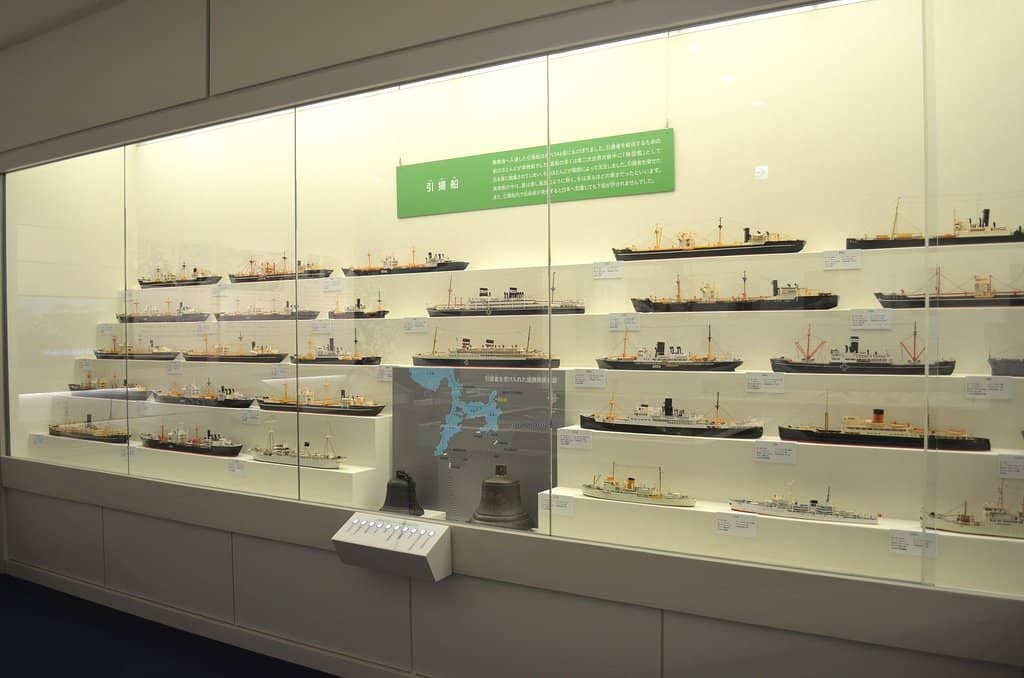
The museum features letters, uniforms, and other artifacts related to Japanese soldiers and civilians repatriated from Siberian labor camps after WWII. It offers a perspective on their experiences.
Explanations are primarily in Japanese. However, free WiFi is provided, allowing visitors to use translation apps like Google Translate to understand the exhibits.
The museum focuses on the repatriation of Japanese individuals from Soviet labor camps following World War II, detailing the harsh conditions they endured.
Reviews indicate that the museum does not extensively cover or acknowledge Japanese war crimes committed during WWII, focusing instead on the repatriation experience.
While the exhibits are described as compelling and offering insight, some visitors note a lack of balance and accountability regarding Japan's role in the war.
📸 📸 Photography
Photography policies are not explicitly mentioned in reviews. It's common for museums to restrict photography of certain artifacts, so it's best to look for signage or ask staff upon arrival.
Social
from TikTok, Instagram & Reddit