Mashiko Pottery Town
A charming Japanese town dedicated to pottery, featuring countless studios, traditional kilns, and a renowned museum.
Highlights
Must-see attractions

Social
From TikTok & Reddit
Best Time
Fewer crowds, vibrant atmosphere
Mashiko Pottery Town
Best Time
Fewer crowds, vibrant atmosphere
Highlights
Must-see attractions
A charming Japanese town dedicated to pottery, featuring countless studios, traditional kilns, and a renowned museum.
"Mashiko is a Japanese Mecca of pottery and is well worth the visit to anyone who loves pottery."
🎯 Book Workshops in Advance
Many studios offer English-friendly pottery workshops. Book ahead, especially for popular spots like Fuwari or Kim Pottery . 🎟️
🚗 Consider Car Rental
While doable by train, a car offers more flexibility to explore studios and the scenic countryside . 🚗
Quick Facts
Hours
Rating
4.1 · 319 reviews
Type
Museum
Highlights
Discover the most iconic attractions and experiences
Jyonaizaka Street
Main street of Mashiko
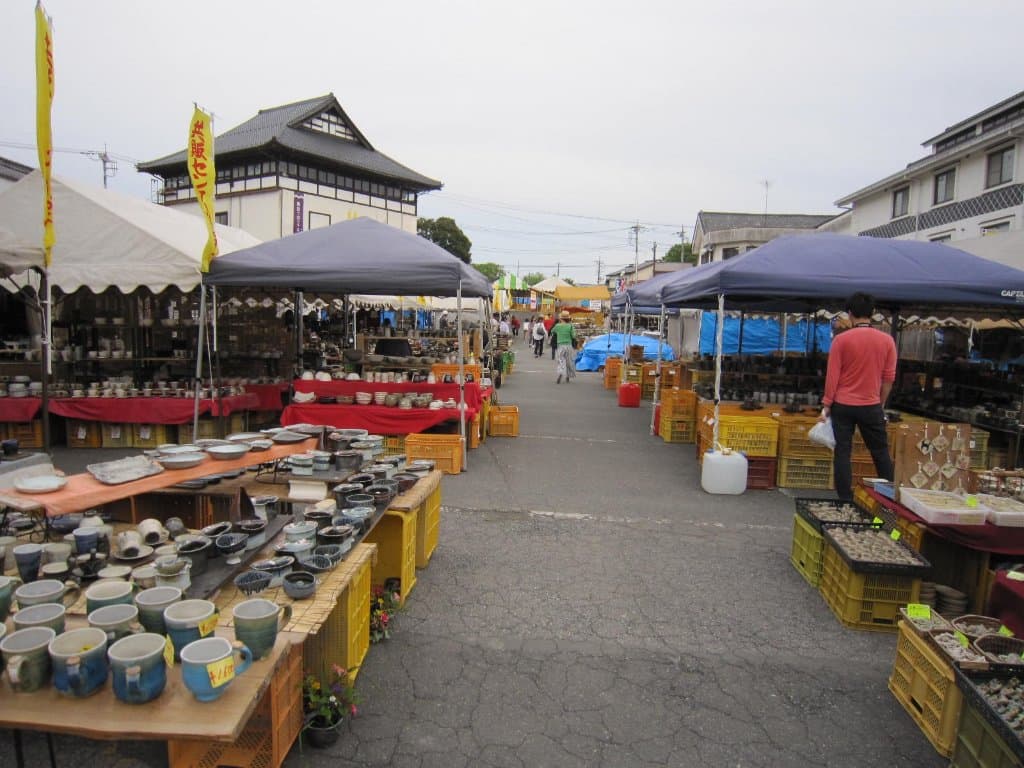
Wander this charming street lined with numerous pottery shops and studios, showcasing diverse Mashiko-yaki styles.
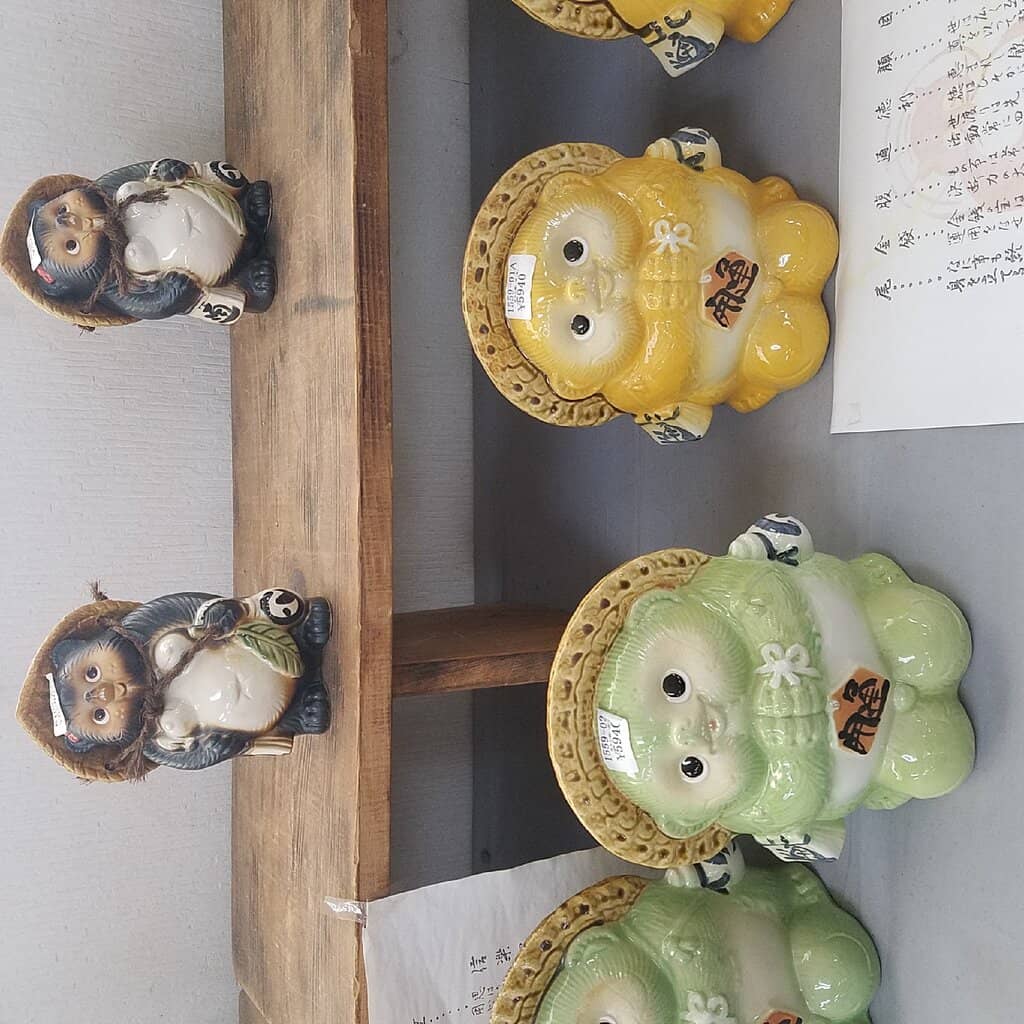
Mashiko Pottery Fair
Across Mashiko town
Experience the vibrant twice-yearly fair with hundreds of vendors offering deep discounts on unique ceramics .

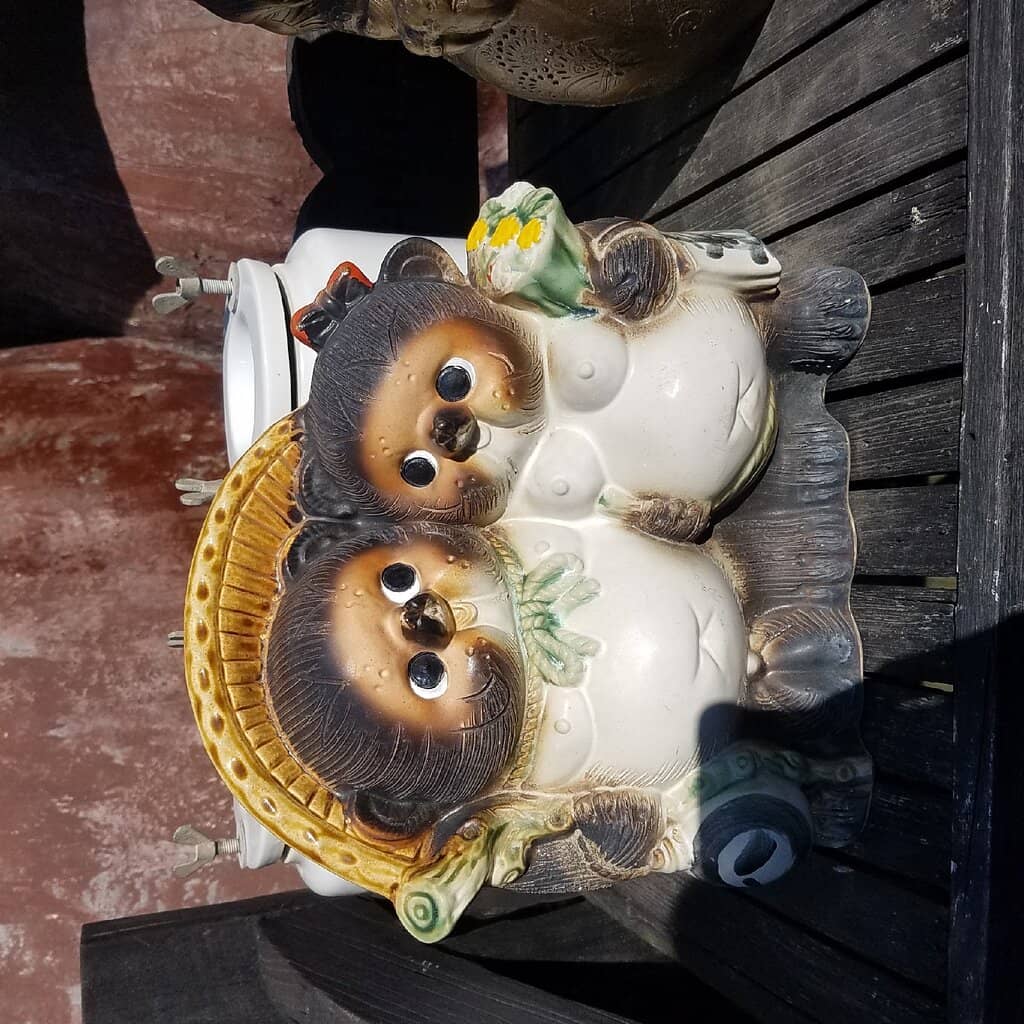
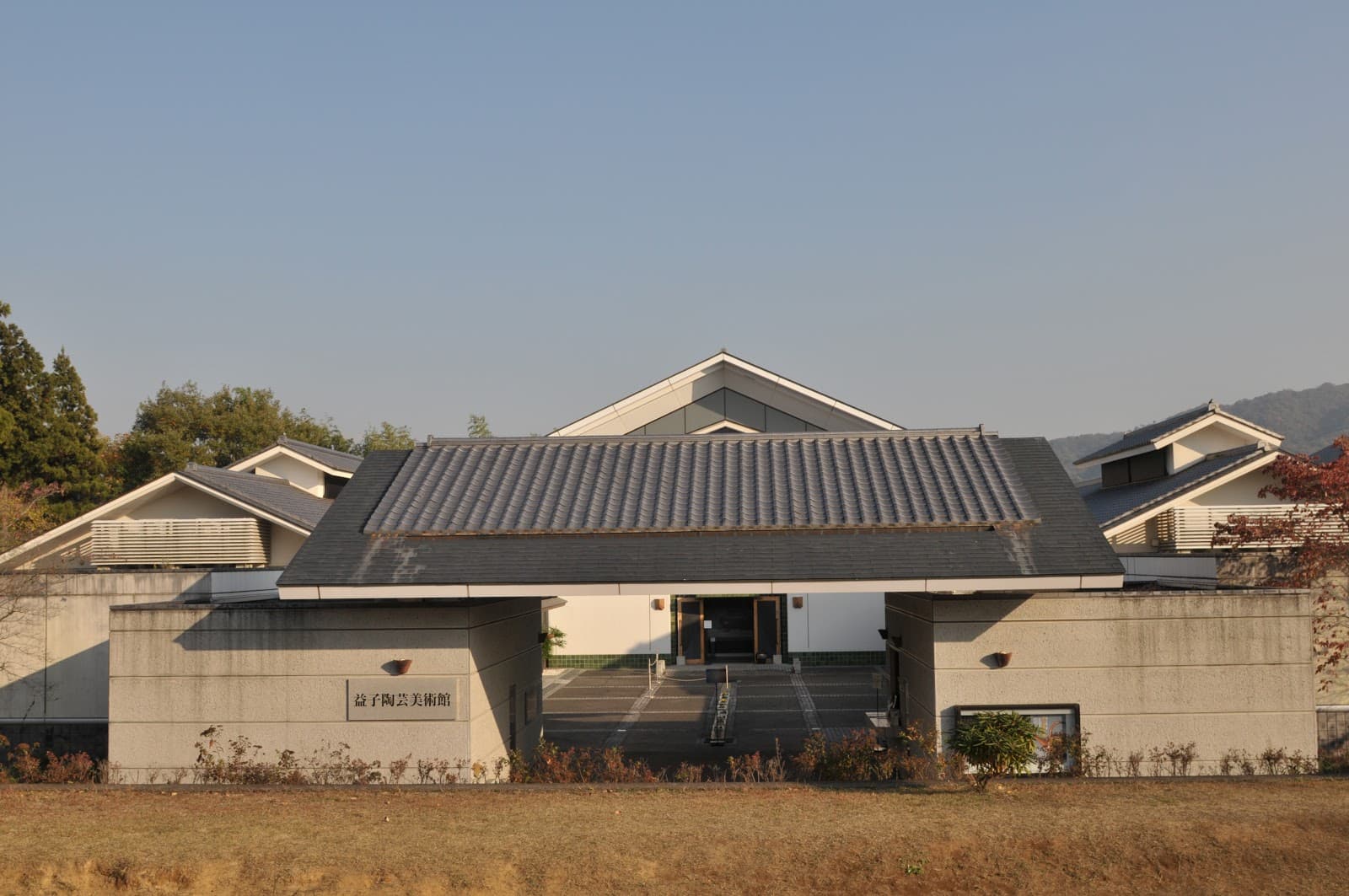
Mashiko Museum of Ceramic Art
Near Shoji Hamada's former residence
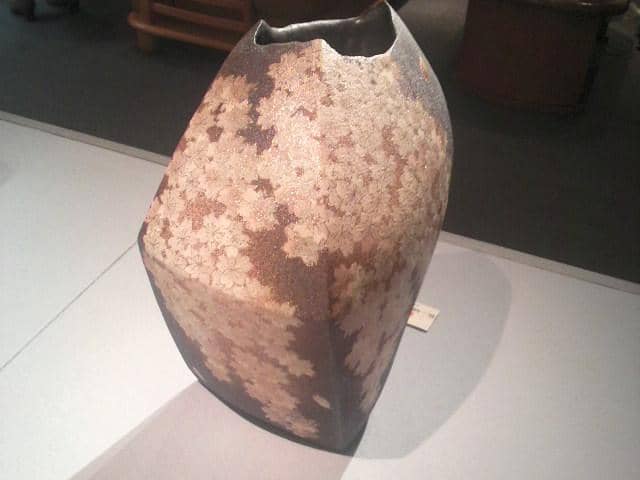
Explore exquisite contemporary and historical ceramics, a testament to Mashiko's rich artistic heritage.
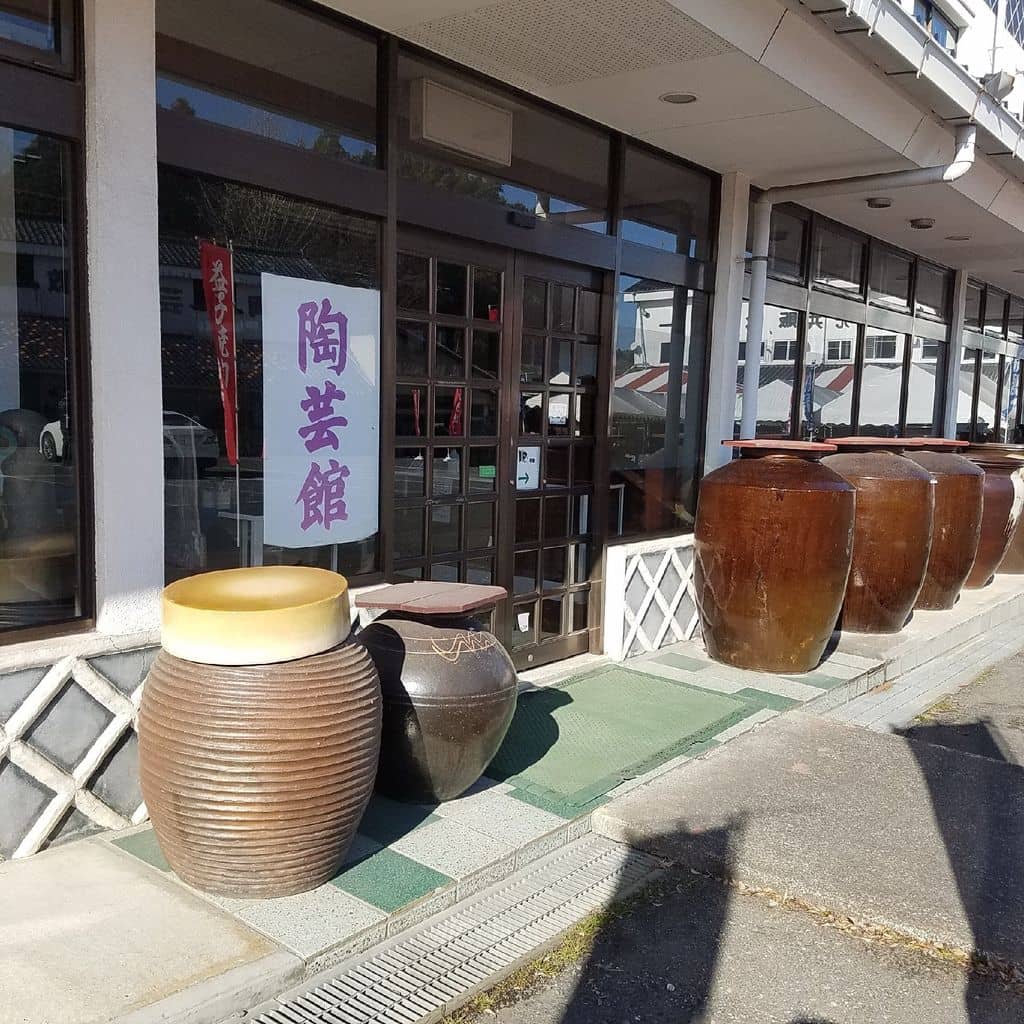
Wood-Fired Kilns
Various studios
Witness the power of traditional firing techniques, including impressive anagama kilns, at select studios .
Plans like a pro.
Thinks like you
Planning Your Visit
Timing Your Pottery Pilgrimage
For a more relaxed experience, consider visiting on weekdays outside of these major events to fully appreciate the studios and shops without the intense bustle.Getting to Mashiko
While accessible by public transport, some travelers find the journey a bit challenging. Renting a car or joining a guided tour can simplify logistics, especially if you're keen on exploring multiple studios and the surrounding countryside.Best Times
Insider Tips
from TikTok, Instagram & Reddit
🎯 Book Workshops in Advance
Many studios offer English-friendly pottery workshops. Book ahead, especially for popular spots like Fuwari or Kim Pottery.
🚗 Consider Car Rental
While doable by train, a car offers more flexibility to explore studios and the scenic countryside.
💰 Bargain at the Fairs
The twice-yearly fairs are prime time for discounts. Don't hesitate to negotiate politely with artisans.
👟 Wear Comfortable Shoes
You'll be doing a lot of walking between studios and shops. Comfortable footwear is a must! :athletic_shoe:
Tips
from all over the internet
🎯 Book Workshops in Advance
Many studios offer English-friendly pottery workshops. Book ahead, especially for popular spots like Fuwari or Kim Pottery.
🚗 Consider Car Rental
While doable by train, a car offers more flexibility to explore studios and the scenic countryside.
💰 Bargain at the Fairs
The twice-yearly fairs are prime time for discounts. Don't hesitate to negotiate politely with artisans.
👟 Wear Comfortable Shoes
You'll be doing a lot of walking between studios and shops. Comfortable footwear is a must! :athletic_shoe:
📸 Capture the Craft
Mashiko is incredibly photogenic. Bring your camera or phone to capture the unique pottery and charming streets.
What Travellers Say
Reviews Summary
Visitors consistently praise Mashiko as a 'Mecca of pottery' and a 'clay lover's wet dream'. The town's vast array of shops, studios, and working kilns, coupled with the beautiful museum, offer an unparalleled experience for ceramic enthusiasts. The twice-yearly fairs are a major draw for their selection and discounts, though they can be crowded.
"An amazing experience. The precinct is huge, has 2 working woodfired kilns, including a massive anagama. Both fire to porcelain temps. There's shops and studios galore with literally tonnes of ceramics from dozens of potters. A clay lovers wet dream! The exhibition hall is a study in exquisite ceramics by Japanese & English masters. Entry fee is minimal, even less if you're an elder."
Lynda Gibbins
"Beautiful museum that showcases contemporary and historical ceramics from Mashiko."
Luis Sanabria
"Visited twice during the month of November.
Mashiko is a Japanese Mecca of pottery and is well worth the visit to anyone who loves pottery.
You can learn a lot by the visit, see many potters, kilns, buy handmade pottery etc.
Highly recommend to everybody. It’s really great."
Blanka Kobayashi
What People Like
What People Dislike
Frequently Asked Questions
🚇 🗺️ Getting There
Mashiko is approximately a 3-hour journey from Tokyo. You can take a train from Shinjuku Station to Utsunomiya, then transfer to a local train or bus to Mashiko. Some travelers find this route a bit complex.
The main pottery area, particularly Jyonaizaka Street, is walkable. However, to explore more dispersed studios or the wider countryside, having a car is highly recommended.
Yes, a day trip from Tokyo is possible, but it will be a long day given the travel time.
Yes, several organizations offer guided tours to Mashiko, especially during the pottery fairs.
During the Mashiko Pottery Fair, expect large crowds. While trains are an option, they can be very busy. Many visitors opt for organized bus tours or drive, though parking can be challenging.
🎫 🎫 Tickets & Entry
No, browsing the numerous pottery shops and studios along Jyonaizaka Street is generally free. Entry fees typically apply only to specific museums or special exhibitions, like the Mashiko Museum of Ceramic Art.
Opening hours can vary significantly between studios and shops. Many are open from around 10 AM to 5 PM, but it's advisable to check individual studio websites or inquire locally, especially if visiting on a Monday or during off-season.
The entry fee for the Mashiko Museum of Ceramic Art is minimal, with further discounts often available for seniors. It's a small price for a deep dive into the history and artistry of Mashiko pottery.
Generally, there are no entrance fees to attend the Mashiko Pottery Fairs themselves. The cost comes from purchasing the beautiful ceramics you find there.
Yes, booking pottery workshops in advance is highly recommended, especially if you require English-speaking instruction.
🎫 🏺 Onsite Experience
Mashiko-yaki is a style of Japanese pottery originating from Mashiko, Tochigi Prefecture. It's known for its rustic charm, rich glazes, and often earthy tones, evolving with influences from masters like Shoji Hamada.
Don't miss strolling down Jyonaizaka Street, visiting the Mashiko Museum of Ceramic Art, and exploring the various artisan studios. If you're there during the fair, that's a major highlight.
Absolutely! Mashiko offers numerous pottery workshops for all skill levels, including beginner-friendly options with English instruction.
Beyond pottery, Mashiko offers a glimpse into rural Japanese life with rice fields and temples.
Comfortable walking shoes are essential as you'll be exploring many shops and studios. Dress in layers, as the weather can change, and consider bringing a small bag for any purchases.
🍽️ 🍽️ Food & Dining
Yes, Mashiko has several charming cafes and restaurants, often featuring local ingredients. Some pottery studios also have attached cafes where you can enjoy a meal or drink amidst the art.
You'll find typical Japanese fare, including soba noodles, udon, and set meals (teishoku). Many cafes offer light snacks, coffee, and sweets. Look for places that highlight local Tochigi produce.
While not as common as in larger cities, you can often find vegetarian options like vegetable tempura or simple rice dishes. It's best to inquire at the restaurant about specific dietary needs.
Tochigi Prefecture is known for its strawberries and sake. You might find local sweets or dishes incorporating these. Many cafes also serve delicious handmade cakes and pastries.
Dining in Mashiko is generally quite affordable, especially at local eateries and cafes. Expect to pay around ¥1,000-¥2,000 for a satisfying meal.
📸 📸 Photography
Jyonaizaka Street with its rows of pottery shops, the traditional kilns, and the scenic countryside offer fantastic photo opportunities.
Photography is generally allowed in most shops and studios for personal use, but it's always polite to ask the owner or artist before taking extensive photos, especially of their workspace or unique techniques.
A versatile lens (like a 24-70mm equivalent) is great for capturing both street scenes and detailed shots of pottery. A wide-angle lens can be useful for the expansive kilns or landscapes.
While most places are welcoming, some artists might prefer their work not be photographed extensively, especially if it's for commercial purposes. Always be respectful of their wishes.
The 'golden hours' around sunrise and sunset offer beautiful light for capturing the charming streets and natural landscapes. Midday can be harsh, but it's perfect for photographing the vibrant colors of the pottery indoors.



Social
from TikTok, Instagram & Reddit