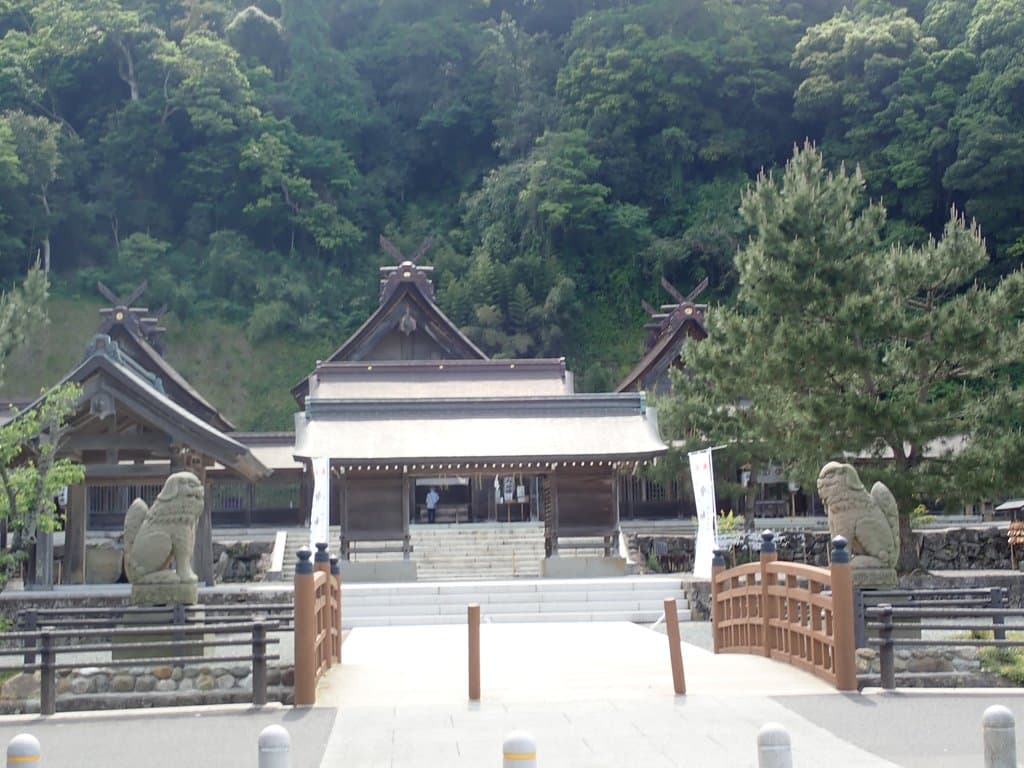
Sada Shrine
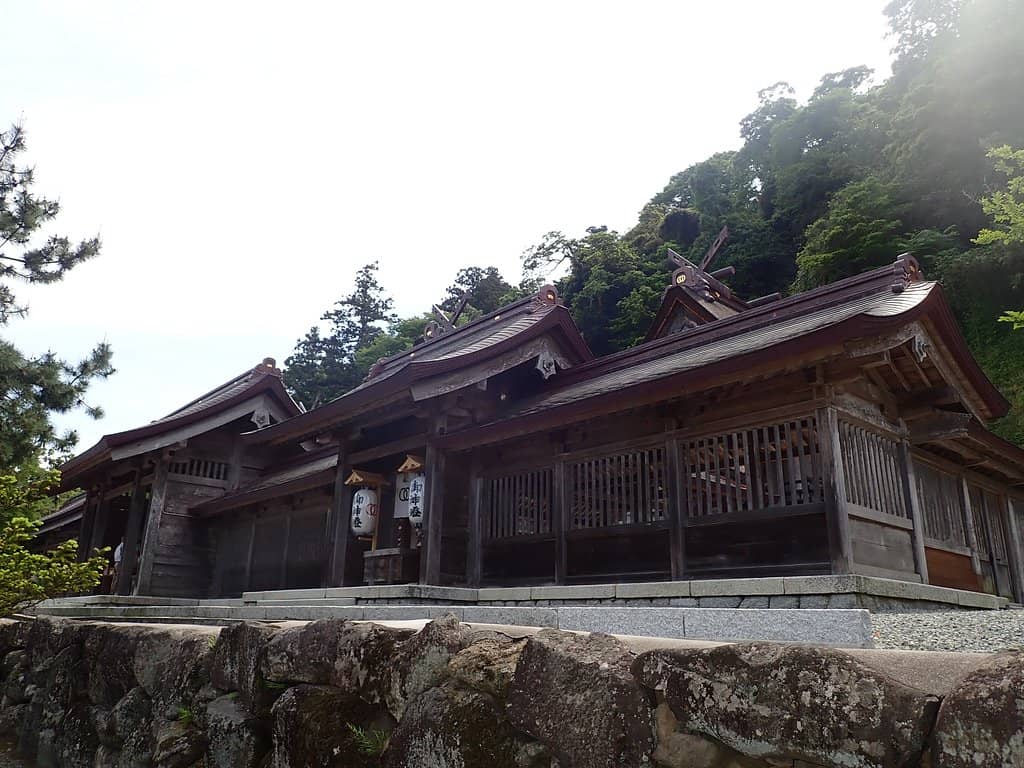
An ancient Shinto shrine renowned for its 'Taisha-zukuri' architecture and serene, divine atmosphere, especially during the unique Kamiari Festival.
Highlights
Must-see attractions

Social
From TikTok & Reddit
Best Time
Peaceful visits, no crowds
Sada Shrine
Best Time
Peaceful visits, no crowds
Highlights
Must-see attractions
An ancient Shinto shrine renowned for its 'Taisha-zukuri' architecture and serene, divine atmosphere, especially during the unique Kamiari Festival.
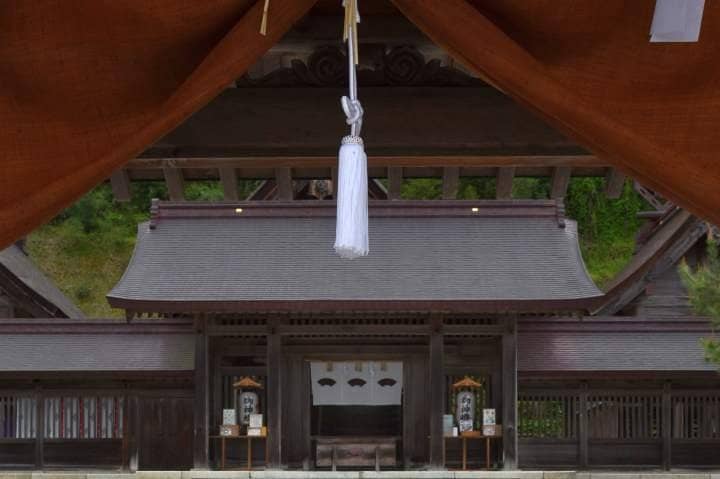
"The atmosphere of the shrine is so sacred as to feel divine whenever I visit there."
🙏 Respectful Attire
Dress modestly to show respect for the sacred grounds. Avoid overly casual or revealing clothing.
🤫 Quiet Contemplation
Embrace the serene environment for quiet reflection. Loud conversations can disrupt the peaceful ambiance.
Quick Facts
Hours
Rating
4.4 · 862 reviews
Type
Place of Worship
Highlights
Discover the most iconic attractions and experiences
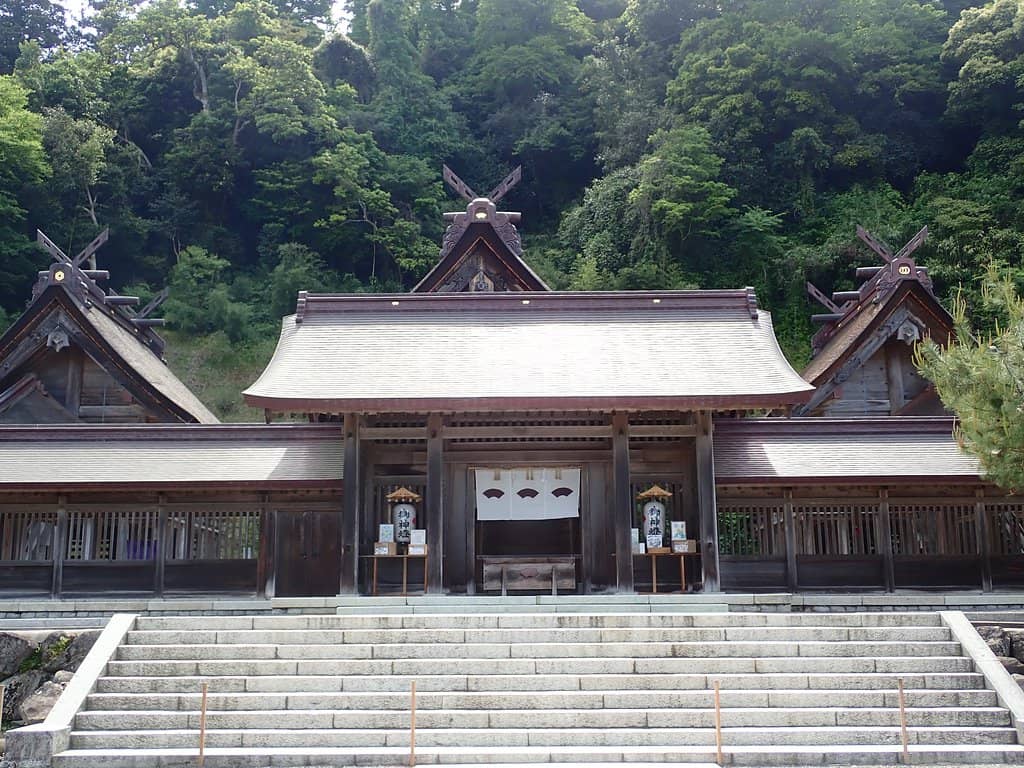
Main Hall (Taisha-zukuri Style)
Main sanctuary
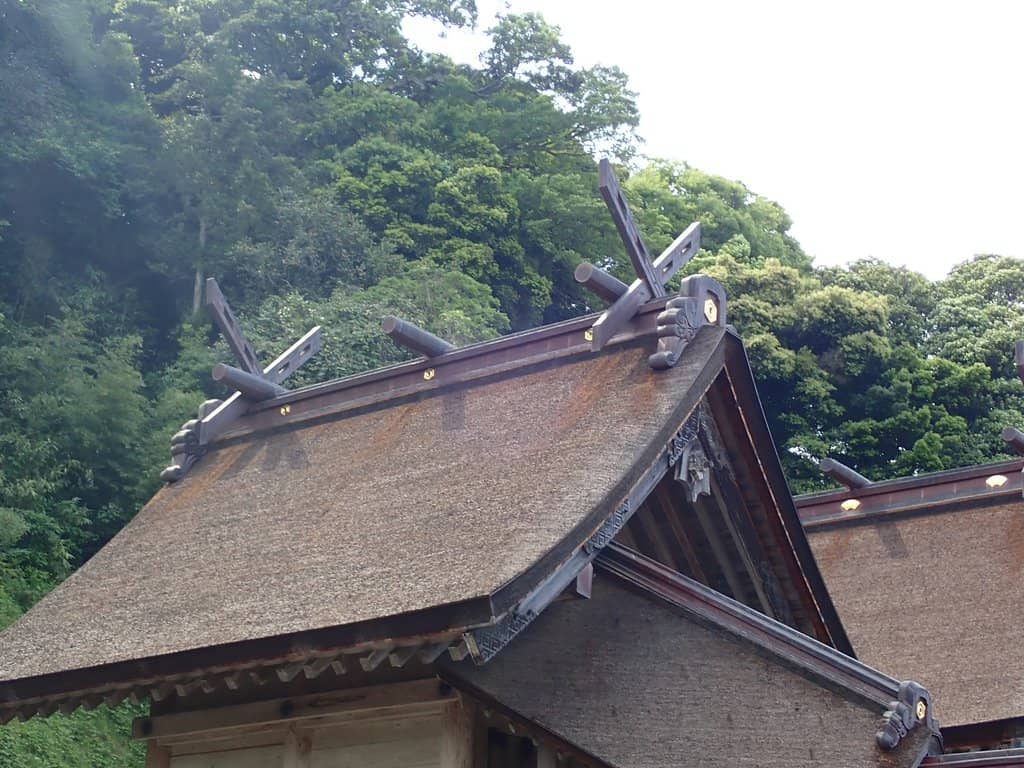
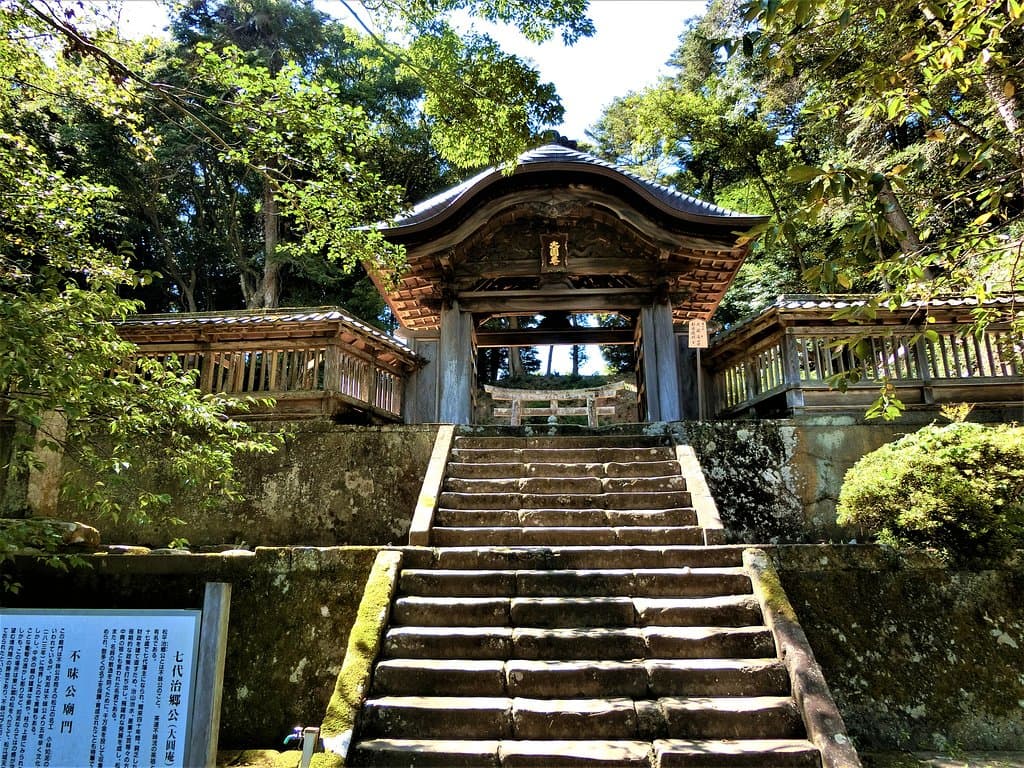
Marvel at the captivating 'Taisha-zukuri' architecture, a luxurious structure of three halls standing side by side.
Kamiari Festival
Shrine grounds
Witness ancient traditions during the lunar tenth month's Kamiari Festival, a unique offering to the deity.
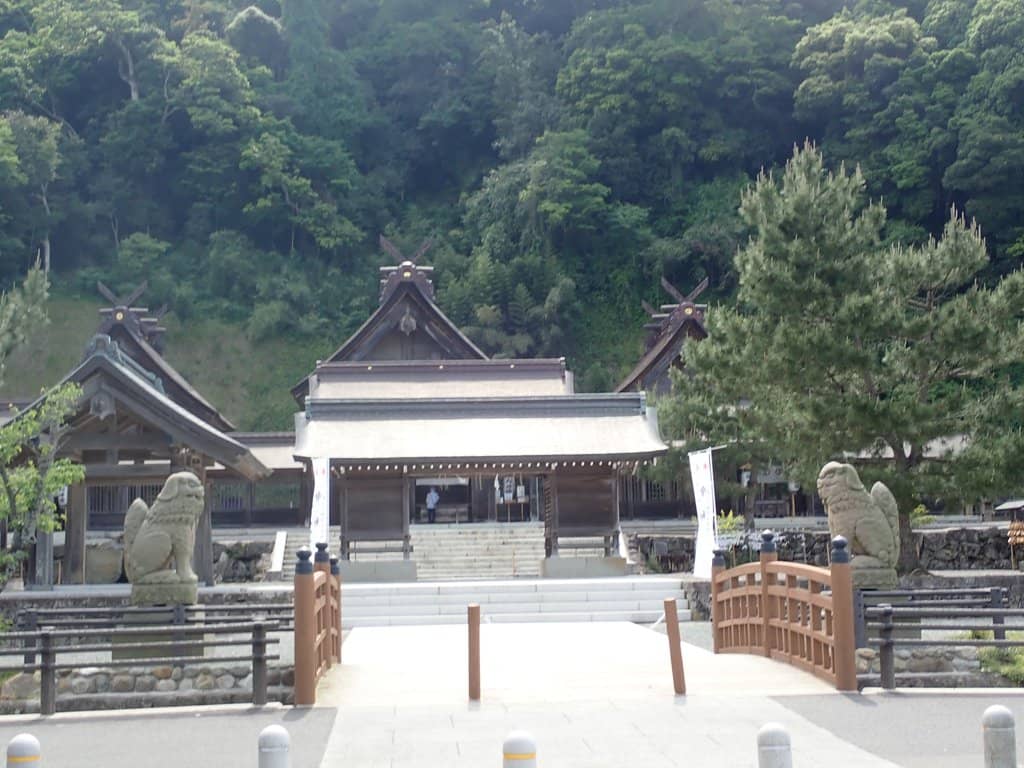
Sacred Atmosphere
Throughout the shrine
Experience a divine and incredibly peaceful atmosphere that resonates with visitors seeking spiritual connection.
Plans like a pro.
Thinks like you
Planning Your Visit
Embrace the Serenity
Understanding Local Customs
Best Times
Insider Tips
from TikTok, Instagram & Reddit
🙏 Respectful Attire
Dress modestly to show respect for the sacred grounds. Avoid overly casual or revealing clothing.

🤫 Quiet Contemplation
Embrace the serene environment for quiet reflection. Loud conversations can disrupt the peaceful ambiance.
📸 Photography Etiquette
Be mindful of where you take photos. Some areas may have restrictions to preserve the sanctity.
🚶♀️ Explore the Grounds
Take your time to wander and discover the intricate details of the shrine's architecture and surroundings.
Tips
from all over the internet
🙏 Respectful Attire
Dress modestly to show respect for the sacred grounds. Avoid overly casual or revealing clothing.
🤫 Quiet Contemplation
Embrace the serene environment for quiet reflection. Loud conversations can disrupt the peaceful ambiance.
📸 Photography Etiquette
Be mindful of where you take photos. Some areas may have restrictions to preserve the sanctity.
🚶♀️ Explore the Grounds
Take your time to wander and discover the intricate details of the shrine's architecture and surroundings.
What Travellers Say
Reviews Summary
Visitors consistently praise Sada Shrine for its deeply sacred and calm atmosphere, making it a divine and peaceful place to visit. The unique 'Taisha-zukuri' architecture and the historical significance, especially during the Kamiari Festival, are highlighted as captivating aspects. While generally serene, some note that it can be a quiet experience without many inbound tourists.
"It is a calm atmosphere. The Zenzai of the store is delicious."
European Seven
"The atmosphere of the shrine is so sacred as to feel divine whenever I visit there."
斎藤貴志
"beautiful and incredibly fun!"
Katherine Polster
What People Like
What People Dislike
Frequently Asked Questions
🚇 🗺️ Getting There
Sada Shrine is located in the Izumo region. While specific public transport details are scarce, it's often best accessed by car or taxi from nearby towns. Research local bus routes if traveling without a vehicle.
Information on direct public transport links can be limited. It's advisable to check with local tourist information centers or use navigation apps for the most up-to-date bus and train schedules in the Izumo area.
Given the proximity, a taxi or a pre-arranged car service might be the most convenient option between Sada Shrine and Izumo Taisha, especially if you're short on time.
Typically, shrines of this nature offer parking for visitors. It's recommended to look for designated parking areas upon arrival to ensure compliance with local regulations.
Depending on the region's service availability, ride-sharing apps might be an option. However, in more remote or rural areas, traditional taxis might be more reliable.
🎫 🎫 Tickets & Entry
Most shrines in Japan, including Sada Shrine, do not require an admission fee for general entry to the grounds. Donations are often welcomed.
Shrine grounds are typically open from early morning until late afternoon. Specific hours for inner sanctuaries or facilities may vary, so it's best to check locally if possible.
Information regarding specific fees for festival events can vary. General access to the shrine grounds is usually free, but special ceremonies might have associated costs or require advance booking.
Sada Shrine is generally open year-round. However, weather conditions might affect accessibility during certain seasons, especially in winter.
No special requirements are usually needed for entry. However, visitors are expected to behave respectfully and adhere to any posted rules or guidelines.
🎫 🧭 Onsite Experience
Sada Shrine is an ancient Shinto shrine, considered one of the 'Three Great Shrines of Izumo Province.' It's theorized to be the birthplace of the Kamimukae Festival.
Taisha-zukuri is a distinctive architectural style of Shinto shrines, characterized by its luxurious structure and the arrangement of three halls side by side, as seen in Sada Shrine's main hall.
During the Kamiari Festival in the lunar tenth month, a black-skinned sea snake is offered to the deity. The festival includes the 'Okimisan' Kamimukae Festival and the Kamito-Kyushu Festival.
A local custom involves going to bed early on the night of the Kamito-Kyushu Festival to see off the gods. The shrine's crest, featuring a tortoiseshell pattern, is linked to a dragon and snake god.
Yes, the shrine's architecture and serene atmosphere make it a picturesque location. However, always be mindful of photography restrictions in certain areas.
📸 📸 Photography
The main hall with its unique 'Taisha-zukuri' architecture is a prime spot. The surrounding grounds and any scenic viewpoints offer great photographic opportunities.
While general photography is usually permitted, it's wise to look for signs indicating restricted areas, especially within inner sanctuaries or during ceremonies.
Tripod usage might be restricted in certain areas or during peak times to avoid obstructing other visitors. It's best to check for any posted rules or ask a shrine attendant.
Early morning or late afternoon light can create beautiful, soft lighting for photography. Midday sun can be harsh, but can also highlight architectural details.
Drone usage is generally prohibited at religious sites like shrines to maintain peace and respect. Always confirm local regulations before flying drones.

Social
from TikTok, Instagram & Reddit