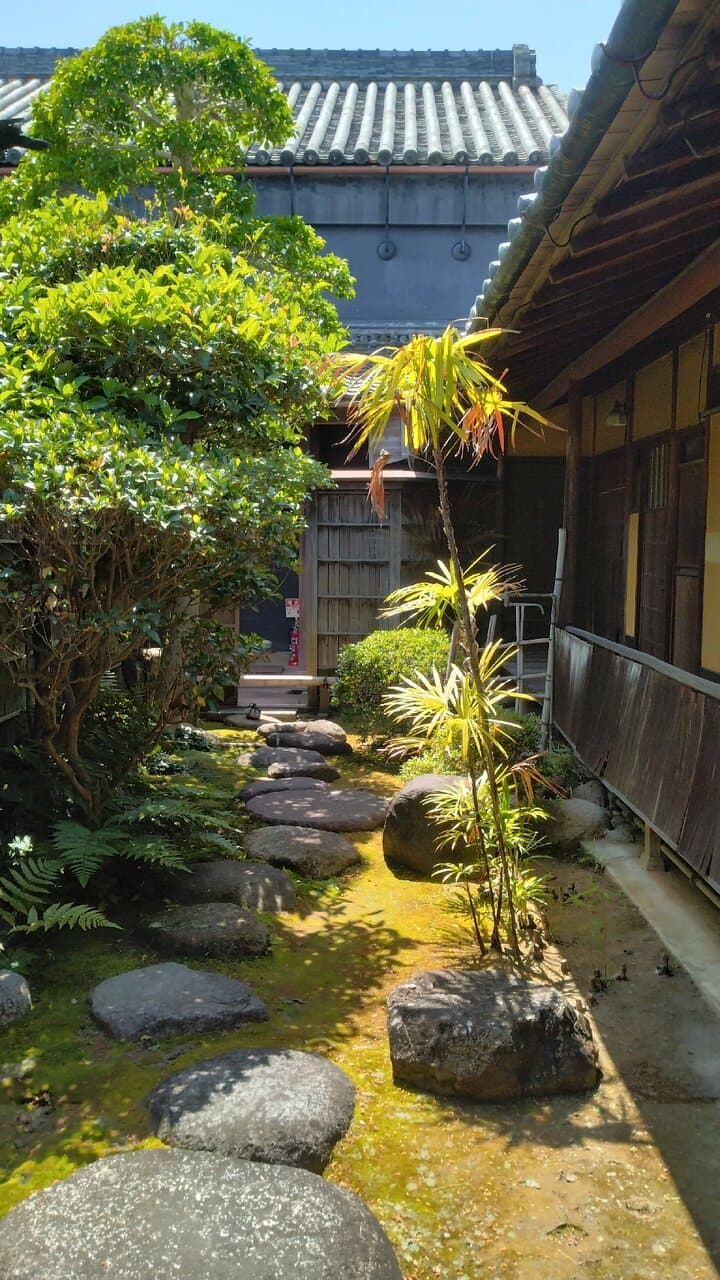
Former Hasegawa Residence
Step into Edo-period prosperity at the Former Hasegawa Residence, a national treasure showcasing a wealthy merchant's life and expansive gardens.
Highlights
Must-see attractions

Social
From TikTok & Reddit
Best Time
Fewer crowds, more peaceful
Former Hasegawa Residence
Best Time
Fewer crowds, more peaceful
Highlights
Must-see attractions
Step into Edo-period prosperity at the Former Hasegawa Residence, a national treasure showcasing a wealthy merchant's life and expansive gardens.
"It really gives you a glimpse of the lifestyle of wealthy merchants during those period."
🚶♀️ Easy Access from Station
Just a 10-minute walk from Matsusaka Station, making it convenient for day-trippers.
📜 Staff Insights Available
Engage with staff for detailed explanations about the residence and its history.
Quick Facts
Hours
Rating
4.3 · 169 reviews
Highlights
Discover the most iconic attractions and experiences
The Grand Merchant Home
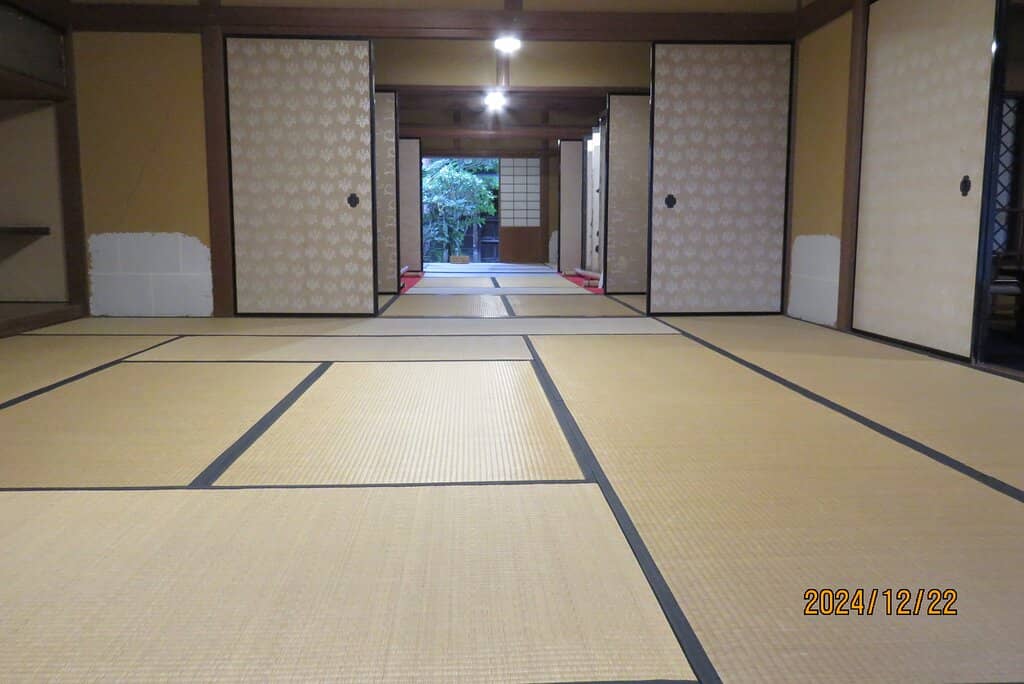
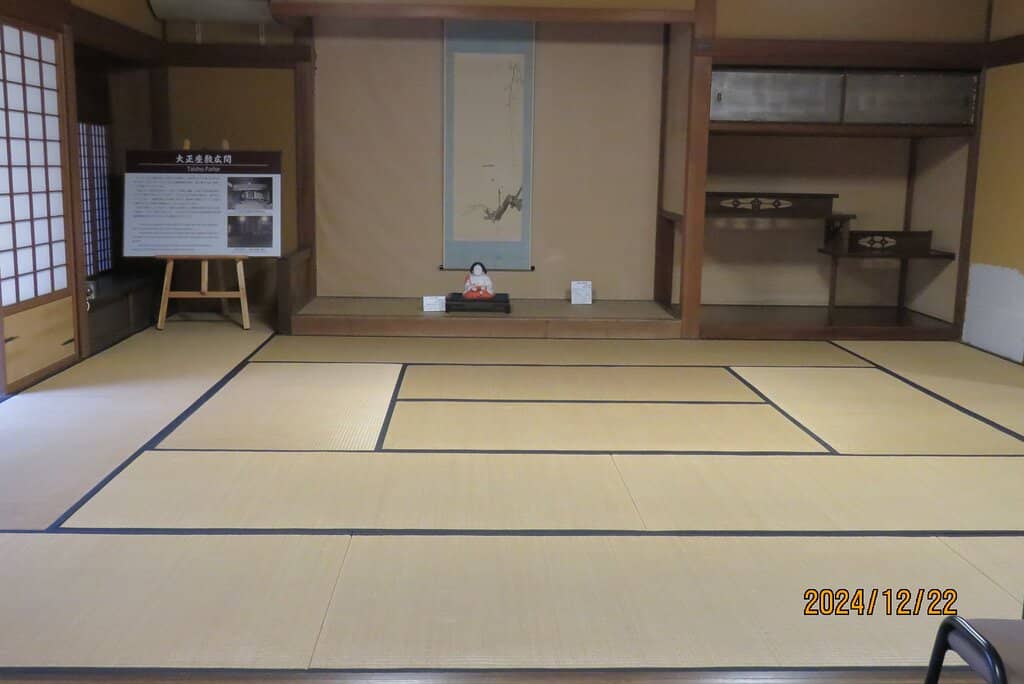
Main Residence
Experience the opulent lifestyle of Edo-period wealthy merchants in this well-preserved traditional Japanese house.
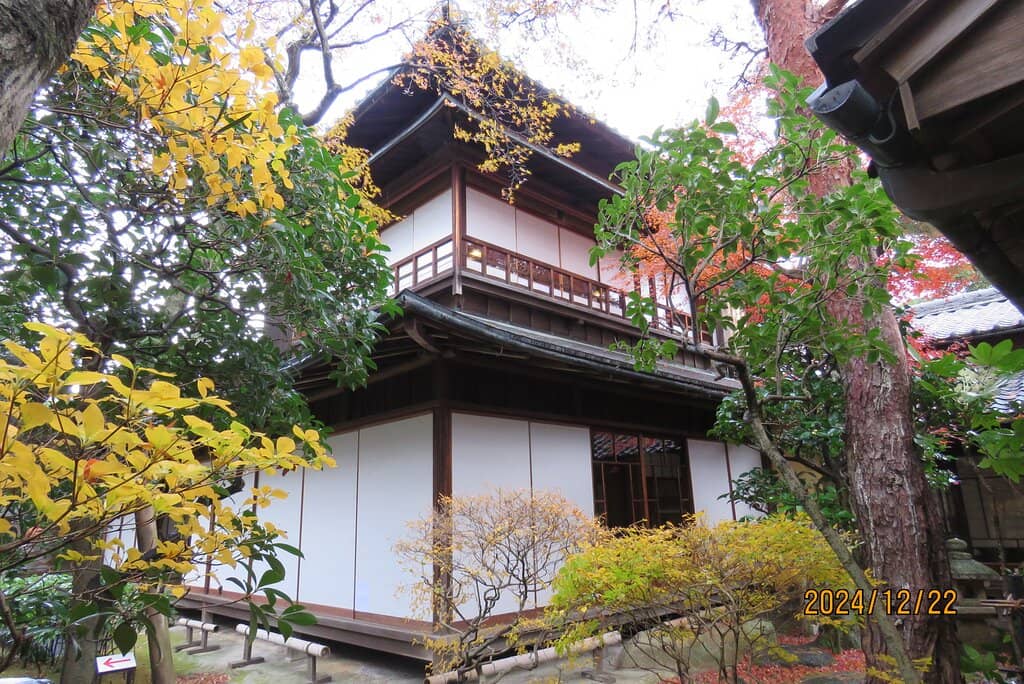
Spacious Edo-Period Garden
Garden
Wander through an impressive, expansive garden that offers a peaceful retreat and a glimpse into historical aesthetics.
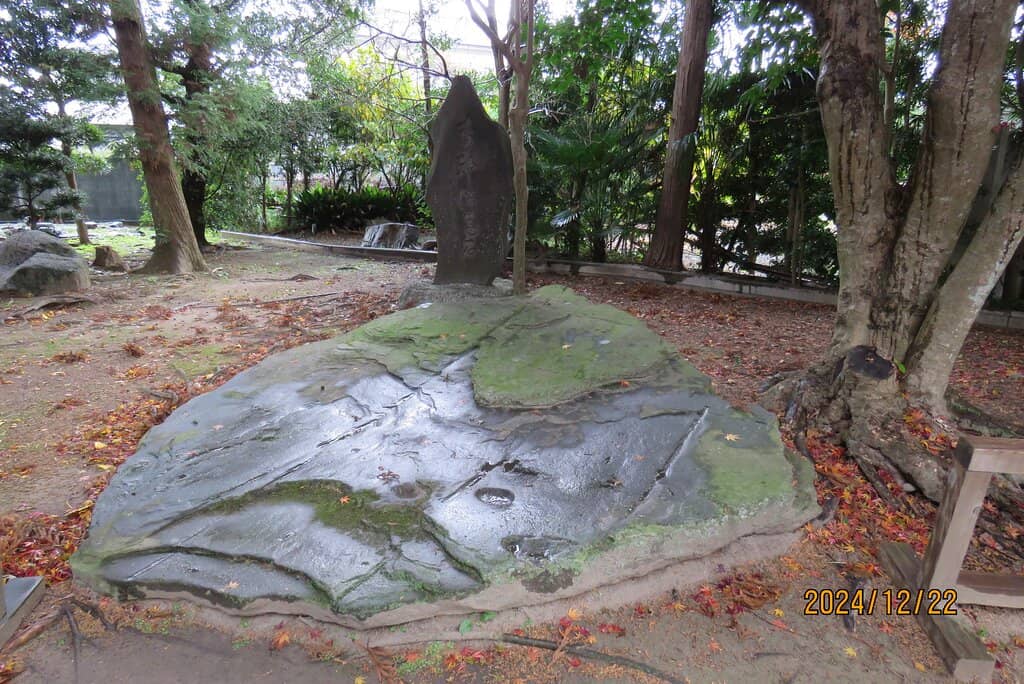
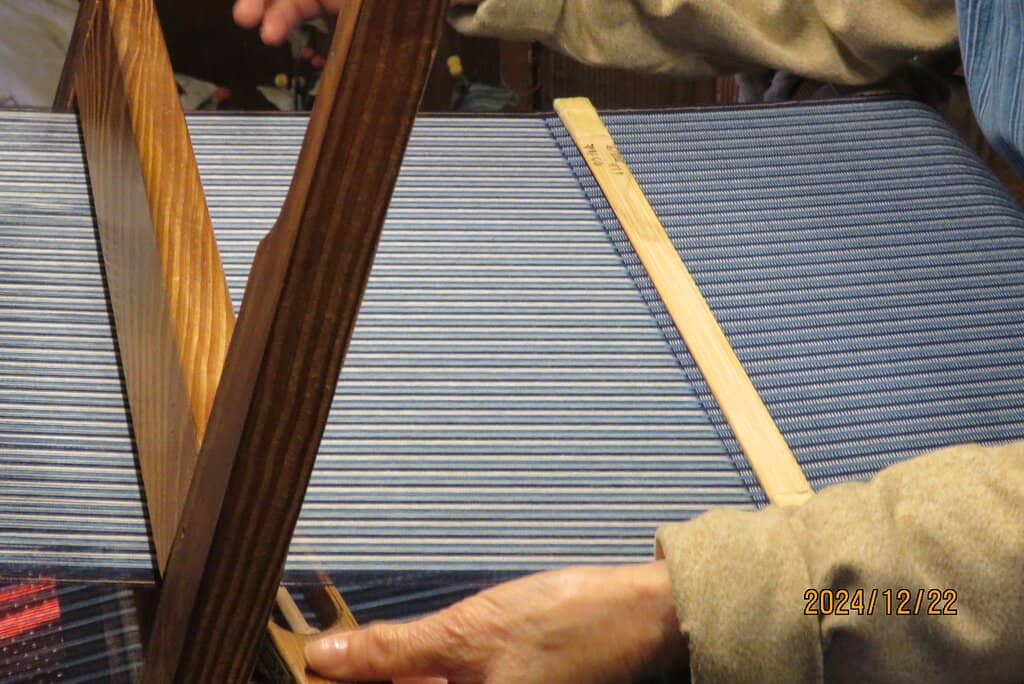
Cultural Demonstrations
Various rooms
Witness traditional tea ceremonies and seasonal flower arrangements that enhance the historical atmosphere.
Plans like a pro.
Thinks like you
Planning Your Visit
Embrace the Edo Period Charm
Timing is Key for Tranquility
Best Times
Insider Tips
from TikTok, Instagram & Reddit
🚶♀️ Easy Access from Station
Just a 10-minute walk from Matsusaka Station, making it convenient for day-trippers.
📜 Staff Insights Available
Engage with staff for detailed explanations about the residence and its history.
🌸 Seasonal Displays
Look out for seasonal flower arrangements that complement the house's ambiance.
🍵 Tea Ceremony Experience
Participate in a tea ceremony for a deeper cultural immersion and seasonal reflections.
Tips
from all over the internet
🚶♀️ Easy Access from Station
Just a 10-minute walk from Matsusaka Station, making it convenient for day-trippers.
📜 Staff Insights Available
Engage with staff for detailed explanations about the residence and its history.
🌸 Seasonal Displays
Look out for seasonal flower arrangements that complement the house's ambiance.
🍵 Tea Ceremony Experience
Participate in a tea ceremony for a deeper cultural immersion and seasonal reflections.
What Travellers Say
Reviews Summary
Visitors praise the Former Hasegawa Residence for its spaciousness, impressive garden, and the authentic glimpse it offers into the lives of wealthy Edo-period merchants. The cultural demonstrations, like tea ceremonies and seasonal flower displays, are frequently highlighted as enriching experiences. While the building may be smaller than its original scale, its historical significance and well-preserved state make it a valuable cultural site.
"We got the set ticket which includes entrance for this residence and the other 2 Former Residences. This place was really spacious with an impressive garden. I really enjoyed walking around the garden despite the summer heat. It really gives you a glimpse of the lifestyle of wealthy merchants during those period.
The staffs here are pleasant as well."
Aibi Y.
"I visited here when a tea ceremony was being held! The original house remains, and you can view it, experiencing the living environment of that time. Documents are also available, and during the tea ceremony, the host not only offers tea but also shares stories about the place.
When I visited, flowers from a flower arranging class were on display, matching the atmosphere of the house. The various works complemented the atmosphere, creating a lovely miniature garden capturing the changing nature of the seasons. It seems there's a specific time for the works to be displayed like this!
The tea ceremony was also being held in conjunction with another old house, and this one featured tea utensils decorated with autumn leaves and matsutake mushrooms, evoking the mid-autumn harvest and autumn foliage that we saw around mid-autumn. It's the season for matsutake mushroom hunting and autumn leaf hunting, and the changing leaves are often likened to brocade. It's a time when the fruits of the harvest and natural bounty that have been cultivated since the beginning of the year come to fruition, a time of joyful harvests and discoveries! Each tea ceremony had a theme, and being able to experience them was a wonderful way to reminisce about the seasons and the joys of life. It was a relaxing tea ceremony that allowed me to reminisce about all the hard work I've put in this year. Thank you!"
小林千紗
"This was once a wealthy cotton wholesaler. The staff will provide a detailed explanation to those who wish. It may be a good place to visit if you have the time. The building is smaller than it was back then, but it is still a treasure trove. The garden remains and is well worth seeing."
もーさんマミー
What People Like
What People Dislike
Frequently Asked Questions
🚇 🗺️ Getting There
The Former Hasegawa Residence is conveniently located about a 10-minute walk from Matsusaka Station. This makes it easily accessible for visitors arriving by train.
Information regarding specific parking facilities at the Former Hasegawa Residence is not widely available, but its proximity to Matsusaka Station suggests public transport is a primary option.
Yes, the residence is easily reachable by public transport, with Matsusaka Station being a short walk away.
Matsusaka City is accessible by train, with regular services connecting it to major cities in the region.
🎫 🎫 Tickets & Entry
Specific opening hours can vary, but it's generally open to visitors. It's advisable to check the official website or local listings for the most current information.
Admission fees are typically reasonable. Some visitors mention purchasing a set ticket that includes entry to other former residences, which can be cost-effective.
Advance booking is usually not required for general entry, but it's always a good idea to check if special events or guided tours have specific booking procedures.
Information on discounts is not readily available, but purchasing a combined ticket for multiple historical residences might offer savings.
Yes, group visits are generally welcome. It's recommended to contact the venue in advance to arrange group tours or inquire about group rates.
🎫 🧭 Onsite Experience
You can explore the spacious main residence, admire the impressive Edo-period garden, and experience cultural demonstrations like tea ceremonies and seasonal flower displays.
Absolutely! The garden is described as spacious and impressive, offering a peaceful atmosphere and a beautiful glimpse into historical landscaping.
Staff members are available to provide detailed explanations to visitors who are interested, offering insights into the history and lifestyle of the Hasegawa family.
It's a national important cultural property and the former home of the Hasegawa family, who were wealthy cotton wholesalers during the Edo period, offering insights into their prosperity and lifestyle.
Photography policies can vary. It's best to check for any posted signs or inquire with staff regarding restrictions on photography, especially during cultural events.
🍽️ 🍽️ Food & Dining
While the residence itself focuses on historical preservation, there are often opportunities to enjoy tea and Japanese sweets, especially during tea ceremonies.
The area around Matsusaka Station offers various dining options, from local Japanese cuisine to more casual eateries.
Picnicking rules are not specified, but it's generally best to enjoy the garden's tranquility without consuming food to preserve its condition.
📸 📸 Photography
The expansive garden, the traditional architecture of the main house, and any seasonal displays like flower arrangements offer excellent photographic opportunities.
Photography rules can vary. It's advisable to look for signage or ask staff for clarification on where photos are permitted.
A standard camera or smartphone is sufficient. Consider a lens that can capture both wide garden shots and interior details.
Early mornings or late afternoons might offer softer lighting for photography, especially in the garden.



Social
from TikTok, Instagram & Reddit