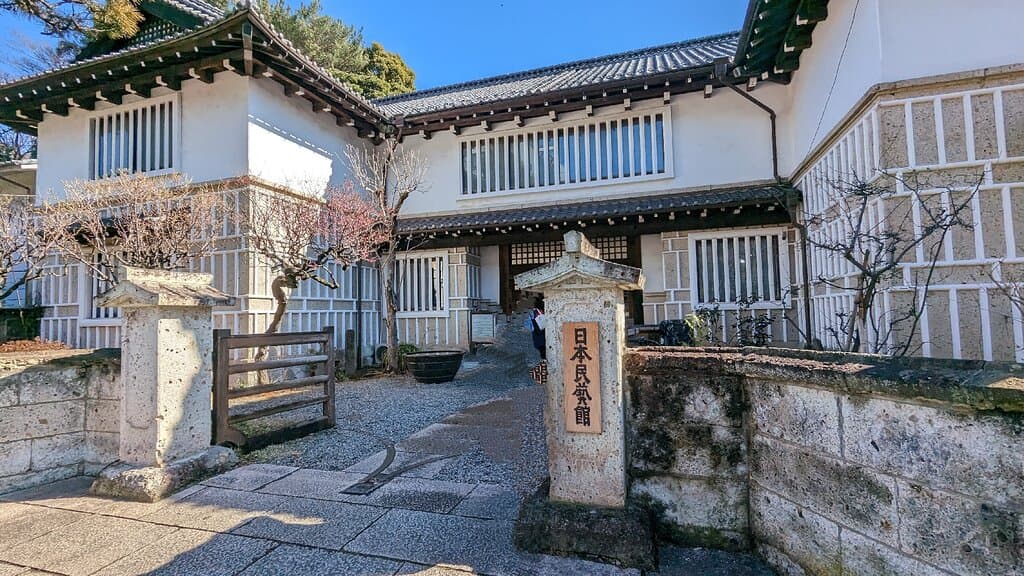
Nihon Mingeikan Tokyo
Discover the beauty of everyday objects at this historic folk crafts museum, a serene escape in Tokyo.
Highlights
Must-see attractions

Social
From TikTok & Reddit
Best Time
Fewer crowds, peaceful viewing
Nihon Mingeikan Tokyo
Best Time
Fewer crowds, peaceful viewing
Highlights
Must-see attractions
Discover the beauty of everyday objects at this historic folk crafts museum, a serene escape in Tokyo.
"A beautiful and simple museum, preserving original designs from 1936."
🤫 Be mindful of noise
The old wooden building requires quiet footsteps. Enjoy the serene atmosphere!
🗣️ Translation apps are helpful
Signage is mostly in Japanese; use your phone for context.
Quick Facts
Hours
Rating
4.3 · 1,123 reviews
Type
Museum
Highlights
Discover the most iconic attractions and experiences
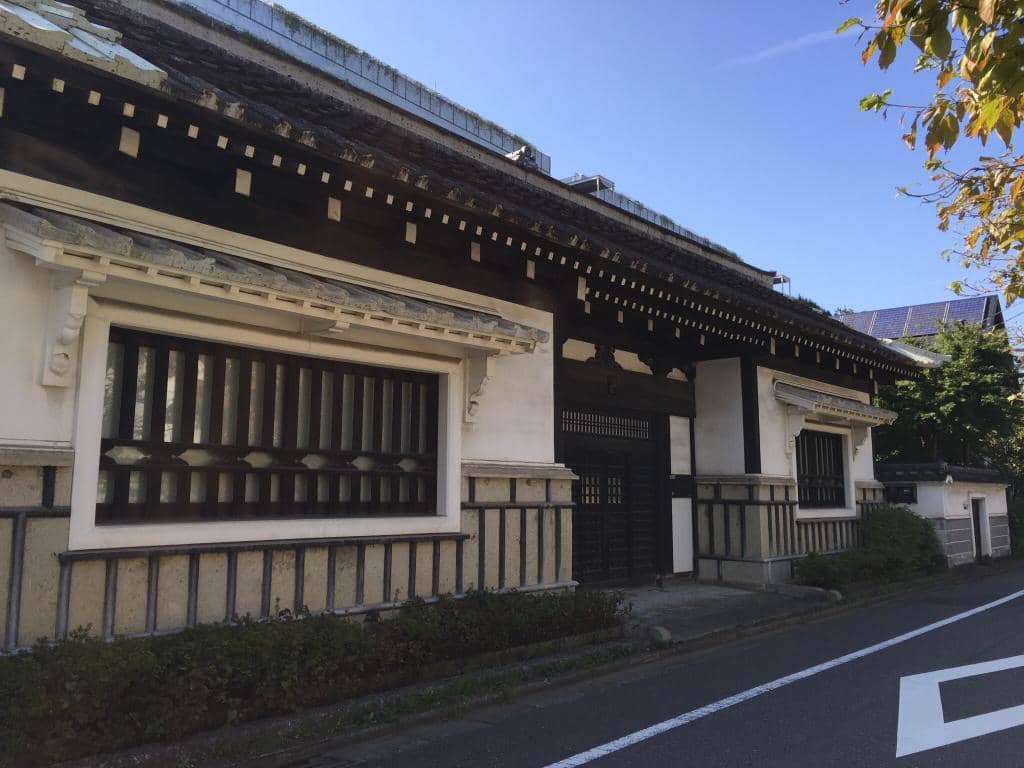
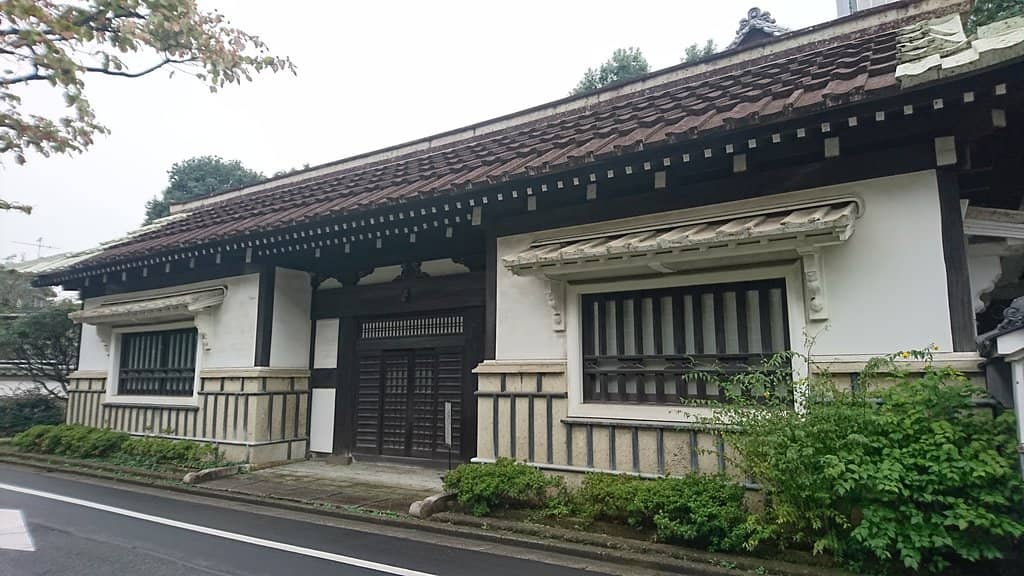
Historic Yanagi Building
Main exhibition hall
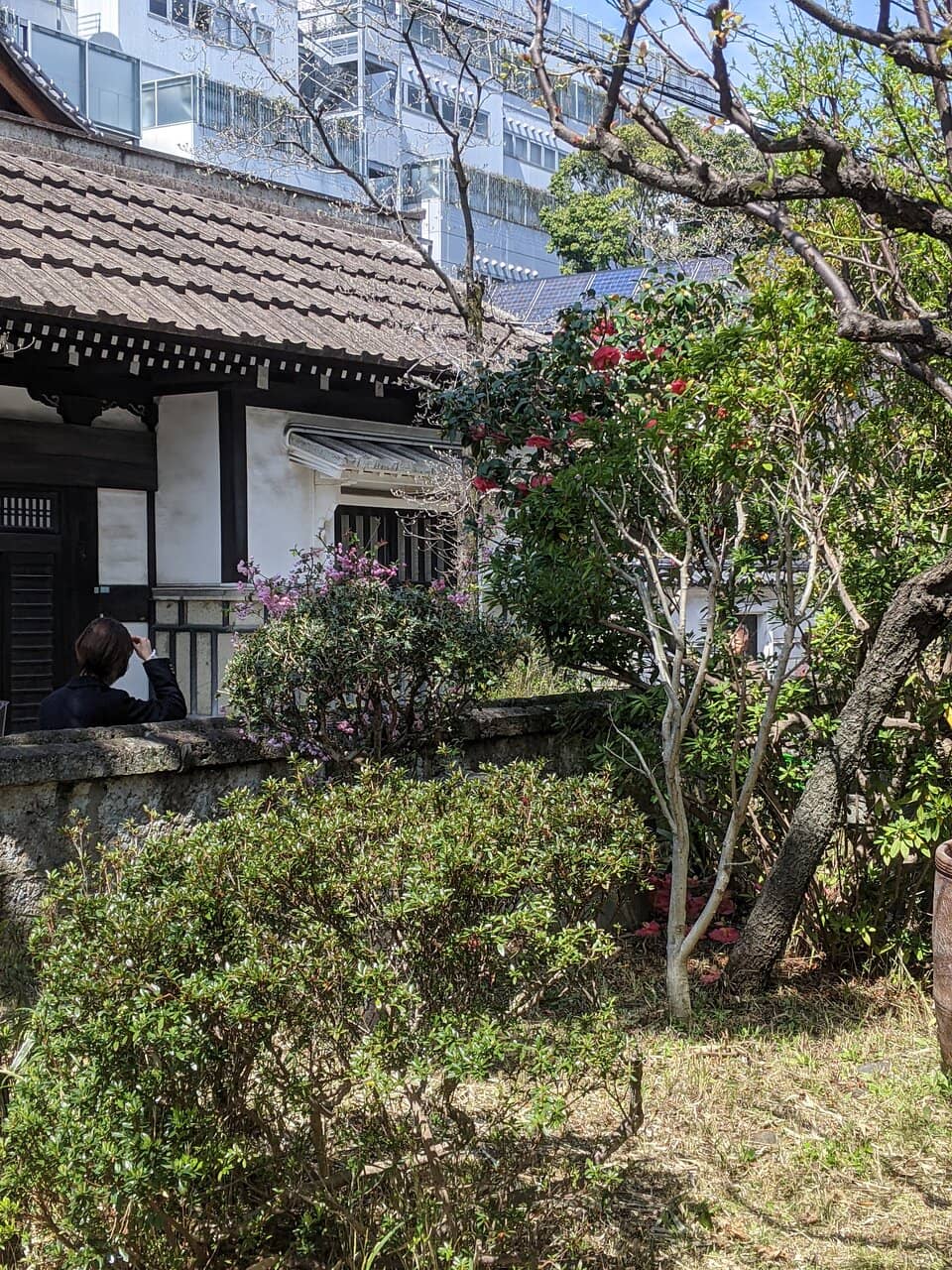
Step back in time in this 1936 building, a masterpiece of folk art architecture.
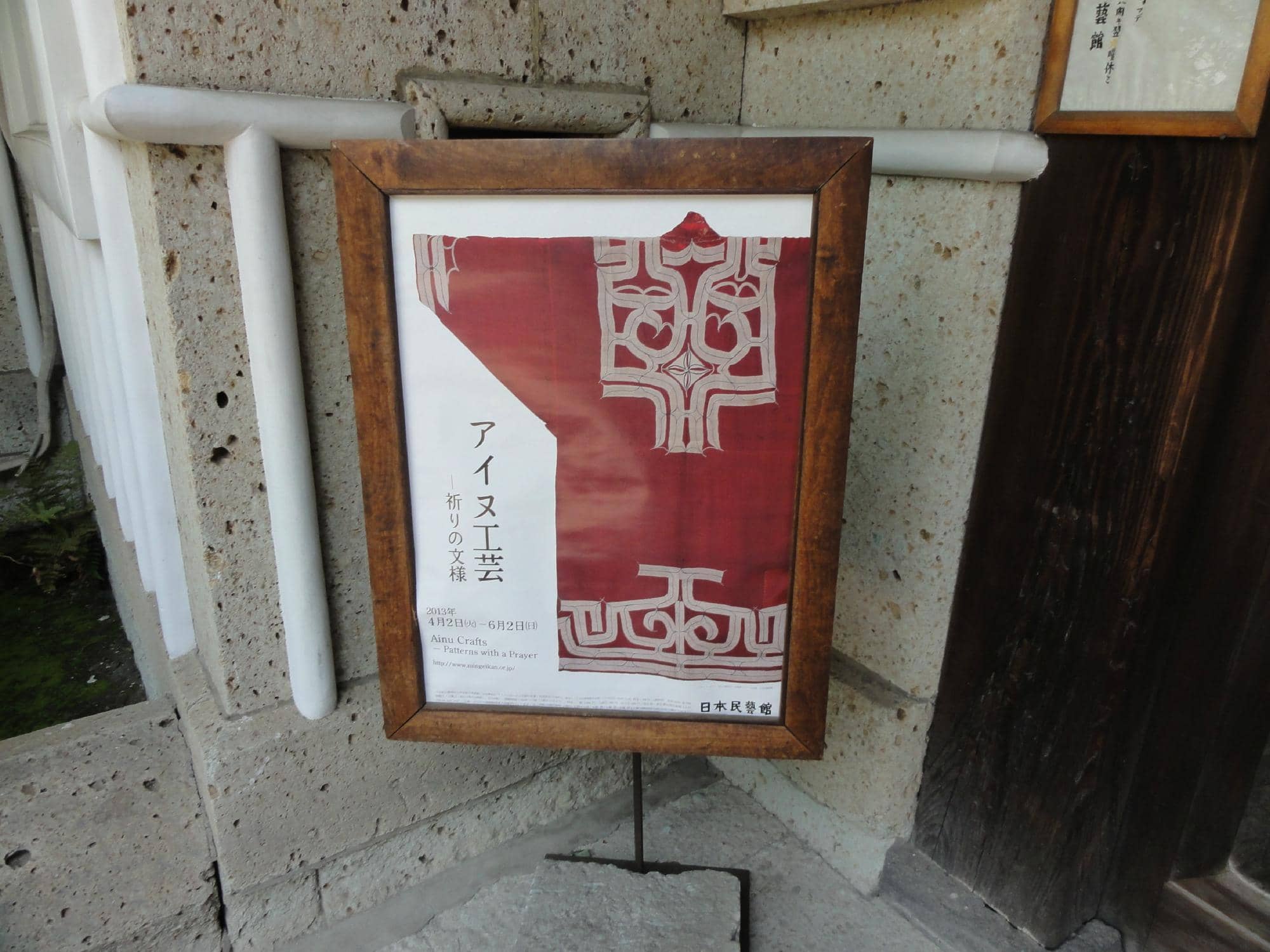
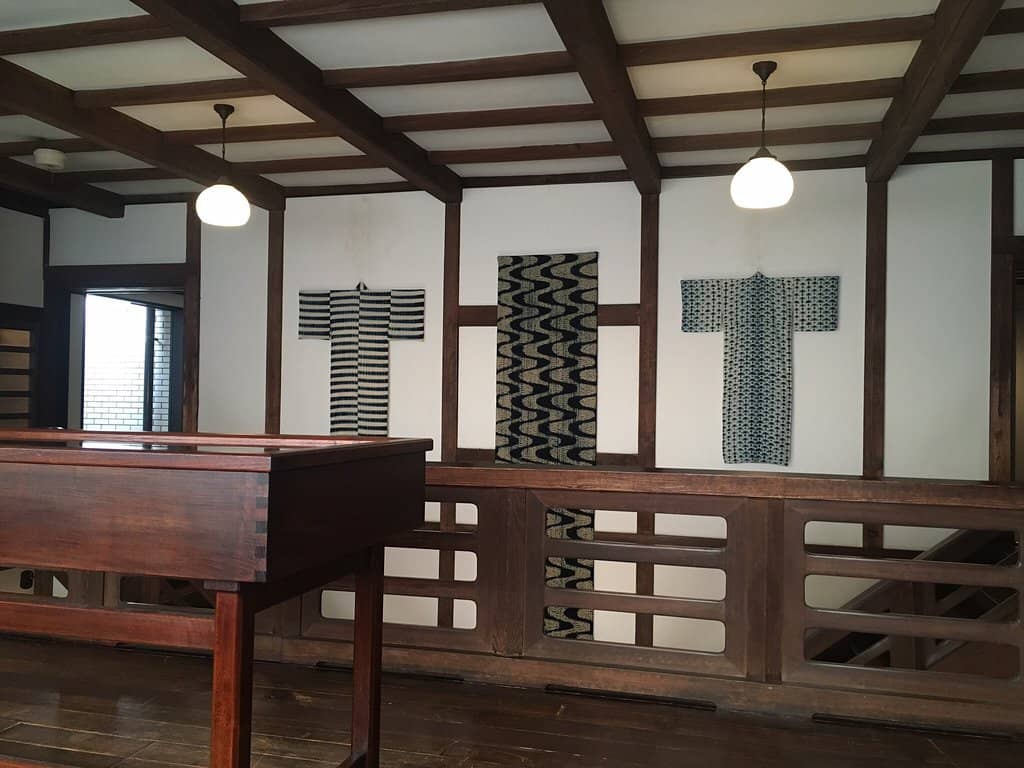
Authentic Japanese Crafts
Various exhibition rooms
Discover a curated collection of traditional Japanese folk art and crafts.
Charming Museum Shop
Ground floor
Find unique souvenirs and handcrafted items to take a piece of Japan home.
Plans like a pro.
Thinks like you
Planning Your Visit
Embrace the Quiet Charm
Language & Photography Notes
Best Times
Insider Tips
from TikTok, Instagram & Reddit
🤫 Be mindful of noise
The old wooden building requires quiet footsteps. Enjoy the serene atmosphere!
🗣️ Translation apps are helpful
Signage is mostly in Japanese; use your phone for context.
Twelve hours in Tokyo - obscure places?
I've been to Tokyo a couple times before and hit literally every major tourist place. I'll be there for just 12 hours before my flight goes back at 5pm from Haneda. What are some obscure places that are fun to go? I love museums, shopping(stationary and clothes) and don't mind…
📸 No photos inside
Appreciate the art with your eyes; photography is restricted in exhibits.
💰 Lockers available
Secure your belongings with a 100 yen coin deposit.
Tips
from all over the internet
🤫 Be mindful of noise
The old wooden building requires quiet footsteps. Enjoy the serene atmosphere!
🗣️ Translation apps are helpful
Signage is mostly in Japanese; use your phone for context.
📸 No photos inside
Appreciate the art with your eyes; photography is restricted in exhibits.
💰 Lockers available
Secure your belongings with a 100 yen coin deposit.
🚶♀️ Explore the neighborhood
The surrounding area is lovely for a stroll after your visit.
What Travellers Say
Reviews Summary
Nihon Mingeikan is praised for its beautiful, historic building and its curated collection of authentic Japanese folk crafts. Visitors appreciate the calm atmosphere and the opportunity to see unique, traditional items. However, some find the admission price a bit high for the museum's size, and the lack of English explanations can be a drawback for international visitors.
"Severely underrated and beautiful museum 15 minutes from Shimokitazawa. Half the items seem to be on sale, which is an interesting concept...
Much better than the crafts stores in Shibuya :)"
Nathan Jones
"Really interesting but small museum, though was a shame there was no signage in English as I wasn’t able to understand the context of many things. In a lovely area of Tokyo worth exploring. No photos allowed."
Nell Miles
"Great service through the door, they realised I needed the larger slippers! Amazing exhibits, shown in an amazing old style building. Free lockers provided (100 yen coin needed) and nice shop at the end of your visit."
Orestes Zoupanos
What People Like
What People Dislike
Frequently Asked Questions
🚇 🗺️ Getting There
Nihon Mingeikan is accessible via public transport. The nearest stations are Komaba-Todaimae Station (Keio Inokashira Line) and Higashiyama Station (Tokyo Metro Hibiya Line). From Komaba-Todaimae, it's about a 10-15 minute walk. From Higashiyama, it's a slightly longer walk or a short bus ride. Check your preferred navigation app for the most up-to-date routes and times.
Parking is very limited in this residential area. It's highly recommended to use public transportation to reach the museum.
From Shibuya Station, take the Keio Inokashira Line to Komaba-Todaimae Station. The museum is a pleasant walk from there.
🎫 🎫 Tickets & Entry
The museum typically opens around 10:00 AM and closes at 5:00 PM. It's advisable to check their official website for the most current hours, as they can vary.
Admission is usually around 1200 JPY. As it's a private museum, prices can be subject to change.
Tickets are typically purchased at the museum upon arrival. There's usually no need to book in advance, especially if you visit during off-peak hours.
The museum is generally closed on Mondays and during certain holiday periods. Always verify their schedule before your visit.
🎫 🧭 Onsite Experience
Photography is generally not permitted inside the exhibition rooms to preserve the artifacts. You can usually take photos in the shop area.
Most visitors find that one hour is sufficient to explore the collection, as it's a relatively small museum.
The historic building has wooden floors and stairs, which might pose challenges for those with significant mobility issues. It's best to inquire directly with the museum about specific accessibility features.
Guided tours are not typically offered in English. The exhibits may have limited English explanations, so a translation app can be useful.
The museum offers a very calm and serene atmosphere, allowing visitors to appreciate the crafts in a peaceful setting. The historic building adds to its unique charm.
🍽️ 🍽️ Food & Dining
There are no dining facilities within the museum itself. However, the surrounding neighborhood offers various cafes and eateries.
The area around the museum has charming local cafes and restaurants. You can find options for light snacks or more substantial meals.
📸 📸 Photography
Photography is strictly prohibited inside the exhibition halls to protect the delicate folk art. Please respect these rules.
The historic building itself is quite photogenic from the exterior. The surrounding streets also offer a glimpse into a charming Tokyo neighborhood.
Social
from TikTok, Instagram & Reddit