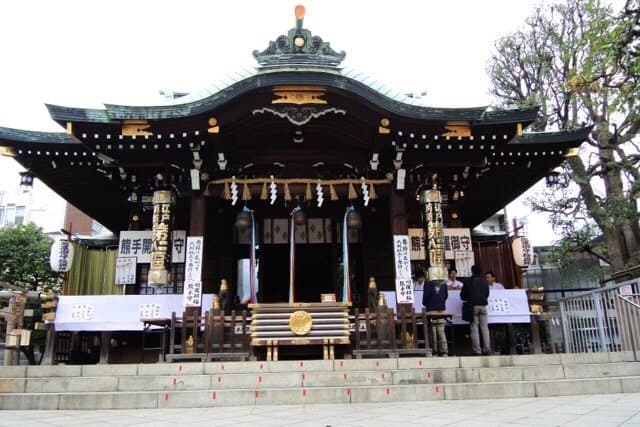
Otori Shrine Meguro
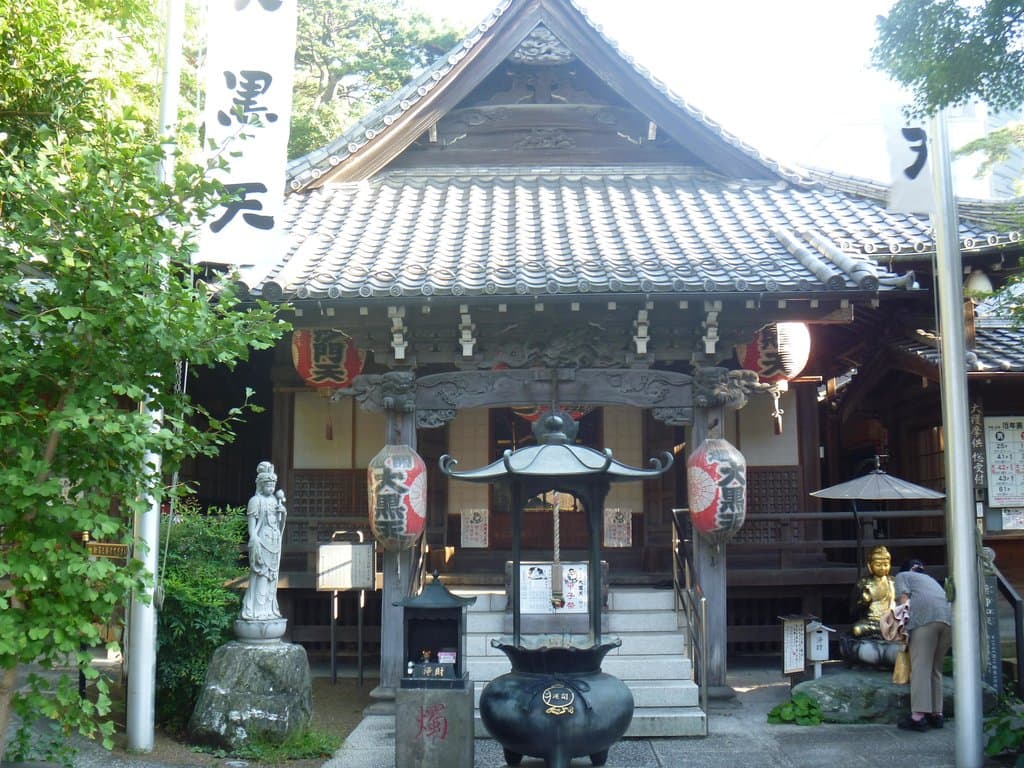
Tokyo's oldest shrine, a serene 9th-century sanctuary in Meguro, offering peace and a glimpse into local traditions.
Highlights
Must-see attractions

Social
From TikTok & Reddit
Best Time
Beat the crowds, find peace
Otori Shrine Meguro
Best Time
Beat the crowds, find peace
Highlights
Must-see attractions
Tokyo's oldest shrine, a serene 9th-century sanctuary in Meguro, offering peace and a glimpse into local traditions.
"A pleasant refuge from the busy streets, this compact shrine is worth a 5-minute look."
🎯 Visit on a Weekday
For a peaceful experience, aim for a weekday morning to avoid crowds and soak in the serenity.
✨ Lucky Charms Available
Purchase a lucky charm (omamori) from the attendant stand for a unique souvenir.
Quick Facts
Hours
Rating
4.1 · 1,067 reviews
Type
Place of Worship
Highlights
Discover the most iconic attractions and experiences
Ancient Roots
Main shrine grounds
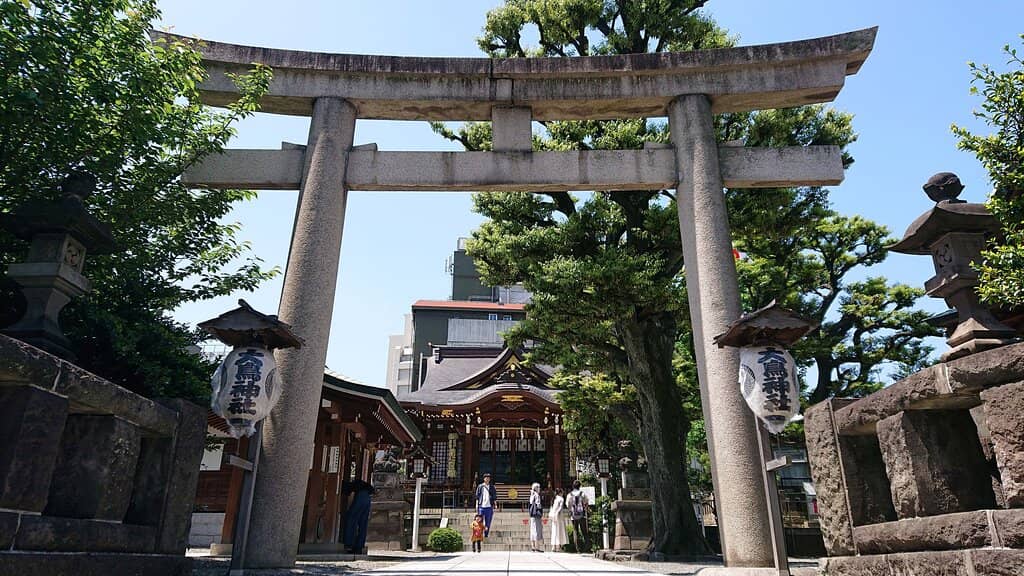
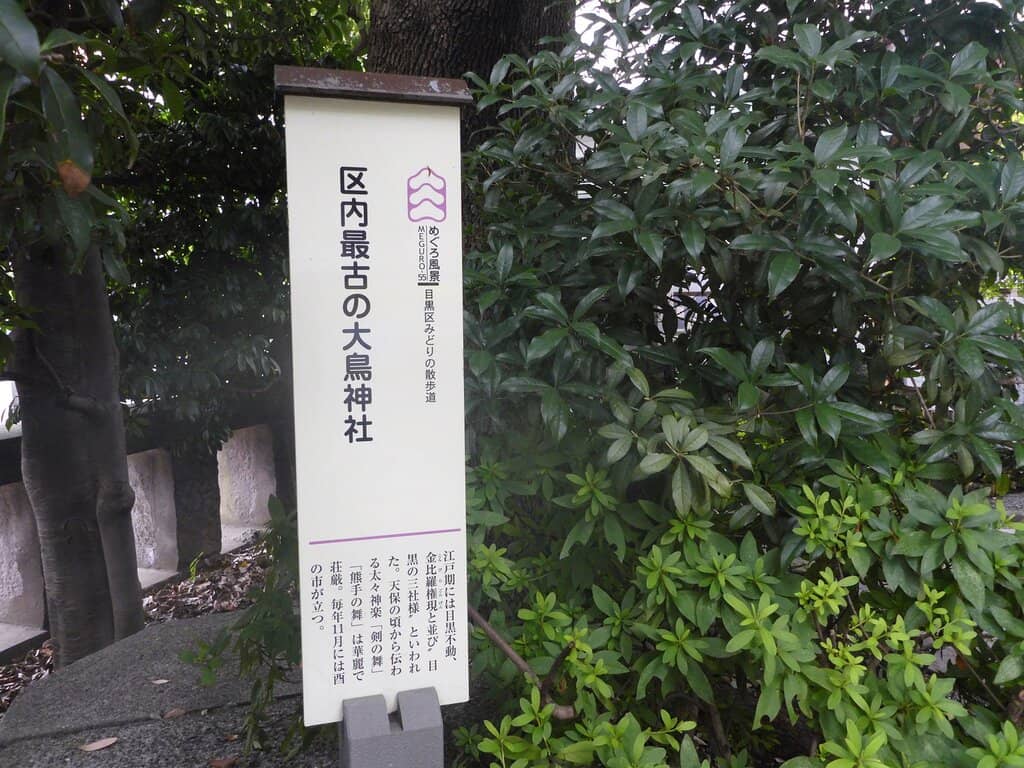
Discover Tokyo's oldest shrine, founded in 806 AD, offering a glimpse into centuries of history.
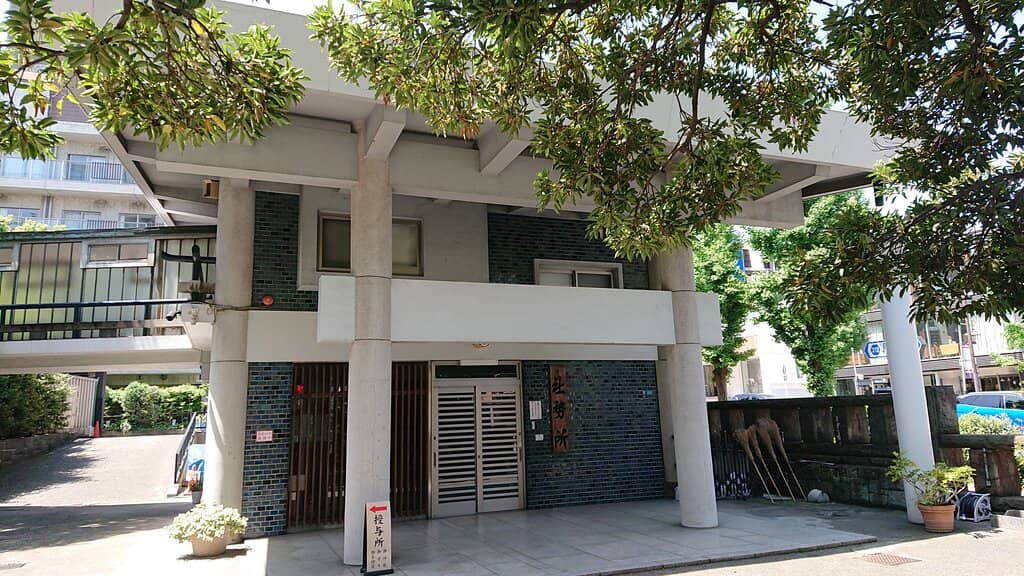
Tranquil Escape
Shrine grounds
Find a moment of peace amidst the bustling city in this compact yet serene spiritual haven.
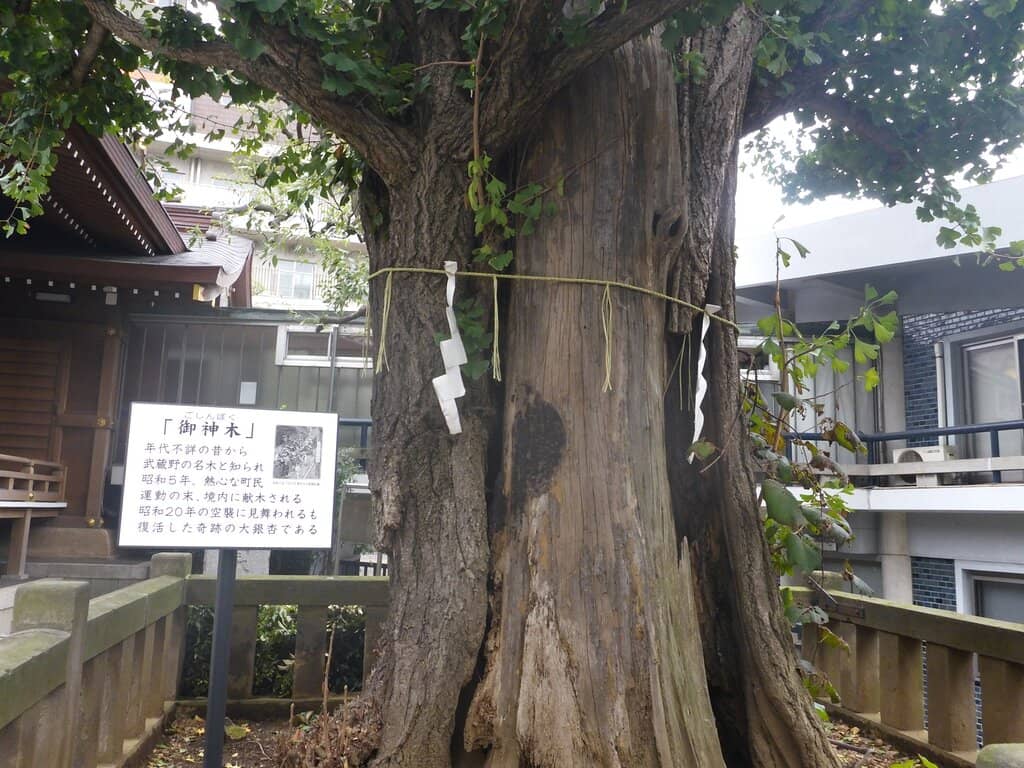
Festival Spirit
Shrine grounds
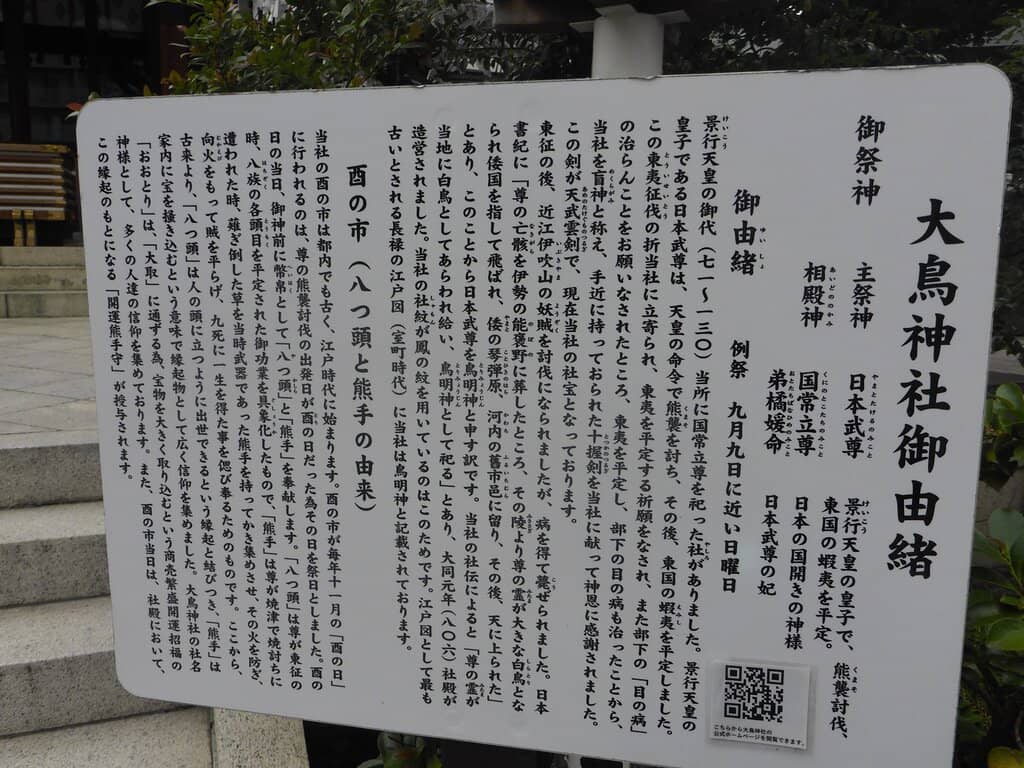
Experience vibrant local festivals, a highlight for many visitors seeking cultural immersion.
Plans like a pro.
Thinks like you
Planning Your Visit
Timing Your Visit for Tranquility
Embrace the Local Vibe
Best Times
Insider Tips
from TikTok, Instagram & Reddit
🎯 Visit on a Weekday
For a peaceful experience, aim for a weekday morning to avoid crowds and soak in the serenity.
✨ Lucky Charms Available
Purchase a lucky charm (omamori) from the attendant stand for a unique souvenir.
📸 Quick Photo Op
It's a small shrine, perfect for a brief visit and a few memorable photos.

🚶♀️ Near Meguro River
Combine your visit with a stroll along the scenic Meguro River nearby.
Tori no ichi in asakusa or shinjuku?
Is there much of a difference between both? We are staying in asakusa so it makes sense to go to the one in asakusa but if shinjuku is preferable we could go there instead. Interested to know of your experiences!
Tips
from all over the internet
🎯 Visit on a Weekday
For a peaceful experience, aim for a weekday morning to avoid crowds and soak in the serenity.
✨ Lucky Charms Available
Purchase a lucky charm (omamori) from the attendant stand for a unique souvenir.
📸 Quick Photo Op
It's a small shrine, perfect for a brief visit and a few memorable photos.
🚶♀️ Near Meguro River
Combine your visit with a stroll along the scenic Meguro River nearby.
What Travellers Say
Reviews Summary
Visitors find Otori Shrine to be a peaceful and historically significant sanctuary in the heart of Meguro. Its compact size makes it a quick but worthwhile stop, offering a tranquil escape from the city bustle. While small, its ancient roots and the vibrant atmosphere during festivals are highlights for many.
"Small but peacefull, in the heart of the city and close to Meguro River"
Aang Sri Angraini
"Founded in 806, during Heian period, the shrine is considered the oldest in the Meguro ward. Although compact in size, the shrine is a pleasant refuge from the busy streets that surrounds it"
Chanuthi Rajapaksha
"Small shrine and an attendant in a stand nearby should you wish to purchase a lucky charm/wish (omamori)."
Albert Luk
What People Like
What People Dislike
Frequently Asked Questions
🚇 🗺️ Getting There
Otori Shrine is easily accessible by public transport. The nearest stations are Meguro Station (JR Yamanote Line, Tokyo Metro Namboku Line, Toei Mita Line) and Fudomae Station (Tokyu Meguro Line). From Meguro Station, it's about a 10-15 minute walk.
While the main shrine grounds are relatively flat, accessibility can vary. It's advisable to check with the shrine directly for the most up-to-date information on wheelchair access.
Parking is limited around the shrine. It's generally recommended to use public transportation to avoid parking hassles.
From Shibuya Station, take the JR Yamanote Line to Meguro Station, then it's a short walk. Alternatively, you can take a taxi for a quicker but more expensive option.
Otori Shrine is located in the same general area as the Meguro Parasitological Museum, making it convenient to visit both on the same day.
🎫 🎫 Tickets & Entry
No, entry to Otori Shrine is free. You can wander the grounds and admire the shrine without any admission fee.
The shrine grounds are generally open from early morning until early evening. Specific hours can vary, but it's typically accessible during daylight hours.
Entry to the shrine itself is always free. While some festival activities might have associated costs, the general access to the festival grounds is usually free.
Yes, you can purchase omamori from an attendant stand near the shrine. These make for meaningful souvenirs.
Donations are typically welcome at shrines. You can usually find a donation box on the shrine grounds if you wish to contribute.
🎫 🧭 Onsite Experience
Otori Shrine is a compact site. A visit typically takes about 5-15 minutes to explore the grounds and take photos.
It's known as the oldest shrine in Meguro Ward, founded in 806 AD, and is a peaceful local sanctuary. It also hosts lively festivals.
Restroom facilities might be limited or basic. It's advisable to use facilities at nearby stations or cafes before your visit.
You can expect a tranquil and peaceful atmosphere, offering a pleasant refuge from the busy city streets.
Photography is generally allowed on the shrine grounds for personal use. Please be respectful of worshippers and avoid intrusive photography.
📸 📸 Photography
The main shrine building, the torii gate, and any seasonal decorations offer great photo opportunities. The serene atmosphere itself is also photogenic.
Early morning or late afternoon can offer softer light and fewer people, enhancing the photographic experience.
Drone usage is generally prohibited at shrines and temples in Japan to ensure peace and safety. Always check local regulations.
Be mindful of any signs indicating restricted areas or prohibitions on photography, especially inside prayer halls.
A standard lens (24-70mm) is versatile. A wide-angle lens can capture the shrine's architecture, and a prime lens is good for low-light conditions.




Social
from TikTok, Instagram & Reddit