Mie Prefecture
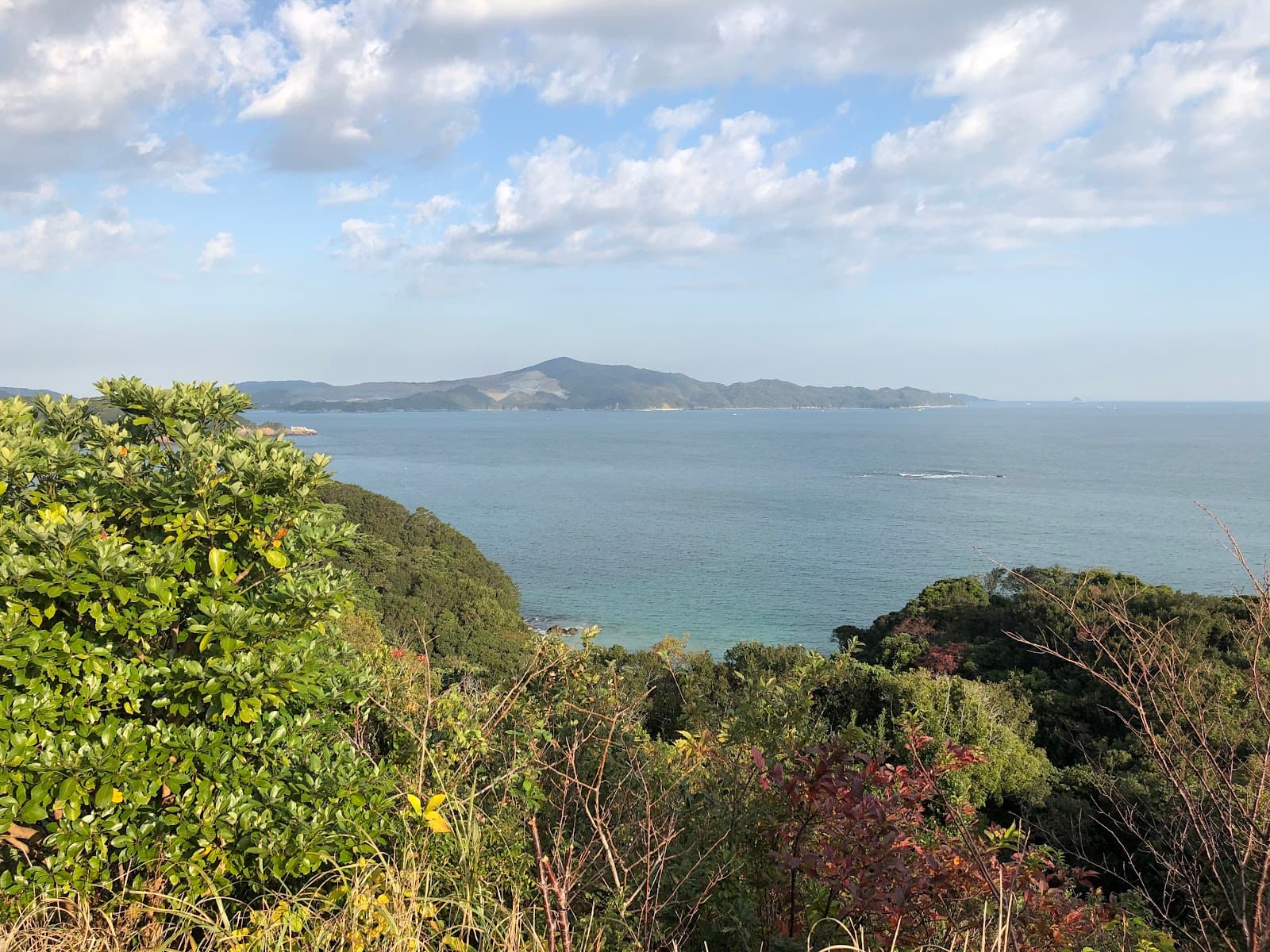
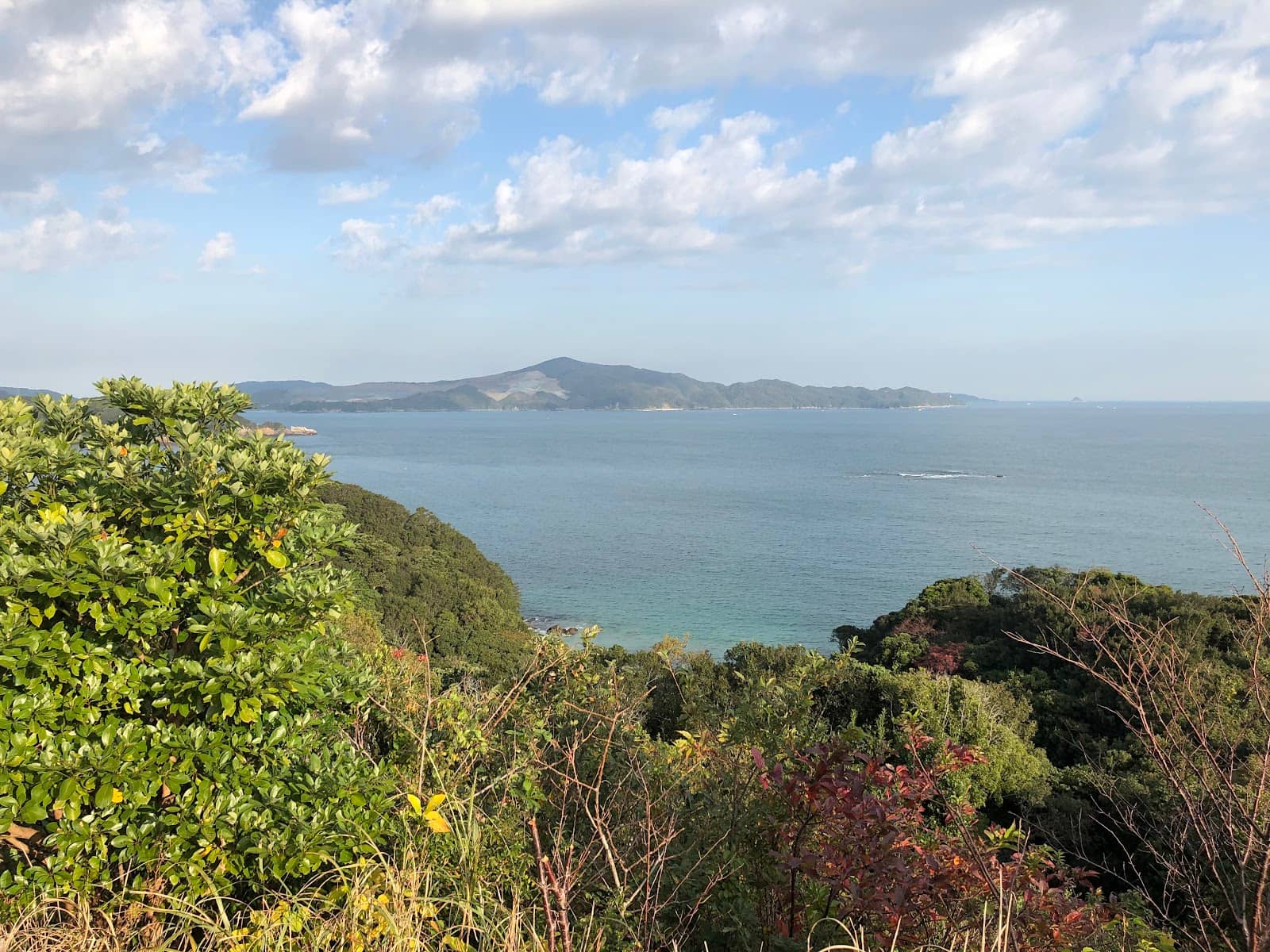
Discover Mie Prefecture: Japan's spiritual heartland with serene shrines, stunning coastlines, and unique traditions like the Ama divers.
Highlights
Must-see attractions

Social
From TikTok & Reddit
Best Time
Pleasant weather for exploring
Mie Prefecture
Best Time
Pleasant weather for exploring
Highlights
Must-see attractions
Discover Mie Prefecture: Japan's spiritual heartland with serene shrines, stunning coastlines, and unique traditions like the Ama divers.
🎯 Embrace the Ama Culture
Experience the unique tradition of Ama divers and enjoy a meal with them for a taste of living history.
👟 Comfortable Walking Shoes
You'll be doing a lot of walking, especially at Ise Jingu. Pack comfy shoes!
Quick Facts
Address
Highlights
Discover the most iconic attractions and experiences
Ise Jingu Shrine
Ise
Japan's most sacred Shinto shrine, dedicated to the sun goddess Amaterasu. A spiritual heartland with ancient traditions.
Meoto Iwa (Wedded Rocks)
Ise
Iconic rock formations in the sea, connected by a sacred rope, symbolizing marital bliss. A stunning natural spectacle.
Mikimoto Pearl Island
Toba
Discover the history of pearl cultivation and witness the skilled Ama divers in action. A unique cultural experience.
Iga Ryu Ninja Museum
Iga
Step into the world of ninjas with fascinating exhibits, demonstrations, and even a chance to try ninja techniques.
Plans like a pro.
Thinks like you
Planning Your Visit
Embrace Mie's Serene Charm
Navigating Mie's Treasures
Best Times
Insider Tips
from TikTok, Instagram & Reddit
🎯 Embrace the Ama Culture
Experience the unique tradition of Ama divers and enjoy a meal with them for a taste of living history. +1
👟 Comfortable Walking Shoes
You'll be doing a lot of walking, especially at Ise Jingu. Pack comfy shoes!
🚗 Consider a Day Trip
Mie is about 3 hours from Osaka by train, making day trips feasible for key attractions.
🍬 Don't Miss Akafuku
Try this traditional sweet from Ise; it's a delicious taste of Mie's culinary heritage.
Tips
from all over the internet
🎯 Embrace the Ama Culture
Experience the unique tradition of Ama divers and enjoy a meal with them for a taste of living history. +1
👟 Comfortable Walking Shoes
You'll be doing a lot of walking, especially at Ise Jingu. Pack comfy shoes!
🚗 Consider a Day Trip
Mie is about 3 hours from Osaka by train, making day trips feasible for key attractions.
🍬 Don't Miss Akafuku
Try this traditional sweet from Ise; it's a delicious taste of Mie's culinary heritage.
📸 Ghibli-esque Scenery
Keep an eye out for picturesque spots that resemble scenes from Studio Ghibli films.
What Travellers Say
Reviews Summary
Mie Prefecture is praised for its spiritual significance, particularly Ise Jingu, and its beautiful, less crowded coastal scenery. Visitors appreciate the unique cultural experiences like the Ama divers and traditional sweets. However, some find the transportation between attractions can be time-consuming, and the prefecture is less developed for mass tourism compared to other regions.
What People Like
What People Dislike
Frequently Asked Questions
🚇 🗺️ Getting There
Mie Prefecture is accessible by train from major cities. From Osaka, it's about 3 hours by train to reach areas like Ise. Nagoya is closer, with direct train lines to Mie. Consider the JR Pass if you're traveling extensively in Japan.
Yes, it's possible to visit Mie without a car, especially focusing on popular areas like Ise and Toba. Public transportation, including trains and buses, connects many of the main attractions.
Local trains and buses are the primary modes of transport within Mie. For more remote areas or to maximize your time, consider renting a car or using taxis, though this can be more expensive.
While possible, a day trip to Mie from Kyoto or Osaka might feel rushed due to travel times. It's often recommended to stay at least one night to fully experience the prefecture's offerings.
Depending on your itinerary, a Japan Rail Pass might be beneficial if you're traveling to Mie from other regions. Within Mie, local passes or individual tickets are usually sufficient. Research regional passes for potential savings.
🎫 🎫 Tickets & Entry
Ise Jingu is a Shinto shrine and generally does not require advance ticket purchases for entry to the main grounds. However, specific museums or events within the complex may have separate admission fees and booking requirements.
Opening hours vary significantly by attraction. Ise Jingu is generally accessible year-round, but specific buildings within the complex may have limited hours. Museums and theme parks like Shima Spain Village have set operating times, so it's best to check their official websites before visiting.
Meoto Iwa itself is a natural landmark and typically free to view. However, surrounding areas or any associated facilities might have charges. It's advisable to check local information upon arrival.
Admission fees for the Iga Ryu Ninja Museum typically range from ¥1,000 to ¥1,500 for adults, with discounts for children and students. It's recommended to verify current prices on their official website.
Yes, Mikimoto Pearl Island has an admission fee, which usually includes access to the museum, exhibitions, and the Ama diver demonstrations. Expect to pay around ¥1,500-¥2,000 for adults.
🎫 🧭 Onsite Experience
Ise Jingu is comprised of two main shrines: Naiku (Inner Shrine) and Geku (Outer Shrine), along with numerous smaller shrines. Naiku is considered the holier of the two. The sacred forest and the traditional architecture are highlights.
Families will love the Pokémon Park in Toba, the Iga Ryu Ninja Museum for interactive fun, and Shima Spain Village for theme park thrills. The coastal areas also offer opportunities for beach play and exploration. +1
Absolutely! The Ama Hut Experience offers a glimpse into the lives of female divers, and witnessing the traditional fishing practices is fascinating. +1
Ama divers are women who have traditionally dived for seafood without scuba gear. Their practice is deeply intertwined with Mie's coastal culture and history, representing a strong connection to the sea. +1
Photography is generally permitted in most areas of Ise Jingu, but there may be restrictions within certain sacred buildings or during specific rituals. Always be respectful and observe any posted signs.
🍽️ 🍽️ Food & Dining
Don't miss Akafuku mochi, a traditional sweet from Ise. Also, try Ise ebi (spiny lobster), fresh seafood, and ayu (sweetfish), especially if you visit during the summer. +1
The area around Ise Jingu, particularly the Okage Yokocho and Niimi Yokocho streets, offers numerous restaurants and food stalls serving local specialties. You can find everything from casual snacks to more formal meals.
Yes, Seiryu Chaya in Odai offers a unique river dining experience, serving ayu (sweetfish) with beautiful views of the Miyagawa River, especially popular during summer.
Shima Spain Village has a variety of restaurants and food stalls offering Spanish-themed cuisine as well as Japanese options. You can find quick bites, themed dining, and family-friendly eateries within the park.
While Mie is known for its seafood and traditional Japanese cuisine, vegetarian and vegan options can be found, especially in larger towns or tourist areas. It's advisable to communicate your dietary needs clearly when ordering.
📸 📸 Photography
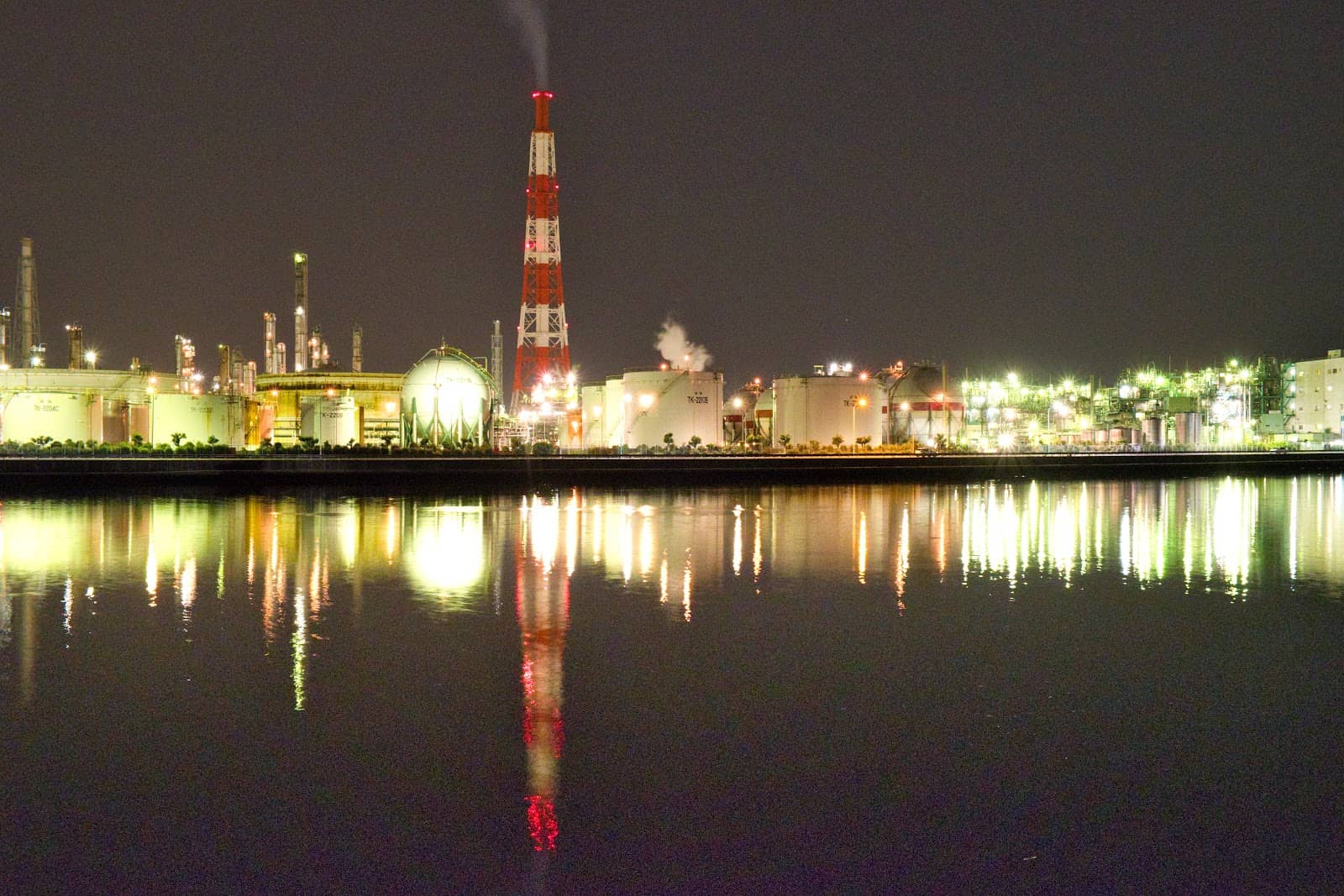
Meoto Iwa at sunset or sunrise is breathtaking. The serene grounds of Ise Jingu, the coastal views, and the charming fishing villages offer many photo opportunities. Look for Ghibli-esque scenes too!
Photographing Ama divers can be challenging due to their movements and the environment. Some tours may offer specific viewing platforms or opportunities, but always be respectful of their work and privacy.
Early morning or late afternoon often provides softer light and fewer crowds, making for more atmospheric photos at Ise Jingu. The surrounding forest also creates beautiful dappled light.
Drone usage is subject to strict regulations in Japan, especially near sensitive sites like shrines and airports. It's crucial to research and comply with all local laws and obtain necessary permissions before flying a drone in Mie.
A versatile lens (like a 24-70mm equivalent) is great for general sightseeing. A wide-angle lens can capture landscapes and architecture, while a telephoto lens might be useful for distant coastal views or wildlife. Don't forget a sturdy tripod for low-light shots or Meoto Iwa at sunset.
Social
from TikTok, Instagram & Reddit