Shiozawa District
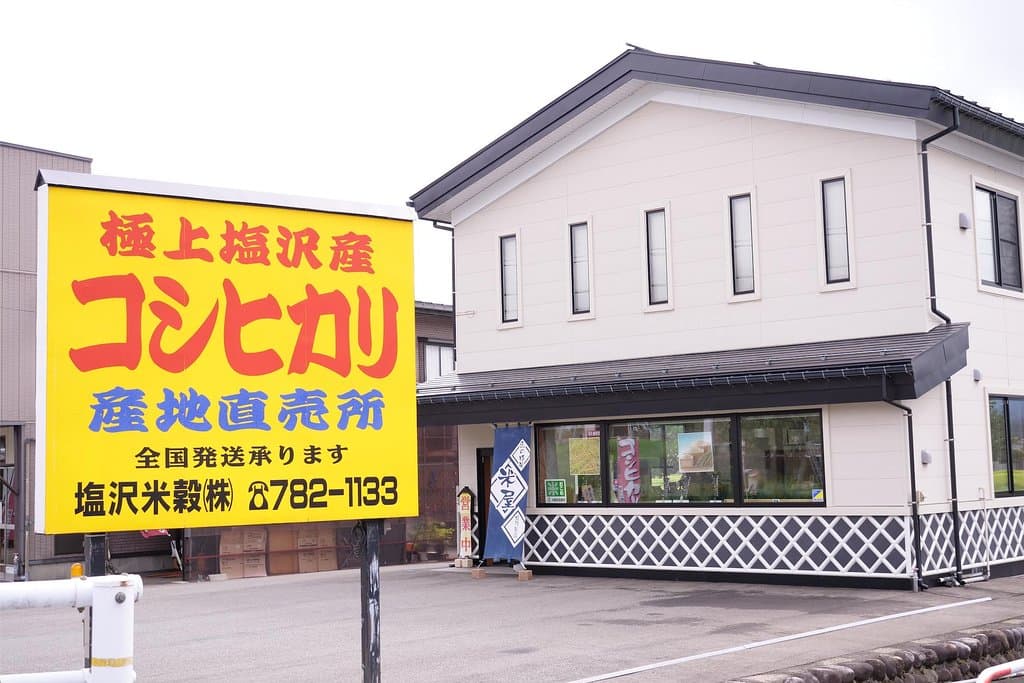
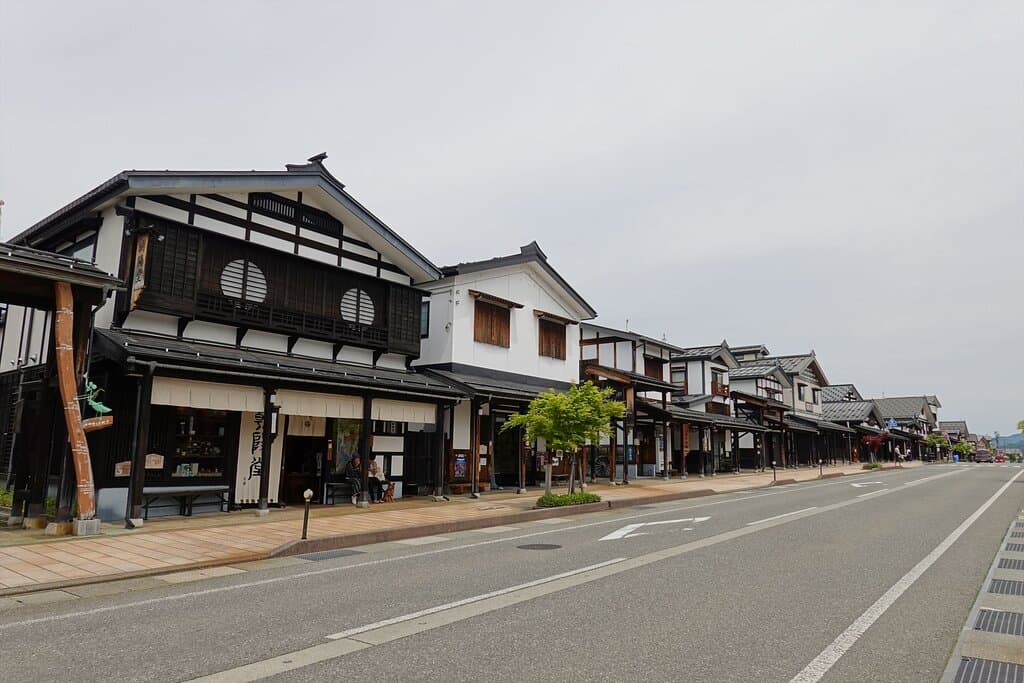
Step back in time in Shiozawa District, a beautifully preserved area of traditional machiya houses and artisan shops.

Highlights
Must-see attractions

Social
From TikTok & Reddit
Best Time
Cherry blossoms bloom beautifully
Shiozawa District
Best Time
Cherry blossoms bloom beautifully
Highlights
Must-see attractions
Step back in time in Shiozawa District, a beautifully preserved area of traditional machiya houses and artisan shops.
"A charming step back in time, perfect for quiet exploration and unique crafts."

🚶♀️ Stroll & Discover
Take your time exploring the narrow streets and hidden alleys. You never know what charming spots you'll find!
🛍️ Shop Local
Support local artisans by purchasing unique crafts and souvenirs. Many shops offer handmade items.

Highlights
Discover the most iconic attractions and experiences
Traditional Machiya Houses
Throughout the district
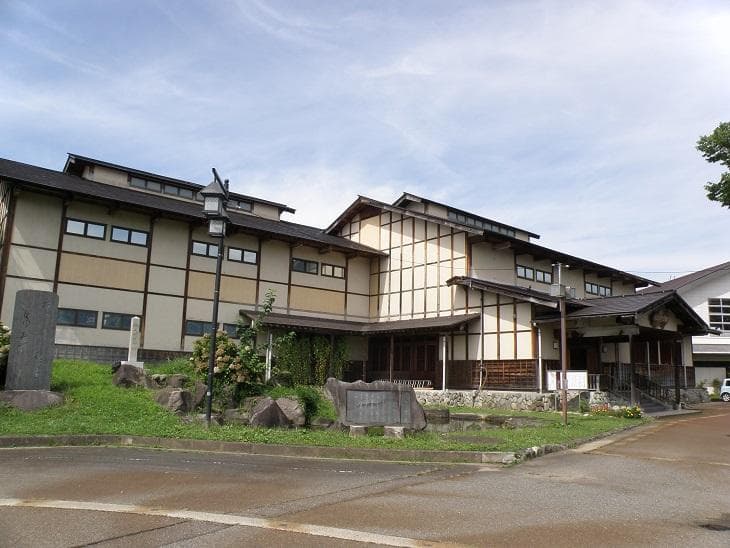
Wander through streets lined with beautifully preserved wooden merchant houses, offering a nostalgic journey back in time.
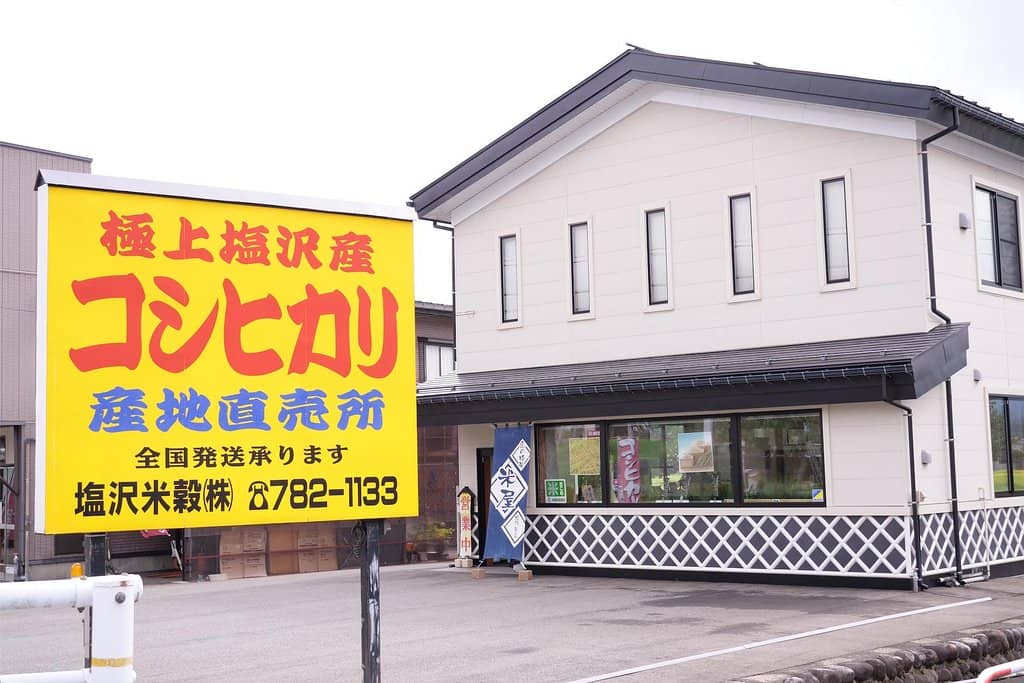
Local Craft Shops
Main street
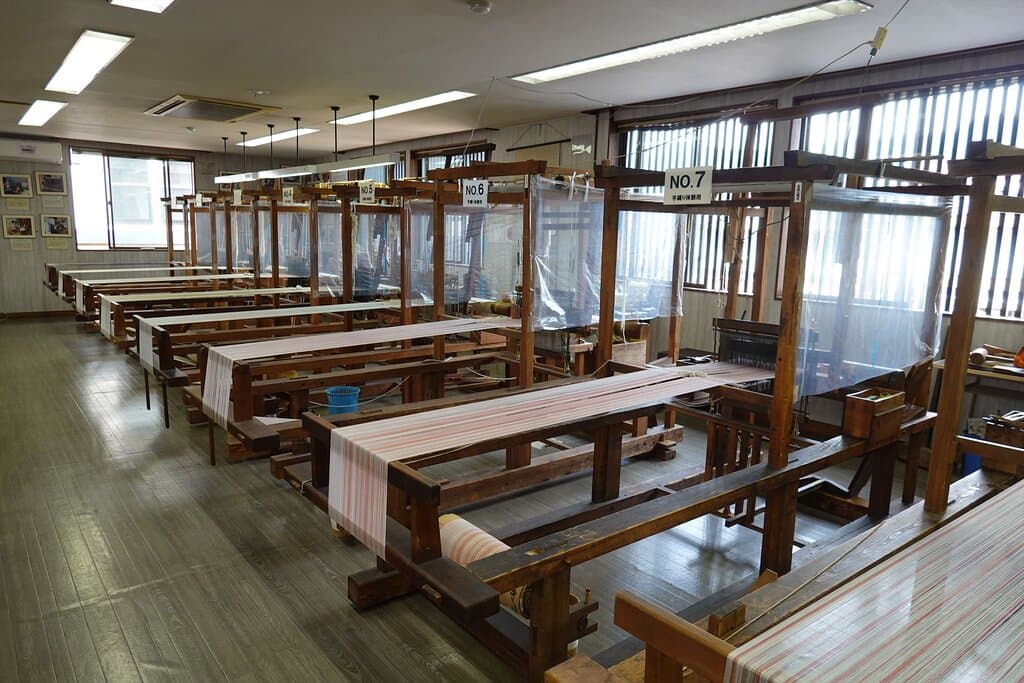
Discover unique handmade crafts, textiles, and local delicacies. Perfect for finding authentic souvenirs.
Seasonal Festivals
Various locations
Experience vibrant local festivals that showcase traditional music, dance, and community spirit.
Plans like a pro.
Thinks like you
Planning Your Visit
Embrace the Local Charm
Navigating Shiozawa
Best Times
Insider Tips
from TikTok, Instagram & Reddit
🚶♀️ Stroll & Discover
Take your time exploring the narrow streets and hidden alleys. You never know what charming spots you'll find!
🛍️ Shop Local
Support local artisans by purchasing unique crafts and souvenirs. Many shops offer handmade items.
⏰ Respect Closing Times
Many shops close by late afternoon. Plan your shopping and sightseeing accordingly.
👟 Wear Comfortable Shoes
You'll be doing a lot of walking on charming, sometimes uneven, streets.
Tips
from all over the internet
🚶♀️ Stroll & Discover
Take your time exploring the narrow streets and hidden alleys. You never know what charming spots you'll find!
🛍️ Shop Local
Support local artisans by purchasing unique crafts and souvenirs. Many shops offer handmade items.
⏰ Respect Closing Times
Many shops close by late afternoon. Plan your shopping and sightseeing accordingly.
👟 Wear Comfortable Shoes
You'll be doing a lot of walking on charming, sometimes uneven, streets.
What Travellers Say
Reviews Summary
Visitors praise Shiozawa District for its authentic, well-preserved historical atmosphere and charming machiya houses. It's a peaceful escape offering a glimpse into traditional Japanese life and a great place to find unique local crafts. Some note that shops can close early, so planning is key.
What People Like
What People Dislike
Frequently Asked Questions
🚇 🗺️ Getting There
The easiest way to reach Shiozawa District is by train. Take the Joetsu Shinkansen to Echigo-Yuzawa Station, then transfer to a local train on the Joetsu Line to Shiozawa Station. From Shiozawa Station, it's a short walk to the heart of the district.
Yes, Shiozawa District is accessible by car. There are parking lots available, though they can fill up during peak seasons or festivals. It's advisable to check parking availability beforehand if you're driving.
Shiozawa District is best explored on foot. The streets are relatively compact and perfect for a leisurely stroll. Consider renting a bicycle for a more extensive exploration if available.
Local bus services operate in the wider area, but direct bus routes to the core of Shiozawa District might be infrequent. Relying on the train to Shiozawa Station is generally more convenient for most visitors.
By Shinkansen, Shiozawa District is approximately 1.5 to 2 hours away from Tokyo. This makes it a feasible day trip or a relaxing stopover on a longer journey.
🎫 🎫 Tickets & Entry
No, Shiozawa District itself is a public area and does not require an entrance ticket. You are free to wander the streets and explore the shops and historical sites.
While the district is free to enter, some individual museums, galleries, or special exhibitions within the district may have their own admission fees. It's best to check with specific establishments if you plan to visit them.
Most shops in Shiozawa District operate from around 9:00 AM or 10:00 AM until 5:00 PM. Some may close earlier, especially on weekdays or during the off-season. It's wise to visit earlier in the day.
Yes, Shiozawa District is open year-round. However, the experience can vary significantly with the seasons. Spring and autumn are particularly popular for their pleasant weather and scenic beauty.
While not as common as in larger cities, local tourist information centers or some accommodations might offer guided tours. Inquiring locally upon arrival is your best bet for finding guided experiences.
📸 📸 Photography
The entire district is a photographer's dream! Focus on the traditional machiya houses with their intricate wooden details, narrow alleyways, and any local street scenes. The seasonal foliage adds extra charm.
Generally, it's polite to ask for permission before taking photos inside private shops, especially if they are selling delicate crafts or if there are other customers. Respect the shop owners' wishes.
Early morning offers soft light and fewer crowds, ideal for capturing the serene atmosphere. Late afternoon also provides beautiful golden hour light, enhancing the textures of the old buildings.
Look for the distinctive koshi (latticework) on the machiya houses, the tiled roofs, and the small gardens. The contrast between old wood and seasonal nature is also a great photographic subject.
Tripods are generally allowed in public areas, but be mindful of pedestrian traffic, especially in narrow streets. Avoid setting up in a way that obstructs pathways or businesses.
🍽️ 🍽️ Food & Dining
You'll find traditional Japanese cuisine, often featuring local ingredients. Look for soba noodles, regional rice dishes, and seasonal specialties. Many shops also offer local snacks and sweets.
While Shiozawa District is more focused on crafts and history, there are several charming restaurants and cafes scattered throughout. They often offer a cozy atmosphere to enjoy local flavors.
The region is known for its high-quality rice, so try local rice dishes. Soba noodles are also a popular choice. Don't miss out on trying local senbei (rice crackers) or other regional sweets.
Options might be limited, as traditional Japanese cuisine often uses dashi (fish stock). It's best to inquire directly with restaurants about vegetarian or vegan possibilities, or look for places specializing in vegetable-based dishes.
Yes, there are several quaint cafes where you can relax, enjoy a cup of tea or coffee, and perhaps a local pastry. They are perfect for a mid-exploration break.
For Different Travelers
Tailored advice for your travel style
👨👩👧 Families with Kids
While there aren't specific playgrounds, the open streets (during less busy times) allow for some freedom to explore. Pack snacks and drinks, as dining options might be more geared towards adults. Visiting during a local festival, if timing aligns, can be a particularly engaging experience for children with its lively atmosphere and traditional performances.
🚶♀️ Solo Travelers
Engaging with local shopkeepers can be a rewarding experience for solo visitors. Many are happy to share stories about their crafts or the history of the district. It's also a great place to practice basic Japanese phrases. Consider staying in a local minshuku (guesthouse) for a more immersive experience and a chance to interact with hosts and other travelers.
Deep Dives
In-depth insights and expert knowledge
The Charm of Machiya Houses
The atmosphere is particularly enchanting during the quieter hours of the day, when the soft light filters through the narrow streets, highlighting the textures of the aged wood. Photographers will find endless opportunities to capture the intricate details and the overall aesthetic of this historic streetscape. It's a place where the past is not just remembered but actively lived and preserved.
When exploring, take note of the subtle differences in architectural styles, which can indicate the era of construction or the original purpose of the building. Some houses might have small courtyards or gardens, offering a peek into traditional Japanese living spaces. This dedication to preservation makes Shiozawa a unique cultural treasure.
Local Crafts and Shopping
Many of the shops are housed within the historic machiya, adding to the charm of the shopping experience. Interacting with the shopkeepers can offer insights into the creation process and the cultural significance of their products. Don't hesitate to ask questions; most artisans are proud to share their knowledge. This personal connection makes the shopping experience much more meaningful than a typical retail visit.
When browsing, keep an eye out for local specialties unique to the Niigata prefecture. These might include specific types of lacquerware, woven goods, or regional sweets. Supporting these local businesses not only allows you to take home a piece of Shiozawa but also helps preserve these traditional crafts for future generations.



Social
from TikTok, Instagram & Reddit