Hakone
Hakone, a mountain resort town in Japan's Fuji-Hakone-Izu National Park, offers stunning natural beauty, hot springs, and art.
Highlights
Must-see attractions

Social
From TikTok & Reddit
Best Time
Fewer crowds, better photos
Hakone
Best Time
Fewer crowds, better photos
Highlights
Must-see attractions
Hakone, a mountain resort town in Japan's Fuji-Hakone-Izu National Park, offers stunning natural beauty, hot springs, and art.
"Hakone is a popular escape from Tokyo, offering stunning Mt. Fuji views, serene lake cruises, and relaxing onsen."
🎯 Get the Hakone Free Pass
Covers most transport, saving money & hassle. Essential for exploring!
⏰ Arrive Early at Hakone Shrine
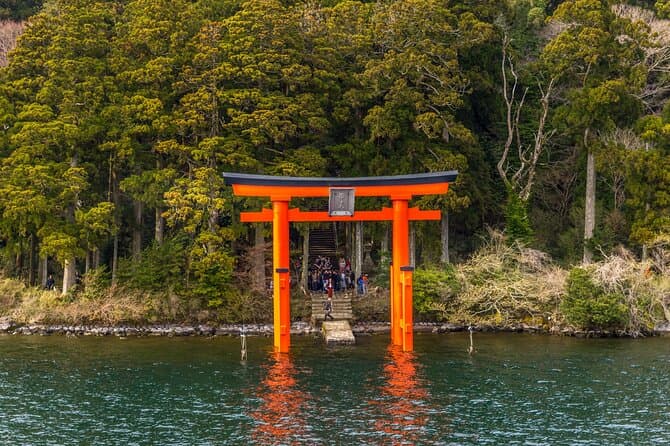
Beat the crowds for serene photos of the iconic torii gate.
Quick Facts
Rating
3.9 · 5,380 reviews
Type
Train Station
Highlights
Discover the most iconic attractions and experiences
Hakone Shrine
Lake Ashi
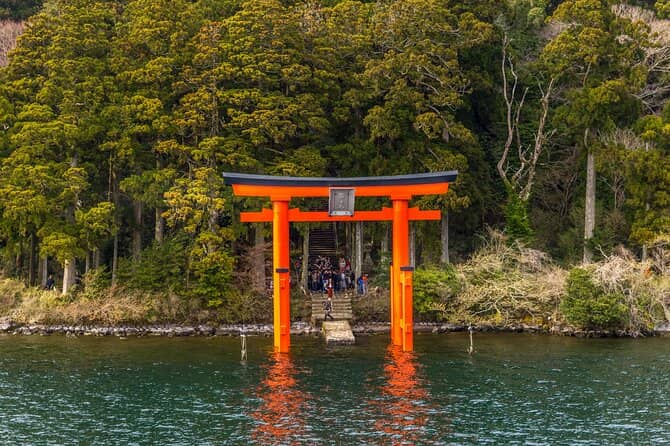
Iconic vermilion torii gate standing majestically in Lake Ashi, offering serene views and spiritual ambiance.
Lake Ashi Cruise
Lake Ashi
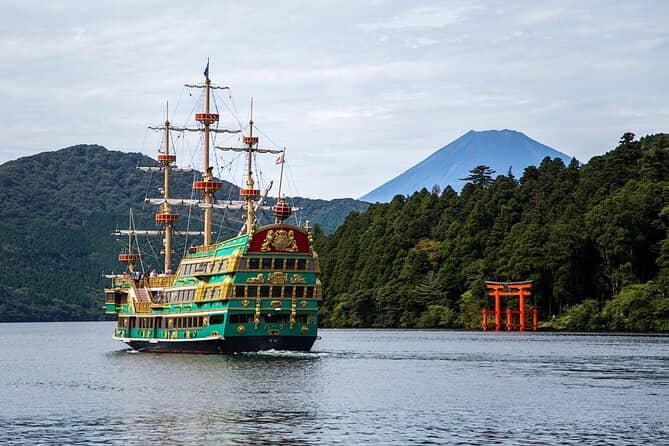
Sail across the caldera lake on a pirate ship, with stunning views of Mt. Fuji and the surrounding mountains.
Hakone Ropeway & Owakudani
Owakudani Valley
Ascend via ropeway for panoramic views and witness the volcanic activity and steaming vents of Owakudani.
Hakone Open-Air Museum
Chokoku-no-Mori
An expansive outdoor sculpture park blending art with nature, featuring works by renowned artists.
Plans like a pro.
Thinks like you
Planning Your Visit
Embrace the Journey: Getting to Hakone
Timing is Everything: Beat the Crowds
Best Times
Insider Tips
from TikTok, Instagram & Reddit
🎯 Get the Hakone Free Pass
Covers most transport, saving money & hassle. Essential for exploring!
⏰ Arrive Early at Hakone Shrine
Beat the crowds for serene photos of the iconic torii gate.
♨️ Book Ryokans in Advance
Popular Hakone ryokans fill up fast, especially for onsen stays.
🥾 Wear Comfortable Shoes
Lots of walking and exploring, especially at the Open-Air Museum.
Tips
from all over the internet
🎯 Get the Hakone Free Pass
Covers most transport, saving money & hassle. Essential for exploring!
⏰ Arrive Early at Hakone Shrine
Beat the crowds for serene photos of the iconic torii gate.
♨️ Book Ryokans in Advance
Popular Hakone ryokans fill up fast, especially for onsen stays.
🥾 Wear Comfortable Shoes
Lots of walking and exploring, especially at the Open-Air Museum.
☁️ Check Fuji Visibility
Mt. Fuji views are weather-dependent; clear days are best.
What Travellers Say
Reviews Summary
Visitors consistently praise Hakone for its stunning natural scenery, including views of Mt. Fuji and the serene Lake Ashi. The unique blend of art at the Open-Air Museum and the relaxing onsen experiences are major highlights. However, some find the popular attractions, especially Hakone Shrine and the Ropeway, can become extremely crowded, impacting the overall tranquility.
"Super crowded station since it's connecting to a lot of routes. You can also board shinkansen in here. I came from Haneda Airport, get off in here and board the shinkansen to Kyoto from this station."
Vinny Anugraha
"Shinagawa is a transit beast in a suit—Shinkansen doors, Keikyū flights to Haneda, and towers full of meetings. Business travelers command the concourse while families chase bento before long rides. Polished, efficient, slightly pricey—but it gets you everywhere fast.
Tourist Tip:
For Haneda, follow red Keikyū signs; for Shinkansen, JR Central gates are obvious. Grab ekiben upstairs before boarding."
Stray Lantern
"Really frustrating experience at the Shinagawa Station Shinkansen ticket area. They don’t allow Suica tap-on/tap-off cards to be used at the self-serve machines, which makes no sense in 2025. We had to wait for over an hour just to see someone at the ticket counter to sort it out. The whole process felt outdated and unnecessarily complicated. Definitely needs better signage and more staff to help travellers — especially since this is one of Tokyo’s major transport hubs."
Matthew Cornes
What People Like
What People Dislike
Frequently Asked Questions
🚇 🗺️ Getting There
The most popular way to reach Hakone from Tokyo is by train. The Odakyu Romancecar from Shinjuku Station offers a direct and comfortable journey to Hakone-Yumoto. Alternatively, you can take the Shinkansen (bullet train) from Tokyo Station or Shinagawa Station to Odawara, and then transfer to local trains or buses into Hakone. 
Yes, the Hakone Free Pass is highly recommended for exploring Hakone. It covers most of the transportation options within the area, including trains, buses, the Hakone Ropeway, and the Lake Ashi cruise, offering significant savings and convenience.
The journey from Tokyo to Hakone typically takes about 1.5 to 2 hours, depending on your starting point in Tokyo and the mode of transport you choose. The Odakyu Romancecar is a direct route, while using the Shinkansen to Odawara and then transferring might take slightly longer.
Absolutely! Hakone is a very popular day trip destination from Tokyo, offering a refreshing escape into nature and culture. You can easily experience its highlights within a single day, though an overnight stay allows for a more relaxed pace.
Hakone offers a variety of transportation options, including trains, buses, the Hakone Ropeway, and a scenic cruise on Lake Ashi. The Hakone Free Pass conveniently covers most of these, making it easy to navigate between attractions.
🎫 🎫 Tickets & Entry
Many attractions in Hakone, like Hakone Shrine and Lake Ashi, are free to visit. However, specific museums (e.g., Hakone Open-Air Museum) and the Hakone Ropeway require separate admission fees or are covered by the Hakone Free Pass.
The Hakone Free Pass can be purchased at major Odakyu Line stations in Tokyo, such as Shinjuku, or at Odawara Station. You can also buy it online in advance.
Opening hours vary by attraction. Museums typically open around 9 or 10 AM and close by 5 PM. Hakone Shrine is generally accessible at all times, though visiting during daylight hours is recommended.
The Hakone Free Pass itself offers significant value by covering multiple modes of transport and some attractions. Check for potential discounts if you have specific passes or group affiliations, though the Free Pass is usually the best deal.
While Suica and Pasmo cards are widely used in Tokyo, their acceptance in Hakone can be limited to specific train lines and buses. The Hakone Free Pass is a more comprehensive and often more economical option for navigating the region.
🎫 🏞️ Onsite Experience
Key highlights include the Hakone Shrine with its iconic torii gate on Lake Ashi, a scenic cruise across Lake Ashi, the volcanic landscape of Owakudani accessed by the Hakone Ropeway, and the unique Hakone Open-Air Museum.
Yes, Hakone offers several hiking trails, ranging from gentle walks around Lake Ashi to more challenging routes in the mountains. The natural beauty of the area makes it a great destination for outdoor enthusiasts.
Owakudani is a volcanic valley known for its hot springs, sulfurous fumes, and the unique black eggs (kuro-tamago) boiled in the hot springs, which are said to prolong one's life.
Yes, on clear days, Hakone offers spectacular views of Mt. Fuji, especially from Lake Ashi and the Hakone Ropeway. The best chances to see Fuji-san are typically in the morning or late afternoon.
Hakone has a diverse public transport system including trains, buses, the Hakone Ropeway, and a pirate ship cruise on Lake Ashi. The Hakone Free Pass covers most of these options.
🎫 ♨️ Onsen & Accommodation
A ryokan is a traditional Japanese inn, offering tatami mat rooms, futon beds, and often exquisite kaiseki (multi-course) meals. Staying in a ryokan in Hakone, especially one with an onsen (hot spring), is a quintessential Japanese experience.
Hakone boasts many highly-rated ryokans. Popular choices include Hakone Ginyu, Hakone Suishoen, and Ryuguden Prince Hotel, known for their luxurious onsen, stunning views, and exceptional service.
An onsen is a Japanese hot spring bath, rich in minerals. Etiquette includes washing thoroughly before entering the bath, not wearing swimwear, and generally being quiet and respectful. Many ryokans in Hakone have private or public onsen facilities.
Yes, Hakone offers a range of accommodation options, including modern hotels, guesthouses, and budget-friendly hostels, in addition to traditional ryokans.
Prices for ryokans in Hakone can vary significantly, from mid-range options to ultra-luxury establishments. Expect to pay anywhere from ¥20,000 to ¥100,000+ per person per night, often including meals.
📸 📸 Photography Tips
The iconic torii gate of Hakone Shrine in Lake Ashi is a must-capture. Other photogenic locations include the Hakone Open-Air Museum with its sculptures against natural backdrops, panoramic views from the Hakone Ropeway, and the serene landscapes around Lake Ashi.
Early mornings, especially around sunrise, offer the best light and fewest crowds for iconic spots like Hakone Shrine. Golden hour in the late afternoon can also provide beautiful lighting for landscapes.
A versatile lens (e.g., 24-70mm equivalent) is great for landscapes and details. A wide-angle lens can capture the grandeur of the scenery, and a tripod can be useful for low-light conditions or long exposures, especially near water.
Drone usage is generally restricted in many natural parks and tourist areas in Japan, including Hakone, to protect wildlife and ensure visitor safety. Always check local regulations before flying a drone.
Experiment with different angles, focus on the interplay of art and nature at the Open-Air Museum, capture the steam rising from Owakudani, or find quiet spots along Lake Ashi away from the main tourist paths.




Social
from TikTok, Instagram & Reddit