
Tsuboya Pottery Street Naha Okinawa
Discover Okinawa's soul on Tsuboya Pottery Street, a historic lane filled with traditional Yachimun ceramics and artisan studios.
Highlights
Must-see attractions

Social
From TikTok & Reddit
Best Time
Fewer crowds, more relaxed browsing
Tsuboya Pottery Street Naha Okinawa
Best Time
Fewer crowds, more relaxed browsing
Highlights
Must-see attractions
Discover Okinawa's soul on Tsuboya Pottery Street, a historic lane filled with traditional Yachimun ceramics and artisan studios.
"A charming, historic street brimming with authentic Okinawan pottery and a peaceful atmosphere. 

🚶♀️ Wander and Discover
Don't rush! Explore the narrow lanes and hidden alleys to find unique pottery pieces and charming shops.
💰 Budget for Souvenirs
Yachimun pottery varies in price. Set a budget to find the perfect, meaningful Okinawan souvenir.

Quick Facts
Highlights
Discover the most iconic attractions and experiences

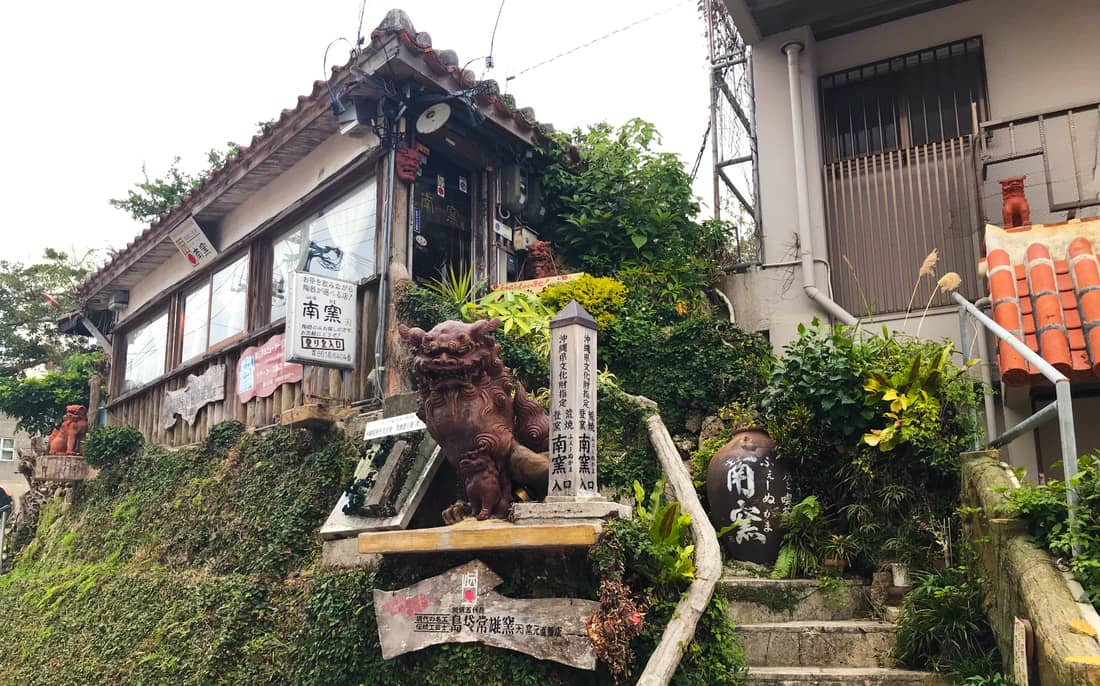
Historic Yachimun Kilns
Along Tsuboya Yachimun Street
Discover ancient kilns and studios, remnants of Okinawa's rich pottery-making heritage. Feel the history in every corner.

Artisan Ceramic Shops
Tsuboya Yachimun Street
Browse unique Yachimun pottery, from everyday tableware to intricate art pieces. Find the perfect Okinawan souvenir.

Local Craftsmanship
Various studios along the street
Witness the skill of local potters and perhaps even see them at work. Experience the authentic Okinawan craft culture.
Plans like a pro.
Thinks like you
Planning Your Visit
Embrace the Yachimun Spirit
Timing is Key for Treasures
Best Times
Insider Tips
from TikTok, Instagram & Reddit
🚶♀️ Wander and Discover
Don't rush! Explore the narrow lanes and hidden alleys to find unique pottery pieces and charming shops.
💰 Budget for Souvenirs
Yachimun pottery varies in price. Set a budget to find the perfect, meaningful Okinawan souvenir.
📸 Capture the Charm
The street itself is picturesque. Take photos of the traditional architecture and vibrant ceramics.
🗣️ Learn a Little Japanese
Knowing basic phrases can enhance your interaction with local shop owners. 'Arigato' goes a long way!
Looking to buy Kitsch!
I've been to Kokusai street, and of course the Exchanges have specific selections.of overpriced stuff, but I'm looking for a different variety. Where else do you guys like to shop for Okinawa-specific gifts?
Tips
from all over the internet
🚶♀️ Wander and Discover
Don't rush! Explore the narrow lanes and hidden alleys to find unique pottery pieces and charming shops.
💰 Budget for Souvenirs
Yachimun pottery varies in price. Set a budget to find the perfect, meaningful Okinawan souvenir.
📸 Capture the Charm
The street itself is picturesque. Take photos of the traditional architecture and vibrant ceramics.
🗣️ Learn a Little Japanese
Knowing basic phrases can enhance your interaction with local shop owners. 'Arigato' goes a long way!
What Travellers Say
Reviews Summary
Visitors rave about Tsuboya Pottery Street's authentic charm and the beauty of traditional Yachimun ceramics. It's a peaceful escape offering a deep dive into Okinawan artistry and history. Some find it a bit quiet compared to bustling tourist spots, and parking can be a minor inconvenience.
What People Like
What People Dislike
Frequently Asked Questions
🚇 🗺️ Getting There
From Naha Airport, you can take a taxi directly to Tsuboya Pottery Street, which is about a 15-20 minute ride. Alternatively, take the Yui Rail (monorail) from Naha Airport Station to Makishi Station or Miebashi Station, and then it's a short walk (about 10-15 minutes) to the street.
Yes, Tsuboya Pottery Street is easily accessible by public transport. The nearest Yui Rail stations are Makishi and Miebashi. From there, it's a pleasant walk through charming streets to reach the pottery district.
Driving is possible, but parking can be challenging in the narrow streets. There are a few paid parking lots nearby. It's often easier to use public transport or a taxi.
The best way to explore is on foot. Wear comfortable shoes and allow ample time to wander through the various shops and alleys.
Yes, Tsuboya Pottery Street is located just a short walk from the eastern end of Kokusai Dori, making it easy to combine visits.
🎫 🎫 Tickets & Entry
No, Tsuboya Pottery Street is an open-air district, and there is no admission fee to walk around and browse the shops. You only pay for any pottery you decide to purchase.
Shop hours can vary, but most typically open around 10 AM and close between 6 PM and 7 PM. Some may close earlier on certain days or holidays. It's best to check individual shop hours if you have a specific place in mind.
The historic kilns are part of the street's atmosphere and are generally visible from the outside or accessible as part of a shop's display. There are no separate entrance fees for viewing them.
Yes, you can visit on weekends, but expect it to be busier than on weekdays. Many shops will be open, offering a lively atmosphere.
For a more peaceful experience, aim for weekday mornings, shortly after shops open. Weekends and late afternoons tend to be more crowded.
🎫 🛍️ Shopping & Souvenirs
You'll find 'Yachimun' pottery, which is traditional Okinawan ceramics. This includes everything from everyday tableware like bowls and plates to decorative items, teacups, and larger art pieces.
The best place to buy authentic Yachimun is directly from the numerous artisan shops and studios lining Tsuboya Pottery Street. Look for shops with the 'Tsuboya Yachimun' designation.
While Tsuboya is known for traditional Yachimun, some shops might offer a wider range of Okinawan crafts. For more kitschy items, Kokusai Dori might have a broader selection, but Tsuboya offers more authentic, handcrafted pieces.
Prices are generally fixed in most shops, especially for established artisans. However, in smaller, independent studios, a polite inquiry might be possible, but it's not common practice.
While many shops offer beautiful pieces, some popular ones mentioned include @g.tamamoto, @gallery.yamada, and @kitagama_baiten on Instagram. Exploring and finding your personal favorite is part of the charm.
📸 📸 Photography
Yes, photography is generally allowed on the street itself to capture the atmosphere and architecture. However, always be respectful and ask permission before taking close-up photos inside shops or of artisans at work.
The entire street is photogenic! Look for the traditional tiled roofs, stone pathways, colorful ceramic displays, and the historic kiln remnants. The narrow lanes offer great depth and character.
You can usually take photos of pottery you are interested in, especially if you plan to share them or remember them. Again, a quick nod to the shopkeeper is always polite.
Drone photography is generally not permitted in densely populated areas like Tsuboya Pottery Street due to privacy and safety concerns. It's best to avoid using drones here.
Early morning or late afternoon light can create beautiful shadows and highlight the textures of the pottery and architecture. Midday sun can be harsh.
Social
from TikTok, Instagram & Reddit