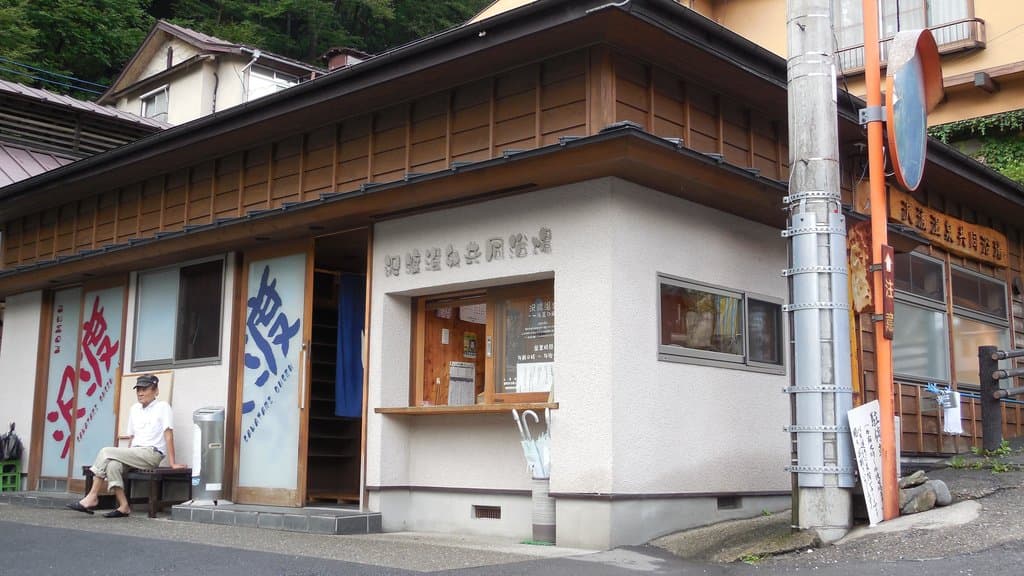
Sawatari Onsen
Sawatari Onsen: A serene hot spring retreat nestled in nature, offering traditional ryokan stays and therapeutic baths for ultimate relaxation.
Highlights
Must-see attractions

Social
From TikTok & Reddit
Best Time
Vibrant fall foliage
Sawatari Onsen
Best Time
Vibrant fall foliage
Highlights
Must-see attractions
Sawatari Onsen: A serene hot spring retreat nestled in nature, offering traditional ryokan stays and therapeutic baths for ultimate relaxation.
🛏️ Book Ryokan in Advance
Popular ryokans fill up quickly, especially during peak seasons. Secure your spot early for the best experience!
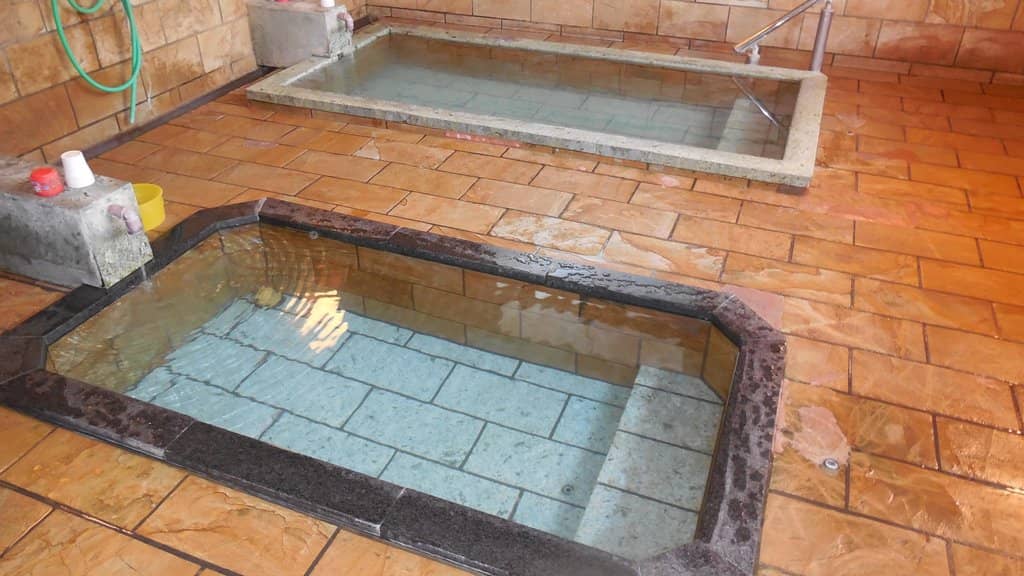
♨️ Onsen Etiquette is Key
Wash thoroughly before entering baths, no swimsuits allowed, and keep noise down. Respect the tradition.
Quick Facts
Highlights
Discover the most iconic attractions and experiences
Traditional Ryokan Stay
Various inns throughout Sawatari Onsen
Immerse yourself in Japanese hospitality with tatami rooms, kaiseki dinners, and soothing onsen baths.
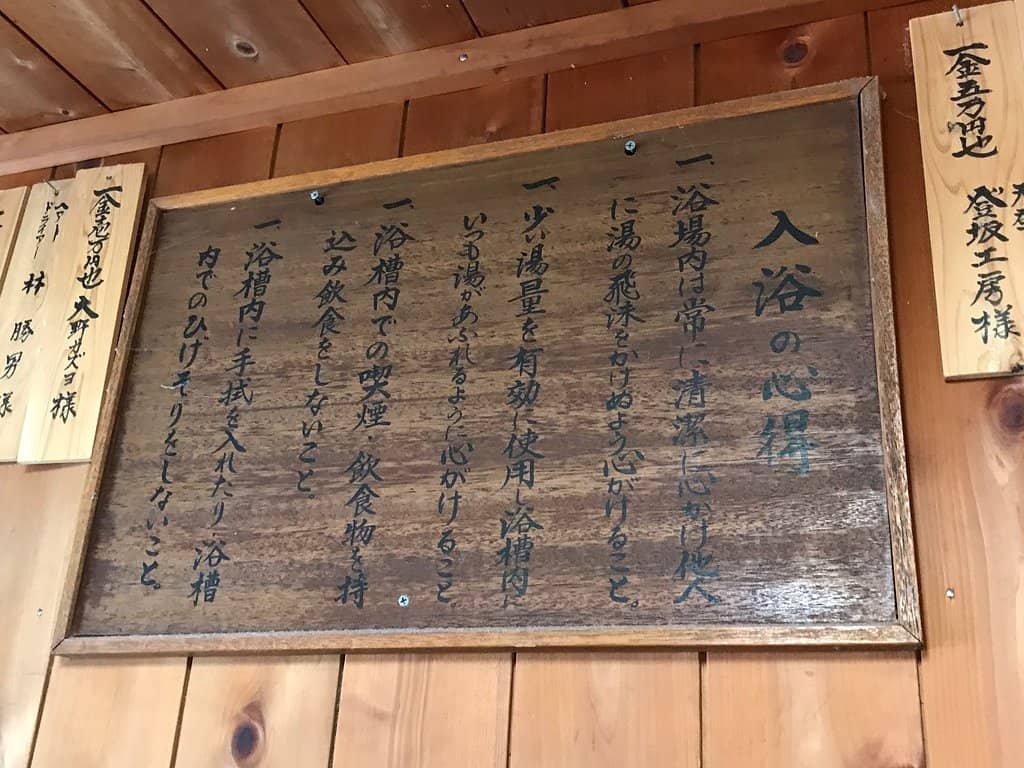
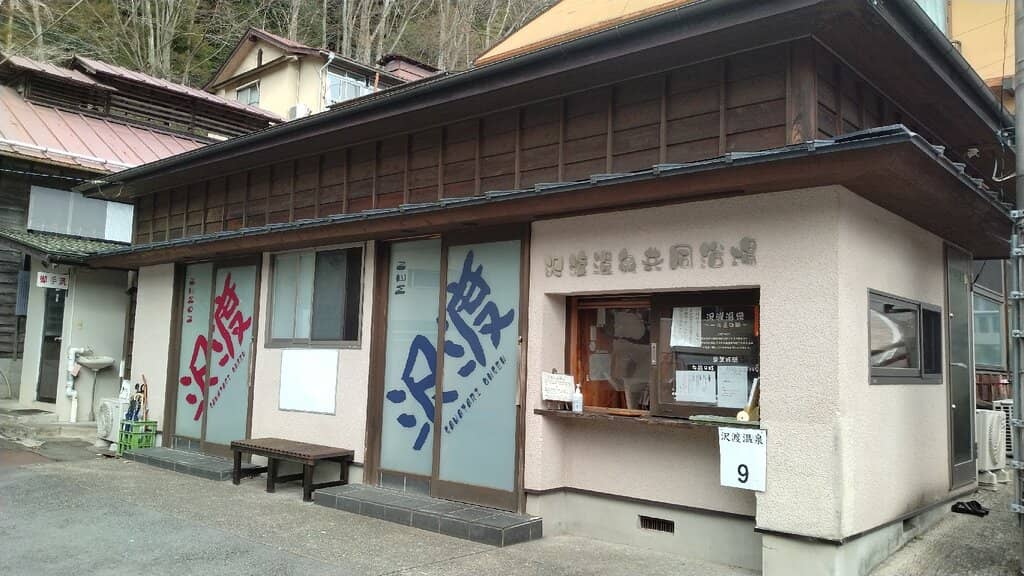
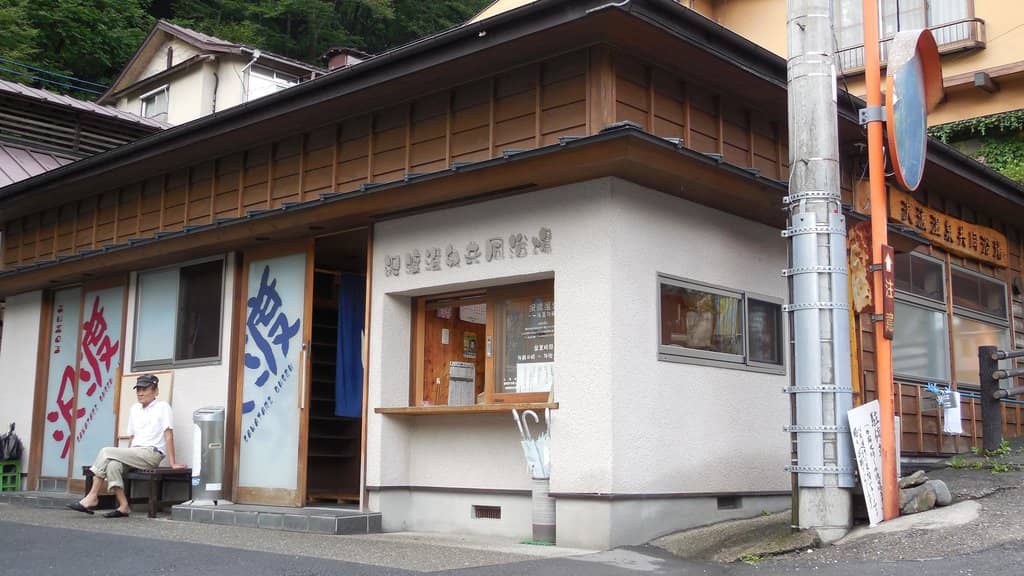
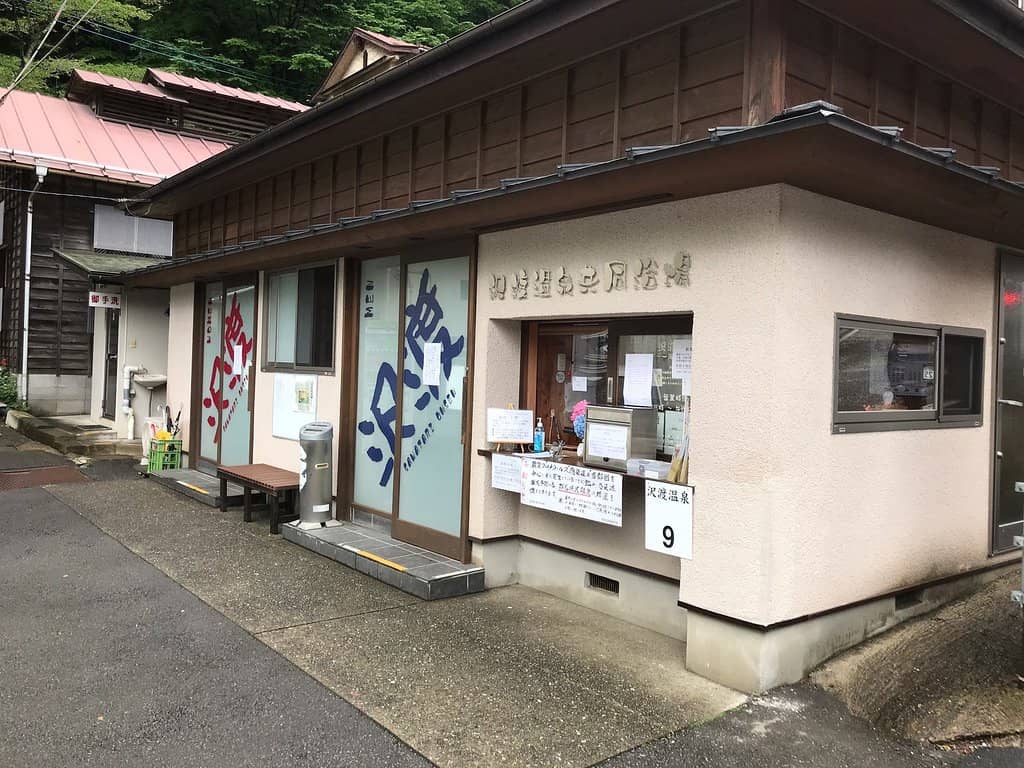
Public Bathing Experience
Communal onsen facilities
Experience the communal spirit of onsen culture in beautifully designed public baths.
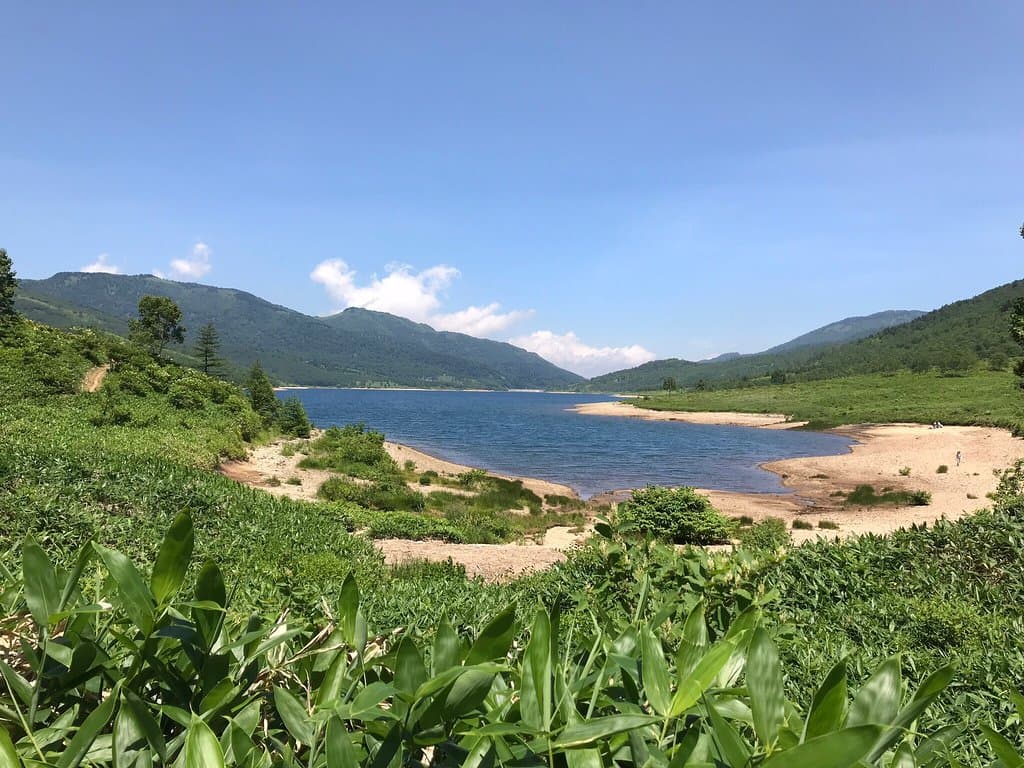
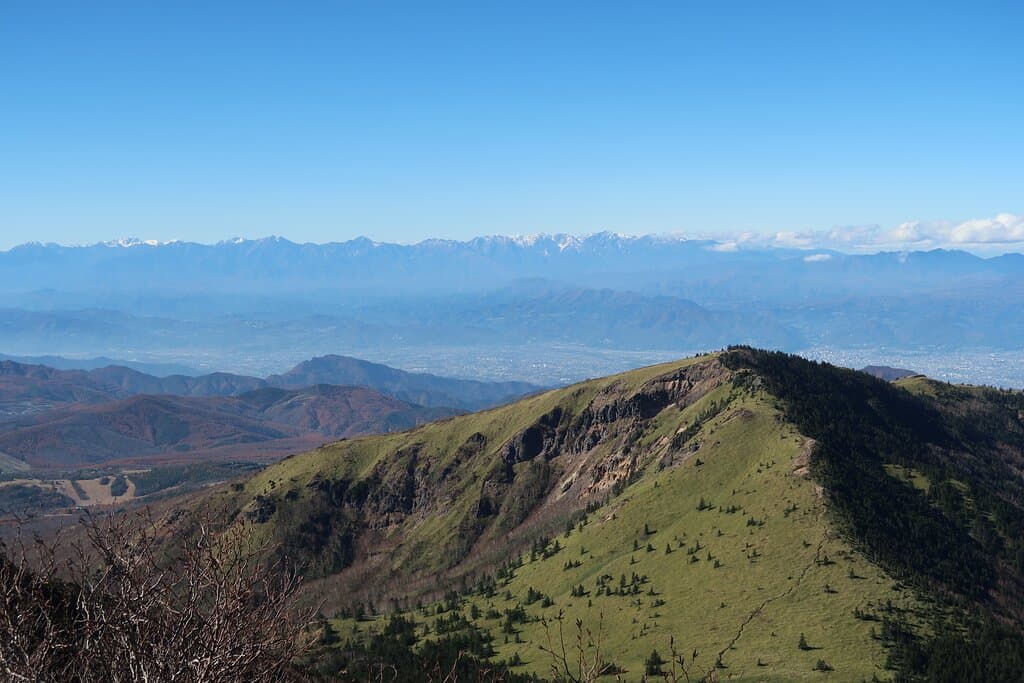
Scenic Natural Surroundings
Riverbanks and surrounding mountains
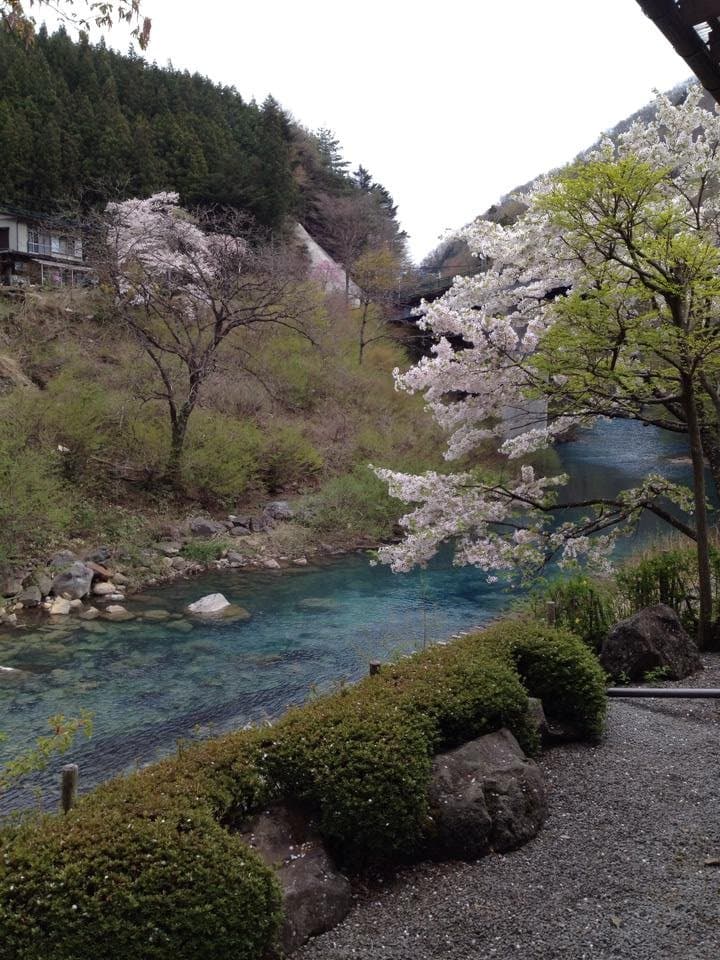
Enjoy picturesque views of the river and lush mountains, especially vibrant during autumn.
Plans like a pro.
Thinks like you
Planning Your Visit
Embrace the Serenity
Seasonal Beauty & Access
Best Times
Insider Tips
from TikTok, Instagram & Reddit
🛏️ Book Ryokan in Advance
Popular ryokans fill up quickly, especially during peak seasons. Secure your spot early for the best experience!
♨️ Onsen Etiquette is Key
Wash thoroughly before entering baths, no swimsuits allowed, and keep noise down. Respect the tradition.
🚶♀️ Comfortable Walking Shoes
You'll be doing a lot of walking between inns and scenic spots. Pack comfy shoes!
📱 Download Offline Maps
Cell service can be spotty. Having offline maps ensures you won't get lost exploring.
Tips
from all over the internet
🛏️ Book Ryokan in Advance
Popular ryokans fill up quickly, especially during peak seasons. Secure your spot early for the best experience!
♨️ Onsen Etiquette is Key
Wash thoroughly before entering baths, no swimsuits allowed, and keep noise down. Respect the tradition.
🚶♀️ Comfortable Walking Shoes
You'll be doing a lot of walking between inns and scenic spots. Pack comfy shoes!
📱 Download Offline Maps
Cell service can be spotty. Having offline maps ensures you won't get lost exploring.
What Travellers Say
Reviews Summary
Visitors consistently praise Sawatari Onsen for its authentic and tranquil atmosphere, highlighting the traditional ryokan stays and the therapeutic hot springs. The natural beauty, especially during autumn, is a major draw. Some find dining options outside of ryokans limited and note that the area is best suited for relaxation rather than active sightseeing.
What People Like
What People Dislike
Frequently Asked Questions
🚇 🗺️ Getting There
The most common route involves taking the JR Tohoku Shinkansen to Shin-Aomori Station, then transferring to a local train towards Sawatari Onsen. Some travelers opt for highway buses for a more budget-friendly option. Check HyperDia or Jorudan for precise train schedules and fares.
Yes, Sawatari Onsen is accessible by car. Major highways lead to the region, and there is parking available at most accommodations. However, be mindful of winter road conditions if traveling during snowy months.
Most inns are within walking distance of each other. For longer distances or if you have mobility issues, taxis are available, though they might need to be pre-booked. Some ryokans offer shuttle services for their guests.
The closest major airport is Aomori Airport (AOJ). From there, you can take a bus or taxi to Aomori Station and then proceed to Sawatari Onsen via train.
While trains connect to the nearest major station, local transportation within Sawatari Onsen itself is limited. Walking is the primary mode of transport between facilities.
🎫 🎫 Tickets & Entry
Sawatari Onsen itself is a district, not a single ticketed attraction. Entry to the area is free. You pay for accommodation at ryokans or for day-use access to specific onsen facilities.
Prices vary greatly depending on the ryokan's luxury level and the meal plan. Expect to pay anywhere from ¥15,000 to ¥50,000+ per person per night, often including dinner and breakfast.
Yes, many ryokans and some dedicated onsen facilities offer day-use options (higaeri onsen). This usually involves a fee per person to use the baths for a few hours.
While specific passes for Sawatari Onsen are uncommon, look for regional travel passes if you're exploring the wider Aomori prefecture. Some ryokans might offer package deals.
Day-use hours typically range from mid-morning to late afternoon, often around 10 AM to 4 PM. It's best to check the specific hours for each facility you plan to visit.
🎫 ♨️ Onsen Experience
Sawatari Onsen boasts a variety of onsen, including indoor baths, outdoor baths (rotenburo) with scenic views, and private family baths that can be reserved.
The waters are known for being simple thermal springs, often described as clear and odorless, beneficial for skin and relaxation.
Bring a small towel for washing and drying, and a larger towel for after your bath. Many places provide toiletries, but it's good to have your own.
Generally, photography is prohibited in communal bathing areas to respect privacy. Some private baths might allow it, but always ask first.
This can vary. Some traditional onsen prohibit tattoos, while others are more lenient. It's advisable to check with individual establishments beforehand or look for places that offer private baths.
🍽️ 🍽️ Food & Dining
Ryokans typically serve exquisite multi-course kaiseki dinners featuring local, seasonal ingredients, and traditional Japanese breakfasts.
The dining options outside of ryokans are limited, as the area is primarily focused on accommodation. You might find a few small local eateries or cafes.
Yes, look for dishes featuring fresh seafood from nearby waters and regional vegetables. The kaiseki meals are the best way to sample local flavors.
It's essential to inform your ryokan in advance about dietary restrictions. While not always standard, many are accommodating if notified ahead of time.
Dinner is usually served in the early evening (e.g., 6 PM or 7 PM), and breakfast is typically in the morning (e.g., 7:30 AM or 8 AM). Times can be adjusted slightly upon request.
📸 📸 Photography
Focus on the scenic river views, the traditional architecture of the ryokans, and the surrounding natural landscapes, especially during autumn foliage.
Photography is generally not allowed in communal bathing areas due to privacy concerns. Always check for signage or ask staff before taking any pictures.
Early mornings offer soft light and fewer crowds, while late afternoons provide warm, golden hour light. Autumn offers vibrant colors throughout the day.
Capture the steam rising from the onsen in the crisp morning air, the reflections in the river, and the charming details of the traditional inns.
A versatile lens (like a 24-70mm) is great for landscapes and details. A tripod can be useful for low-light shots or capturing the serene atmosphere.

Social
from TikTok, Instagram & Reddit