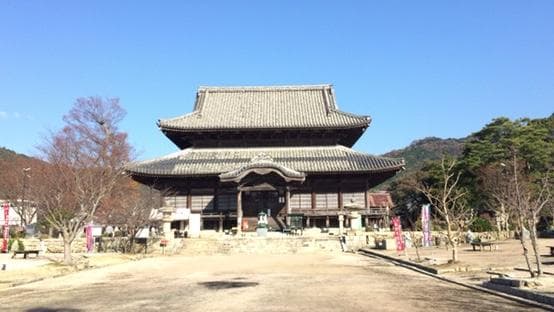
Tosa Kokubun-ji Temple No. 29
An 8th-century Buddhist temple, rebuilt in the 16th century, known for its peace and historical importance.
Highlights
Must-see attractions

Social
From TikTok & Reddit
Best Time
Experience ultimate tranquility
Tosa Kokubun-ji Temple No. 29
Best Time
Experience ultimate tranquility
Highlights
Must-see attractions
An 8th-century Buddhist temple, rebuilt in the 16th century, known for its peace and historical importance.
"One of the more beautiful temples on the Shikoku Pilgrimage, offering a peaceful and historically rich experience."
🙏 Respectful Attire
Dress modestly when visiting this sacred site. Many visitors appreciate the quiet atmosphere.
🚶♀️ Shikoku Pilgrimage Stop
If you're on the pilgrimage, this is a significant and beautiful stop. Enjoy the peaceful vibes.
Quick Facts
Hours
Rating
4.2 · 609 reviews
Type
Place of Worship
Highlights
Discover the most iconic attractions and experiences
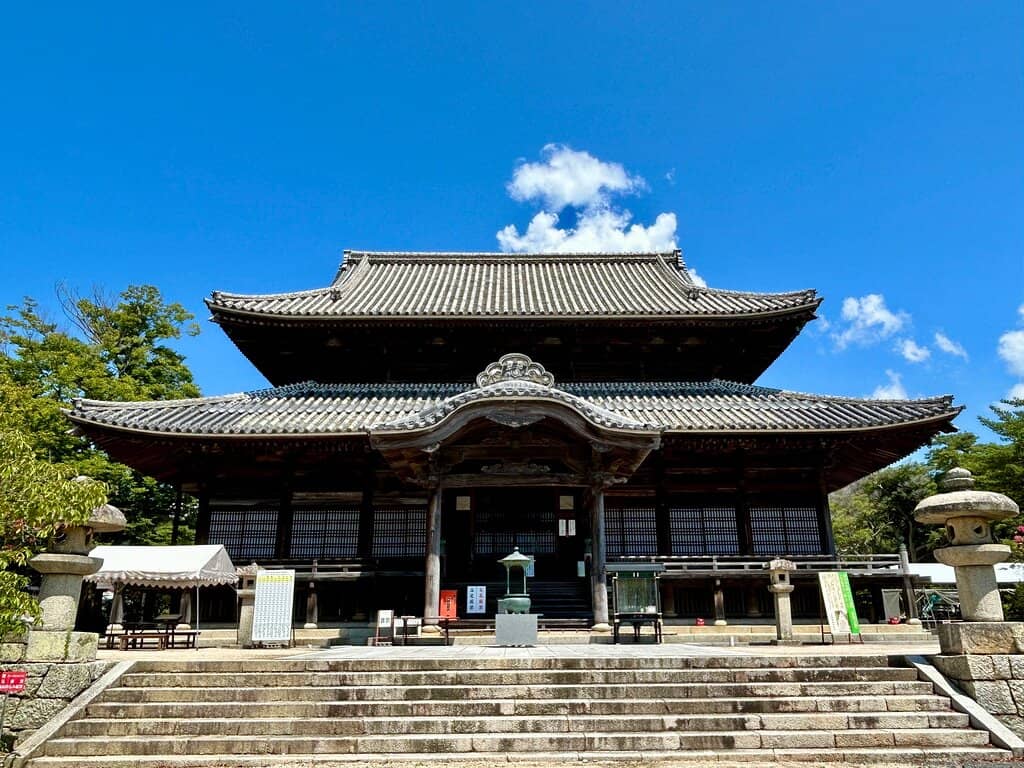
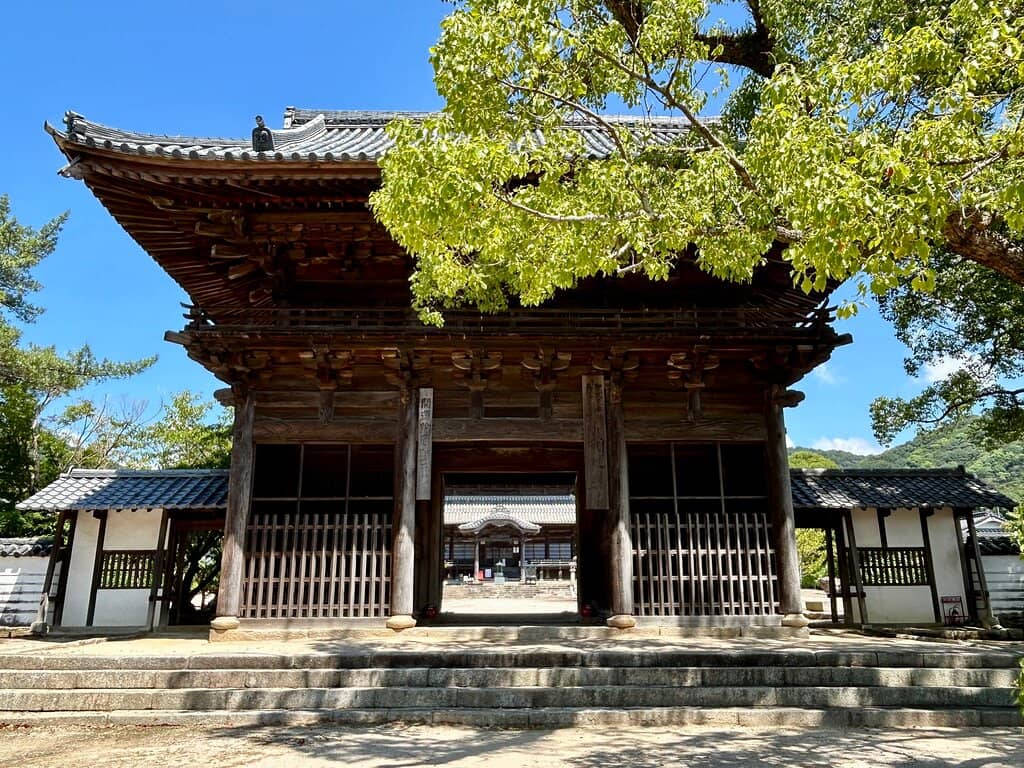
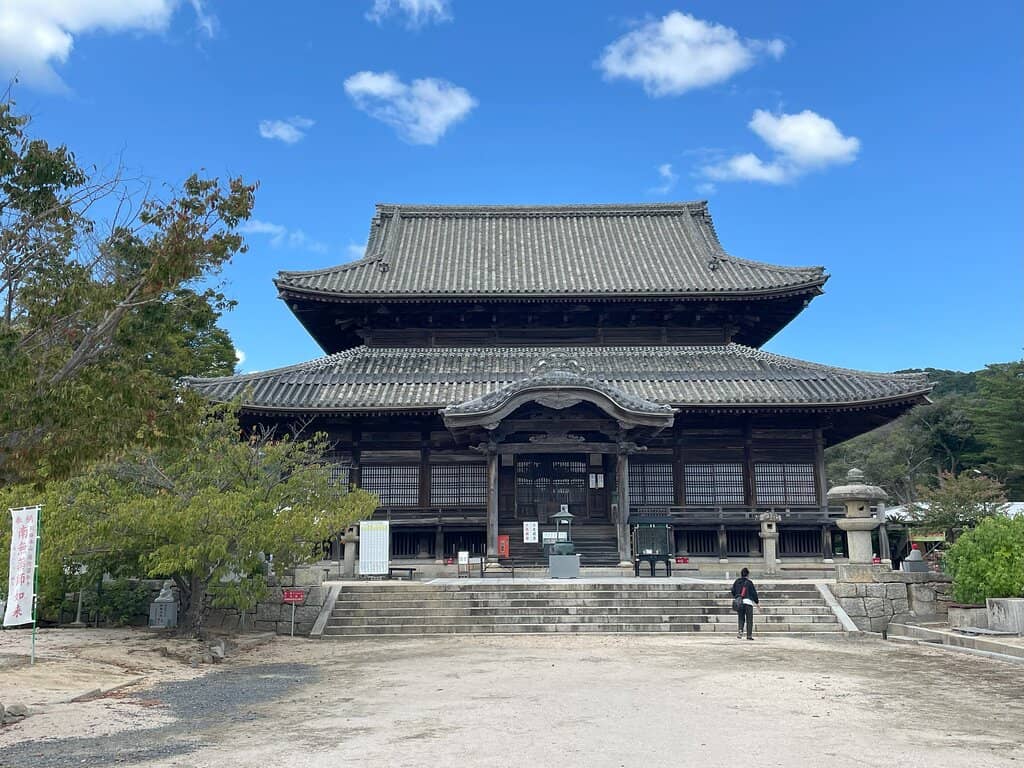
Main Hall
Temple grounds
The heart of the temple, a beautifully reconstructed structure from the 16th century.
Yakushi Nyorai Statue
Main Hall
An Important Cultural Property, this serene Buddha statue embodies the temple's spiritual essence.
Temple Bell
Bell Tower
Another designated cultural treasure, this ancient bell resonates with centuries of history.
Plans like a pro.
Thinks like you
Planning Your Visit
Embrace the Serenity
Historical Significance
Best Times
Insider Tips
from TikTok, Instagram & Reddit
🙏 Respectful Attire
Dress modestly when visiting this sacred site. Many visitors appreciate the quiet atmosphere.
🚶♀️ Shikoku Pilgrimage Stop
If you're on the pilgrimage, this is a significant and beautiful stop. Enjoy the peaceful vibes.
📜 Historical Context
Learn about its reconstruction by the Chosokabe clan for a richer visit. It's a cultural hub of Tosa.
Tips
from all over the internet
🙏 Respectful Attire
Dress modestly when visiting this sacred site. Many visitors appreciate the quiet atmosphere.
🚶♀️ Shikoku Pilgrimage Stop
If you're on the pilgrimage, this is a significant and beautiful stop. Enjoy the peaceful vibes.
📜 Historical Context
Learn about its reconstruction by the Chosokabe clan for a richer visit. It's a cultural hub of Tosa.
What Travellers Say
Reviews Summary
Visitors consistently praise Tosa Kokubun-ji Temple No. 29 for its serene and peaceful atmosphere, making it a beautiful stop, especially for those on the Shikoku Pilgrimage. Its historical significance, marked by its reconstruction and designated cultural properties, adds to its appeal.
"I'd say this is one of the more beautiful Temple on the Shikoku Pilgrimage"
Kevin Diek
"They’ve got interesting お守り for people who like to drink (like me)"
Z
"A peaceful place."
Charitha Surasura
What People Like
What People Dislike
Frequently Asked Questions
🚇 🗺️ Getting There
Tosa Kokubun-ji Temple No. 29 is accessible by local transport in Kochi Prefecture. While specific directions can vary, it's often reached via bus routes connecting to nearby towns. Checking local bus schedules upon arrival in Kochi is recommended for the most up-to-date information.
Information regarding dedicated parking facilities at Tosa Kokubun-ji Temple No. 29 is limited. Visitors traveling by car should inquire locally or look for designated public parking areas nearby to ensure compliance with local regulations.
Depending on your starting point, walking to Tosa Kokubun-ji Temple No. 29 might be feasible, especially if you are part of the Shikoku Pilgrimage. Always check local maps and consider the distance and terrain before planning a walk.
🎫 🎫 Tickets & Entry
Entry to Tosa Kokubun-ji Temple No. 29 is generally free, as is common for many temples on the Shikoku Pilgrimage. Donations are often appreciated to help with temple upkeep.
Temples like Tosa Kokubun-ji No. 29 are typically open during daylight hours, allowing visitors to explore the grounds. It's advisable to visit between sunrise and sunset for the best experience.
No advance booking is required for Tosa Kokubun-ji Temple No. 29. As it's a place of worship and historical significance, visitors can usually enter freely during its open hours.
🎫 🧭 Onsite Experience
At Tosa Kokubun-ji Temple No. 29, you can admire the main hall, the Yakushi Nyorai statue, and the temple bell, all designated Important Cultural Properties. The temple grounds offer a peaceful atmosphere for reflection.
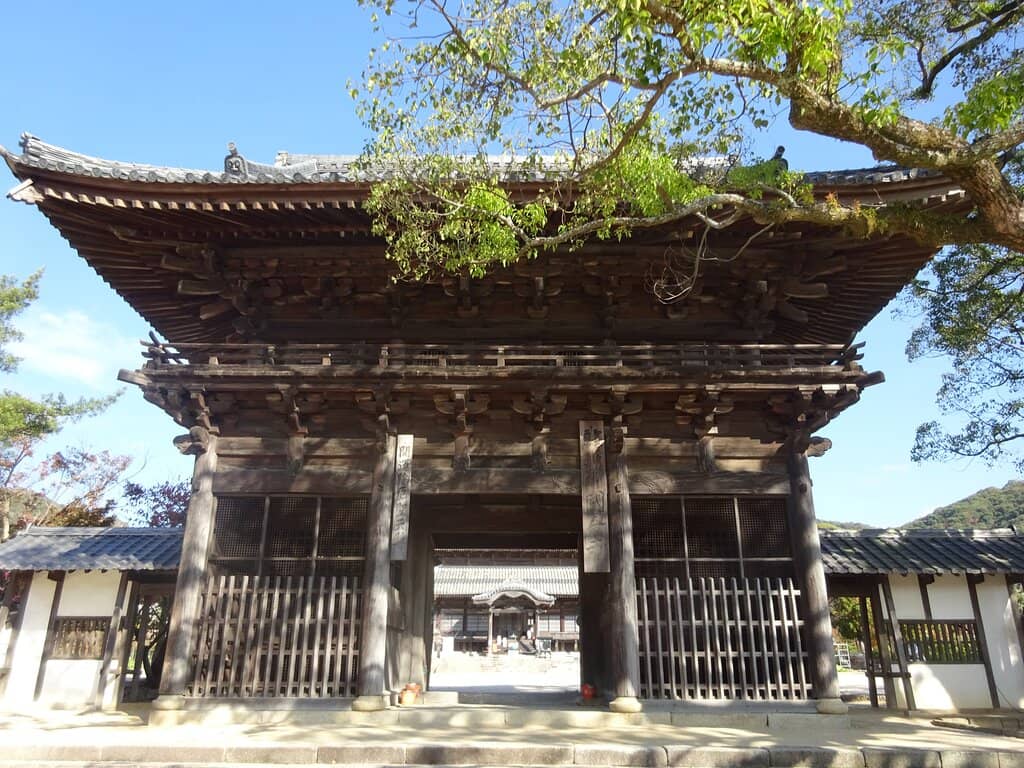
Yes, Tosa Kokubun-ji Temple No. 29 offers picturesque views, especially of its traditional architecture. Remember to be respectful of the sacred nature of the site when taking photos.
Basic facilities like restrooms may be available. It's a tranquil site, so amenities are generally minimal, focusing on the spiritual and historical experience.
Rebuilt in 1558 by the Chosokabe clan, it was destroyed by fire during warfare. Its main hall, Yakushi Nyorai statue, and bell are Important Cultural Properties, highlighting its role as a cultural hub of Tosa.
🍽️ 🍽️ Food & Dining
Dining options directly at Tosa Kokubun-ji Temple No. 29 are unlikely. You'll find local eateries and restaurants in nearby towns or cities accessible by public transport. Exploring local cuisine is part of the travel experience.
While bringing your own food and drinks is generally permissible, it's important to be mindful of the temple's sacred nature. Dispose of all waste properly and avoid eating in prayer areas.


Social
from TikTok, Instagram & Reddit