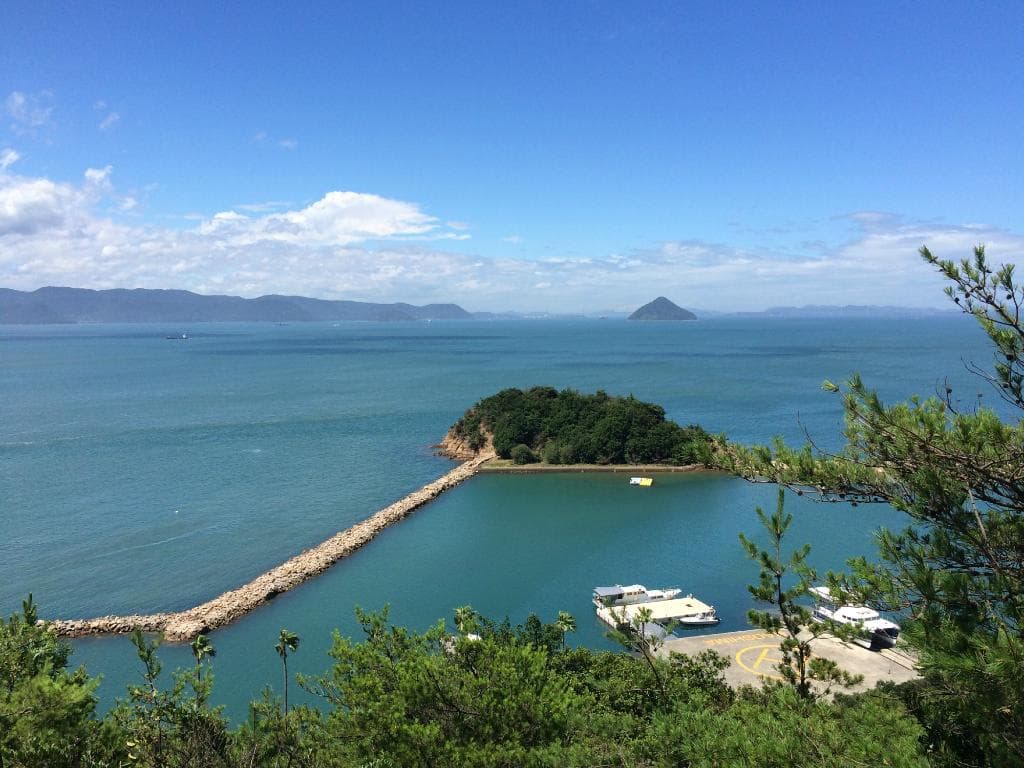
Chichu Art Museum
An underground architectural marvel by Tadao Ando, housing masterpieces by Monet, De Maria, and Turrell, illuminated by natural light.
Highlights
Must-see attractions

Social
From TikTok & Reddit
Best Time
Maximizes natural light
Chichu Art Museum
Best Time
Maximizes natural light
Highlights
Must-see attractions
An underground architectural marvel by Tadao Ando, housing masterpieces by Monet, De Maria, and Turrell, illuminated by natural light.
"An extraordinary place, a masterpiece of architecture with a perfect play of space, light, and materiality."
🎟️ Book Tickets Online
Secure your time slot in advance to guarantee entry and potentially get a discount.
🚲 Rent a Bicycle
Explore Naoshima at your own pace; biking is scenic and convenient for visiting multiple art sites.
Quick Facts
Hours
Rating
4.4 · 4,688 reviews
Type
Art museum
Highlights
Discover the most iconic attractions and experiences
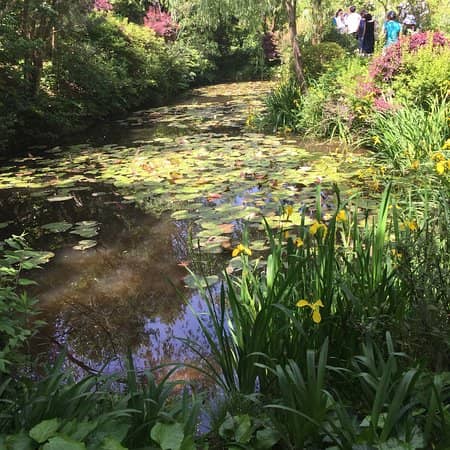
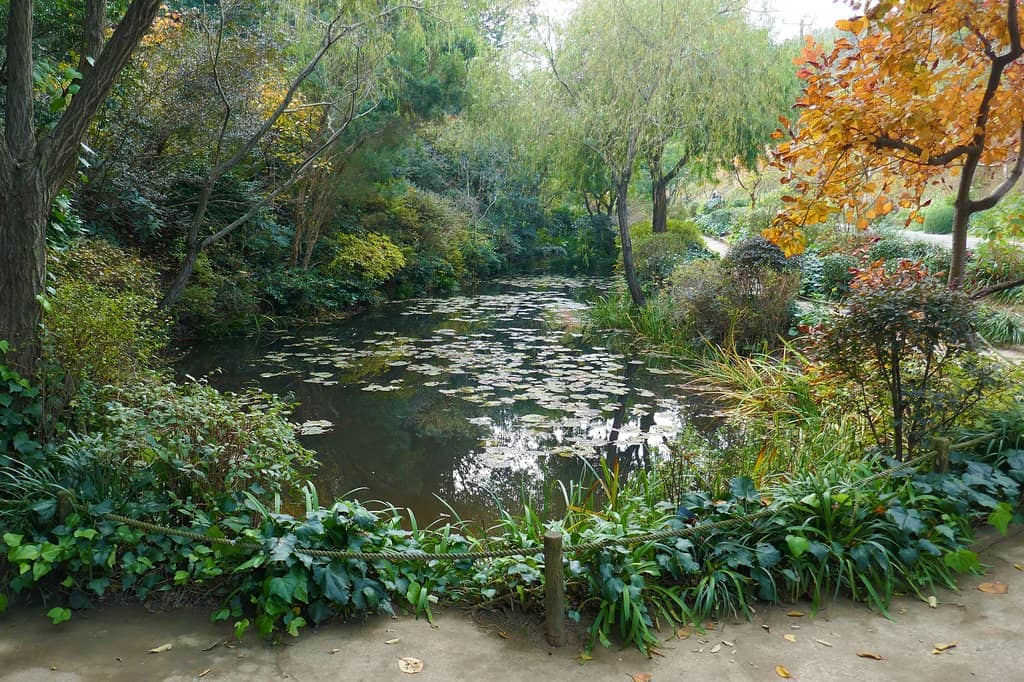
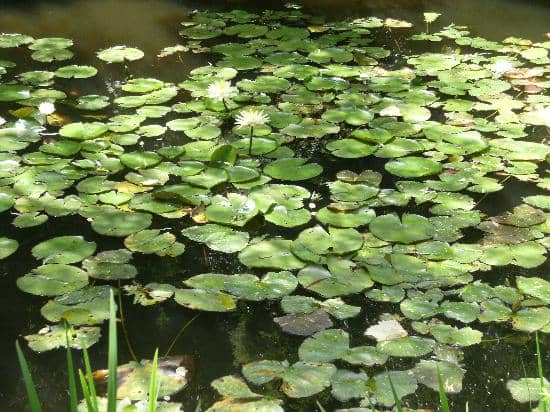
Claude Monet's Water Lilies
Main Gallery
Experience Monet's iconic 'Water Lilies' series illuminated by natural light, a truly breathtaking and serene display.
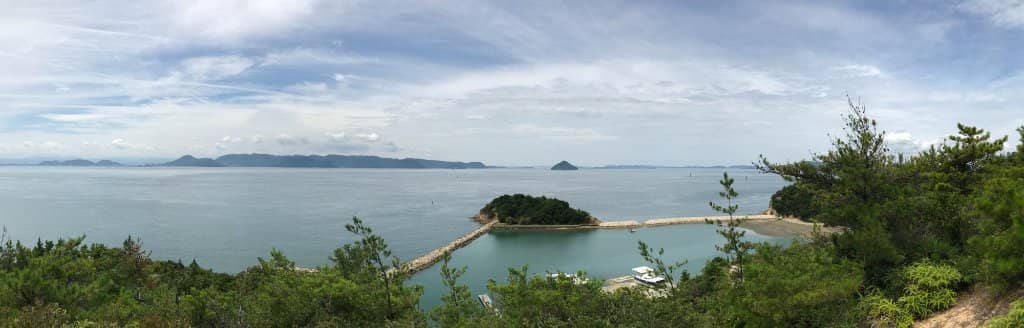
Walter De Maria's Granite Garden
Gallery 2
A mysterious and contemplative space featuring a large granite sphere, designed to evoke a sense of wonder.
James Turrell's 'Open Field'
Gallery 3
An immersive installation where visitors can interact with light and color, creating a unique sensory experience.
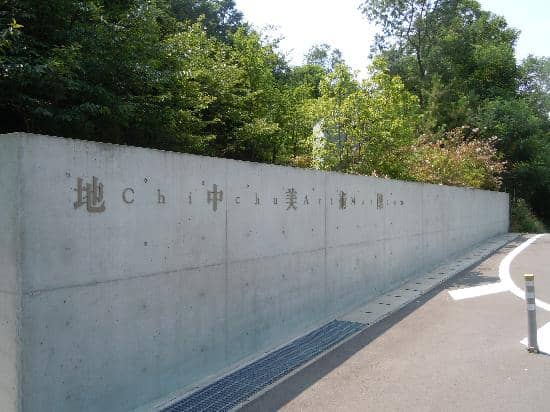
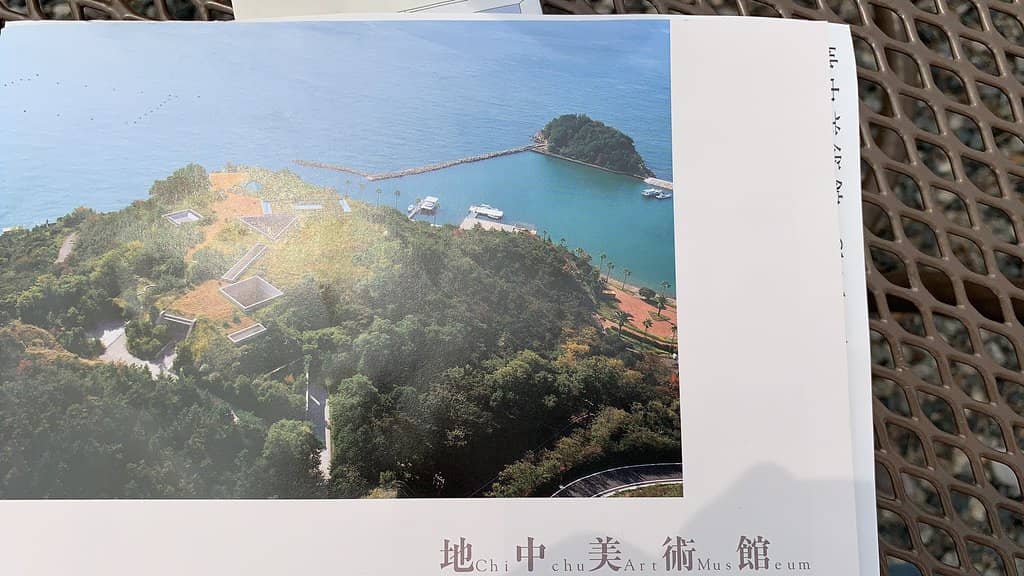
Tadao Ando's Architectural Masterpiece
Entire Museum
The museum itself is a work of art, built mostly underground to harmonize with nature, showcasing Ando's minimalist genius.
 +1
+1Plans like a pro.
Thinks like you
Planning Your Visit
Book Your Time Slot in Advance
Embrace the Journey to Naoshima
Best Times
Insider Tips
from TikTok, Instagram & Reddit
🎟️ Book Tickets Online
Secure your time slot in advance to guarantee entry and potentially get a discount.
🚲 Rent a Bicycle
Explore Naoshima at your own pace; biking is scenic and convenient for visiting multiple art sites.
🚫 No Photography Inside
Respect the rules; photography is strictly prohibited in all exhibition spaces.
🚶♀️ Allow Ample Time
Don't rush; the museum's design encourages slow contemplation and appreciation.
Tips
from all over the internet
🎟️ Book Tickets Online
Secure your time slot in advance to guarantee entry and potentially get a discount.
🚲 Rent a Bicycle
Explore Naoshima at your own pace; biking is scenic and convenient for visiting multiple art sites.
🚫 No Photography Inside
Respect the rules; photography is strictly prohibited in all exhibition spaces.
🚶♀️ Allow Ample Time
Don't rush; the museum's design encourages slow contemplation and appreciation.
☀️ Check the Weather
Sunny weather enhances the natural light installations and overall experience.
What Travellers Say
Reviews Summary
Visitors consistently praise the Chichu Art Museum as an extraordinary masterpiece of architecture and art, highlighting its unique underground design and the profound impact of natural light. The minimalist aesthetic and curated collection create a serene and contemplative experience, making it a must-visit for art and architecture lovers. Some find the strict no-photography rule a drawback, but most agree it enhances the immersive quality of the visit.
"What an incredible place! One of the best art galleries I've ever been to, and I've seen quite a few! It felt so refreshing that you can’t take photos inside (except in a small area near the entrance). Without cameras, you’re free to just wander, take it all in, and really feel the space. That sense of wonder stays with you long after you leave.
I booked my ticket online about a month in advance and chose the first morning slot, just to be sure I had enough time to get there — with the ferry and art bus, it takes a bit of coordination.
It’s also nice that there aren’t any official photos of the interior online. A few people have shared some anyway, breaking the rules, but mostly what you see stays in your memory — and that makes the experience even more personal and powerful.
In some rooms, you have to take off your shoes, but they provide foot covers, so it’s handy to bring socks with you.
There’s a lovely little restaurant too, with great food. You find a seat first, then order — and if you can, grab a table with a view of the Seto Inland Sea. It’s the perfect way to wrap up your visit.
And the museum shop is nice too."
Andjelka
"What should have been a relaxing experience to enjoy art felt rushed and there were many problems.
-We arrived with the ferry and the busses left within 5minutes.
Ok no issue let's rent bicycles for 1500yen and enjoy the island.
-We arrive at the museum and the ticket booth is 200m away.
-2800yen or register online there was no museum from Osaka to Hiroshima that required registration.
-We get tickets and big busses of tourists arrived now it's 12:00 it's getting warmer and there are lines of tourists talking.
-It becomes difficult to enjoy the art
-Old japanese people who were there to enjoy the process also start complain as they experience the same thing.
- We finished first museum and go out and one of our bikes has flat tire so we return it back.
At that point noone wanted to ride up the hills again so we decided to return to Uno"
Dema K
"Don't skip this one! We were quite moved by some of the rooms. Incredible. Photos are only permitted in the beginning few rooms/spaces, so you will not see the best of it until you visit :)"
Renée Frenette
What People Like
What People Dislike
Frequently Asked Questions
🚇 🗺️ Getting There
From Uno Port, take a ferry to Naoshima. Once on Naoshima, you can take the Benesse House shuttle bus directly to the museum entrance, or rent a bicycle to explore the island.
Yes, there is parking available for bicycles near the museum entrance. Car parking is generally located at the ferry terminals or designated areas on the island.
Many visitors find biking to be the most enjoyable and efficient way to travel between the various art sites on Naoshima, as the island is relatively small and scenic.
Yes, Naoshima is accessible by ferry from various ports, including Uno Port on Honshu and other islands in the Seto Inland Sea. Check ferry schedules in advance.
While possible, walking to the Chichu Art Museum can be a significant distance depending on where you are on the island. Biking or the shuttle bus are generally more convenient options.
🎫 🎫 Tickets & Entry
Yes, it is highly recommended and often necessary to book your tickets and a specific time slot online in advance, as visitor numbers are limited.
Purchasing tickets online in advance can sometimes offer a discount compared to on-site purchases, if available. Check the official website for details.
Opening hours can vary seasonally. It's best to check the official Chichu Art Museum website for the most up-to-date information on operating hours and any potential closures.
While some tickets might be available on-site, it's strongly advised to book online in advance to secure your entry and preferred time slot, as the museum often sells out.
Your ticket grants access to the museum's galleries featuring works by Monet, Walter De Maria, and James Turrell. Photography is not allowed inside.
📸 📸 Photography
No, photography and videography are strictly prohibited inside all exhibition spaces of the Chichu Art Museum to preserve the artworks and the visitor experience.
You can take photos of the museum's exterior architecture, the surrounding landscape, and iconic outdoor art installations like Yayoi Kusama's pumpkins.
The Yayoi Kusama pumpkin by the sea is a very popular photo spot. The exterior of the Chichu Art Museum and other Tadao Ando designed buildings also offer great photographic opportunities.
Naoshima is ideal for architectural photography, landscape shots, and capturing the unique blend of art and nature. Focus on the outdoor installations and the island's scenery.
Since photography is not allowed inside, you'll need to rely on your memory and perhaps look up images online later to recall the art. The experience is meant to be immersive.
🎫 🏛️ Onsite Experience
Designed by Tadao Ando, the museum is largely built underground, integrating seamlessly with the natural landscape. It features minimalist concrete structures and a masterful use of natural light.
The museum houses works by Claude Monet ('Water Lilies'), Walter De Maria ('Granite Garden'), and James Turrell ('Open Field'), each presented in specially designed spaces.
Most visitors spend about 1 to 1.5 hours inside the museum, allowing time to appreciate each artwork and the architectural design.
While children can visit, the museum's quiet atmosphere and focus on contemplation might be more suited for older children and adults. The art itself may not be immediately engaging for very young ones.
Yes, the museum provides restrooms and other essential facilities. Even the restrooms are noted for their architectural design, reflecting the museum's overall attention to detail.
🍽️ 🍽️ Food & Dining
The Chichu Art Museum has a cafe where you can enjoy refreshments. For more extensive dining, you can explore options at the nearby Benesse House Museum or other eateries on Naoshima.
Naoshima offers a range of dining options, from casual cafes to restaurants serving local Japanese cuisine. Some popular spots include ramen shops and seafood restaurants.
Outside food and drinks are generally not permitted inside the museum galleries. It's best to consume any personal food items before entering or at designated areas outside.
Options can vary, but many Japanese restaurants offer vegetable-based dishes. It's advisable to inquire about vegetarian or vegan choices when ordering.
Dining prices on Naoshima can range from affordable to moderately expensive, depending on the establishment. Cafes and local eateries tend to be more budget-friendly.
Social
from TikTok, Instagram & Reddit