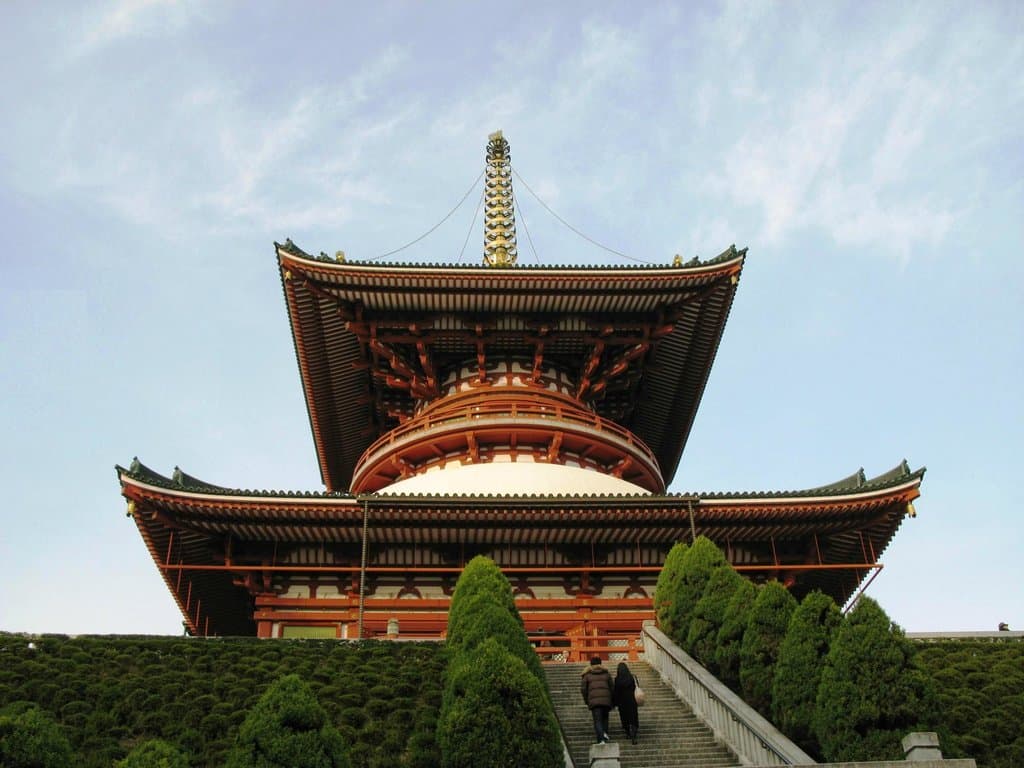
Naritasan Shinshoji Temple
A historic 10th-century temple complex near Narita Airport, offering spiritual serenity, traditional architecture, and a charming Edo-period street.

Highlights
Must-see attractions

Social
From TikTok & Reddit
Best Time
Fewer crowds, peaceful atmosphere
Naritasan Shinshoji Temple
Best Time
Fewer crowds, peaceful atmosphere
Highlights
Must-see attractions
A historic 10th-century temple complex near Narita Airport, offering spiritual serenity, traditional architecture, and a charming Edo-period street.
"A beautiful blend of history, spirituality, and thoughtful hospitality—highly recommended!"
🎯 Free Guided Tours
Join a free walking tour to learn about the temple's history and meanings. Highly recommended!
👟 Comfortable Shoes
You'll be doing a lot of walking on the spacious grounds, so wear comfortable shoes. :athletic_shoe:
Quick Facts
Hours
Rating
4.5 · 20,216 reviews
Type
Buddhist Temple
Website
naritasan.or.jpHighlights
Discover the most iconic attractions and experiences
Naritasan Omotesando Street
Approach to the temple
A charming, traditional street lined with shops and restaurants, preserving Edo-period atmosphere.
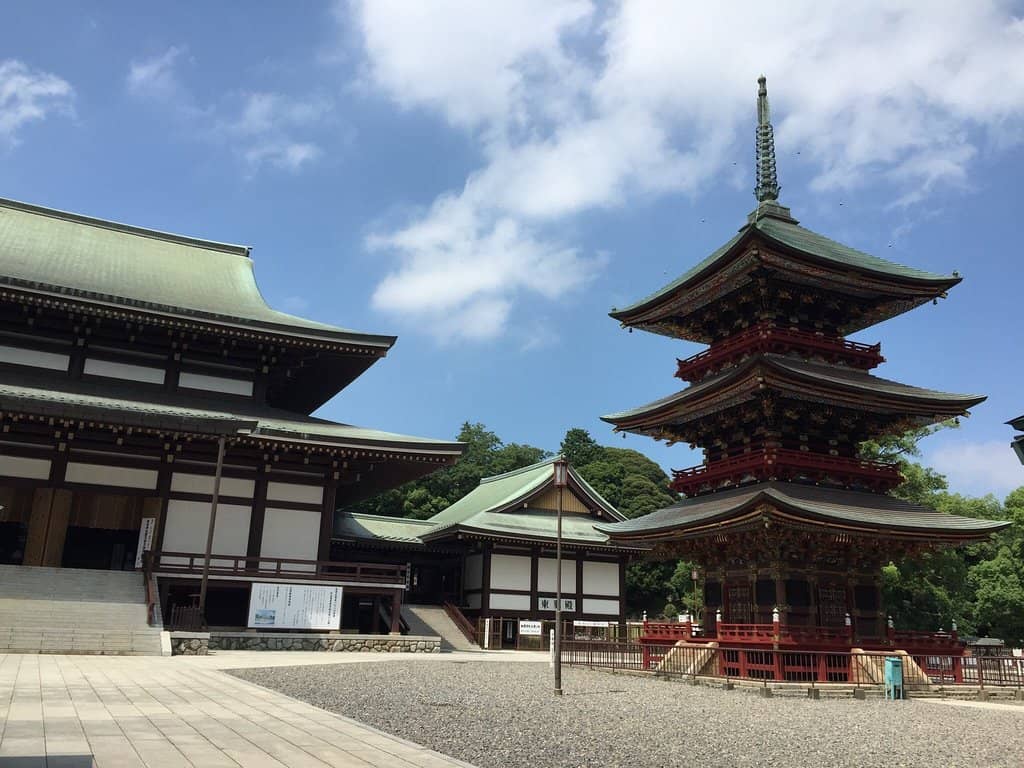
Great Pagoda of Peace
Temple grounds
A striking, colorful pagoda offering panoramic views and a sense of tranquility.
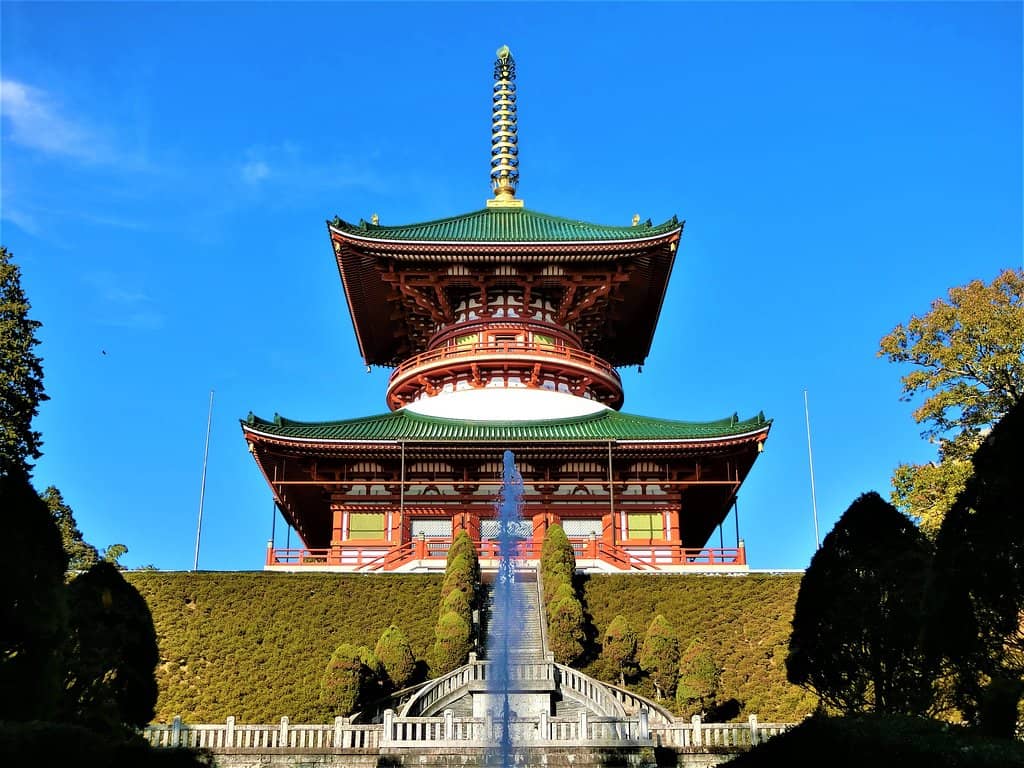
Main Hall (Daihondo)
Central temple complex
The heart of the temple, dedicated to Fudo Myo-o, with intricate architecture and spiritual significance.
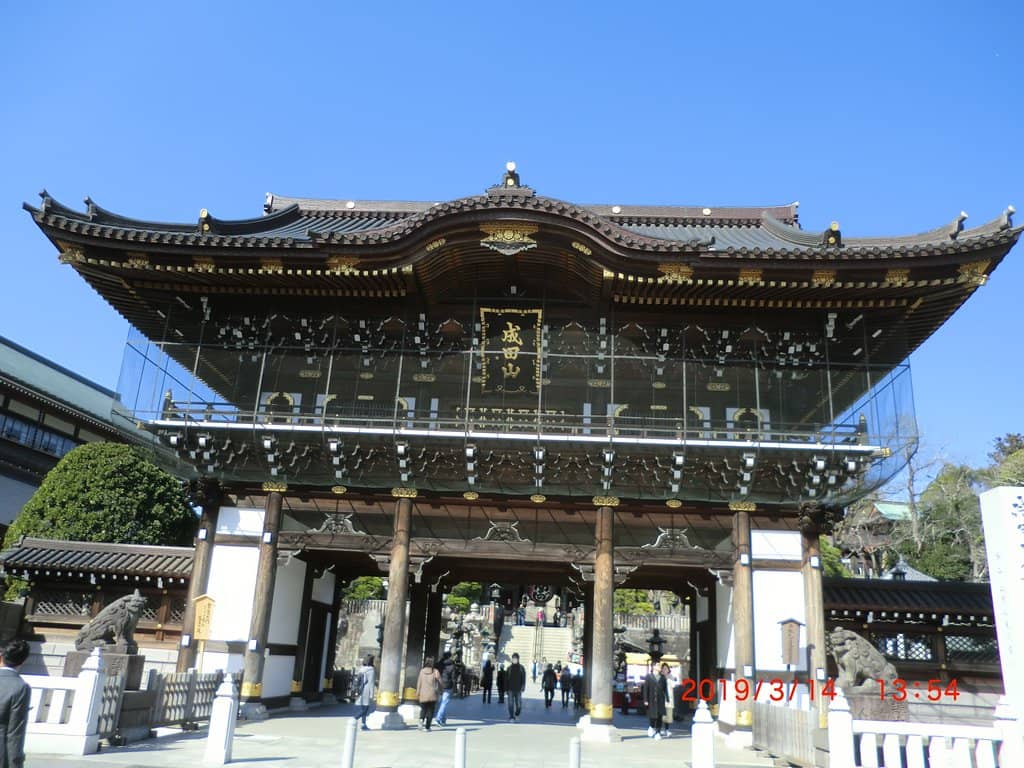
Naritasan Park
Adjacent to the temple
Spacious grounds with serene wooded areas, ponds, and walking trails for a peaceful stroll.
Plans like a pro.
Thinks like you
Planning Your Visit
Proximity to Narita Airport
Best Time to Avoid Crowds
Best Times
Insider Tips
from TikTok, Instagram & Reddit
🎯 Free Guided Tours
Join a free walking tour to learn about the temple's history and meanings. Highly recommended!
👟 Comfortable Shoes
You'll be doing a lot of walking on the spacious grounds, so wear comfortable shoes. :athletic_shoe:
🍜 Taste Local Delicacies
Don't miss trying local specialties like eel dishes on Omotesando street.
💧 Stay Hydrated
Free water and tea stations are available, especially appreciated during hot weather. :droplet:
Tips
from all over the internet
🎯 Free Guided Tours
Join a free walking tour to learn about the temple's history and meanings. Highly recommended!
👟 Comfortable Shoes
You'll be doing a lot of walking on the spacious grounds, so wear comfortable shoes. :athletic_shoe:
🍜 Taste Local Delicacies
Don't miss trying local specialties like eel dishes on Omotesando street.
💧 Stay Hydrated
Free water and tea stations are available, especially appreciated during hot weather. :droplet:
📸 Capture the Beauty
The temple grounds and pagoda offer stunning photo opportunities, especially during golden hour. :camerawithflash:
What Travellers Say
Reviews Summary
Visitors consistently praise Naritasan Shinshoji Temple for its historical significance, peaceful atmosphere, and beautiful traditional architecture. The spacious grounds and thoughtful amenities like free water stations enhance the visitor experience. Its proximity to Narita Airport makes it a highly convenient and recommended stop for travelers.
"We visited Naritasan Shinsho-ji on our last day in Japan and it was one of the highlights of our trip. We stayed at the Richmond Hotel, which is super convenient, just a short walk from Narita Station and very close to this famous temple.
This temple is probably the largest we visited during our trip, and we couldn’t believe such a hidden gem exists in Narita. and its free. We arrived around 8 AM, so it was peaceful and quiet, with hardly anyone around. The gardens are huge and beautifully maintained, perfect for a calm stroll and photography.
The story behind the temple:
Naritasan Shinsho-ji was founded in 940 AD to enshrine Fudō Myō‑ō, a protective deity in Shingon Buddhism. Legend says that during a rebellion in the Kantō region, the statue of Fudō was brought to the battlefield and, after the victory, couldn’t be moved , so the temple was built there. Over centuries it grew into a major religious site, with historic buildings, gates, and pagodas that are Important Cultural Properties of Japan. The temple is also known for its goma fire rituals, which symbolize purification, and the serene mountain gardens reflect centuries of devotion and harmony with nature.
Tips for visitors:
- Arrive early if you want a quiet experience.
- Wear comfortable walking shoes, the grounds are large.
- Explore the gardens and take time to notice the historical buildings.
- Perfect for photography, reflection, or simply enjoying a peaceful temple atmosphere.
Overall, an amazing hidden gem that exceeded our expectations. A must-visit if you’re in Narita — rich in history, culture, and natural beauty!"
Zella Keiko Bawr
"We were absolutely fascinated by this beautiful temple, located not far from Narita Airport. It’s a peaceful and impressive place that gives visitors a wonderful glimpse into Japanese culture and tradition.
A very special compliment goes to the hardworking ladies who keep the restrooms exceptionally clean. Their dedication and attention to detail are truly admirable. The management can be proud to have such committed people on their team — I sincerely hope they receive the recognition and bonus they deserve. Thank you for maintaining such a wonderful and welcoming environment."
Swissnomad
"Our visit to Naritasan Shinshoji Temple was truly unforgettable. Founded in 940 AD and dedicated to Fudō Myōō, this historic temple remains one of the most significant spiritual sites in the Kanto region.
We collected all six goshuins and visited the key landmarks—the Niomon Gate, Three-Storied Pagoda, Main Hall (Daihondo), Shakado, Komyodo, and the Great Pagoda of Peace (Heiwa no Daito). Each had its own charm and peaceful atmosphere.
It was quite hot during our visit, so we really appreciated the free water and tea station, plus the rest area to cool down. There were also multiple comfort rooms and even elevators, which made the visit so much more comfortable. A beautiful blend of history, spirituality, and thoughtful hospitality—highly recommended!"
Jane Gaylican
What People Like
What People Dislike
Frequently Asked Questions
🚇 🗺️ Getting There
Naritasan Shinshoji Temple is easily accessible from Narita Airport (NRT) via a short train ride. The Keisei Line from Narita Airport Station to Keisei Narita Station takes about 10-15 minutes and costs around 280 yen one way.+1 This makes it a perfect destination for travelers with layovers or early/late flights.
While not in Tokyo itself, Naritasan Shinshoji Temple is conveniently located near Narita Airport, which is about an hour's train ride from central Tokyo. It's a great option for a day trip from Tokyo or as a stop before heading into the city.
From Narita Station, it's a pleasant walk up the traditional Naritasan Omotesando street, which leads directly to the temple complex. The walk itself is part of the experience, with many shops and eateries along the way.
The temple grounds are quite extensive, but most visitors explore on foot. There are elevators available within some of the main buildings, making it more accessible for those with mobility concerns.
Absolutely! With its close proximity to Narita Airport (NRT), a visit to Naritasan Shinshoji Temple is feasible for layovers of 3-4 hours or more. Just factor in travel time to and from the airport.
🎫 🎫 Tickets & Entry
Entry to the main temple grounds and most areas of Naritasan Shinshoji Temple is free. There are no entrance fees to explore the temple complex, the Great Pagoda of Peace, or Naritasan Park.
The temple grounds are generally open from early morning until late afternoon. Specific building hours may vary, but you can typically explore the main areas from around 6:00 AM to 5:00 PM. It's always a good idea to check for any seasonal changes.
No, advance booking is not required for general entry to Naritasan Shinshoji Temple as it is free to enter. You can visit spontaneously.
Naritasan Shinshoji Temple hosts various ceremonies and events throughout the year. Visitors can witness traditional rituals, especially during significant Buddhist holidays. Checking their official schedule might be beneficial.
The guided walking tours offered at Naritasan Shinshoji Temple are free of charge. They provide valuable insights into the temple's history and significance.
📸 📸 Photography
Photography is generally permitted in most outdoor areas of Naritasan Shinshoji Temple, including the temple buildings, pagoda, and park.
The Great Pagoda of Peace, the Main Hall (Daihondo), and the serene ponds in Naritasan Park are popular for photography. The Omotesando street also offers charming shots with its traditional architecture.
Drone usage is typically restricted at religious sites and historical landmarks to ensure the safety and tranquility of visitors and the preservation of the site. It's best to assume drones are not allowed.
Late afternoons, during the 'golden hour,' offer beautiful lighting for photography, casting a warm glow on the temple structures and grounds.
Don't miss capturing the intricate details of the temple architecture, the vibrant colors of the Great Pagoda of Peace, and the reflections in the temple ponds. The bustling Omotesando street provides a lively contrast.
🍽️ 🍜 Food & Dining
The Naritasan Omotesando street leading to the temple is famous for its traditional restaurants, particularly those serving eel dishes (unagi). Many visitors recommend trying local specialties here.
While traditional Japanese cuisine often features fish and meat, some restaurants on Omotesando may offer vegetable-based dishes like tempura or soba noodles. It's advisable to inquire directly with the restaurants about their options.
Yes, the Omotesando street is lined with food stalls and shops selling various snacks, sweets, and local treats. You can find things like mochi, senbei (rice crackers), and other Japanese delicacies.
The main focus of Naritasan Shinshoji Temple is its spiritual and cultural significance. While there might be small refreshment stands, the primary dining options are located on the Omotesando street leading up to the temple.
Kawatoyo is a popular restaurant in Narita known for its delicious eel dishes, a local specialty. It's frequently mentioned by visitors looking for authentic Japanese cuisine near the temple.



Social
from TikTok, Instagram & Reddit