Oasahiko Shrine
A historic Shinto shrine in Naruto, known for its ancient camphor tree and unique 'Hemp God' heritage.
Highlights
Must-see attractions

Social
From TikTok & Reddit
Best Time
Fewer crowds, more peace
Oasahiko Shrine
Best Time
Fewer crowds, more peace
Highlights
Must-see attractions
A historic Shinto shrine in Naruto, known for its ancient camphor tree and unique 'Hemp God' heritage.
"A stunning Tori gate with stone lanterns stretching along the Michi for hundreds meters."
🚶♀️ Peaceful Countryside Walk
Enjoy a pleasant walk from Ryozen-ji Temple or Bandō Station. It's a great way to experience the Japanese countryside with few tourists.
🌳 Admire the Giant Camphor
Don't miss the stunning, ancient camphor tree at the entrance. It's a truly impressive sight and a symbol of the shrine's age.
Quick Facts
Hours
Rating
4.4 · 2,045 reviews
Type
Place of Worship
Highlights
Discover the most iconic attractions and experiences
Ancient Camphor Tree
Shrine Entrance
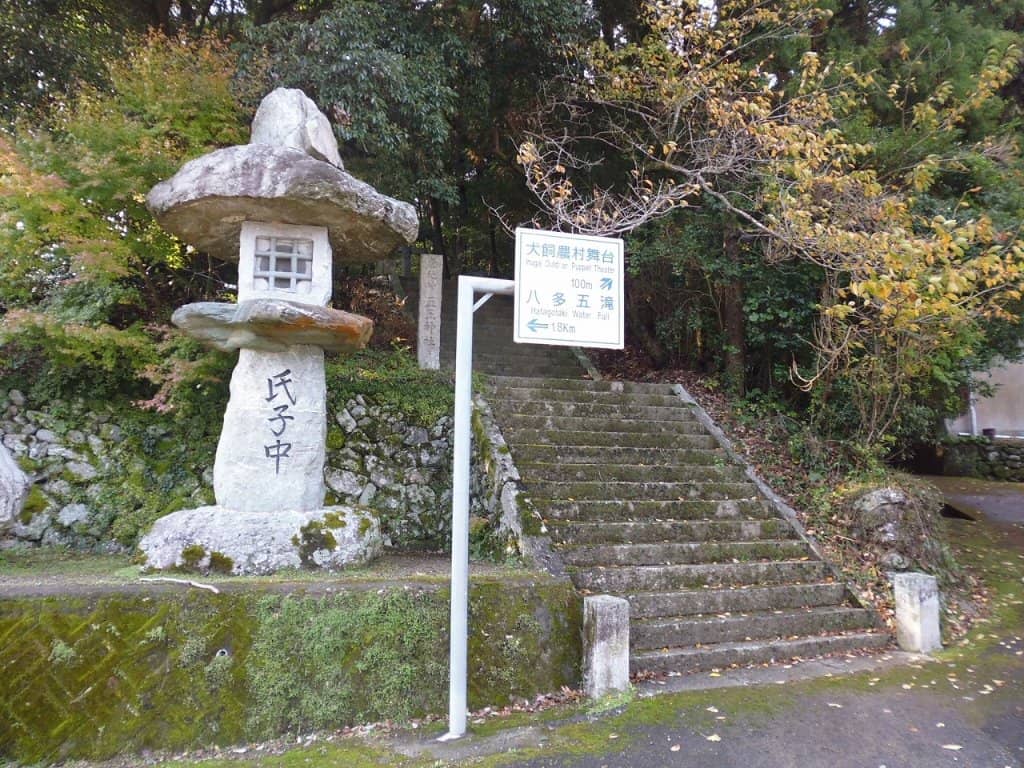
Stand in awe of a massive, thousand-year-old camphor tree, a symbol of the shrine's enduring history and natural beauty.
Hemp God Shrine
Main Shrine Area
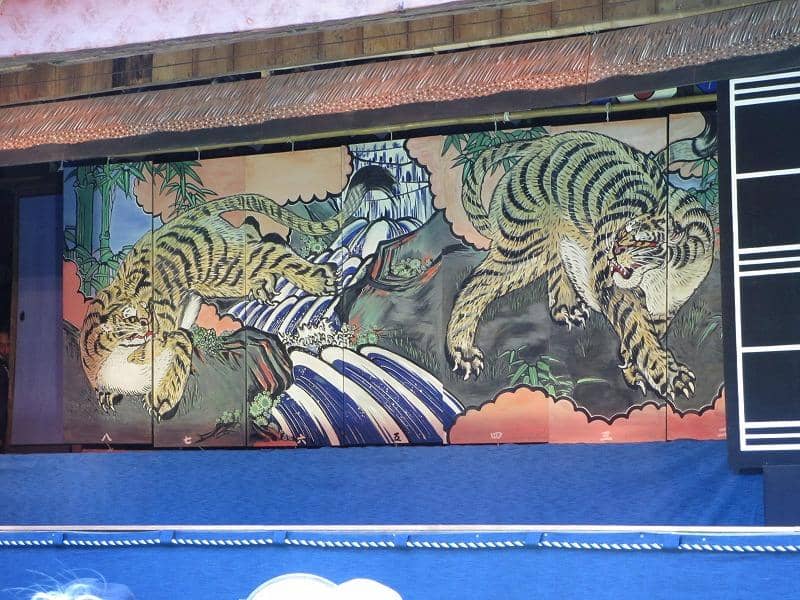
Explore the unique 'Hemp God' aspect, reflecting ancient Japan's deep connection between hemp cultivation and Shinto spirituality.
Serene Shrine Grounds
Throughout the Shrine
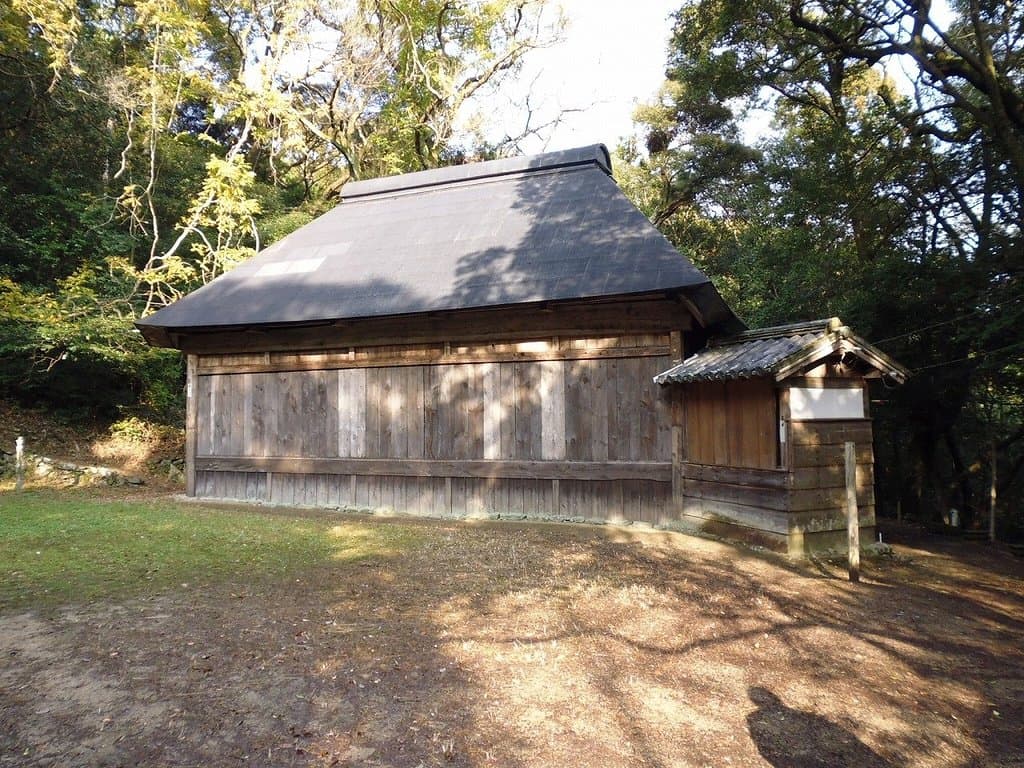
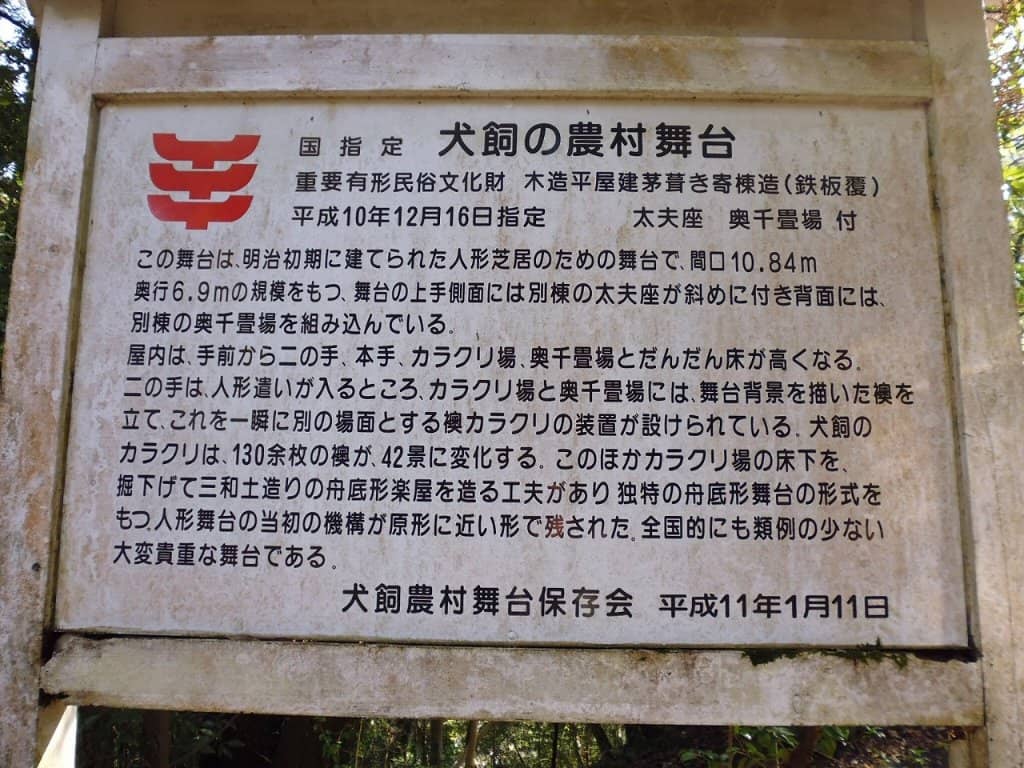
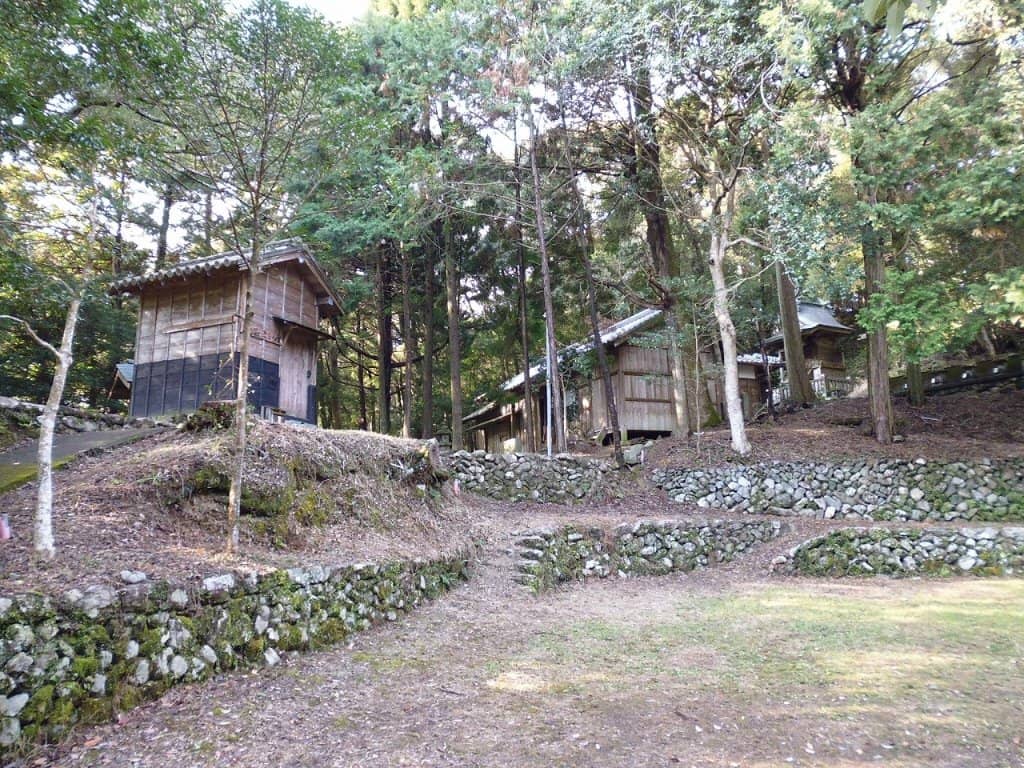
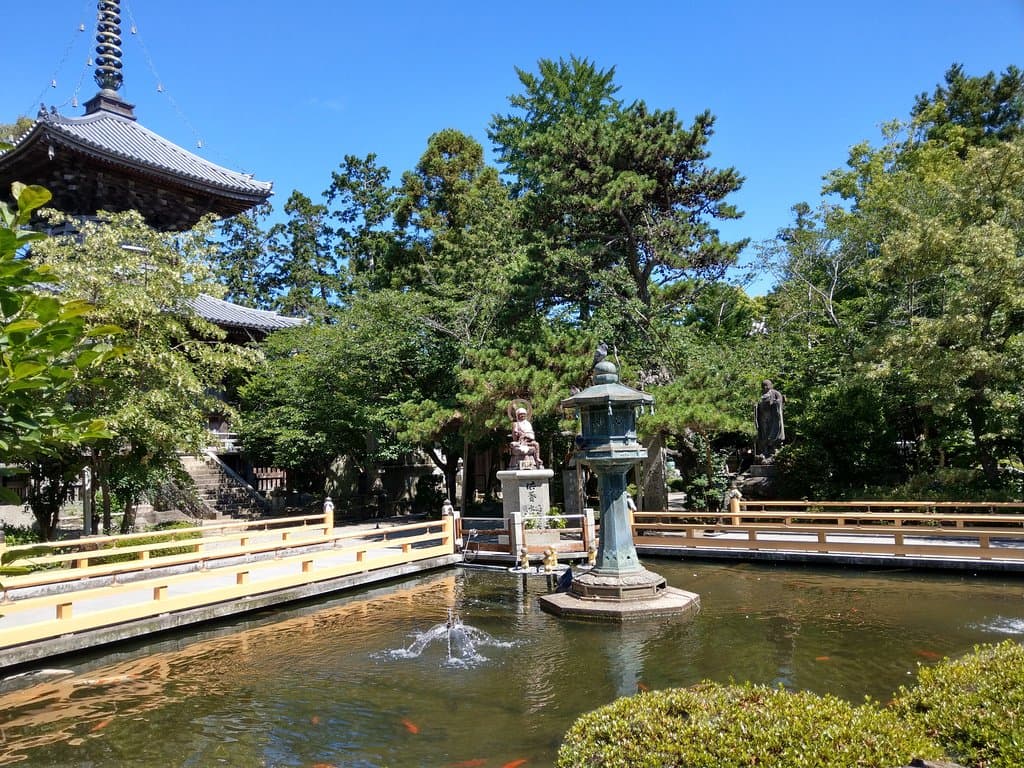
Wander through peaceful grounds, appreciating traditional wooden structures and the tranquil atmosphere of this historic site.
Plans like a pro.
Thinks like you
Planning Your Visit
Timing Your Visit
Understanding the Shrine's Significance
Best Times
Insider Tips
from TikTok, Instagram & Reddit
🚶♀️ Peaceful Countryside Walk
Enjoy a pleasant walk from Ryozen-ji Temple or Bandō Station. It's a great way to experience the Japanese countryside with few tourists.
🌳 Admire the Giant Camphor
Don't miss the stunning, ancient camphor tree at the entrance. It's a truly impressive sight and a symbol of the shrine's age.
🙏 Learn About Hemp History
Discover the shrine's unique 'Hemp God' connection, highlighting the historical link between hemp and Shinto practices.
🚗 Convenient Parking
Parking is available right at the entrance, making it easy to access the shrine after passing the rock lanterns and bridge.
Tips
from all over the internet
🚶♀️ Peaceful Countryside Walk
Enjoy a pleasant walk from Ryozen-ji Temple or Bandō Station. It's a great way to experience the Japanese countryside with few tourists.
🌳 Admire the Giant Camphor
Don't miss the stunning, ancient camphor tree at the entrance. It's a truly impressive sight and a symbol of the shrine's age.
🙏 Learn About Hemp History
Discover the shrine's unique 'Hemp God' connection, highlighting the historical link between hemp and Shinto practices.
🚗 Convenient Parking
Parking is available right at the entrance, making it easy to access the shrine after passing the rock lanterns and bridge.
What Travellers Say
Reviews Summary
Visitors praise Oasahiko Shrine for its serene atmosphere, impressive ancient camphor tree, and historical significance as a major Awa Province shrine. Many appreciate the peaceful, less crowded environment, especially on weekdays, and its convenient location near other attractions and the Shikoku Pilgrimage route. Some note the unique 'Hemp God' heritage as a point of interest.
"Awaichinomiya Oasahiko Shrine was said to be the most important shrine in the country. For more information on its history, please ask at the shrine grounds."
nori t. (Akashic)
"The oldest and largest Shinto shrine in Tokushima, Oasahiko Shrine is just over a kilometer north of Ryozenji Temple, temple #1 of the Shikoku 88 Temple Pilgrimage. The huge, ancient camphor tree 楠の大木 is impressive."
Martin Holman
"A great shrine to visit - it is just right next to the Naruto German House and not far away from the Ryozen-ji. The shrine was huge and the entrance (with rock lanterns on the two sides was beautiful. The car park is right at the entrance of the shrine (passed through all the rock lanterns and a bridge)."
Roy Chan
What People Like
What People Dislike
Frequently Asked Questions
🚇 🗺️ Getting There
Oasahiko Shrine is located in Naruto, Tokushima Prefecture. It's easily accessible by car, with parking available at the entrance. 
Yes, the shrine is conveniently located near Ryozen-ji Temple and the Naruto German House, making it easy to combine visits.
Absolutely! Oasahiko Shrine is situated just over a kilometer north of Ryozen-ji Temple, the first temple on the Shikoku 88 Temple Pilgrimage route.
Renting a car offers the most flexibility for exploring attractions like Oasahiko Shrine and other sites in the Naruto area. Cycling is also a popular option, as highlighted by local cycling tours.
While direct bus routes might be limited, the shrine is within walking distance of Bandō Station, offering a connection to the wider Tokushima transport network.
🎫 🎫 Tickets & Entry
Oasahiko Shrine is a place of worship and generally does not have an entrance fee. Visitors are welcome to explore the grounds freely.
Shrine grounds are typically open from early morning until late afternoon. Specific hours for any inner buildings or facilities may vary, but the main grounds are usually accessible throughout daylight hours.
Yes, visiting during local festivals can be a unique experience, but expect larger crowds. Check local event calendars for specific dates.
As with most Shinto shrines, it's respectful to dress modestly. Avoid overly revealing clothing.
The shrine is an active place of worship, and visitors may witness or participate in various Shinto rituals. Information about specific events is often available on-site or through local tourism resources.
📸 📸 Photography
Capture the impressive ancient camphor tree at the entrance, the striking Tori gate with its stone lanterns, and the traditional main hall. The serene grounds offer many picturesque scenes.
Photography inside the main hall (honden) is often restricted to protect the sacred space and artifacts. Always look for signage or ask shrine staff if unsure.
Early morning or late afternoon often provide softer light and fewer visitors, ideal for capturing the shrine's tranquil atmosphere.
Drone usage is generally prohibited at religious sites to maintain peace and respect. Always check local regulations before flying drones.
The shrine's historical significance, particularly its connection to hemp cultivation, offers unique storytelling opportunities for photographers interested in Japanese culture and spirituality.
🎫 🌿 Onsite Experience
Visitors can admire the ancient camphor tree, explore the traditional shrine buildings, and learn about its history as the 'Hemp God' shrine. The serene grounds offer a peaceful atmosphere for reflection.
Yes, the shrine grounds are well-maintained and offer a pleasant environment for a leisurely walk. The surrounding countryside also provides scenic walking routes.
It's one of the oldest and most important shrines in Tokushima, historically considered the most significant in Awa Province. It's dedicated to a deity of agriculture and prosperity and is known as the 'Hemp God' shrine.
While specific facilities might be limited, the shrine grounds are generally accessible. Information about the shrine's history and significance can often be found on-site or through local tourism resources.
The shrine enshrines a deity associated with hemp, believed to have brought hemp cultivation and spinning technology to ancient Japan. This highlights a deep historical link between hemp and Shinto.
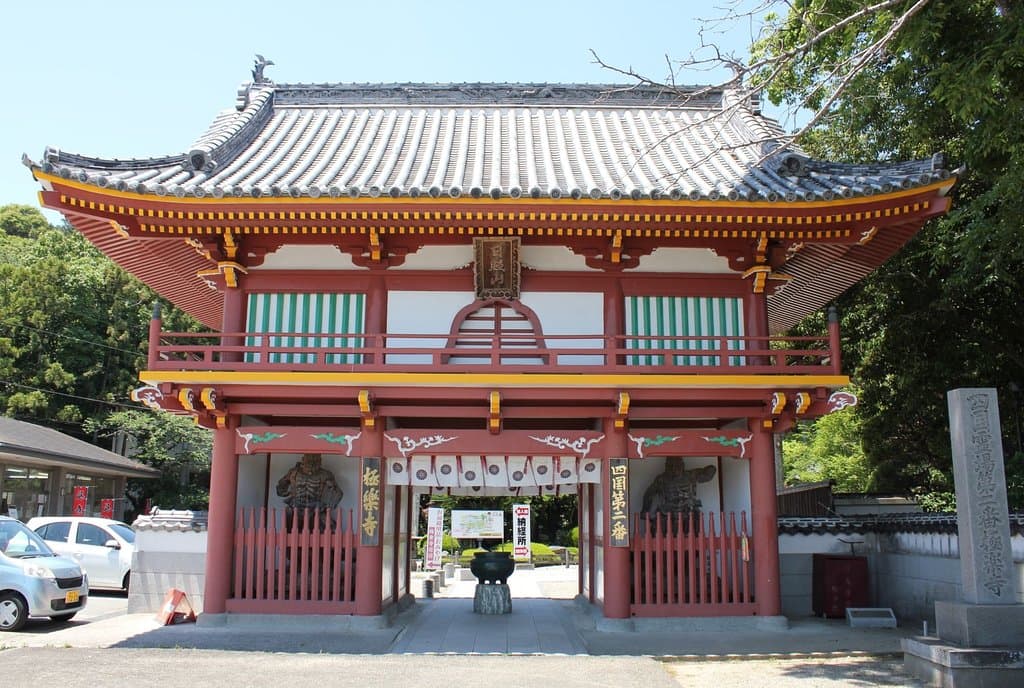
Social
from TikTok, Instagram & Reddit