Yunishigawa Onsen
Tranquil hot spring village offering authentic ryokan stays, private onsen baths, and serene natural beauty.
Highlights
Must-see attractions

Social
From TikTok & Reddit
Best Time
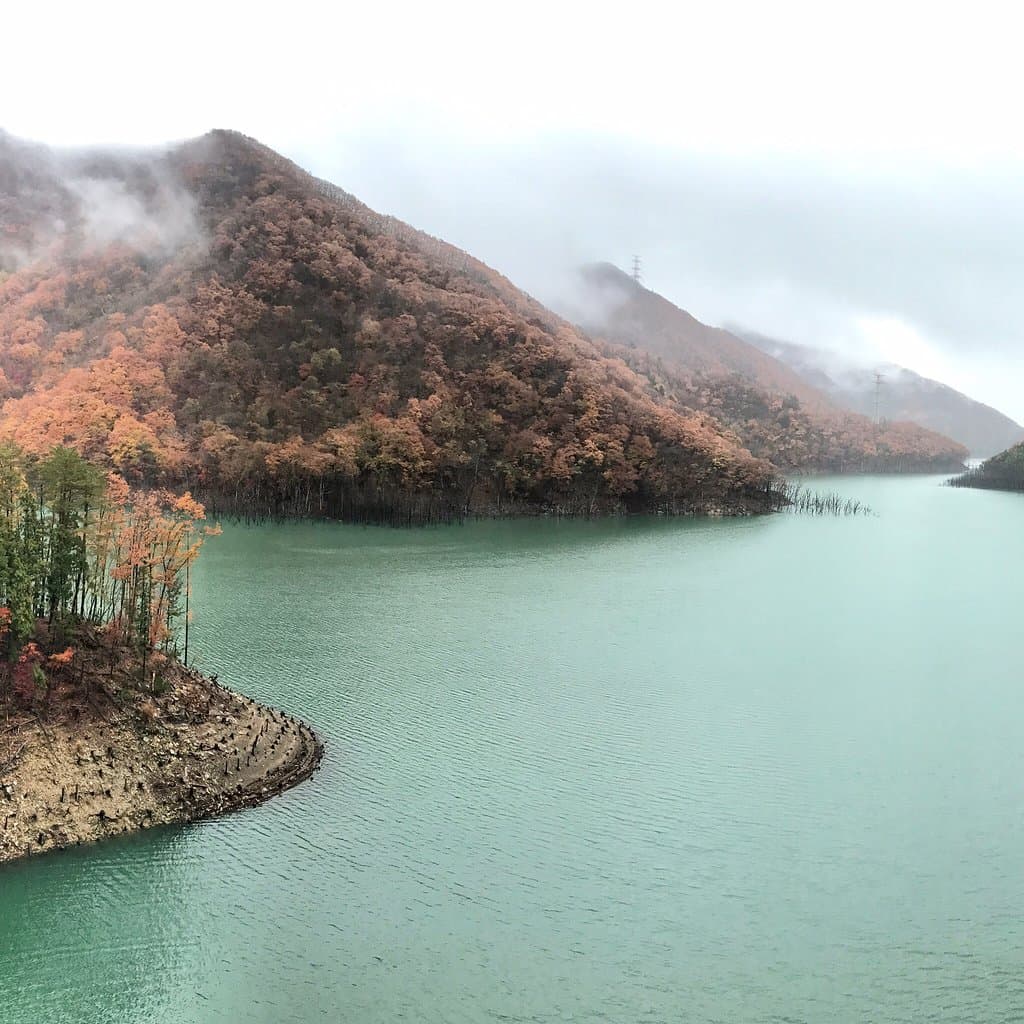
Vibrant fall foliage
Yunishigawa Onsen
Best Time
Vibrant fall foliage
Highlights
Must-see attractions
Tranquil hot spring village offering authentic ryokan stays, private onsen baths, and serene natural beauty.
♨️ Book Onsen in Advance
Private onsen baths are popular; book your ryokan with a private bath early!
🚗 Consider a Rental Car
Easier to explore surrounding nature and attractions at your own pace.
Quick Facts
Highlights
Discover the most iconic attractions and experiences
Traditional Ryokan Stay
Immerse yourself in Japanese hospitality with tatami rooms, kaiseki dinners, and relaxing onsen baths.
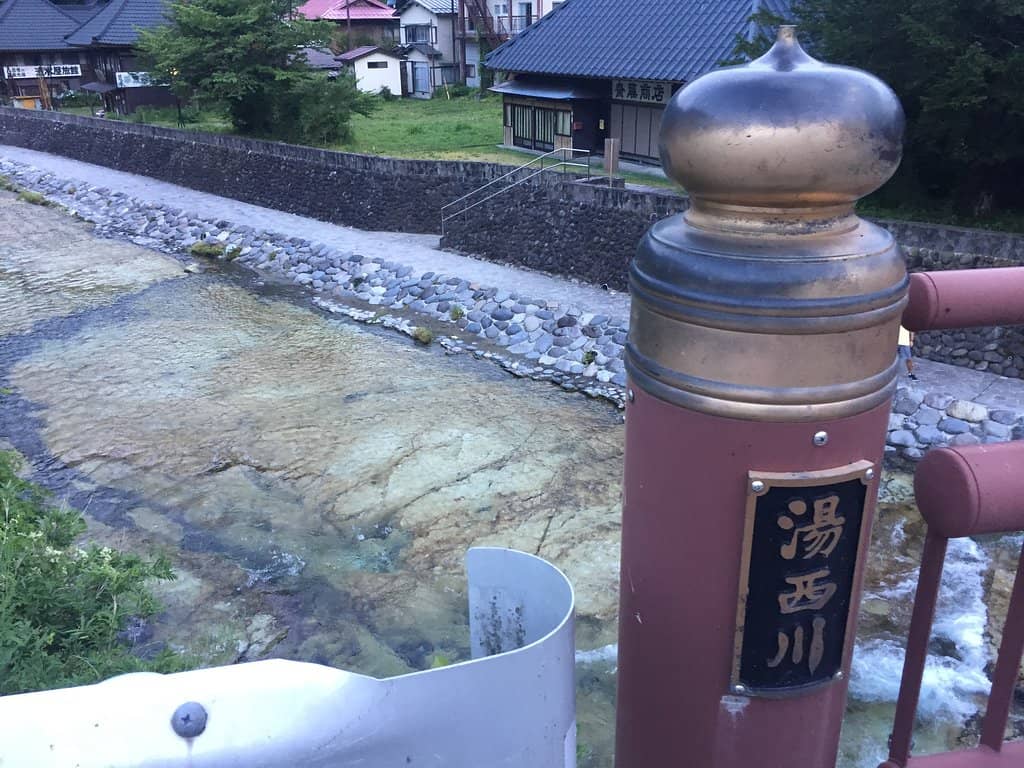
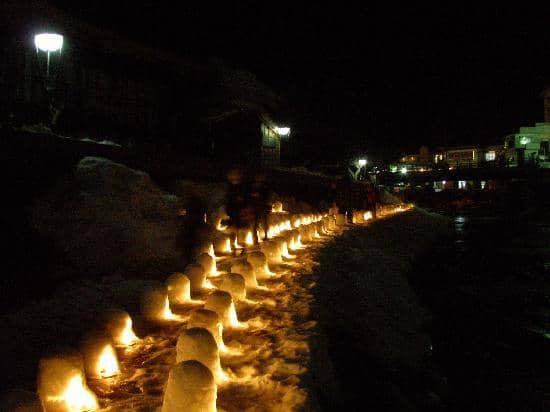
Yunishigawa River
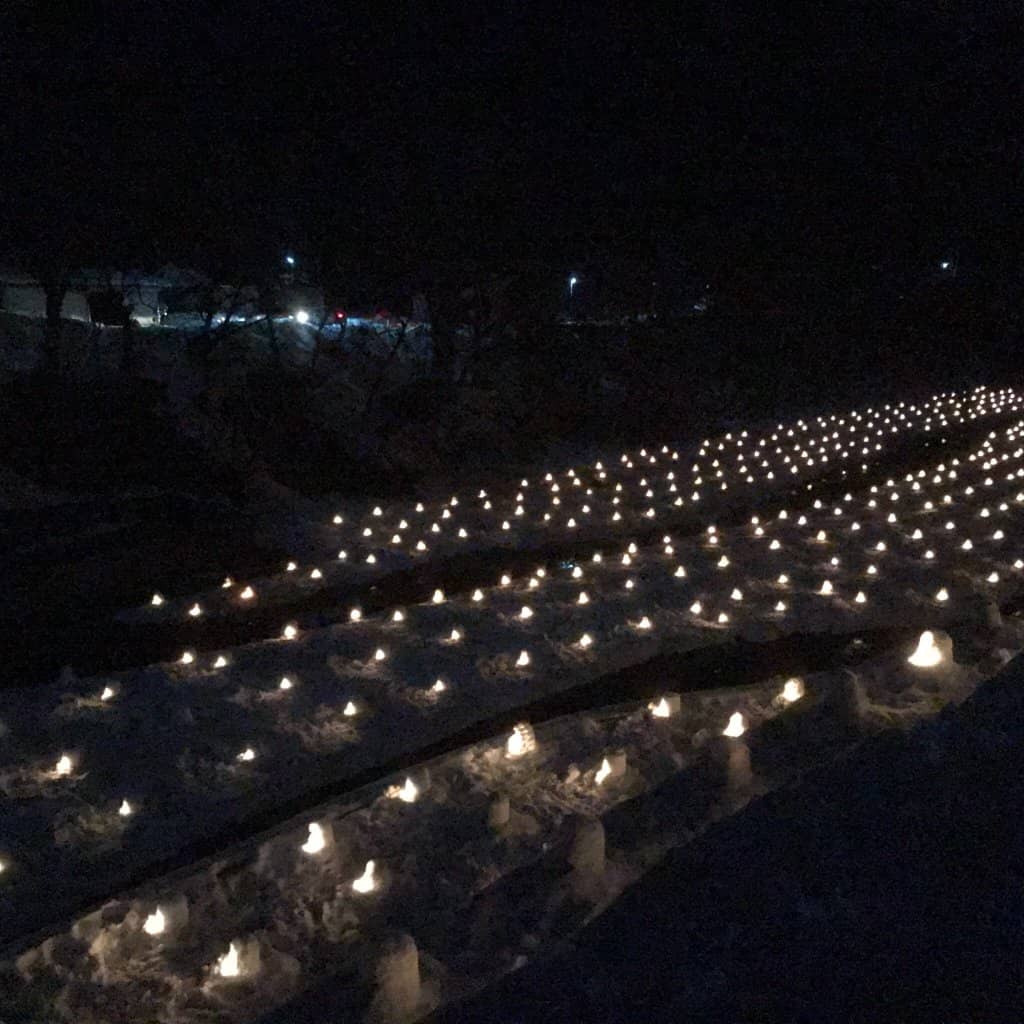
Enjoy the serene beauty of the river, especially during the winter light-up festival.
Heike no Sato Village
Step back in time at this historical village showcasing traditional thatched-roof houses.
Plans like a pro.
Thinks like you
Planning Your Visit
Embrace the Onsen Experience
Getting There & Around
Best Times
Insider Tips
from TikTok, Instagram & Reddit
♨️ Book Onsen in Advance
Private onsen baths are popular; book your ryokan with a private bath early!
🚗 Consider a Rental Car
Easier to explore surrounding nature and attractions at your own pace.
❄️ Winter Light-Up Magic
Don't miss the stunning Yunishigawa Onsen Snow Festival in winter!
🚶♀️ Explore Heike no Sato
Experience traditional Japanese village life and history.
Tips
from all over the internet
♨️ Book Onsen in Advance
Private onsen baths are popular; book your ryokan with a private bath early!
🚗 Consider a Rental Car
Easier to explore surrounding nature and attractions at your own pace.
❄️ Winter Light-Up Magic
Don't miss the stunning Yunishigawa Onsen Snow Festival in winter!
🚶♀️ Explore Heike no Sato
Experience traditional Japanese village life and history.
What Travellers Say
Reviews Summary
Yunishigawa Onsen is praised for its authentic onsen experience, tranquil natural beauty, and traditional ryokan stays. Visitors particularly enjoy the peaceful atmosphere and the opportunity for private hot spring baths. Some find the dining options limited outside of ryokans and the journey to reach the onsen town to be a bit long.
What People Like
What People Dislike
Frequently Asked Questions
🚇 🗺️ Getting There
The most common route involves taking the Shinkansen from Tokyo to Utsunomiya, then transferring to the JR Nikko Line to Nikko Station. From Nikko, you can take a bus to Yunishigawa Onsen. Alternatively, you can take a direct Tobu train from Asakusa to Kinugawa-Onsen and then transfer to a local train or bus.
While the onsen town itself is walkable, having a car or utilizing local buses is recommended for exploring the wider area and attractions like Heike no Sato.
Many travelers use the Tokyo Wide Pass for cost-effective travel to the Nikko area, covering Shinkansen and JR lines.
Yes, there are bus services from Kinugawa-Onsen Station to Yunishigawa Onsen, making it a convenient connection after arriving by train.
The journey from Tokyo can take around 3-4 hours depending on the chosen route and transfers.
🎫 🎫 Tickets & Entry
Entry to the onsen town itself is free. However, individual ryokans will have their own accommodation and onsen usage fees. Attractions like Heike no Sato have separate admission fees.
Prices vary greatly depending on the ryokan's luxury level and the room type. Expect to pay anywhere from ¥15,000 to ¥50,000+ per person per night, often including dinner and breakfast.
Some ryokans offer day-use onsen facilities, allowing visitors to experience the hot springs without staying overnight. It's best to check with individual establishments for availability and pricing.
Admission to Heike no Sato typically costs around ¥700-¥800 per adult. Check their official website for the most current pricing.
Yes, the Nikko Pass offers unlimited travel on certain buses and trains in the Nikko and Kinugawa areas, which can be cost-effective if you plan to visit multiple sites.
🎫 🏞️ Onsite Experience
Must-dos include staying in a traditional ryokan, experiencing the onsen (especially private ones for couples), visiting Heike no Sato, and enjoying the natural scenery, particularly during autumn foliage or winter snow festivals. +1
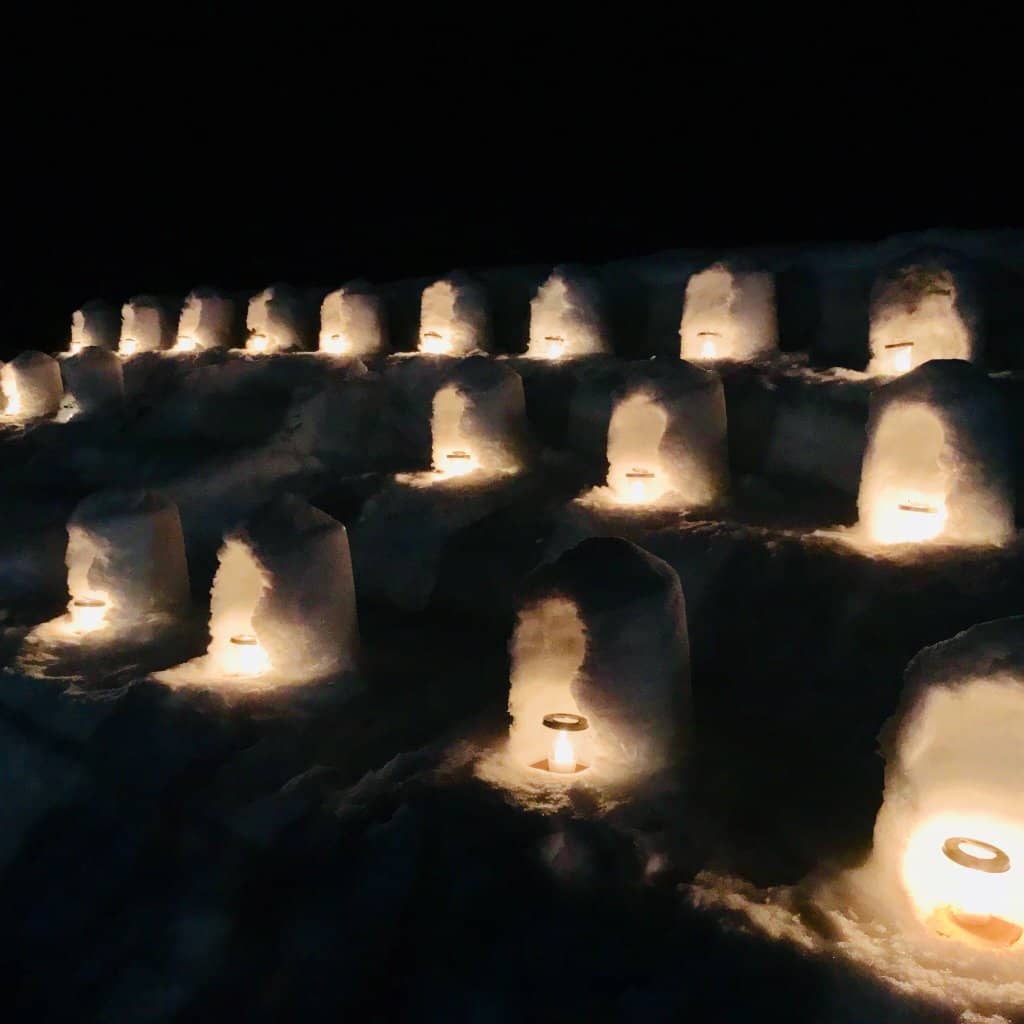
This winter festival features numerous snow huts (kamakura) lit up with candles along the river, creating a magical atmosphere. You can often enjoy local food and drinks.
Absolutely! The private onsen baths and serene natural surroundings make it a perfect destination for a romantic getaway.
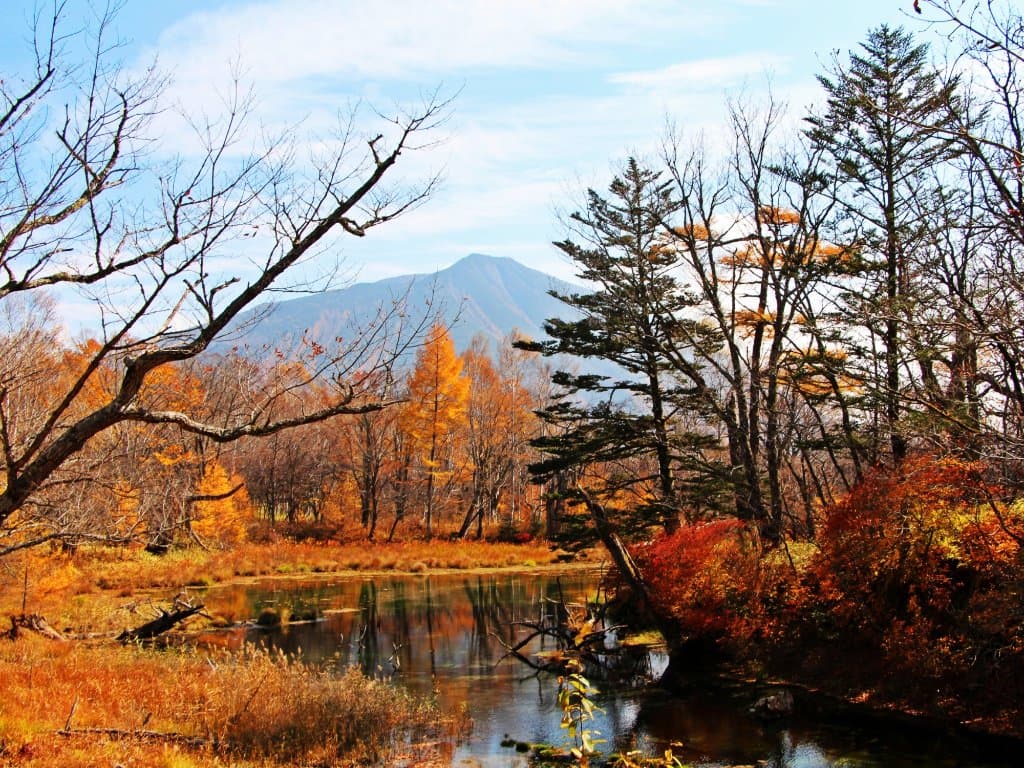
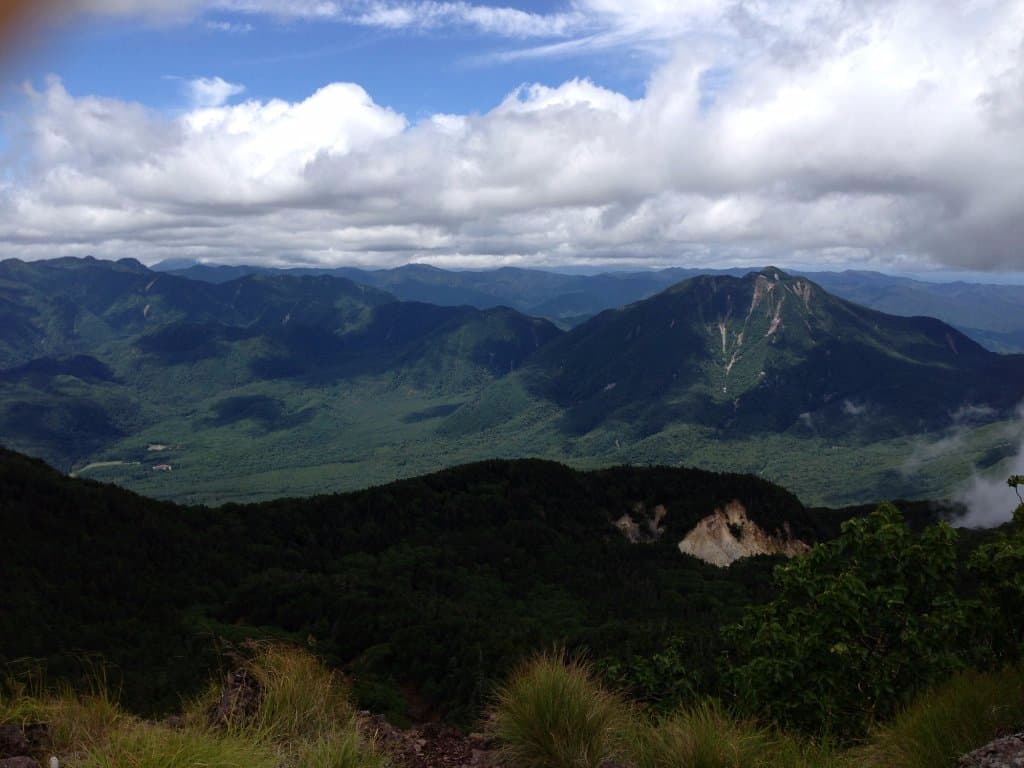
Yunishigawa Onsen is nestled in a valley surrounded by mountains, offering beautiful views, especially during autumn when the leaves change color.
While not extensively detailed in social media, the mountainous terrain suggests potential for hiking. Research local trails for more information.
🍽️ 🍽️ Food & Dining
Most ryokans offer traditional multi-course kaiseki dinners featuring local ingredients. Expect seasonal dishes and regional specialties.
The selection of restaurants outside of ryokans is limited in the immediate onsen town. Many visitors dine at their accommodation.
Look for dishes that incorporate local mountain vegetables and river fish. Some ryokans might offer unique local delicacies.
It's advisable to inform your ryokan in advance about any dietary restrictions. While traditional Japanese cuisine can be adapted, options might be limited.
Meals at ryokans are usually included in the accommodation price. If dining out, expect prices to be moderate to high for traditional Japanese cuisine.
📸 📸 Photography
Capture the serene river, traditional ryokan architecture, the historical Heike no Sato village, and the surrounding mountains, especially during autumn or winter. +1
Early mornings offer soft light and fewer crowds. Golden hour in the late afternoon can also provide beautiful lighting for landscapes and village scenes.
The winter snow festival offers unique opportunities to photograph the illuminated snow huts along the river.
A versatile lens for landscapes and details would be ideal. A tripod can be useful for low-light photography during the winter festival.
Generally, photography is not permitted inside communal onsen areas for privacy reasons. Private onsen baths may allow photography, but always check with the establishment first.

Social
from TikTok, Instagram & Reddit