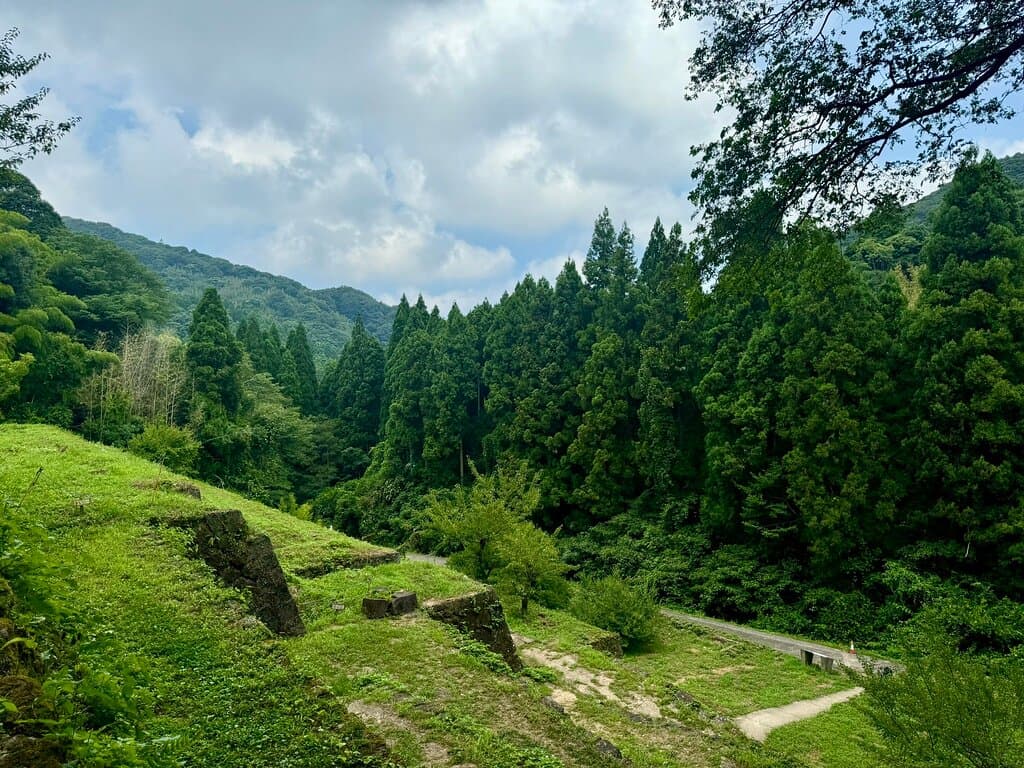
Shimizudani Refinery Ruins
Explore the atmospheric Meiji-era Shimizudani Refinery Ruins, featuring an imposing stone wall and remnants of industrial ambition.
Highlights
Must-see attractions

Social
From TikTok & Reddit
Best Time
Pleasant weather for climbing
Shimizudani Refinery Ruins
Best Time
Pleasant weather for climbing
Highlights
Must-see attractions
Explore the atmospheric Meiji-era Shimizudani Refinery Ruins, featuring an imposing stone wall and remnants of industrial ambition.
"The sheer scale of the stone wall was overwhelming, a valuable relic of a modern refinery."
🚲 Electric Bike Recommended
The slope is steep! An electric-assist bicycle makes the ascent much easier and more enjoyable.
👟 Wear Sturdy Shoes
Comfortable, grippy footwear is essential for navigating the uneven terrain and steep inclines.
Quick Facts
Rating
4.3 · 25 reviews
Type
Tourist Attraction
Highlights
Discover the most iconic attractions and experiences
The Grand Stone Wall
Main site
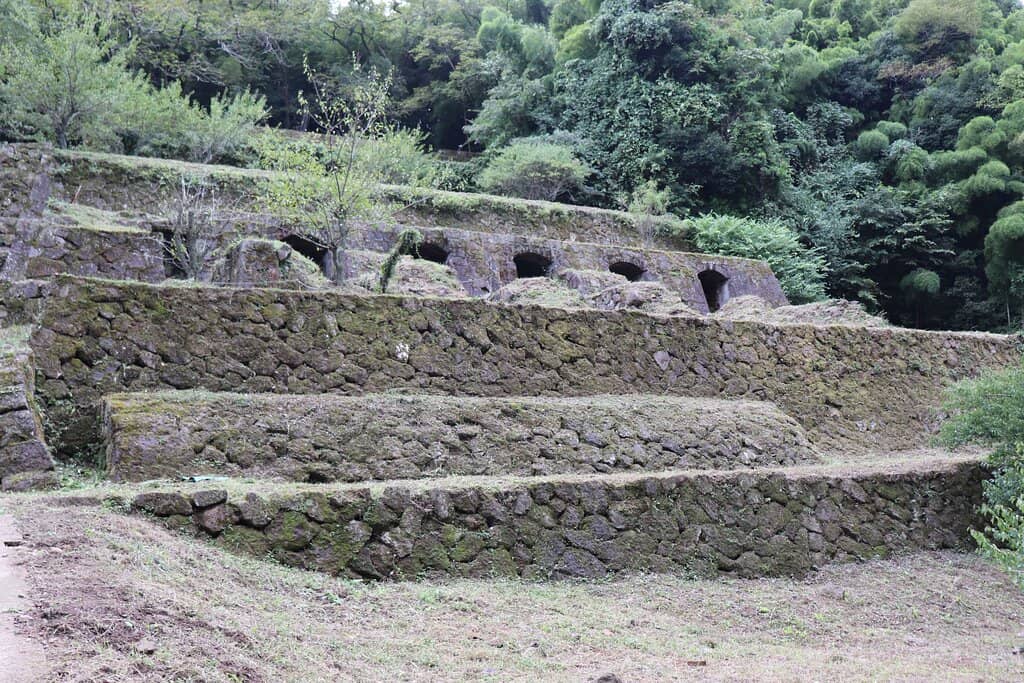
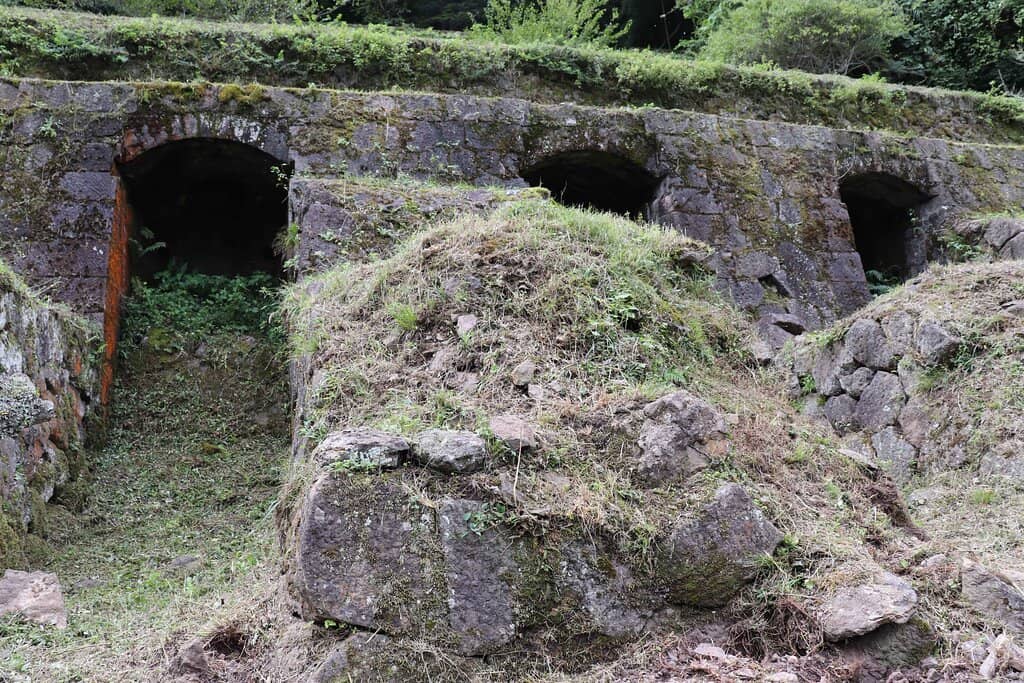
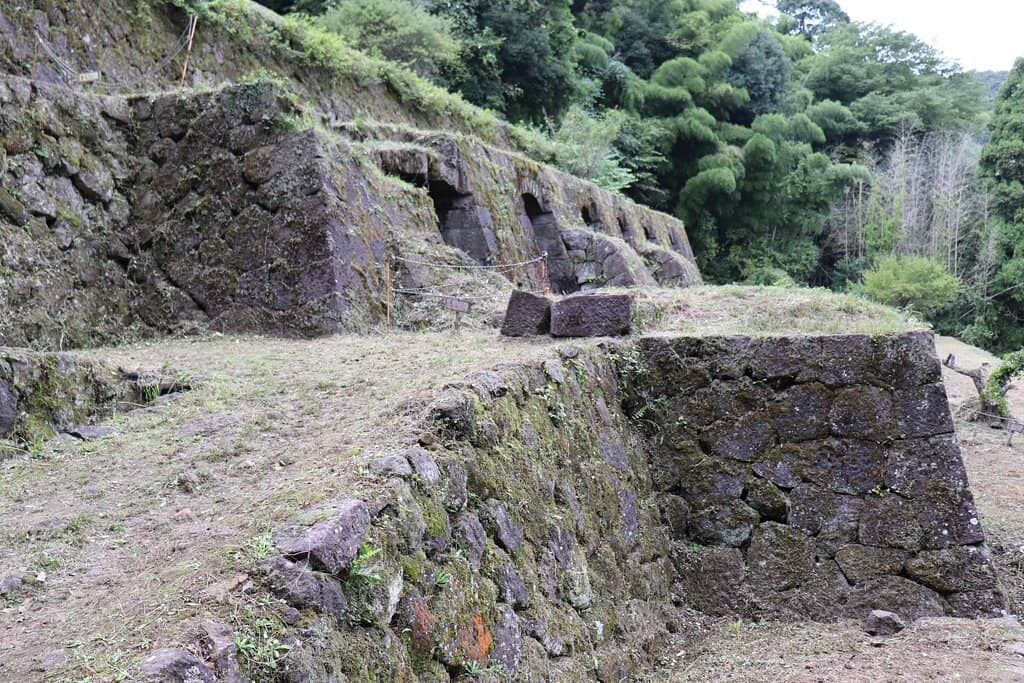
An imposing eight-tiered stone wall, a testament to the ambitious scale of this Meiji-era refinery.
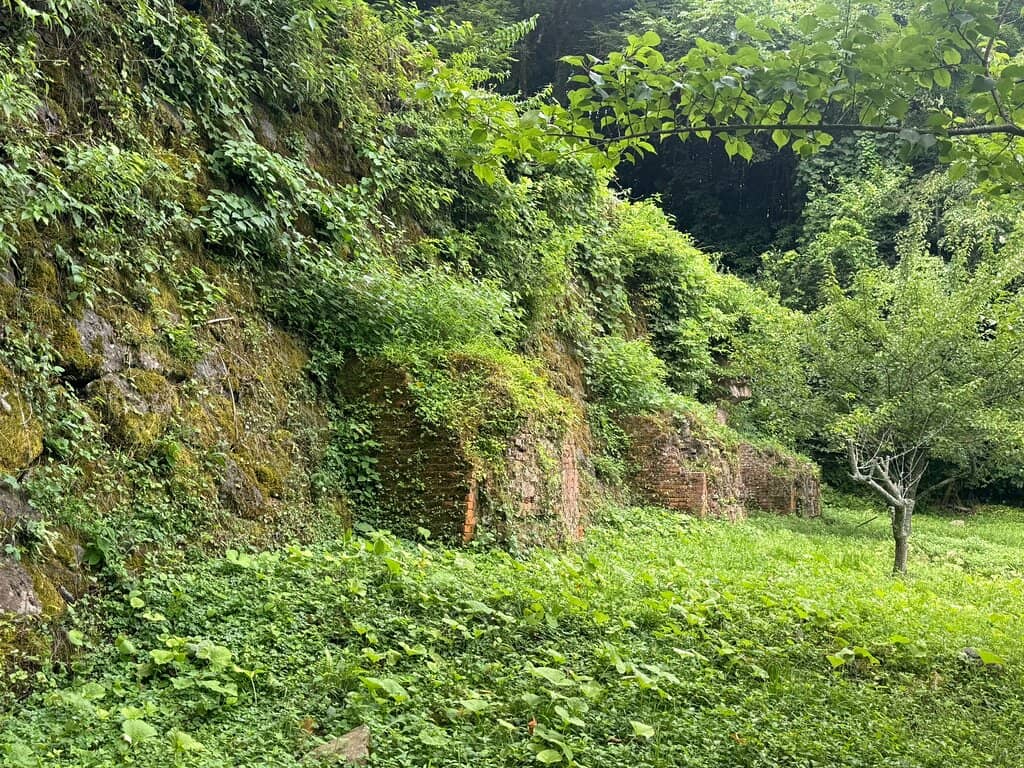
Remnants of the Boiler
Near the stone wall
See the foundation of a state-of-the-art horizontal multi-tube smoke boiler, crucial for the refinery's operation.
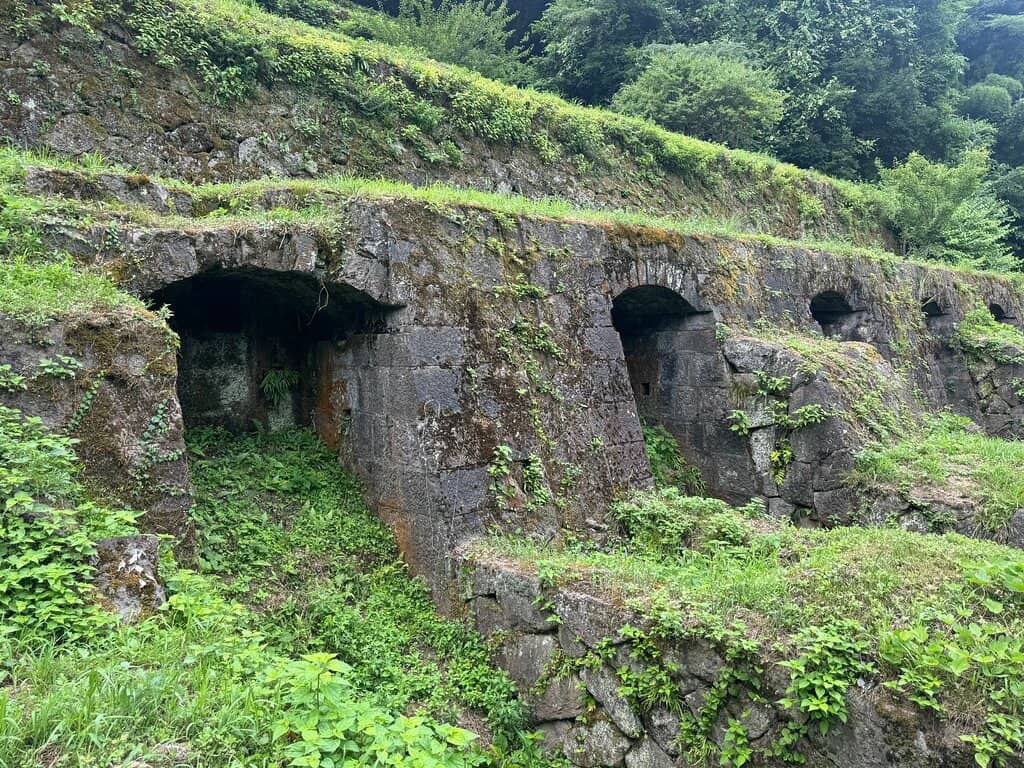
Overgrown Trolley Track
Surrounding area
Discover the path where ore was once transported, now a quiet, weed-covered relic.
Plans like a pro.
Thinks like you
Planning Your Visit
Steep Slopes & Limited Access
A Glimpse into Meiji-Era Industry
Best Times
Insider Tips
from TikTok, Instagram & Reddit
🚲 Electric Bike Recommended
The slope is steep! An electric-assist bicycle makes the ascent much easier and more enjoyable.
👟 Wear Sturdy Shoes
Comfortable, grippy footwear is essential for navigating the uneven terrain and steep inclines.
🤔 Imagine the Past
The ruins are sparse, so use your imagination to picture the bustling refinery of the Meiji era.
📸 Capture the Atmosphere
The overgrown nature and unique stone structures offer a moody, atmospheric backdrop for photos.
Tips
from all over the internet
🚲 Electric Bike Recommended
The slope is steep! An electric-assist bicycle makes the ascent much easier and more enjoyable.
👟 Wear Sturdy Shoes
Comfortable, grippy footwear is essential for navigating the uneven terrain and steep inclines.
🤔 Imagine the Past
The ruins are sparse, so use your imagination to picture the bustling refinery of the Meiji era.
📸 Capture the Atmosphere
The overgrown nature and unique stone structures offer a moody, atmospheric backdrop for photos.
What Travellers Say
Reviews Summary
Visitors are captivated by the atmospheric ruins and the impressive scale of the Meiji-era stone wall, despite the short operational history of the refinery. The challenging, steep climb is a significant aspect of the visit, with many recommending electric bicycles for easier access. The site offers a unique blend of history and nature, though amenities are scarce.
"🏣 Omori-cho, Ota City, Shimane Prefecture
🅿️🚗...it wasn't nearby.
*
I rode my electric-assist bicycle up the steep slope.
*
1886
The remains of a refinery, developed by the Fujita Group, a company founded by Denzaburo Fujita.
*
1895
It was built with a huge investment, taking advantage of the slope.
*
1896
Due to poor ore quality and insufficient refining capacity, it became unprofitable and operations ceased in 1896.
*
The remains of the Shimizu refinery had a 33-meter-high, eight-tiered stone wall, and ore was transported to the top by trolley.
A horizontal multi-tube smoke boiler, state-of-the-art for the time, was installed.
*
Only the stone wall remains today.
It is said to be a valuable relic of a modern refinery of the time.
*
I missed it a little, so what was the refinery like?"
ばあばbaaba
"After strolling past Ryugenji Temple, we cycled back and took a side road to visit the Kiyomizudani Smelting Site.
This site, built during Japan's Meiji period, was built with a massive investment and state-of-the-art technology, taking advantage of the mountain's slopes. However, the poor quality of the silver produced simply didn't cover the costs, so construction ceased after only a year and a half.
We rode up the steep slope and saw only the remains of the building, overgrown with weeds and stone. As we gazed, it suddenly felt like a spaceship base from the movie Star Wars, its secluded exterior indistinguishable from the surroundings, yet a spaceship could launch at any moment.
Ah! I'm dreaming again!!!"
Chun Chuan Wang
"The Shimizudani Smelter Ruins are located in Omori-cho, Oda City, Shimane Prefecture, approximately 8.8 km southeast of JR Nima Station.
These are the remains of a massive smelter built using cutting-edge Meiji-era technology, utilizing the slope of a mountain.
In 1895, Fujita-gumi acquired the mining rights to Iwami Silver Mine and invested a huge amount of money to build it.
Employing the latest technology, it processed the large amounts of ore that Fujita-gumi extracted from nearby tunnels.
However, after more than 350 years of mining, Iwami Silver Mine's silver deposits had already been depleted, and the ore was found to be of lower quality than expected. The technology used to extract pure silver also seemed to disappoint, and operations were ultimately suspended after just a year and a half.
Fujita-gumi sought to reduce losses by relocating its refining facilities to other mines under its control, such as Jiufen in Taiwan, which was then part of the Empire of Japan. The former Shimizudani smelter site was transformed into an electrical substation, but little is known about its subsequent fate.
Today, it's nothing more than a mass of stone and concrete standing quietly on a green hillside, but the surrounding area still contains the remains of miners' housing, the electrical substation, the ore dressing plant, and a trolley track."
原和
What People Like
What People Dislike
Frequently Asked Questions
🚇 🗺️ Getting There
The ruins are located in Omori-cho, Oda City, Shimane Prefecture, about 8.8 km southeast of JR Nima Station. While driving is possible, be aware of steep slopes. Many visitors find electric bicycles a convenient option for the final ascent.
Public transport directly to the ruins is limited. You'll likely need to take a train to JR Nima Station and then arrange local transport or cycle.
The climb can be challenging. Renting an electric-assist bicycle is highly recommended by visitors to make the journey more manageable.
Limited parking may be available near the base of the climb, but it's advisable to check local conditions or consider cycling from a nearby town.
Yes, you can walk, but be prepared for a significant and steep incline. Sturdy walking shoes are a must.
🎫 🎫 Tickets & Entry
No, entry to the Shimizudani Refinery Ruins is generally free. It's an open-air historical site.
As an outdoor historical site, the ruins are accessible at any time. However, visiting during daylight hours is recommended for safety and visibility.
There is no entrance fee to explore the Shimizudani Refinery Ruins.
The ruins are accessible year-round, but weather conditions, especially snow in winter, might affect accessibility and the overall experience.
Official guided tours are not commonly advertised. Visitors often explore independently, using historical information available online or on-site.
🎫 🧭 Onsite Experience
You can see the impressive eight-tiered stone wall, remnants of the boiler, and the overgrown trolley track. The site offers a sense of historical scale despite its sparse remains.
While generally safe, be cautious of uneven terrain and steep slopes. Some wooden stairs may be fenced off due to corrosion.
Allocate about 1-2 hours to explore the main ruins and surrounding areas, allowing time for the climb and photography.
Facilities are very limited at the ruins themselves. It's advisable to use restrooms and purchase any necessities before heading to the site.
Many visitors suggest imagining the historical context and the scale of operations during the Meiji era to fully appreciate the site.
📸 📸 Photography
The imposing stone wall, the overgrown trolley track, and the general atmospheric landscape offer great photographic opportunities. Capture the contrast between nature and industrial remnants.
Yes, the site offers a unique blend of historical structures and natural scenery, making it interesting for landscape photographers, especially during golden hour.
Drone usage regulations can vary. It's best to check local rules and obtain any necessary permissions before flying a drone over the ruins.
Early morning or late afternoon light can enhance the mood and highlight the textures of the stone and surrounding vegetation.
Generally, photography is allowed. However, avoid disturbing the site or trespassing into restricted areas.


![■有料展示室
展示テーマは石見銀山が世界遺産に登録された「3つの価値」と、1996(平成8)年から進めてきた「石見銀山遺跡総合調査の成果」という、計4つのテーマから構成されています。
[第2展示室 石見銀山の歴史と鉱山技術]
石見銀山は、採掘から製錬の技術、支配、信仰、生活、銀の流通に至るまでの銀生産の総体を遺構として残すという、世界遺産としての「独特かつ稀な証拠」を示しています。
これを 1.歴史 2.くらしと技術 という2つのサブテーマで解説しています。
1.石見銀山の歴史
16世紀の神屋寿禎による「銀山発見」から、大森の町の形成まで、映像や資料写真、復元品等で解説しています。
2.石見銀山のくらしと技術
発掘調査の成果を中心に鉱山のくらしと技術を解説しています。 また、期間限定で「国重要文化財・辻が花染丁子文道服の再現品」の公開を実施しています。](/_next/image?url=https%3A%2F%2Fmedia-cdn.tripadvisor.com%2Fmedia%2Fphoto-w%2F2a%2Fd7%2Fff%2F1e%2F3-1996-8-4-2-16.jpg&w=2048&q=75)
Social
from TikTok, Instagram & Reddit