
Akasaka-juku Nakasendo
Step back in time at Akasaka-juku, a preserved post town on the historic Nakasendo Highway, offering a glimpse into Edo-period Japan.
Highlights
Must-see attractions

Social
From TikTok & Reddit
Best Time
Pleasant weather for walking
Akasaka-juku Nakasendo
Best Time
Pleasant weather for walking
Highlights
Must-see attractions
Step back in time at Akasaka-juku, a preserved post town on the historic Nakasendo Highway, offering a glimpse into Edo-period Japan.
"The retro atmosphere of this former post town truly transports you to another era."

🚶♀️ Stroll & Imagine
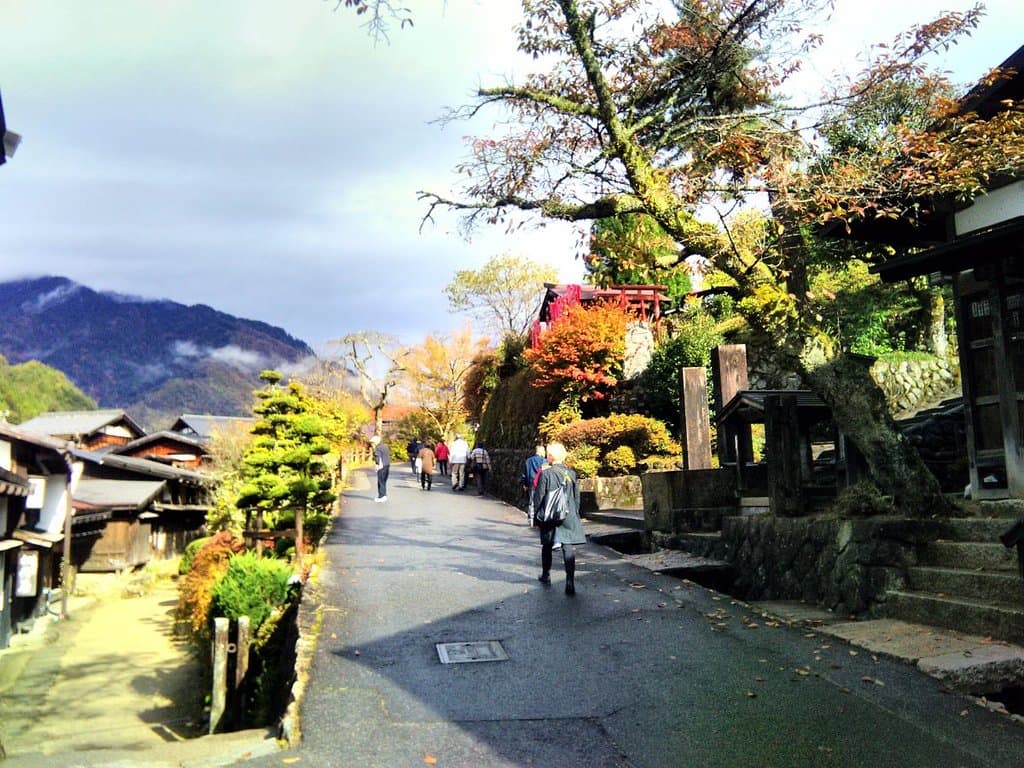
Take your time to absorb the retro atmosphere. Imagine the travelers and merchants who once passed through this historic post town.
🚆 Public Transport is Key
Parking is limited. Opt for Minoakasaka Station or local buses for easy access to Akasaka-juku.
Highlights
Discover the most iconic attractions and experiences
Akasaka Honjin Park
Site of the former main inn
A park preserving the grounds of the grand Honjin, where Princess Kazunomiya once stayed. A peaceful spot for reflection.
Preserved Townscape
East-west streets
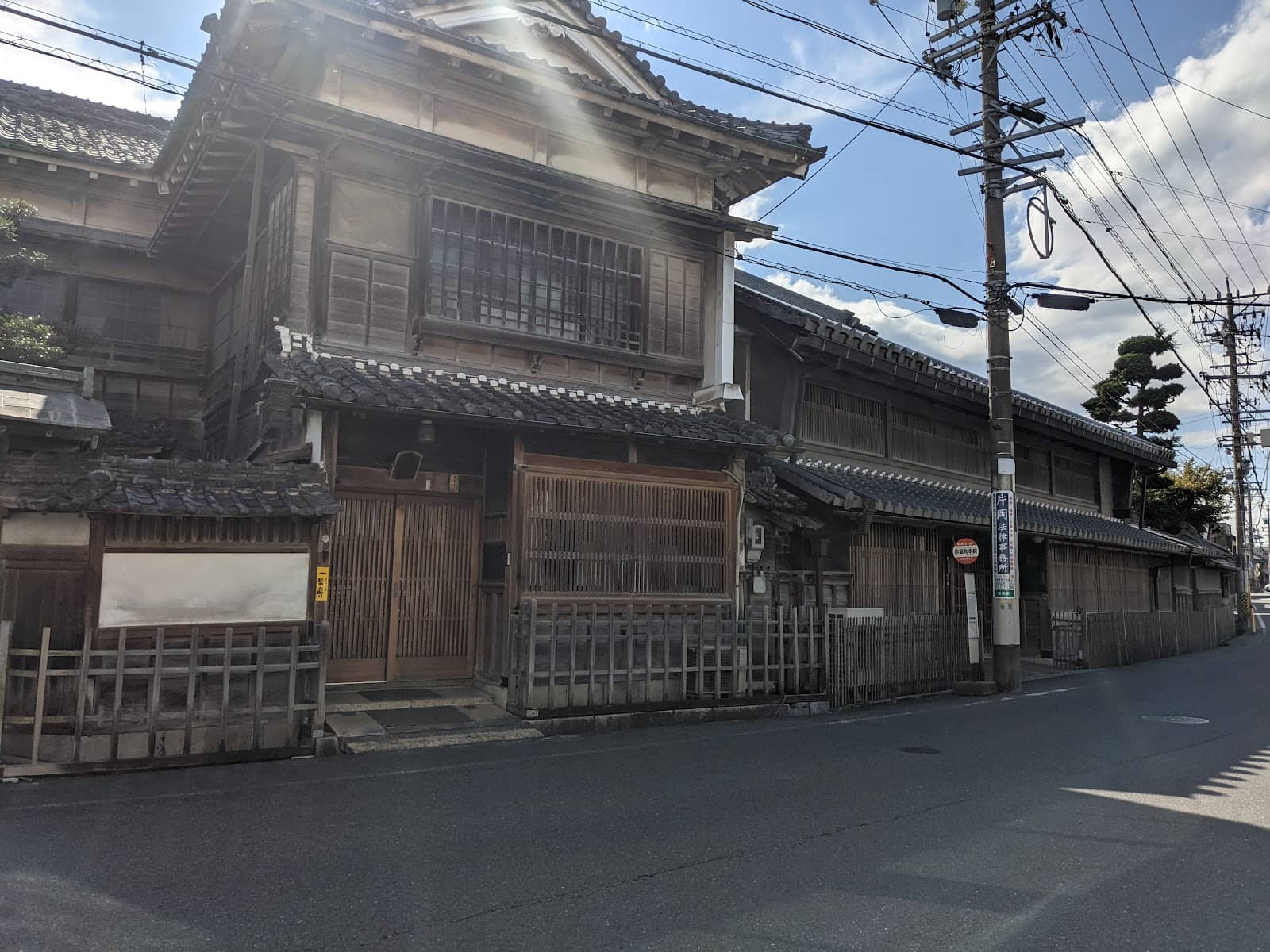
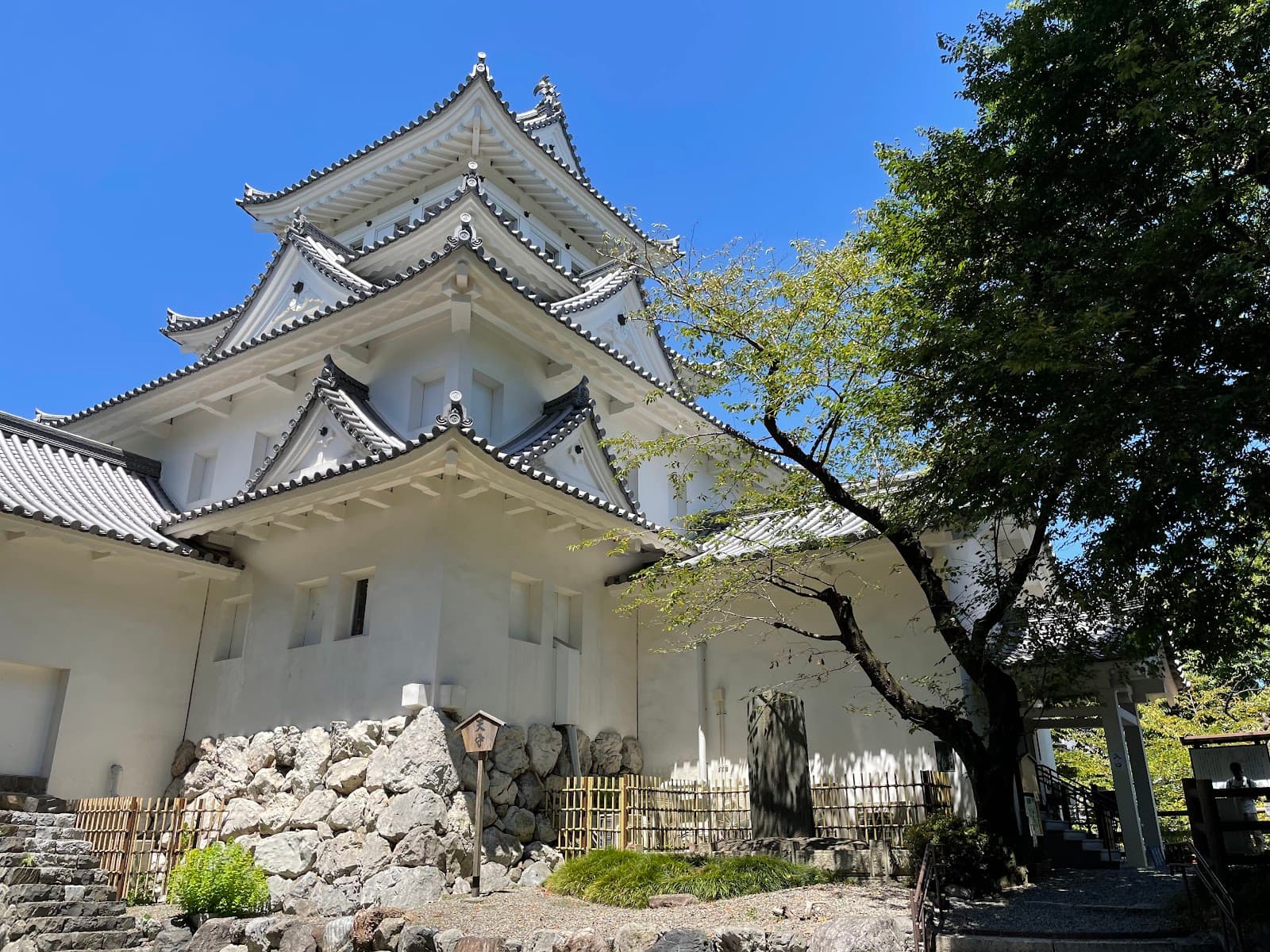
Wander through streets that once bustled with inns and merchants. The retro atmosphere evokes the Edo period.

Tanigumi & Yoro Kaido Junction
Fork in the road
See the historical signpost marking the intersection of important ancient roads, a testament to Akasaka-juku's strategic location.
Plans like a pro.
Thinks like you
Planning Your Visit
Embrace the Retro Charm
Getting There & Parking
Best Times
Insider Tips
from TikTok, Instagram & Reddit
🚶♀️ Stroll & Imagine
Take your time to absorb the retro atmosphere. Imagine the travelers and merchants who once passed through this historic post town.
🚆 Public Transport is Key
Parking is limited. Opt for Minoakasaka Station or local buses for easy access to Akasaka-juku.
🌳 Park Visit (Check Renovations)
The Akasaka Honjin Park is a key site, but check for any ongoing renovations before your visit.
🗺️ Historical Signposts
Look out for the signpost at the Tanigumi Kaido and Yoro Kaido road junction, a reminder of its past importance.
Tips
from all over the internet
🚶♀️ Stroll & Imagine
Take your time to absorb the retro atmosphere. Imagine the travelers and merchants who once passed through this historic post town.
🚆 Public Transport is Key
Parking is limited. Opt for Minoakasaka Station or local buses for easy access to Akasaka-juku.
🌳 Park Visit (Check Renovations)
The Akasaka Honjin Park is a key site, but check for any ongoing renovations before your visit.
🗺️ Historical Signposts
Look out for the signpost at the Tanigumi Kaido and Yoro Kaido road junction, a reminder of its past importance.
What Travellers Say
Reviews Summary
Visitors appreciate Akasaka-juku for its preserved retro townscape and the historical atmosphere of a former Nakasendo post town. The Akasaka Honjin Park is noted as a pleasant spot for a break. However, some find the lack of original buildings a drawback, and parking can be inconvenient.
"《Explanatory sign》
Akasaka-juku
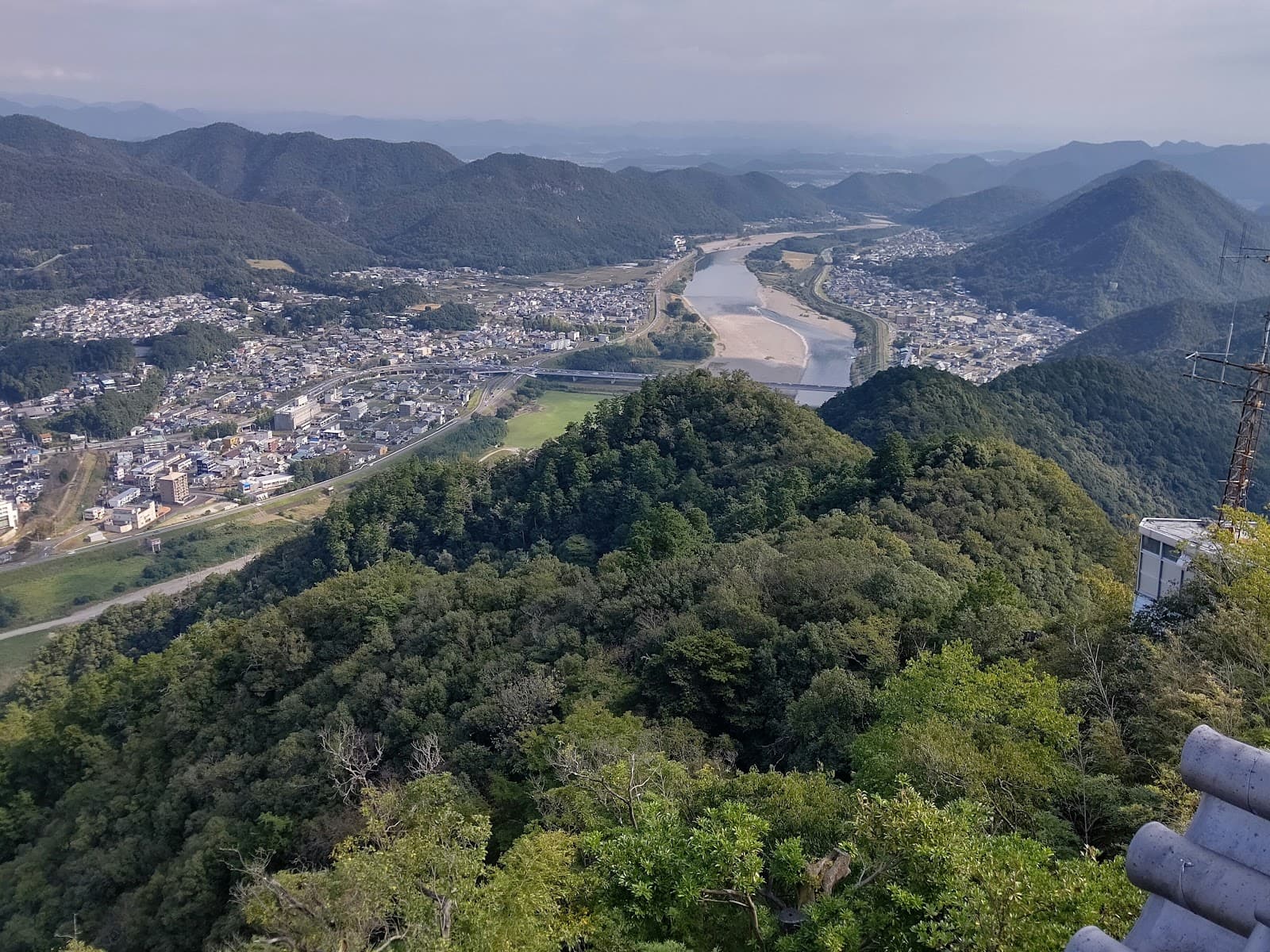
Akasaka-juku once flourished as the 57th post town on the Nakasendo road, and the streets that run from east to west were lined with 17 inns, including the Honjin and Hatago Wakihonjin, as well as merchant houses, and it prospered as a post town in Mino Province.
Many of the old buildings and numerous historical sites remain today. In addition, the Tanigumi Kaido and Yoro Kaido roads pass through Akasaka-juku, and a signpost has been erected at the fork in the road.
During the Meiji period, boat transport using the abundant water of the Kuise River reached its peak, and Akasaka Port, located at the eastern end of Akasaka-juku, played an important role."
L’s_history
"This is the 56th post town on the Nakasendo Highway. Lime mined from Mt. Kinsei started in the Edo period, and the marble processing industry, also mined from Mt. Kinsei, developed in the Meiji period. This marble was used in Western-style buildings from the Meiji period onwards. The now-defunct Honjin was one of the places where Princess Kazunomiya stayed when she was married at the end of the Edo period. There are few buildings from the time when it flourished as a post town, but the townscape has a retro atmosphere and is a great place to stroll around. There is probably no parking lot for tourists, so it is best to head from Ogaki Station to the nearest station, Minoakasaka Station on the Akasaka branch of the Tokaido Main Line. There are also local buses."
ブンブンぶらう
"Akasaka Honjin has been developed like a park.
Opposite it is the site of the Shimizu family home.
The bank next door also seems to use an old building, and the town as a whole seems to value its landscape.
It is possible to walk through the park, so it looks like it could also be used as a path to the station."
ちえ
What People Like
What People Dislike
Frequently Asked Questions
🚇 🗺️ Getting There
The most convenient way is by public transport. Take the Akasaka branch of the Tokaido Main Line to Minoakasaka Station. Local buses also serve the area, making it accessible for visitors without a car.
Dedicated tourist parking is scarce. It's best to rely on public transportation or inquire about local parking options if you are driving.
Minoakasaka Station on the Akasaka branch of the Tokaido Main Line is the closest station to Akasaka-juku. From there, you can walk or take a local bus.
Yes, local buses operate in the area and can take you to Akasaka-juku. Check local bus schedules for routes and times.
Absolutely! The charm of Akasaka-juku lies in its walkable streets. You can easily explore the preserved townscape on foot.
🎫 🎫 Tickets & Entry
Akasaka-juku is an open historical area, so generally no tickets are required to walk through the townscape and visit the park.
As an outdoor historical site, Akasaka-juku is accessible at all times. However, individual facilities or shops within the area may have their own operating hours.
The Akasaka Honjin Park is maintained as a public space, so there is typically no entrance fee. However, always check for any temporary closures or renovation notices.
It's advisable to check for any ongoing renovations, as they might affect access to certain areas like the Honjin Park.
Information on guided tours might be limited. It's best to explore independently or check with local tourism information centers for potential offerings.
🎫 🧭 Onsite Experience
Explore the preserved townscape, visit Akasaka Honjin Park, and see the historical signpost at the Tanigumi and Yoro Kaido junction. It's a great place for a leisurely walk and to imagine Edo-period life.
Akasaka-juku was the 57th post town on the Nakasendo road, a vital route during the Edo period. It flourished as a resting point for travelers and merchants.
While few original buildings remain, the townscape has been preserved to evoke the retro atmosphere of its prosperous past.
Yes, Akasaka-juku is perfect for a leisurely walk. The streets are charming and offer a peaceful experience for visitors.
During the Meiji period, Akasaka Port, located at the eastern end of the post town, played an important role in boat transport along the Kuise River.
📸 📸 Photography
Capture the retro townscape, the historical signposts, and the serene atmosphere of Akasaka Honjin Park. Early mornings or late afternoons offer softer light.
Yes, you can photograph the preserved townscape and any remaining historical structures. Be respectful of private property if you venture off the main paths.
While the original Honjin building is gone, you can photograph the park that preserves its grounds, offering a sense of its former grandeur.
A versatile lens for capturing street scenes and wider landscapes would be ideal. A tripod can be useful for low-light conditions, but be mindful of space.
Generally, photography is allowed in public areas. Always be considerate of other visitors and any posted signage regarding photography.
For Different Travelers
Tailored advice for your travel style
👨👩👧 Families with Kids
Consider making it a stop during a larger regional trip. Pack snacks and drinks, as amenities might be limited. The historical signposts can be a fun scavenger hunt element for older children. The focus here is on a peaceful, educational stroll rather than high-energy attractions.
🚶♀️ History Buffs & Culture Enthusiasts
Pay close attention to the historical signposts and the layout of the former Honjin. Researching the significance of Princess Kazunomiya's stay beforehand can add another layer of appreciation. This destination is ideal for those who enjoy slow travel and deep dives into historical contexts.
Deep Dives
In-depth insights and expert knowledge
The Nakasendo Highway and Akasaka-juku's Role
During its peak, Akasaka-juku boasted numerous inns, including the Honjin (the main inn for official travelers) and Hatago (lodging for other travelers), as well as merchant houses. This infrastructure supported a bustling community. The mention of Princess Kazunomiya's stay at the Honjin highlights the importance and prestige of Akasaka-juku as a stopover for high-ranking individuals. The town's development was also influenced by other roads passing through, such as the Tanigumi Kaido and Yoro Kaido, further solidifying its role as a transportation hub.
While the original Edo-period buildings are scarce today, the town has made efforts to preserve its historical atmosphere. The development of Akasaka Honjin into a park and the general upkeep of the townscape allow visitors to imagine the past. The mention of marble processing in the Meiji period also points to the town's evolving economic landscape, demonstrating its adaptability beyond its role as a post town. This blend of historical preservation and adaptation makes Akasaka-juku a unique destination for understanding Japan's past.
Beyond the Post Town: Akasaka's Maritime and Industrial Past
Furthermore, the area's connection to Mt. Kinsei played a significant role in its industrial development. Lime was mined from the mountain starting in the Edo period, and later, in the Meiji period, the marble processing industry flourished. This marble, sourced from Mt. Kinsei, found its way into the construction of Western-style buildings during that era. This industrial activity showcases Akasaka's contribution to Japan's modernization and its ability to leverage local resources for economic growth.
These lesser-known aspects of Akasaka's history add depth to its narrative. They demonstrate that the town was not just a static relic of the Edo period but a dynamic place that adapted to changing times and economic opportunities. Understanding these layers of history provides a more comprehensive appreciation of Akasaka-juku's significance.

Social
from TikTok, Instagram & Reddit