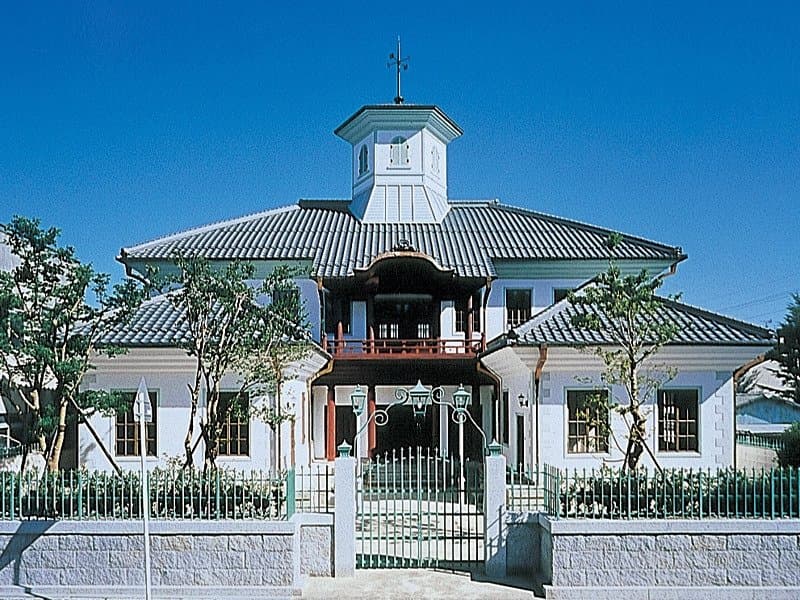
Omihachiman Kawara Museum
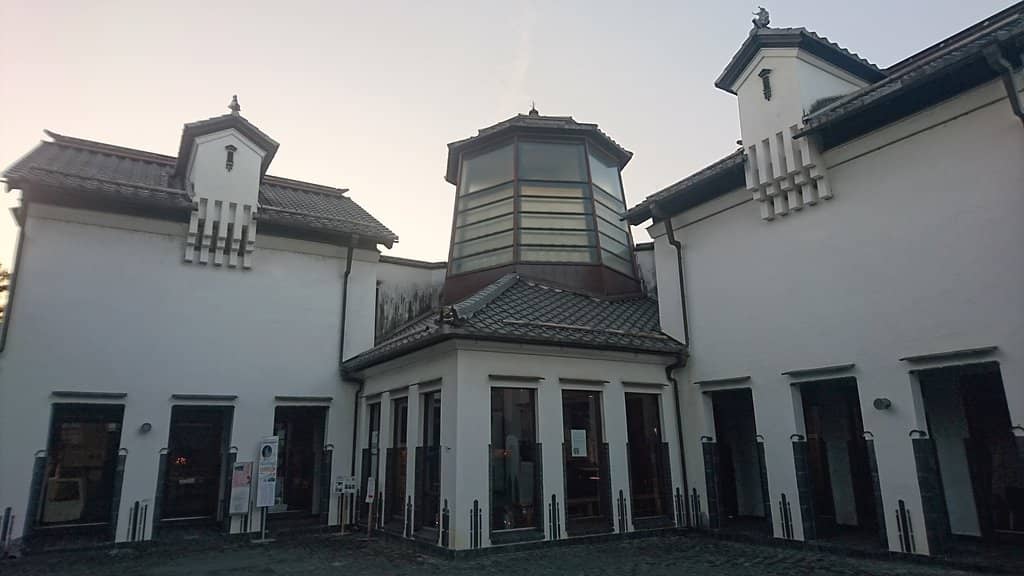
Discover the intricate artistry of Japanese roof tiles and traditional pottery at this charming Omihachiman museum.
Highlights
Must-see attractions

Social
From TikTok & Reddit
Best Time
Fewer crowds, more peaceful viewing
Omihachiman Kawara Museum
Best Time
Fewer crowds, more peaceful viewing
Highlights
Must-see attractions
Discover the intricate artistry of Japanese roof tiles and traditional pottery at this charming Omihachiman museum.
"Beautiful pottery artwork and historical tiles make this a must-visit, even with limited English."
🎟️ Get the Combo Ticket
Save money by purchasing a 3-museum pass for just 300 yen.
🤫 No Photos Inside
Photography is not permitted inside the museum to preserve the exhibits.
Quick Facts
Hours
Rating
3.7 · 305 reviews
Type
Museum
Highlights
Discover the most iconic attractions and experiences
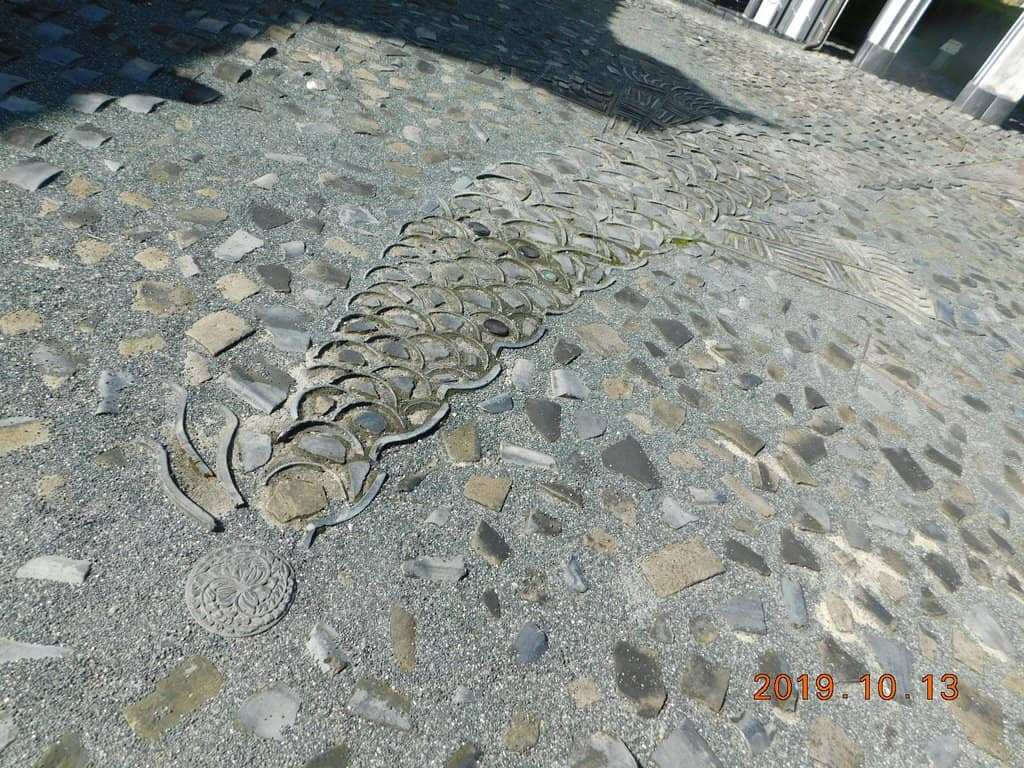
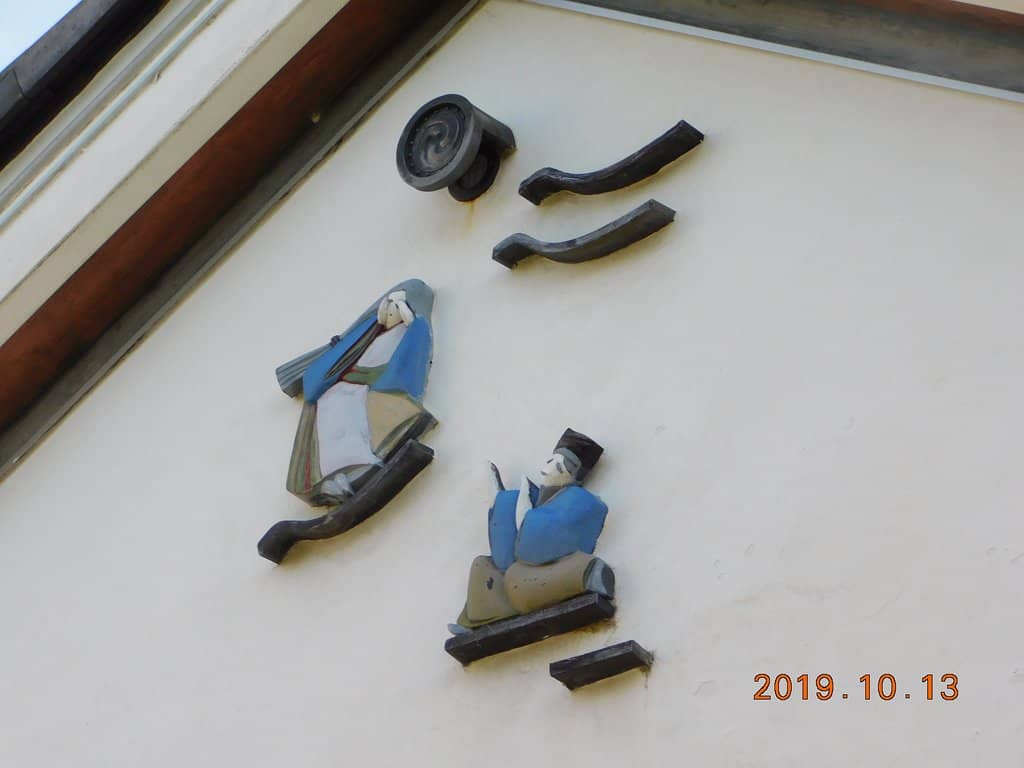
Intricate Roof Tile Artistry
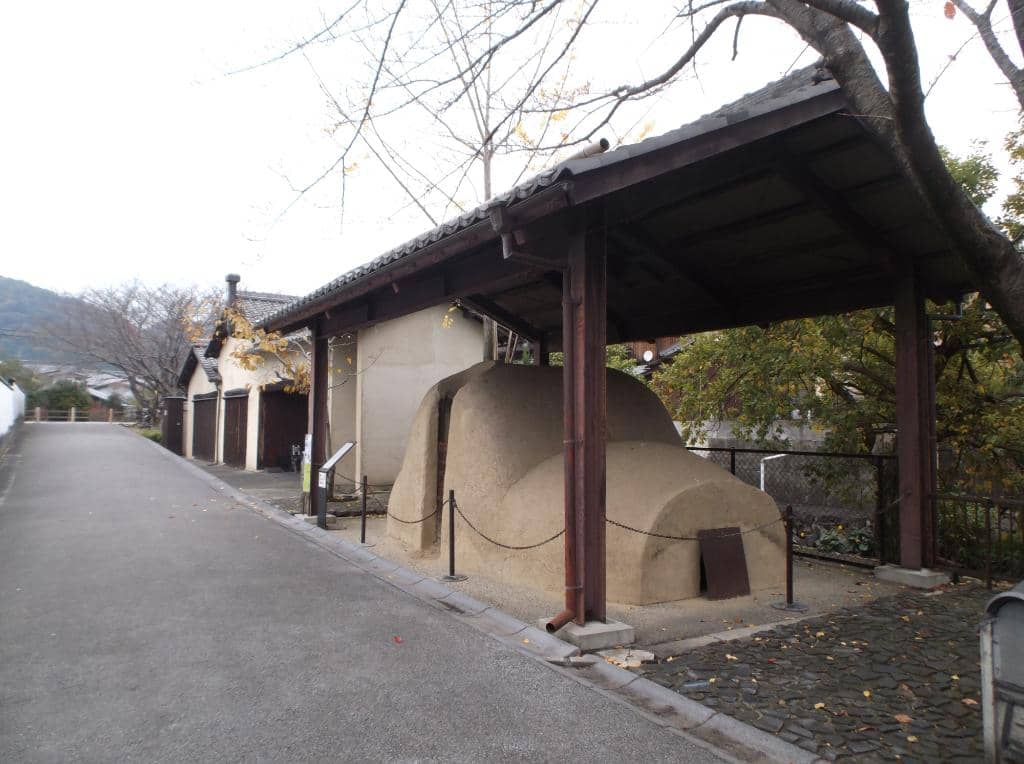
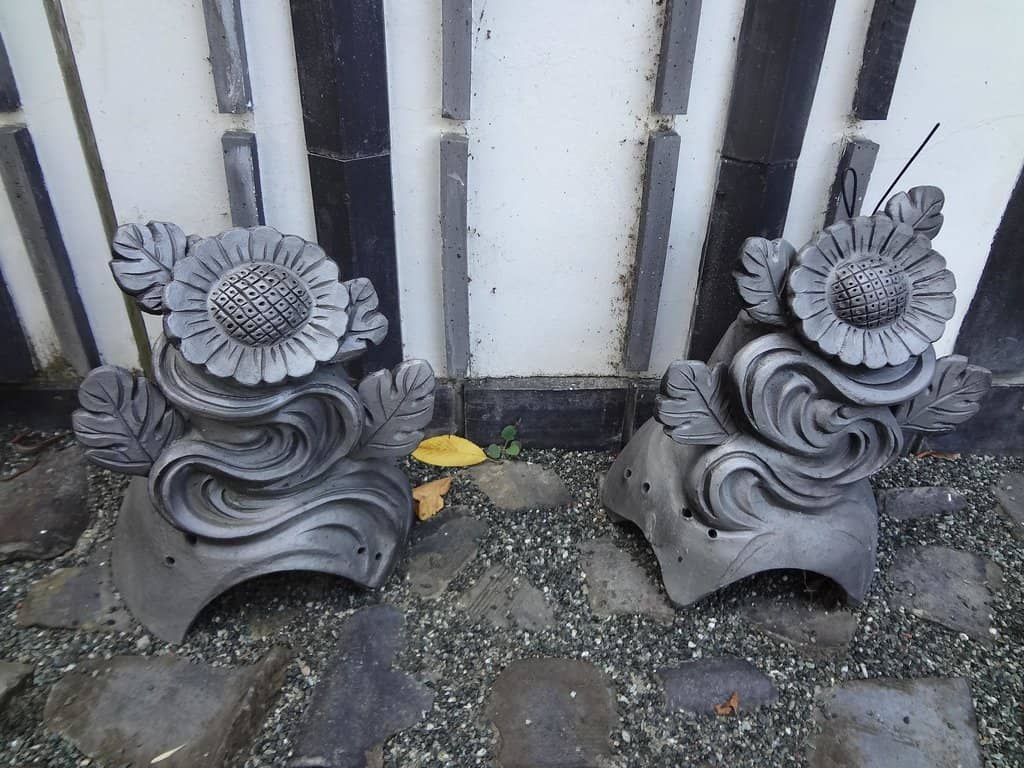
Marvel at the detailed patterns and historical significance of Japanese roof tiles, including the iconic Onikawara.
Artist Studio Glimpse
Witness artists at work, potentially crafting dragon statues or other unique ceramic pieces.
Castle Miniature
Be amazed by a detailed castle replica meticulously constructed from toothpicks.
Plans like a pro.
Thinks like you
Planning Your Visit
Combine Your Museum Visits
Embrace the Artistry
Best Times
Insider Tips
from TikTok, Instagram & Reddit
🎟️ Get the Combo Ticket
Save money by purchasing a 3-museum pass for just 300 yen.
🤫 No Photos Inside
Photography is not permitted inside the museum to preserve the exhibits.
🏺 Clay Crafting Nearby
Try your hand at clay making at a nearby shop for around 1000 yen.
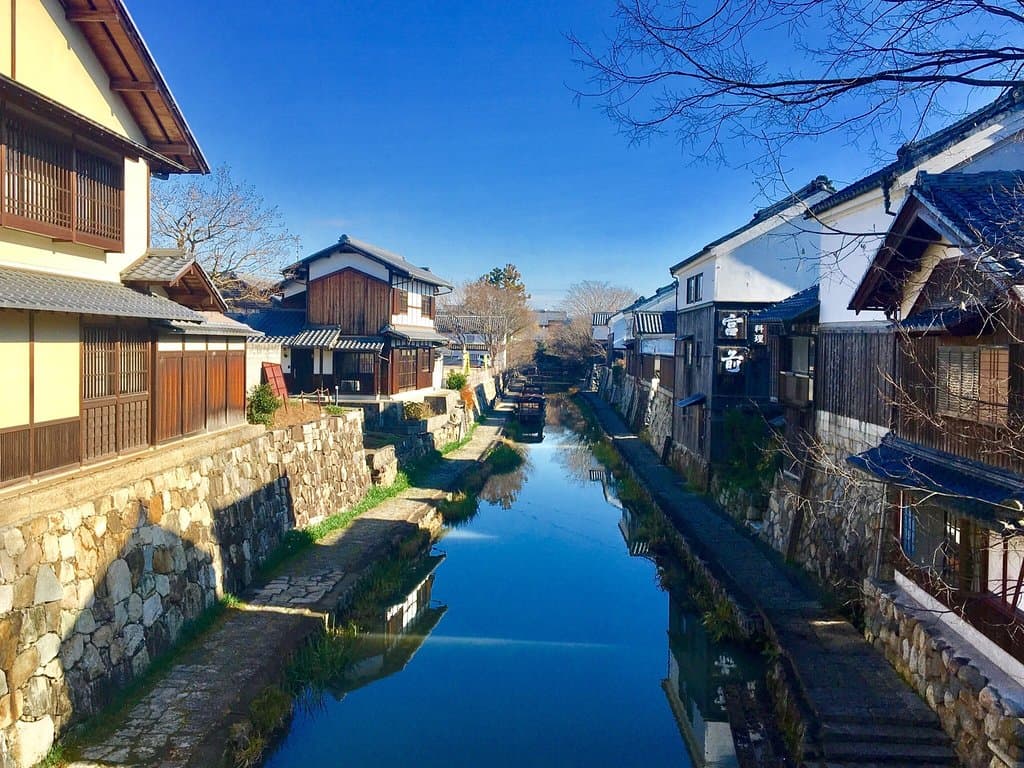
🚶♀️ Canal Proximity
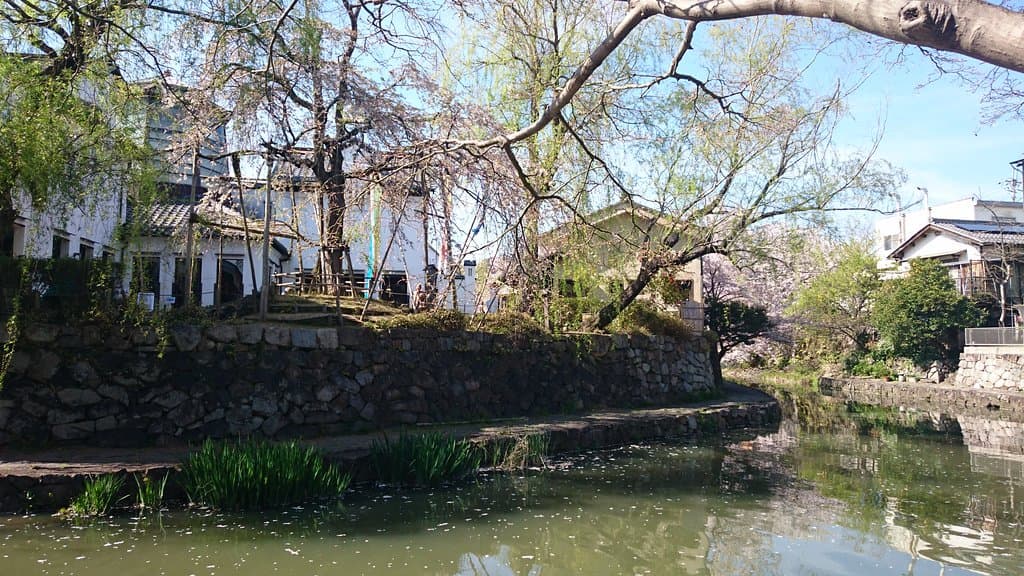
The museum is conveniently located near the picturesque Omihachiman canal.
Tips
from all over the internet
🎟️ Get the Combo Ticket
Save money by purchasing a 3-museum pass for just 300 yen.
🤫 No Photos Inside
Photography is not permitted inside the museum to preserve the exhibits.
🏺 Clay Crafting Nearby
Try your hand at clay making at a nearby shop for around 1000 yen.
🚶♀️ Canal Proximity
The museum is conveniently located near the picturesque Omihachiman canal.
What Travellers Say
Reviews Summary
Visitors find the Omihachiman Kawara Museum to be a surprisingly interesting and affordable cultural gem, especially when utilizing the combined ticket option. While English signage is minimal, the beauty of the pottery and roof tile artistry is universally appreciated, and the chance to see artists at work adds a special touch. Some may find the no-photography rule restrictive, but the unique exhibits like the toothpick castle and the option for nearby clay crafting make it a worthwhile stop.
"There are no signs in English, but the pottery artwork is beautiful enough that you don't really need it to enjoy the experience. I even got to speak with an artist working on dragon statues at the time. If you go pick up the ticket that gives you access to three different museums. This location will be one of them."
Benjamin Rostick
"Costs 300 yen to enter and is actually more interesting than expected. No photography allowed inside though. Think of this as the decorative pieces on a roof than normal tiles"
Mathew Fedley
"A very good place to visit. It is very near to the canal. Cheap entrance fees and many things to see. Different kind of tiles, tiles history, and you can see castle miniature made from toothpicks. Nearby, there is a shop where you can play and make something with clay for only 1000 yen."
Ema Aminnisa
What People Like
What People Dislike
Frequently Asked Questions
🚇 🗺️ Getting There
The museum is easily accessible and located near the Omihachiman canal. While specific public transport details aren't widely shared, it's a common stop for those exploring the historic Omihachiman area.
Information on dedicated parking for the Kawara Museum is scarce. Visitors often park in general Omihachiman city parking areas and walk to the site.
🎫 🎫 Tickets & Entry
The entrance fee is very affordable at 300 yen. You can also purchase a combined ticket for three local museums for the same price. +1
Online ticket purchasing is not commonly mentioned. It's best to purchase tickets directly at the museum or the combined ticket counter.
The combined ticket for three museums at 300 yen offers excellent value and can be considered a discount for visiting multiple sites.
Specific opening hours can vary, but it's generally open during daytime hours. It's advisable to check locally or confirm with your combined ticket provider.
No, photography is strictly prohibited inside the Omihachiman Kawara Museum.
🎫 🏛️ Onsite Experience
The museum showcases the history and artistry of Japanese roof tiles, including decorative Onikawara and various tile patterns. You'll also find unique ceramic artworks and a fascinating toothpick castle model. +1
While English signage is limited, the visual appeal of the pottery and tile art is universally appreciated. The artistry itself conveys much of the information.
Some visitors have reported seeing artists at work, potentially crafting dragon statues or other ceramic pieces.
The unique exhibits, like the toothpick castle and the visual artistry, can be engaging for children. However, the no-photography rule should be emphasized.
Onikawara are decorative roof tiles, often featuring demon faces, used in traditional Japanese architecture to ward off evil spirits and add aesthetic appeal.
🎫 🛍️ Shopping & Activities
Yes, you can purchase original Onikawara and other items made from traditional materials at the museum's shop.
There is a shop near the museum where you can engage in clay making activities for about 1000 yen.
Social
from TikTok, Instagram & Reddit