Mizuki Ruins
A 7th-century earthwork fortress, Mizuki Ruins is a National Special Historic Site and one of Japan's 100 Greatest Castles.
Highlights
Must-see attractions

Social
From TikTok & Reddit
Best Time
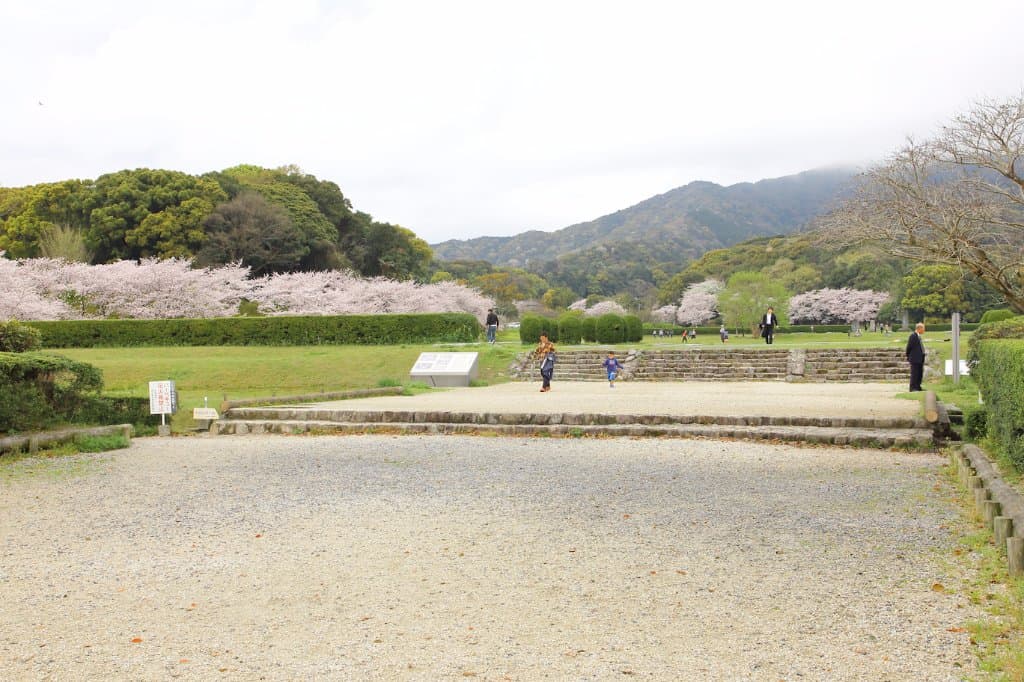
Cherry blossoms bloom
Mizuki Ruins
Best Time
Cherry blossoms bloom
Highlights
Must-see attractions
A 7th-century earthwork fortress, Mizuki Ruins is a National Special Historic Site and one of Japan's 100 Greatest Castles.
"A 1360-year-old castle wall for national defense that still exists, huge when you see it with your own eyes!"
👟 Wear Trekking Shoes
Paths can be unmaintained beyond main areas. Proper footwear is essential for exploring safely .
🗺️ Use Google Maps
It's easy to get lost, especially off the main paths. Keep your phone handy for navigation .
Quick Facts
Hours
Rating
3.9 · 194 reviews
Type
Historical Landmark
Highlights
Discover the most iconic attractions and experiences
The Great Embankment
Central area
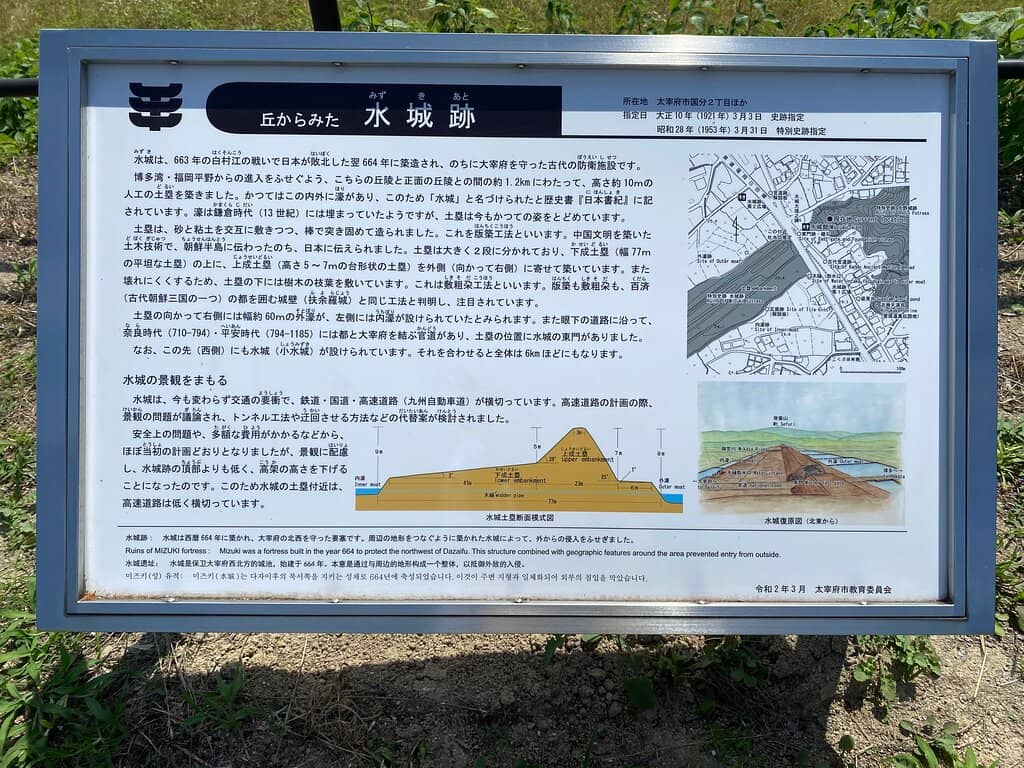
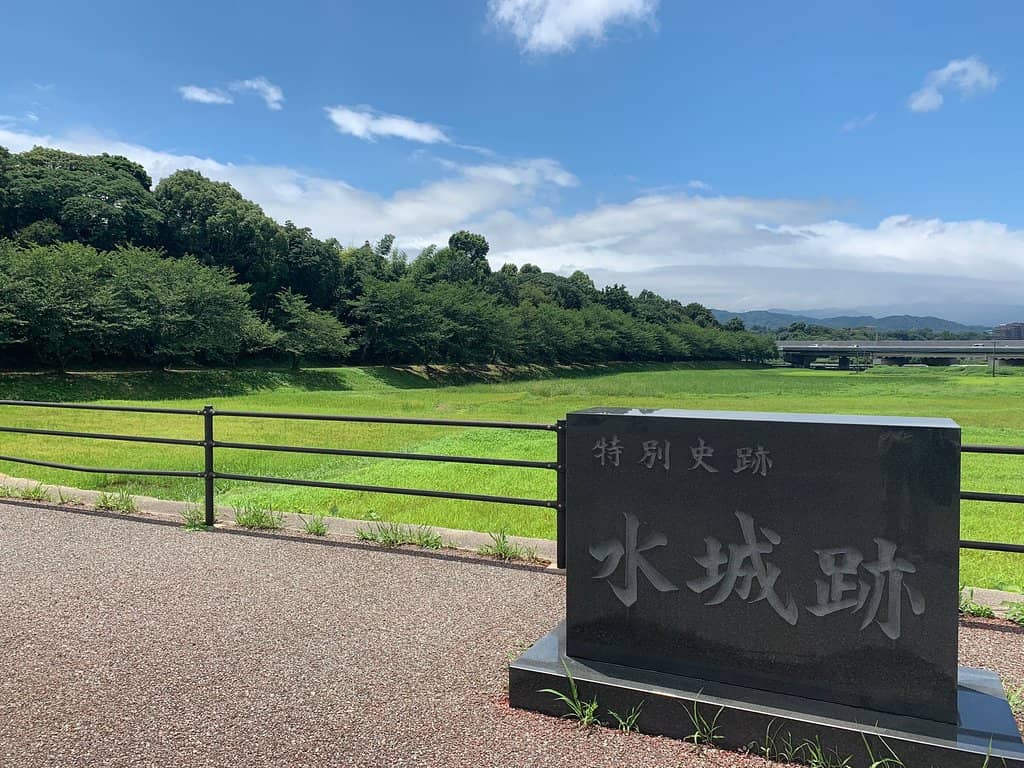
A massive 1.2 km long, 9m high earthwork, a testament to ancient civil engineering and defense.
Remnants of Gates & Shrine
Various locations
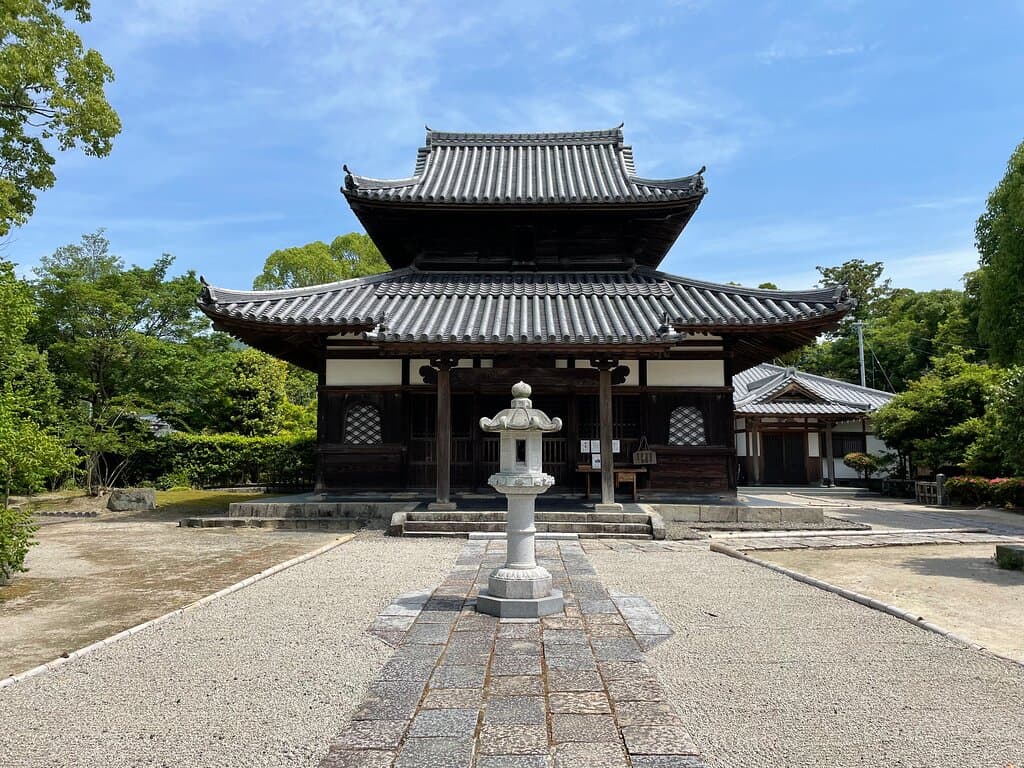
Explore the scattered foundations and excavated artifacts hinting at the fortress's former structures.
Moat System
Outer perimeter
Imagine the formidable 40-meter-wide moats that once protected this strategic 7th-century stronghold.
Plans like a pro.
Thinks like you
Planning Your Visit
Plan for a 7th-Century Fortress
Combine with Ono Castle
Best Times
Insider Tips
from TikTok, Instagram & Reddit
👟 Wear Trekking Shoes
Paths can be unmaintained beyond main areas. Proper footwear is essential for exploring safely.
🗺️ Use Google Maps
It's easy to get lost, especially off the main paths. Keep your phone handy for navigation.
🐗 Boar Fence
A boar-proof fence is in place. While encounters are rare, be aware of your surroundings.
🌸 Cherry Blossom Season
Spectacular views during peak bloom, but expect more visitors on weekends.
Tips
from all over the internet
👟 Wear Trekking Shoes
Paths can be unmaintained beyond main areas. Proper footwear is essential for exploring safely.
🗺️ Use Google Maps
It's easy to get lost, especially off the main paths. Keep your phone handy for navigation.
🐗 Boar Fence
A boar-proof fence is in place. While encounters are rare, be aware of your surroundings.
🌸 Cherry Blossom Season
Spectacular views during peak bloom, but expect more visitors on weekends.
What Travellers Say
Reviews Summary
Visitors appreciate Mizuki Ruins for its historical significance as a 7th-century earthwork fortress and its inclusion in Japan's 100 Greatest Castles. The sheer scale of the embankment is impressive, offering a unique glimpse into ancient defense strategies. However, some find it less visually striking than traditional castles and recommend combining the visit with Ono Castle for a more complete experience.
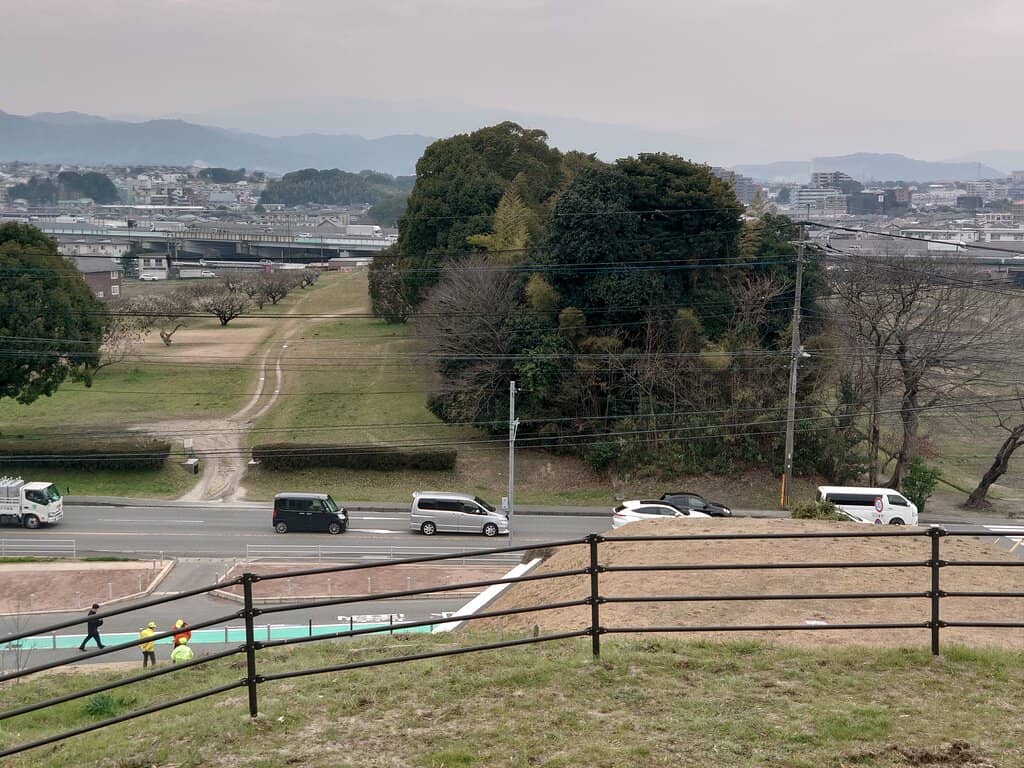
"Mizuki Castle has been designated a National Special Historic Site and is included in the list of Japan's 100 Greatest Castles.
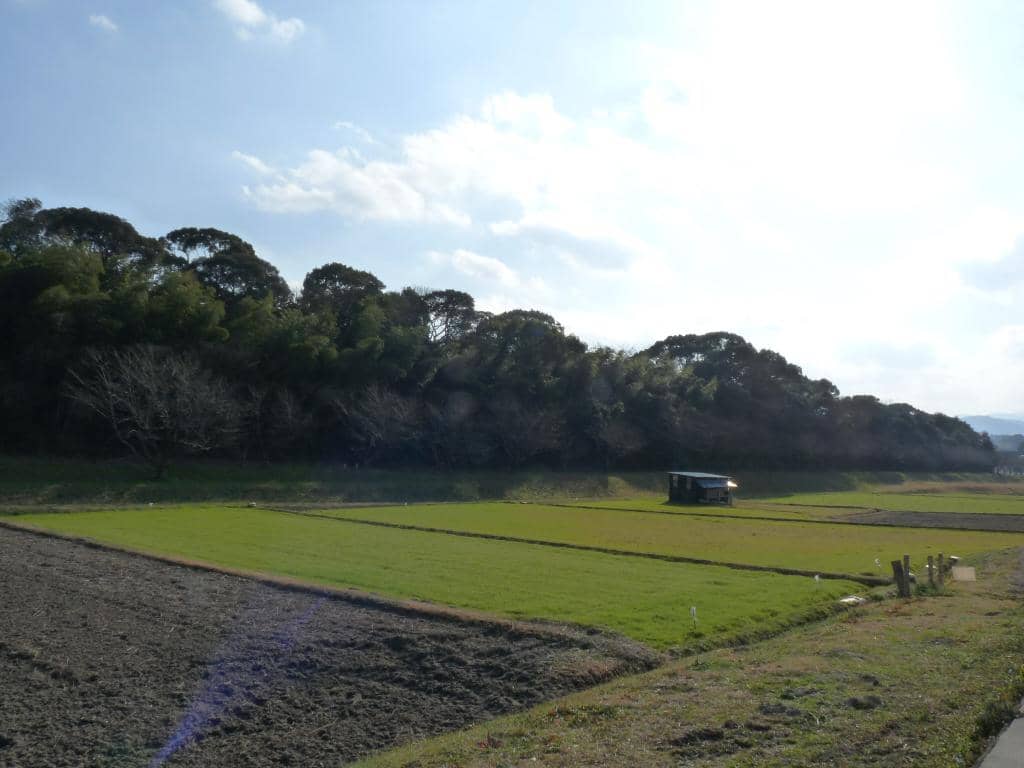
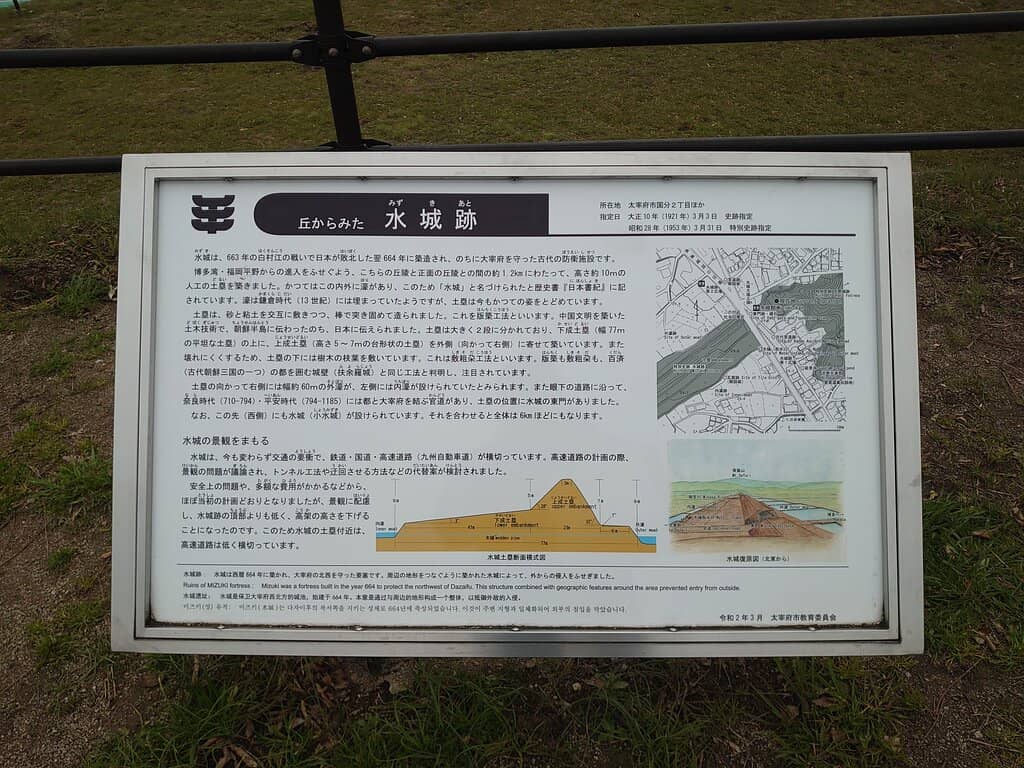
However, Mizuki Castle is more of an earthen rampart than a castle. It stretches 1.2 km in length, is 77 meters wide, and is 9 meters high. Though now lost, it's said that there was once a 40-meter-wide moat inside and outside the ramparts.
Though now separated by roads and other obstacles, a significant portion of the water castle remains. While modest, it's surprising that a 7th-century national project like this has survived 1,300 years on such a plain.
Following its defeat by the allied forces of Tang and Silla in the Battle of Baekgang, the Yamato court, fearing an invasion of mainland Japan by continental powers, constructed various defensive structures throughout Kyushu, Chugoku, Shikoku, and the Kinai region. Remnants of these structures still remain scattered throughout the area.
Northern Kyushu, in particular, was built due to its proximity to the Korean Peninsula, leading to the construction of Mizuki Castle, nearby Ono Castle, and Kii Castle, located a little further south.
Mizuki and Ono Castle were likely built for the purpose of defending the nearby Dazaifu government office, which was the center of Kyushu at the time. If an enemy were to land in northern Kyushu, they would likely have advanced south across the unobstructed Fukuoka Plain, so Mizuki and Ono Castle were likely built in this position to somehow stop them.
It's a bit of a stretch to go out of your way to see Mizuki alone, so we recommend visiting both castles together with Ono Castle."
トレーズクシュリナーダ
"After being defeated in the Battle of Baekgang, Wakoku built this castle as a frontline base to defend against an invasion by the combined forces of Silla and Tang. It resembles a large ancient tomb and is located on a small hill. I climbed it on August 26, 2025. You can go deeper into the hill beyond the boar-proof fence, but the path is not well maintained, so proper trekking shoes are recommended. I got lost on the way back, but I checked my location on Google Maps and was able to correct my direction. Even though it's a small castle on a hill, be careful not to overlook it or you'll get lost. I didn't encounter any boars."
モエパパ
"☆ A 1360-year-old castle wall for national defense that still exists "Nationally designated special historic site"
In the third year of Emperor Tenchi (664), an earthwork with a total length of 1.2 km was built in a narrow area of the Fukuoka Plain. It is huge when you see it with your own eyes, with a base of about 80m and a height of about 9m. There used to be an outer moat on the Hakata Bay side that was about 60m wide and 4m deep. It's an amazing civil engineering project! ️
Although some parts are missing, the earthwork has survived for 1360 years. You can also climb onto the earthwork from the nature trail along the ruins of the Mizuki Castle to get a real sense of how high it is 😲
When I visited, excavation work was underway, and I felt like I could actually see the surface of the Mizuki Castle's tamped earth 🤔
Japan's 100 Famous Castles & Japan's 100 Famous Castles Continued [No. 182]"
Toshi Andy
What People Like
What People Dislike
Frequently Asked Questions
🚇 🗺️ Getting There
From JR Mizuki Station, follow signs for 'Mizuki Tsutsumi' (Mizuki Embankment). Be aware that crossing the Mikasa River or the Nishitetsu Omuta Line may require significant detours north or south as there are no direct bridges or crossings.
While JR Mizuki Station is nearby, navigating the area can be challenging due to river and railway crossings. Consider combining your visit with Ono Castle, which might offer more straightforward access points.
Driving is possible, but be prepared for potential detours around the Mikasa River and railway lines. Parking availability may vary, especially during peak seasons.
Yes, Mizuki Ruins and Ono Castle are located relatively close to each other and are often recommended to be visited together for a comprehensive historical experience.
For a full experience, it's recommended to visit both Mizuki Ruins and Ono Castle. Plan your route carefully to account for geographical barriers like the Mikasa River.
🎫 🎫 Tickets & Entry
Mizuki Ruins is a National Special Historic Site and is generally accessible without an entrance fee. However, always check for any temporary closures or special event ticketing.
As an open-air historical site, Mizuki Ruins does not have set opening hours. It is accessible at all times, though visiting during daylight hours is recommended for safety and visibility.
No, there is typically no admission fee for Mizuki Ruins, as it is a public historical site. Enjoy exploring this ancient fortress freely.
While technically accessible, visiting at night is not recommended due to safety concerns and lack of lighting. Daylight hours are best for exploring the site.
Information on guided tours can be limited. It's advisable to check with local tourist information centers or inquire if any excavation or preservation work is ongoing, as that might offer insights.
🎫 🧭 Onsite Experience
Mizuki Ruins is not a traditional castle with stone walls and towers. It's a vast 7th-century earthwork fortress, characterized by long mounds and moats, designed for defense.
There is a significant amount of walking involved, especially if you plan to explore the full 1.2 km length of the embankment. Wear comfortable shoes.
Facilities are generally minimal at historical sites like Mizuki Ruins. It's best to come prepared with water and snacks, and use restrooms before you arrive or at nearby facilities.
Yes, children can explore Mizuki Ruins, but adult supervision is crucial due to the uneven terrain and historical nature of the site. It can be a great educational experience.
Climbing onto the earthwork from the nature trail can give you a real sense of its height and scale. Imagine the defensive capabilities it once offered.
📸 📸 Photography
The long, sweeping lines of the embankment offer dramatic photographic opportunities. Capture the scale from different angles, especially during sunrise or sunset for unique lighting.
Absolutely. The sheer size of the earthworks is impressive. Try to include elements like trees or people in the frame to convey the scale of the Mizuki Ruins.
Early morning or late afternoon light can create beautiful shadows and highlight the contours of the earthworks. Golden hour is particularly stunning here.
Generally, photography is allowed. However, be respectful of any ongoing excavation work or sensitive areas. Drones may be subject to local regulations.
Focus on the textures of the earthworks, the vastness of the landscape, and any remaining structural elements to convey the historical importance of Mizuki Ruins.


Social
from TikTok, Instagram & Reddit