Kinosaki Onsen
Step back in time in Kinosaki Onsen, a charming hot spring town where you can hop between seven public baths and stay in traditional ryokans.
Highlights
Must-see attractions

Social
From TikTok & Reddit
Best Time
Pleasant weather, fewer crowds
Kinosaki Onsen
Best Time
Pleasant weather, fewer crowds
Highlights
Must-see attractions
Step back in time in Kinosaki Onsen, a charming hot spring town where you can hop between seven public baths and stay in traditional ryokans.
"The ultimate onsen experience, walking between baths in yukata under the stars!"
♨️ Get the Yumeguri Pass
Access all 7 public onsen with a pass for the ultimate hot spring hopping experience!
🚶♀️ Pack Light for Onsen
Your ryokan provides yukata & towels, so just bring essentials for walking between baths.
Quick Facts
Hours
Rating
4 · 70 reviews
Type
Public Bath
Highlights
Discover the most iconic attractions and experiences
The Seven Public Onsen
Throughout Kinosaki Onsen town
Experience the heart of Kinosaki by visiting its iconic public bathhouses, each with unique water properties and atmospheres.
Traditional Ryokan Stay
Various locations in Kinosaki Onsen
Immerse yourself in Japanese hospitality with a stay at a classic ryokan, complete with tatami rooms and kaiseki dinners.
Stroll Along the River
Kinosaki Onsen Riverside
Wander along the willow-lined river, dotted with traditional inns and charming shops, especially beautiful in the evening.
Plans like a pro.
Thinks like you
Planning Your Visit
Embrace the Onsen Culture
Best Time to Visit for Serenity
Best Times
Insider Tips
from TikTok, Instagram & Reddit
♨️ Get the Yumeguri Pass
Access all 7 public onsen with a pass for the ultimate hot spring hopping experience!
🚶♀️ Pack Light for Onsen
Your ryokan provides yukata & towels, so just bring essentials for walking between baths.
🌙 Evening Strolls are Magical
The town lights up beautifully at night, perfect for a romantic walk along the river.

🍜 Try Local Delicacies
Don't miss out on fresh seafood and regional specialties. Ask your ryokan for recommendations!
Tips
from all over the internet
♨️ Get the Yumeguri Pass
Access all 7 public onsen with a pass for the ultimate hot spring hopping experience!
🚶♀️ Pack Light for Onsen
Your ryokan provides yukata & towels, so just bring essentials for walking between baths.
🌙 Evening Strolls are Magical
The town lights up beautifully at night, perfect for a romantic walk along the river.
🍜 Try Local Delicacies
Don't miss out on fresh seafood and regional specialties. Ask your ryokan for recommendations!
👟 Comfortable Walking Shoes
You'll be doing a lot of walking between onsen, so comfy shoes are a must.
What Travellers Say
Reviews Summary
Visitors rave about the authentic onsen town experience, the charm of walking between the seven public baths in yukata, and the delicious kaiseki dinners at ryokans. The picturesque river setting, especially at night, is a major draw. Some find the public baths can get crowded during peak times, and the cost of individual onsen visits adds up if not using a pass.
"Clean and spacious, cold water bath so cool"
taro “taromoch” moch
"several bigger bathtub than home"
徳富英治
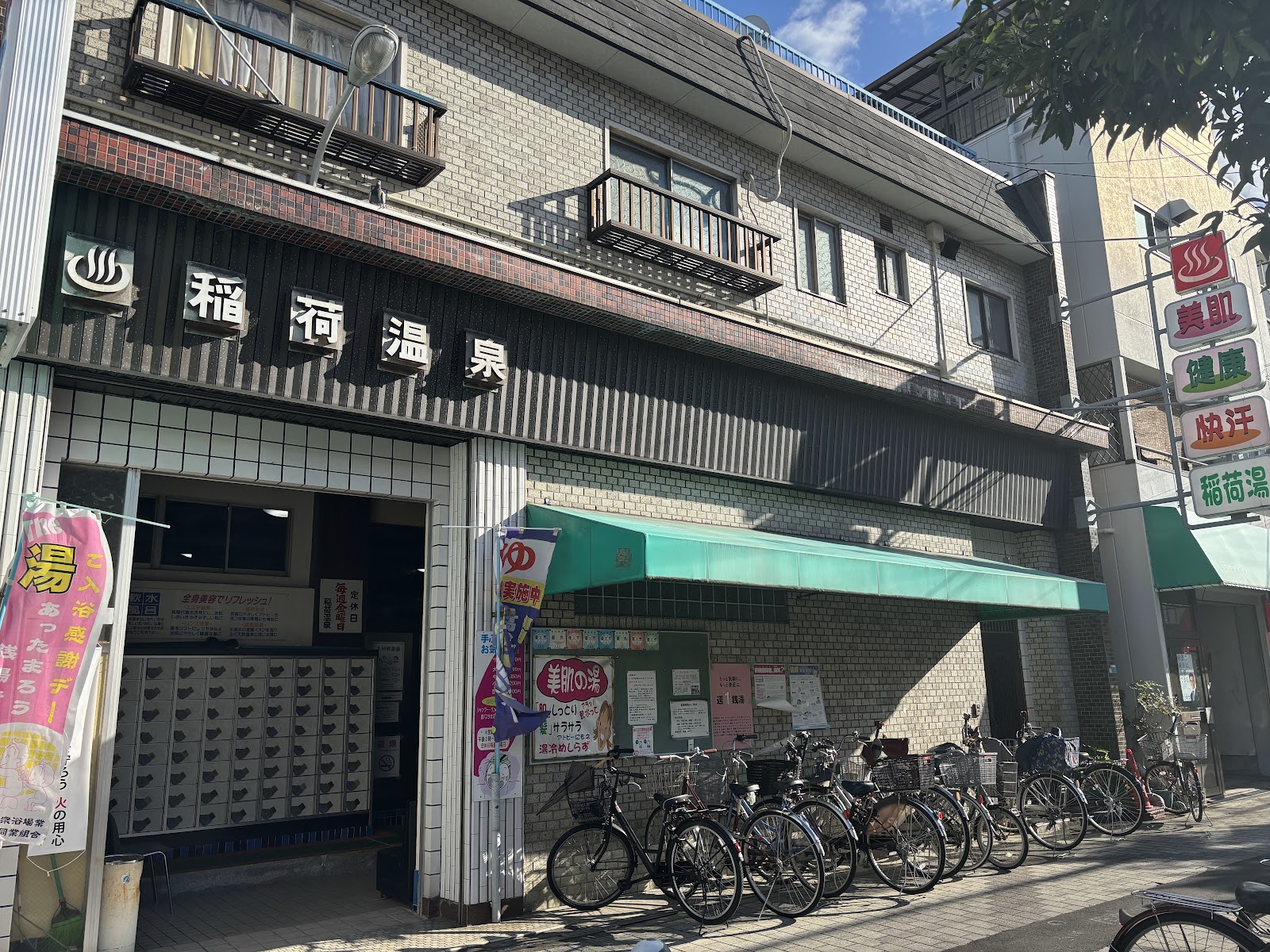
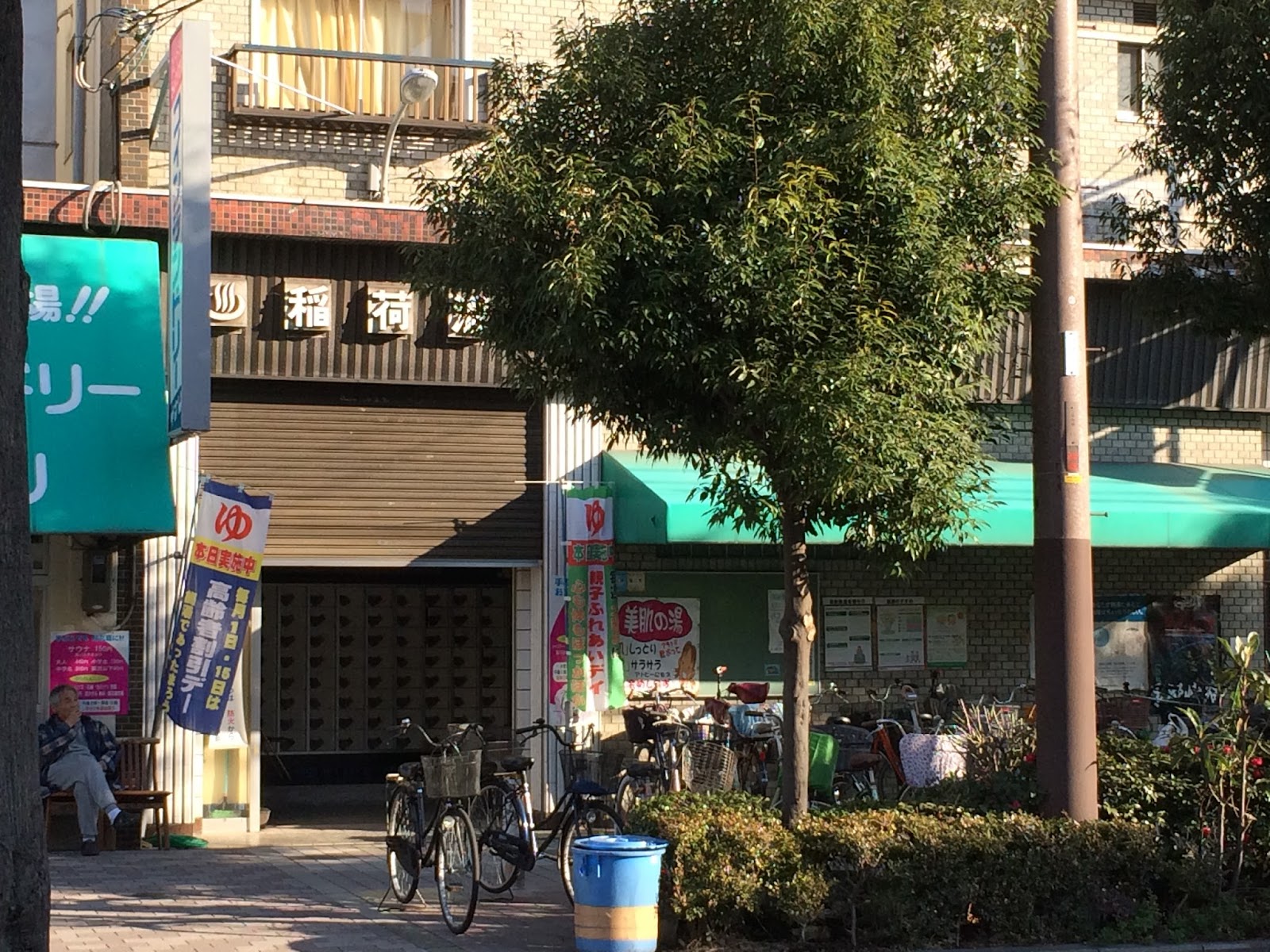
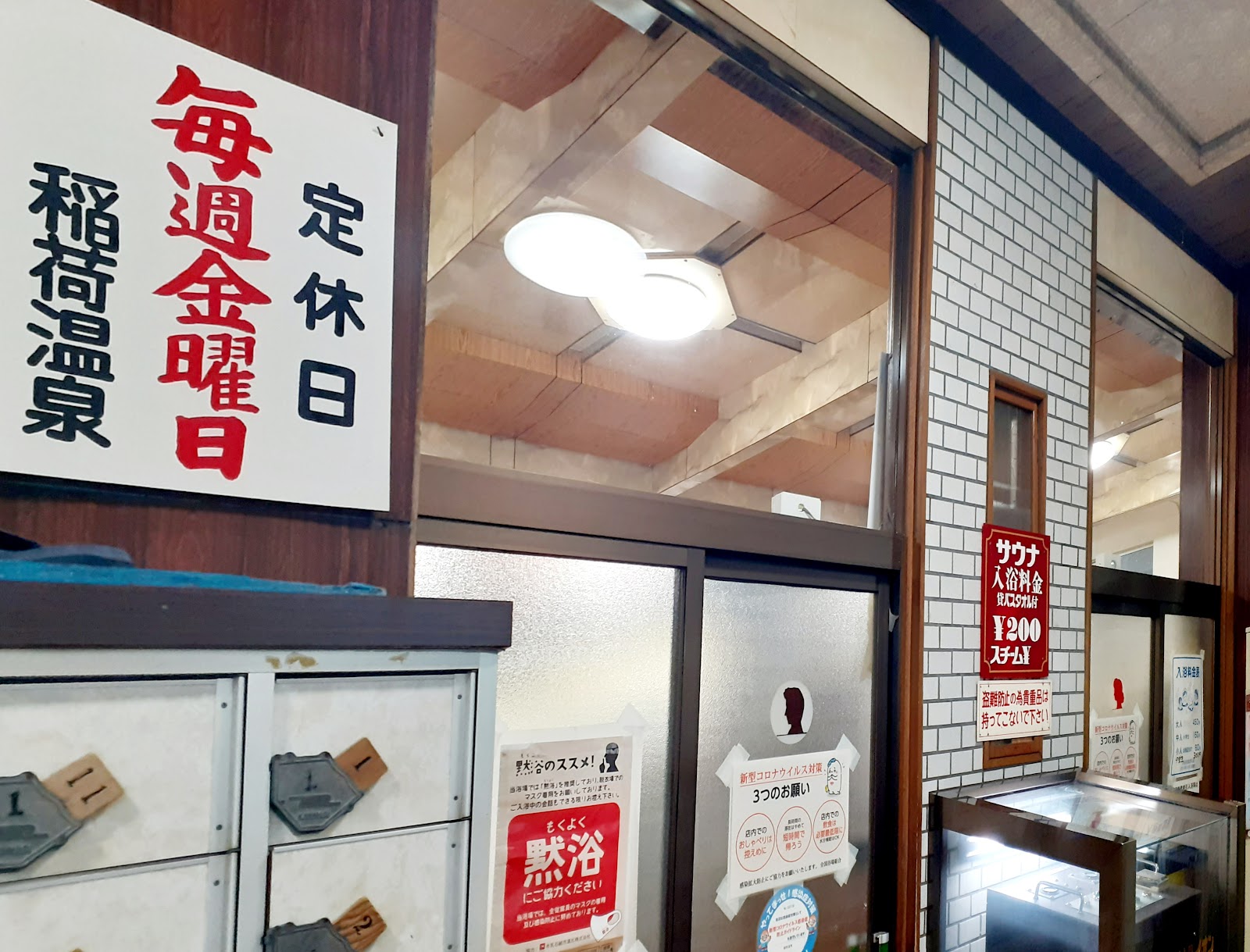
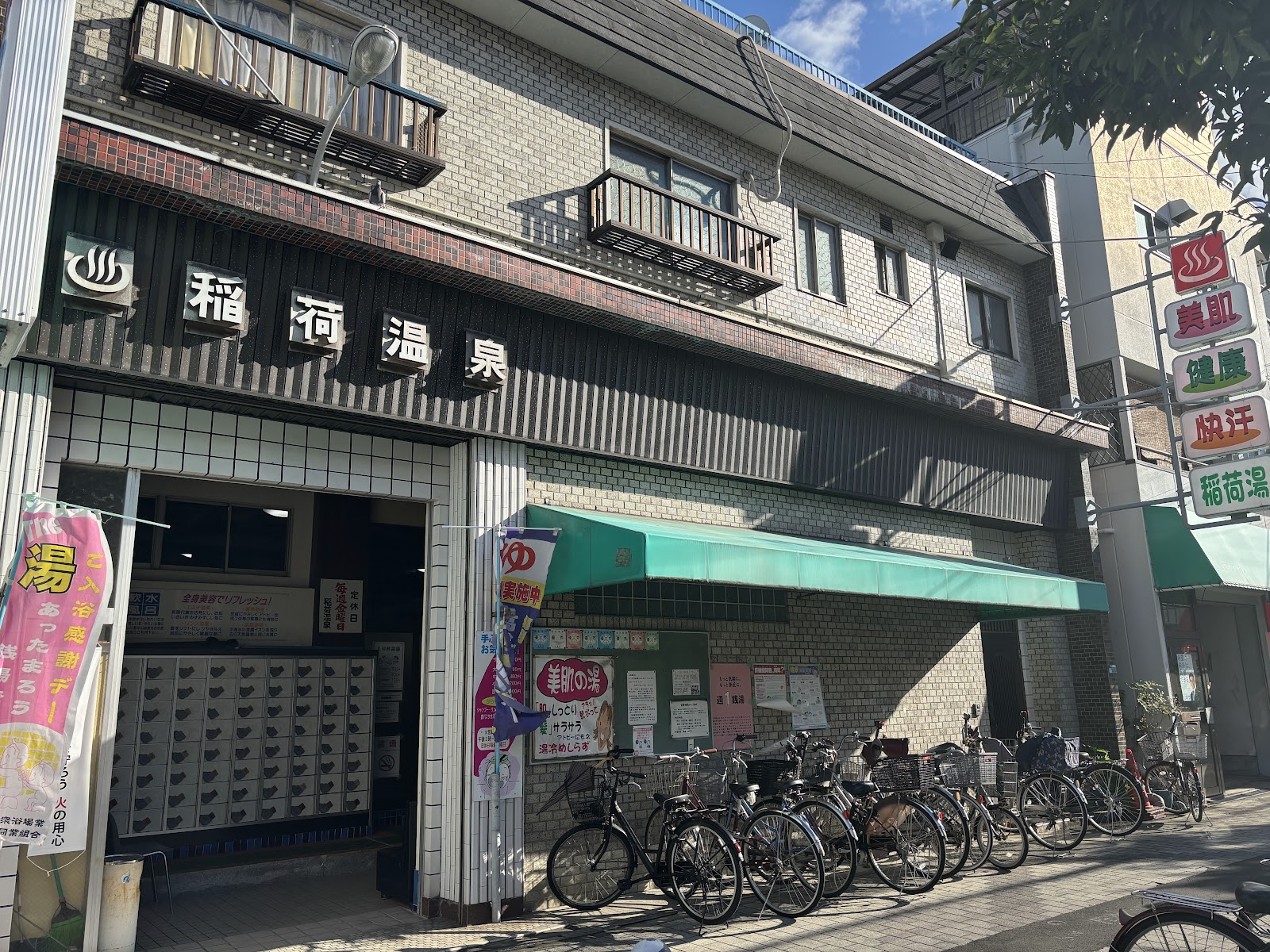
"⚫︎Prices
・Bath fee: ¥520
・Sauna: ¥200? *Rental bath towel included
The price list says ¥200, but the attendant says it's ¥150. It's unclear whether this is just a coincidence or always the case.
⚫︎Bathroom
[1F]
⑴Main bath
⑵Electric bath
⑶Two ultrasonic bubble baths
⑷Calendar bath
⑸Open-air bath
⑹Radon steam bath
⑺Cold bath
⑷Today's bath is rice bran and olive water.
⑺It's small, but it's ice-cold, so people don't stay long, and the turnover rate is high.
[2F]
⑻Sauna
Two levels of seating.
The upper level can accommodate two people, and the lower level can accommodate three, for a total of about five people.
Total room temperature: 90-95 degrees.
No TV or radio.
Perhaps it wasn't popular or perhaps it was just a coincidence, but I was the only customer during my two-hour stay."
w nakagawa
What People Like
What People Dislike
Frequently Asked Questions
🚇 🗺️ Getting There
The most convenient way to reach Kinosaki Onsen from Osaka is by taking the JR Limited Express Thunderbird or Konotori train directly to Kinosaki Onsen Station. The journey takes approximately 2.5 to 3 hours. Many travelers find it easy to navigate the train system using Japan Rail Pass if they have one.
Yes, Kinosaki Onsen is accessible by car. There are several parking lots available in the town. However, driving within the town is restricted during certain hours, and walking is the primary mode of transport once you arrive.
From Kinosaki Onsen, you can take a JR train back to major hubs like Kyoto or Osaka, and then connect to Shinkansen (bullet trains) for travel to Tokyo or other cities. Planning your onward journey in advance is recommended.
While train travel is more common, some highway buses might operate to the region, though they are less frequent and may require transfers. Checking with local bus companies or travel agencies for current routes is advisable.
Kinosaki Onsen is about a 3.5 to 4-hour train journey from Kansai International Airport (KIX). You'll typically need to take a Haruka Express train from KIX to Osaka or Kyoto, and then transfer to a limited express train bound for Kinosaki Onsen.
🎫 🎫 Tickets & Entry
The Yumeguri Pass is a special ticket that allows you to visit all seven public onsen (hot springs) in Kinosaki Onsen town. It's a great value if you plan to experience multiple baths.
The price for the Yumeguri Pass can vary slightly, but it's generally around ¥1,200 for adults. It's usually available for purchase at your ryokan or at the tourist information center.
Yes, you can pay for entry to each public onsen individually. The fee for a single onsen visit is typically around ¥600. However, the pass offers significant savings if you plan to visit several.
Public onsen generally open in the morning (around 7 AM) and close in the evening (around 10 PM or 11 PM). Some may have a closing day once a week, so it's good to check the schedule upon arrival.
It is highly recommended to book your ryokan stay well in advance, especially during peak seasons like winter or holidays, as popular accommodations fill up quickly.
🎫 🧭 Onsite Experience
When visiting public onsen, you'll typically wear a yukata (a light cotton robe) provided by your ryokan. You'll also be given a small towel for washing and a larger towel for drying. Nudity is standard in Japanese onsen.
Yes, many ryokans offer private onsen (kashikiri buro) that you can book for a specific time slot. This is a great option if you prefer more privacy or are traveling with family.
Beyond the onsen, you can enjoy strolling along the willow-lined river, visiting the Kinosaki Marine World, exploring local shops for souvenirs, and trying regional cuisine. The town also has a ropeway offering scenic views.
While a day trip is possible to experience a few onsen, staying overnight in a ryokan is highly recommended to fully immerse yourself in the Kinosaki Onsen experience, including enjoying a traditional kaiseki dinner and onsen hopping at leisure.
Before entering the bath, thoroughly wash and rinse your body at the provided washing stations. Do not wear swimwear in the onsen, and avoid bringing towels into the main bathing area. Keep noise to a minimum.
🍽️ 🍽️ Food & Dining
Kinosaki Onsen is famous for its fresh seafood, particularly snow crab (kani) during the winter season. You should also try Tajima beef, a local delicacy, and various regional sweets and snacks available in the town's shops.
Most ryokan stays in Kinosaki Onsen include traditional Japanese breakfast and dinner (kaiseki). Kaiseki is a multi-course haute cuisine meal that showcases seasonal ingredients and local specialties.
Yes, Kinosaki Onsen has a variety of restaurants and eateries along its main street, offering everything from casual noodle shops to more formal dining experiences. You can find sushi, tempura, and local izakayas.
Dining options for strict vegetarians or vegans can be limited in traditional Japanese cuisine, especially in ryokans. It's best to inform your ryokan or restaurant in advance about your dietary needs to see if they can accommodate you.
There are a few convenience stores (konbini) in Kinosaki Onsen where you can purchase snacks, drinks, and basic necessities. For a wider selection, you might need to visit a larger town nearby.
📸 📸 Photography
The willow-lined riverbanks, traditional ryokans, and the charming bridges are picturesque. The evening when the lanterns are lit is particularly beautiful. Don't forget to capture yourself in yukata!
No, photography is strictly prohibited inside the onsen bathing areas for privacy reasons. You can take photos of the exterior of the bathhouses and the surrounding town.
The Kinosaki Ropeway offers panoramic views of the town and the surrounding mountains, making it a great spot for landscape photography. The riverbanks also provide lovely perspectives.
Early mornings offer soft light and fewer people, ideal for capturing the serene atmosphere. Evenings, with the town lit up, provide a magical ambiance for photography.
A versatile lens like a 24-70mm is great for capturing both townscapes and details. A wide-angle lens can be useful for the river views. A tripod might be helpful for evening shots, but be mindful of crowds.
Social
from TikTok, Instagram & Reddit