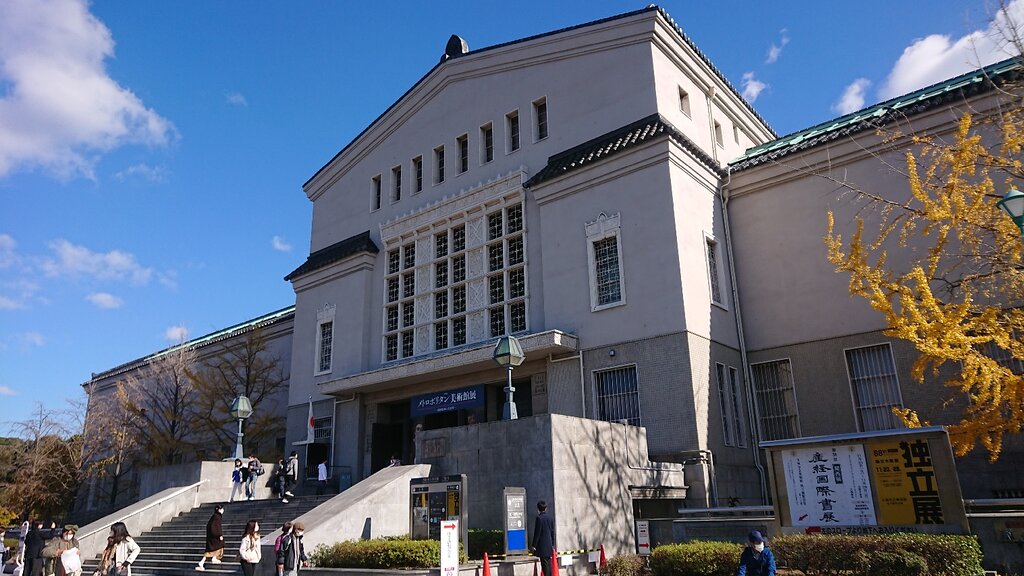
Osaka City Museum of Fine Arts Osaka
Discover ancient Chinese ceramics and traditional Japanese art at this esteemed museum, a cultural gem in Osaka.
Highlights
Must-see attractions

Social
From TikTok & Reddit
Best Time
Fewer crowds, peaceful viewing
Osaka City Museum of Fine Arts Osaka
Best Time
Fewer crowds, peaceful viewing
Highlights
Must-see attractions
Discover ancient Chinese ceramics and traditional Japanese art at this esteemed museum, a cultural gem in Osaka.
"A treasure trove of East Asian art, offering a serene escape into history and culture."
Check Special Exhibitions
Look for temporary exhibitions that might offer unique perspectives beyond the permanent collection.
Combine with Other Museums
Consider visiting other nearby cultural spots like the Osaka Museum of History for a fuller day.
Quick Facts
Hours
Rating
4.1 · 4,801 reviews
Type
Museum
Highlights
Discover the most iconic attractions and experiences
Ancient Chinese Art Collection
Marvel at a vast array of historical Chinese artworks, offering a glimpse into a rich cultural past.
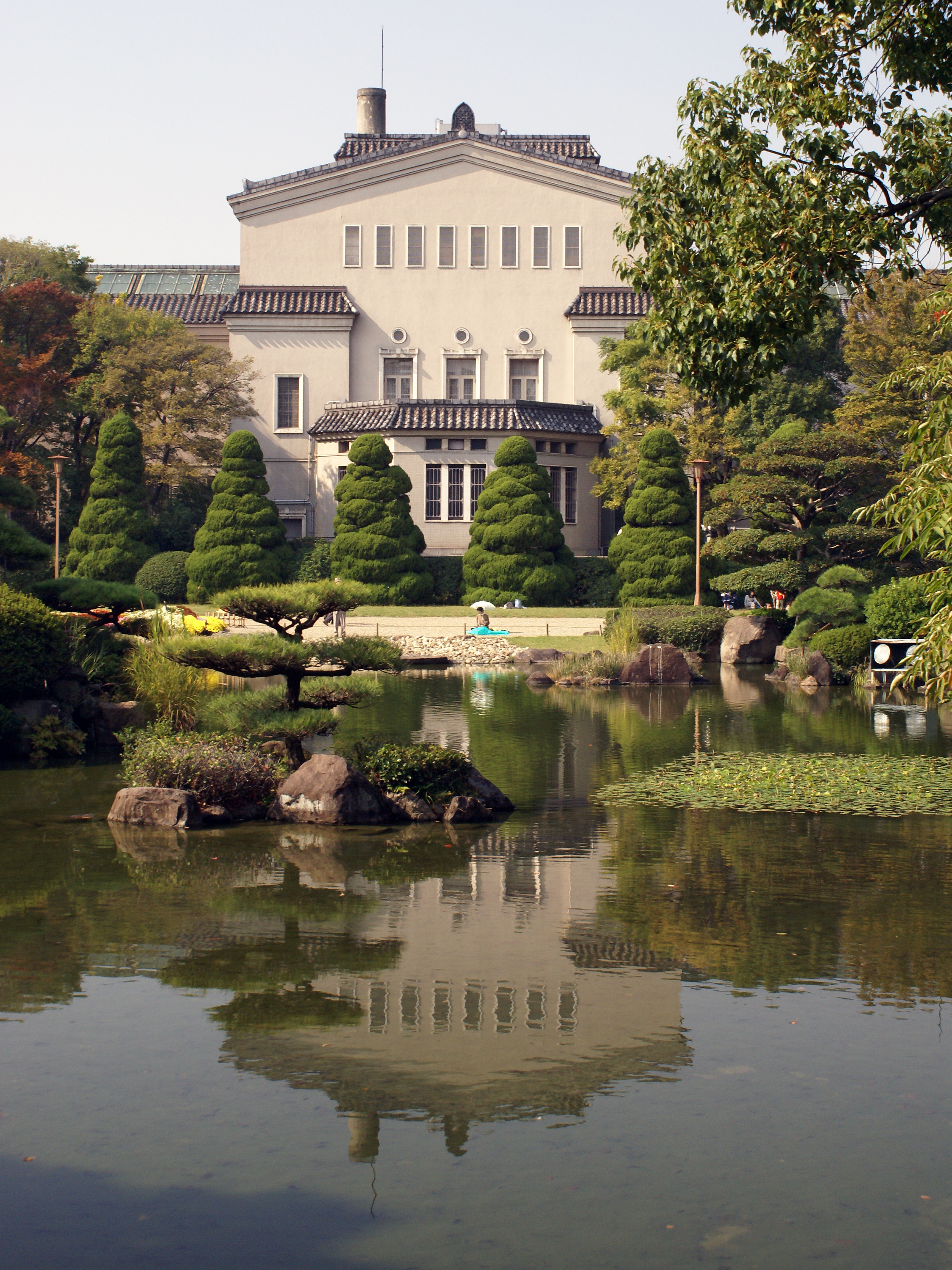
Japanese Art Masterpieces
Explore exquisite pieces of Japanese art, showcasing the nation's artistic heritage and evolution.
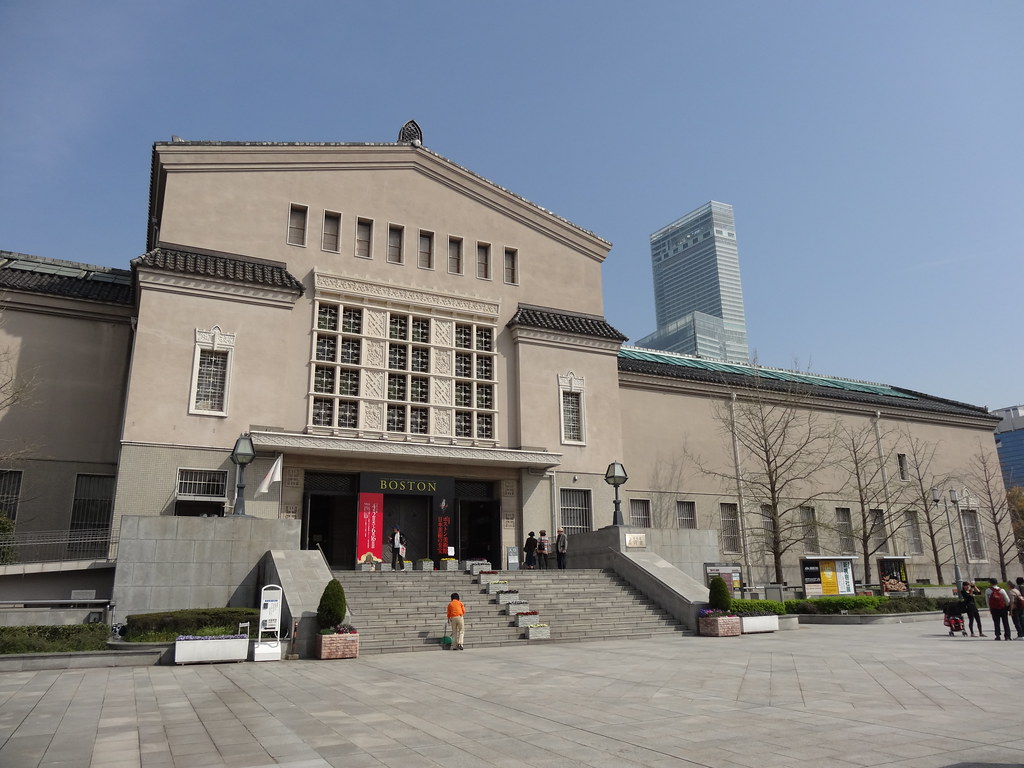
Modern Art Exhibits
Discover contemporary works that push artistic boundaries and reflect modern sensibilities.
Plans like a pro.
Thinks like you
Planning Your Visit
Timing Your Visit
Navigating Osaka's Art Scene
Best Times
Insider Tips
from TikTok, Instagram & Reddit
Check Special Exhibitions
Look for temporary exhibitions that might offer unique perspectives beyond the permanent collection.
Combine with Other Museums
Consider visiting other nearby cultural spots like the Osaka Museum of History for a fuller day.
Plan Your Route
Osaka has many museums; research your interests to make the most of your visit.
Tips
from all over the internet
Check Special Exhibitions
Look for temporary exhibitions that might offer unique perspectives beyond the permanent collection.
Combine with Other Museums
Consider visiting other nearby cultural spots like the Osaka Museum of History for a fuller day.
Plan Your Route
Osaka has many museums; research your interests to make the most of your visit.
What Travellers Say
Reviews Summary
Visitors appreciate the museum's significant collections of Chinese ceramics and Japanese art, offering a deep dive into East Asian artistic heritage. While some find the museum's focus to be more niche compared to Osaka's entertainment hubs, it's highly valued for its cultural depth and historical significance.
"While the garden is a nice brief visit, the museum itself is nearly empty. The only exhibits to be found are on the second floor, and the rest of the museum is either off-limits or simply barren. Maybe in the future their collection will improve but as of now this is a place to skip."
Guam Son
"Exceptional! It is a place to cool off and relax, and you can enjoy the beautiful ancient art from China and Japan."
Lex Emyouesti
"Dont waste your time and money, it's such a small exhibit, you can pass it through in 10 minutes. Alot of pots and dishes, If that interest you, a few nice statues, but again really not worth it.
It's an embarrassment for a city museum. The building looks good and the staff are nice."
Lior Cohen
What People Like
What People Dislike
Frequently Asked Questions
🚇 🗺️ Getting There
The museum is accessible via public transport. From Tennoji Station, it's a short walk. You can also use subway lines to reach nearby stations like Shitennoji-mae Yuhigaoka.
Limited parking may be available, but it's generally recommended to use public transportation due to convenience and potential cost.
The Tanimachi Subway Line to Shitennoji-mae Yuhigaoka Station is a convenient option.
🎫 🎫 Tickets & Entry
The museum typically opens around 9:30 AM and closes at 5:00 PM, with last admission usually at 4:30 PM. It's best to check their official website for the most current hours.
Admission fees can vary, especially for special exhibitions. General admission is usually quite affordable, but check the official website for current pricing.
While not always necessary for general admission, purchasing tickets in advance for special exhibitions is often recommended to secure your spot.
Look out for potential discounts for students, seniors, or group visits. The Osaka Amazing Pass might also offer entry to certain attractions, though it's worth checking if this museum is included.
🎫 🖼️ Onsite Experience
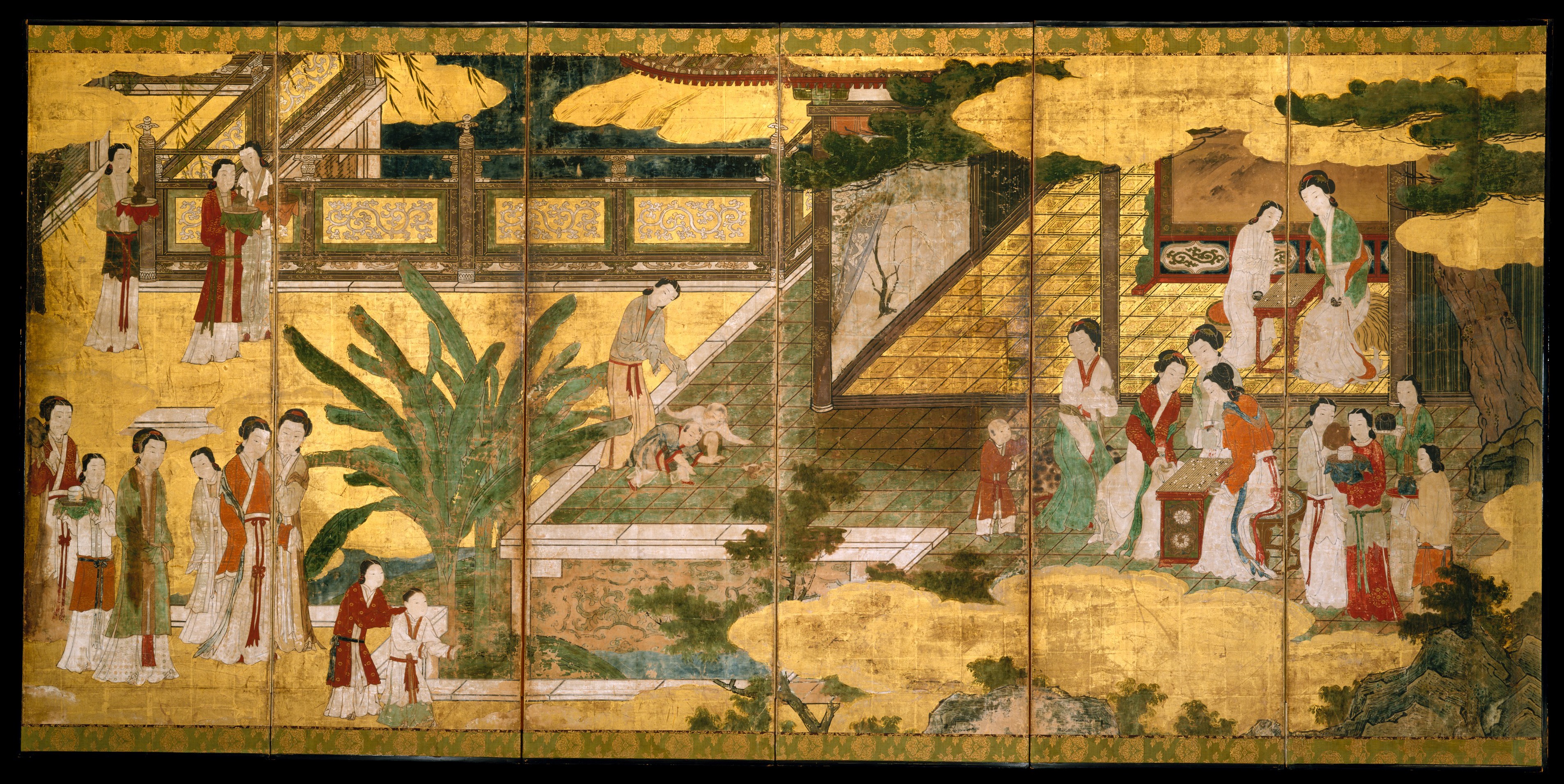
The museum houses a significant collection of ancient and modern Chinese and Japanese art, including paintings, calligraphy, and ceramics.
To fully appreciate the collections, allocate at least 2-3 hours. If there's a special exhibition, you might need more time.
Photography policies can vary by exhibition. Generally, non-flash photography is permitted in permanent collection areas, but always check signage.
Information on guided tours, especially in English, can be limited. It's advisable to check the museum's schedule or inquire upon arrival.
The museum is known for its extensive collection of Chinese ceramics and Japanese paintings, which are often highlights for visitors.
🍽️ 🍽️ Food & Dining
The museum may have a small cafe or vending machines for refreshments. For a wider selection, explore dining options in the nearby Tennoji or Shitennoji areas.
The Tennoji area offers a variety of restaurants, from casual eateries to more upscale dining. You can also find many food options around Shitennoji Temple.
📸 📸 Photography
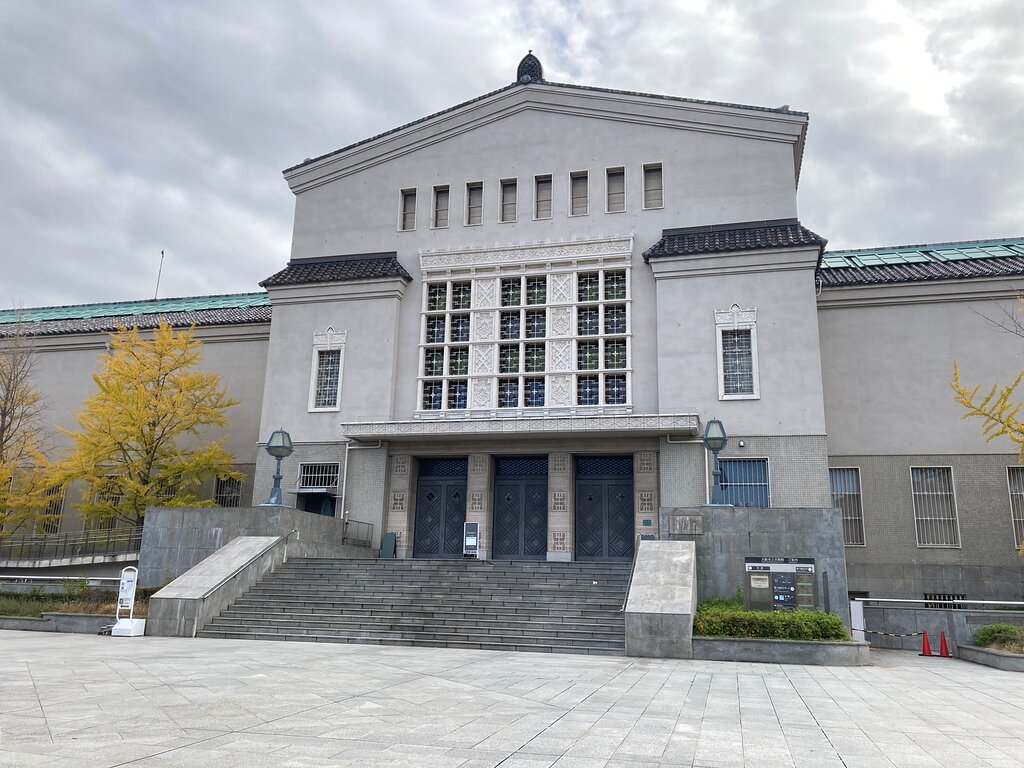
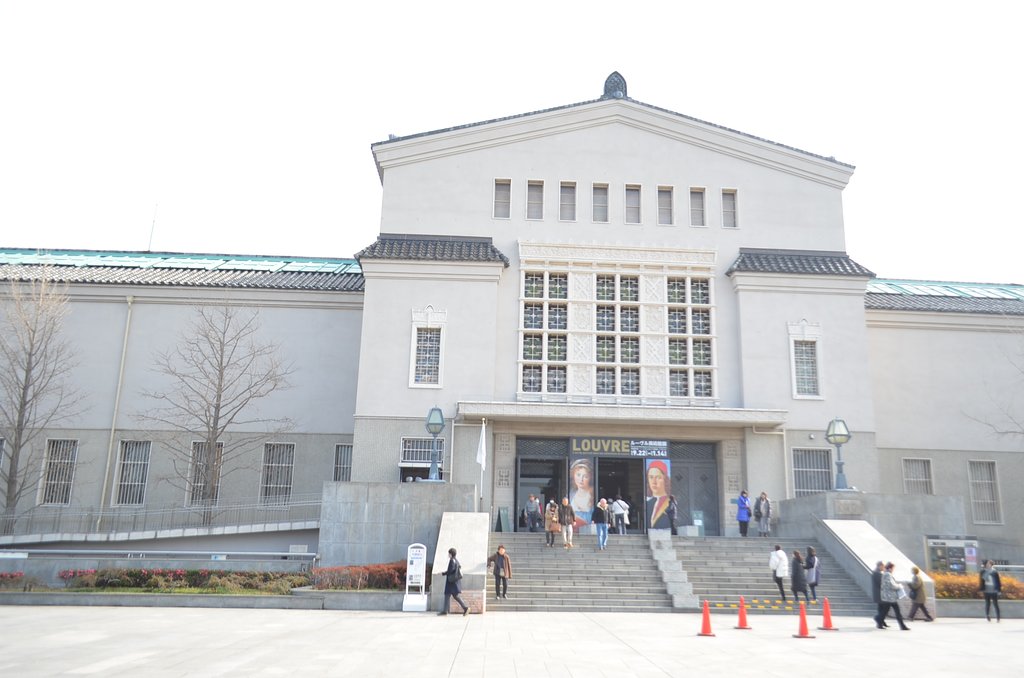
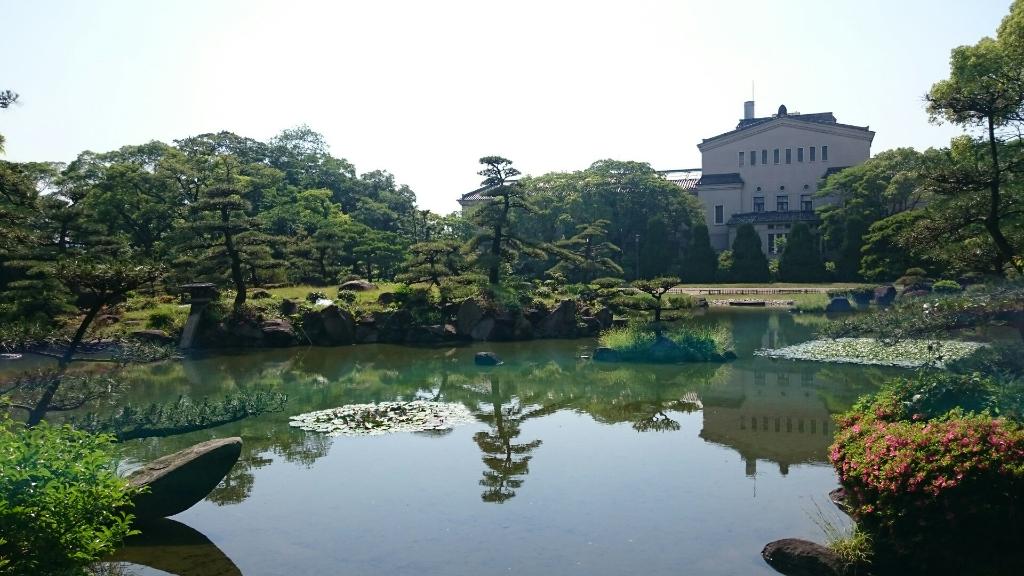
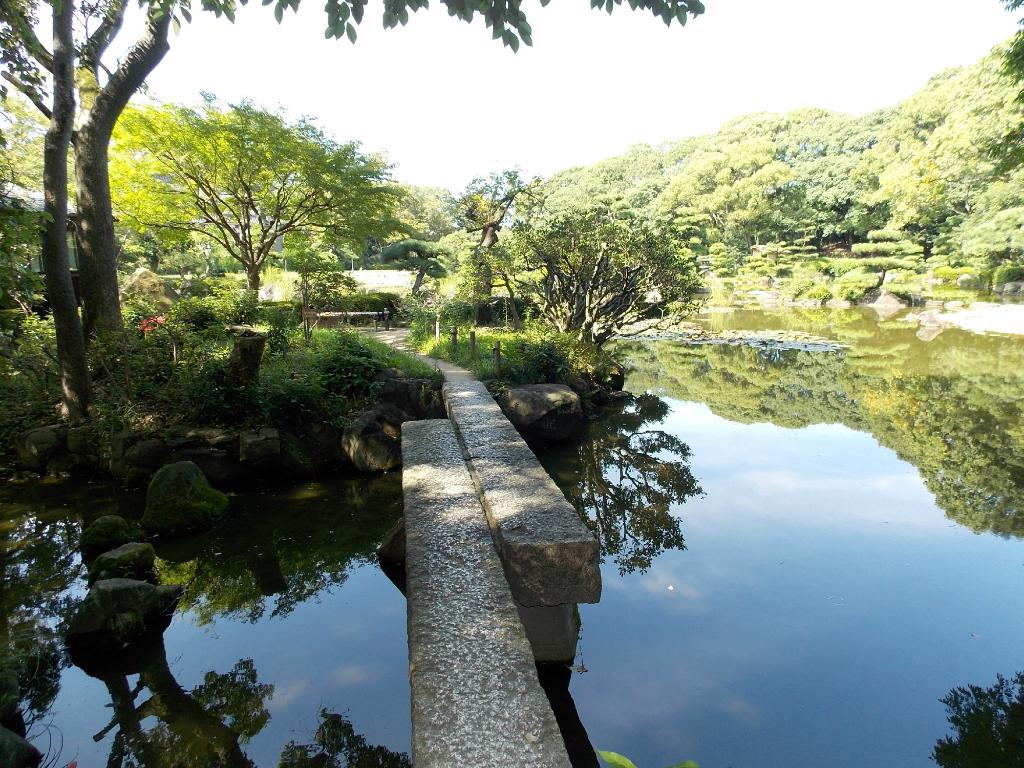
While photography inside might be restricted, the museum's architecture and surrounding park areas can offer picturesque opportunities.
Look for details in the artwork that capture the essence of Japanese aesthetics. The museum's setting itself can also be a beautiful backdrop.






Social
from TikTok, Instagram & Reddit