Sado Kokubunji Temple
Sado Kokubunji Temple, founded in 741, offers a serene historical escape with a significant National Important Cultural Property statue.
Highlights
Must-see attractions

Social
From TikTok & Reddit
Best Time
Enjoy a truly peaceful experience
Sado Kokubunji Temple
Best Time
Enjoy a truly peaceful experience
Highlights
Must-see attractions
Sado Kokubunji Temple, founded in 741, offers a serene historical escape with a significant National Important Cultural Property statue.
"A relaxing place to come, especially on rainy days when other Sado attractions are less enjoyable."
📞 Contact Priest for Goshuin
The chief priest is often away. Call ahead if you want a goshuin stamp or to see the Yakushi Nyorai statue.
☔ Embrace Rainy Day Visits
Poor access makes this a great spot on rainy days when other Sado attractions are less appealing.
Quick Facts
Rating
3.9 · 33 reviews
Type
Place of Worship
Highlights
Discover the most iconic attractions and experiences
Ruri-do Hall
Main temple grounds
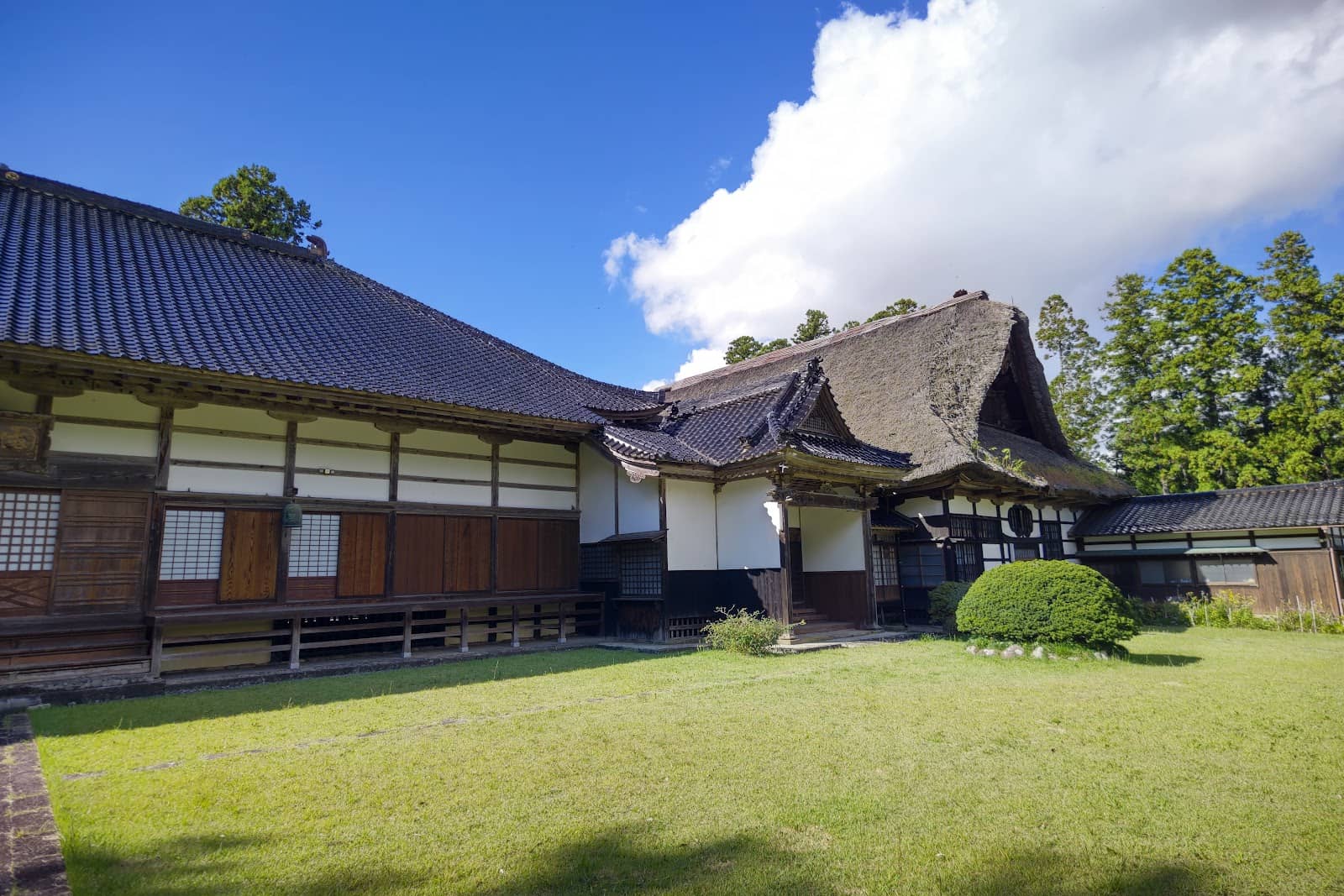
This 1666 thatched-roof hall, though rebuilt, offers a glimpse into Edo-period architecture and once housed a significant Buddha statue.
Yakushi Nyorai Statue
Treasure house (currently)
A National Important Cultural Property, this imposing Tenpyo-era wooden statue is a must-see for its artistry and historical significance.
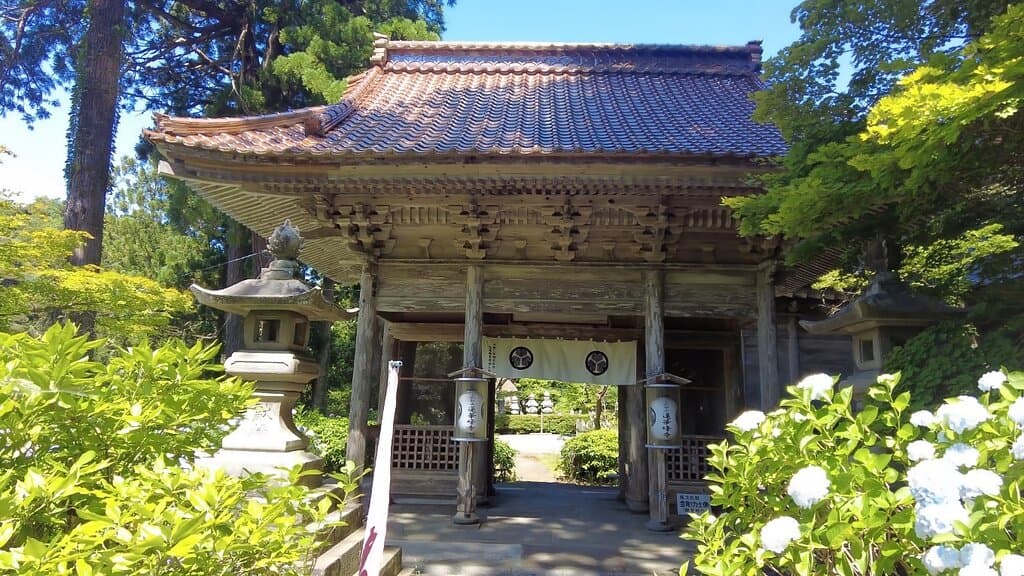
Niomon Gate
Temple entrance
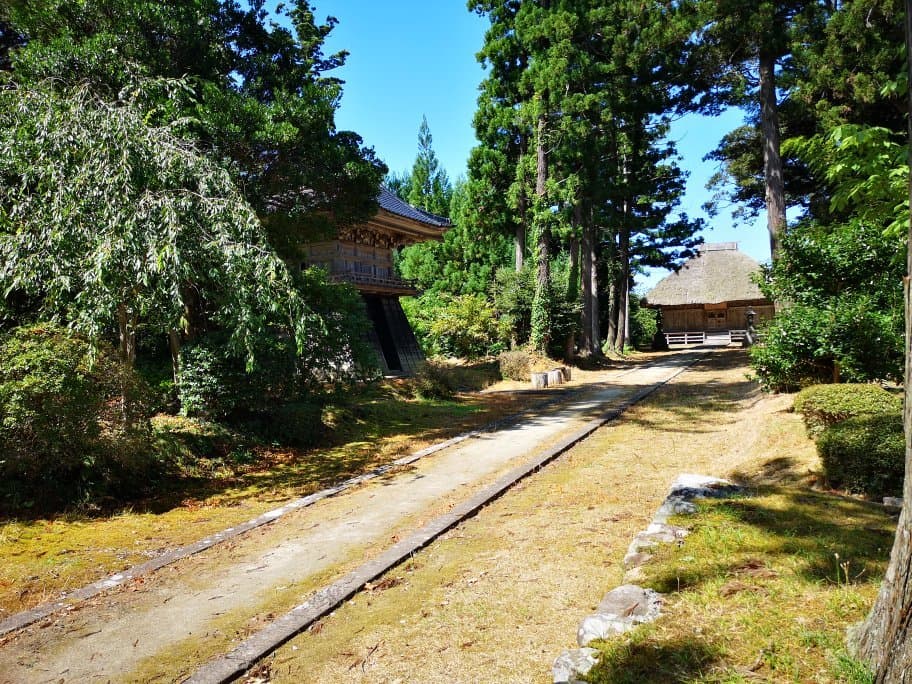
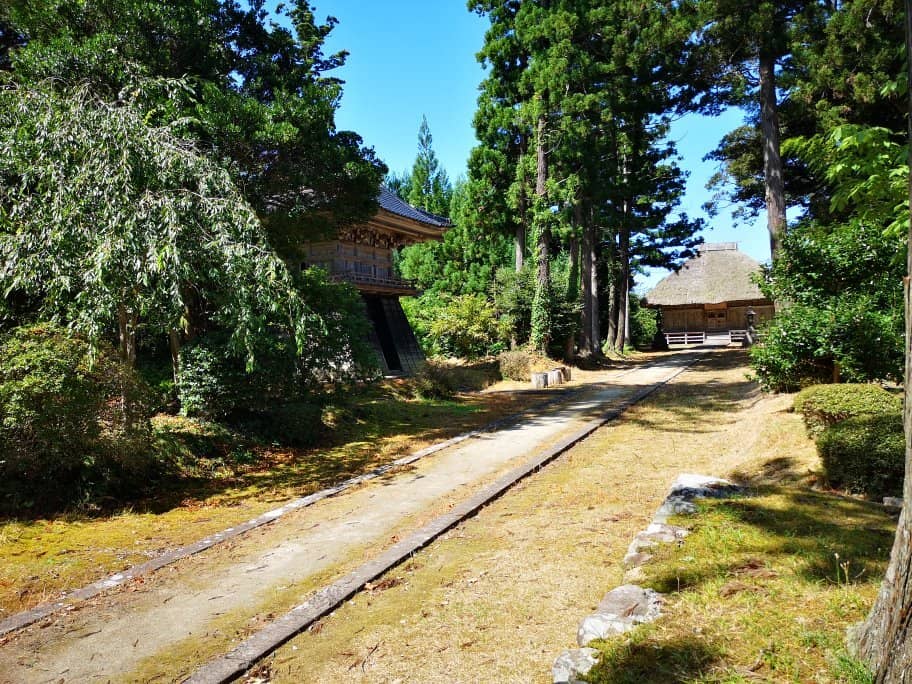
The approach from this gate to the Ruri-do Hall creates a serene and atmospheric journey through the temple grounds.
Plans like a pro.
Thinks like you
Planning Your Visit
Timing is Key for a Peaceful Visit
Understanding the Temple's History
Best Times
Insider Tips
from TikTok, Instagram & Reddit
📞 Contact Priest for Goshuin
The chief priest is often away. Call ahead if you want a goshuin stamp or to see the Yakushi Nyorai statue.
☔ Embrace Rainy Day Visits
Poor access makes this a great spot on rainy days when other Sado attractions are less appealing.
🏛️ Appreciate Rebuilt Structures
While much is rebuilt, the Edo-period architecture and the atmosphere are still captivating.
🙏 Respect the Buddha Statue
The Yakushi Nyorai statue is a National Important Cultural Property; observe it with reverence.
Tips
from all over the internet
📞 Contact Priest for Goshuin
The chief priest is often away. Call ahead if you want a goshuin stamp or to see the Yakushi Nyorai statue.
☔ Embrace Rainy Day Visits
Poor access makes this a great spot on rainy days when other Sado attractions are less appealing.
🏛️ Appreciate Rebuilt Structures
While much is rebuilt, the Edo-period architecture and the atmosphere are still captivating.
🙏 Respect the Buddha Statue
The Yakushi Nyorai statue is a National Important Cultural Property; observe it with reverence.
What Travellers Say
Reviews Summary
Sado Kokubunji Temple offers a tranquil and historically significant experience, though its remote location and limited visitor traffic mean it can feel deserted. Visitors appreciate the peaceful atmosphere and the chance to see important cultural properties like the Yakushi Nyorai statue, despite ongoing preservation efforts and reconstructions. The quietude makes it ideal for reflective visits, especially on less favorable weather days.
"I visited the shrine on November 2, 2024.
The temple was built by Emperor Shomu in 741, when he issued an edict to build a Kokubunji temple, and it appears that all remaining buildings were lost in a fire in 1529, Kyoroku 2. The current Kokubunji temple is thought to have been rebuilt in the early Edo period, but details are unknown. The thatched-roofed Ruri-do Hall was built in 1666, the 6th year of the Kanbun era. The wooden Yakushi Nyorai statue that was enshrined there is designated as an important cultural property. We quietly put our hands together in the rain."
関清志
"It's a relaxing place to come. Apparently there used to be a seven-story pagoda here. There are also the ruins of Kokubunji Temple nearby. Kokubunji Temple in the snow is also beautiful. This is the first temple of the New 88 Temples of Sado Shikoku. It is the oldest temple in Sado, built by decree of Emperor Shomu in 741."
こいっちゃ佐渡
"It is located west of Myosen-ji Temple, but the grounds are deserted, as there are hardly any visitors there either.
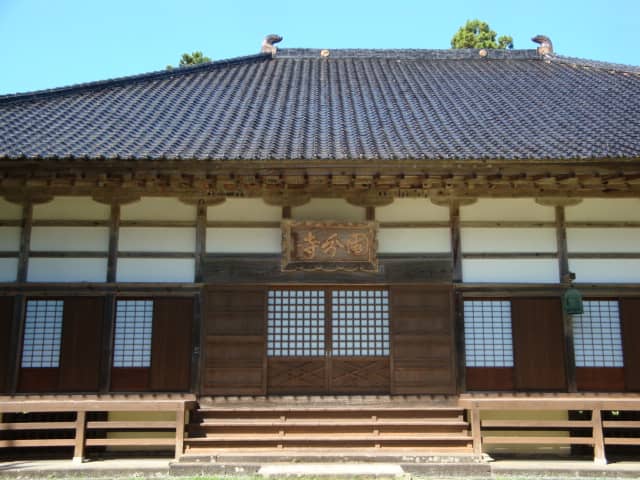
Although the temple was built during the reign of Emperor Shomu, no remains from before the Middle Ages exist, and only the Niomon Gate, the former main hall's Rurido Hall, and the bell tower appear to have been rebuilt in the early modern period. The actual temple was built in modern times and has been moved to the current main hall and surrounding buildings. The Yakushi Nyorai statue, a National Important Cultural Property that was once enshrined in the Rurido Hall, has also been moved to storage and is no longer open to the public. It is considered the first of the 88 temples of Sado, but the chief priest is often absent due to temple duties, so it is probably best to contact him in advance if you want to be sure to receive a goshuin stamp.
While it is undeniably lacking in attractions, the approach from the Niomon Gate to the Rurido Hall has a nice atmosphere, so I would rate it three stars."
七面鳥放浪記
What People Like
What People Dislike
Frequently Asked Questions
🚇 🗺️ Getting There
Access to Sado Kokubunji Temple is considered poor by some visitors, often requiring a car or careful planning with local transport. It's located west of Myosen-ji Temple. Due to its remote location, it's advisable to check local bus schedules or consider a taxi if public transport is infrequent.
While the temple itself is a historical site, its grounds can be deserted with few visitors, suggesting it might not be as prominently signposted as more popular attractions. Planning your route in advance is recommended.
🎫 🎫 Tickets & Entry
There is no mention of admission fees for Sado Kokubunji Temple in visitor reviews, suggesting it may be free to enter the grounds. However, access to specific cultural properties like the Yakushi Nyorai statue might require special arrangements.
Specific opening hours are not widely published. Given that the chief priest is often absent, it's best to contact the temple in advance to confirm availability, especially if you wish to see specific artifacts or obtain a goshuin stamp.
Yes, it is possible to get a goshuin stamp, but the chief priest is often away. It is highly recommended to contact the temple in advance to ensure someone is available to provide the stamp.
🎫 🏛️ Onsite Experience
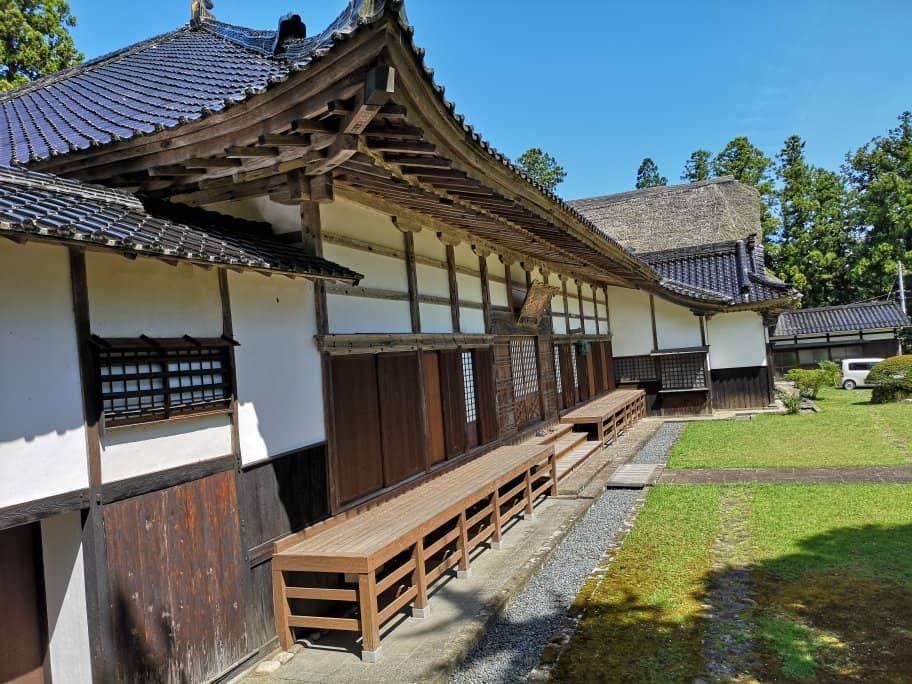
Visitors can see the Niomon Gate, the Ruri-do Hall (a rebuilt thatched-roof hall from 1666), and the bell tower. The temple grounds themselves offer a quiet, historical atmosphere. The Yakushi Nyorai statue, a National Important Cultural Property, is a significant highlight, though currently housed in a treasure house for preservation.
The temple is described as often deserted, with hardly any visitors, especially on rainy weekdays. This makes it a very peaceful place to explore.
Founded in 741 by Emperor Shomu's decree to build Kokubunji temples nationwide, it is considered the oldest temple in Sado and the first of the New 88 Temples of Sado Shikoku. Although most original structures were lost, the rebuilt elements and the Yakushi Nyorai statue hold historical importance.
Information on visitor facilities is limited. Reviews mention the presence of a kitchen and guest hall, suggesting some historical structures remain. However, it's a quiet, less-developed site, so expect basic amenities.
📸 📸 Photography
The approach from the Niomon Gate to the Ruri-do Hall offers a nice atmosphere for photography. The Ruri-do Hall itself, with its thatched roof, is also a picturesque subject. Capturing the serene, often empty grounds can lead to striking images.
Specific rules regarding photography inside buildings are not detailed. However, given the temple's quiet nature and the focus on historical artifacts, it's always best to be discreet and respectful. Check for any posted signage.
Social
from TikTok, Instagram & Reddit