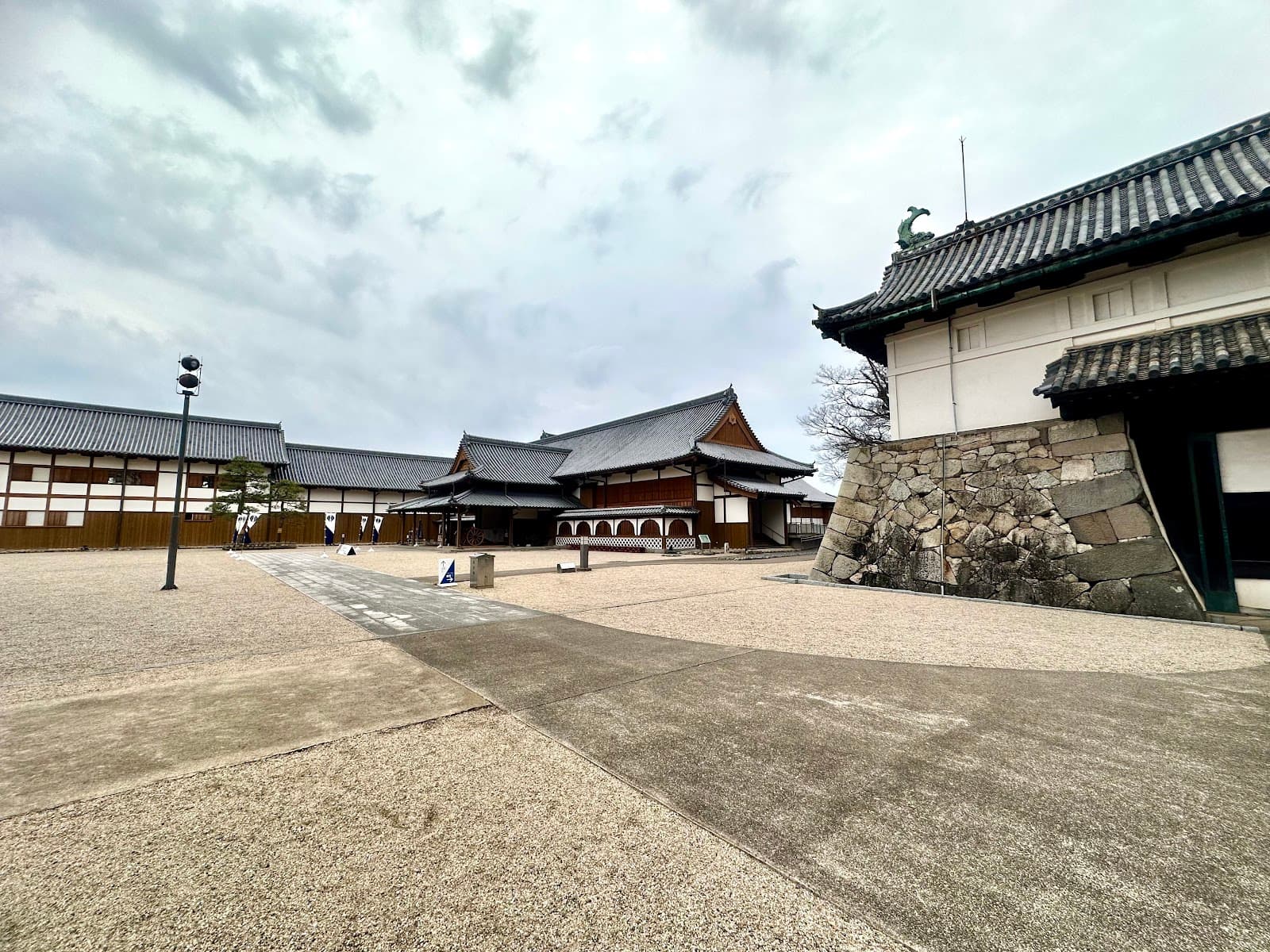
Saga Castle Shachi-no-mon Gate
Saga Castle's Shachi-no-mon Gate, an Important Cultural Property, offers a glimpse into feudal Japan with its imposing architecture and historical bul...
Highlights
Must-see attractions

Social
From TikTok & Reddit
Best Time
Fewer crowds, better light
Saga Castle Shachi-no-mon Gate
Best Time
Fewer crowds, better light
Highlights
Must-see attractions
Saga Castle's Shachi-no-mon Gate, an Important Cultural Property, offers a glimpse into feudal Japan with its imposing architecture and historical bullet holes.
"An impressive gate with a surprising palace, offering a tangible connection to Japan's feudal past."
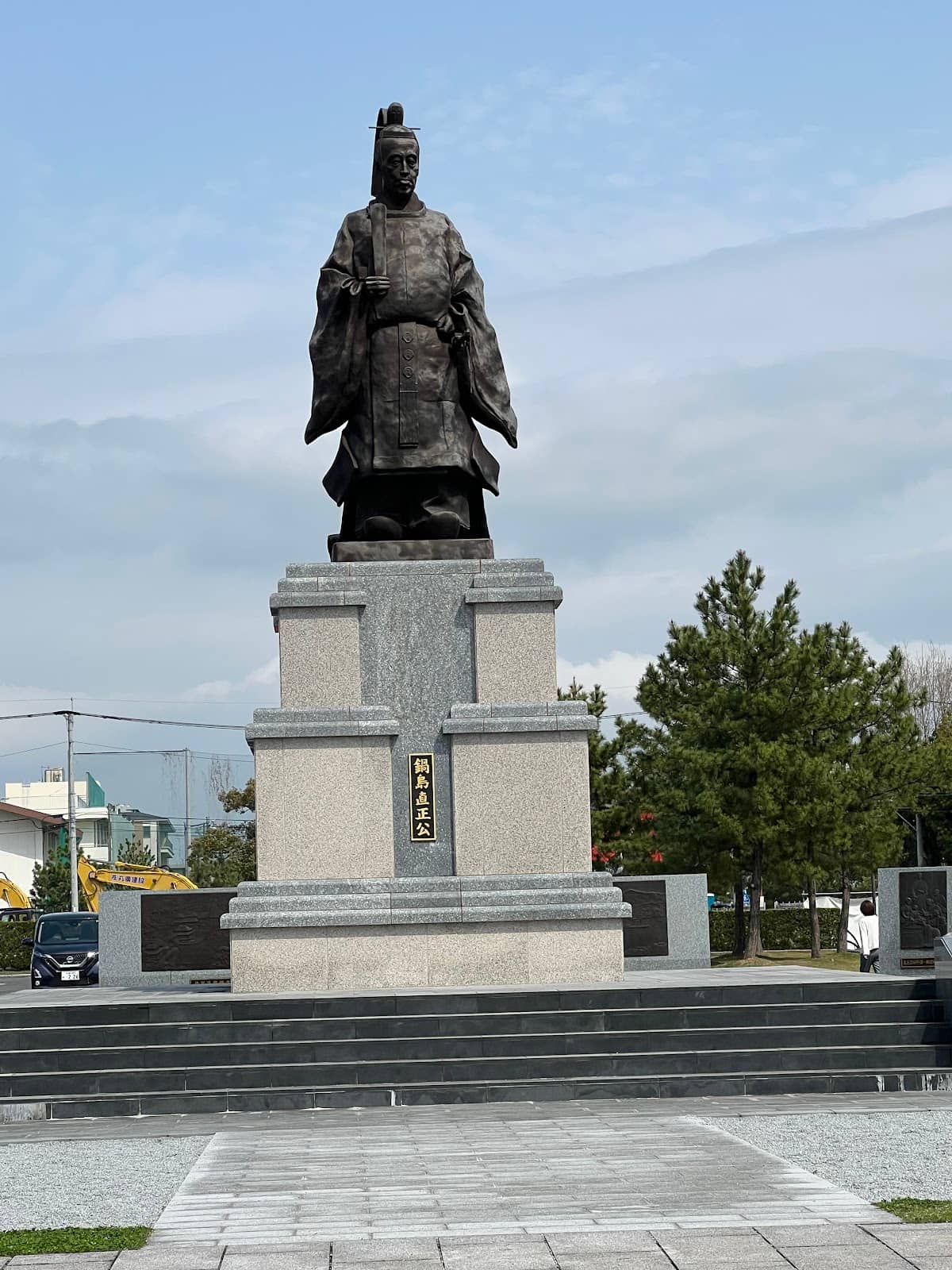
👟 Remove Shoes for Museum
Remember to take off your shoes and use the provided cabinets before entering the History Museum. :athletic_shoe:
🎧 Borrow Guide Headphones
Detailed explanations are available via guide headphones at the information desk. 🎧
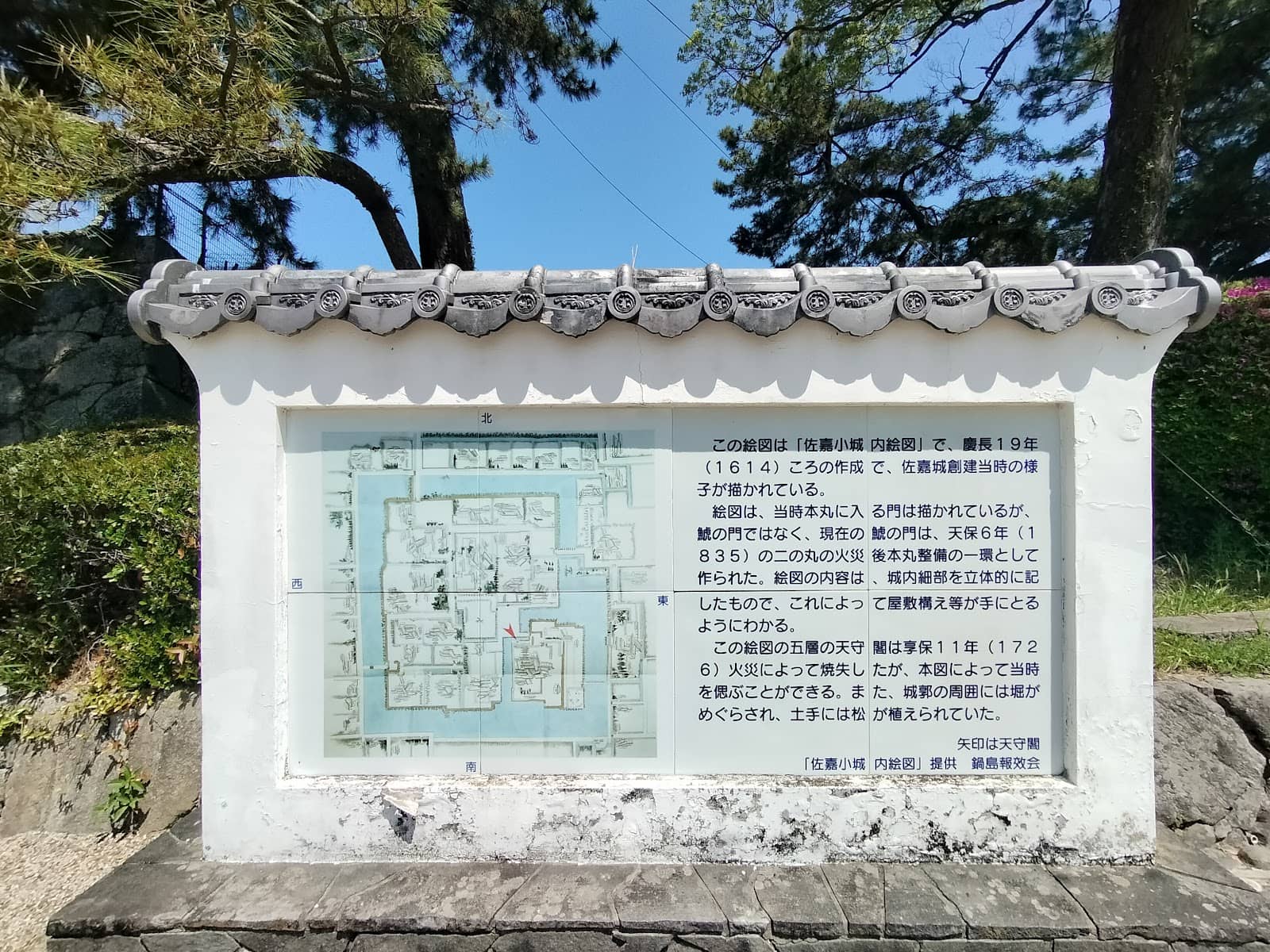
Quick Facts
Hours
Rating
4.4 · 37 reviews
Type
Historical Landmark
Highlights
Discover the most iconic attractions and experiences
Shachi-no-mon Gate
Main entrance to Saga Castle grounds
An imposing, nationally designated Important Cultural Property, named for the bronze shachihoko on its roof.
Reconstructed Palace
Behind the Shachi-no-mon Gate
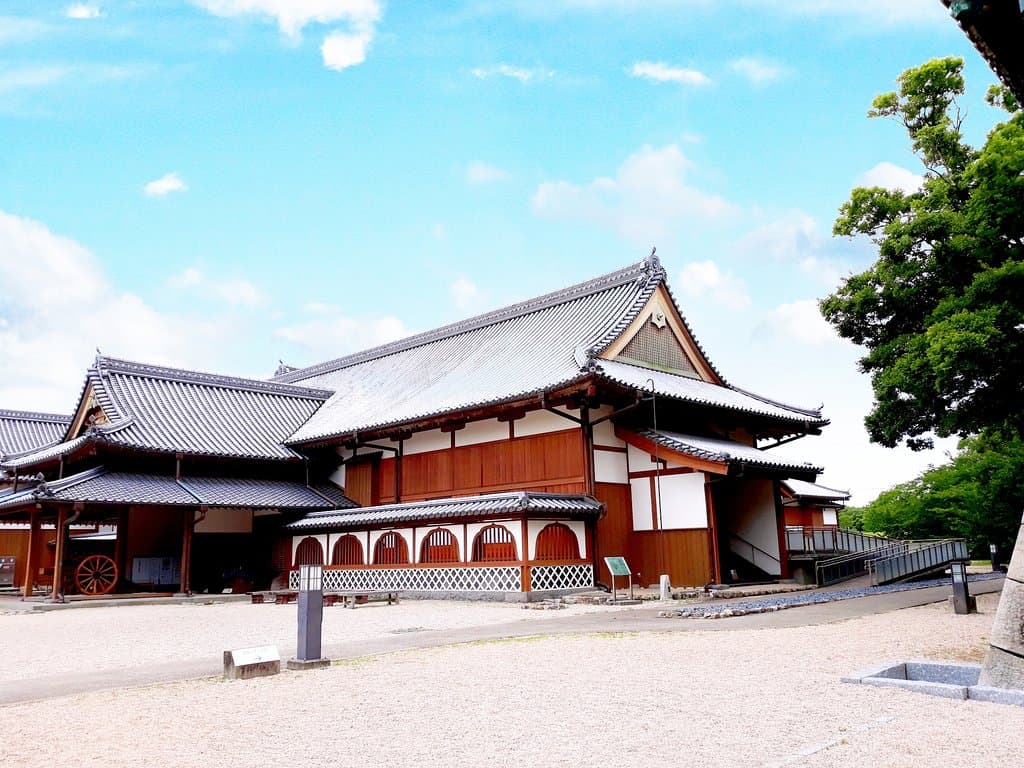
Step back in time in this meticulously rebuilt palace, offering a glimpse into the lives of the Saga domain's rulers.
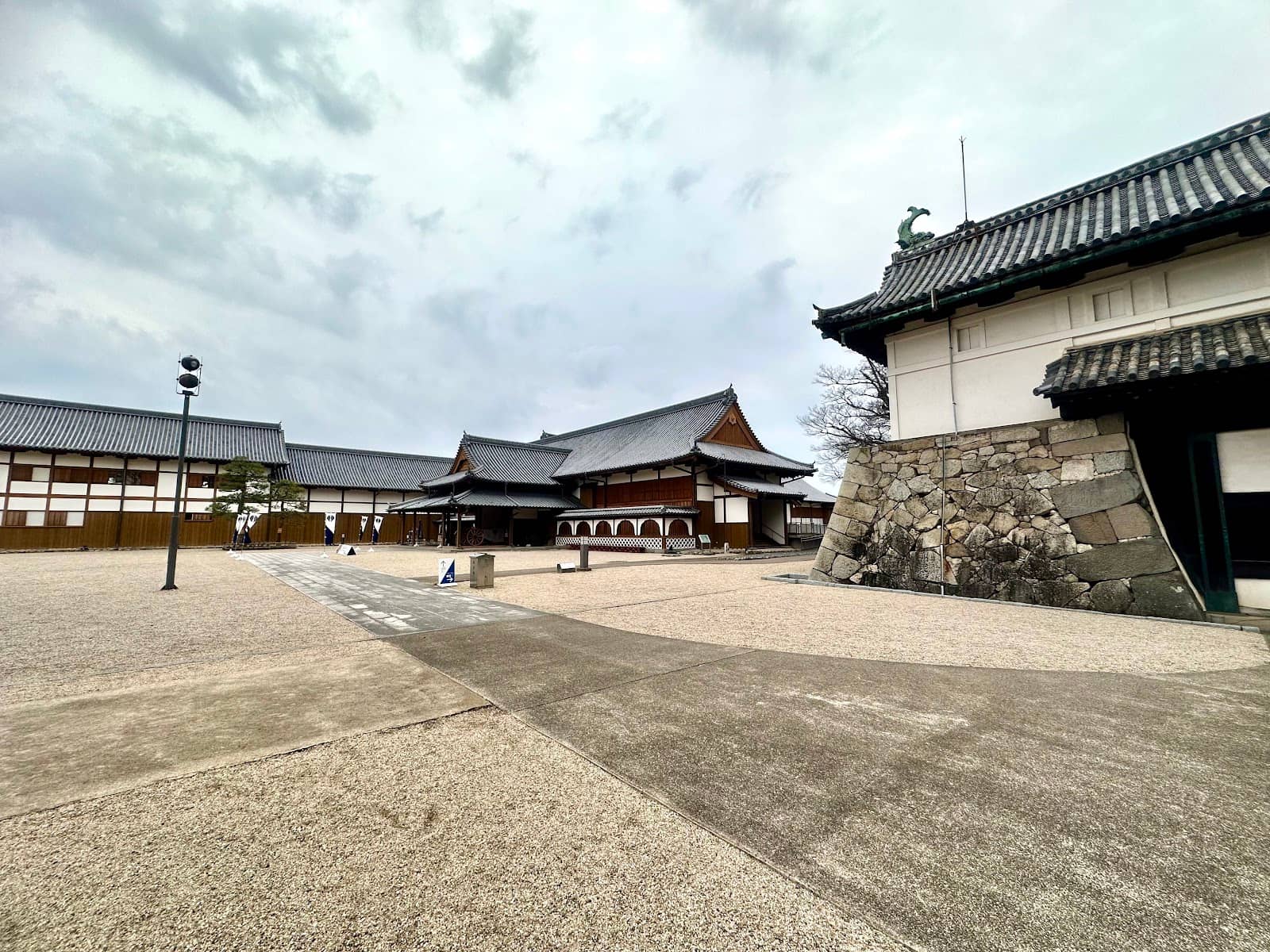
Bullet Holes from Saga Rebellion
Gate's mirror pillars and other parts
Rare historical relics, these bullet holes are a tangible reminder of the 1874 Saga Rebellion.
Plans like a pro.
Thinks like you
Planning Your Visit
Timing Your Visit
Beyond the Gate
Best Times
Insider Tips
from TikTok, Instagram & Reddit
👟 Remove Shoes for Museum
Remember to take off your shoes and use the provided cabinets before entering the History Museum. :athletic_shoe:
🎧 Borrow Guide Headphones
Detailed explanations are available via guide headphones at the information desk. 🎧
🕰️ Check Palace Hours
The reconstructed palace and museum have specific operating hours, so plan accordingly. :clock1:
📜 Look for Bullet Holes
Examine the gate closely for bullet holes from the Saga Rebellion – a unique historical detail. :mag:
Tips
from all over the internet
👟 Remove Shoes for Museum
Remember to take off your shoes and use the provided cabinets before entering the History Museum. :athletic_shoe:
🎧 Borrow Guide Headphones
Detailed explanations are available via guide headphones at the information desk. 🎧
🕰️ Check Palace Hours
The reconstructed palace and museum have specific operating hours, so plan accordingly. :clock1:
📜 Look for Bullet Holes
Examine the gate closely for bullet holes from the Saga Rebellion – a unique historical detail. :mag:
🏯 Don't Miss the Palace
Beyond the gate, the reconstructed palace offers a fascinating look into the past. 🏰
What Travellers Say
Reviews Summary
Visitors are consistently impressed by the Shachi-no-mon Gate's dignified presence and its status as an Important Cultural Property. The reconstructed palace behind the gate is a pleasant surprise, offering a deeper historical experience than initially expected. The tangible historical remnants, like bullet holes from the Saga Rebellion, are particularly noted.
"This is the "Shachi Gate," Saga Castle's only Important Cultural Property!
It was an impressive gate! It wasn't huge, but it had a dignified presence. Saga Castle was the residence of the Nabeshima clan of the Saga domain. ✨
I casually decided to visit, thinking the gate was the only thing worth seeing...
But then I discovered a reconstructed palace at the back. (_)
I only had a limited amount of time, so I decided to take a look around after this. 😀"
純一
"There is a shoe cabinet at the entrance of the History Museum. Please take off your shoes and put them in the cabinet before entering. You can borrow Chinese guide headphones at the information desk. The explanations are very detailed and the service staff are very enthusiastic and warm."
張小花
"☆Wow, so impressive❗️
As expected, the main gate of Saga Castle, the home of the Saga Nabeshima Domain, with a 357,000 koku yield⚔️
The Ninomaru Gate was destroyed in a fire in 1835 (Tenpo 6), and the Shachi Gate was rebuilt and completed in 1838 (Tenpo 9). This surviving yaguramon gate retains its imposing appearance from approximately 185 years ago, making it a rare find.
The yaguramon gate's front beams are approximately 12m wide and 12.5m high, and atop the roof is a gigantic shachihoko (a fire talisman), from which it gets its name.
[Nationally Designated Important Cultural Property]
☆Looking closely, you'll find other interesting features👀
- The gate has side doors on both sides, each with a wooden-paneled guardhouse with a lattice window and a viewing port, a rare find.
- A guardhouse still exists on the left side of the gate, also rare and designed for practicality.
- There are multiple bullet holes on the mirror pillars and other parts from the Saga Rebellion of 1874 (Meiji 7), a unique and valuable historical relic.
- The surviving "Zoku Yagura" has a tower section resting on stone walls on both sides and an impressive lattice window on the left, making it quite charming and beautiful."
Toshi Andy
What People Like
What People Dislike
Frequently Asked Questions
🚇 🗺️ Getting There
The Shachi-no-mon Gate is part of the Saga Castle historical site. It's generally accessible by public transport within Saga city. From Saga Station, you can take a local bus towards the castle park area. Walking is also an option if you enjoy a stroll through the city.
Yes, there are parking facilities available near the Saga Castle historical site, which is convenient if you are traveling by car. Look for signs directing you to visitor parking.
From Saga Station, taking a local bus is a common and efficient method. Buses typically run frequently and will drop you off within walking distance of the castle grounds and the Shachi-no-mon Gate.
If you enjoy walking and the weather is pleasant, it's possible to walk to the Saga Castle grounds from the central areas of Saga city. It offers a nice way to see more of the local surroundings.
While specific route numbers can change, most buses heading towards the castle park or major historical sites in Saga will stop near the Shachi-no-mon Gate. It's advisable to check local bus schedules upon arrival.
🎫 🎫 Tickets & Entry
The Shachi-no-mon Gate itself is an outdoor structure and generally accessible without a specific ticket. However, entry into the reconstructed palace and the history museum behind it may require admission fees. It's best to check the official Saga Castle site for current ticketing information.
The Shachi-no-mon Gate is typically visible at all times as it's an outdoor landmark. The reconstructed palace and museum have specific operating hours, usually closing in the late afternoon. Always verify the current hours before your visit.
Yes, there is usually an admission fee for the reconstructed palace and the associated history museum. This fee contributes to the preservation and maintenance of these historical structures.
National holidays can affect opening hours. While the gate is always visible, the palace and museum might have special hours or be closed on certain holidays. It's recommended to confirm in advance.
Information on discounts for students, seniors, or group visits is usually available on the official Saga Castle website or at the ticket counter. It's worth inquiring when you plan your visit.
🎫 🧭 Onsite Experience
The Shachi-no-mon Gate is Saga Castle's only Important Cultural Property. It's a surviving yaguramon (turret gate) completed in 1838, named after the bronze shachihoko (mythical carp-like creature) on its roof, which served as a fire talisman.
The reconstructed palace offers a detailed look into the former residence of the Nabeshima clan. You can explore various rooms, learn about the domain's history, and see exhibits related to the Saga Rebellion.
Yes, a particularly interesting feature are the bullet holes on the gate's pillars from the Saga Rebellion of 1874. These are tangible remnants of a significant historical event.
The gate itself is an outdoor structure, but the reconstructed palace and museum may have varying levels of accessibility. It's advisable to check with the site management for specific details regarding ramps or elevators.
A quick visit to see the gate might take 30 minutes. However, to fully appreciate the reconstructed palace and museum, plan for at least 1-2 hours. This allows time for detailed exploration and understanding the historical context.
📸 📸 Photography
The Shachi-no-mon Gate itself, with the bronze shachihoko against the sky, is a prime photo opportunity. Also, capture the reconstructed palace from various angles and look for details like the bullet holes on the gate.
Photography rules can vary. Generally, photography without flash is permitted in many historical buildings, but it's essential to check for signage or ask staff inside the reconstructed palace and museum. Flash photography is often prohibited to protect artifacts.
Morning light can be beautiful for photographing the Shachi-no-mon Gate, especially with the bronze shachihoko catching the sun. Late afternoon can also offer good lighting and fewer crowds.
Yes, some visitors have noted manhole covers in the area decorated with collaborations like 'Zombie Land Saga' and Nabeshima Naomasa, offering a quirky photo op for fans.
For the gate, consider a wide-angle lens to capture its full scale. If photographing the shachihoko detail, a telephoto lens might be useful. For the palace interior, be prepared for lower light conditions and use a tripod if allowed and necessary.
Social
from TikTok, Instagram & Reddit