Minuma Tsusen-bori Canal
Japan's oldest lock canal, a historic Edo-period marvel offering peaceful walks, nature, and unique train photography.
Highlights
Must-see attractions

Social
From TikTok & Reddit
Best Time
Pleasant weather, lush greenery
Minuma Tsusen-bori Canal
Best Time
Pleasant weather, lush greenery
Highlights
Must-see attractions
Japan's oldest lock canal, a historic Edo-period marvel offering peaceful walks, nature, and unique train photography.
"A peaceful historical escape perfect for family picnics and photography, offering a unique glimpse into Edo-period engineering."
📸 Perfect for Photographers
Capture unique shots of JR trains and the historic canal. Early mornings offer great light.
🚶♀️ Embrace the Walk
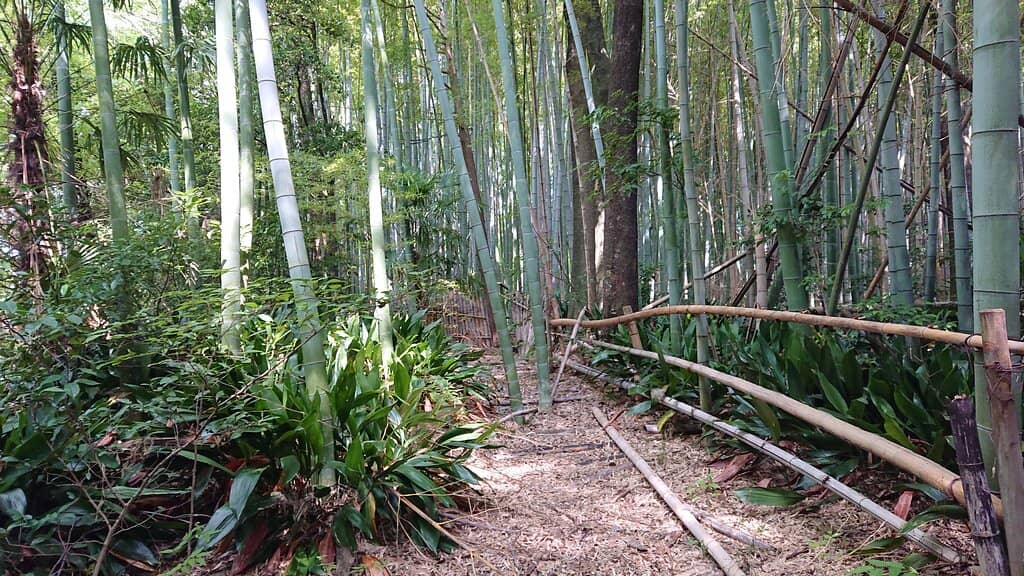
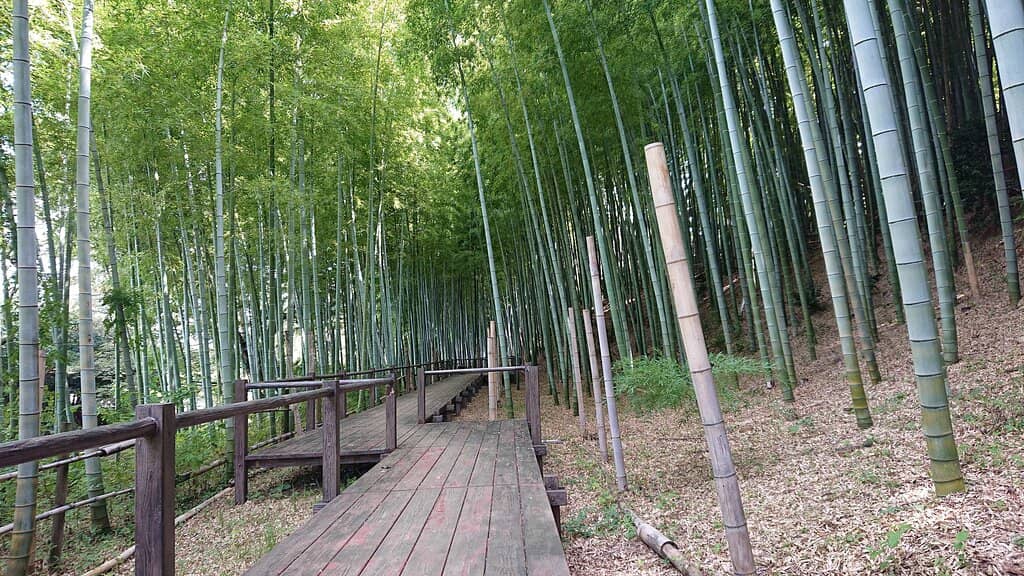
The walking path offers varied scenery, from trees to bamboo. Enjoy a leisurely historical stroll.
Quick Facts
Hours
Rating
3.7 · 290 reviews
Type
Historical Landmark
Highlights
Discover the most iconic attractions and experiences
Restored Timber Frame Section
Hacchobashi Bridge to Ninosekibashi Bridge
The most photogenic stretch, showcasing the canal's original timber frame, a testament to its historical engineering.
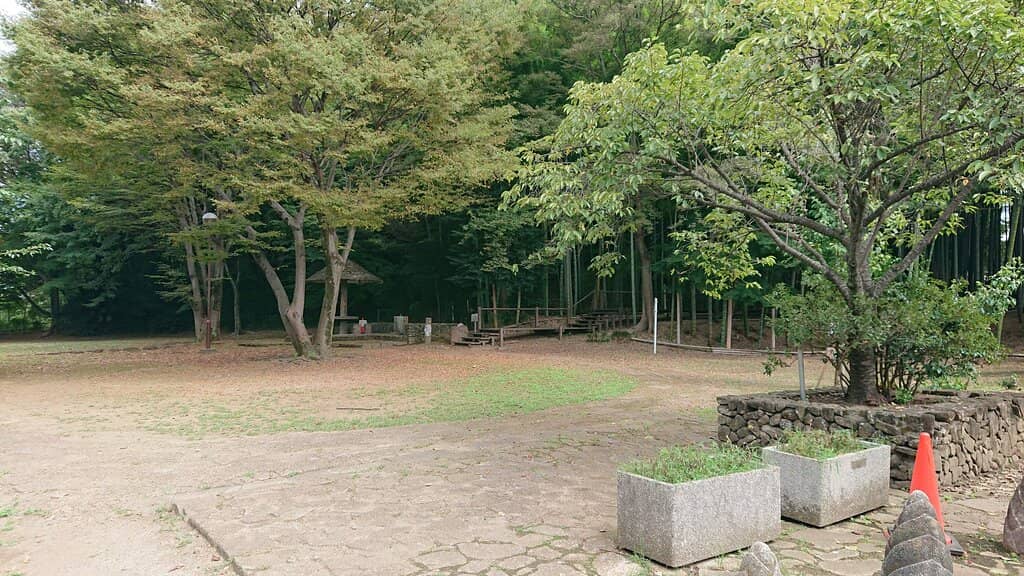
Nature and Train Spotting
Along the canal path
Enjoy the serene natural surroundings, listen to the wind, and capture unique photos of JR trains against the landscape.
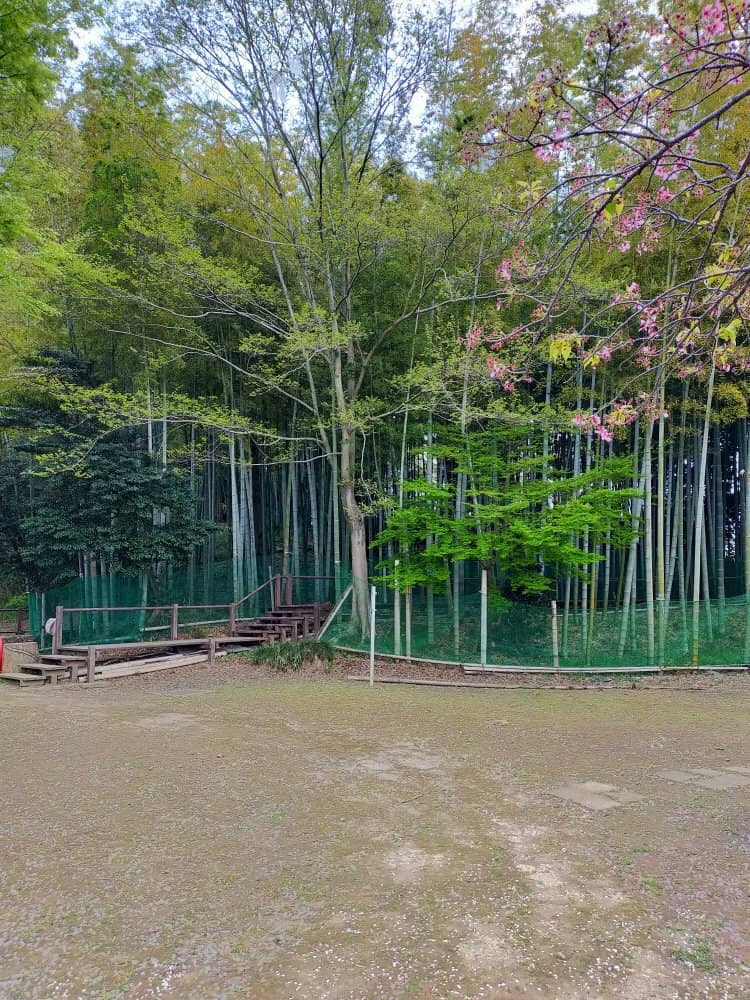
Historical Walking Path
Full length of the canal
Stroll through a living history lesson with restored facilities, ancient trees, and lush bamboo groves.
Plans like a pro.
Thinks like you
Planning Your Visit
Timing is Key for the Best Views
Historical Significance & Accessibility
Best Times
Insider Tips
from TikTok, Instagram & Reddit
📸 Perfect for Photographers
Capture unique shots of JR trains and the historic canal. Early mornings offer great light.
🚶♀️ Embrace the Walk
The walking path offers varied scenery, from trees to bamboo. Enjoy a leisurely historical stroll.
🧺 Family Picnic Spot
Ideal for a relaxed family outing with food and enjoying the natural sounds.
🚫 Water Levels Vary
Water visibility can be low in spring/summer due to weeds.
Tips
from all over the internet
📸 Perfect for Photographers
Capture unique shots of JR trains and the historic canal. Early mornings offer great light.
🚶♀️ Embrace the Walk
The walking path offers varied scenery, from trees to bamboo. Enjoy a leisurely historical stroll.
🧺 Family Picnic Spot
Ideal for a relaxed family outing with food and enjoying the natural sounds.
🚫 Water Levels Vary
Water visibility can be low in spring/summer due to weeds.
What Travellers Say
Reviews Summary
Visitors praise Minuma Tsusen-bori Canal as a peaceful, historical escape perfect for family picnics and photography. Its designation as Japan's oldest lock canal is a significant draw, offering a unique glimpse into Edo-period engineering. However, some note that water levels can be low and weeds overgrown in warmer months, and parking is limited.
"This is the best place for camping in the weedkend with family. After a busy week with deadline, i came here and bring some foods. While lie on the grass and eat a snack, i can hear the voice of wind and natural. By the way,It complete suitable If you are a photographer, you may have a nice pics of JR train and natural from these views."
Rei Zi
"Minuma Tsutsunbori is located close to Higashi-Urawa Station on the Musashino Line.
Opened in 1731, it is said to be Japan's oldest lock canal and is a nationally designated historic site.
Connecting the Shibakawa River and the Minumadai Irrigation Canal, which have a water level difference of 3m, this historic canal opened an incredible 183 years before the Panama Canal.
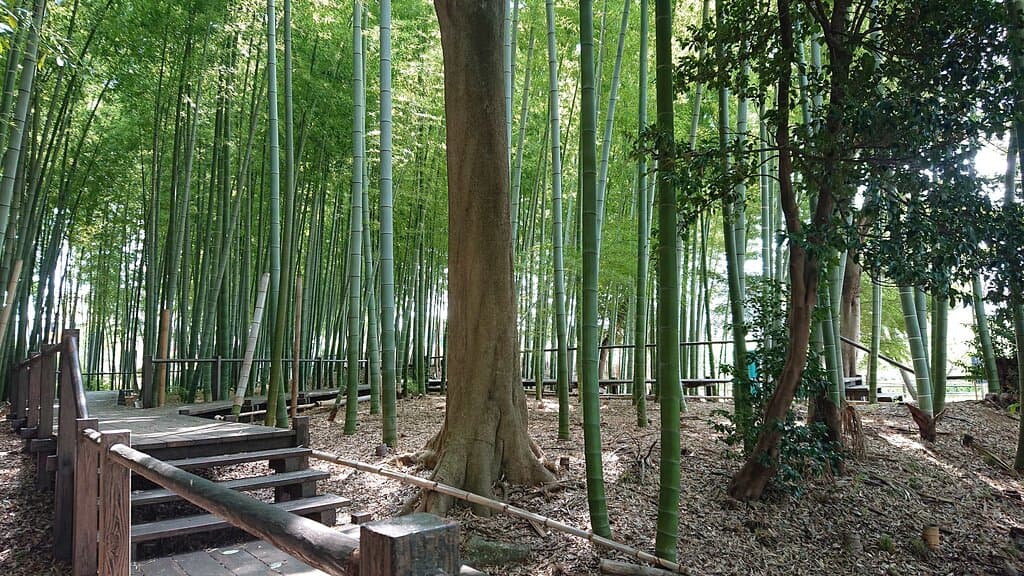
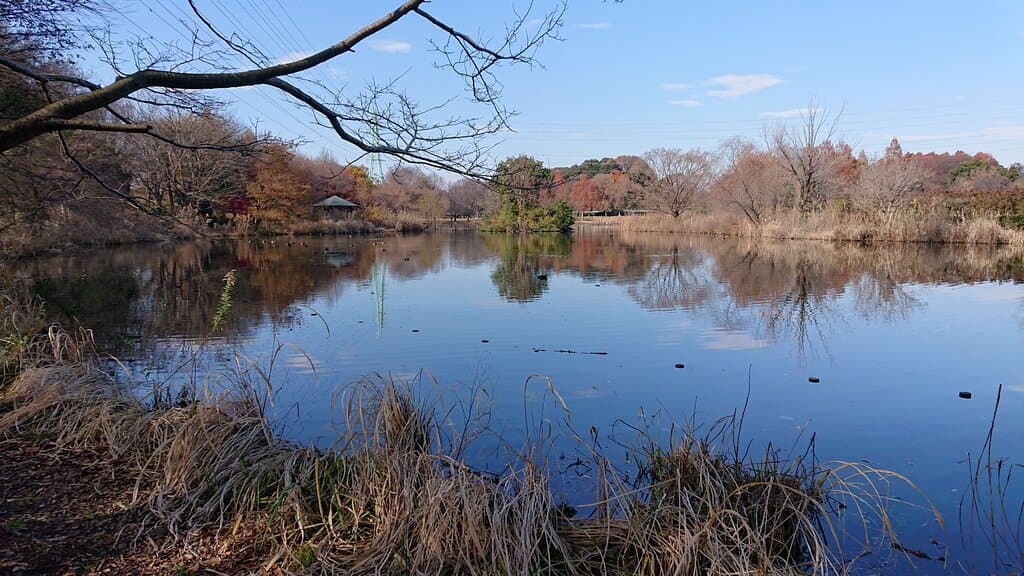
The walking path along the canal is varied, with restored facilities, large trees sprouting from the canal walls, and bamboo groves, making it a place where you can experience history with all your senses.
It's fun to take a leisurely stroll through history every once in a while."
トム
"Tsusenbori is a canal connecting the Minumadai Irrigation Canal and the Shibakawa River. The Minumadai Irrigation Canal, originating from the Tone Oseki Weir in present-day Taichi, did not connect to Edo (present-day Tokyo). Therefore, in order to send ships to Edo, it was necessary to connect it to the Shibakawa River, which flows into the Sumida River. This was the reason for the canal's construction. The Minumadai Irrigation Canal splits into two branches in Ina-cho, an eastern branch and a western branch. This branching point is also near the camp of the Ina clan, a magistrate who was deeply involved in the shogunate's flood control projects. The eastern branch runs straight south from Shichiri to the location of Tsusenbori. Meanwhile, the western branch runs west from Higashi-Omiya to the vicinity of Hikawa Shrine and Hikawa Nyotai Shrine before reaching the location of Tsusenbori. The area sandwiched between these two branches is roughly the same area as the current Minuma Tanbo (rice paddies), and the Shibakawa River flows through it. Tsusenbori was built at the site of the former Haccho Bank, where the Shibakawa River, the eastern branch, and the western branch come closest to each other. So, where is the best place to see this exactly 1 km long Tsusenbori? The answer is the section from Hacchobashi Bridge to Ninosekibashi Bridge. This section alone has already had its timber frame restored, making it a truly photogenic spot."
鑫#イ言θ月
What People Like
What People Dislike
Frequently Asked Questions
🚇 🗺️ Getting There
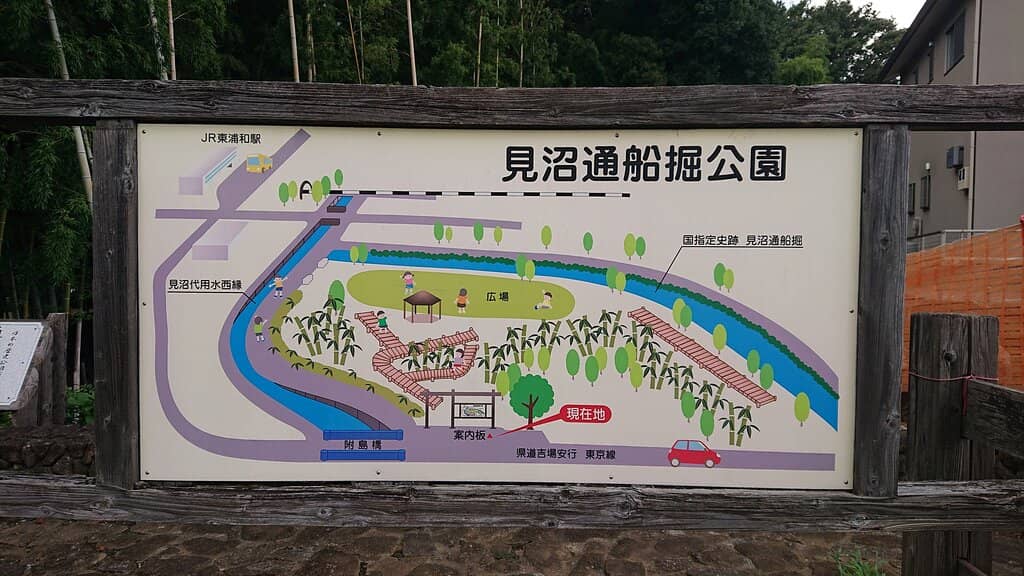
The canal is conveniently located near Higashi-Urawa Station on the Musashino Line. From the station, it's a pleasant walk to the canal path.
Unfortunately, parking can be difficult for tourists looking to explore leisurely. It's best to rely on public transport.
A leisurely walk along the designated path is the most recommended way to experience the historical and natural aspects of the canal.
While not explicitly stated, the walking path is likely suitable for a relaxed cycle, but check local regulations. The focus is on a historical stroll.
The canal stretches between the Minumadai Irrigation Canal and the Shibakawa River. Access points are available along its length, particularly near bridges.
🎫 🎫 Tickets & Entry
No, Minuma Tsusen-bori Canal is a historic site and public area, so there are no admission fees. You can visit freely.
As an outdoor historical site, it's generally accessible at all times. However, visiting during daylight hours is recommended for safety and enjoyment.
There are no specific entrance fees for exhibits as the entire canal area is considered a historical site. The experience is immersive.
Yes, you can visit on weekends. It's a popular spot for local families looking for a relaxing outdoor activity.
While official guided tours might be limited, the historical significance is well-documented along the path. Local information boards may provide details.
🎫 🏞️ Onsite Experience
Opened in 1731, it's Japan's oldest lock canal, connecting the Minumadai Irrigation Canal and Shibakawa River. It was crucial for transporting goods to Edo.
You'll find a variety of flora, including large trees and bamboo groves. It's a peaceful natural setting, though water levels can vary.
Absolutely! Photographers can capture unique shots of JR trains against the natural backdrop and the restored historical structures.
The path features restored facilities, offering a glimpse into the past. Rest areas might be available, but amenities are generally minimal.
The canal itself is about 1 km long, but the surrounding paths and exploration can extend your visit. The most notable section is between Hacchobashi and Ninosekibashi Bridges.
🍽️ 🍽️ Food & Dining
Dining options are limited directly at the canal. It's advisable to bring your own food for a picnic or dine in Higashi-Urawa.
Yes, it's a perfect spot for a picnic! Many visitors enjoy bringing their own food and relaxing on the grass.
Convenience stores and eateries are more likely to be found around Higashi-Urawa Station rather than directly at the canal site.
Simple, portable foods like sandwiches, snacks, and drinks are ideal for enjoying the natural surroundings.
There are no dedicated food stalls or markets directly at the canal. It's best to come prepared with your own provisions.
📸 📸 Photography
The section between Hacchobashi Bridge and Ninosekibashi Bridge is highly recommended for its restored timber frame. Also, look for vantage points to capture JR trains.
Early mornings and late afternoons offer beautiful natural light, especially during the golden hour, for capturing the canal and its surroundings.
Generally, casual photography is allowed. However, be mindful of private property and respect the historical nature of the site.
Drone usage may be restricted in historical sites and near residential areas. It's advisable to check local regulations before flying a drone.
A versatile lens for landscapes and potentially a telephoto lens for capturing distant JR trains would be beneficial. A tripod can help with low-light conditions.

Social
from TikTok, Instagram & Reddit