Kokugakuin University Museum
Discover Shintoism, ancient Japanese history, and unique cultural artifacts at this free museum, with select areas allowing photography.
Highlights
Must-see attractions

Social
From TikTok & Reddit
Best Time
Fewer crowds, peaceful exploration
Kokugakuin University Museum
Best Time
Fewer crowds, peaceful exploration
Highlights
Must-see attractions
Discover Shintoism, ancient Japanese history, and unique cultural artifacts at this free museum, with select areas allowing photography.
"Wonderful, free museum, which tells some history and shows Shinto building designs."
✅ Free Admission!
Enjoy a wealth of historical and cultural exhibits without any entry fee. A true bargain for history buffs!
📸 Photography Allowed (Select Areas)
Capture memories! Some exhibits permit photography, a rare treat in Japanese museums. Always check signage.
Quick Facts
Hours
Rating
4.5 · 891 reviews
Type
Museum
Highlights
Discover the most iconic attractions and experiences
Shintoism & Ancient History
Permanent Exhibition
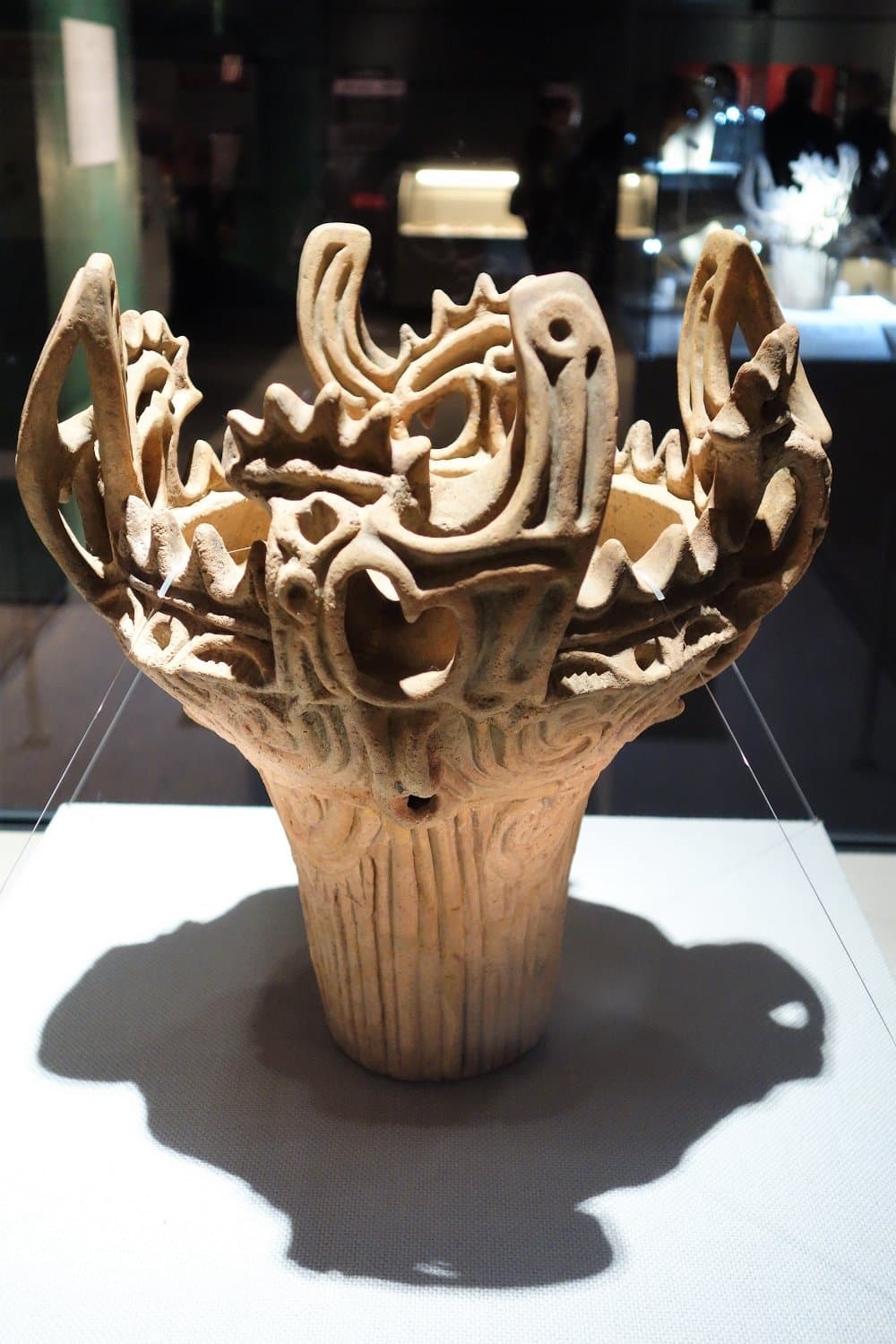
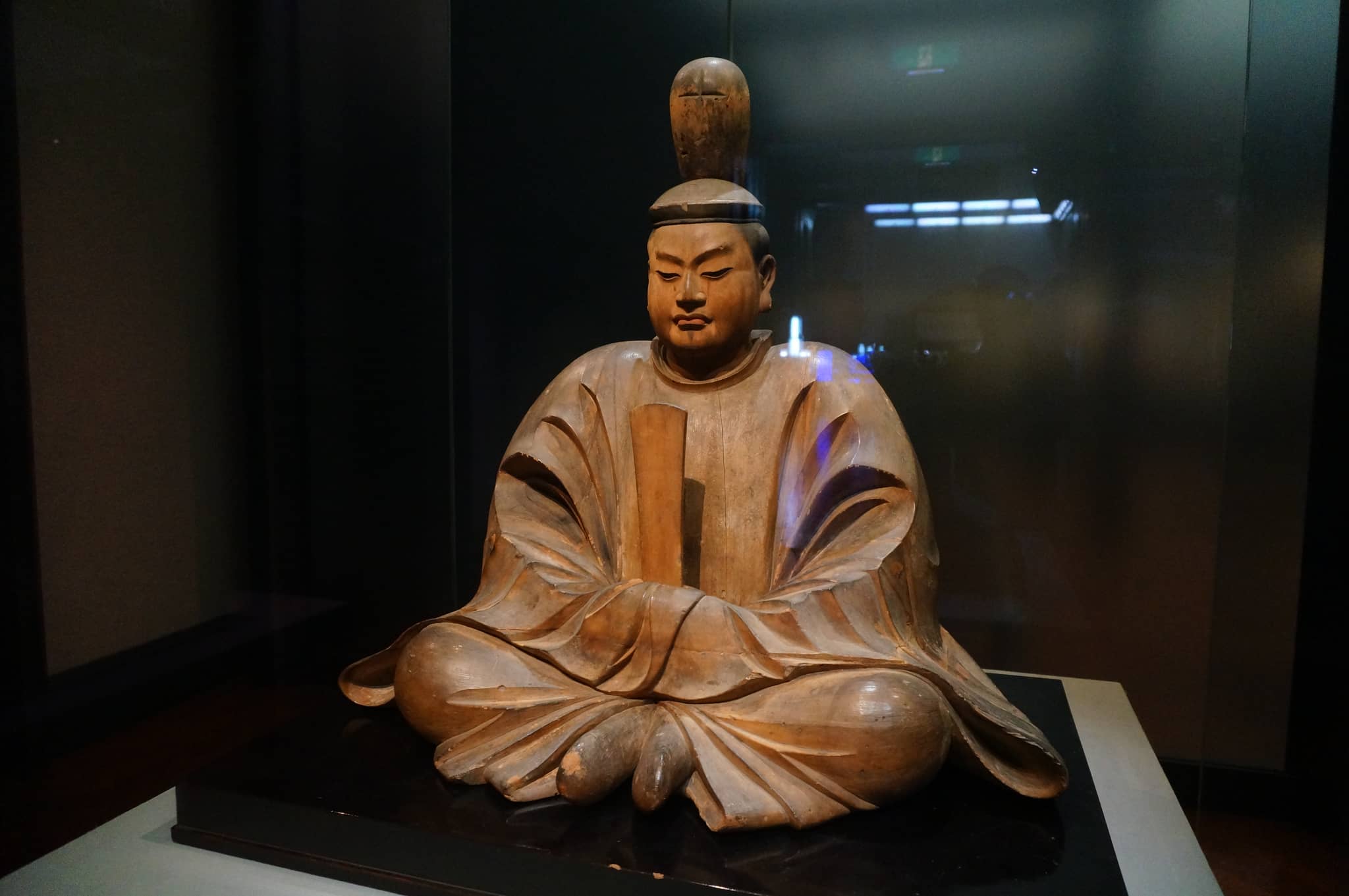
Delve into the spiritual heart of Japan with artifacts detailing Shinto rituals and the rich tapestry of ancient Japanese history.
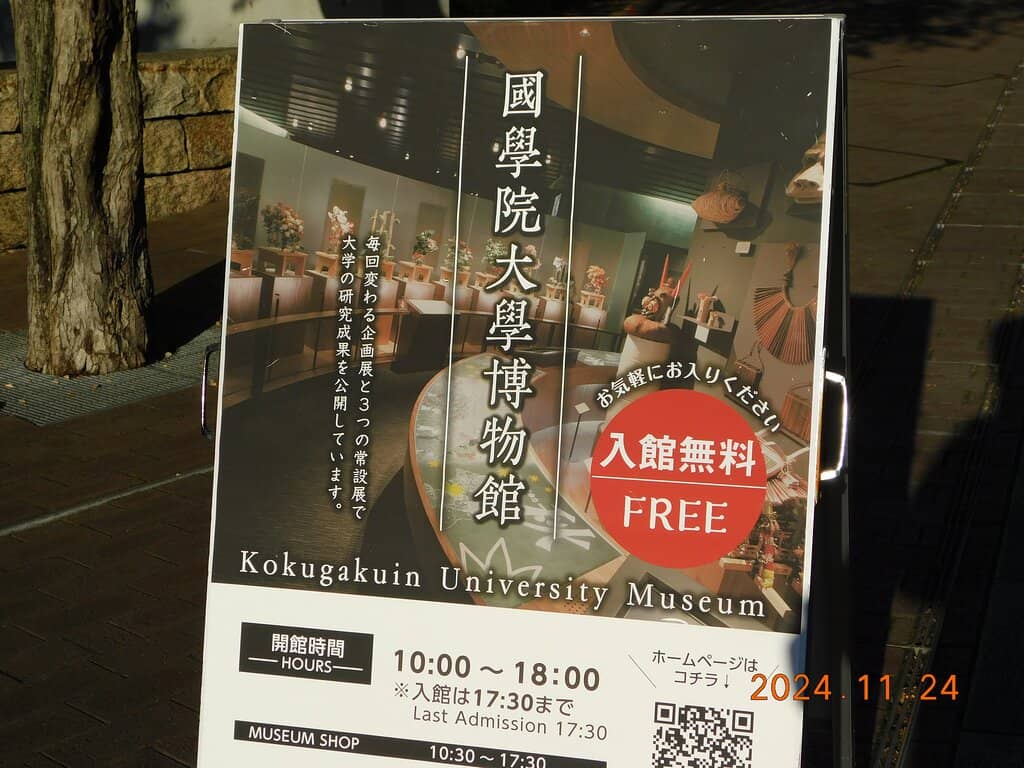
Mongolian Invasion Exhibition
Special Exhibition Hall
Gain a unique perspective on a pivotal moment in Japanese history through artifacts and insights into the Mongolian invasions.
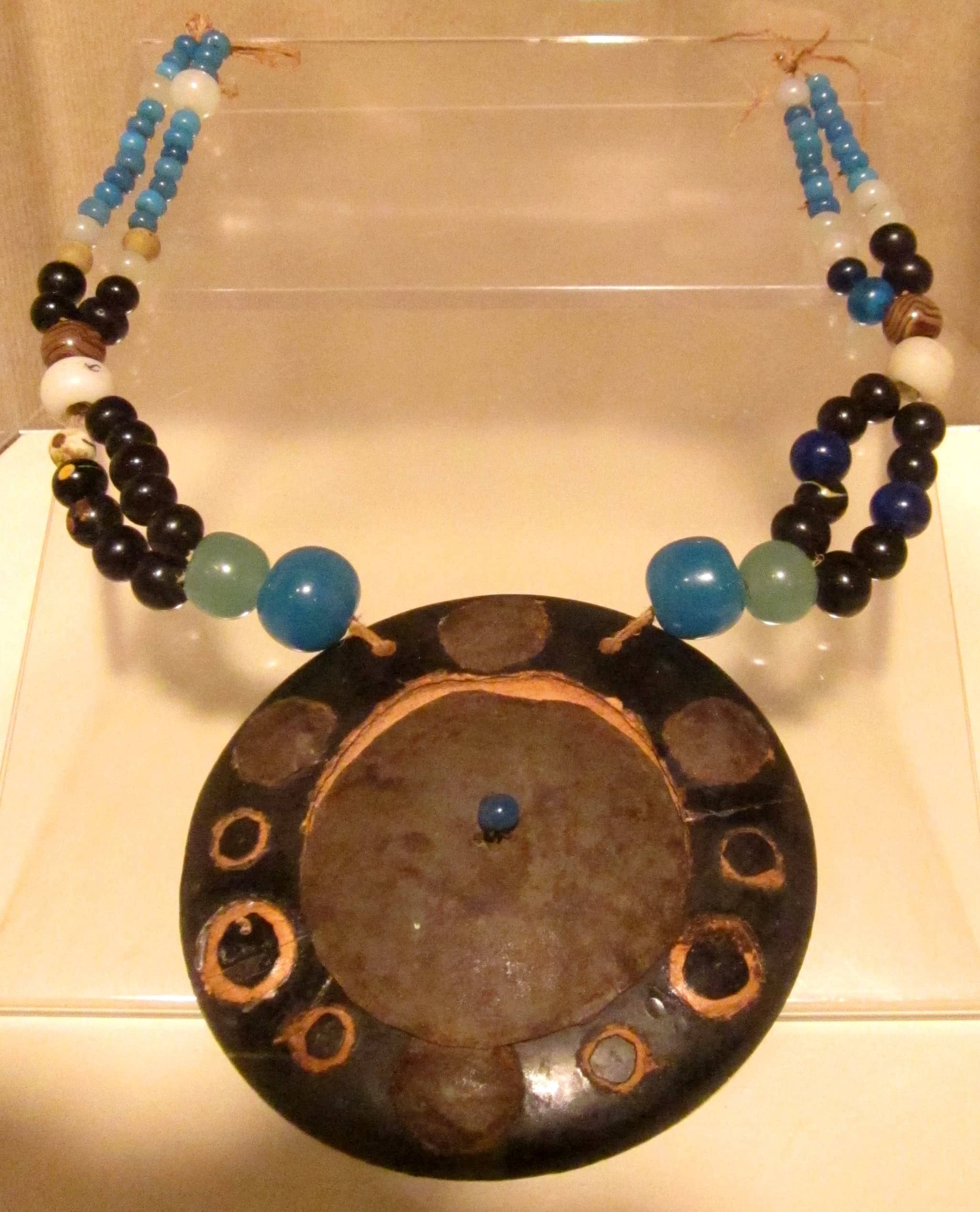
Ainu Culture Insights
Exhibition Area
Learn about the indigenous Ainu people and their distinct culture through carefully curated displays.
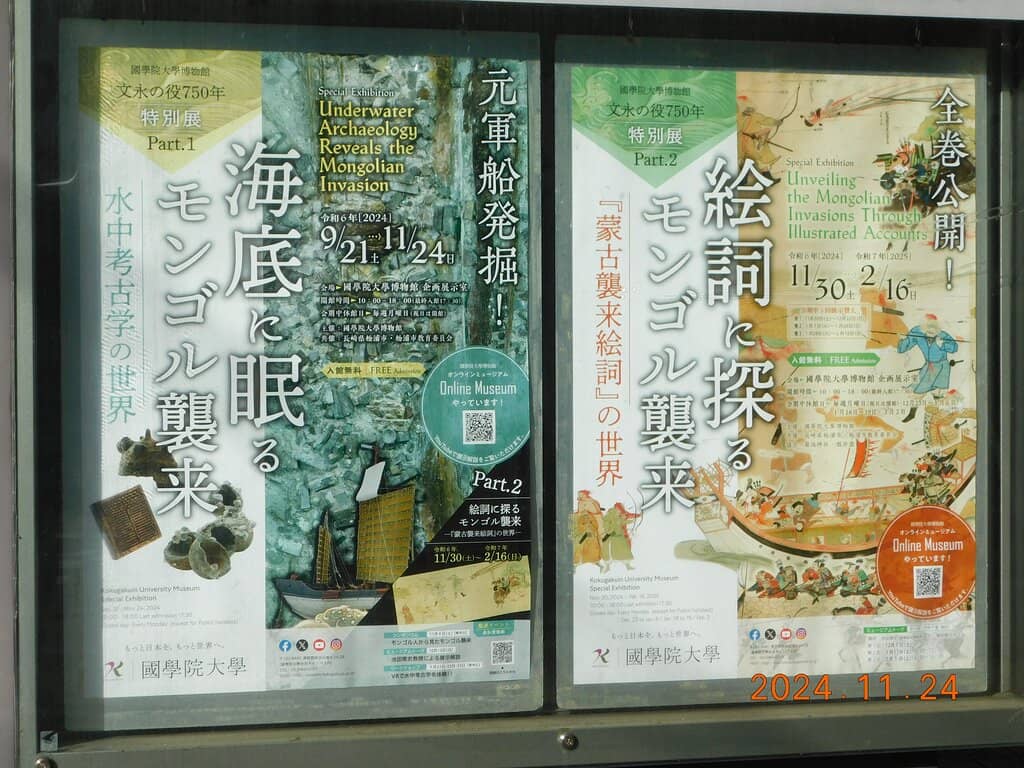
Edo/Meiji Wooden Crafts
Special Exhibition Hall
Admire intricate wooden craftsmanship from the late Edo and early Meiji periods, showcasing artistic heritage.
Plans like a pro.
Thinks like you
Planning Your Visit
Free Entry, Priceless Artifacts
Photography Friendly
Best Times
Insider Tips
from TikTok, Instagram & Reddit
✅ Free Admission!
Enjoy a wealth of historical and cultural exhibits without any entry fee. A true bargain for history buffs!
📸 Photography Allowed (Select Areas)
Capture memories! Some exhibits permit photography, a rare treat in Japanese museums. Always check signage.
💡 Informative Displays
Gain deep insights into Shinto, ancient Japan, and specific historical events. Very educational!
🚶♀️ Peaceful Atmosphere
Experience a calm and uncrowded environment, perfect for focused learning and reflection.
Tips
from all over the internet
✅ Free Admission!
Enjoy a wealth of historical and cultural exhibits without any entry fee. A true bargain for history buffs!
📸 Photography Allowed (Select Areas)
Capture memories! Some exhibits permit photography, a rare treat in Japanese museums. Always check signage.
💡 Informative Displays
Gain deep insights into Shinto, ancient Japan, and specific historical events. Very educational!
🚶♀️ Peaceful Atmosphere
Experience a calm and uncrowded environment, perfect for focused learning and reflection.
What Travellers Say
Reviews Summary
Visitors consistently praise the Kokugakuin University Museum for its free admission and the opportunity to photograph select exhibits, a rarity in Japan. The museum offers insightful displays on Shintoism, ancient Japanese history, and special exhibitions like the Mongolian invasion, all within a peaceful, uncrowded atmosphere. While dining options are limited on-site, the surrounding Shibuya area provides ample choices.
"Wonderful, free museum, which tells some history and shows Shinto building designs."
Zhou YU
"Enjoyable visit to a museum that houses artefacts on Shintoism, ancient Japanese history, and special exhibition about the history of Mongolian invasion of Japan. Free entry."
Carmen Chan
"Thank you so much 😊 I can understand about Ainu area"
Linh
What People Like
What People Dislike
Frequently Asked Questions
🚇 🗺️ Getting There
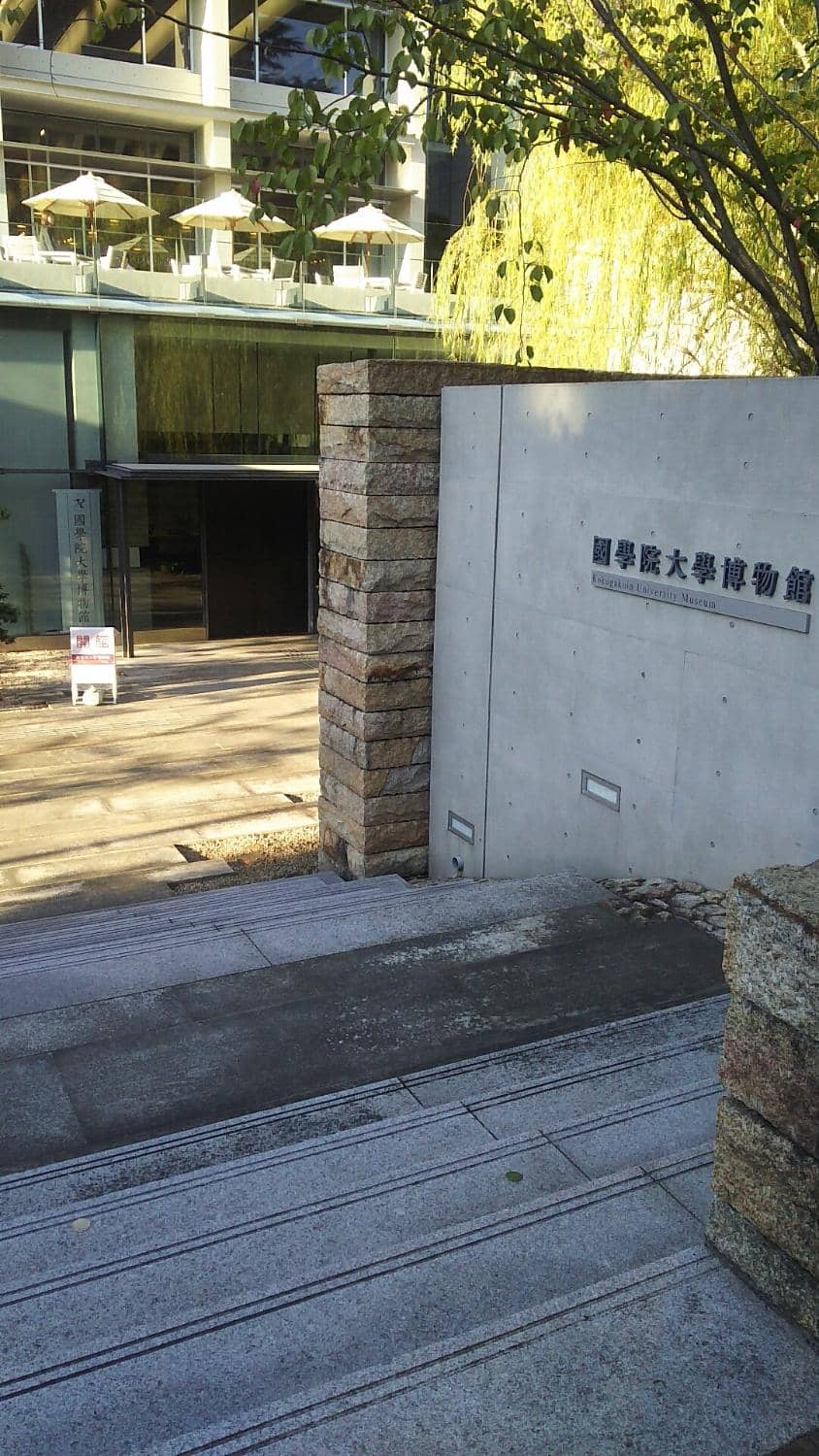
The museum is located within Kokugakuin University. It's easily accessible by public transport. The nearest train stations are Shibuya Station (JR, Keio, Tokyu, Metro lines) and Omotesando Station (Tokyo Metro Ginza, Hanzomon, Chiyoda lines). From Shibuya, it's about a 15-20 minute walk, or you can take a short bus ride. From Omotesando, it's a similar walking distance. Check local transit apps for the most direct routes from your starting point.
Parking at the university is generally limited and often reserved for staff or special events. It's highly recommended to use public transportation to reach the museum. There are paid parking lots in the surrounding Shibuya area, but they can be expensive.
From Shinjuku Station, take the JR Yamanote Line to Shibuya Station. From Shibuya, you can either walk (approx. 15-20 minutes) or take a local bus towards Aoyama/Omotesando and alight near the university. Alternatively, you can take the Tokyo Metro Fukutoshin Line from Shinjuku-sanchome (one stop from Shinjuku) to Meiji-jingumae 'Harajuku' and then walk or transfer to the Chiyoda Line to Omotesando.
🎫 🎫 Tickets & Entry
No, the Kokugakuin University Museum offers free admission for all visitors. This makes it an excellent and accessible cultural experience.
The museum typically operates from Tuesday to Saturday, with hours usually from 10:00 AM to 4:00 PM. However, it's always best to check the official Kokugakuin University website for the most current opening hours and any potential closures, especially around holidays or special events.
Since admission is free and the museum is generally not overcrowded, advance booking is usually not required. However, for special exhibitions, it's advisable to check the university's website for any specific ticketing or reservation information.
As the museum is free to enter, there are no discounts or passes needed. Its free admission is one of its most appreciated features.
🎫 🧭 Onsite Experience
Yes, photography is permitted in certain areas of the museum, which is quite uncommon for Japanese museums. Look for signs indicating where photos are allowed. This allows you to capture the unique Shinto designs and historical artifacts.
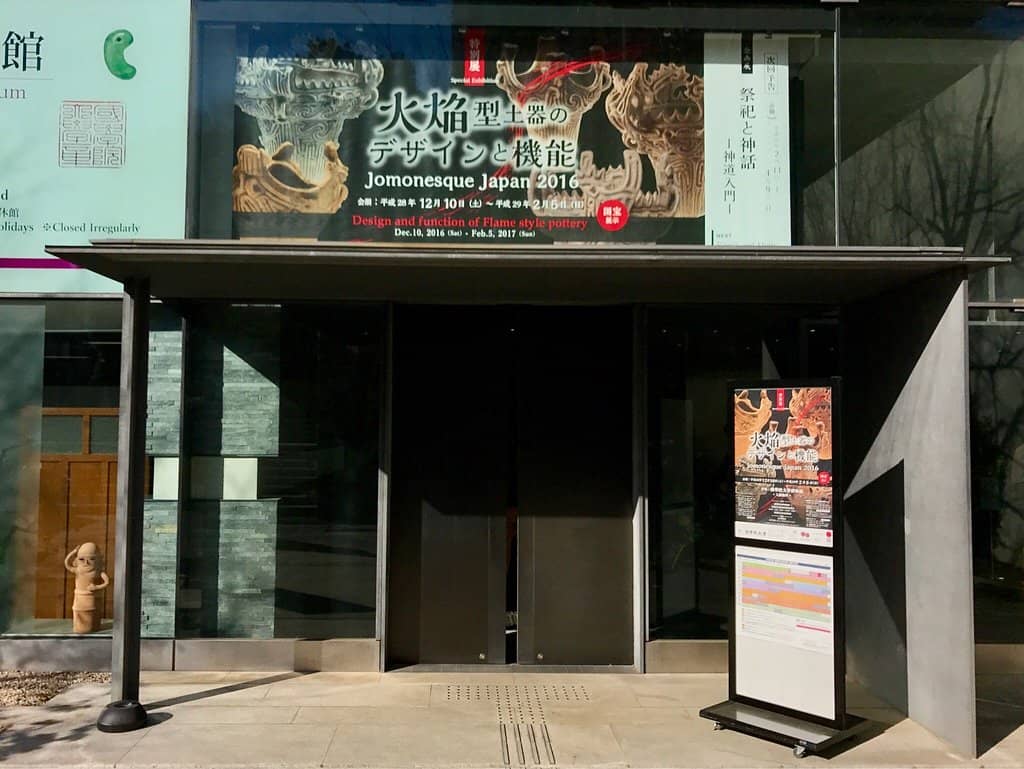
The museum features a diverse collection, including permanent exhibits on Shintoism, ancient Japanese history, and the Ainu culture. They also host special exhibitions, such as those on the Mongolian invasion of Japan or traditional wooden crafts from the Edo and Meiji eras.
The museum can be educational for older children interested in history and culture. The displays on Shintoism and historical events might be more engaging for them than very young children. Consider the specific exhibition content when planning a family visit.
A visit to the Kokugakuin University Museum can take anywhere from 1 to 2 hours, depending on your interest level and the current special exhibitions. If you plan to thoroughly explore all displays, allow for at least 1.5 hours.
While specific accessibility details should be confirmed directly with the museum, universities in Japan are generally working towards better accessibility. It's recommended to contact the museum in advance if you have specific mobility concerns.
🍽️ 🍽️ Food & Dining
The museum itself does not have a cafe or restaurant. However, being located in the vibrant Shibuya area, there are numerous dining options available within walking distance. You can find everything from casual eateries to more upscale restaurants near Shibuya Station.
Typically, food and drinks are not allowed inside museum exhibition halls to protect the artifacts. There might be designated areas within the university campus where you can consume your own refreshments, but it's best to check university guidelines.
📸 📸 Photography
Photography is allowed in designated areas, which is a significant perk. Always look for signage indicating permitted zones. This allows visitors to capture the unique Shinto architectural elements and historical artifacts.
Generally, tripods and selfie sticks are not permitted in museums to ensure the safety of exhibits and other visitors. It's best to assume these are not allowed unless explicitly stated otherwise by the museum.
The Shinto building designs and any artifacts related to ancient Japanese history or traditional crafts are often visually striking. Special exhibitions, like the Mongolian invasion or wooden crafts, also offer unique photographic opportunities.

Social
from TikTok, Instagram & Reddit