Ota Memorial Museum of Art
Discover exquisite Japanese Ukiyo-e woodblock prints in a world-class collection, with monthly rotating exhibitions.

Highlights
Must-see attractions

Social
From TikTok & Reddit
Best Time
Fewer crowds, better viewing
Ota Memorial Museum of Art
Best Time
Fewer crowds, better viewing
Highlights
Must-see attractions
Discover exquisite Japanese Ukiyo-e woodblock prints in a world-class collection, with monthly rotating exhibitions.
"A lovely treat in Harajuku, though crowds can make it a frustrating experience. "
🎯 Arrive Early or Late
Beat the crowds by visiting right at opening or an hour before closing.
🚫 No Photos Allowed
Respect the no-photography rule; focus on appreciating the art.
Quick Facts
Hours
Rating
4.3 · 2,292 reviews
Type
Art museum
Highlights
Discover the most iconic attractions and experiences
Rotating Ukiyo-e Masterpieces
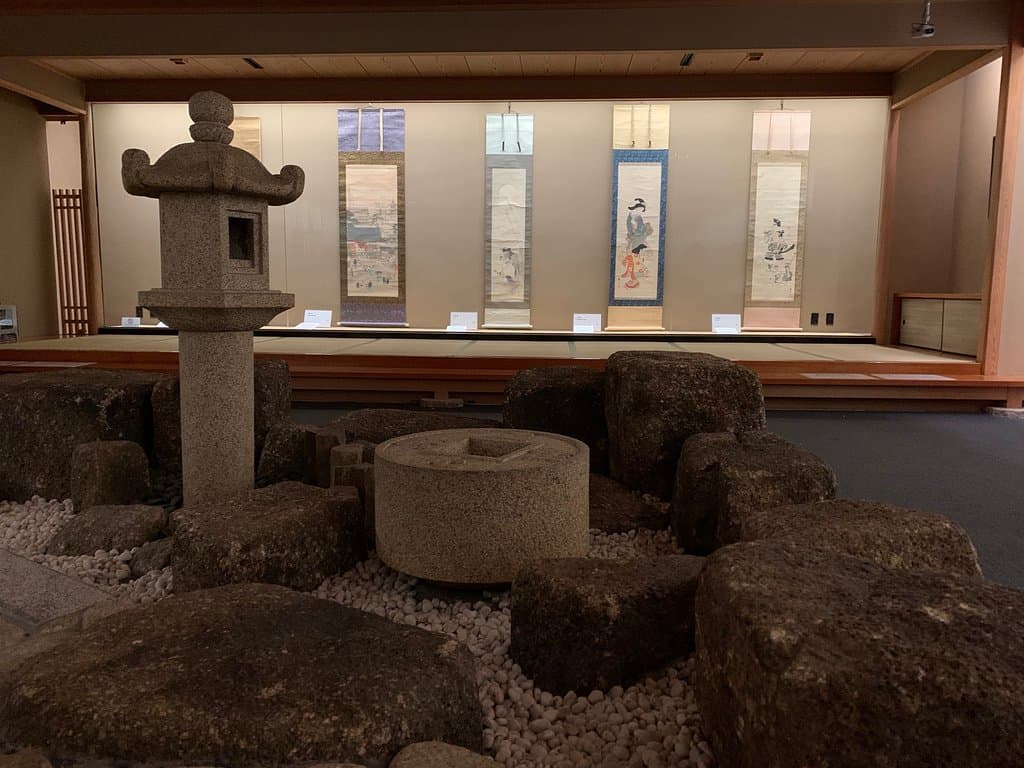
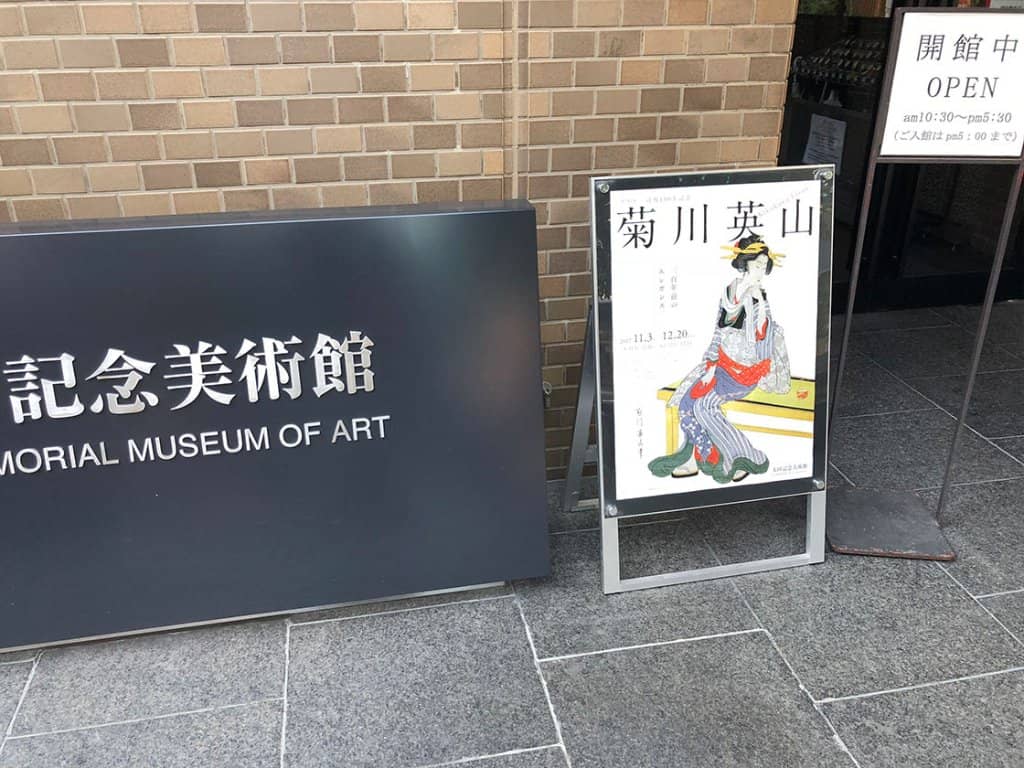
Discover exquisite Japanese woodblock prints from a vast collection, with monthly exhibitions ensuring fresh art to admire.

Intimate Viewing Experience
Get up close to delicate prints in a cozy setting, perfect for appreciating the intricate details of traditional Japanese art.
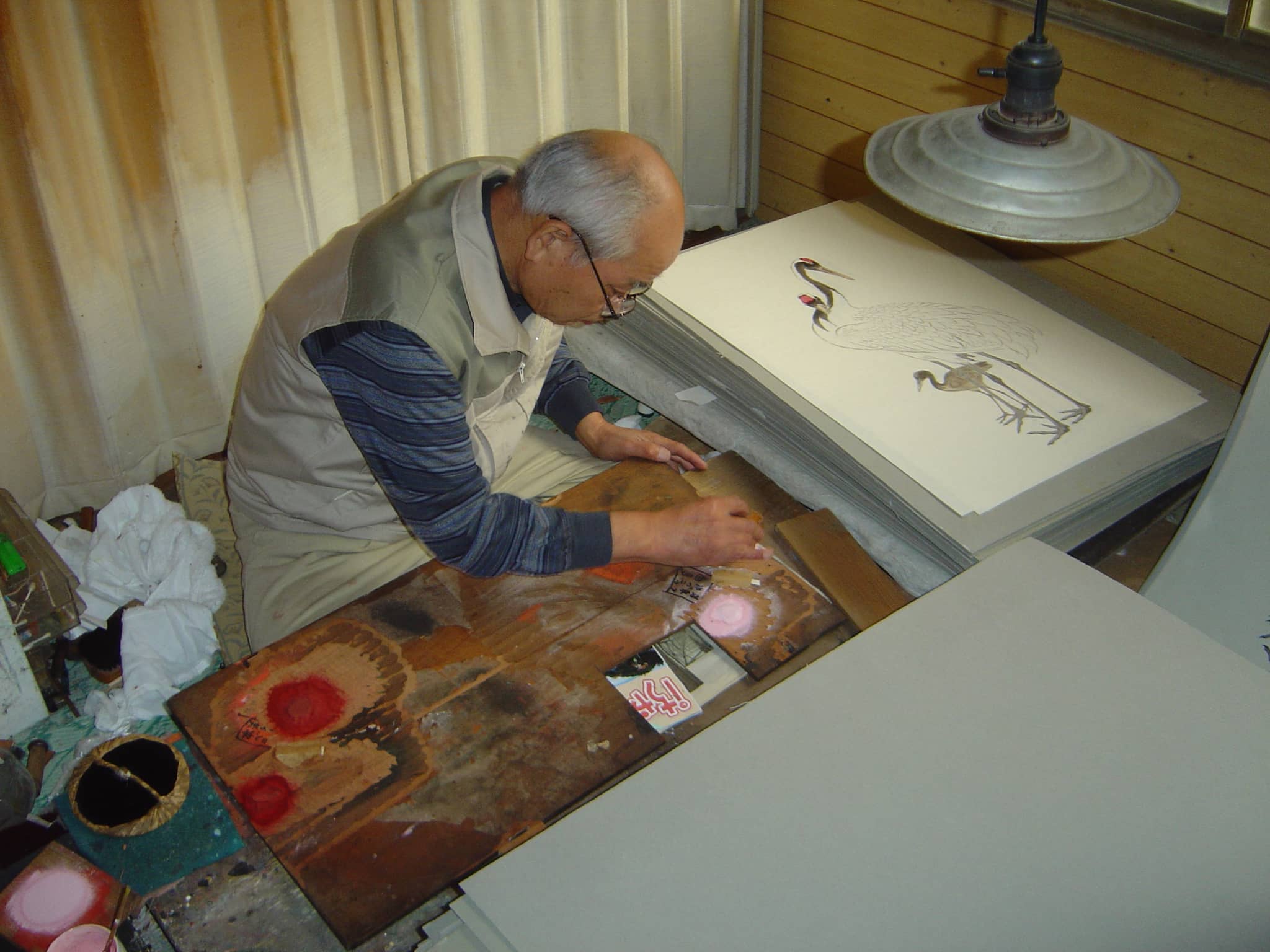
Behind-the-Scenes Insights
Learn about the traditional art of ukiyo-e creation through scheduled video showings.
Plans like a pro.
Thinks like you
Planning Your Visit
Beat the Crowds
No Photos Allowed
Best Times
Insider Tips
from TikTok, Instagram & Reddit
🎯 Arrive Early or Late
Beat the crowds by visiting right at opening or an hour before closing.
🚫 No Photos Allowed
Respect the no-photography rule; focus on appreciating the art.
⏳ Allow an Hour
The museum is small, so 1-2 hours is usually sufficient.
🗣️ English Translations Limited
Some artwork commentary may not have English translations.
Tips
from all over the internet
🎯 Arrive Early or Late
Beat the crowds by visiting right at opening or an hour before closing.
🚫 No Photos Allowed
Respect the no-photography rule; focus on appreciating the art.
⏳ Allow an Hour
The museum is small, so 1-2 hours is usually sufficient.
🗣️ English Translations Limited
Some artwork commentary may not have English translations.
📍 Prime Harajuku Location
Conveniently located near Omotesando, easy to find.
What Travellers Say
Reviews Summary
Visitors praise the Ota Memorial Museum of Art for its high-quality, rotating exhibitions of exquisite Ukiyo-e prints. However, many find the experience frustrating due to the museum's small size, which leads to significant crowding and slow viewing times, compounded by a strict no-photography policy and limited English translations.
"Loved this space and the collection it had! I learned a lot from seeing the various artworks up on the walls and cases of this museum as most came with the stories of each artwork or artist. Photographs are unfortunately not allowed in the museum, neither are pen writing materials (only pencils are allowed and they happily lend you one so you can write on the museum guide they give out).
The museum guide has the list of the artworks and the names of the artist. I decided to note down things I enjoyed about my most favorite ones!
The museum visit was a quick and fun way to absorb a part of Japanese history without getting too overwhelmed. I really grew to love this style of art even more after having visited the museum!"
Alexandria Ong
"A really lovely little museum in Harajuku. The counter staff were kind and easy to deal with, and the space has a calm feel to it. They guide you through the rooms in a set direction, which actually works well for taking in the prints without backtracking or missing anything.
It’s a private museum focused on ukiyo-e woodblock prints. The exhibition we caught was a set of clever send-ups of more formal works, and it was genuinely fun to walk through. The English notes were clear enough to follow the jokes and the history behind them. I left feeling like I understood the art form much better.
You can’t take photos, which surprises some people. Worth remembering that many Japanese museums only have the right to show the works, not to reproduce them, so visitor photos can be a copyright issue. They’re not being difficult they’re just protecting the pieces they’ve been trusted with.
Entry was ¥1000 (around $10 AUD). A very easy, worthwhile stop."
Ben Clohesy
"A museum that showcase different exhibits. A great place to appreciate japanese art. There were 2 floors inside but the walkway was a bit narrow which could be difficult to pass when its crowded. Sadly, no pictures are allowed inside. During our visit, the exhibit featured Hirezaki Eiho who was said to be the "last ukiyo-e artist". It was an interesting exhibit. It took us about an hour to look around. They also have a small souvenir shop inside."
Aibi Y.
What People Like
What People Dislike
Frequently Asked Questions
🚇 🗺️ Getting There
The museum is easily accessible via public transport. It's a short walk from Harajuku Station (JR Yamanote Line) or Meiji-jingumae Station (Tokyo Metro Chiyoda and Fukutoshin Lines). Its location off Omotesando makes it a convenient stop.
There is no dedicated parking for the museum. Visitors are advised to use public transportation or nearby coin parking lots, though these can be expensive in the Harajuku area.
From Shibuya, you can take the JR Yamanote Line directly to Harajuku Station, which is a short walk from the museum. Alternatively, the Tokyo Metro Fukutoshin Line to Meiji-jingumae Station is also very close.
Yes, you can take a taxi directly to the museum. Provide the address to your driver, and they should be able to find it easily, especially if you mention its proximity to Omotesando or Laforet Harajuku.
Information on accessibility can be limited. Given its size and layout, it's advisable to contact the museum directly for specific details regarding ramps or elevators if needed.
🎫 🎫 Tickets & Entry
Admission is typically ¥1000 for adults, with discounted rates for students and children. Prices may vary slightly depending on special exhibitions.
Advance booking is generally not required, but due to potential crowds, arriving early is recommended. Check the museum's official website for any updates on ticketing policies, especially during peak seasons.
The museum is typically open from 10:30 AM to 5:30 PM, with the last entry usually around 30 minutes before closing. It's best to confirm exact hours on their website as they can change.
Yes, video showings demonstrating how ukiyo-e is made are usually held at 11:00 AM and 2:30 PM. Check the museum's schedule upon arrival for confirmation.
Yes, students and children typically receive discounted admission. It's always a good idea to inquire about any special group rates or potential discounts when purchasing your ticket.
🎫 🖼️ Onsite Experience
No, photography is strictly prohibited inside the museum to protect the delicate artworks. Visitors must rely on their memory and appreciation.
Most visitors spend about an hour to an hour and a half, depending on crowd levels and how closely they examine each piece.
The museum can get quite crowded, especially on weekends and during popular exhibitions. Arriving early or during off-peak hours is advised to avoid congestion.
While some artworks have English translations, not all do. This can make it challenging for non-Japanese speakers to fully understand the context of every piece.
The museum specializes in Japanese Ukiyo-e woodblock prints. The exhibitions rotate monthly, showcasing different themes and artists from this traditional art form.
🍽️ 🍽️ Food & Dining
No, the museum does not have an on-site restaurant or cafe. You'll need to explore the surrounding Harajuku and Omotesando areas for dining options.
The area around Omotesando and Harajuku is filled with diverse dining options, from trendy cafes and international cuisine to traditional Japanese eateries. You'll find plenty of choices within a short walk.
Typically, food and drinks are not allowed inside art museums to protect the exhibits. It's best to consume them outside before entering.
Yes, while Omotesando can be upscale, Harajuku offers many more affordable options, including fast food, ramen shops, and street food stalls.
Numerous cafes and convenience stores are located within a few minutes' walk of the museum, perfect for a quick refreshment.
📸 📸 Photography
Absolutely not. Photography is strictly forbidden within the museum to preserve the delicate Ukiyo-e prints.
The flash from cameras can damage the light-sensitive pigments in the historical woodblock prints over time.
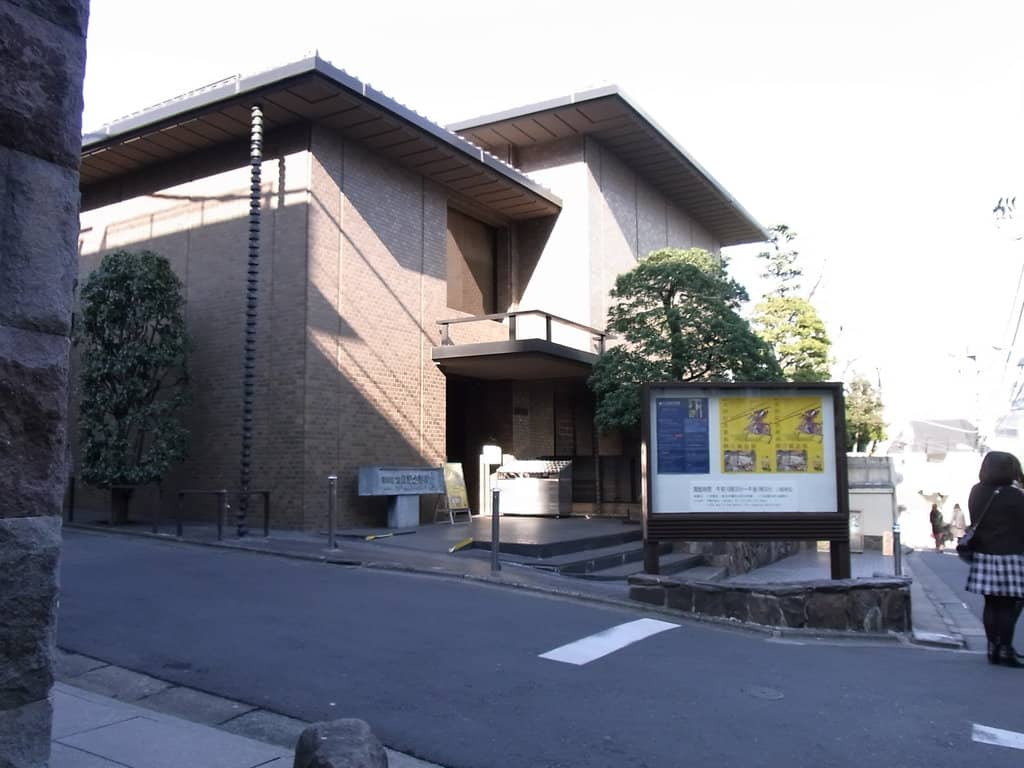
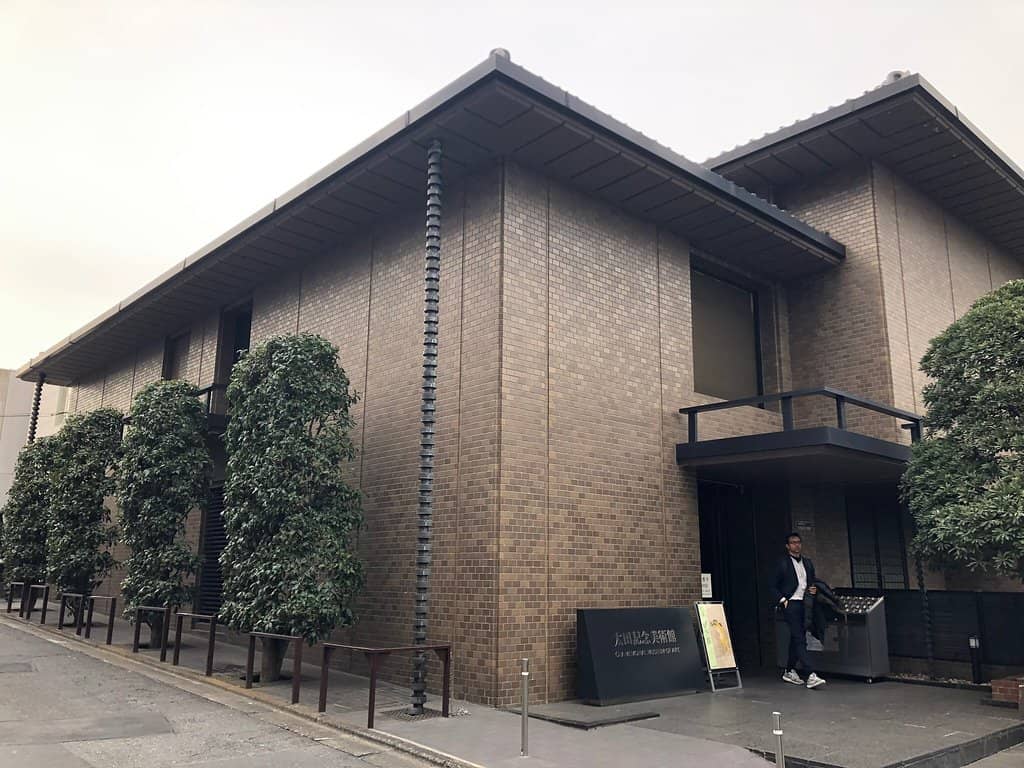
Yes, you are generally permitted to take photos of the museum's exterior. This is a great way to capture your visit without violating any rules.
Museum staff are vigilant. If you are caught taking photos, you may be asked to delete them and could be asked to leave. It's best to be mindful of the rules.
There are no exceptions to the no-photo rule for artworks inside the museum. This policy is standard for many art institutions displaying sensitive historical pieces.
Social
from TikTok, Instagram & Reddit