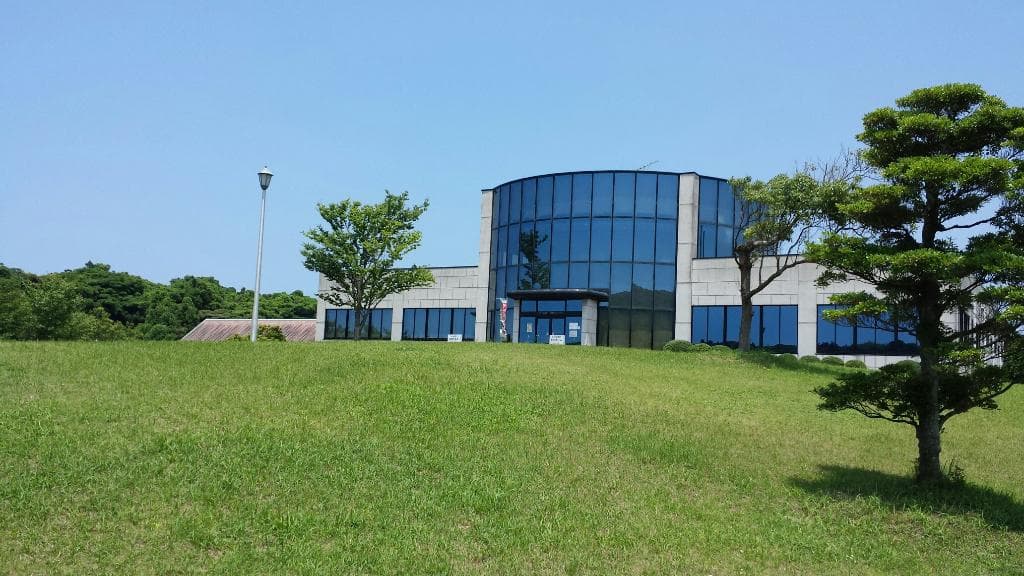
Doigahama Site Museum
Uncover the secrets of the Yayoi period through ancient human remains and trade artifacts at this quiet coastal museum.

Highlights
Must-see attractions

Social
From TikTok & Reddit
Best Time
Quiet atmosphere, attentive staff
Doigahama Site Museum
Best Time
Quiet atmosphere, attentive staff
Highlights
Must-see attractions
Uncover the secrets of the Yayoi period through ancient human remains and trade artifacts at this quiet coastal museum.
"A truly fruitful time as it was possible to infer and speculate on various things from the excavated items found here."
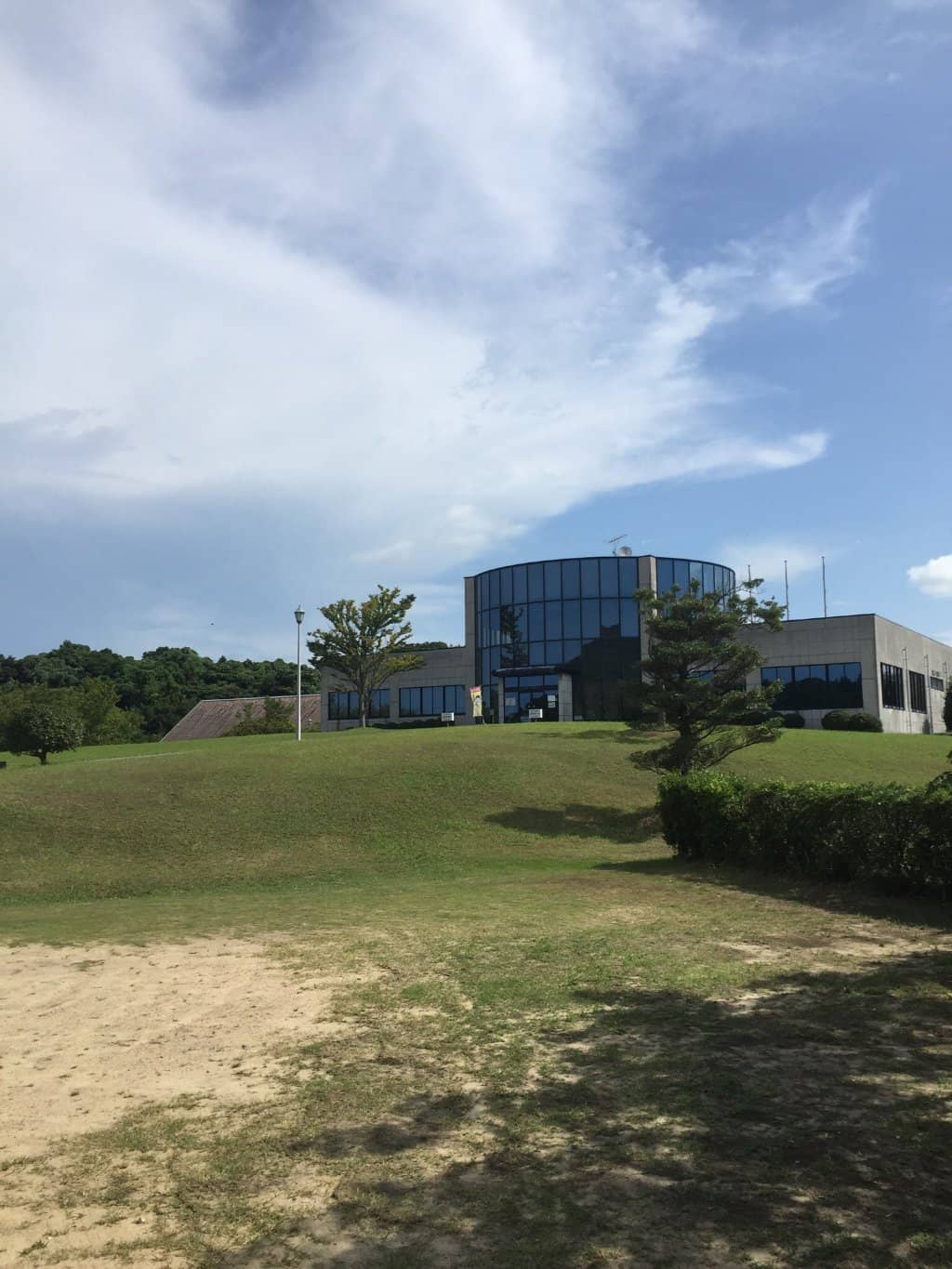
🚗 Self-Drive Recommended
Easier access and parking compared to public transport. Ideal for exploring the coastal region.
💰 Affordable Entry Fee
General admission is only 200 yen, making it a budget-friendly cultural experience.

Quick Facts
Hours
Rating
4.1 · 228 reviews
Type
Museum
Highlights
Discover the most iconic attractions and experiences
Doigahama Dome Replica
Annex
A faithful reproduction of the ancient Yayoi period cemetery, offering a tangible glimpse into the past.

Excavated Human Bones
Main Exhibition Hall
Discover unique Yayoi period facial characteristics that offer insights into the formation of the Japanese people.

Shell Ornaments
Main Exhibition Hall
Witness evidence of the extensive trade networks of the Yayoi period, revealed through unearthed shell artifacts.
Plans like a pro.
Thinks like you
Planning Your Visit
Beat the Crowds & Maximize Your Visit
Understanding the Exhibits
Best Times
Insider Tips
from TikTok, Instagram & Reddit
🚗 Self-Drive Recommended
Easier access and parking compared to public transport. Ideal for exploring the coastal region.
💰 Affordable Entry Fee
General admission is only 200 yen, making it a budget-friendly cultural experience.
🤔 Take the Quiz!
Engage with the museum's quiz to test your knowledge and deepen your understanding of the exhibits.
🛍️ Support a Hidden Gem
Consider purchasing souvenirs to support this less-visited but historically significant museum.
Tips
from all over the internet
🚗 Self-Drive Recommended
Easier access and parking compared to public transport. Ideal for exploring the coastal region.
💰 Affordable Entry Fee
General admission is only 200 yen, making it a budget-friendly cultural experience.
🤔 Take the Quiz!
Engage with the museum's quiz to test your knowledge and deepen your understanding of the exhibits.
🛍️ Support a Hidden Gem
Consider purchasing souvenirs to support this less-visited but historically significant museum.
📅 Check Holiday Schedule
Closed on Mondays, but open on holidays. Note substitute holidays for a smooth visit.
What Travellers Say
Reviews Summary
Visitors praise the Doigahama Site Museum for its affordable entry and the fascinating insights it offers into the Yayoi period, particularly through its replica cemetery and analysis of human bones and trade networks. However, some feel the exhibits could be more extensive in terms of grave goods and updated research methods. The museum's quiet, uncrowded atmosphere is a significant plus for those seeking a more personal historical experience.
"There are not many exhibits, but the Doigahama Dome in the annex is a replica and well worth seeing. It's a shame that the wooden walkway in the adjacent park has rotted away and collapsed."
知之
"Doigahama Ruins are probably well known to almost 100% of people who have dabbled in archaeology.
The exhibits, which give a good understanding of the excavation conditions, are excellent.
However, my honest impression is that although a large number of human bones have been excavated, there are very few grave goods, so it's lacking in things to see.
Also, while the exhibits present the results of research inferred from the characteristics of the bones, it is suspicious that there is not a single display of the results of research using DNA analysis, which has become popular in recent years.
If research results are not updated, the appeal of the ruins will continue to decline. It's a shame for such a fine facility."
Satoru Yokozawa
"Attention!
If you feel like you've enjoyed this area after seeing Motonosumi Shrine and Tsunoshima Island, you're still being naive!
It would be a waste to come all the way here and not see the Doigahama Ruins Anthropological Museum
It's basically a reproduction of the remains of an ancient Yayoi period cemetery and an exhibition facility for excavated items
In fact, my knowledge of the Yayoi period, which was limited to what I learned in social studies classes when I was a student, has been multiplied several times here (I'm ashamed of myself for thinking I knew about the Yayoi period only from Yayoi pottery, farming, raised-floor storehouses, and Himiko and Iyo at best)
It was a truly fruitful time as it was possible to infer and speculate on various things from the excavated items found here
The name may seem too formal and intimidating, but it's actually a wonderful facility that even elementary school children can enjoy.
The tourist spots mentioned above have ridiculous lines of people waiting for a parking space to open up, but this place was no problem.
I had so much fun that I bought souvenirs and even played the sticker gacha lol.
(。⊿°」∠)モッモッ
By the way, it's closed on Mondays, but it's open on holidays (instead, the following Tuesday is a substitute holiday. Google Maps, do your job)
I recommend doing the quiz at the end. There are some questions that you won't understand unless you watch the whole thing.
I'll stop by next time I come."
ひなりチャンネル
What People Like
What People Dislike
Frequently Asked Questions
🚇 🗺️ Getting There
Self-driving is strongly recommended for easier access and parking. Public transport options are limited. If driving from Shimonoseki City, it's a scenic coastal route.
Yes, parking is generally available and not an issue, especially on weekdays, unlike more popular nearby attractions.
While possible, it's less convenient. Research local bus routes from Shimonoseki Station, but be prepared for longer travel times and fewer options.
Yes, the museum is located in the coastal sand dunes and is accessible by road, making it a good stop for those exploring the Yamaguchi coast.
Many visitors combine it with Motonosumi Shrine and Tsunoshima Island. A self-drive approach makes this feasible.
🎫 🎫 Tickets & Entry
General admission is 200 yen, with discounts for college students (100 yen) and groups. Residents over 65 in Shimonoseki and Kitakyushu Cities also pay a reduced fee of 100 yen.
The museum is closed on Mondays. It is open on holidays, with the following Tuesday serving as a substitute holiday. It's advisable to check official sources for exact hours.
Advance booking is generally not required due to lower visitor numbers. Tickets can be purchased at the museum.
Yes, group discounts are available for parties of 20 or more people.
The primary fee is for the museum and its exhibits. Access to the general ruins area might be free, but the main attractions are within the museum.
🎫 🏛️ Onsite Experience
The museum features exhibits on excavation conditions, Yayoi period human bones with unique characteristics, and shell ornaments revealing ancient trade networks. The Doigahama Dome is a replica of the cemetery.
Yes, the museum is described as wonderful and enjoyable for elementary school children, with interactive elements like a quiz.
The museum offers a quiz at the end of the exhibits, which is recommended for a deeper understanding of the Yayoi period.
The Doigahama Dome, located in the annex, is a replica of the ancient Yayoi period cemetery, providing a visual representation of the burial site.
A visit can take anywhere from 1 to 2 hours, depending on your interest in archaeology and whether you complete the quiz.
🍽️ 🍽️ Food & Dining
There are no specific dining facilities mentioned within the museum itself. It's advisable to plan for meals before or after your visit in nearby Shimonoseki City.
Typically, food and drinks are not allowed inside exhibition halls of museums. It's best to consume them outside the premises.
Restaurants are scarce directly around the museum. Shimonoseki City offers a wider variety of dining options, from local seafood to casual eateries.
While not specific to the museum, the Shimonoseki area is known for its fresh seafood, particularly fugu (pufferfish) if you're adventurous.
Information regarding a cafe or snack bar is not readily available, suggesting it's unlikely to be a significant feature.
📸 📸 Photography
Photography policies can vary. It's best to check for signage at the entrance or ask staff. Flash photography is often prohibited to protect exhibits.
The Doigahama Dome replica and the displays of human bones and shell ornaments offer unique photographic subjects. The coastal setting also provides scenic views.
Generally, personal use photography is permitted unless otherwise stated. Commercial photography usually requires special permission.
Weekday mornings or afternoons offer fewer crowds, allowing for more unobstructed shots. Natural light inside the museum will depend on its design.
The surrounding coastal dunes and ruins area are likely open for photography, offering a more natural and expansive backdrop.




Social
from TikTok, Instagram & Reddit