Kozan-ji Temple Chofu
A historically pivotal temple, Kozan-ji is a National Treasure and the birthplace of the Meiji Restoration, offering serene beauty year-round.
Highlights
Must-see attractions

Social
From TikTok & Reddit
Best Time
Quiet and beautiful
Kozan-ji Temple Chofu
Best Time
Quiet and beautiful
Highlights
Must-see attractions
A historically pivotal temple, Kozan-ji is a National Treasure and the birthplace of the Meiji Restoration, offering serene beauty year-round.
"A must-see for its historical weight and architectural splendor, especially breathtaking in autumn."
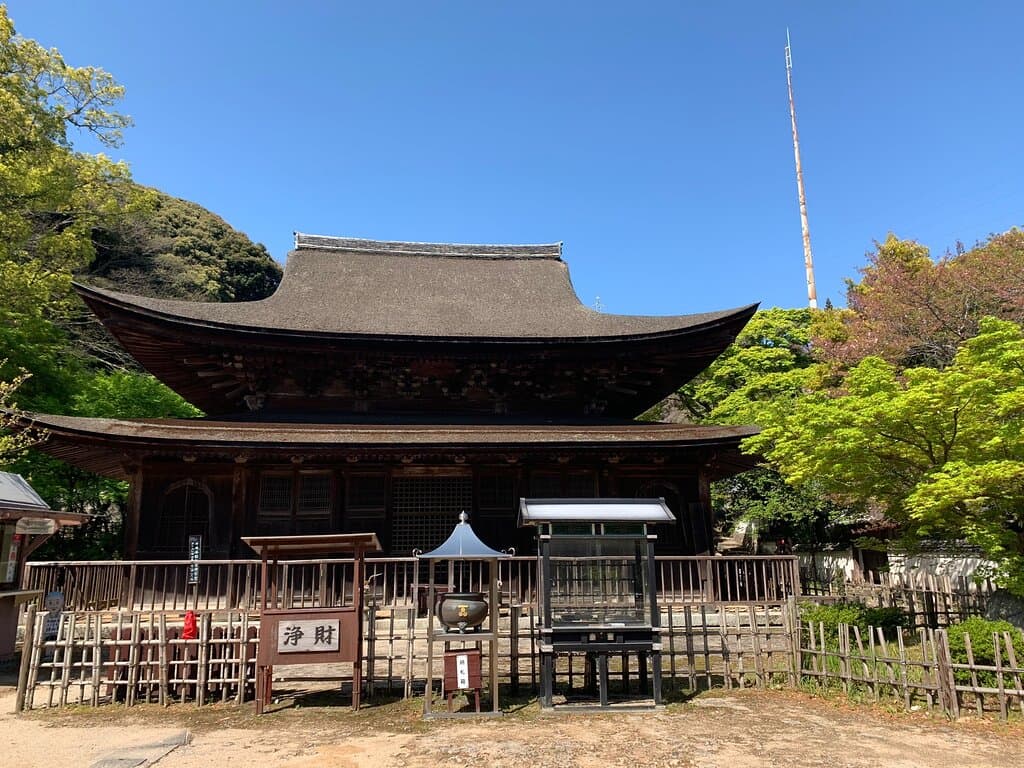
📸 Watch for Power Lines
Some visitors note that power lines can interfere with photos of the main temple building .
🚗 Parking Availability
Parking is available near the main gate and up the slope to the right, leading to the main hall .
Quick Facts
Hours
Rating
4.2 · 720 reviews
Type
Place of Worship
Highlights
Discover the most iconic attractions and experiences
National Treasure Buddhist Hall
Main temple grounds
Admire the classic Kamakura-period architecture of this designated National Treasure, a testament to centuries of history.
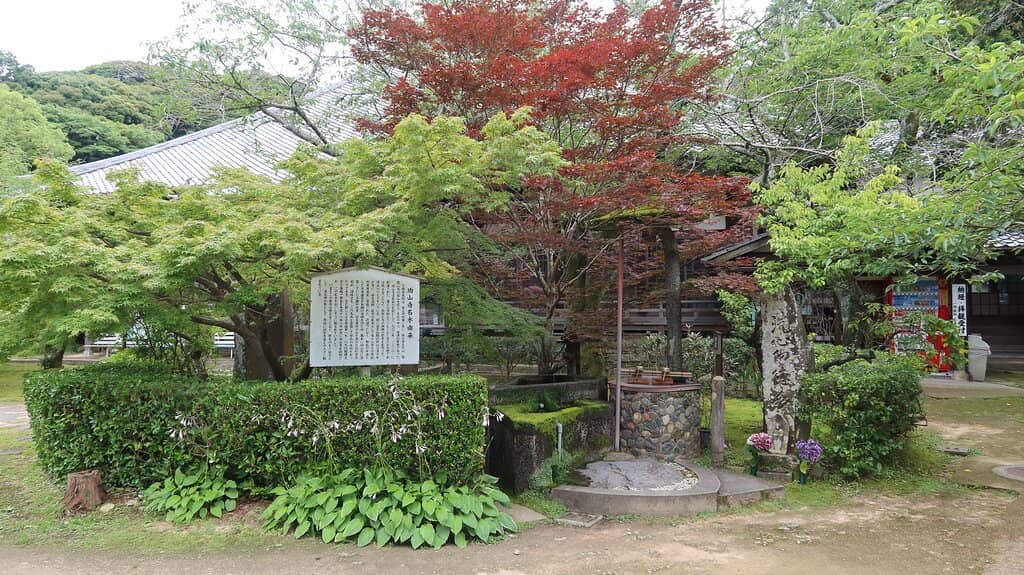
Takasugi Shinsaku Statue
Temple grounds
See the bronze statue of the influential figure who launched his uprising here, a key moment in the Meiji Restoration.
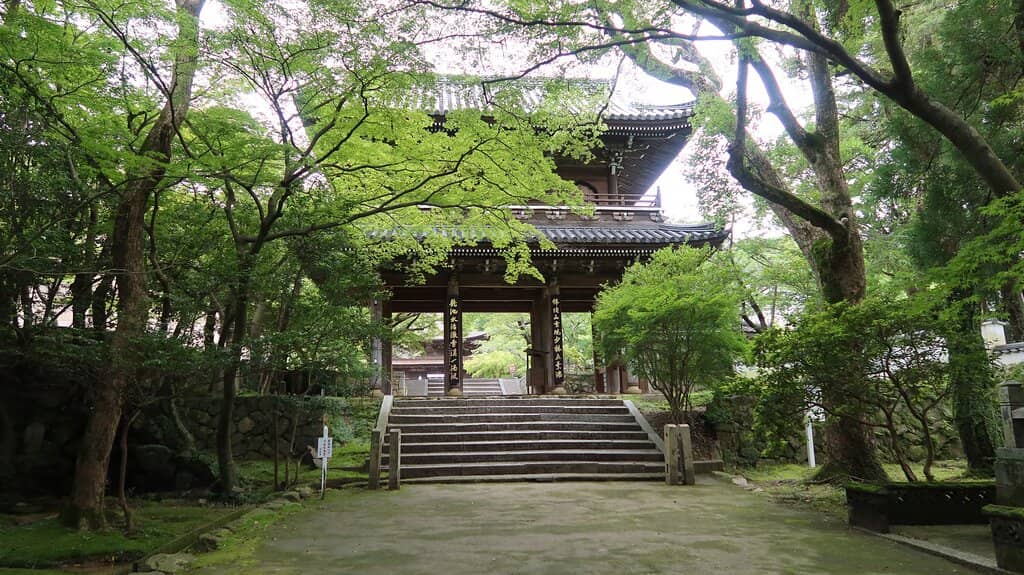
Autumn Foliage
Temple grounds
Experience the breathtaking beauty of vibrant red and gold leaves blanketing the temple grounds during the fall season.
Plans like a pro.
Thinks like you
Planning Your Visit
Timing is Key for Fall Foliage
Historical Significance & Photography
Best Times
Insider Tips
from TikTok, Instagram & Reddit
📸 Watch for Power Lines
Some visitors note that power lines can interfere with photos of the main temple building.
🚗 Parking Availability
Parking is available near the main gate and up the slope to the right, leading to the main hall.
🚶♀️ Serene Approach
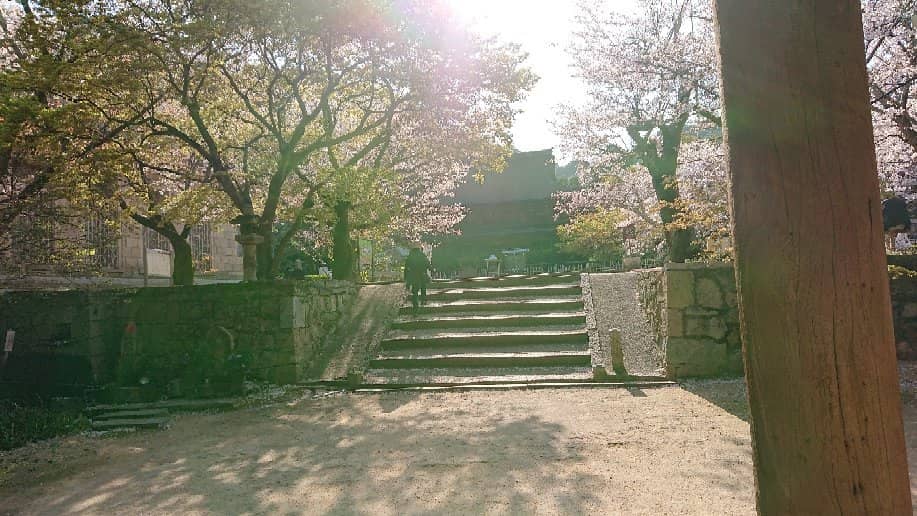
The tall trees lining the entrance create a calming atmosphere, encouraging quiet reflection.
🌸 Spring vs. Autumn
Spring offers a quiet visit, while autumn is stunning but busier due to the colorful leaves.
Tips
from all over the internet
📸 Watch for Power Lines
Some visitors note that power lines can interfere with photos of the main temple building.
🚗 Parking Availability
Parking is available near the main gate and up the slope to the right, leading to the main hall.
🚶♀️ Serene Approach
The tall trees lining the entrance create a calming atmosphere, encouraging quiet reflection.
🌸 Spring vs. Autumn
Spring offers a quiet visit, while autumn is stunning but busier due to the colorful leaves.
What Travellers Say
Reviews Summary
Kozan-ji Temple is lauded for its profound historical significance, particularly its role in the Meiji Restoration, and its architectural beauty as a National Treasure. Visitors appreciate the serene atmosphere, especially the calming approach through tall trees, and the stunning seasonal foliage in autumn. However, some find photography challenging due to power lines and have had mixed experiences with staff regarding services like goshuin stamps.
"Kōzan-ji in Chōfu is more than just a temple—it's a key site in Japanese history.
Founded in 1327, it's where Takasugi Shinsaku launched his uprising that helped spark the Meiji Restoration.
The main temple building at Kōzan-ji is a designated National Treasure, showcasing classic Kamakura-period architecture.
If you're visiting Chōfu, this is absolutely a must-see.
As I passed through the tall trees lining the entrance, I felt a heavy, calming silence settle over me—
the kind that makes you instinctively lower your voice.
(That said, as someone who enjoys photography, I did find it a little tricky to capture the main temple building from the approach,
since some low-hanging power lines get in the way of a clean shot… haha.)"
기민주
"I went in spring and it was beautiful, quiet, no people. Apparently, in autumn is quite busy due to the beautiful colourful leaves on the trees."
Ricardo QE
"Founded in 1327, this temple's beautifully curved roof and Buddhist hall are designated as a National Treasure.
It flourished as a place of deep reverence for samurai such as the Ouchi clan, but in 1557, Ouchi Yoshinaga, pursued by the Mori clan, committed suicide in the Buddhist hall, and the temple fell into decline.
[Yoshinaga's grave still remains, located about 100 meters behind and to the left of the Mori family graveyard.]
In 1602, the temple was restored as the family temple of the Mori clan, and under their patronage, the temple's fortunes grew. It has regained its former glory.
During the end of the Edo period, five nobles, including Sanjo Sanetomi, famous for being one of the Seven Nobles who fled the country, stayed here. It is also the place where Takasugi Shinsaku raised an army with only 80 men, and is said to be the birthplace of the Meiji Restoration.
From the main gate to the temple gate, tall trees grow abundantly, creating a charming approach to the temple. The area will become even more beautiful during the upcoming autumn foliage season, attracting many tourists.
Parking is available in the space next to the main gate and up the slope to the right of the main gate (this will take you to the main hall)."
庵地Hero
What People Like
What People Dislike
Frequently Asked Questions
🚇 🗺️ Getting There
Kozan-ji Temple is located in Chofu. While specific public transport details are scarce, driving is a viable option with parking available near the main gate and up a slope to the right. For those relying on public transport, consider routes to Shimonoseki and then local connections, though this may require further research.
Information on direct public transport to Kozan-ji Temple is limited. It's recommended to check local bus or train schedules for Shimonoseki or Chofu and plan accordingly. Driving is often more straightforward.
Kozan-ji Temple is located in Chofu, which is a considerable distance from Onomichi. Travelers often visit it as part of a broader trip in the Hiroshima or Shimonoseki region. If traveling from Onomichi, consider a combination of Shinkansen and local trains, or a dedicated driving route.
Parking is available near the main gate and up a slope to the right of the main gate, which leads to the main hall. GPS navigation to 'Kozan-ji Temple, Chofu' should guide you effectively.
Travel time will vary significantly depending on your starting point. If you are in the Shimonoseki area, it will be a shorter journey. From further afield like Onomichi, it would be a longer day trip or part of an extended itinerary.
🎫 🎫 Tickets & Entry
Entry to the grounds of Kozan-ji Temple is generally free, allowing visitors to explore the temple's historical significance and natural beauty. However, specific areas or exhibitions might have separate admission fees, though this is not commonly mentioned.
Specific opening hours for Kozan-ji Temple are not always clearly stated online. Temples in Japan typically open in the morning and close in the late afternoon. It's advisable to visit during daylight hours to fully appreciate the site.
Based on visitor accounts, there is no explicit entrance fee mentioned for the general grounds of Kozan-ji Temple. You can wander the temple complex and admire its historical structures and surroundings without charge.
Yes, souvenirs and goshuin (temple stamps) are typically available at temples like Kozan-ji. However, one reviewer mentioned an uncomfortable experience with the staff member providing the goshuin stamp.
While no major restrictions are commonly cited, it's always respectful to dress modestly when visiting religious sites in Japan. Be mindful of temple etiquette, such as speaking softly and refraining from disruptive behavior.
🎫 🧭 Onsite Experience
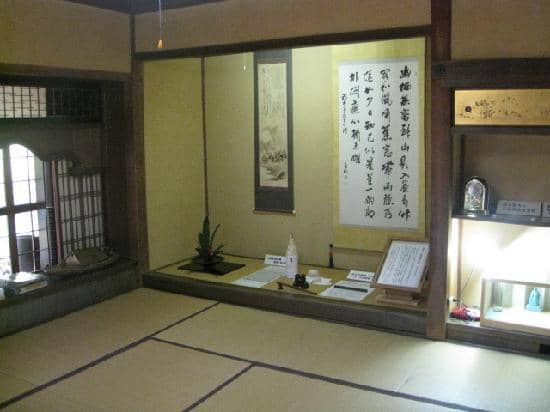
Key attractions include the National Treasure Buddhist Hall, the bronze statue of Takasugi Shinsaku, the room where the Seven Elders lived, and the historically significant grounds that played a role in the Meiji Restoration.
Kozan-ji Temple offers beautiful scenery, especially during autumn foliage. However, some visitors have noted that low-hanging power lines can obstruct clear shots of the main temple building.
Kozan-ji Temple is historically significant as the site where Takasugi Shinsaku launched his uprising, a pivotal event that helped spark the Meiji Restoration. It also has a history tied to samurai clans like the Ouchi and Mori.
The temple is beautiful year-round, but it's particularly stunning in autumn when the foliage turns vibrant colors. Spring is also a good time for a quieter visit.
Information on official guided tours is not readily available. However, the historical context and points of interest are well-documented, allowing for an enriching self-guided visit.
📸 📸 Photography
The approach through the tall trees offers a serene atmosphere for photos. The National Treasure Buddhist Hall and the Takasugi Shinsaku statue are also key subjects. Be mindful of potential obstructions like power lines near the main hall.
Photography rules can vary at Japanese temples. It's best to look for signage indicating where photography is permitted or prohibited. Generally, interior photography might be restricted in sacred areas.
Drone usage is often restricted at religious sites and historical landmarks due to privacy concerns and potential disturbance. It's highly recommended to check local regulations and temple policies before flying a drone.
A versatile lens like a 24-70mm is useful for capturing both wider temple grounds and architectural details. A prime lens with a wider aperture can be good for lower light conditions. Consider a polarizing filter to enhance the colors of foliage and sky.
Visit during the golden hours (early morning or late afternoon) for softer light. During autumn, focus on capturing the interplay of the temple architecture with the vibrant fall colors. Be patient to avoid crowds during peak times.


Social
from TikTok, Instagram & Reddit