Gishodo Suwako Watch & Clock Museum
Discover a world of timekeeping marvels, from intricate clocks to a giant mechanical water clock, plus a fascinating obsidian history exhibit.
Highlights
Must-see attractions

Social
From TikTok & Reddit
Best Time
Witness the water clock's spectacle
Gishodo Suwako Watch & Clock Museum
Best Time
Witness the water clock's spectacle
Highlights
Must-see attractions
Discover a world of timekeeping marvels, from intricate clocks to a giant mechanical water clock, plus a fascinating obsidian history exhibit.
"A collection of clocks is amazing, and a huge clock behind the main building is indeed something worthwhile."
🎟️ Admission Fees
The Clock Museum and Obsidian Museum have separate admission fees. Plan accordingly for your visit! 🎟️
💧 Water Clock Demo
Catch the water clock demonstration that runs hourly for a unique engineering spectacle. :iphone:
Quick Facts
Hours
Rating
4.1 · 228 reviews
Type
Museum
Highlights
Discover the most iconic attractions and experiences
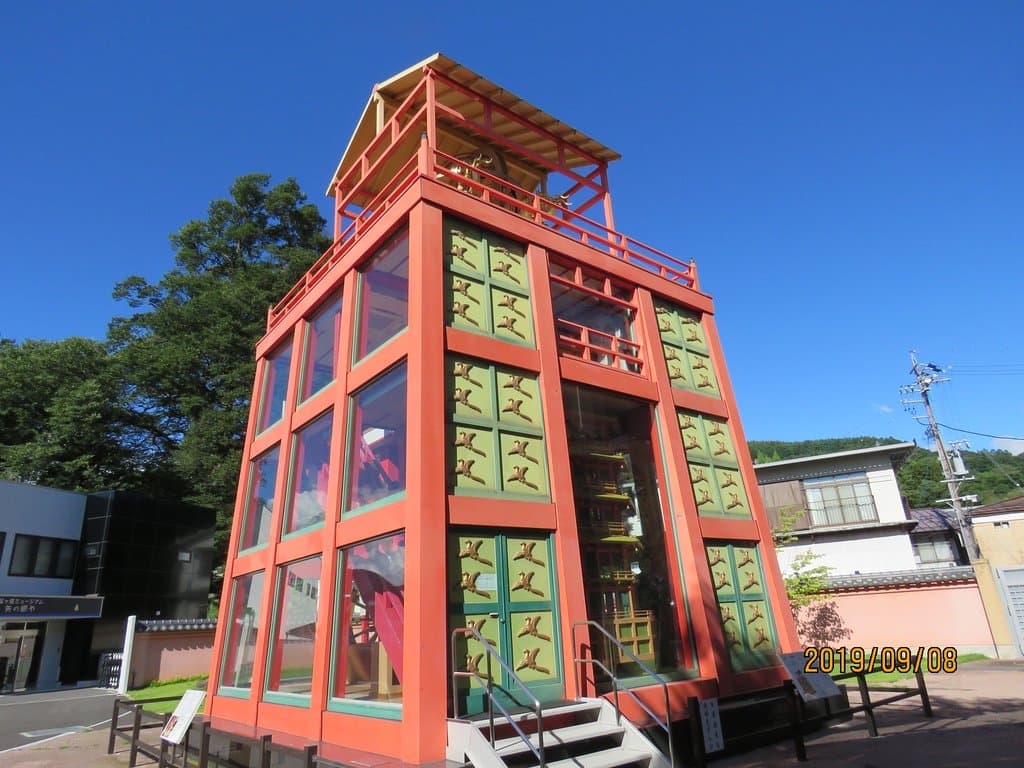
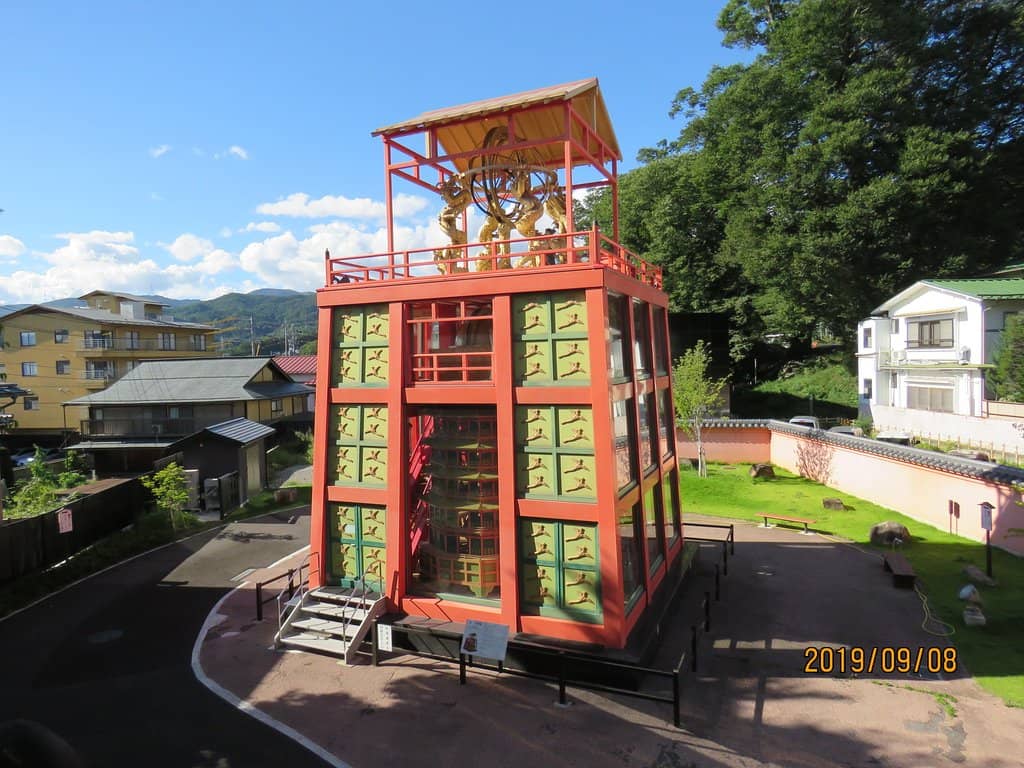
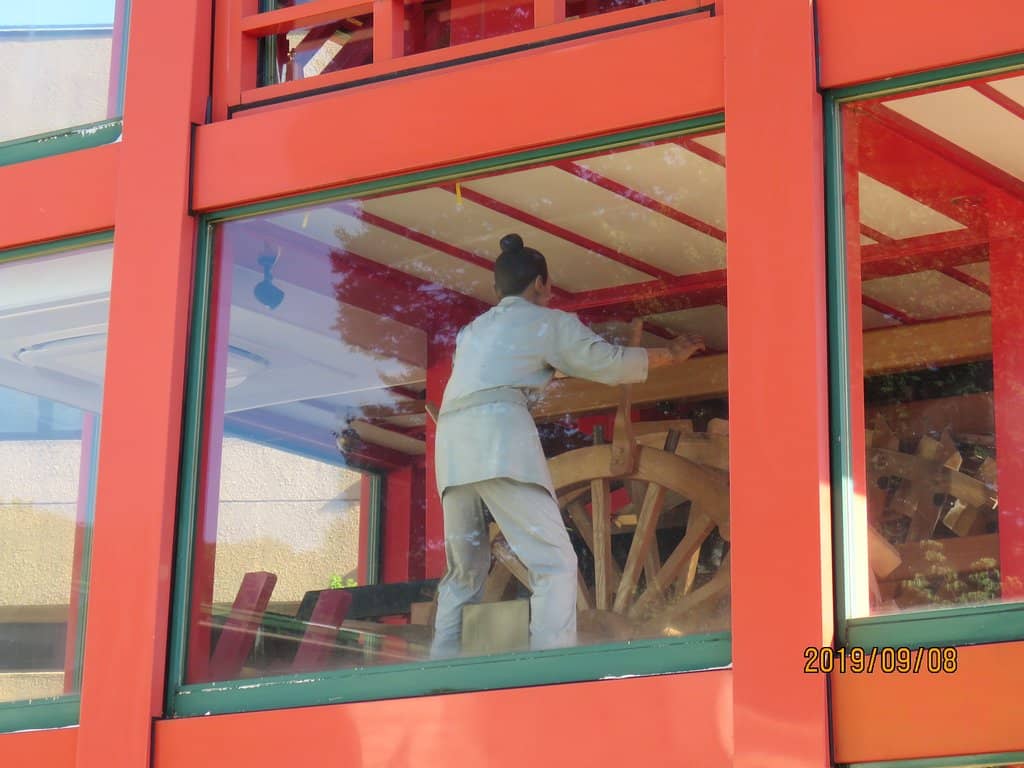
Giant Mechanical Water Clock
Courtyard
A colossal, engineering marvel that demonstrates ancient timekeeping with a captivating hourly show.
Obsidian Exhibit
Hoshigato Museum
Discover the Jomon period's obsidian mining history in this surprisingly serious archaeological display.
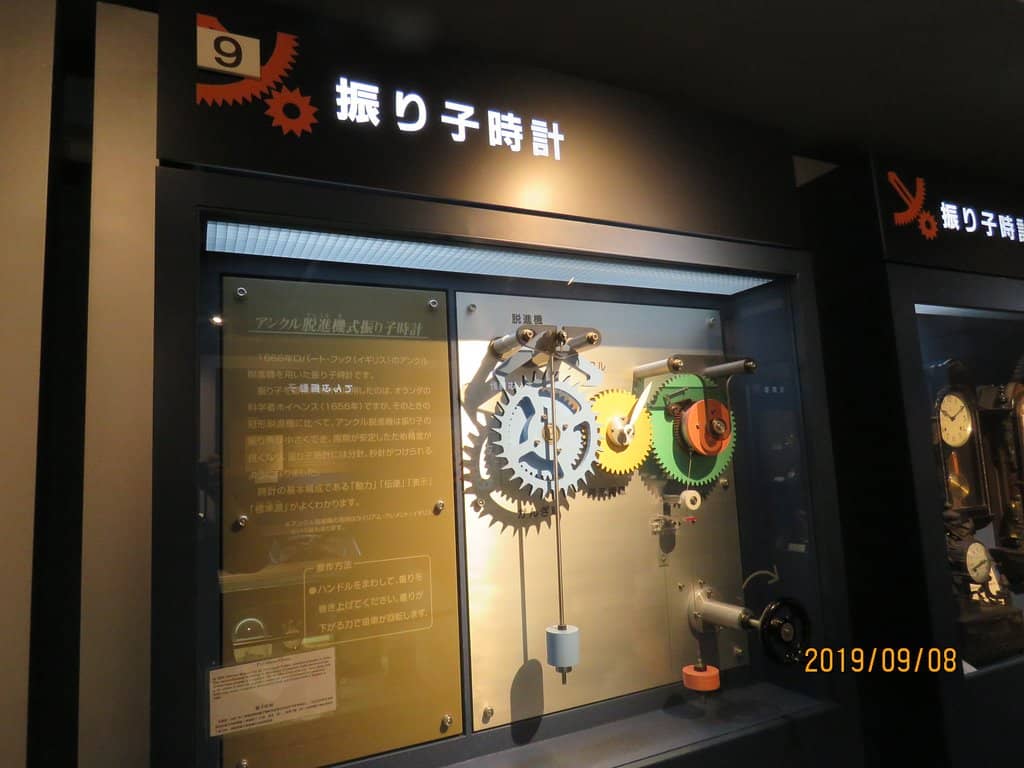
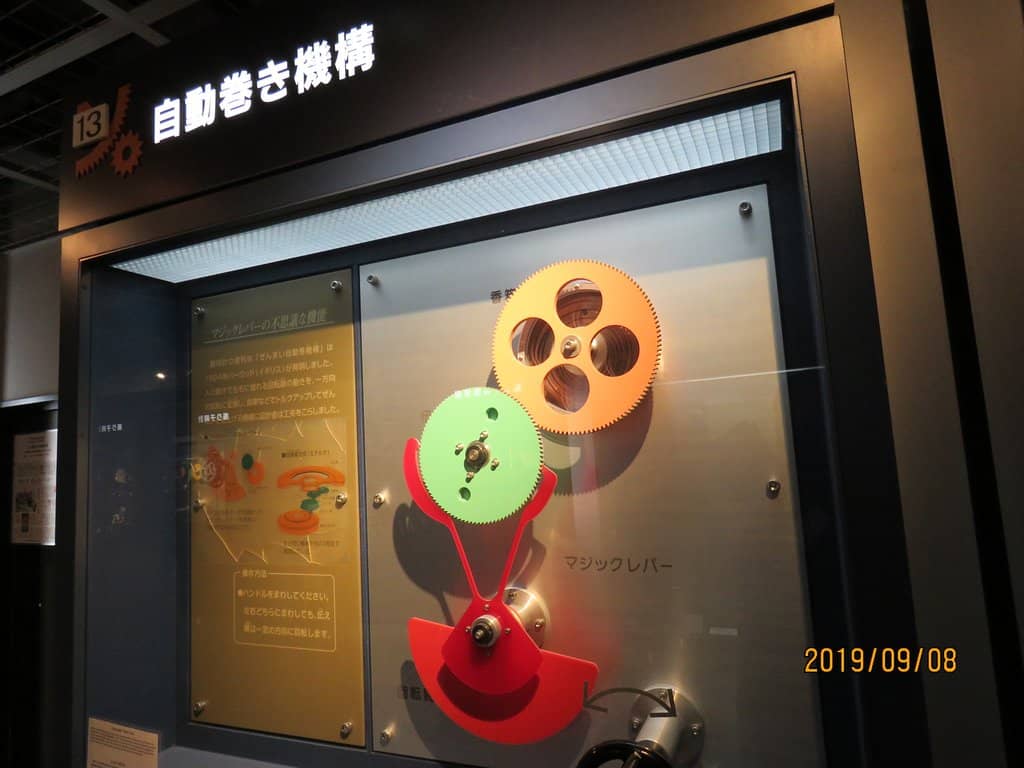
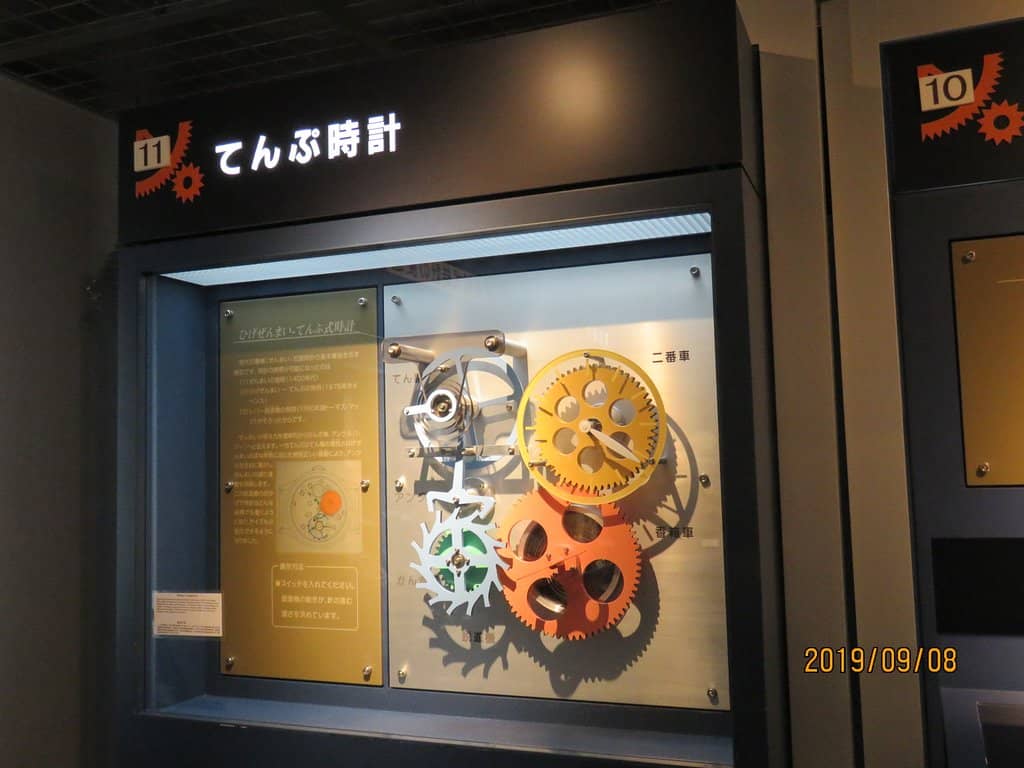
Interactive Clockwork Section
Clock Museum
Engage with clock mechanisms and learn about horology in a hands-on exhibit, fun for all ages.
Plans like a pro.
Thinks like you
Planning Your Visit
Clockwork Wonders & Obsidian Insights
Beyond the Exhibits
Best Times
Insider Tips
from TikTok, Instagram & Reddit
🎟️ Admission Fees
The Clock Museum and Obsidian Museum have separate admission fees. Plan accordingly for your visit! 🎟️
💧 Water Clock Demo
Catch the water clock demonstration that runs hourly for a unique engineering spectacle. :iphone:
🚲 Bike Rentals Available
The museum also offers bicycle rentals, perfect for exploring the surrounding Suwa area. :athletic_shoe:
👨👩👧👦 Kid-Friendly Learning
The interactive clockwork section is great for kids to learn about timekeeping hands-on. :child:
Tips
from all over the internet
🎟️ Admission Fees
The Clock Museum and Obsidian Museum have separate admission fees. Plan accordingly for your visit! 🎟️
💧 Water Clock Demo
Catch the water clock demonstration that runs hourly for a unique engineering spectacle. :iphone:
🚲 Bike Rentals Available
The museum also offers bicycle rentals, perfect for exploring the surrounding Suwa area. :athletic_shoe:
👨👩👧👦 Kid-Friendly Learning
The interactive clockwork section is great for kids to learn about timekeeping hands-on. :child:
What Travellers Say
Reviews Summary
Visitors praise the museum's unique collection of clocks, especially the impressive giant mechanical water clock and its hourly demonstration. The interactive clockwork section is a hit with families, and the obsidian exhibit offers a fascinating historical perspective. Some note that the paid sections are not overly large, but the overall experience is considered worthwhile and engaging.
"A collection of clocks is amazing. And a huge clock behind the main building is indeed something worthwhile."
Ren Kurihara
"I mainly visited to view the obsidian exhibit, which is fascinating, but there are other wonderful exhibits there, including a giant mechanical water clock in their courtyard that will sound you with its engineering."
Adam Goodwin
"The huge clock reproduced is a masterpiece."
Tsuyoshi Shiohara
What People Like
What People Dislike
Frequently Asked Questions
🚇 🗺️ Getting There
The museum is accessible by public transport. From Suwa Station, it's a short bus ride or a pleasant walk. Many visitors also rent bicycles from the museum itself to explore the area.
Yes, there is parking available for visitors. It's convenient if you're arriving by car, especially if you plan to explore other attractions in Suwa.
Absolutely! The museum offers bicycle rentals, making it a great starting point for exploring Lake Suwa and its surroundings.
Yes, it's a fantastic stop for a day trip, offering a mix of history, engineering, and local information. You can easily spend a couple of hours here.
From Tokyo, take the JR Chuo Line Limited Express to Kamisuwa Station, then follow the directions above. The journey takes approximately 2.5 to 3 hours.
🎫 🎫 Tickets & Entry
The exterior exhibits and tourist information center are free to access. However, the Clock Museum and the Obsidian Museum (Hoshigato Museum) require separate admission fees.
Opening hours can vary, but generally, the museums are open during typical daytime hours. It's always best to check their official website or inquire locally for the most up-to-date information.
Information on discounts for students, seniors, or group rates is not widely publicized. It's advisable to inquire at the ticket counter upon arrival.
Currently, there's no indication of online ticket purchasing. Tickets are typically bought on-site at the museum entrance.
No, the Clock Museum and the Obsidian Museum are separate paid attractions. You will need separate tickets for each if you wish to visit both.
🎫 🧭 Onsite Experience
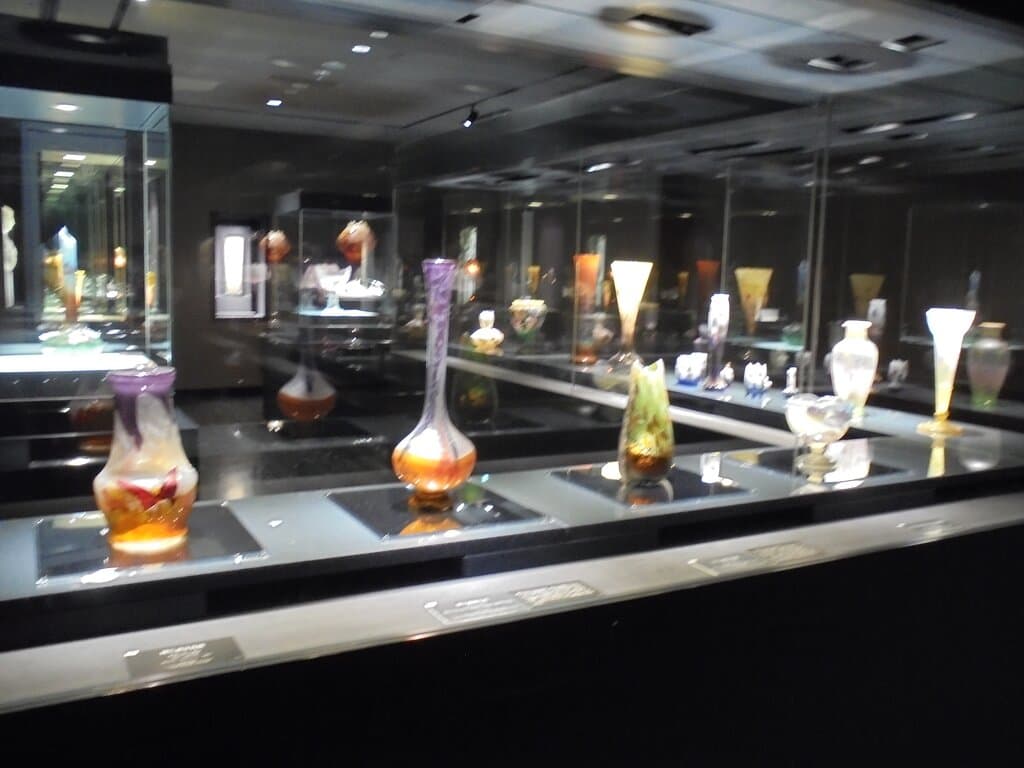
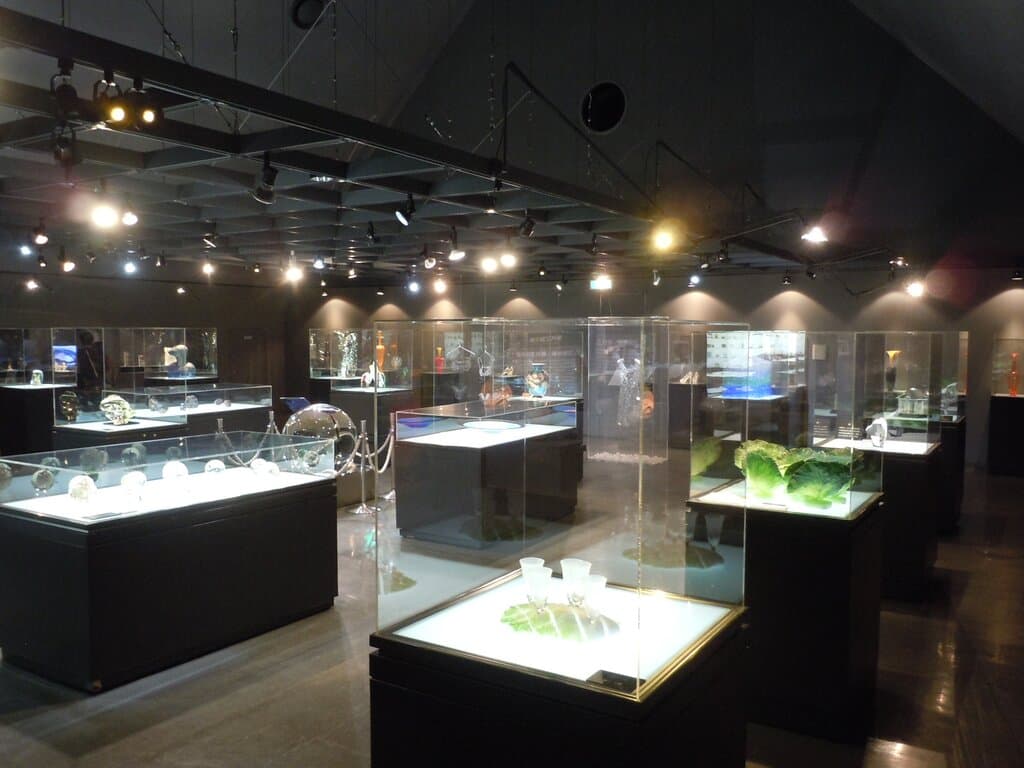
The Clock Museum features a diverse collection of timepieces, including a fascinating section where you can interact with clockwork mechanisms. It's designed to be educational and engaging for visitors of all ages.
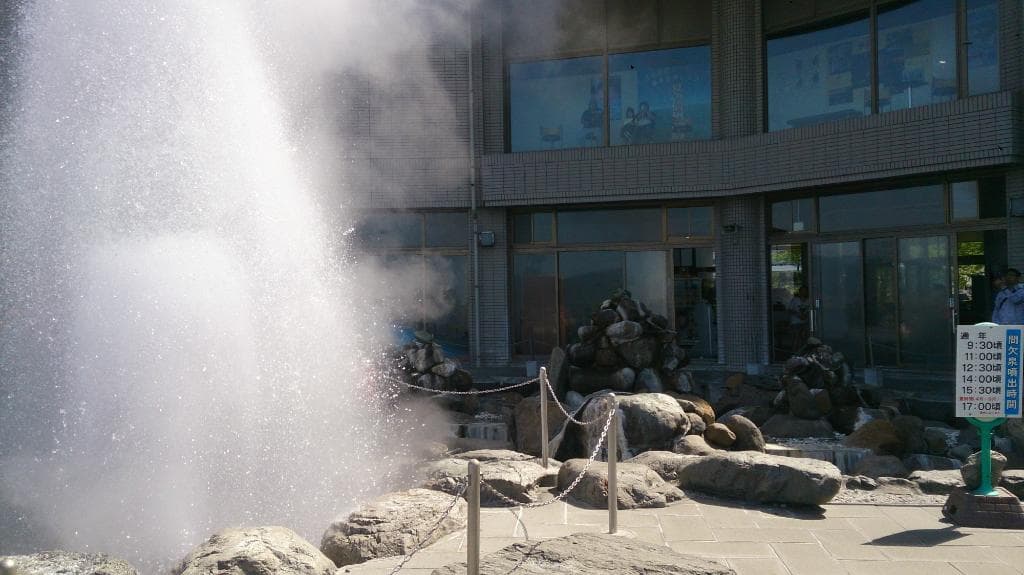
The impressive mechanical water clock in the courtyard is a highlight. It performs a demonstration once per hour, showcasing intricate engineering that would have impressed ancient rulers.
The Hoshigato Museum focuses on the archaeology of obsidian mining during the Jomon period. It's a more serious, informative exhibit than one might expect from its name.
While not a permanent offering, there have been instances where visitors could try their hand at making a clock, especially if groups were present. Inquire about potential workshops or activities.
Yes, the interactive clockwork section is particularly enjoyable for elementary-aged children. The water clock demonstration is also a visual treat for younger visitors.
🍽️ 🍽️ Food & Dining
The museum itself does not appear to have a dedicated restaurant or cafe. However, the surrounding area in Suwa offers various dining options.
There are numerous local eateries and restaurants in the vicinity of Suwa Station and around Lake Suwa, offering Japanese cuisine and other options.
While not explicitly stated, it's generally advisable to consume outside food and drinks in designated areas or outside the museum exhibits to maintain the cleanliness and integrity of the displays.
Vending machines for drinks might be available within the museum complex, but it's best to confirm upon arrival.
Suwa is known for its local specialties, including soba noodles, freshwater fish from Lake Suwa, and various regional Japanese dishes. Exploring local restaurants is highly recommended.
📸 📸 Photography
Photography is generally allowed in most areas, but it's always wise to check for specific signage indicating 'No Photography' zones, especially for delicate exhibits.
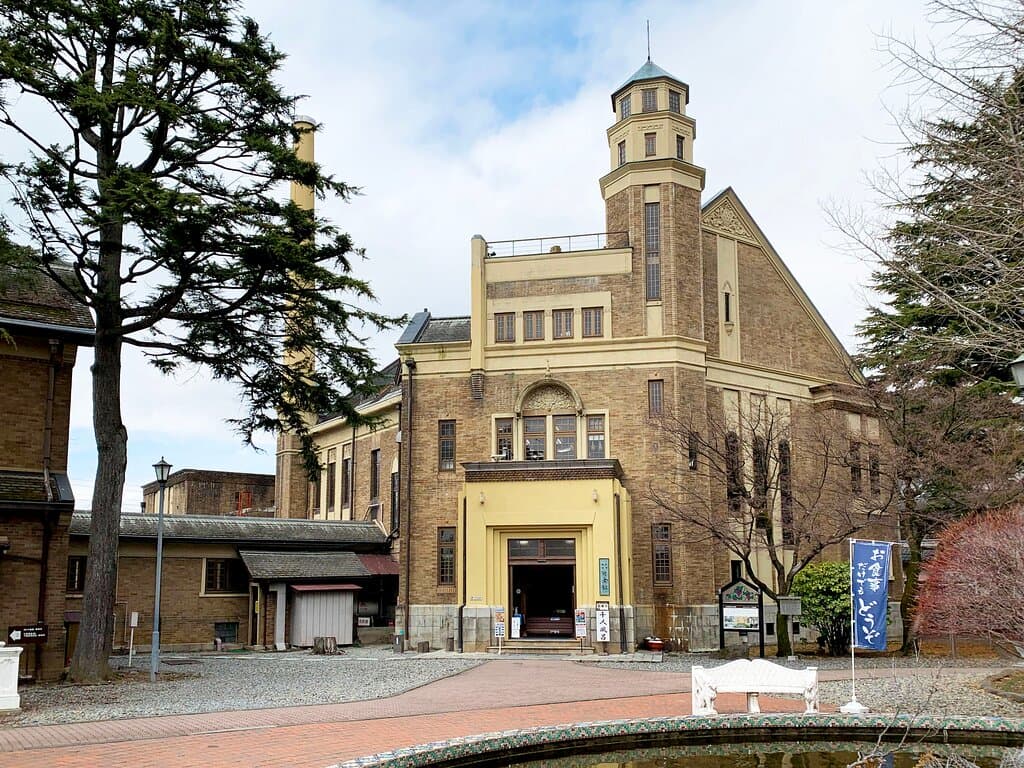
The giant mechanical water clock in the courtyard is a must-photograph. The intricate details of the clocks within the museum and the exterior architecture also make for great shots.

Yes, you can capture the water clock demonstration. It's a dynamic event, so be ready to snap some shots as it unfolds.
Flash photography might be restricted in certain areas to protect artifacts. Look for signs or ask museum staff if you're unsure.
Daytime hours offer the best natural light for photography. Consider visiting during the hourly water clock demonstration for dynamic shots.


Social
from TikTok, Instagram & Reddit