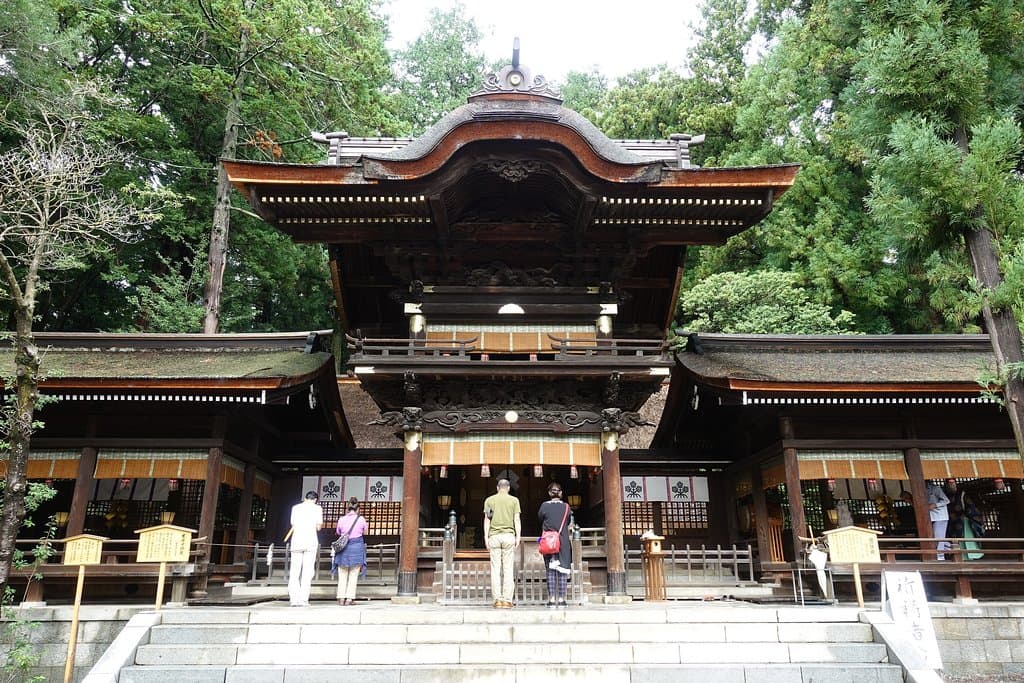
Suwa Taisha Shimosha Treasure Hall
One of Japan's oldest Shinto sites, offering a peaceful escape with ancient architecture and serene grounds.
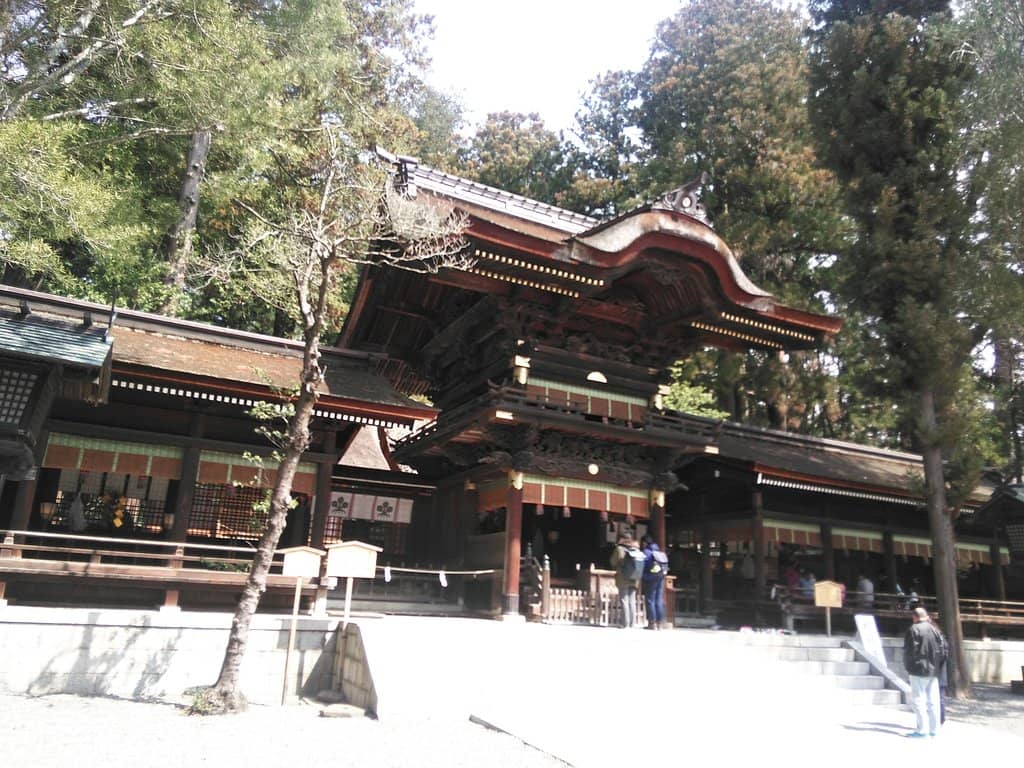
Highlights
Must-see attractions

Social
From TikTok & Reddit
Best Time
Peaceful and uncrowded
Suwa Taisha Shimosha Treasure Hall
Best Time
Peaceful and uncrowded
Highlights
Must-see attractions
One of Japan's oldest Shinto sites, offering a peaceful escape with ancient architecture and serene grounds.
"Much more relaxing and not crowded like shrines in Tokyo or Kyoto."
🎯 Arrive Early for Peace
Beat the crowds by visiting early morning for a truly tranquil experience.
📜 Learn the History
Research the shrine's ancient significance beforehand to deepen your appreciation.
Quick Facts
Hours
Rating
4.4 · 7,770 reviews
Type
Place of Worship
Highlights
Discover the most iconic attractions and experiences
Main Shrine Hall
Central area
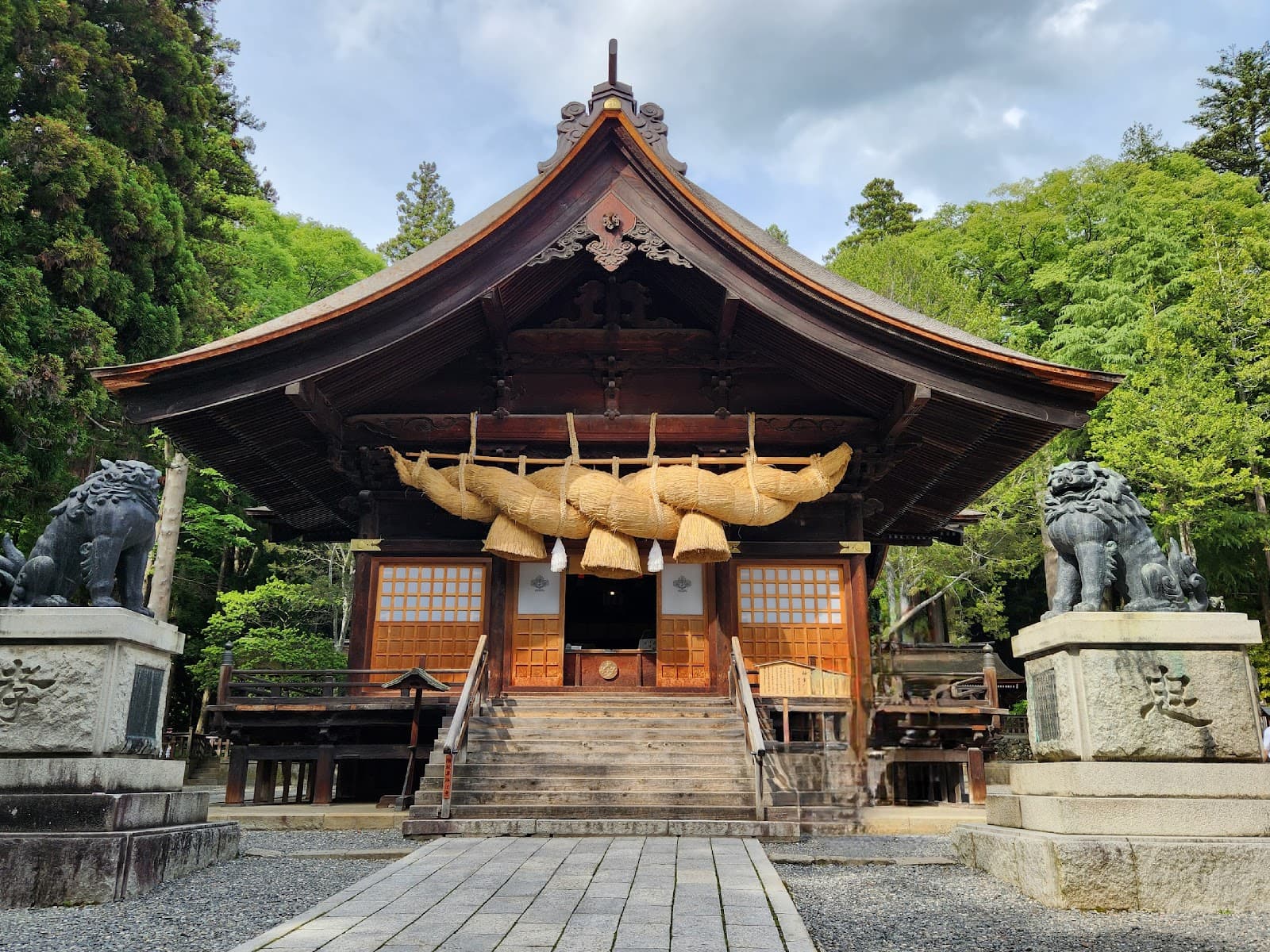
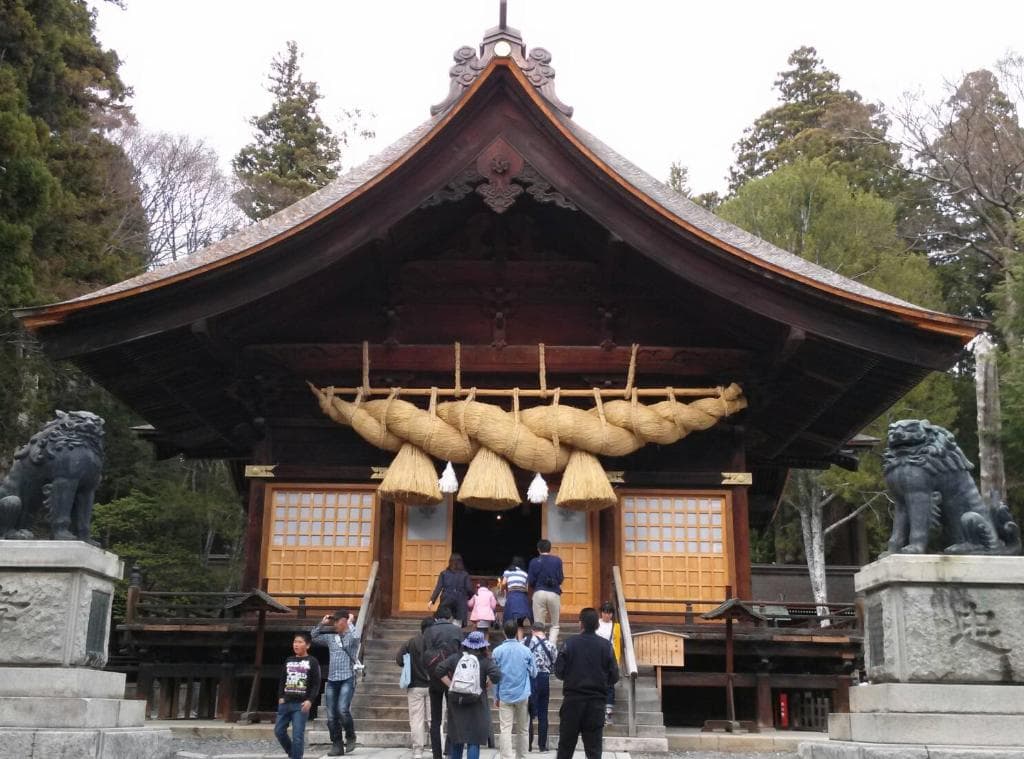
Experience the spiritual heart of the shrine, where visitors offer prayers and soak in the sacred ambiance.
Illuminated Grounds
Throughout the shrine
During special events, the shrine transforms with colorful LED lights, creating a magical, unforgettable glow.
Candle-Lit Wishes Path
To the right of the shrine
Witness a beautiful tradition of lovers' wishes written on plaques, creating a romantic and hopeful atmosphere.
Plans like a pro.
Thinks like you
Planning Your Visit
Timing is Key for Tranquility
Embrace the History
Best Times
Insider Tips
from TikTok, Instagram & Reddit
Suggestions for outdoor activities (with kids) in Nagano prefecture
My family and another family we are close with are going to Japan starting Monday/Tuesday. We have 3 weeks of our stay mostly mapped out, but are spending a couple days near Chino in Nagano as the other families wife's parents live there. We are staying in a nearby hotel, and…
🎯 Arrive Early for Peace
Beat the crowds by visiting early morning for a truly tranquil experience.
📜 Learn the History
Research the shrine's ancient significance beforehand to deepen your appreciation.
✨ Special Event Magic
Check for special events like the summer illumination for a unique, magical visit.
🛍️ Souvenir Shop Finds
Browse the small shop for unique lucky charms and beautifully crafted souvenirs.
Tips
from all over the internet
🎯 Arrive Early for Peace
Beat the crowds by visiting early morning for a truly tranquil experience.
📜 Learn the History
Research the shrine's ancient significance beforehand to deepen your appreciation.
✨ Special Event Magic
Check for special events like the summer illumination for a unique, magical visit.
🛍️ Souvenir Shop Finds
Browse the small shop for unique lucky charms and beautifully crafted souvenirs.
🚶♀️ Explore the Paths
Wander the grounds and discover hidden spots like the candle-lit wishes path.
What Travellers Say
Reviews Summary
Visitors praise Suwa Taisha Shimosha for its peaceful, uncrowded atmosphere and impressive, well-maintained grounds. The opportunity to experience special illuminated events and witness unique traditions like the candle-lit wishes path are highlights. While dining options are limited on-site, the shrine offers a relaxing and spiritually enriching experience.
"During the summer event, held alongside the fireworks festival, the shrine stayed open into the night to welcome visitors for prayer. The entire shrine was illuminated with colourful LED lights, creating a magical glow. Four tall, straight trees stood at each corner, like silent guardians watching over the grounds.
At the heart of the shrine, people queued patiently to worship and offer their prayers. We arrived a little late, so we missed the orchestra performance and the night market stalls. Still, we were warmly greeted by the staff and received a beautifully decorated paper fan, crafted with great quality. On the far side, there was also a small shop selling souvenirs such as lucky charms.
To the right of the shrine, a narrow path was lined with candle-lit wishes from lovers, hoping for a fruitful relationship. Many had written their hopes on small plaques and hung them along the wooden fence. It was such a beautiful tradition — one I truly hope continues for longer than just a single week. A heartfelt thank you to everyone who made this event possible."
Mao Heng Sun
"Was here late. Rushing for the tour around.
Impressive architecture work 🙏"
Choon Chang Lee
"This is a cool Shinto Shrine to visit if you’re close to Shimo Suwa Station. You can see everything in 15-20 minutes and not crowded like shrines in Tokyo or Kyoto. Much more relaxing."
Rick Montejano
What People Like
What People Dislike
Frequently Asked Questions
🚇 🗺️ Getting There
Suwa Taisha Shimosha is conveniently located near Shimo Suwa Station, making it easily accessible on foot. Many visitors find it a quick and pleasant walk, taking around 15-20 minutes. If you're arriving by car, there are likely parking facilities available nearby, though it's always wise to check local signage.
Yes, it is very accessible. Being close to Shimo Suwa Station means you can easily reach it via train. Local buses may also serve the area, connecting it to other parts of the city and surrounding Nagano prefecture.
Some local tours, particularly those originating from Kamisuwa Onsen hotels, may include Suwa Taisha Shimosha as part of their itinerary. These tours can offer insights into the shrine's history and local culture, sometimes even featuring local mascots.
For families, walking from Shimo Suwa Station is manageable if your children are up for a short stroll. Alternatively, a taxi or a tour that includes transportation would be more comfortable. The peaceful atmosphere makes it a good spot for a relaxed family outing.
While specific parking details can vary, shrines in Japan often have designated parking areas. It's advisable to look for official signage upon arrival. If you're concerned, arriving earlier in the day might make finding a spot easier.
🎫 🎫 Tickets & Entry
Generally, entry to the grounds of Shinto shrines like Suwa Taisha Shimosha is free. There might be separate admission fees for specific treasure halls or museums within the shrine complex, but the main shrine area is usually open to all.
Shrine grounds are typically open from early morning until late afternoon or early evening. However, during special events like the summer festival, the shrine may stay open into the night, illuminated with lights. It's best to check for specific event dates and times.
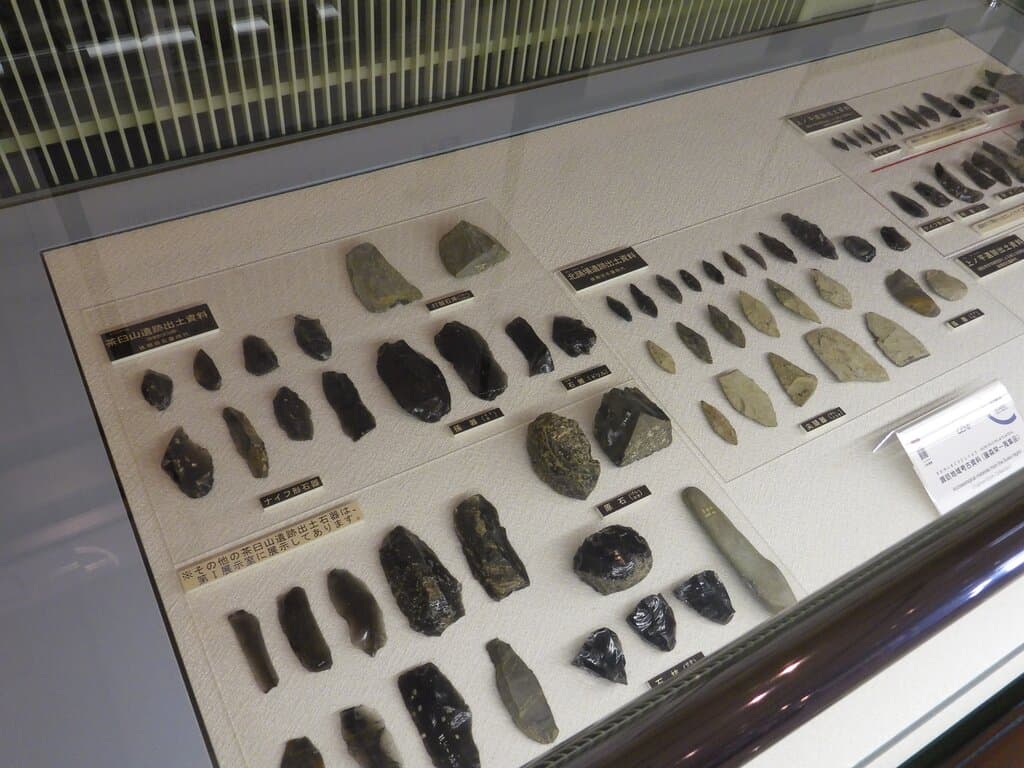
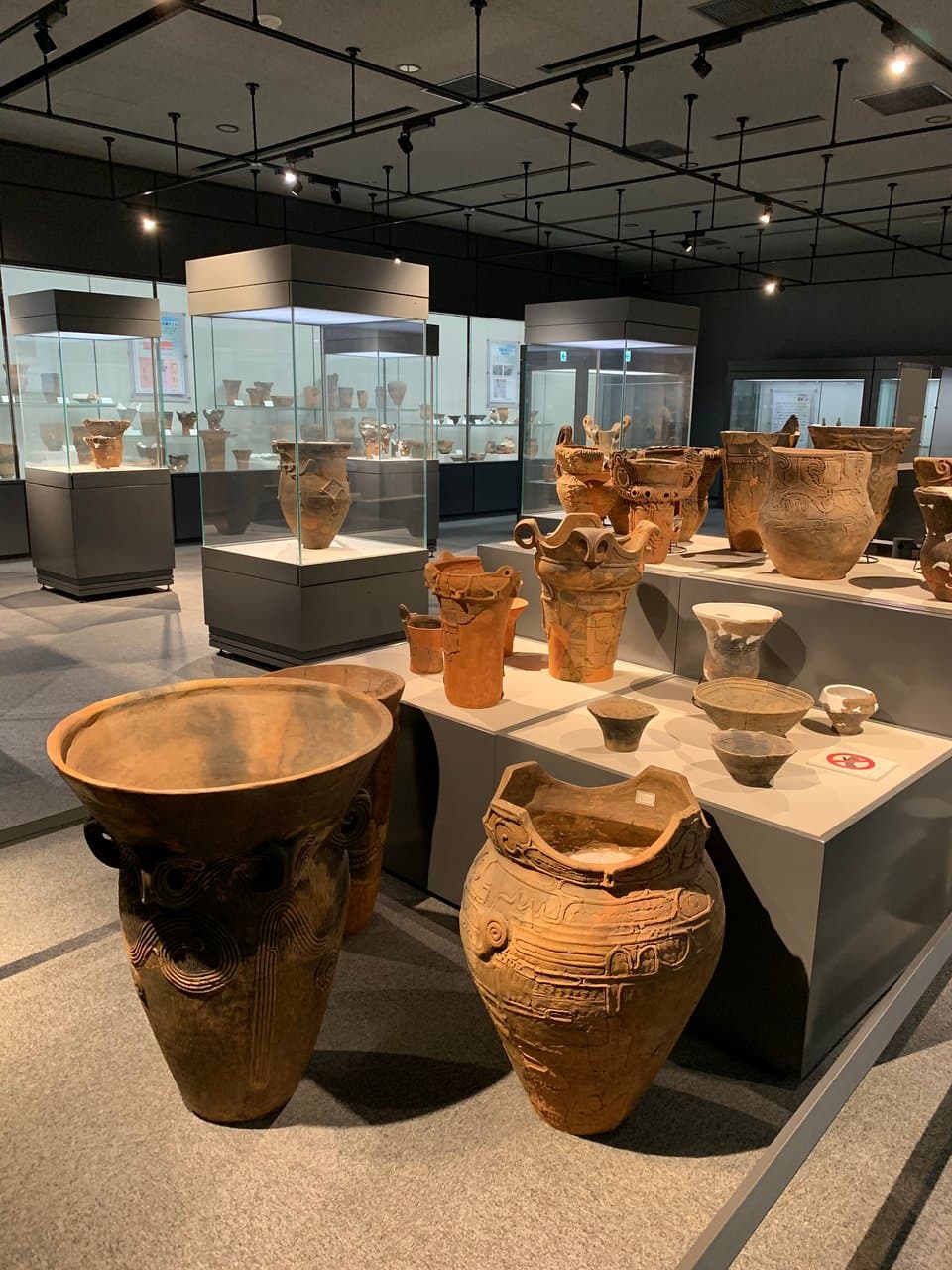
While the main shrine grounds are free to enter, the Treasure Hall may have a separate admission fee. Information on this is usually available on-site or through official shrine websites.
Yes, visitors can often obtain shrine stamps (goshuin) at Suwa Taisha Shimosha. This is a popular practice for pilgrims and tourists. You can usually get stamps for the two Taisha shrines in the area.
During special events, such as festivals or illuminations, visiting hours might be extended. However, some areas might have specific access times or be temporarily closed for performances. It's wise to check the event schedule in advance.
🎫 🧭 Onsite Experience
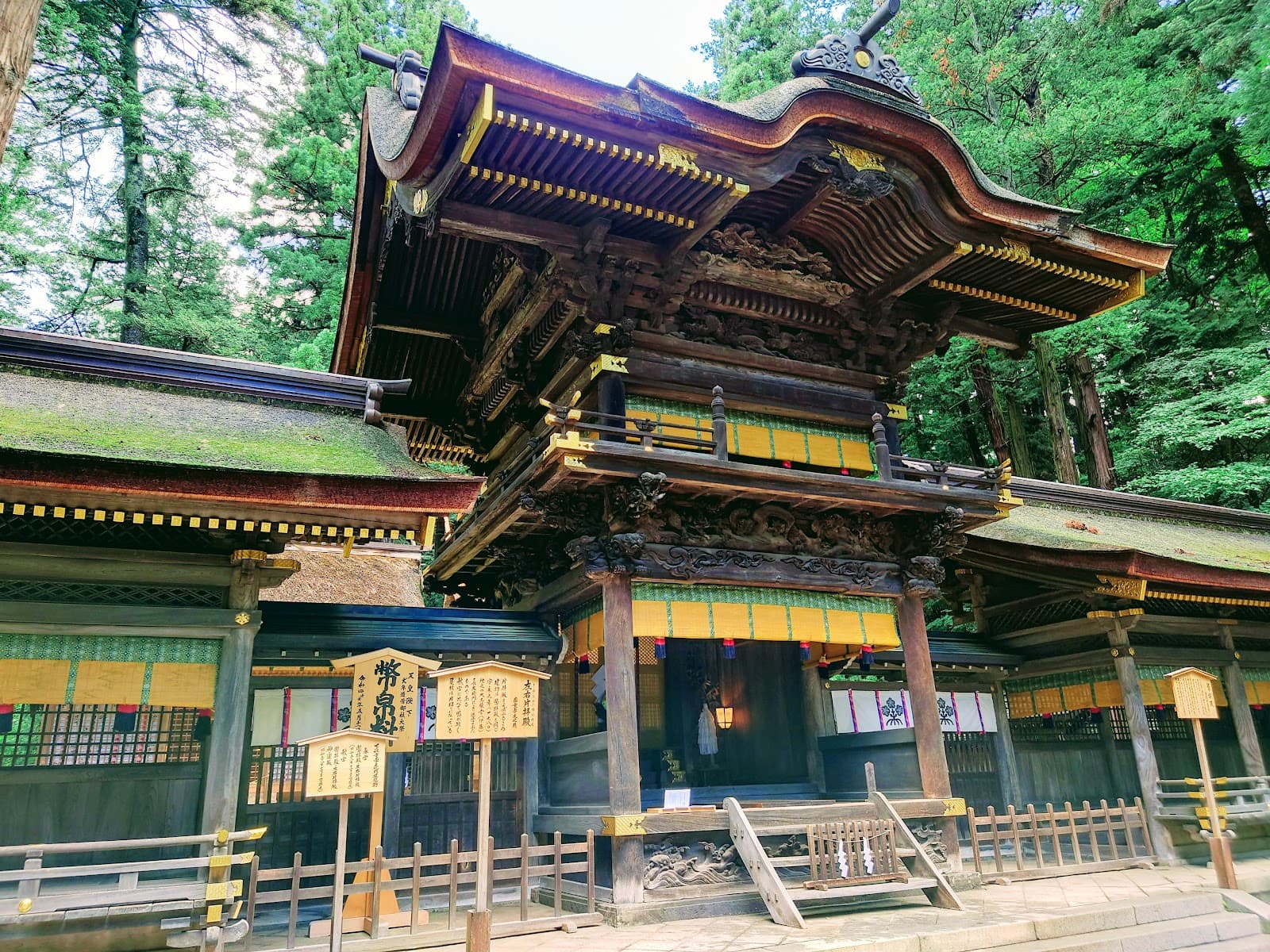
You can admire the impressive architecture, offer prayers at the main hall, and explore the peaceful grounds. Don't miss the path lined with candle-lit wishes from lovers and the souvenir shop. The surrounding views are also quite pleasant.
Compared to major shrines in Tokyo or Kyoto, Suwa Taisha Shimosha is generally much less crowded, offering a more relaxing and peaceful atmosphere. Visiting during off-peak hours further enhances this tranquility.
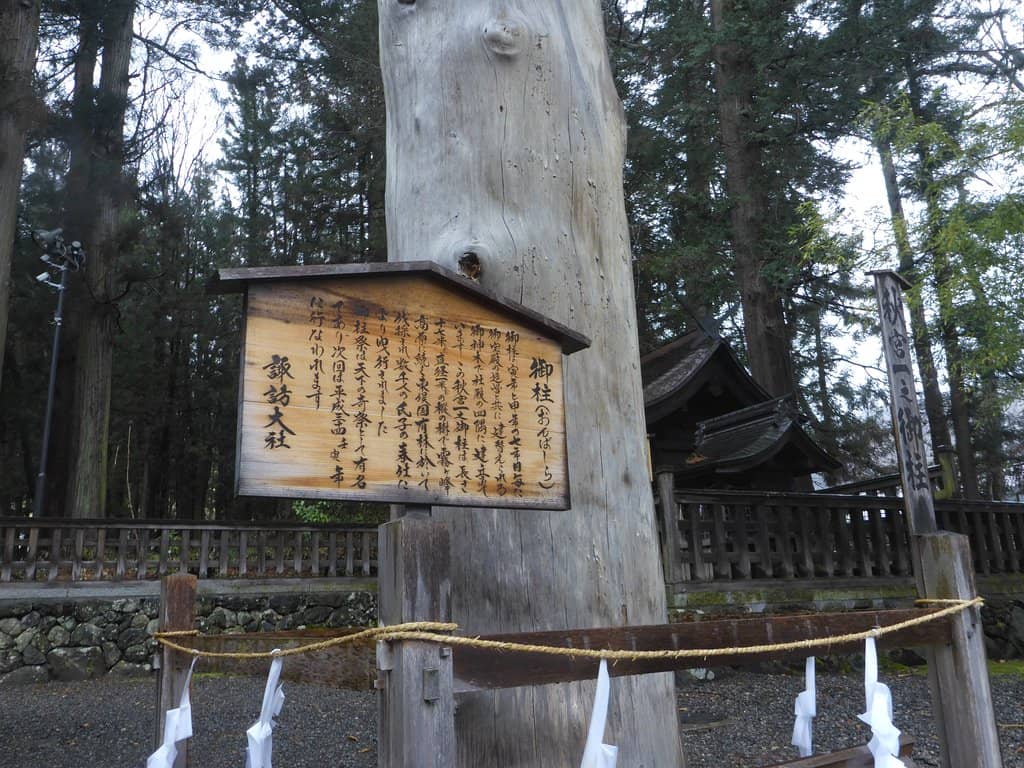
The four tall, straight trees standing at each corner of the shrine are often seen as silent guardians, adding to the sacred and protective aura of the grounds. Their presence contributes to the shrine's majestic appearance.
Photography is generally permitted within the shrine grounds, allowing you to capture its beauty. However, always be respectful of worshippers and avoid intrusive photography, especially during prayer times or ceremonies.
Expect a nature-filled, peaceful, and relaxing atmosphere. It's a well-maintained place that invites quiet contemplation and appreciation of its spiritual and historical significance.
🍽️ 🍽️ Food & Dining
During special events like the summer festival, night market stalls might be present. However, outside of these events, dedicated food options within the shrine itself are limited. You'll likely find more dining choices in the nearby town of Shimo Suwa.
The area around Shimo Suwa Station and Kamisuwa Onsen offers various dining establishments, from local eateries serving Japanese cuisine to cafes. Exploring these areas will provide ample choices for meals.
Picnicking is generally not encouraged within the main sacred areas of Shinto shrines. It's best to enjoy your meals in designated areas outside the shrine or in nearby parks and restaurants.
While traditional Japanese cuisine can be adapted, finding explicitly labeled vegetarian or vegan options might require some searching. It's advisable to research restaurants in Shimo Suwa or Kamisuwa beforehand, or be prepared to communicate your dietary needs.
The Suwa region offers classic Japanese dishes. You might find local specialties like soba noodles, freshwater fish dishes, and various regional rice bowls. Exploring local izakayas can also be a great way to sample diverse flavors.
📸 📸 Photography
The main shrine hall, the illuminated grounds during special events, and the path lined with candle-lit wishes offer unique photographic opportunities. The surrounding natural scenery also provides beautiful backdrops.
Photography rules can vary for Treasure Halls. It's common for flash photography to be prohibited, and in some cases, all photography might be restricted to protect the artifacts. Look for signage or ask staff for guidance.
Early morning or late afternoon offers beautiful natural light for photography. During special evening events, the illuminated shrine provides a dramatically different and stunning photographic subject.
While general photography is allowed, always be mindful and respectful of worshippers. Avoid using tripods in crowded areas or during prayer times. Drone photography is typically prohibited at religious sites.
A versatile lens (like a 24-70mm equivalent) is useful for capturing both wide shots of the architecture and details. A wider lens can be great for the shrine grounds, and a fast prime lens can be helpful for low-light conditions during evening events.

Social
from TikTok, Instagram & Reddit