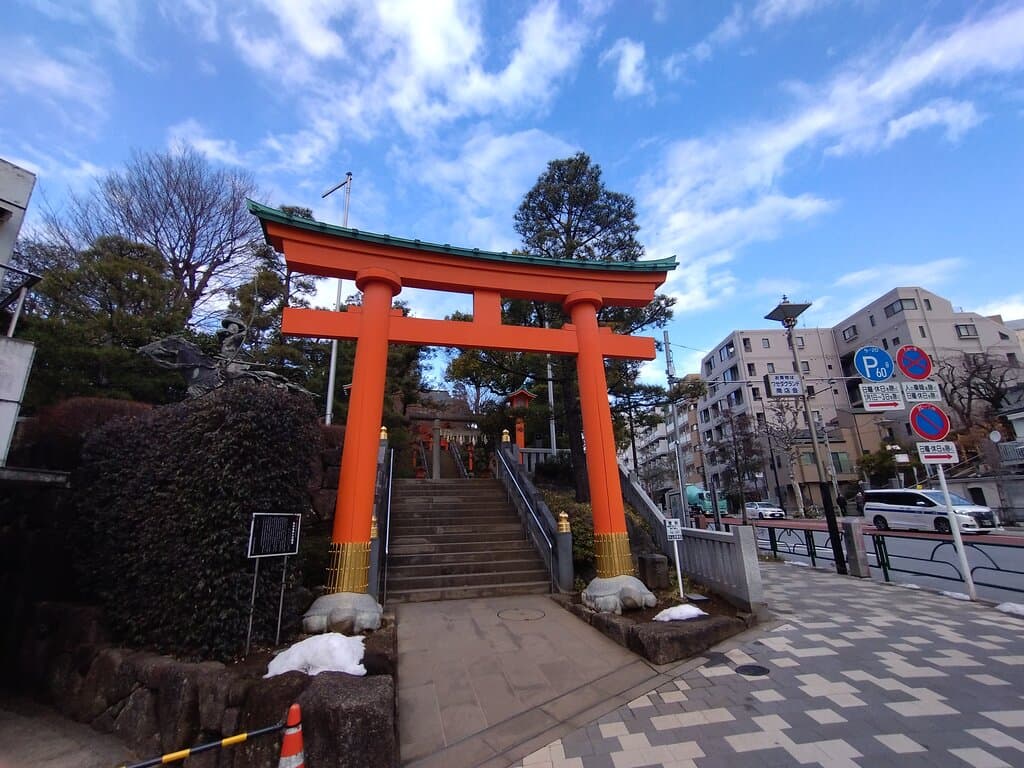
Anahachiman-gu Shrine
A 1,000-year-old shrine in Tokyo, known for its striking red torii, unique samurai guardians, and blessings for good fortune.
Highlights
Must-see attractions

Social
From TikTok & Reddit
Best Time
Fewer crowds, peaceful atmosphere
Anahachiman-gu Shrine
Best Time
Fewer crowds, peaceful atmosphere
Highlights
Must-see attractions
A 1,000-year-old shrine in Tokyo, known for its striking red torii, unique samurai guardians, and blessings for good fortune.
"Beautiful shrine, lovely complex raised up above road level, offering a pleasant, feel-good feeling."
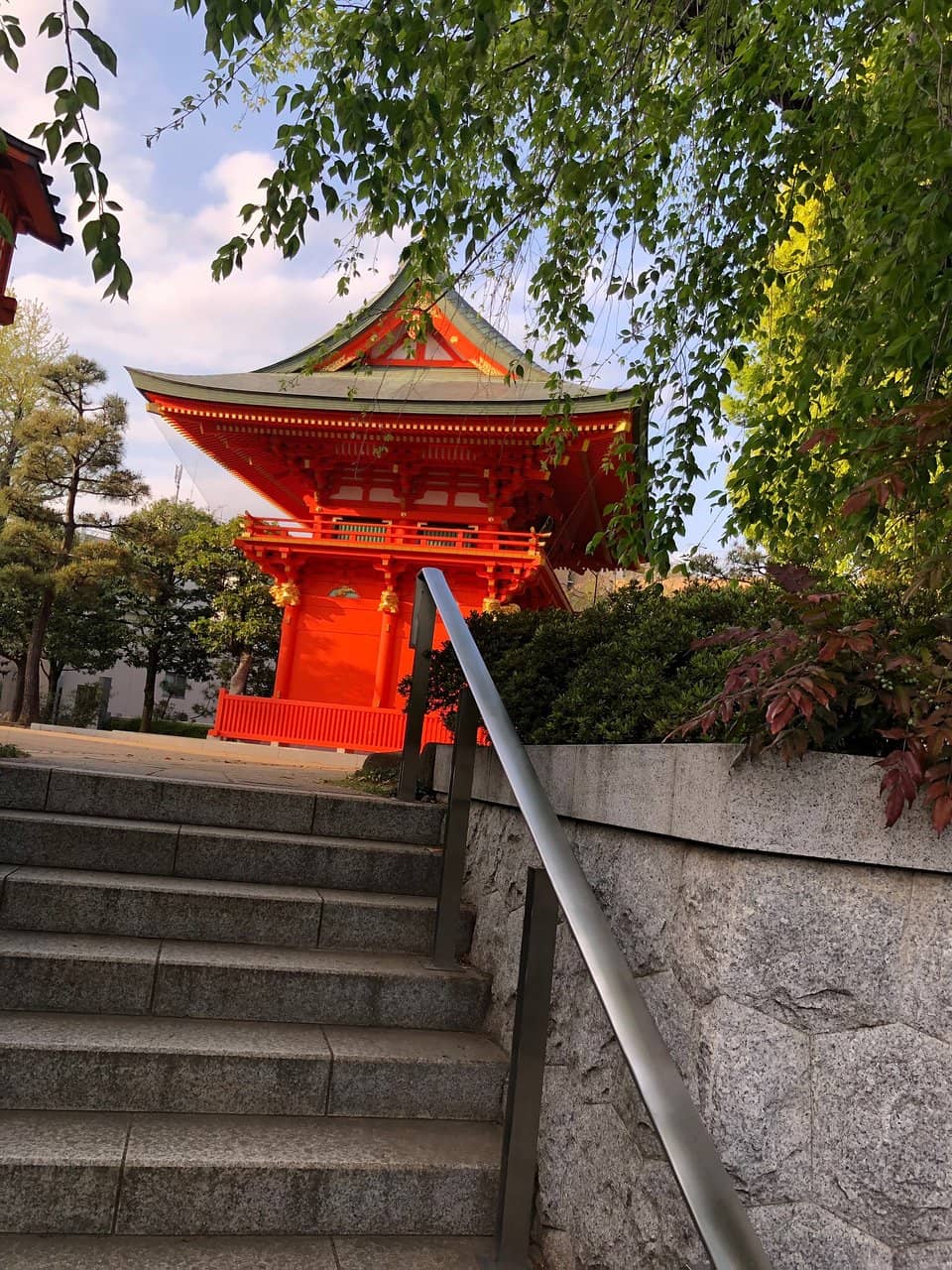
🎯 Respectful Photography
Photos are welcome on the grounds, but refrain from taking pictures inside the main worship hall.
🚶♀️ Easy Access from Station
About a 13-minute walk from Nishi-Waseda Station (Fukutoshin Line).
Quick Facts
Hours
Rating
4.4 · 5,308 reviews
Type
Place of Worship
Highlights
Discover the most iconic attractions and experiences
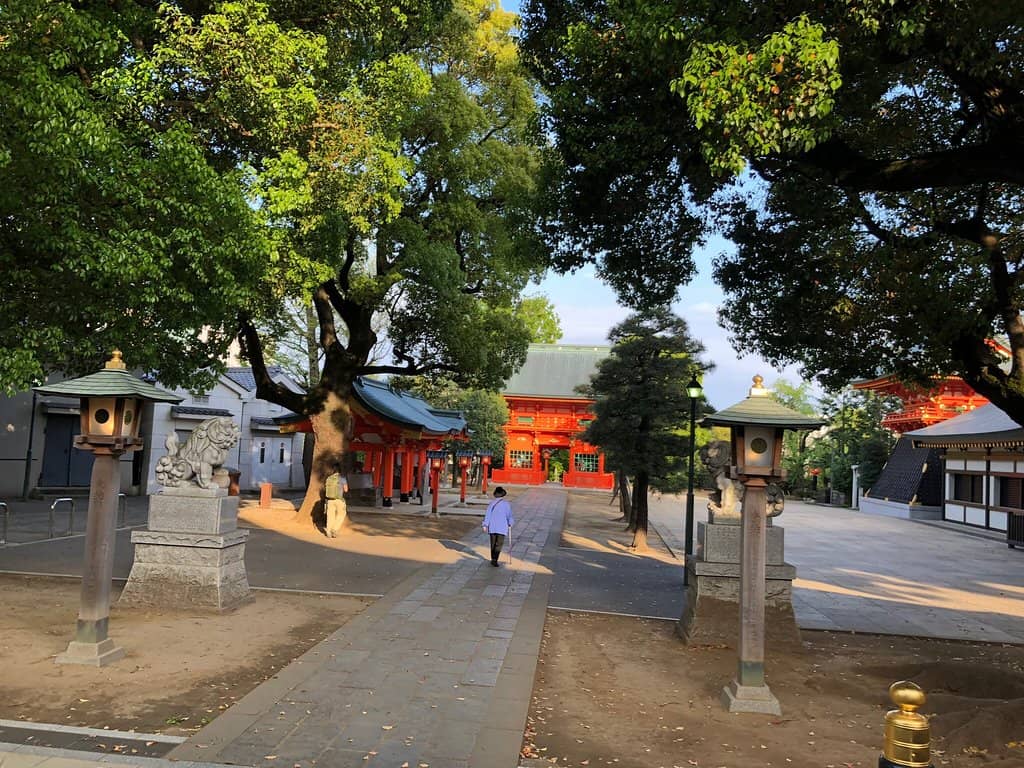
Crimson Torii Gate
Main Entrance
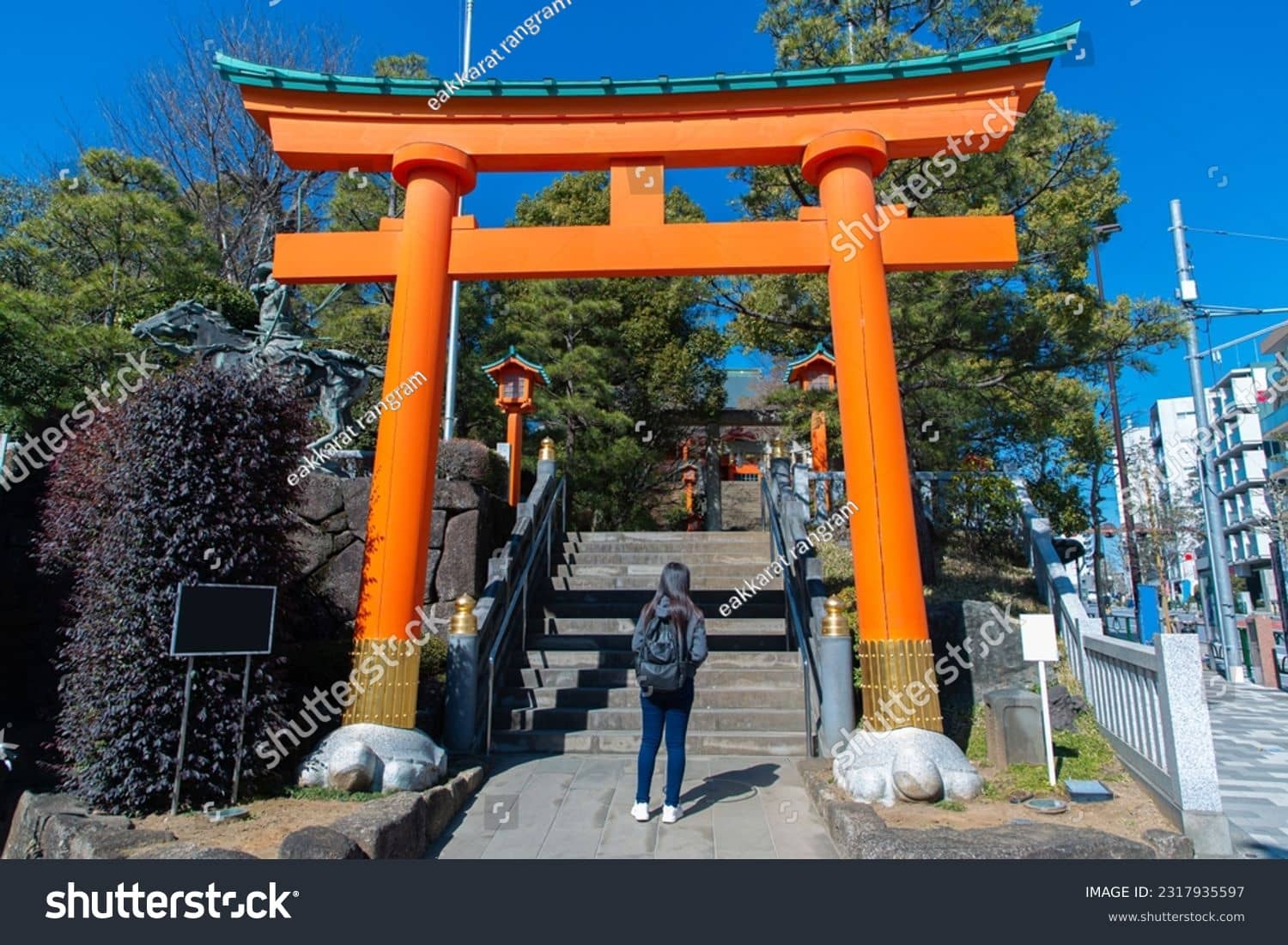
A striking red torii gate welcomes visitors, a vibrant contrast to the natural wood often seen at other shrines.
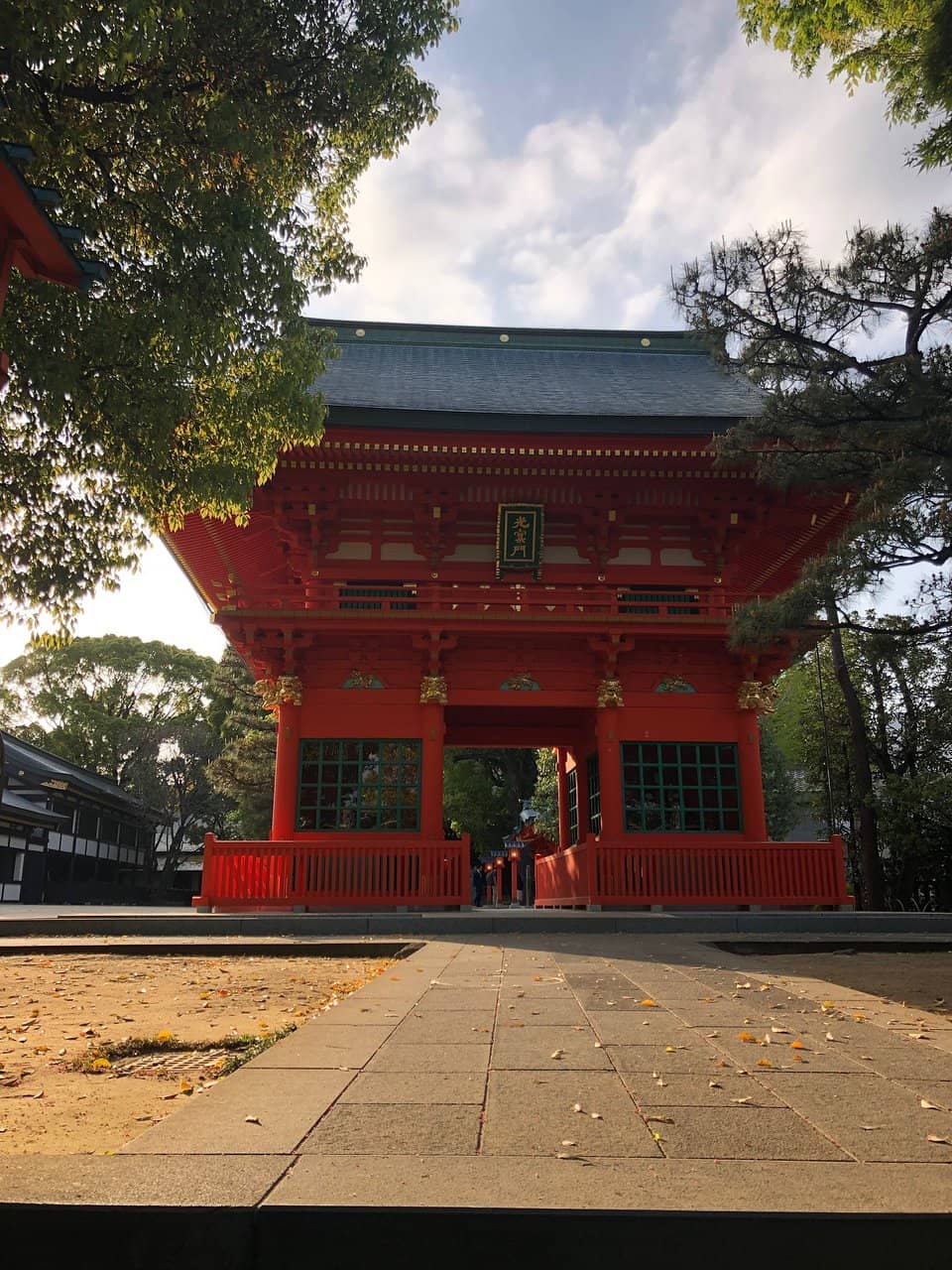
Ichiyo Raihuku Omamori
Shrine Office
Seek good fortune and business prosperity with this popular amulet, believed to bring success.

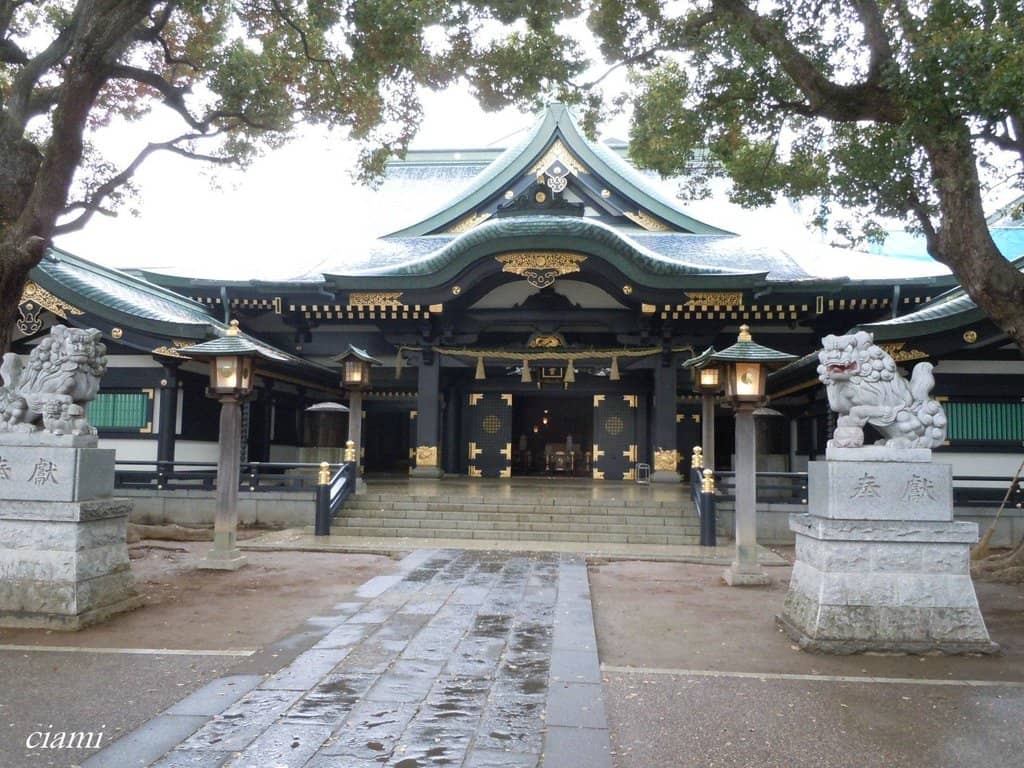
Samurai Guardians
Main Gate
Unusual statues of archers guard the entrance, a unique departure from typical deity figures.
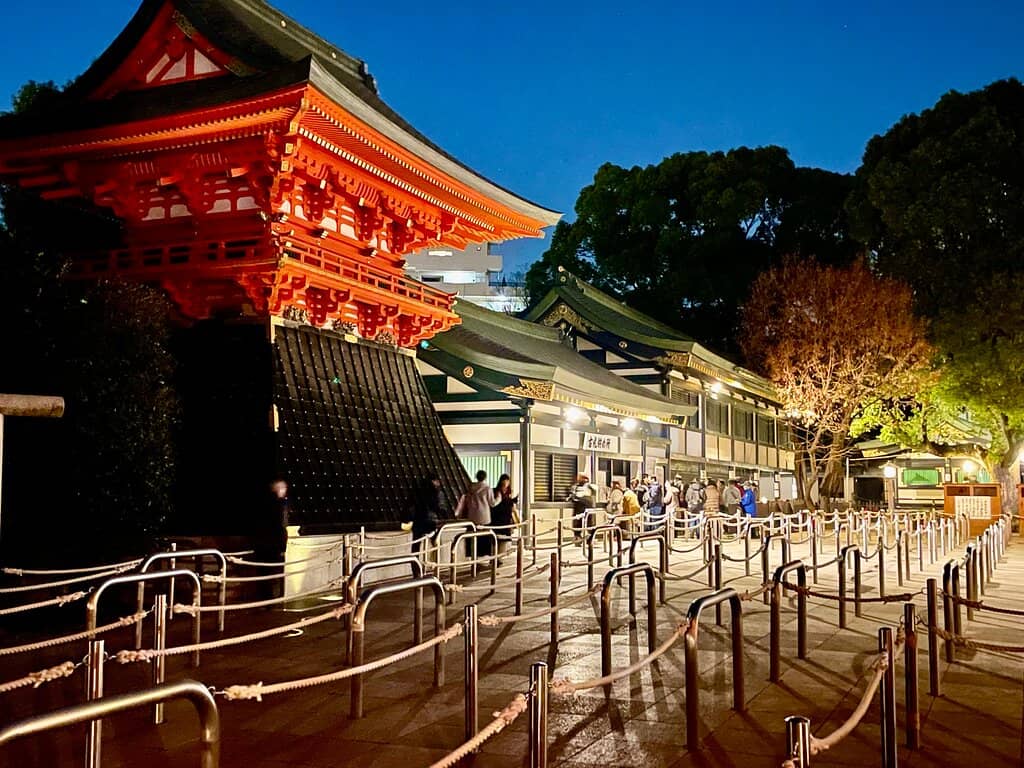
Peaceful Grounds
Shrine Complex
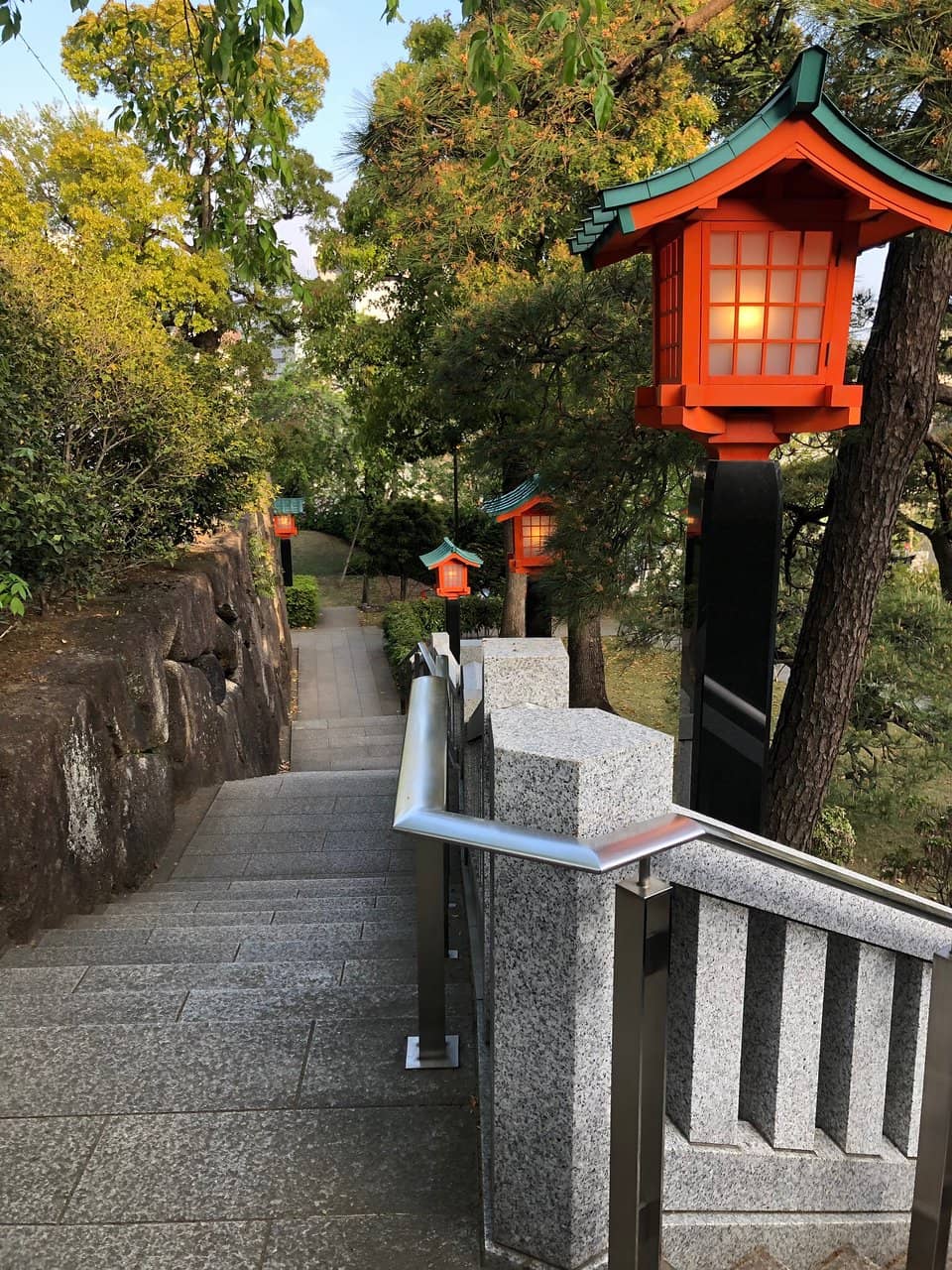
Enjoy the serene atmosphere amidst tall trees and a pleasant environment, even if not religious.
Plans like a pro.
Thinks like you
Planning Your Visit
Timing Your Visit for Tranquility
Accessibility and Respectful Exploration
Best Times
Insider Tips
from TikTok, Instagram & Reddit
🎯 Respectful Photography
Photos are welcome on the grounds, but refrain from taking pictures inside the main worship hall.
🚶♀️ Easy Access from Station
About a 13-minute walk from Nishi-Waseda Station (Fukutoshin Line).
💰 Free Entry
Entrance to the shrine grounds is completely free for all visitors.
☕ Nearby Cafe
Cafe Traveller's Tree is a cozy spot near the shrine for drinks and snacks.
Tips
from all over the internet
🎯 Respectful Photography
Photos are welcome on the grounds, but refrain from taking pictures inside the main worship hall.
🚶♀️ Easy Access from Station
About a 13-minute walk from Nishi-Waseda Station (Fukutoshin Line).
💰 Free Entry
Entrance to the shrine grounds is completely free for all visitors.
☕ Nearby Cafe
Cafe Traveller's Tree is a cozy spot near the shrine for drinks and snacks.
✨ Seek Good Fortune
Consider purchasing an 'Ichiyo Raihuku Omamori' for luck in business and finance.
What Travellers Say
Reviews Summary
Visitors praise Ana Hachiman-gu Shrine for its beautiful, well-maintained grounds and unique features like the red torii gate and samurai statues. Many appreciate the free entry and the peaceful atmosphere, finding it a pleasant cultural experience. Some note the lack of extensive activities, emphasizing its role as a place for quiet reflection and tradition.
"This is a beautiful temple to walk around. Calm and peaceful with some stunning carvings.
Goshuin stamp is also available at time of writing"
Scott Cobb
"A shrine with a rich tradition which is believed to bring good fortune.
The shrine is also associated with yabusame (horseback archery) at nearby Toyama Park, connected to the shrine."
Dadu Shegaonkar
"Beautiful shrine. Lovely complex raised up above road level. Opposite the road of another (smaller) shrine, so are best viewed in one trip. Not so much to do, except respect the traditions and faiths of those using it.
There is a slope up, not the main entrance, that could be used by push-chairs but is likely too steep for a wheelchair user alone to navigate."
R D
What People Like
What People Dislike
Frequently Asked Questions
🚇 🗺️ Getting There
The shrine is a pleasant 13-minute walk from Nishi-Waseda Station on the Fukutoshin Line. It's also accessible by bus routes serving the Waseda area.
While the grounds are generally well-maintained, there are stairs. A slope is available, but it may be too steep for independent wheelchair navigation.
Limited parking may be available nearby, but public transport is generally recommended due to its central Tokyo location.
Nishi-Waseda Station on the Tokyo Metro Fukutoshin Line is the closest station, about a 13-minute walk away.
Yes, it's located in a quiet area near Waseda University and is well-signposted.
🎫 🎫 Tickets & Entry
No, admission to the grounds of Ana Hachiman-gu Shrine is completely free.
The shrine grounds are generally open to the public at all times, though the shrine office may have specific operating hours.
Photography is permitted on the shrine grounds, but please refrain from taking photos inside the main worship hall out of respect for worshippers.
No advance booking is necessary as there is no entrance fee. You can visit spontaneously.
The shrine is known for its traditions, especially around the winter solstice, which can attract more visitors.
🎫 ⛩️ Onsite Experience
It's a 1,000-year-old shrine rebuilt with a distinctive red torii gate, unique samurai guardians, and is believed to bring good fortune, especially for business.
This is a popular amulet sold at the shrine, believed to bring good luck and prosperity, particularly in business.
Yes, public toilets are available on the shrine grounds for visitors.
Unlike many shrines with deity statues, Ana Hachiman-gu features archers, a unique historical or symbolic representation.
It can get crowded, especially around traditional events like the winter solstice. Weekday mornings are generally quieter.
🍽️ ☕ Food & Dining
Yes, the area around Waseda University has many dining options. Cafe Traveller's Tree is a nearby cafe offering unique drinks and food.
Food and drink are generally not permitted inside the main worship hall. It's best to enjoy them in designated areas or nearby cafes.
The Waseda area offers a variety of Japanese cuisine, including udon, which is traditionally eaten around the winter solstice.
📸 📸 Photography
The vibrant red torii gate, the unique samurai statues, and the peaceful, tree-lined grounds offer excellent photo opportunities.
Drone usage is typically restricted at religious sites to ensure peace and respect. It's best to avoid flying drones here.
Morning light can be beautiful for capturing the shrine's atmosphere, while late afternoon offers softer light.
Yes, photography is not allowed inside the main worship hall. Please be mindful of worshippers.
A standard camera or smartphone is sufficient. The key is capturing the unique details and serene atmosphere.
Social
from TikTok, Instagram & Reddit