
Mariko-juku Tokaido
Step back in time at Mariko-juku, a preserved post town on the historic Tokaido road, offering a glimpse into Edo-period Japan.
Highlights
Must-see attractions

Social
From TikTok & Reddit
Best Time
Pleasant weather for exploring
Mariko-juku Tokaido
Best Time
Pleasant weather for exploring
Highlights
Must-see attractions
Step back in time at Mariko-juku, a preserved post town on the historic Tokaido road, offering a glimpse into Edo-period Japan.
"A peaceful historical stop with delicious local treats, offering a tangible connection to Japan's Edo past."
🚶♀️ Stroll and Absorb
Take your time to wander the streets and imagine life during the Edo period. It's about the atmosphere.
🍵 Taste Local Flavors
Don't miss trying local specialties like matcha with sweets or wild yam tempura. Delicious!

Quick Facts
Hours
Rating
3.8 · 42 reviews
Type
Historical Landmark
Highlights
Discover the most iconic attractions and experiences
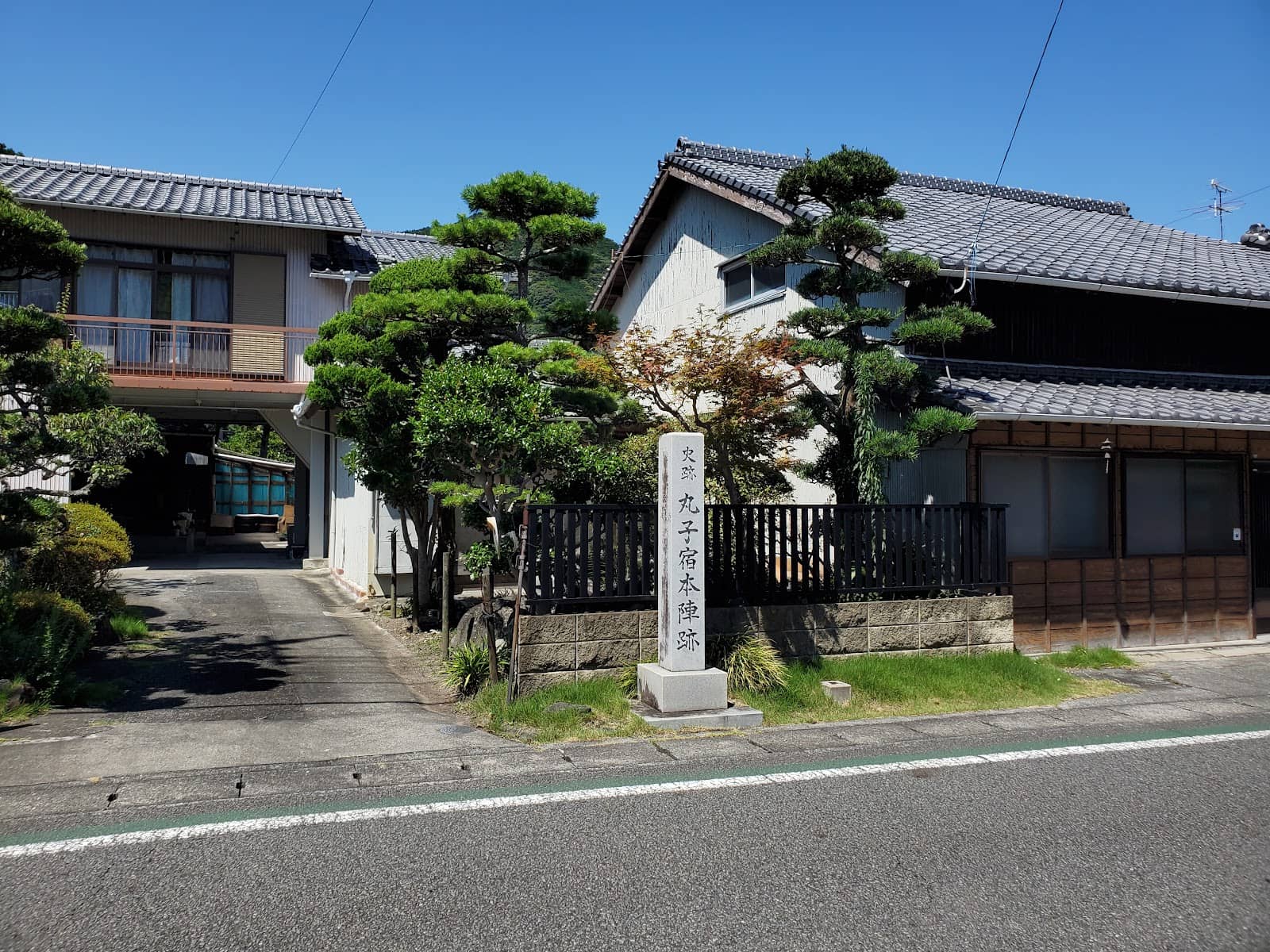
Mariko-juku Stone Monument
A key marker of the historic Tokaido road, offering a tangible connection to Edo-period travelers.
Preserved Shukuba Atmosphere
Wander through streets that echo with history, imagining the bustling post towns of old Japan.
Local Culinary Experiences
Savor traditional Japanese cuisine, including unique local specialties like wild yam tempura.
Plans like a pro.
Thinks like you
Planning Your Visit
Embrace the Past on the Tokaido
Seasonal Charm and Local Delights
Best Times
Insider Tips
from TikTok, Instagram & Reddit
🚶♀️ Stroll and Absorb
Take your time to wander the streets and imagine life during the Edo period. It's about the atmosphere.
🍵 Taste Local Flavors
Don't miss trying local specialties like matcha with sweets or wild yam tempura. Delicious!
📅 Check Festival Dates
Visiting during a local festival, like the Maruko Shukuba Festival, enhances the experience.
🏛️ Explore Historical Sites
Look for stone monuments and preserved buildings that mark the former post town.
Tips
from all over the internet
🚶♀️ Stroll and Absorb
Take your time to wander the streets and imagine life during the Edo period. It's about the atmosphere.
🍵 Taste Local Flavors
Don't miss trying local specialties like matcha with sweets or wild yam tempura. Delicious!
📅 Check Festival Dates
Visiting during a local festival, like the Maruko Shukuba Festival, enhances the experience.
🏛️ Explore Historical Sites
Look for stone monuments and preserved buildings that mark the former post town.
What Travellers Say
Reviews Summary
Visitors appreciate Mariko-juku for its historical significance and the authentic glimpse it offers into Edo-period Japan. The preserved atmosphere, stone monuments, and local culinary experiences, like matcha and wild yam tempura, are frequently highlighted as enjoyable aspects. Some note that it's more about historical remnants than grand structures, requiring an appreciation for subtle historical context.
"I went to the Maruko Shukuba Festival.
I decided to take a break because a set of matcha and sweets was a reasonable 300 yen and I wanted some relief from the cold of the rain.
The tea and sweets I ate while warming myself by the brazier nourished both my body and mind. I had no idea about the etiquette, but I was told not to worry and to just enjoy myself, so I felt at ease. The well-maintained garden was lovely and the Hina dolls were gorgeous. I was able to spend a wonderful time and was very satisfied."
ck smd
"It is located between the site of the wakihonjin (Fujinami family) and the site of the wholesale market (Yokokawa family)."
たにはのくに三右衛門
"There is nothing special there, just a stone monument as shown in the photo."
近江延浩
What People Like
What People Dislike
Frequently Asked Questions
🚇 🗺️ Getting There
Mariko-juku is accessible by train. Take the JR Tokaido Shinkansen from Tokyo Station to Shizuoka Station, then transfer to a local JR Tokaido Line train to Mariko Station. The journey takes approximately 2-3 hours.
Yes, Mariko-juku is accessible by car. Parking is available near the main historical sites. If driving from Tokyo, expect a journey of around 2-3 hours depending on traffic.
The best way to explore Mariko-juku is on foot. The historical area is compact and best appreciated by strolling through its streets and visiting the various landmarks.
Mariko-juku itself is a walking town. Public transport is primarily for reaching the area. Once there, walking is the most effective way to see the sights.
Absolutely! Mariko-juku is an excellent day trip destination from Shizuoka. It's a short train ride away and offers a fascinating historical experience.
🎫 🎫 Tickets & Entry
Generally, exploring the streets and seeing the stone monuments of Mariko-juku is free. Some specific historical buildings or museums within the area might have admission fees.
The historical streets of Mariko-juku are always accessible. However, individual shops, restaurants, and any small museums may have their own operating hours, typically from morning to late afternoon.
Entrance fees for the Maruko Shukuba Festival can vary. While the general area is accessible, some special events or performances within the festival might require a ticket. It's best to check the official festival information closer to the date.
While there aren't many formal guided tours readily available for booking online, you might find local guides during festivals or inquire at local tourist information centers for potential arrangements.
There may be small information points or local shops that can provide maps and basic information about Mariko-juku. It's advisable to check for a dedicated tourist information center upon arrival.
🎫 🧭 Onsite Experience
Key sites include the Mariko-juku stone monument, remnants of the former honjin and wakihonjin (official inns), and the general preserved streetscape that evokes the Edo period.
You can enjoy traditional Japanese cuisine. Popular options include matcha with sweets, local delicacies like wild yam tempura, and salted fish.
Yes, the preserved streets, traditional architecture, and historical monuments offer many picturesque photo opportunities. The atmosphere itself is very photogenic.
Mariko-juku offers a calm historical experience. While there aren't specific child-focused attractions, children can enjoy learning about history and experiencing a different pace of life.
Comfortable walking shoes are essential as you'll be doing a lot of exploring on foot. Dress in layers as the weather can change, especially if visiting during spring or autumn.
📸 📸 Photography
The preserved streets with traditional wooden buildings, the stone monument marking the post town, and any remaining historical inn sites offer excellent photographic potential. Look for charming details in the architecture.
Drone usage is generally restricted in historical and residential areas to respect privacy and preserve the atmosphere. It's best to assume it's not allowed unless explicitly permitted.
Early morning or late afternoon often provide the best light for photography, creating a softer, more atmospheric feel. Avoid midday sun for more dramatic shots.
Be mindful of private property and residents. Always ask for permission before photographing individuals or inside private establishments. Respect the historical integrity of the site.
It's polite to ask for permission before taking photos inside restaurants or shops, especially if it involves other patrons or their merchandise. Some establishments may have their own policies.
Social
from TikTok, Instagram & Reddit