Shodoshima 88 Temple Pilgrimage
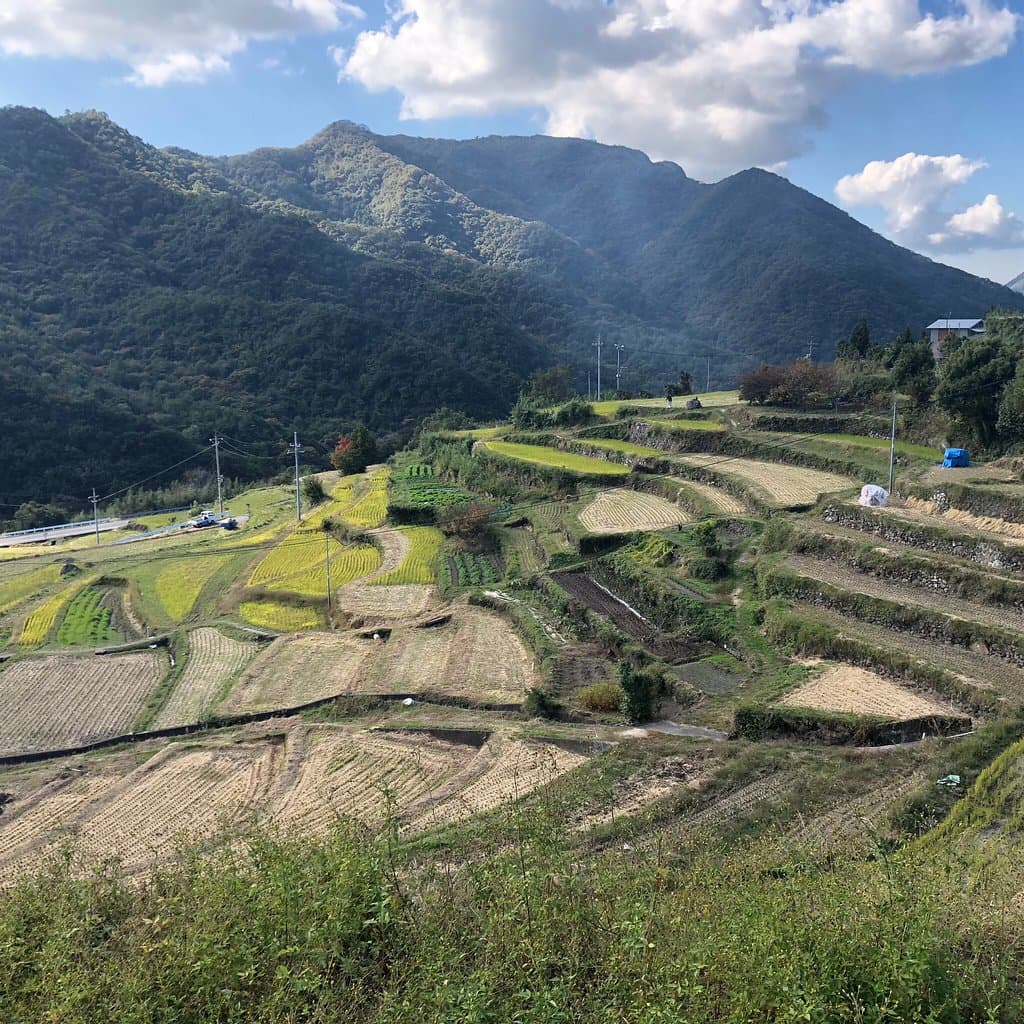
A spiritual journey through 88 sacred temples nestled in Shodoshima's stunning natural landscapes, famed for autumn colors and unique cave sites.
Highlights
Must-see attractions

Social
From TikTok & Reddit
Best Time
Vivid colors, crisp air
Shodoshima 88 Temple Pilgrimage
Best Time
Vivid colors, crisp air
Highlights
Must-see attractions
A spiritual journey through 88 sacred temples nestled in Shodoshima's stunning natural landscapes, famed for autumn colors and unique cave sites.
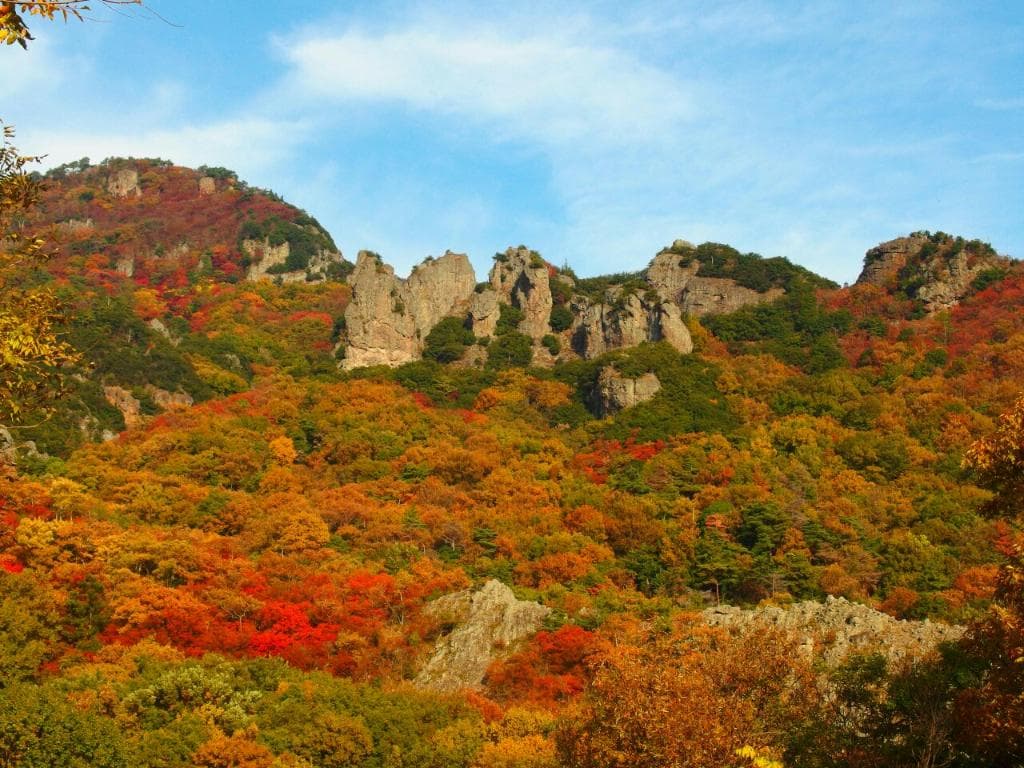
"The autumn leaves in Sekimondo Cave quietly and without boasting, simply existed, teaching the true beauty of autumn."
👟 Wear Sturdy Shoes
Many temple paths are steep & uneven. Prioritize comfort for your pilgrimage!
🚗 Rent a Car for Freedom
Best way to navigate island temples. Buses are an option but less flexible.

Quick Facts
Rating
4.5 · 52 reviews
Type
Place of Worship
Highlights
Discover the most iconic attractions and experiences
Sekimondo Cave
Temple 18
A breathtaking cave temple adorned with vibrant autumn leaves and dramatic rock formations.
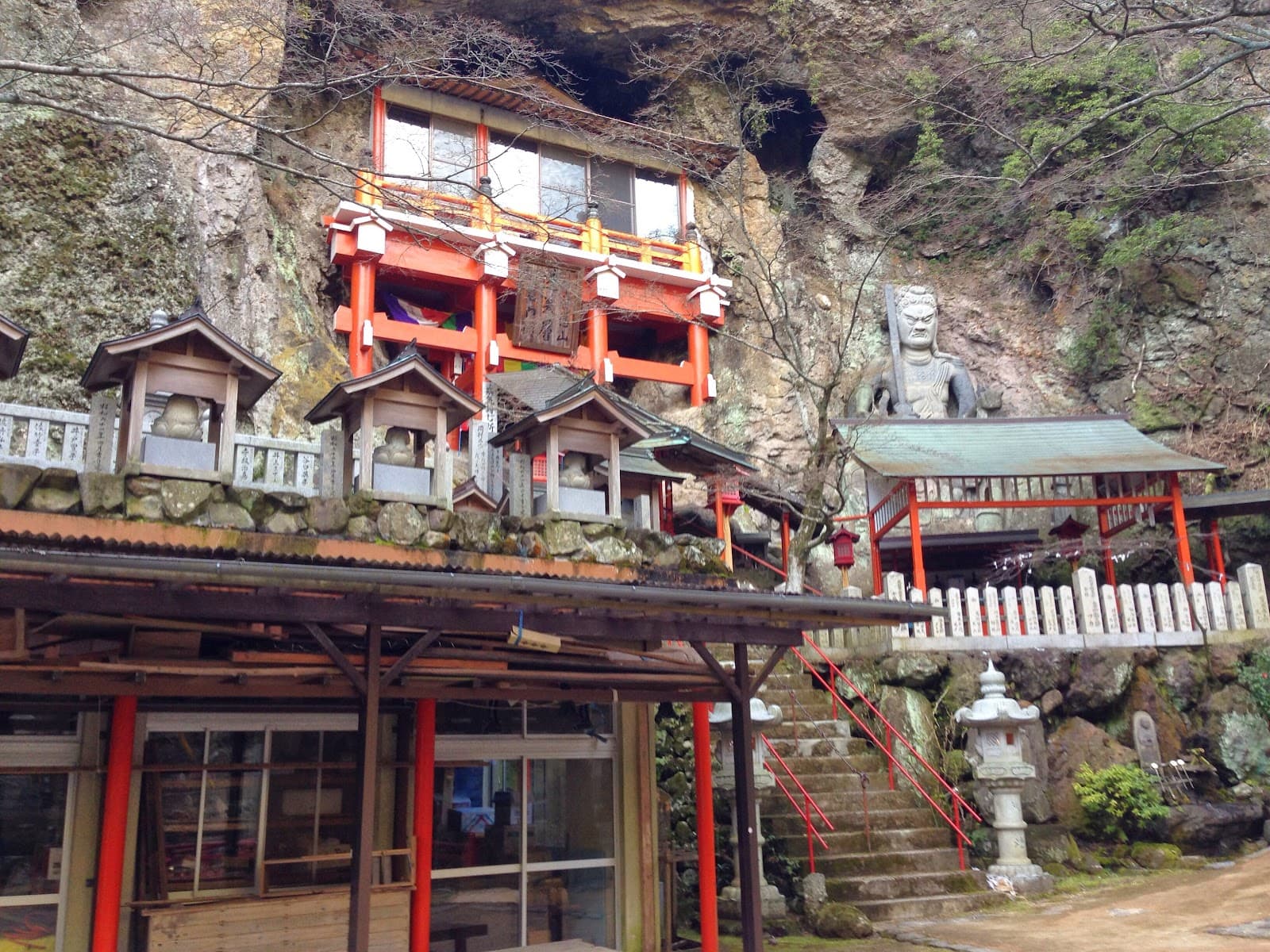
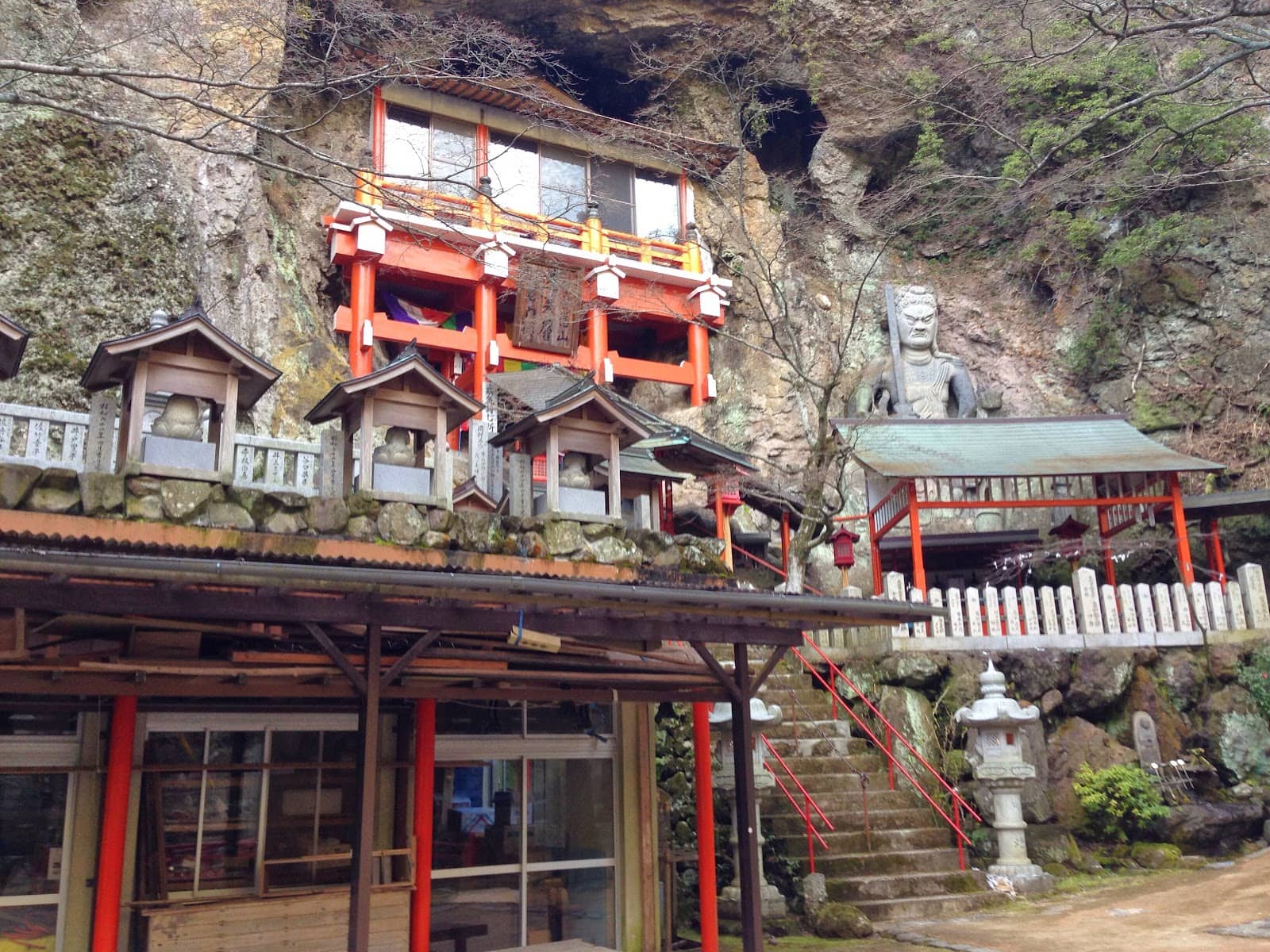
Shimendong Temple
Temple 17
Magnificent temple carved into a cliff face, featuring a striking Nio statue.
Natural Stone Gate
Temple 18 Entrance
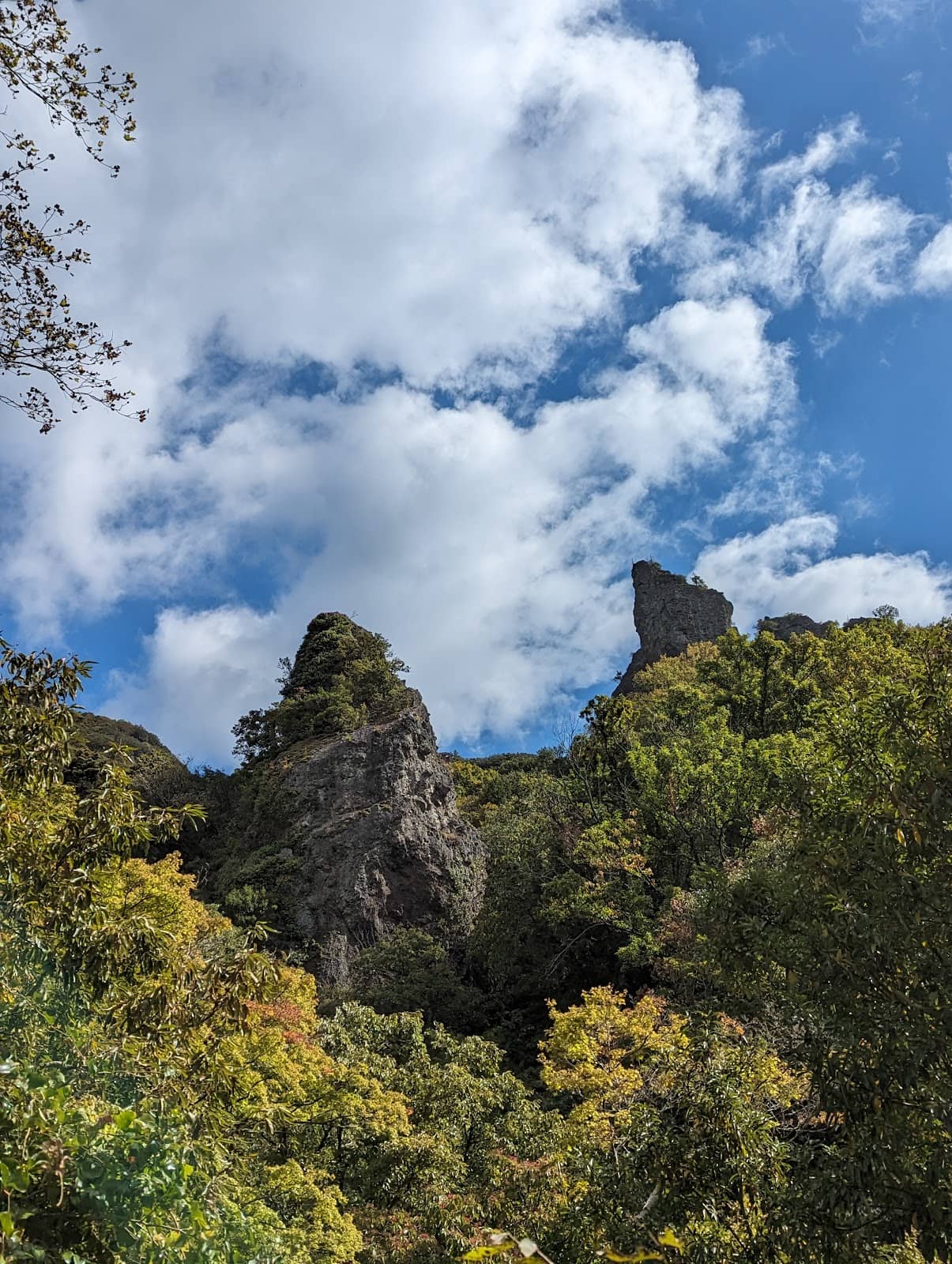
An impressive, naturally eroded stone gate marking the entrance to a sacred site.
Plans like a pro.
Thinks like you
Planning Your Visit
Embrace the Journey
Logistics & Respect
Best Times
Insider Tips
from TikTok, Instagram & Reddit
👟 Wear Sturdy Shoes
Many temple paths are steep & uneven. Prioritize comfort for your pilgrimage!
🚗 Rent a Car for Freedom
Best way to navigate island temples. Buses are an option but less flexible.
💧 Stay Hydrated
Especially crucial during warmer months. Carry plenty of water.
🙏 Respect Temple Etiquette
Dress modestly and be mindful of sacred spaces.
Tips
from all over the internet
👟 Wear Sturdy Shoes
Many temple paths are steep & uneven. Prioritize comfort for your pilgrimage!
🚗 Rent a Car for Freedom
Best way to navigate island temples. Buses are an option but less flexible.
💧 Stay Hydrated
Especially crucial during warmer months. Carry plenty of water.
🙏 Respect Temple Etiquette
Dress modestly and be mindful of sacred spaces.
🗺️ Download Offline Maps
Cell service can be spotty in remote areas.
What Travellers Say
Reviews Summary
Visitors are captivated by the stunning natural beauty, especially the vibrant autumn foliage and dramatic rock formations found at temples like Sekimondo Cave. The spiritual atmosphere and the unique experience of visiting cliff-face temples and natural stone gates are highly praised. However, some find the steep terrain and the logistical challenges of navigating between temples to be demanding.
"Stunning autumn leaves and rocks and temple"
Sally Hancox
"As I approached Sekimondo Cave,
the colors of the mountains became even more vivid,
and my mind naturally found itself in step with the garden-like serenity.
Overhead, the autumn leaves absorbed the soft light,
making each branch sway like a red robe.
With each ray of sunlight,
the red changed shades with each breath,
creating the illusion that the mountain itself was breathing.
The gray of the rock walls
seemed purposefully silent,
making the colors of the autumn leaves stand out.
A single leaf fluttering against this quiet background,
completes the scene.
Autumn in the mountains,
perhaps, is defined by the beauty of these "white spaces."
As I climbed the stone steps,
the crimson colors overhead were so close I could almost reach out and touch them.
Each leaf retained traces of the morning,
and the translucent vermilion and fiery orange
transformed their appearance quietly with the angle of the sun. It was not decorative beauty,
but rather like the season's true feelings suddenly spilled out.
Deep inside the cave, beyond the flickering orange of the lantern,
a faint crimson shadow shone through.
The color floating in the darkness,
different from the splendor outside,
a crimson that glowed quietly from deep within,
and gazing at it gently warmed the depths of my heart.
The autumn leaves in Sekimondo Cave,
quietly and without boasting, simply existed.
But it was their modest appearance
that quietly taught me the true beauty of autumn in the mountains."
Smith Rhythm Tripper
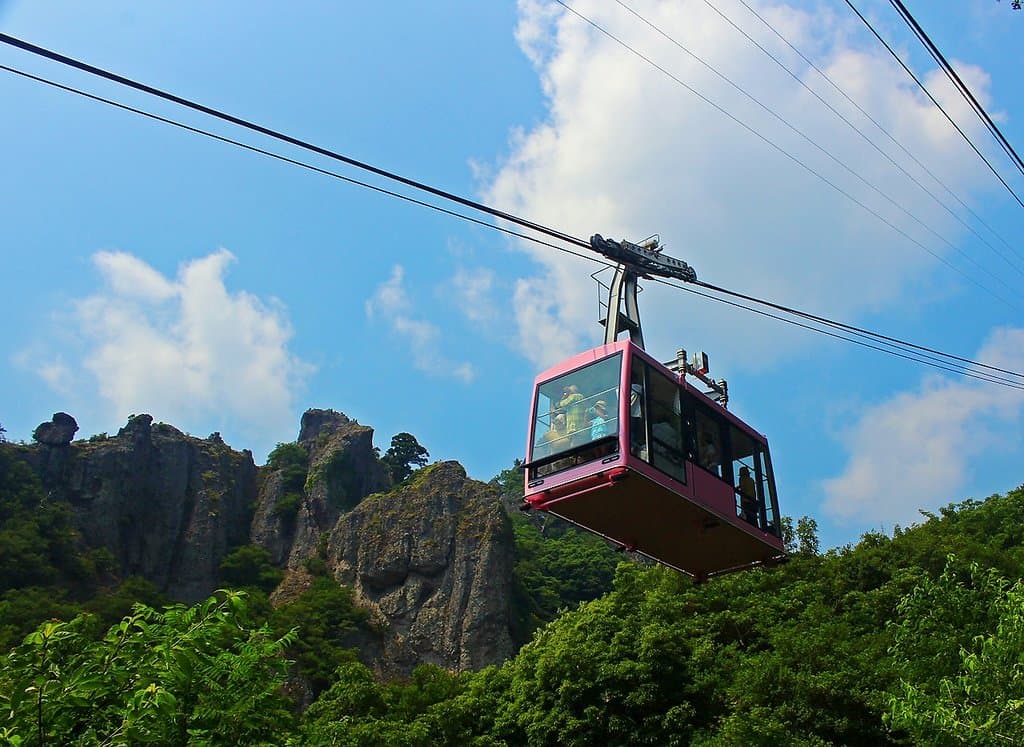
"The magnificent Shimendong, a temple built into the cliff face, features a stunning statue of Nio, carved from the rock. I walked down from the mountaintop cable car station just to see this cave hidden deep within the mountain, and it was truly worth it.
This spot is also one of the eight scenic spots in Kankakei."
王永秦
What People Like
What People Dislike
Frequently Asked Questions
🚇 🗺️ Getting There
You can reach Shodoshima by ferry from ports like Takamatsu, Okayama, or Kobe. From Takamatsu, ferries are frequent and take about 1 hour. Once on the island, renting a car is highly recommended for navigating the pilgrimage routes efficiently.
Yes, there are local buses on Shodoshima, but they can be infrequent and may not reach all temples directly. For a comprehensive pilgrimage experience, combining bus routes with walking or considering a taxi for specific legs is advisable.
While you can drive to Shodoshima, general vehicles are often prohibited from entering the immediate areas around some temples, requiring a walk up a steep slope. Parking is available near many temple entrances.
Many visitors opt to rent a car for maximum flexibility. Alternatively, you can plan your route using a combination of buses and significant walking, especially if you're looking for a more immersive hiking experience.
While not as common as for major tourist sites, some local operators may offer guided tours or transportation services for parts of the pilgrimage. It's worth checking with local tourist information centers upon arrival.
🎫 🎫 Tickets & Entry
Generally, there are no admission fees to enter the temple grounds themselves. However, some temples might have small fees for specific areas or facilities. Donations are always appreciated.
Most temples are open from early morning until late afternoon. However, it's best to check individual temple schedules if you plan to visit very early or late, as some may have specific visiting hours.
Traditionally, the pilgrimage follows a numbered sequence from 1 to 88. However, many visitors choose to visit temples based on their location, accessibility, or personal preference, especially if they have limited time.
Yes, you can typically purchase a pilgrimage passport (nōkyōchō) at many of the temples. Getting a stamp and calligraphy at each temple is a traditional part of the pilgrimage experience.
Visitors are expected to be respectful of the sacred nature of the temples. Dress modestly, avoid loud noises, and follow any posted rules. Photography may be restricted in certain areas.
🎫 🧭 Onsite Experience
The terrain varies significantly. You'll encounter paved roads, steep stone steps, dirt paths, and some rugged hiking trails. Comfortable, sturdy footwear is absolutely essential.
Completing all 88 temples can take anywhere from 3 to 10 days, depending on your pace, mode of transport, and how much time you spend at each location. Many visitors focus on specific sections or a selection of temples.
Restrooms are generally available at most temples, though their condition can vary. Water fountains are less common, so carrying your own water supply is highly recommended.
Pack light but essential items: comfortable walking shoes, weather-appropriate clothing, water bottle, snacks, sunscreen, hat, insect repellent, and a small backpack. A pilgrimage passport is also a good idea.
While generally safe, it's always wise to inform someone of your itinerary. Some trails can be remote, so be prepared and carry a charged phone. Stick to marked paths where available.
📸 📸 Photography
Sekimondo Cave with its autumn colors and the cliff-face temple of Shimendong are stunning. Look for dramatic stone gates, serene temple gardens, and panoramic island views. The natural rock formations are also very photogenic.
Photography is usually permitted in outdoor areas and on temple grounds. However, inside temple buildings or sacred halls, photography is often prohibited. Always look for signage or ask if unsure.
Early morning or late afternoon light offers the most dramatic and beautiful lighting for photography, especially for capturing the autumn leaves or the texture of the rock formations.
Drone usage is generally restricted in and around religious sites and national parks due to privacy and safety concerns. It's best to assume drones are not permitted unless explicitly stated otherwise.
A versatile camera with a good zoom lens is useful for capturing both wide landscapes and temple details. A wide-angle lens can be great for the cave and cliff temples. Consider a lightweight setup for hiking.


Social
from TikTok, Instagram & Reddit