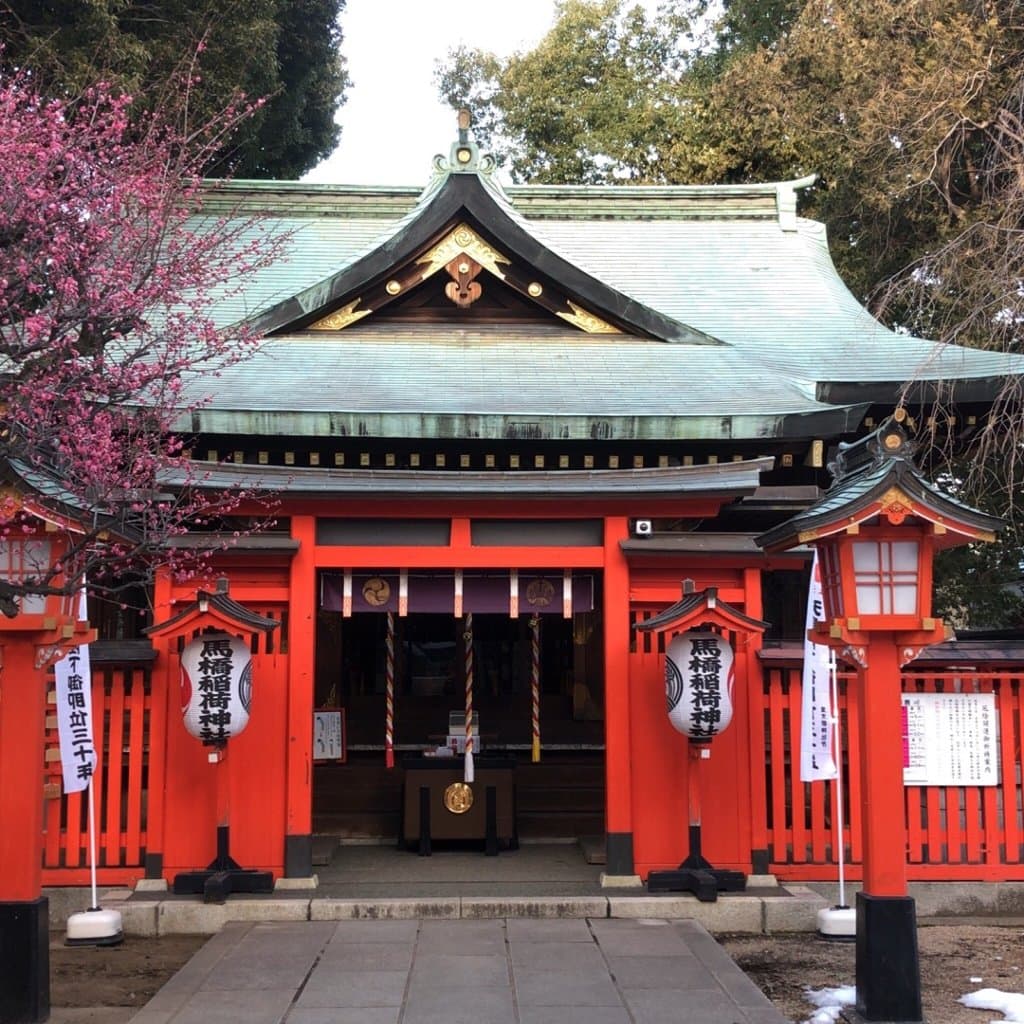
Mabashi Inari Shrine
A serene Tokyo shrine with vibrant torii gates, unique urban integration, and a peaceful atmosphere.
Highlights
Must-see attractions

Social
From TikTok & Reddit
Best Time
Fewer crowds, peaceful atmosphere
Mabashi Inari Shrine
Best Time
Fewer crowds, peaceful atmosphere
Highlights
Must-see attractions
A serene Tokyo shrine with vibrant torii gates, unique urban integration, and a peaceful atmosphere.
"This intimate shrine offers a peaceful escape, perfect for quiet reflection and stunning photos."
🎯 Find the Hidden Entrance
The shrine is tucked away, with some entrances passing through apartment buildings. Look for the distinctive torii gates!
📸 Capture the Unique Views
Don't miss the photo ops! The torii gates against greenery and integrated into architecture are stunning.
Quick Facts
Hours
Rating
4.4 · 1,204 reviews
Type
Place of Worship
Highlights
Discover the most iconic attractions and experiences
Vibrant Torii Gate Path
Approach to the main shrine
A striking pathway of red torii gates creates a visually stunning and spiritual journey.
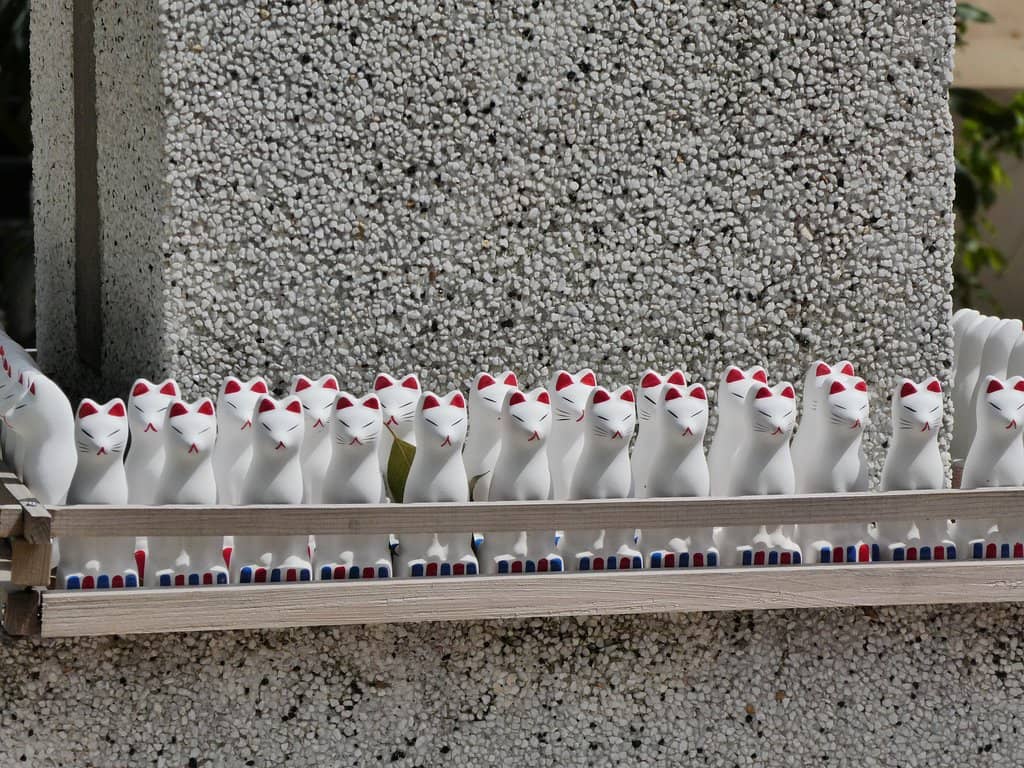
Fox Statues of Inari
Main shrine area
Guardian fox statues, messengers of the deity Inari, add to the shrine's mystical charm.
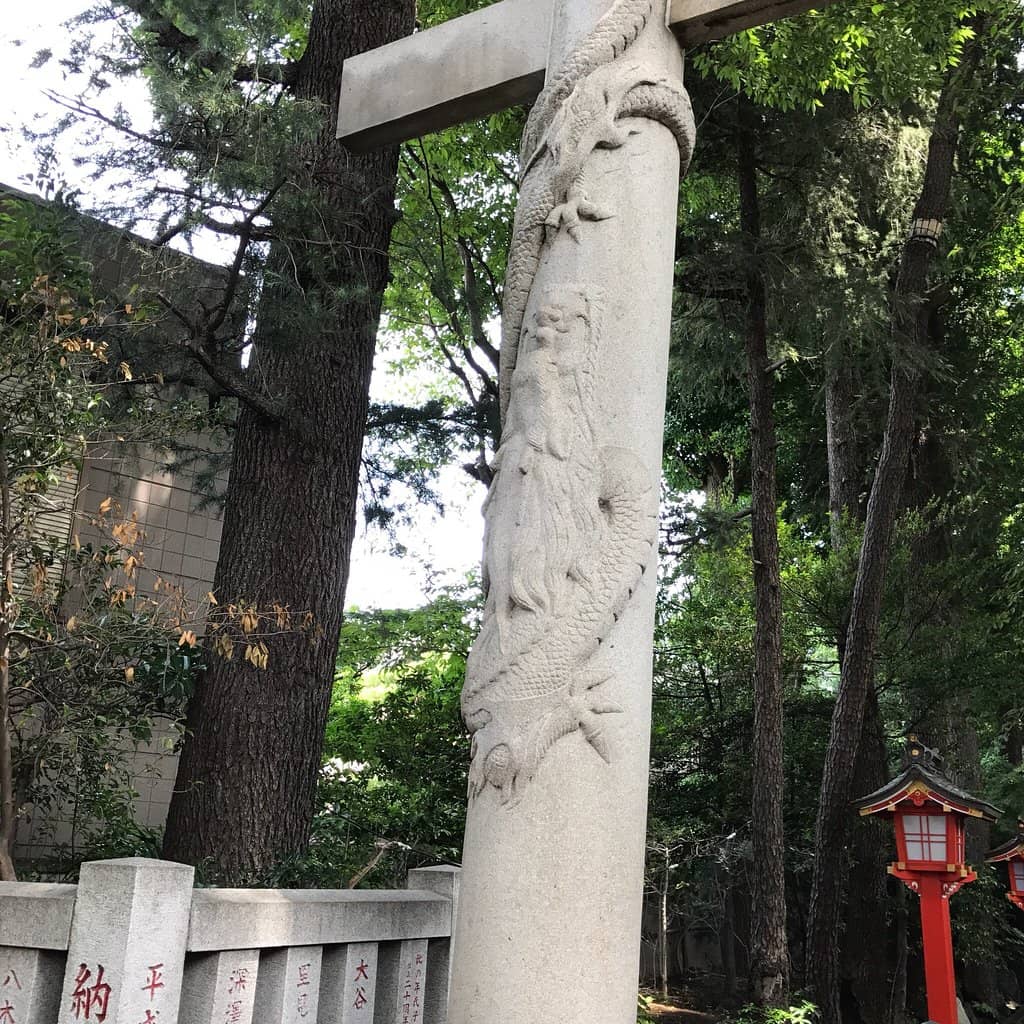
Unique Architectural Integration
Various points within the shrine
Discover torii gates and structures seamlessly integrated into apartment walls and buildings.
Plans like a pro.
Thinks like you
Planning Your Visit
Embrace the Tranquility
Festival Fun & Photo Ops
 +1 The shrine's unique torii gates, some even integrated into buildings, and its leafy surroundings offer fantastic photo opportunities. Capture the magic of this picturesque Tokyo spot.
Best Times
Insider Tips
from TikTok, Instagram & Reddit
🎯 Find the Hidden Entrance
The shrine is tucked away, with some entrances passing through apartment buildings. Look for the distinctive torii gates!
📸 Capture the Unique Views
Don't miss the photo ops! The torii gates against greenery and integrated into architecture are stunning.
👟 Comfortable Walking Shoes
You'll be doing some walking to explore the grounds and approach the main shrine.
🧘♀️ Embrace the Serenity
This shrine offers a peaceful escape. Take your time to soak in the tranquil atmosphere.
Tips
from all over the internet
🎯 Find the Hidden Entrance
The shrine is tucked away, with some entrances passing through apartment buildings. Look for the distinctive torii gates!
📸 Capture the Unique Views
Don't miss the photo ops! The torii gates against greenery and integrated into architecture are stunning.
👟 Comfortable Walking Shoes
You'll be doing some walking to explore the grounds and approach the main shrine.
🧘♀️ Embrace the Serenity
This shrine offers a peaceful escape. Take your time to soak in the tranquil atmosphere.
🎉 Check for Festivals
Local festivals can add a lively dimension to your visit with food and performances.
What Travellers Say
Reviews Summary
Visitors rave about Mabashi Inari Shrine's serene atmosphere and unique beauty, often highlighting its intimate feel compared to larger shrines. The striking red torii gates and their integration into the urban landscape are frequently praised, making it a photogenic and peaceful escape.
"Very cool Inari Shrine in Tokyo. Many shrine gates and there is a shrine office here. Very well landscaped grounds."
Daniel Scott
"Beautiful! There was a festival then, so that was fun! And even a Kagurabanashi performance. I really love how the torii looks like it is inside a building."
Evelyn Seng
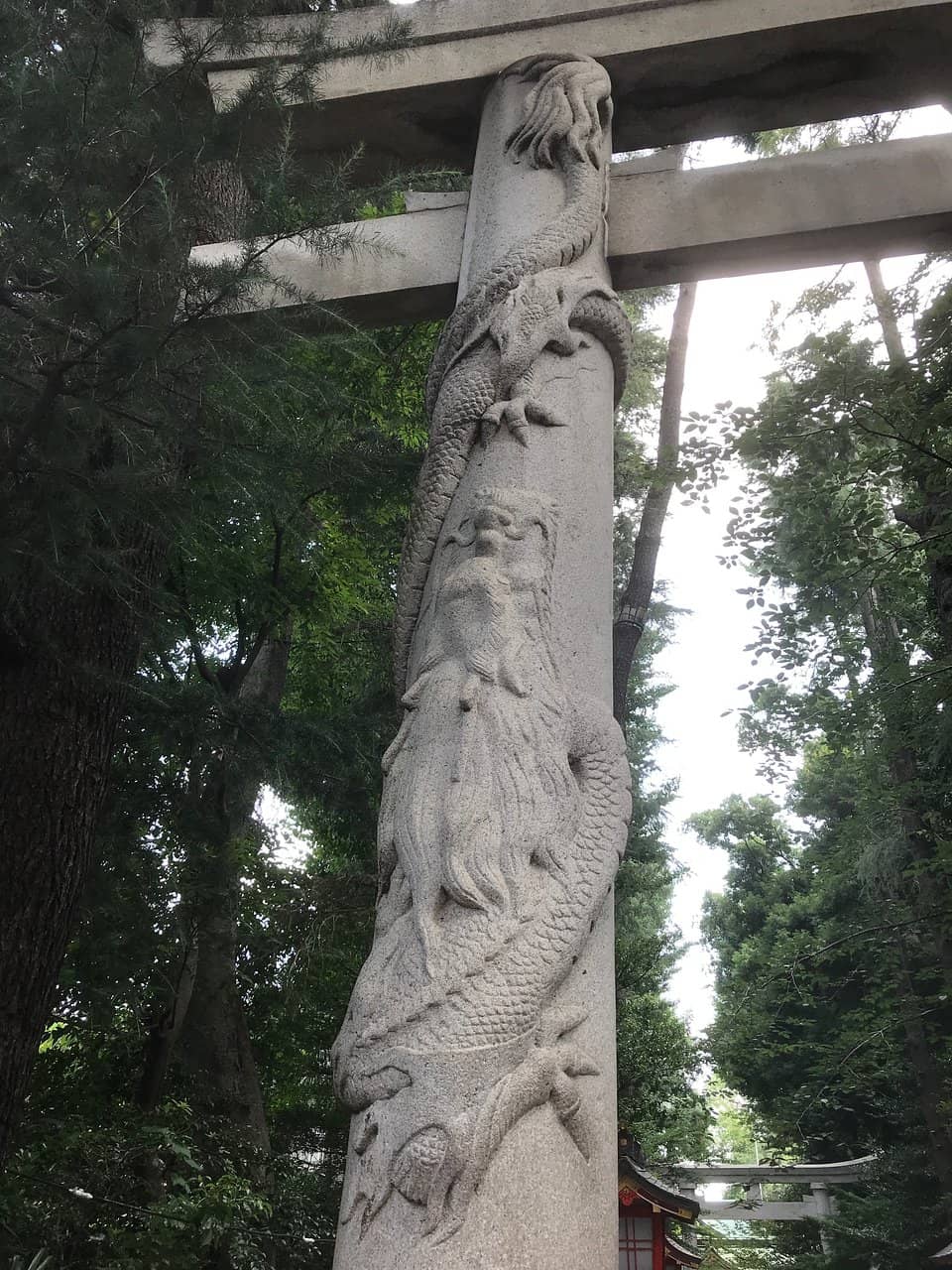
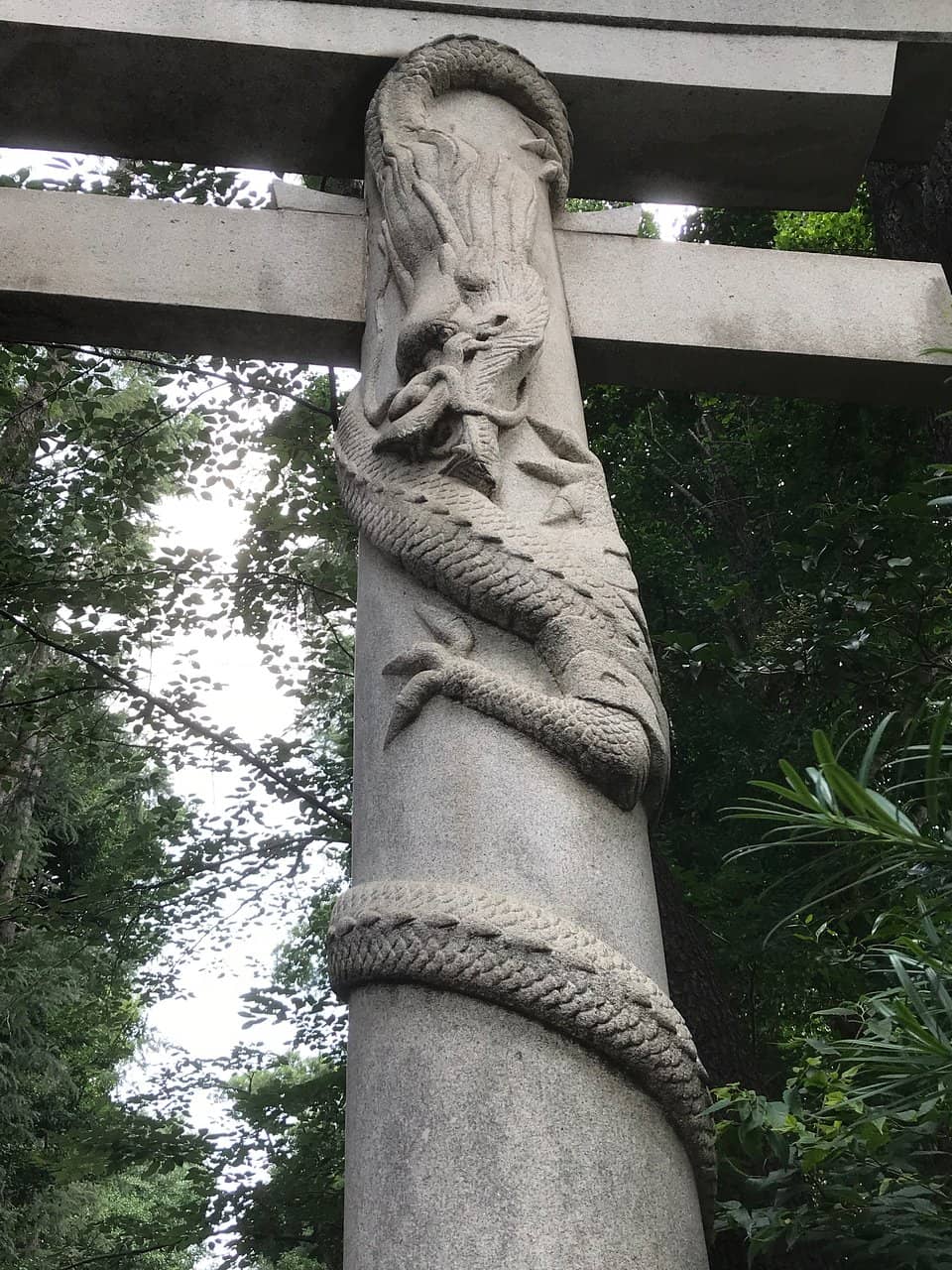
"Very beautiful Inari shrine and great atmosphere. First time I have ever seen a dragon on a tori gate. If you are near the area this shrine is a must see."
jared salazar
What People Like
What People Dislike
Frequently Asked Questions
🚇 🗺️ Getting There
Mabashi Inari Shrine is located in Suginami-ku, Tokyo.
While it's in a residential area, the distinctive red torii gates are a good indicator. Keep an eye out for them as you approach, especially if you're using navigation.
Asagaya is well-served by public transport, primarily the JR Chuo Line. Walking is the best way to explore the immediate vicinity of the shrine once you arrive.
The shrine is nestled within a residential area, making its integration into apartment walls a unique landmark itself.
Yes, you can take a taxi, but it's recommended to have the shrine's name and address clearly written in Japanese for the driver, as it's a less prominent location than major tourist sites.
🎫 🎫 Tickets & Entry
No, Mabashi Inari Shrine is free to enter. It's a public place of worship, and visitors are welcome to explore its grounds without charge.
Shrines in Japan generally do not have strict opening or closing hours for their grounds, though any buildings or offices may have specific times. It's typically accessible from early morning to late evening.
The shrine grounds are generally accessible at all times. However, visiting during daylight hours is recommended for the best experience and for safety.
No advance booking is required. Mabashi Inari Shrine is a freely accessible local shrine, not a ticketed attraction.
Visitors are expected to be respectful of the sacred nature of the shrine. Follow general etiquette for visiting shrines, such as quiet demeanor and appropriate dress.
📸 📸 Photography & Atmosphere
Absolutely! Mabashi Inari Shrine is highly photogenic, with its vibrant red torii gates, unique architectural integrations,
The atmosphere is described as peaceful, tranquil, and serene. It offers a calming escape from the city, with a more intimate feel than larger shrines.
The winding path of torii gates is a major highlight. Also, look for the fox statues and any unique architectural elements where the shrine blends with its surroundings.
Yes, photography is generally allowed during festivals, but be mindful of performers and other visitors. Festivals add a dynamic element to the shrine's visual appeal.
As long as you are respectful and not disruptive, photography is generally accepted. Avoid taking photos of people praying or during ceremonies without permission.
🎫 ⛩️ Shrine Etiquette & Culture
Mabashi Inari Shrine is dedicated to Inari, the Shinto deity of rice, agriculture, prosperity, and business. The shrine features fox statues, considered messengers of Inari.
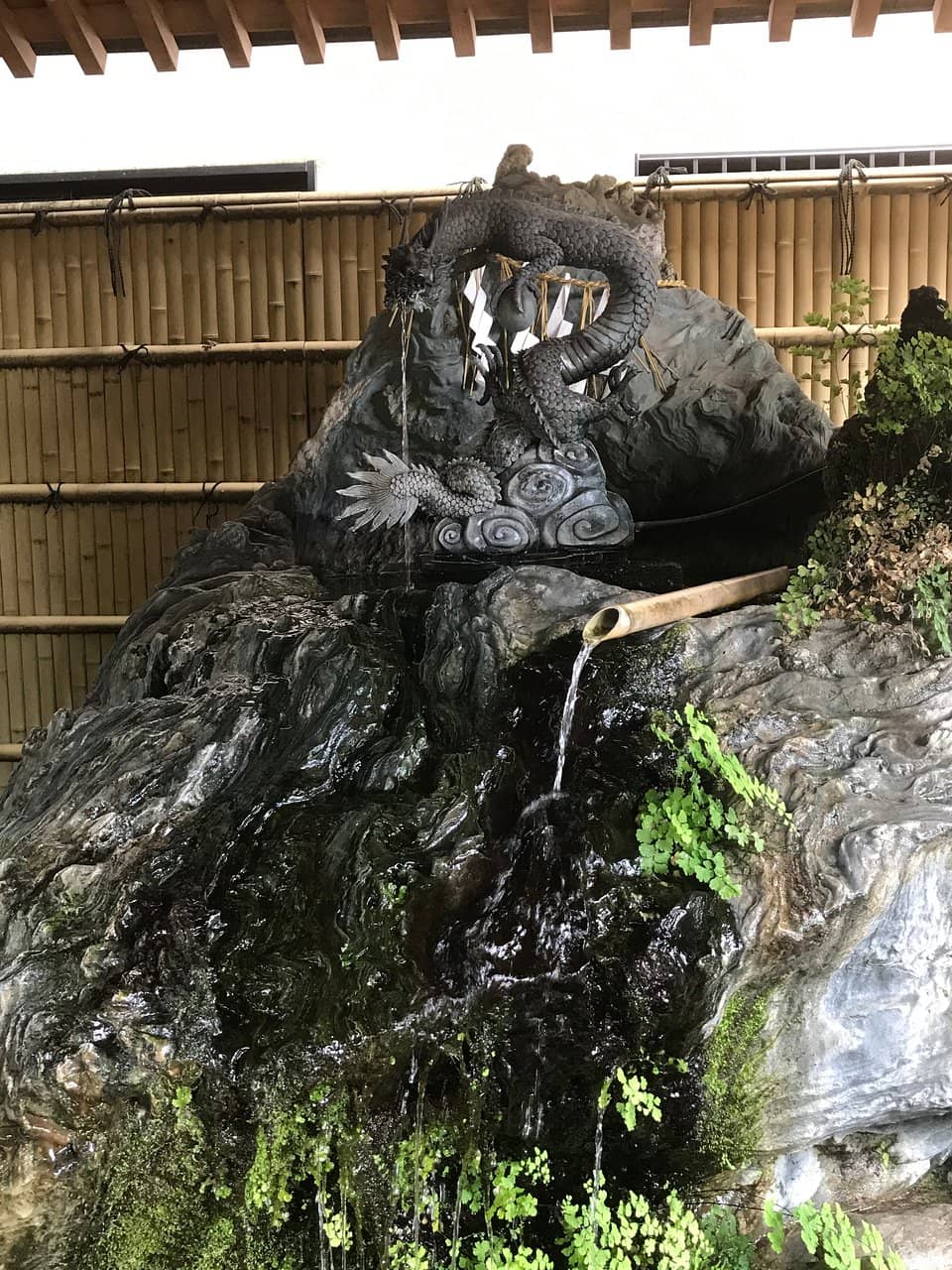
Before approaching the main shrine, purify yourself at the 'temizuya' (water basin) by rinsing your hands and mouth. At the shrine, bow twice, clap twice, offer your prayer, and bow once more.
The main ritual is offering prayers at the main shrine. You can also purchase charms (omamori) or ema (votive tablets) for good fortune.
Foxes (kitsune) are believed to be the messengers of Inari Okami. They are often depicted holding a key (to the rice granary) or a jewel in their mouths.
Yes, you can offer coins into the offering box (saisenbako) before praying. Some shrines also sell special offerings.
🍽️ 🍴 Food & Drink
During local festivals, food stalls (yatai) are often set up, offering traditional festival foods like yakisoba, takoyaki, and sweets.
As it's in a residential area, you'll find local eateries and convenience stores nearby. Asagaya Station also has a variety of restaurants and cafes.
During festivals, vendors might sell drinks. Otherwise, it's best to purchase drinks from nearby convenience stores or vending machines.
While traditional festival foods can be limited, local restaurants in Asagaya may offer more diverse options. It's advisable to check menus or ask staff.
Festival food is generally affordable, with items often costing around ¥100-¥500.

Social
from TikTok, Instagram & Reddit