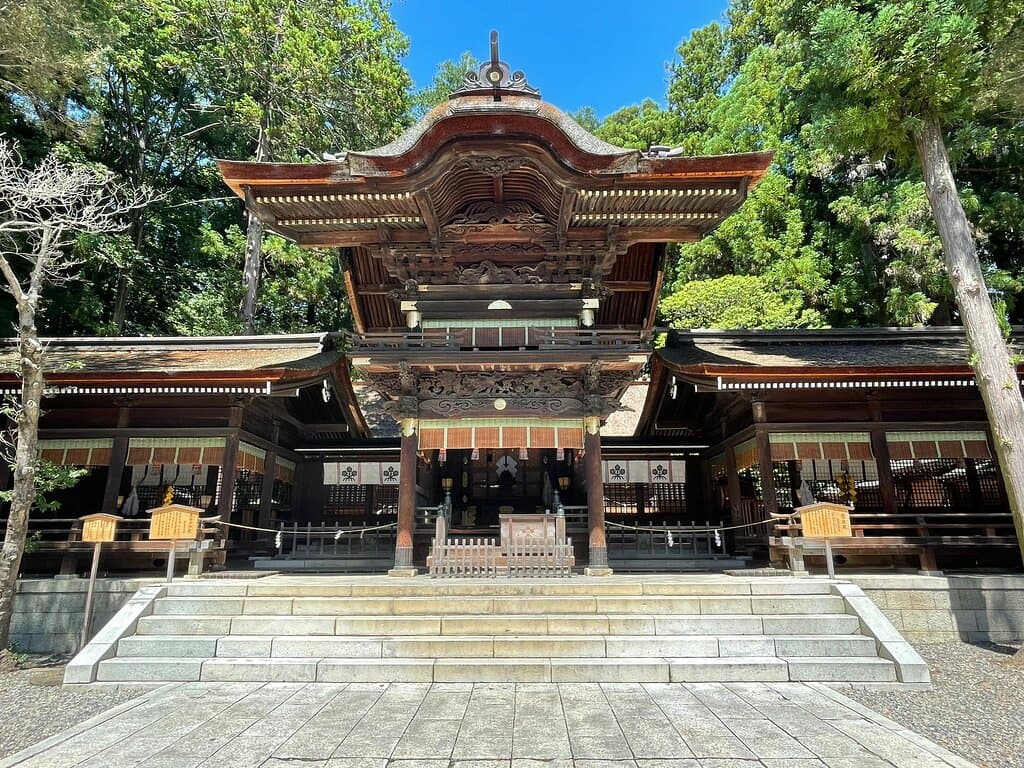
Suwa Shrine Okawa Japan
A serene Shinto shrine nestled in a forest, famed for its 1200-year-old cedar trees and sumo wrestling connections.

Highlights
Must-see attractions

Social
From TikTok & Reddit
Best Time
Avoid crowds, find peace
Suwa Shrine Okawa Japan
Best Time
Avoid crowds, find peace
Highlights
Must-see attractions
A serene Shinto shrine nestled in a forest, famed for its 1200-year-old cedar trees and sumo wrestling connections.
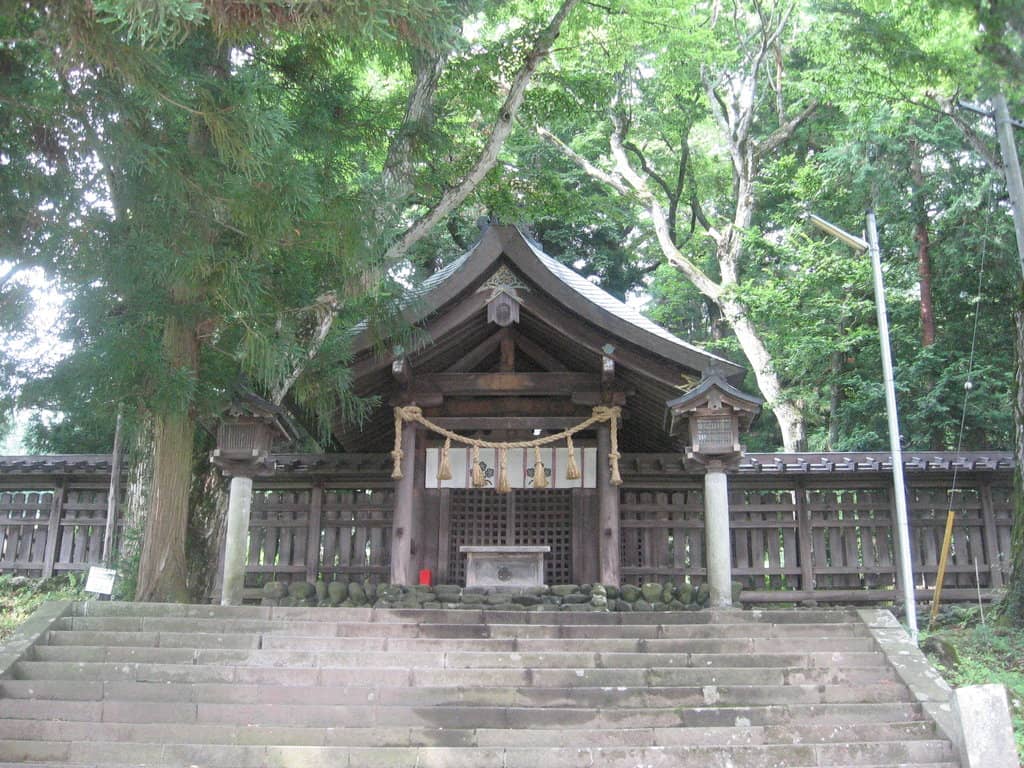
"Tranquilly located on the edge of a forest, in harmony with the grand, towering trees that surround it."
🚗 Easy Car Access
Free parking is available nearby, making it convenient for visitors arriving by car.
📜 Get Your Shrine Stamps
Collect unique shrine stamps (goshuin) as a memorable souvenir of your visit.
Quick Facts
Hours
Rating
4.4 · 9,808 reviews
Type
Place of Worship
Highlights
Discover the most iconic attractions and experiences
Ancient Cedar Trees
Shrine grounds
Towering 1200-year-old cedar trees create a mystical, almost spiritual atmosphere.
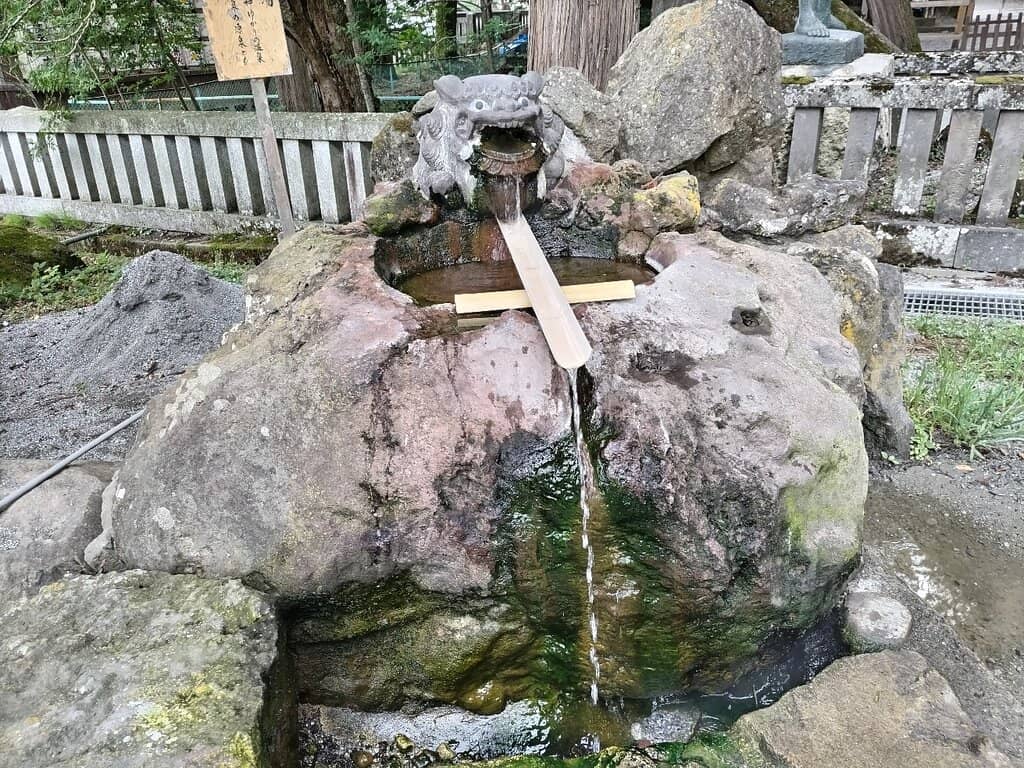
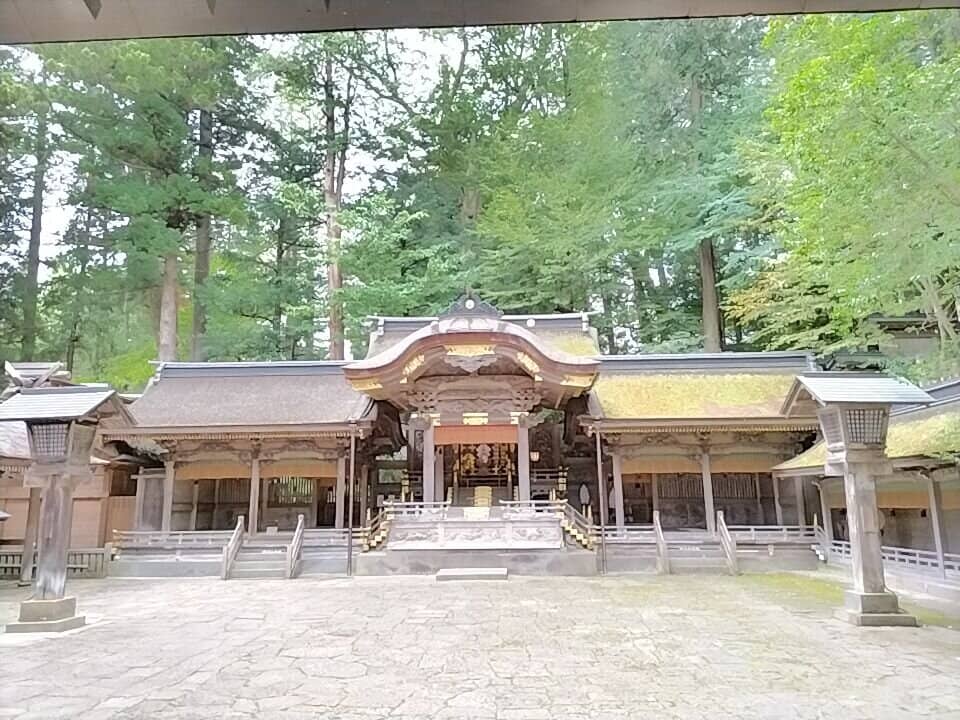
Impressive Wooden Architecture
Main shrine buildings
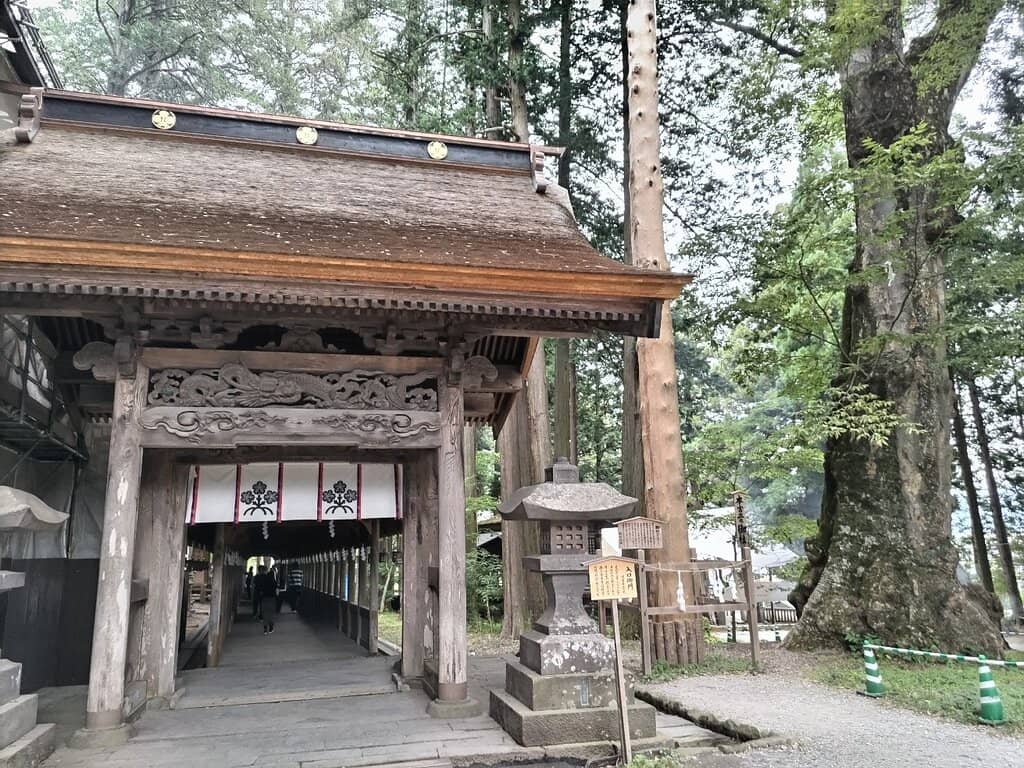
Beautifully crafted wooden structures blend harmoniously with the natural surroundings.
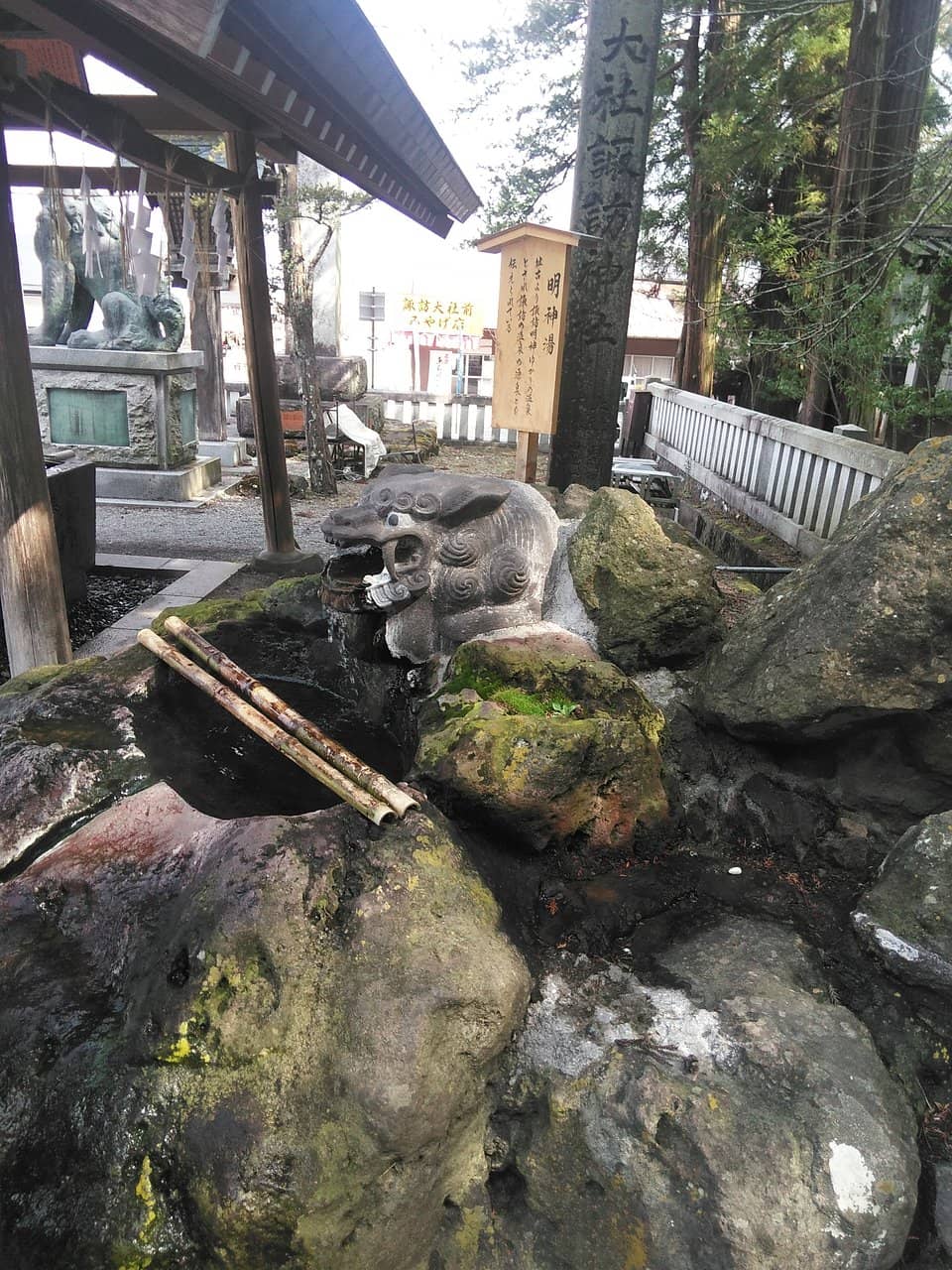
Sumo Shrine Sculptures
Within the complex
Unique sculptures dedicated to sumo wrestling, reflecting a significant cultural connection.
Plans like a pro.
Thinks like you
Planning Your Visit
Timing Your Visit for Serenity
Navigating to Suwa Shrine
Best Times
Insider Tips
from TikTok, Instagram & Reddit
🚗 Easy Car Access
Free parking is available nearby, making it convenient for visitors arriving by car.
📜 Get Your Shrine Stamps
Collect unique shrine stamps (goshuin) as a memorable souvenir of your visit.
🙏 Respectful Attire
Dress respectfully when visiting this sacred site. Traditional clothing is often seen.
🚶♀️ Explore the Forest
Wander through the tranquil forest surrounding the shrine for a deeper connection with nature.
Tips
from all over the internet
🚗 Easy Car Access
Free parking is available nearby, making it convenient for visitors arriving by car.
📜 Get Your Shrine Stamps
Collect unique shrine stamps (goshuin) as a memorable souvenir of your visit.
🙏 Respectful Attire
Dress respectfully when visiting this sacred site. Traditional clothing is often seen.
🚶♀️ Explore the Forest
Wander through the tranquil forest surrounding the shrine for a deeper connection with nature.
🎉 Experience Festivals
If possible, time your visit for a festival to witness vibrant traditions and community spirit.
What Travellers Say
Reviews Summary
Visitors praise Suwa Shrine for its tranquil atmosphere, ancient cedar trees, and beautiful wooden architecture that harmonizes with nature. The unique sumo sculptures and cultural significance are also highlights. Some find it hard to appreciate Shinto shrines without cultural context, and parking can be challenging during peak holidays.
"Visited this famous shrine in Nagano every new year these years. Love the atmosphere and you can eat and shop along the way to the shrine. Parking area is too busy during new year holiday but lucky enough to fine some vacancy a bit far from the spot."
Cecilia Chen
"We enjoyed this shrine very much, tranquilly located on the edge of a forest and seemingly in harmony with the grand, towering trees that surround it. It is hard to appreciate Shinto shrines if you are not Japanese, or don't have a cultural and aesthetic understanding of their meaning, architecture and significance. But this one is just naturally attractive even if, like us, you have little understanding of what you are looking at. So much beautiful wood in the construction, and a pleasing absence of the signage that seems ubiquitous at many such places and that so badly mars the aesthetics.
Easy to get to by car, with free parking available nearby. Not sure how to go about getting here by public transport."
Howard Banwell
"This was a huge complex. I liked how everyone was dressed in traditional clothes and taking care of the site. It was cool to see a blessing being performed for safe travels for a truck driver and his companion. I was able to get the shrine stamps here. Everything was so well kept. I liked the sumo shrines that where as well which was cool. After visiting here I ate some nice jelly like noodles at a nearby shop which was perfect for the very hot day."
Scott Combs
What People Like
What People Dislike
Frequently Asked Questions
🚇 🗺️ Getting There
Suwa Shrine is easily accessible by car, with free parking available nearby. Public transport options may involve local buses or trains, but it's advisable to research specific routes in advance as they might require transfers.
Yes, there is free parking available near Suwa Shrine, which is very convenient for visitors arriving by car. However, it can get very busy during peak times like New Year's holidays.
While public transport is an option, it might be less direct than driving. Checking local bus and train schedules in advance is recommended to plan your journey effectively.
From major cities, consider taking a Shinkansen (bullet train) to the nearest major station and then transferring to local trains or buses. The exact route will depend on your starting point.
If relying on public transport, ensure you have a reliable navigation app and check for any potential service disruptions, especially during off-peak hours.
🎫 🎫 Tickets & Entry
Suwa Shrine is generally free to enter and explore its grounds. There are no admission tickets required for general access.
Shrine grounds are typically open from early morning until late afternoon or early evening. Specific building access might have shorter hours. It's best to check locally for precise times.
Yes, you can obtain shrine stamps (goshuin) at Suwa Shrine. This is a popular practice for visitors to commemorate their visit.
Suwa Shrine hosts various festivals throughout the year, including significant events like the New Year's celebrations and potentially unique local traditions.
The main shrine areas are generally accessible, but the natural terrain and forest paths might present challenges. It's advisable to inquire locally about specific accessibility for all areas.
📸 📸 Photography
The towering ancient cedar trees, the intricately designed wooden shrine buildings, and the serene forest paths offer beautiful photographic opportunities. 
Photography is generally allowed on the shrine grounds, but it's always good practice to be respectful and avoid intrusive photography, especially during prayer times or ceremonies.
Early mornings or late afternoons can provide beautiful lighting, with the golden hour casting a warm glow on the ancient trees and structures.
Drone usage is typically restricted at religious sites to maintain peace and respect. It's best to assume drones are not permitted unless explicitly stated otherwise.
A versatile lens that can capture both wide-angle forest scenes and detailed architectural shots would be ideal. A tripod can be useful for low-light conditions.
🎫 🌳 Onsite Experience
Visitors can admire the ancient cedar trees, explore the impressive wooden shrine buildings, and appreciate the unique sumo sculptures. The tranquil forest setting is perfect for a peaceful stroll.
Suwa Shrine is culturally significant and considered a power spot by many. It's one of the main shrines in the country and is particularly famous for its connection to Sumo wrestling.
Depending on the specific Suwa Shrine location, nearby attractions might include natural landscapes, local shops, or other historical sites. Researching the immediate area is recommended.
It's advisable to wear comfortable walking shoes and dress respectfully, as it is a place of worship. Layers are recommended as the weather can change.
Yes, especially during festivals, you can witness traditional ceremonies and community participation, such as carrying the Mikoshi (portable shrine).

Social
from TikTok, Instagram & Reddit