Ishiyakushi-juku
A quiet Edo-period post town on the Tokaido, offering subtle historical remnants and a connection to Hokusai's art.
Highlights
Must-see attractions

Social
From TikTok & Reddit
Best Time
Peaceful exploration
Ishiyakushi-juku
Best Time
Peaceful exploration
Highlights
Must-see attractions
A quiet Edo-period post town on the Tokaido, offering subtle historical remnants and a connection to Hokusai's art.
"A nostalgic and peaceful glimpse into Japan's Edo-period travel history."
🚶♀️ Stroll the Nobutsuna Road
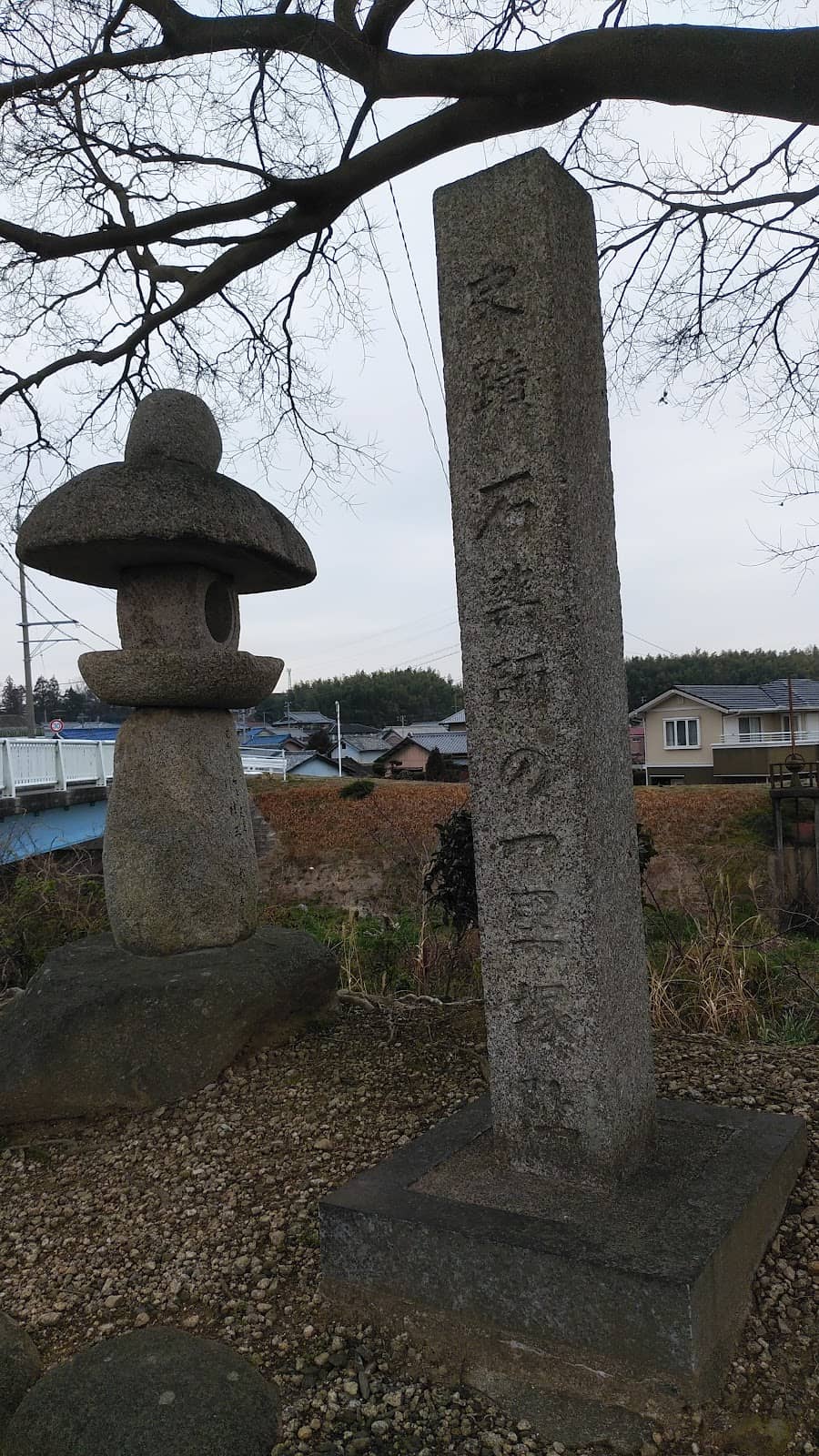
Enjoy a peaceful walk along Nobutsuna Karuta Road, adorned with monuments bearing poems. 🚶
🗺️ Look for Signposts
Easy-to-understand signposts clearly mark historical points, guiding your exploration. :round_pushpin:

Quick Facts
Hours
Rating
3.2 · 11 reviews
Type
Historical Landmark
Highlights
Discover the most iconic attractions and experiences
Ishiyakushi-ji Temple
Uenomachi
The temple famously depicted in Hokusai's ukiyo-e print, offering a direct visual link to the past.
Ozawa Honjin Remains
Honmachi
Explore the foundations of the former main inn, a crucial stop for travelers on the Tokaido Road.
Sasaki Nobutsuna Museum
Honmachi
Discover the life and works of the renowned poet, with monuments and poems lining the Nobutsuna Karuta Road.
Plans like a pro.
Thinks like you
Planning Your Visit
Embrace the Past, Gently
Timing is Key for Tranquility
Best Times
Insider Tips
from TikTok, Instagram & Reddit
🚶♀️ Stroll the Nobutsuna Road
Enjoy a peaceful walk along Nobutsuna Karuta Road, adorned with monuments bearing poems. 🚶
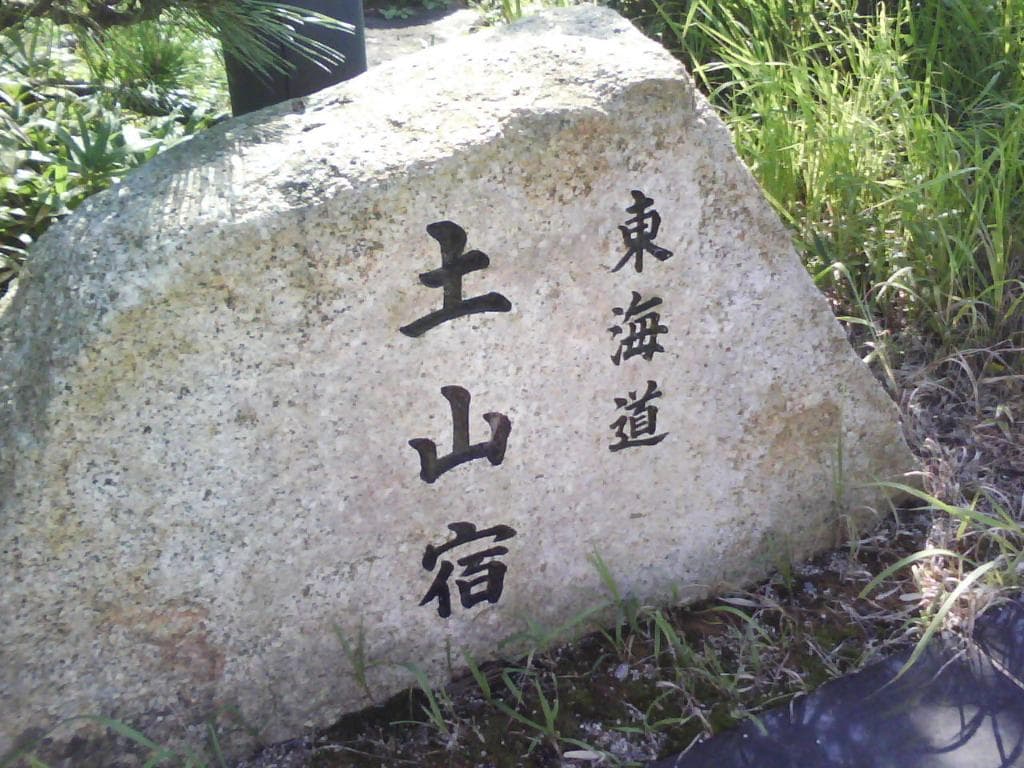
🗺️ Look for Signposts
Easy-to-understand signposts clearly mark historical points, guiding your exploration. :round_pushpin:
🖼️ Connect with Ukiyo-e
Visit Ishiyakushi-ji Temple to see the site depicted in Hokusai's famous woodblock print. :frame_photo:
🏡 Appreciate Subtle History
Understand that remnants are subtle; focus on the atmosphere and historical context. :classical_building:
Tips
from all over the internet
🚶♀️ Stroll the Nobutsuna Road
Enjoy a peaceful walk along Nobutsuna Karuta Road, adorned with monuments bearing poems. 🚶
🗺️ Look for Signposts
Easy-to-understand signposts clearly mark historical points, guiding your exploration. :round_pushpin:
🖼️ Connect with Ukiyo-e
Visit Ishiyakushi-ji Temple to see the site depicted in Hokusai's famous woodblock print. :frame_photo:
🏡 Appreciate Subtle History
Understand that remnants are subtle; focus on the atmosphere and historical context. :classical_building:
What Travellers Say
Reviews Summary
Visitors appreciate Ishiyakushi-juku for its quiet historical significance and the subtle remnants of its past as a Tokaido post town. The connection to Hokusai's art at Ishiyakushi-ji Temple and the literary path of Sasaki Nobutsuna are highlighted as unique draws. However, some note the lack of extensive reconstruction, suggesting it's a place for those who enjoy historical atmosphere over grand displays.
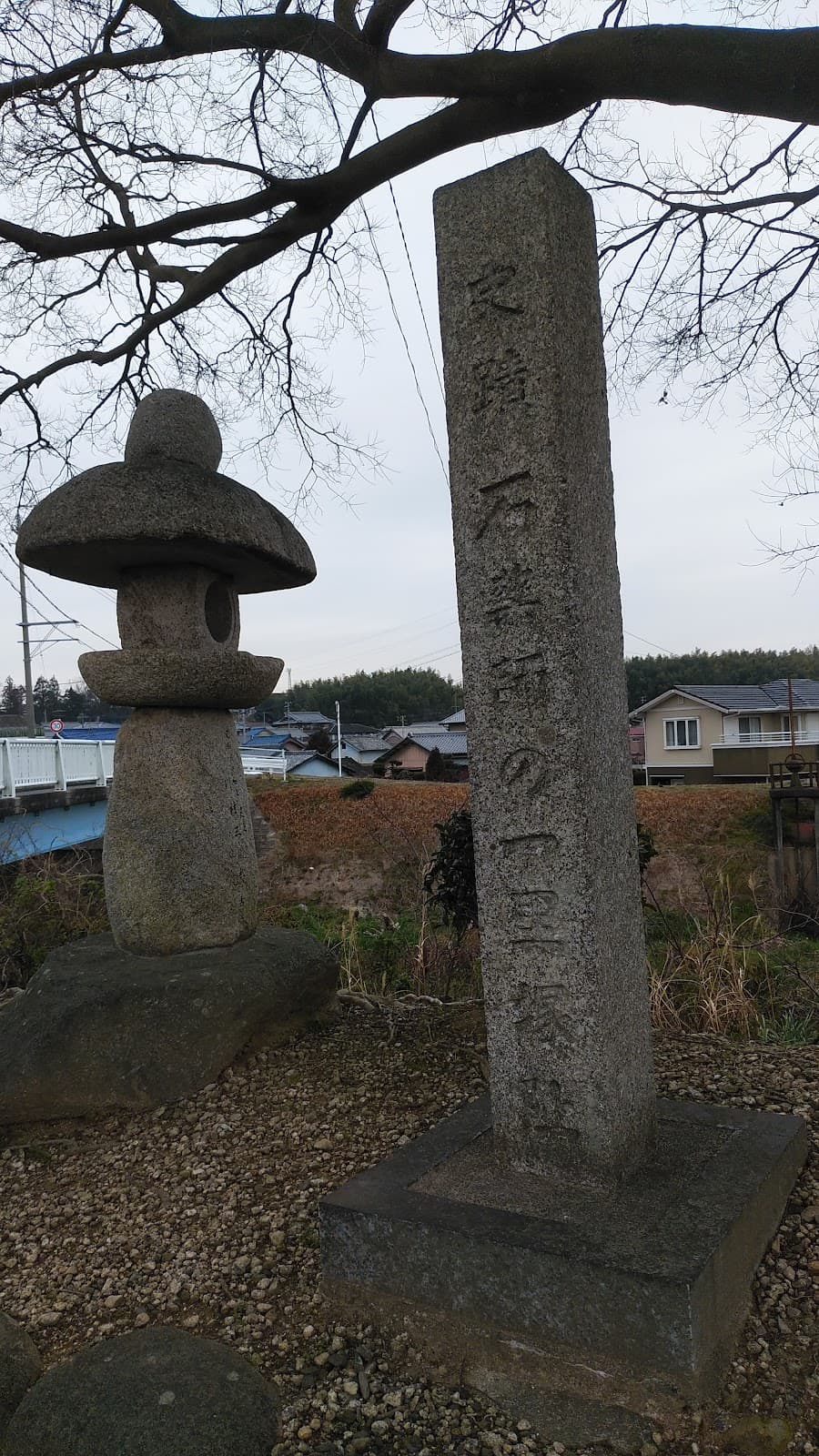
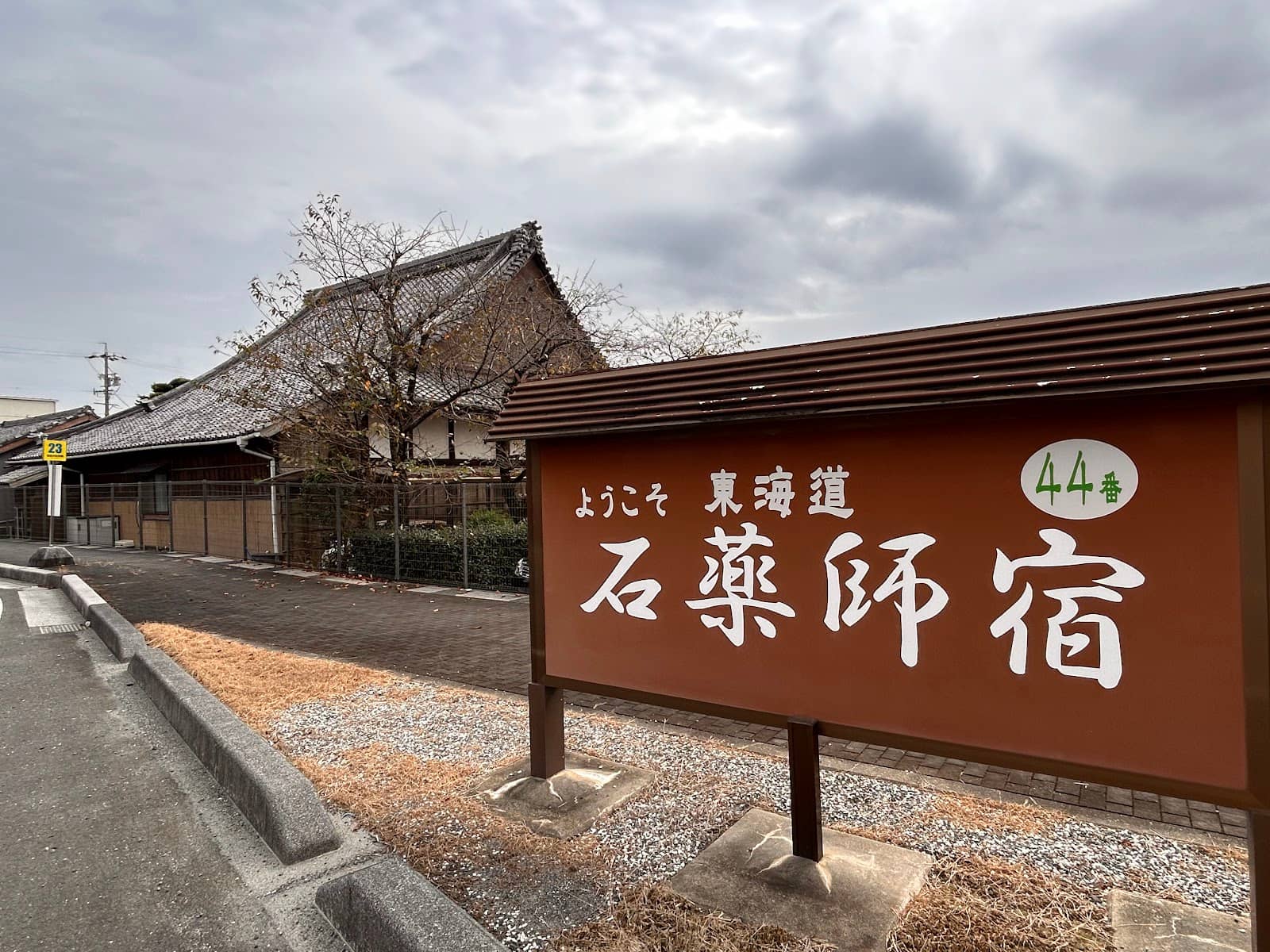
"The 53rd post town on the Tokaido. There is hardly any trace of the post town now. There are remains of the main camp.
Ishiyakushi-ji Temple, depicted in the ukiyo-e, is about 500 meters south of this signboard."
ゲラーデアオス
"This is a nostalgic place for me, as I was born and spent some time there.
It is the 44th post town and historic site of the Fifty-three Stations of the Tokaido. There is a Jizo hall and sign at the entrance to Kitamachi, while in Honmachi you will find the remains of Ozawa Honjin, Oki Shrine, and the Sasaki Nobutsuna Museum, and in Uenomachi you will find Ishiyakushi-ji Temple, which was featured in an ukiyo-e print by Katsushika Hokusai.
There is also Nobutsuna Karuta Road, with monuments bearing poems hanging along the road, making it a great place to stroll."
飛鳥芳樹
"The surrounding area is open and the views are great."
shinohara makoto
What People Like
What People Dislike
Frequently Asked Questions
🚇 🗺️ Getting There
Ishiyakushi-juku is accessible by public transport. From major cities like Tokyo or Osaka, you can take a Shinkansen to Shizuoka Station, then transfer to a local train or bus heading towards the area. Checking local bus routes from nearby stations is recommended for the final leg of your journey.
While specific parking details can vary, there are generally parking facilities available near historical sites in smaller towns like Ishiyakushi-juku. It's advisable to look for designated parking areas upon arrival to avoid any inconvenience.
Cycling is a great way to explore the region, especially if you're interested in the Tokaido Road. The roads are generally well-maintained, and cycling allows you to stop and appreciate the scenery at your own pace.
The area is relatively compact, and many historical points are within walking distance of each other. Signposts are helpful, and having a local map or using a navigation app on your phone can enhance your exploration.
Yes, Ishiyakushi-juku makes for a wonderful day trip, especially if you're visiting from nearby cities like Shizuoka. You can easily explore the main historical sites within a few hours.
🎫 🎫 Tickets & Entry
Most of the historical sites and the general area of Ishiyakushi-juku are free to access. There are no admission fees for walking through the post town or visiting the temple grounds. 🎟️
As an open historical area, Ishiyakushi-juku does not have set opening hours. However, the Sasaki Nobutsuna Museum may have its own operating hours, so it's best to check those in advance if you plan to visit.
Generally, there is no entrance fee to visit Ishiyakushi-ji Temple. You can explore the temple grounds and appreciate its historical significance freely.
While official guided tours might be limited, local information centers or community guides may offer insights. It's worth inquiring locally upon arrival for any available historical walking tours.
Yes, the remains of Ozawa Honjin are accessible as part of the historical site. You can view the remnants and imagine the bustling inn it once was.
🎫 🧭 Onsite Experience
You can explore the remnants of the Ozawa Honjin, visit Ishiyakushi-ji Temple (famous from Hokusai's art), and walk the Nobutsuna Karuta Road with its poetry monuments. It's a place for quiet reflection on Edo-period travel. :classical_building:
A visit to Ishiyakushi-juku can be comfortably done in 2-3 hours, allowing time to explore the main sites and enjoy the peaceful atmosphere. If you plan to visit the museum, allocate a bit more time.
Restroom facilities are typically available at or near public parking areas and sometimes near the temple or museum. It's advisable to use facilities when you see them.
The main paths and roads are generally flat and accessible. However, some older sites might have uneven terrain, so caution is advised for strollers and wheelchairs. ♿
Expect a tranquil and historical atmosphere. It's a place that offers a quiet contrast to bustling tourist spots, allowing for a more personal connection with Japan's past.
📸 📸 Photography
The Ishiyakushi-ji Temple, especially with its historical context, is a prime spot. The remnants of Ozawa Honjin and the poetry monuments along Nobutsuna Karuta Road also offer unique photographic opportunities. :camerawithflash:
Photography is generally allowed on the temple grounds for personal use. However, always be respectful of any posted signs or local customs regarding photography inside sacred areas.
Early morning or late afternoon light can create a beautiful, soft glow, enhancing the historical ambiance. Weekdays offer fewer people, making it easier to capture unobstructed shots.
Drone usage is often restricted in historical and residential areas in Japan. It's best to assume that drone photography is not permitted unless explicitly stated otherwise.
While you can photograph the temple that inspired the ukiyo-e, you generally cannot photograph the actual ukiyo-e prints themselves if they are displayed within a museum or gallery, unless permitted.

Social
from TikTok, Instagram & Reddit