Faret Tachikawa Art
An open-air art museum where 109 international artworks are woven into the urban fabric of Tachikawa.
Highlights
Must-see attractions

Social
From TikTok & Reddit
Best Time
Fewer crowds for art discovery
Faret Tachikawa Art
Best Time
Fewer crowds for art discovery
Highlights
Must-see attractions
An open-air art museum where 109 international artworks are woven into the urban fabric of Tachikawa.
"It was a refreshing change to see such artistic town development!"
🚶♀️ Art Scavenger Hunt
Explore the area north of Tachikawa Station to find over 100 art pieces integrated into the city.
📸 Photo Walk Fun
Join a volunteer-led photo walk to discover art and connect with others. Any camera is welcome!
Quick Facts
Hours
Rating
3.8 · 140 reviews
Type
Tourist Attraction
Highlights
Discover the most iconic attractions and experiences
Ubiquitous Public Art
Throughout the Faret Tachikawa district
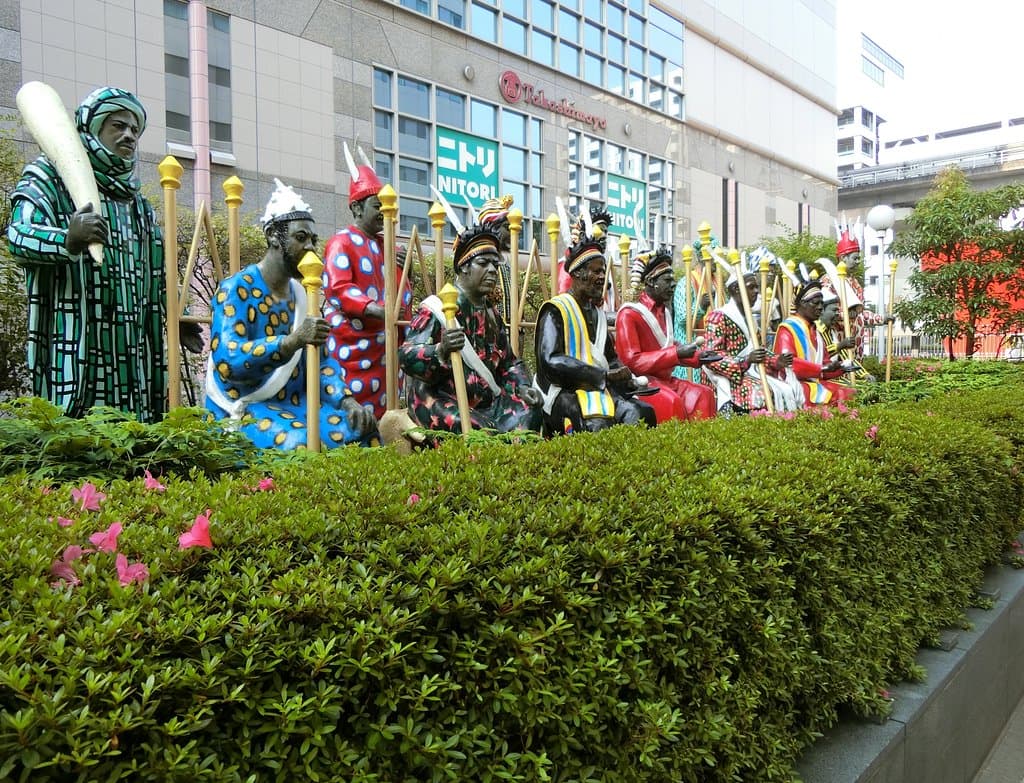
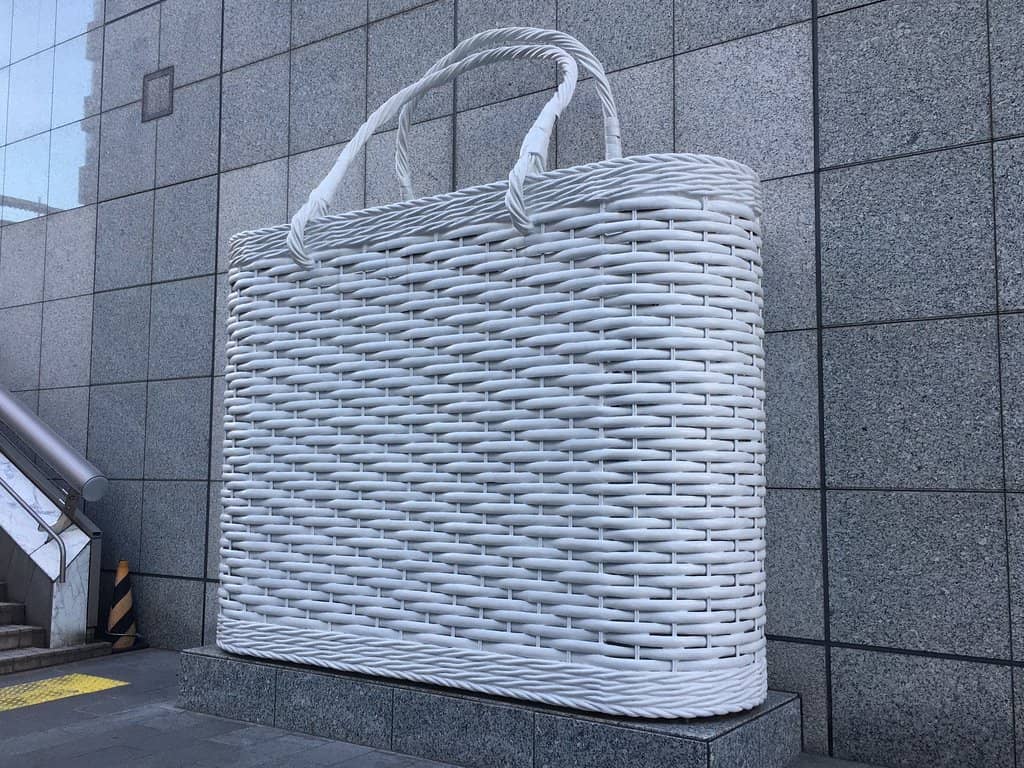
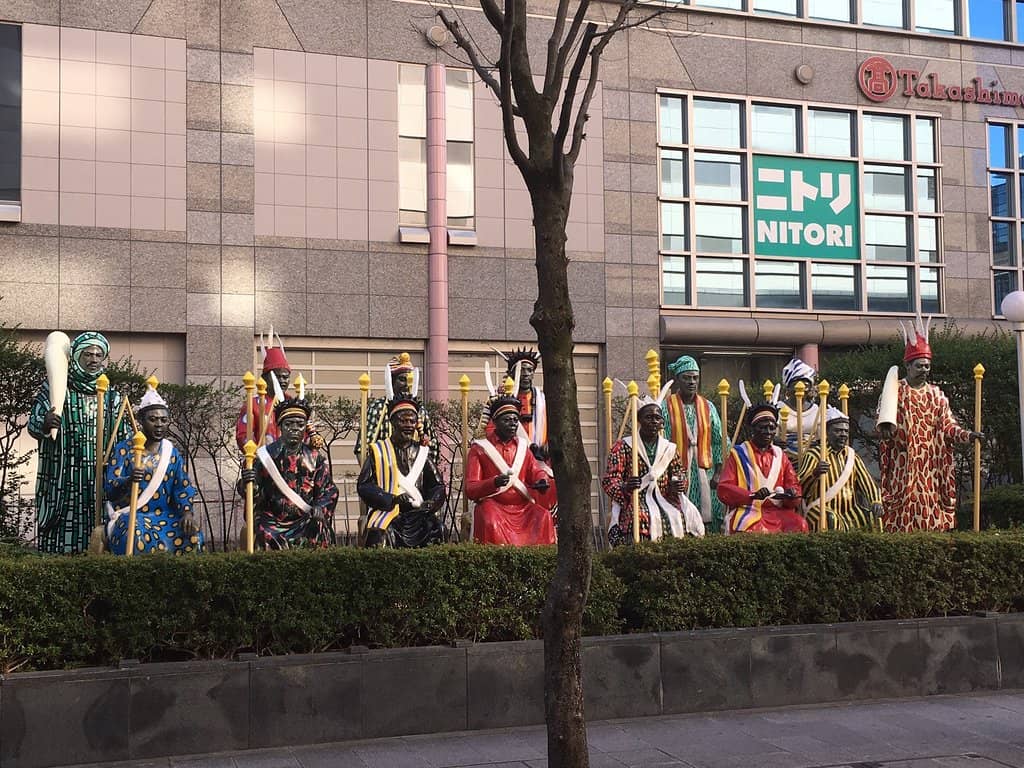
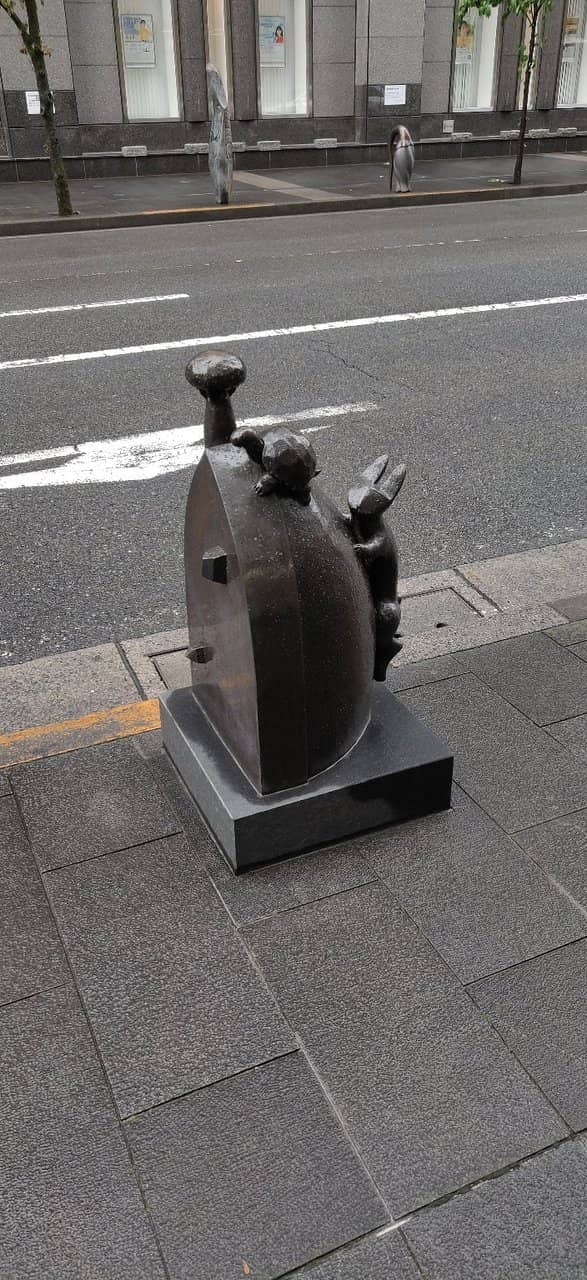
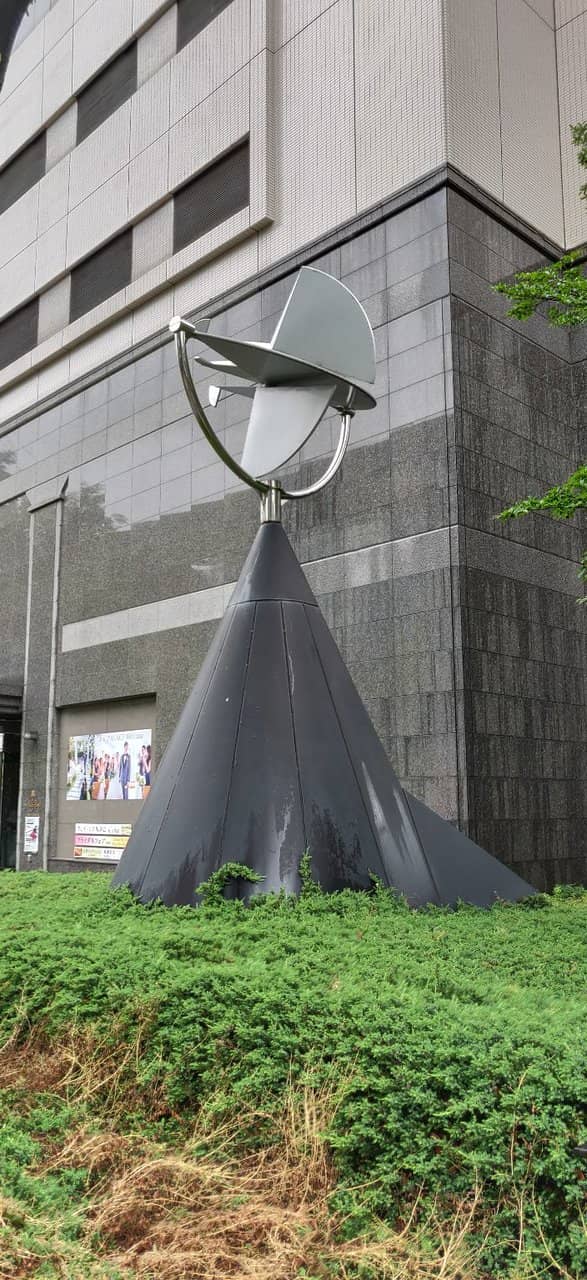
Discover over 100 artworks by international artists integrated into the urban fabric, from benches to ventilation shafts.
Artistic Town Development
North of Tachikawa Station
Experience a city transformed into an open-air museum, showcasing a refreshing approach to urban planning and creativity.
Functional Art Pieces
Various locations
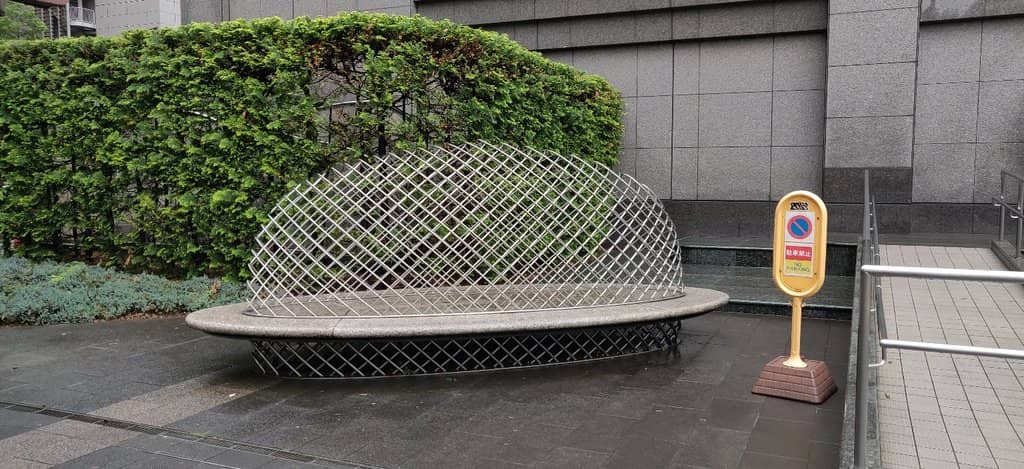
Marvel at art that doubles as streetlights, car stops, and benches, blending aesthetics with everyday utility.
Plans like a pro.
Thinks like you
Planning Your Visit
Embrace the Art Hunt
Plan for Discovery

Best Times
Insider Tips
from TikTok, Instagram & Reddit
🚶♀️ Art Scavenger Hunt
Explore the area north of Tachikawa Station to find over 100 art pieces integrated into the city.
📸 Photo Walk Fun
Join a volunteer-led photo walk to discover art and connect with others. Any camera is welcome!
📅 Check for Events
Look out for special events like 'Museum Day' for a more immersive art experience.
💡 Functional Art
Notice how art pieces serve practical purposes like streetlights and benches.
Tips
from all over the internet
🚶♀️ Art Scavenger Hunt
Explore the area north of Tachikawa Station to find over 100 art pieces integrated into the city.
📸 Photo Walk Fun
Join a volunteer-led photo walk to discover art and connect with others. Any camera is welcome!
📅 Check for Events
Look out for special events like 'Museum Day' for a more immersive art experience.
💡 Functional Art
Notice how art pieces serve practical purposes like streetlights and benches.
What Travellers Say
Reviews Summary
Visitors praise Faret Tachikawa for its innovative urban art development, transforming the city into an engaging open-air museum. The integration of functional art and the sheer number of diverse international pieces are highlights, offering a refreshing and discovery-filled experience. Some find the art subtle, requiring an active search to appreciate its full extent.
"Really nice place to visit with a lot of art (sometimes subtle) placed everywhere in the area. I would strongly recommend visiting the MangaPark after."
Jade Nguyen
"Apparently, "Fare" means to create or produce in Italian, so they added the "T" from Tachikawa to it and called it "FARET" (Fare Tachikawa)!
It was a refreshing change to see such artistic town development!
It wasn't just art pieces that were placed there; it was interesting to see that they also served actual functions like streetlights and car stops!
It seems there's also a photography contest, so I thought the art was more practical than in other towns!"
旅人runner
"Just a few minutes' walk from the north exit of Tachikawa Station, you'll come across Faret Tachikawa, a place where you'll suddenly find yourself wondering, "What is this?", in the gaps between buildings or on the edge of the sidewalk. 109 public artworks created by 92 artists from 36 countries are scattered throughout the city, giving the strong impression that the entire town has been turned into an "open-air art museum." Items that originally function as part of the town's functions or decorations, such as "ventilation shafts," "benches," "parking barriers," "walls," and "plants," have also been established as art."
東京もぐもぐグルメ
What People Like
What People Dislike
Frequently Asked Questions
🚇 🗺️ Getting There
Faret Tachikawa is conveniently located just a few minutes' walk from the north exit of Tachikawa Station. It's easily accessible via public transport, making it a great destination for day trips from central Tokyo.
Yes, Tachikawa Station is a major hub served by JR lines, including the Chuo Line and Ome Line, as well as the Tama Monorail.
The best way to explore Faret Tachikawa is on foot. The art installations are spread throughout the district, encouraging leisurely walks and discovery.
While specific parking details for Faret Tachikawa aren't widely publicized, Tachikawa Station has several large parking garages nearby. It's recommended to check local parking information if driving.
Yes, using navigation apps like Google Maps or Jorudan will help you find the most efficient train routes to Tachikawa Station and guide you to the Faret Tachikawa art district.
🎫 🎫 Tickets & Entry
Faret Tachikawa is an open-air art district, so there are no tickets required to wander and admire the public art installations.
No, exploring the art scattered throughout the streets of Faret Tachikawa is free of charge.
As an outdoor art space, Faret Tachikawa is accessible at all times. However, individual shops, galleries, or event venues within the district will have their own operating hours.
Yes, volunteer groups sometimes organize photo walks with professional photographers, offering a guided way to discover the art.
Absolutely! Events like 'Faret Tachikawa Art Museum Day' offer a concentrated experience of art and activities. Check the official Faret Tachikawa website for schedules.
📸 📸 Photography
Yes, photography is generally encouraged in Faret Tachikawa, as it's an open-air art space. Many visitors enjoy capturing the unique installations.
While general photography is fine, always be mindful of private property and any specific signage regarding photography in certain areas or within any galleries.
The beauty of Faret Tachikawa is that art is everywhere! Look for installations integrated into everyday objects like benches, streetlights, and building facades for unique shots.
Yes, you can bring professional camera equipment. In fact, photo walks are organized where participants use various cameras, including older models.
It seems there have been photography contests related to Faret Tachikawa in the past, suggesting a strong appreciation for capturing the art.
🎫 💡 Onsite Experience
Faret Tachikawa features a diverse range of public art, including sculptures, installations, and artistic designs integrated into the urban environment.
There are approximately 109 public artworks created by 92 artists from 36 countries scattered throughout the district.
Yes, Faret Tachikawa can be enjoyable for families. The art installations can spark curiosity, and the open spaces allow for exploration. Consider visiting MangaPark nearby for additional family-friendly activities.
The art development is based on three concepts: 'A city that reflects the world,' 'Turning function into fiction,' and 'A city of surprise and discovery.'
While not all pieces are interactive, many are functional, meaning they serve a purpose in the city, such as benches or streetlights, which can be a unique form of engagement.


Social
from TikTok, Instagram & Reddit