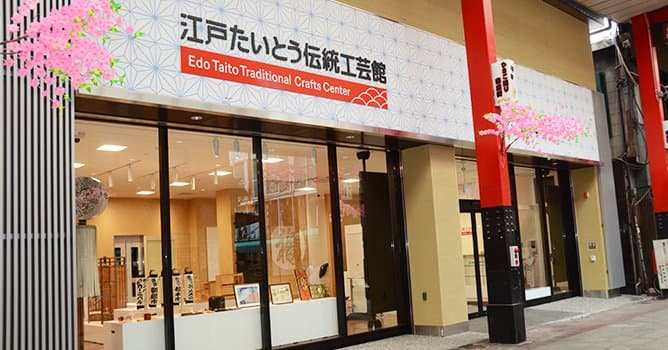
Taito Traditional Crafts Museum
Discover exquisite Edo Period and contemporary Japanese crafts, with free entry and fascinating process videos.
Highlights
Must-see attractions

Social
From TikTok & Reddit
Best Time
Fewer crowds, more intimate viewing
Taito Traditional Crafts Museum
Best Time
Fewer crowds, more intimate viewing
Highlights
Must-see attractions
Discover exquisite Edo Period and contemporary Japanese crafts, with free entry and fascinating process videos.
"A lovely little museum showing many crafts of Japan, with helpful staff and delicious food nearby. "
Bring a translation app
Most exhibit signs are in Japanese. A translation app will greatly enhance your understanding. :iphone:
Enjoy the local eatery
The restaurant directly facing the museum entrance serves delicious local food. :knifeforkplate:
Quick Facts
Hours
Rating
3.9 · 312 reviews
Type
Museum
Highlights
Discover the most iconic attractions and experiences
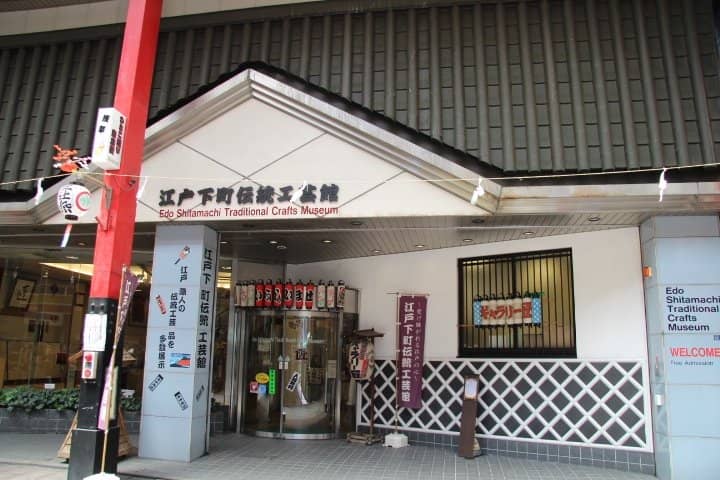
Edo Period Craftsmanship
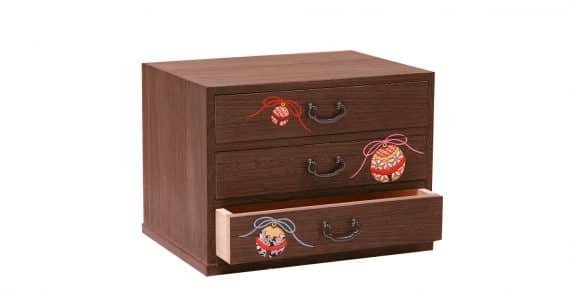
Admire stunning examples of craftsmanship from the Edo Period, including intricate paulownia dressers.
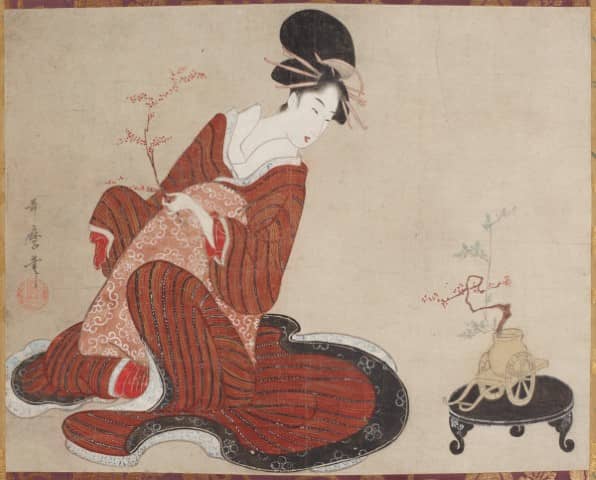
Diverse Japanese Crafts
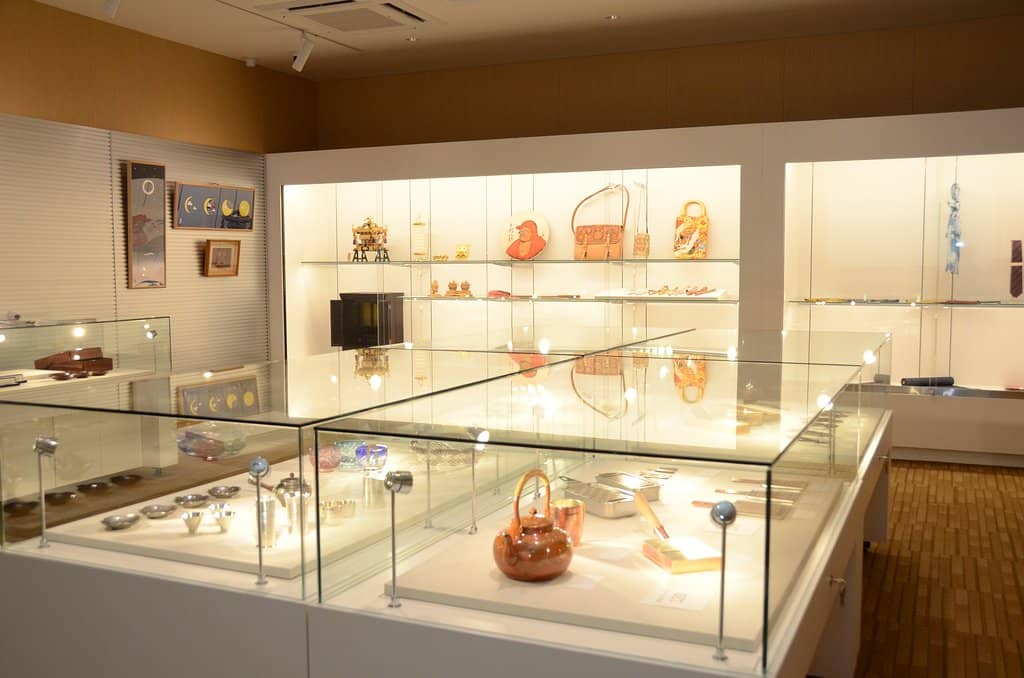
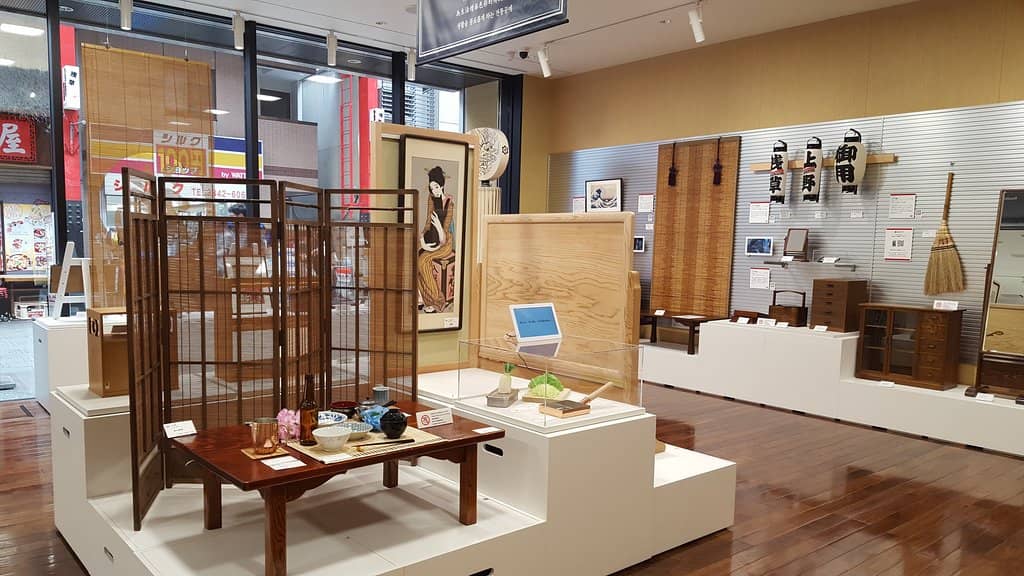
Explore a variety of Japanese crafts like brush making, silver smithing, woodworking, and textile art.
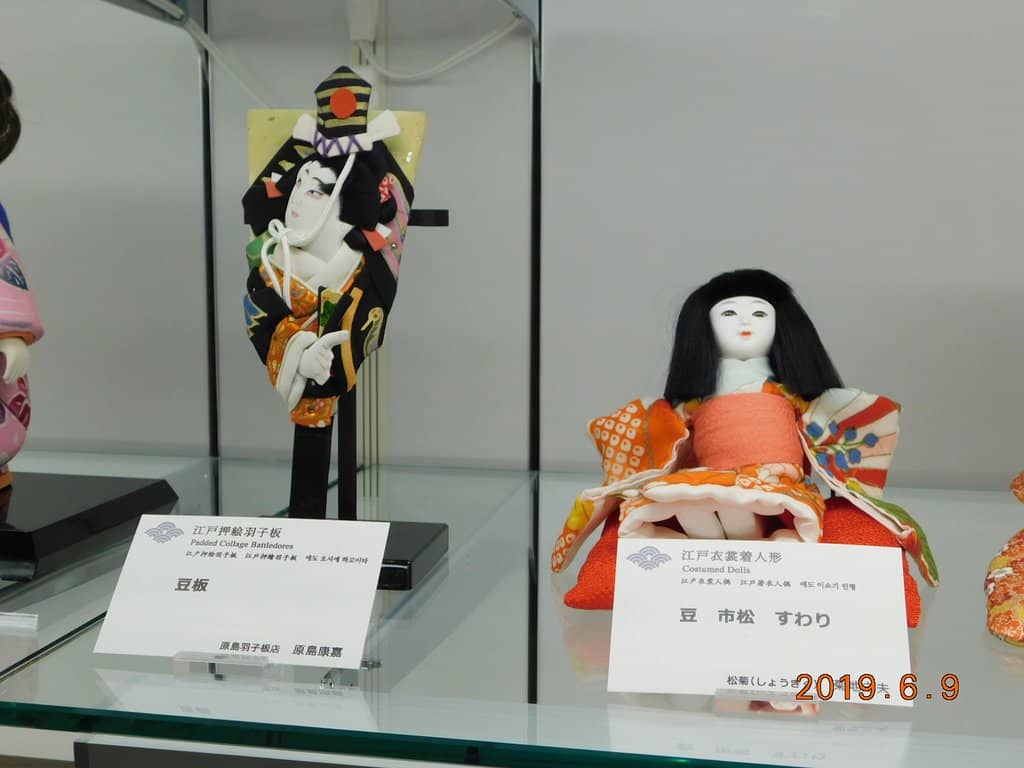
Artisan Process Videos
Watch engaging videos that showcase the detailed processes behind each unique craft.
Plans like a pro.
Thinks like you
Planning Your Visit
Free Entry, But Limited Info
A Showroom Experience
Best Times
Insider Tips
from TikTok, Instagram & Reddit
Bring a translation app
Most exhibit signs are in Japanese. A translation app will greatly enhance your understanding. :iphone:
Enjoy the local eatery
The restaurant directly facing the museum entrance serves delicious local food. :knifeforkplate:
It's a showroom, not a shop
While it displays beautiful items, it's primarily a museum showcasing contemporary craft work. 🎨
Tips
from all over the internet
Bring a translation app
Most exhibit signs are in Japanese. A translation app will greatly enhance your understanding. :iphone:
Enjoy the local eatery
The restaurant directly facing the museum entrance serves delicious local food. :knifeforkplate:
It's a showroom, not a shop
While it displays beautiful items, it's primarily a museum showcasing contemporary craft work. 🎨
What Travellers Say
Reviews Summary
Visitors appreciate the Taito Traditional Crafts Museum for its free admission and stunning display of Edo Period and contemporary Japanese crafts, often highlighting the intricate paulownia dressers and informative process videos. However, the lack of English signage can be a significant barrier for international visitors, requiring reliance on translation tools.
"An interesting crafts museum with entrance free of charge. We were the only visitors around 17:00. They had lots of interesting items, but the signs were in Japanese only, so it takes some extra effort to translate."
Bjorn K.
"This is a lovely little museum showing some of the many crafts of Japan, including brush making, sliver smithing, wood working, and a type of 3D picture making of textile art, plus many more. There are videos that show the process of the craft. The lady at the front desk was exceptionally helpful and friendly.
The local restaurant facing the entrance serves delicious food too."
Jaki Cox
"Stunning selection of Edo Period craftsmanship. The paulownia dresser is gorgeous!"
D VD
What People Like
What People Dislike
Frequently Asked Questions
🚇 🗺️ Getting There
The museum is accessible via public transport. The nearest stations are likely within walking distance of Ueno or Okachimachi. Check local transit maps for the most convenient route from your location.
Information on parking is limited. It's generally recommended to use public transportation in Tokyo to avoid parking hassles and costs.
🎫 🎫 Tickets & Entry
The museum offers free admission, making it a great budget-friendly option for experiencing Japanese crafts.
Opening hours can vary, but it's often open until around 17:00. It's advisable to check the official website or local listings for the most current hours before your visit.
While the museum showcases beautiful crafts, it functions more as a showroom for local manufacturers rather than a retail shop.
🎫 🧭 Onsite Experience
Unfortunately, most exhibit labels are in Japanese only. Visitors may need to rely on translation apps or focus on the visual aspects of the crafts.
The museum features a diverse range of traditional and contemporary Japanese crafts, including brush making, silver smithing, woodworking, and textile art.
Yes, the museum often features videos that demonstrate the intricate processes involved in creating the displayed crafts, offering a dynamic viewing experience.
While children can appreciate the visual aspects of the crafts, the lack of English descriptions might make it less engaging for younger visitors unless accompanied by an adult who can translate.
🍽️ 🍽️ Food & Dining
Yes, there is a local restaurant directly facing the museum entrance that is noted for serving delicious food.
The restaurant facing the museum is described as serving delicious local cuisine, offering a convenient and tasty dining experience after your visit.
📸 📸 Photography
Photography policies can vary. It's best to look for signage within the museum or ask staff if photography is permitted, especially for the displayed crafts.





Social
from TikTok, Instagram & Reddit